














Solar-powered street lamps solutions for Nigerian municipalities | Insights by Quenenglighting
Solar-Powered Street Lamps Solutions for Nigerian Municipalities: A Comprehensive Guide
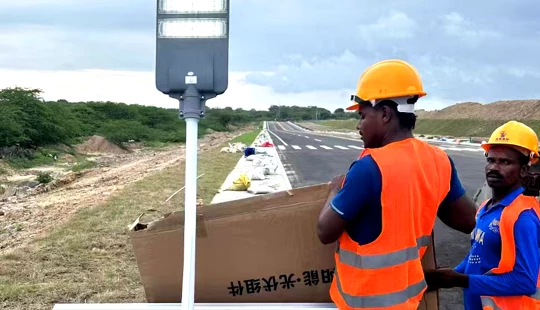
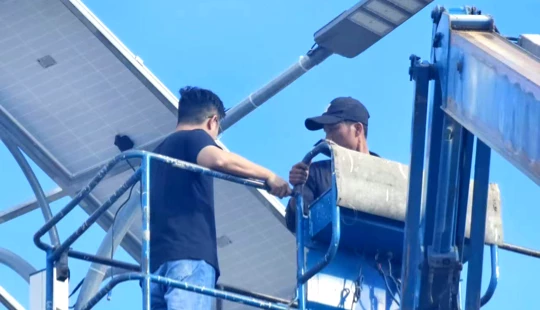
As Nigeria continues its rapid urbanization and development, the demand for reliable and sustainable public infrastructure, particularly lighting, has never been more critical. Traditional grid-powered street lights often suffer from inconsistent electricity supply, high operational costs, and environmental concerns. In this context, solar-powered street lamps have emerged as an optimal solution, offering autonomy, cost-efficiency, and resilience. For Nigerian municipalities, embracing solar lighting is not just an option but a strategic imperative for progress.
Why is solar-powered street lighting an imperative for Nigerian municipalities?
Nigeria's reliance on an often-unstable national grid means frequent power outages, leaving many communities in darkness. This impacts safety, commerce, and overall quality of life. Solar street lighting provides an independent, consistent power source, leveraging Nigeria's abundant solar resource, which averages 4.0 to 6.0 kWh/m²/day across the country. This high solar irradiance makes it ideal for harnessing solar energy efficiently. By installing solar street lamps, municipalities can significantly reduce their operational expenditures associated with grid electricity bills and generator fuel, contribute to a greener environment by cutting carbon emissions, and enhance the security and vibrancy of their communities around the clock.
What are the key technical specifications and features to consider for optimal performance in Nigeria?
When procuring solar street lamps, municipalities must prioritize durability, efficiency, and intelligence to ensure long-term performance in Nigeria's climate and operational context. Key specifications include:
- Solar Panel Efficiency: Look for monocrystalline panels with high conversion efficiency (typically 20% or more) to maximize energy harvesting, especially during shorter daylight hours or cloudy periods.
- Battery Technology: Lithium Iron Phosphate (LiFePO4) batteries are highly recommended. They offer superior lifespan (5-10 years, 2000-4000+ cycles), better temperature stability (operating efficiently in Nigeria’s heat), higher discharge rates, and enhanced safety compared to traditional lead-acid batteries.
- LED Luminaires: High luminous efficacy LEDs (150-180 lumens per watt) are crucial for bright illumination with minimal power consumption. The light distribution pattern should be uniform to cover the street effectively.
- Intelligent MPPT Charge Controller: A Maximum Power Point Tracking (MPPT) controller is essential for optimizing the charging process, extracting up to 30% more power from the solar panel compared to PWM controllers, especially under varying weather conditions.
- Autonomy and Dimming: The system should offer at least 3-5 days of battery autonomy to ensure lighting during extended cloudy periods. Intelligent dimming profiles (e.g., dusk-to-dawn operation with time-based dimming or motion sensor integration) conserve battery life and extend runtime.
- Ingress Protection (IP) Rating: An IP65 or IP66 rating is vital for dust-tight protection and resistance against water jets, safeguarding components from harsh environmental elements common in Nigeria.
What is the typical cost implication and return on investment (ROI) for solar street lamp projects in Nigeria?
The initial investment for solar street lamp solutions in Nigeria varies widely based on specifications (LED wattage, battery capacity, pole height, features). For a complete integrated unit suitable for municipal roads (e.g., 60W-120W LED equivalent), costs can range from $300 to $1500+ per unit, including the pole and basic installation. While the upfront cost may seem higher than conventional lighting, the long-term savings are substantial. Nigerian municipalities often experience a relatively quick return on investment (ROI) due to:
- Elimination of Electricity Bills: No grid power consumption means zero monthly electricity charges for lighting.
- Reduced Generator Dependency: Alleviates the need for costly diesel generators for backup lighting.
- Lower Maintenance: Solar street lights, especially with LiFePO4 batteries and robust designs, require minimal maintenance compared to grid-connected lights prone to power surge damage.
The payback period can often be as short as 3-5 years, after which the lights provide free illumination for the remainder of their long lifespan.
How durable and reliable are solar street lights in Nigeria's climate, and what are the maintenance requirements?
Modern solar street lights are designed for resilience. The high temperatures and dusty conditions in parts of Nigeria demand systems with robust construction and appropriate IP ratings. Quality solar panels are built to withstand harsh weather for 20-25 years with minimal degradation (around 0.5% per year after the first year). LiFePO4 batteries are less susceptible to heat degradation than other battery types, ensuring stable performance. LEDs themselves have a lifespan of 50,000 to 100,000 hours, equivalent to 10-20 years of typical usage.
Maintenance requirements are relatively low:
- Panel Cleaning: Periodic cleaning of solar panels (1-2 times a year) to remove dust and debris and ensure optimal energy absorption.
- Battery Checks: Infrequent checks (every few years for LiFePO4) to monitor performance.
- Component Replacement: Occasional replacement of components like batteries after their lifespan or LED drivers if they fail, which are generally modular and easy to swap.
Local technicians can be easily trained to handle these basic maintenance tasks, ensuring sustained operation.
What are the available financing options for Nigerian municipalities to implement solar street lighting projects?
Financing can be a significant hurdle, but several avenues exist for Nigerian municipalities:
- Government Initiatives: Agencies like the Rural Electrification Agency (REA) often have programs and funding for sustainable energy projects, including solar street lighting, particularly in off-grid or underserved areas.
- International Development Funds: Organizations such as the World Bank, African Development Bank (AfDB) through its Sustainable Energy Fund for Africa (SEFA), USAID, and other bilateral agencies offer grants, concessional loans, and technical assistance for green infrastructure projects.
- Public-Private Partnerships (PPPs): Municipalities can partner with private companies for design, build, finance, operate, and maintain (DBFOM) models, where the private entity finances the project and recoups costs over time through agreed-upon payments.
- Green Bonds and Climate Finance: As Nigeria develops its green finance market, issuing green bonds or accessing climate finance mechanisms can be a viable option for larger projects.
- Local Bank Loans: Some commercial banks are developing specialized products for renewable energy projects, though interest rates might be a consideration.
How do solar street lamps enhance safety and drive economic development in local communities?
The impact of reliable public lighting extends far beyond mere illumination:
- Enhanced Safety and Security: Well-lit streets significantly deter criminal activities, making public spaces safer for residents, pedestrians, and commuters. Studies in various urban settings have shown that improved lighting can reduce crime rates by up to 20-30%.
- Improved Traffic Safety: Better visibility for drivers and pedestrians reduces the risk of accidents, particularly at night.
- Extended Economic Activity: With proper lighting, businesses can extend their operating hours into the evening, fostering a vibrant night-time economy. Markets, shops, and restaurants thrive, creating job opportunities and boosting local revenue.
- Community Empowerment: Public spaces become more usable after dark, enabling evening social gatherings, educational activities, and recreational pursuits, fostering a stronger sense of community.
- Attracting Investment: A well-lit municipality signals progress, safety, and a commitment to modern infrastructure, making it more attractive for potential investors and businesses.
Quenenglighting: Your Partner for Sustainable Illumination in Nigeria
For Nigerian municipalities seeking to embrace the benefits of solar-powered street lighting, Quenenglighting offers a distinct advantage. With a commitment to innovation and quality, Quenenglighting specializes in designing and manufacturing high-performance solar lighting solutions tailored for demanding environments. Our advantages include:
- High-Efficiency Design: We utilize state-of-the-art solar panels and high-lumen output LEDs to maximize energy harvesting and deliver superior illumination with minimal power consumption.
- Robust & Durable Construction: Our products are engineered with High Quality materials and advanced ingress protection (IP65/IP66) to withstand Nigeria's harsh climate, ensuring long-term reliability and resistance to dust, heat, and moisture.
- Advanced Battery Management: Featuring long-life LiFePO4 batteries and intelligent MPPT charge controllers, our systems guarantee extended autonomy, optimal charging efficiency, and a prolonged lifespan.
- Customized Solutions: We understand that every municipality has unique needs. Quenenglighting offers bespoke lighting designs, calculating optimal system configurations based on specific geographical location, light requirements, and solar irradiance data.
- Comprehensive After-Sales Support: Beyond product delivery, we provide extensive support, including installation guidance, maintenance protocols, and reliable warranty services, ensuring smooth project implementation and operation.
- Smart Control Features: Our solutions incorporate advanced features like remote monitoring, programmable dimming profiles, and motion sensing, allowing for optimized energy use, enhanced security, and convenient management.
Partner with Quenenglighting to illuminate your communities sustainably, securely, and efficiently, paving the way for a brighter future for Nigerian municipalities.

Have more questions about our products or services?
The latest hot news you might like

Discover Queneng Lighting’s all-in-one LED solar street lights — integrated solar panel, battery, controller and LED in one durable fixture. Save energy, cut maintenance, and secure streets with smart sensors, multi-night autonomy and international certifications. Contact sales for quotes and support.

Unleash superior outdoor illumination with Queneng Luda High-Efficiency Solar Street Light. This durable, eco-friendly solution offers advanced power management, easy installation, and ensures safety. Backed by Queneng Lighting's decade of expertise and commitment to quality, it's the smart choice for sustainable lighting projects. Learn why we're a leading solar solutions provider.

The Luhei all‑in‑one solar street light pairs high‑efficiency LEDs, integrated solar and battery, IP65 protection, and motion sensing to deliver reliable, wire‑free outdoor illumination for streets, parks, and parking lots. Backed by Queneng Lighting’s certifications and support.

FAQ
Public Gardens and Landscape Lighting
Can solar lights be customized for specific landscaping needs?
Yes, we offer customizable solar lighting solutions to meet the unique needs of different landscaping projects. From adjusting the brightness to selecting the appropriate lighting style and design, we can tailor our products to fit your vision.
Solar Street Light Lufei
How long does it take to install a solar street light?
Installation typically takes 1-2 hours, depending on the complexity of the setup. No external wiring is required, which makes installation faster and simpler compared to traditional street lighting.
Tourist Attractions and Resorts
Can solar lighting systems withstand harsh weather conditions?
Yes, solar lighting systems are built to be durable and weather-resistant. They can withstand rain, snow, and extreme temperatures, making them ideal for year-round use in outdoor settings.
Battery fundamentals and basic terms
What is nominal voltage?
Solar Street Light Luzhou
Are Luzhou solar street lights suitable for urban and residential areas?
Yes, Luzhou solar street lights are versatile and suitable for both urban and residential settings. They can be installed along streets, pathways, parks, and other public spaces, providing reliable, energy-efficient lighting wherever it's needed.
All-in-one solar street lights
Are all-in-one solar street lights easy to maintain?
Yes, integrated design simplifies inspection and replacement.
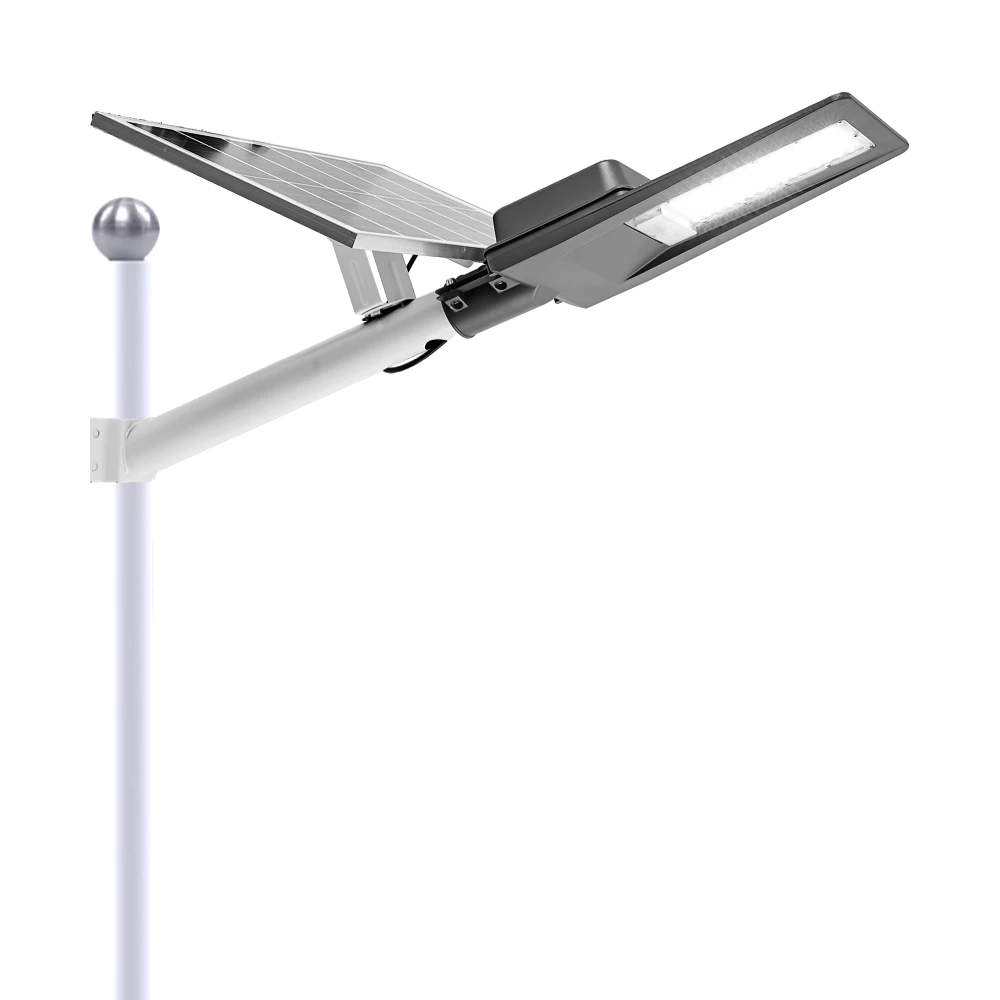
Experience reliable outdoor illumination with our smart solar street light, a perfect combination of advanced technology and eco-conscious design.
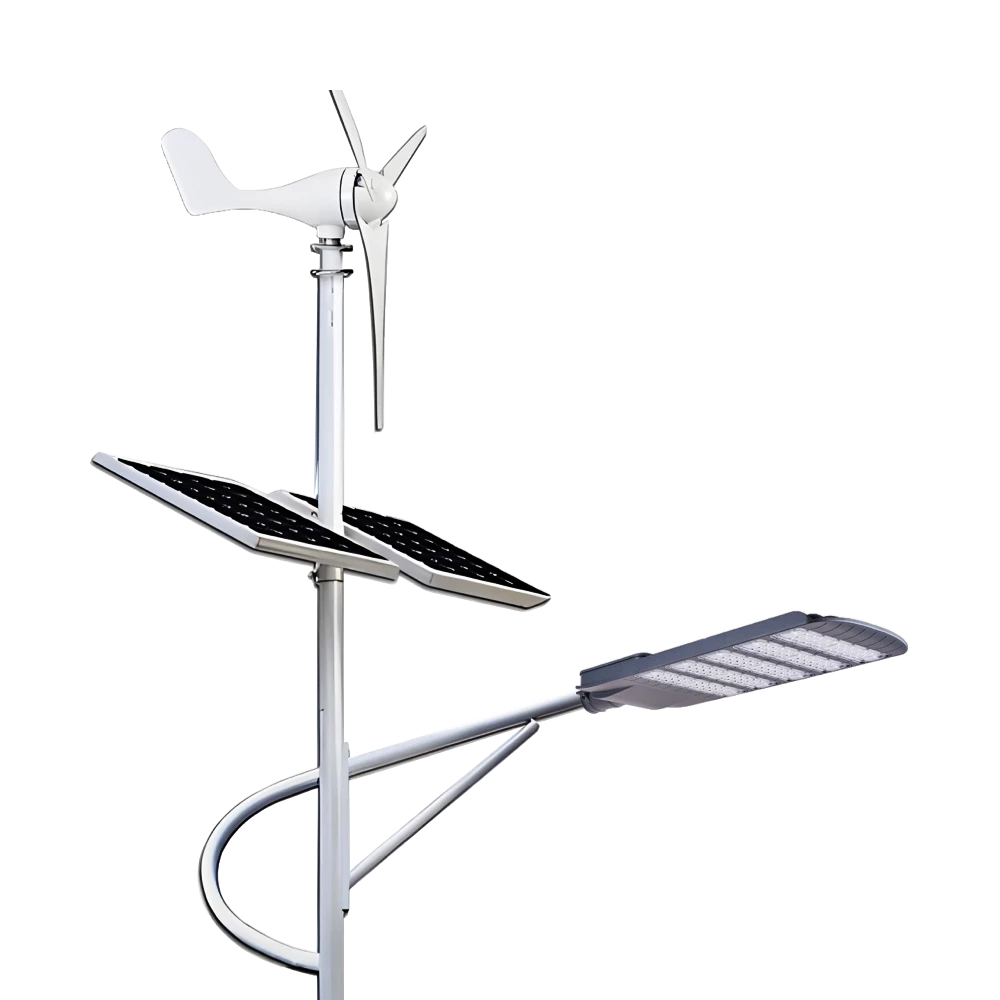
Queneng Lufeng Wind Energy LED Outdoor Solar Street Lights offer high-performance, eco-friendly illumination. These energy-efficient LED street lights harness solar power and wind energy for sustainable, cost-effective outdoor lighting solutions.
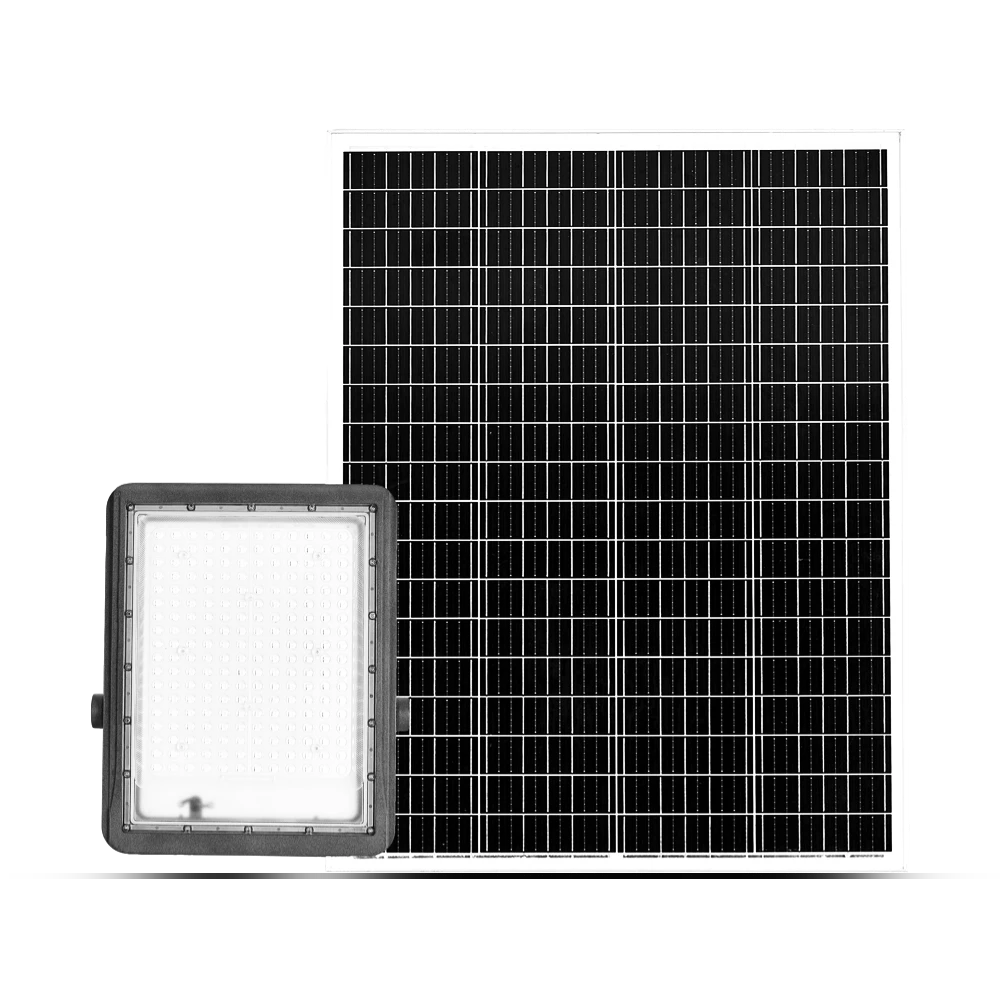
Queneng's Luxian Reliable Solar Street Light offers energy-saving LED lighting for outdoor use. This durable, solar-powered street light provides reliable illumination, reducing energy costs and environmental impact. A perfect solution for sustainable outdoor lighting.
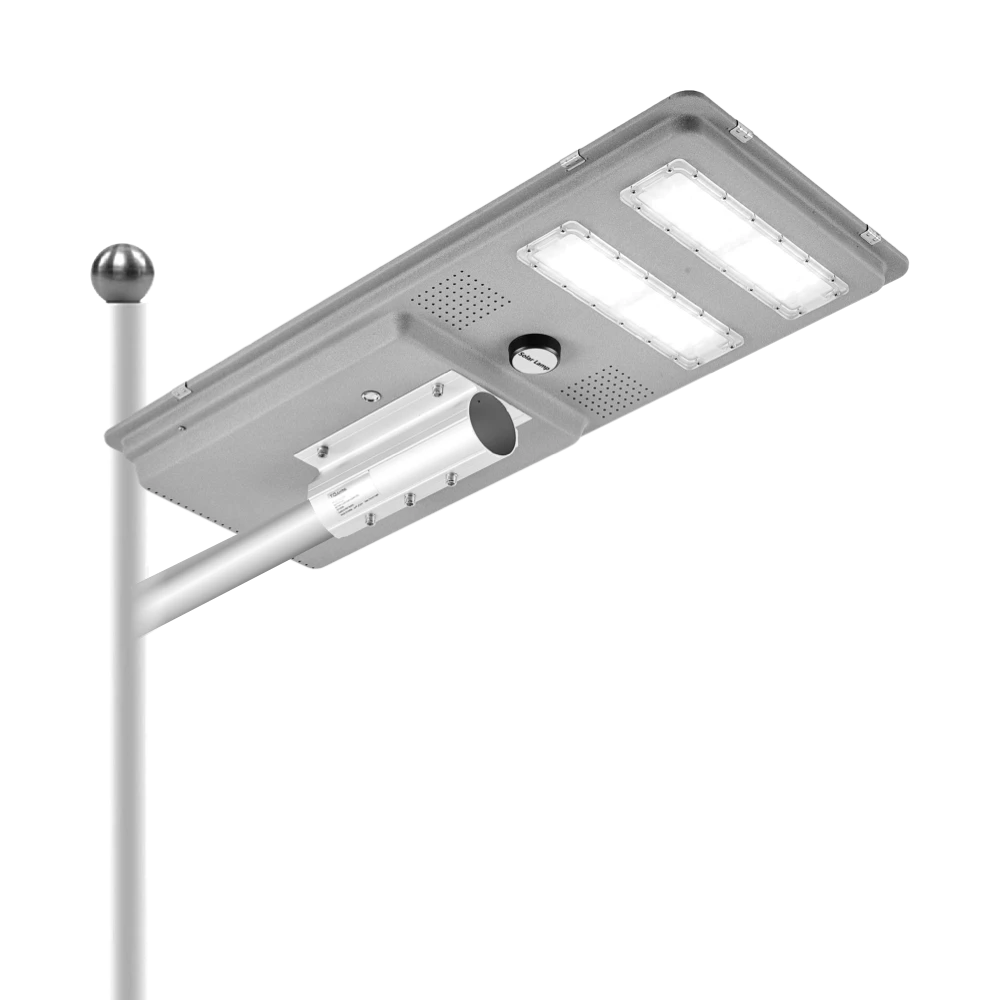
Queneng’s Solar Street Lights are designed to provide reliable, energy-efficient lighting for streets, parks, and other outdoor spaces.
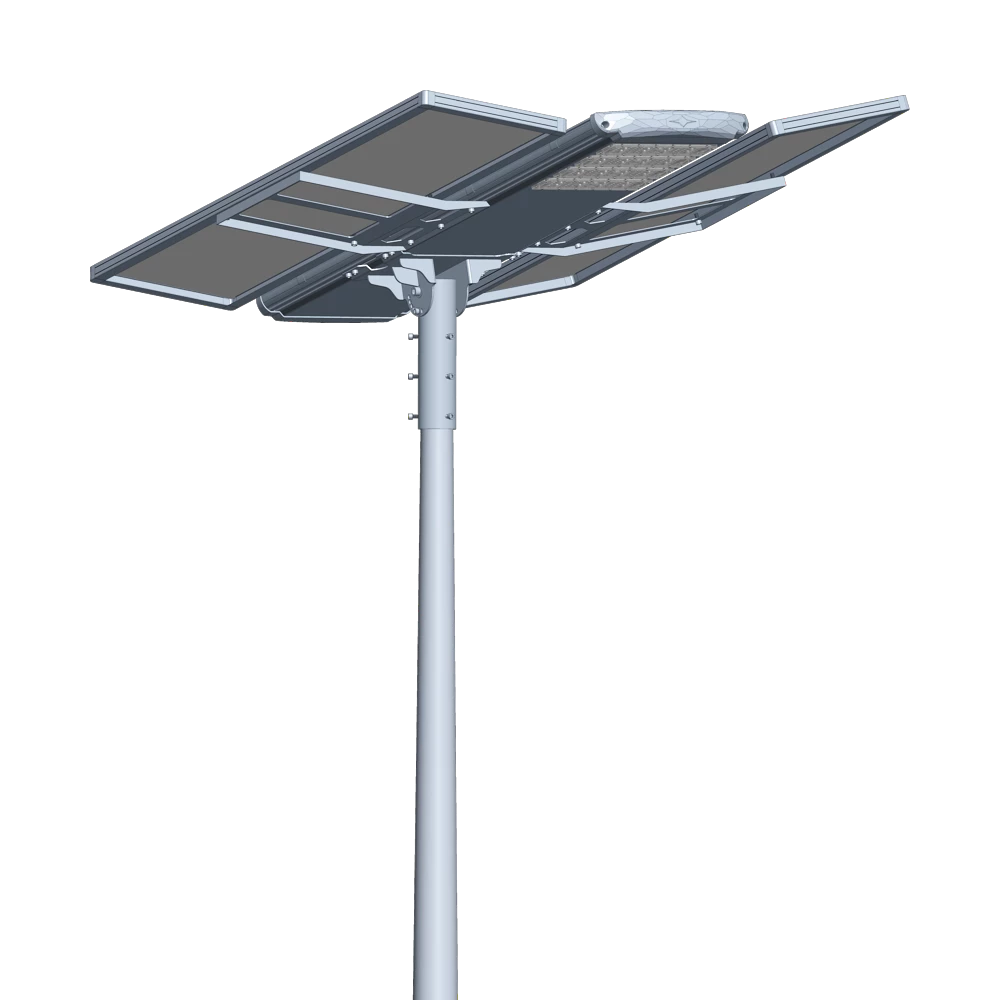
Introducing the Luqing Solar Street Light by Queneng, Efficient LED lighting powered by solar energy is perfect for illuminating outdoor areas. Harness the power of solar energy for sustainable, reliable street lighting. Ideal for eco-friendly, cost-effective outdoor illumination solutions.
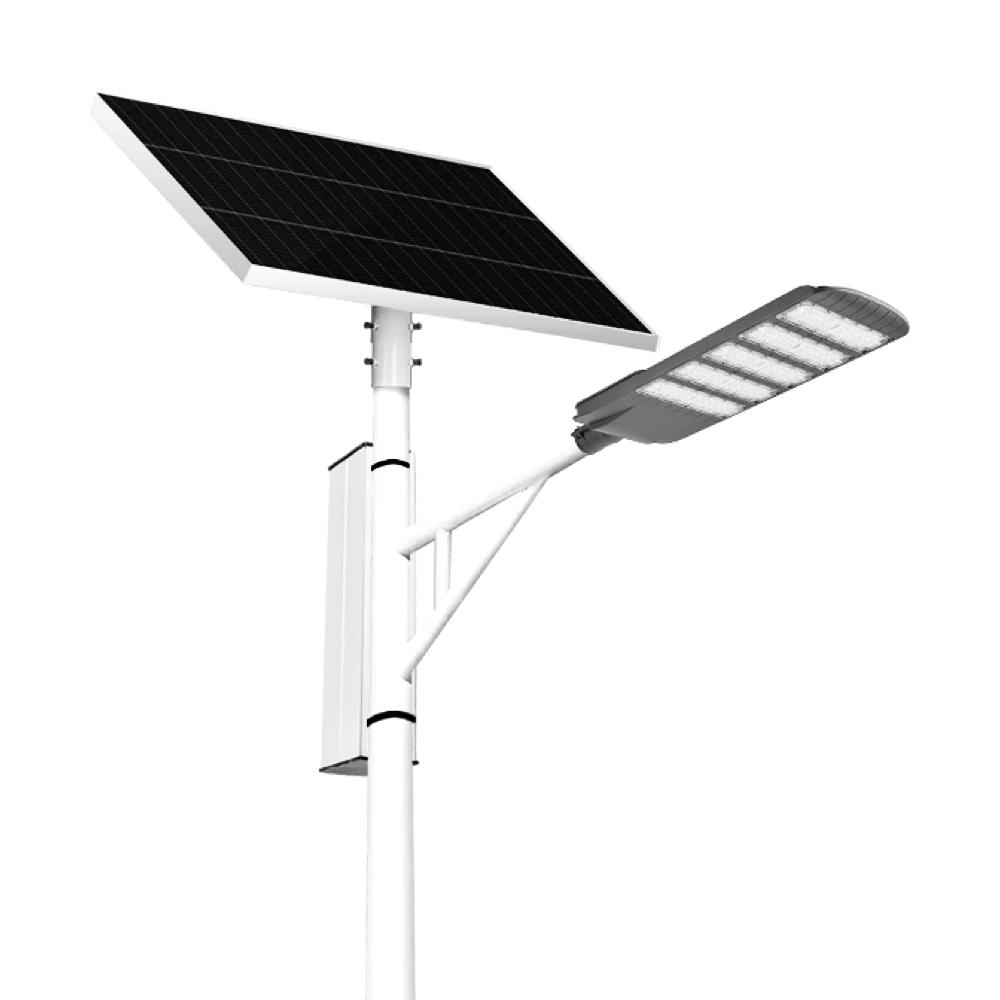
The Solar Streetlights of Luhao for Municipalities are designed to deliver reliable, energy-efficient, and cost-effective public lighting solutions. Equipped with advanced LED technology, durable lithium batteries, and high-efficiency solar panels, these streetlights provide consistent illumination for roads, parks, residential areas, and government projects.
If you would like more information about Queneng solar lighting solutions, please send us a message by filling out the form below. Our professional team will get back to you within 24 hours!
Rest assured that your privacy is important to us, and all information provided will be handled with the utmost confidentiality.
Schedule a Meeting
Book a date and time that is convenient for you and conduct the session in advance.
Have more questions about our products or services?
The messenger of light & power conversion
Environmental protection and intelligent manufacturing are our brand philosophy, and quality assurance and the best user experience are our eternal promises to users.
CONTACT
No.9F, Building F, Cao San Xin Tian Hong Logistics Park, Guzhen Town, Zhongshan City, Guangdong Province, China.
or write [email protected]
WhatsApp: +86 136 2270 1011


