













ROI forecast for solar-powered street lamps in Nigerian industrial parks | Insights by Quenenglighting
Unlocking ROI: Solar-Powered Street Lamps in Nigerian Industrial Parks
Nigerian industrial parks face unique challenges, from unreliable grid power to rising electricity costs. Solar-powered street lamps offer a robust, sustainable, and economically viable solution. For procurement professionals, understanding the Return on Investment (ROI) is paramount. Let's delve into the critical questions surrounding solar lighting investment in this dynamic market.
What is the typical ROI period for solar-powered street lamps in Nigerian industrial parks?
The ROI for solar street lights in Nigerian industrial parks is highly attractive, often ranging from 2 to 5 years. This quick payback is driven primarily by the significant reduction in electricity bills and the avoidance of generator fuel costs. With industrial tariffs in Nigeria ranging from NGN 60-75 per kWh (approx. USD 0.05-0.08 per kWh, depending on the specific DISCO and prevailing exchange rates as of late 2023/early 2024), and grid unreliability necessitating costly generator backup, the savings are substantial. A quality solar street light system eliminates these recurring expenses, offering predictable, free lighting for decades.
What are the key cost components of installing solar street lights and how do they impact ROI?
The initial capital expenditure (CAPEX) for a solar street lighting system typically includes:
- Solar Panels: High-efficiency monocrystalline panels are standard. Global costs for PV modules have consistently decreased, improving overall ROI.
- Batteries: Lithium Iron Phosphate (LiFePO4) batteries are preferred for their longevity (typically 5-10 years lifespan or 2000-6000 cycles) and deep discharge capabilities, directly impacting system reliability and replacement cycles.
- LED Luminaires: High-efficiency LEDs (e.g., 150-200 lumens/watt) ensure optimal light output with minimal power consumption, reducing panel and battery size requirements.
- Charge Controller: Manages charging, discharging, and dimming, crucial for battery health and energy efficiency.
- Poles and Mounting Hardware: Designed for durability, aesthetics, and wind resistance.
- Installation: Labor, foundation work, cabling (for split systems), and commissioning.
The overall CAPEX, while an upfront investment, is quickly offset by zero energy costs and minimal maintenance, leading to rapid payback.
What are the main operational savings and benefits (beyond electricity) that contribute to a positive ROI?
Beyond direct electricity bill savings, solar street lights offer several indirect financial and operational benefits:
- Reduced Generator Costs: Less reliance on diesel generators for lighting during power outages, saving significant fuel and maintenance costs associated with backup power.
- Enhanced Security: Consistent, reliable lighting improves visibility, deterring crime and enhancing safety for employees and assets within the industrial park, thereby reducing potential losses from theft or accidents.
- Lower Carbon Footprint: Contributes to corporate social responsibility (CSR) goals and can attract environmentally conscious tenants/investors, aligning with global sustainability trends.
- Reduced Grid Infrastructure Costs: Eliminates the need for extensive trenching, cabling, and meter installations associated with grid-tied lighting, especially beneficial for new or expanding areas.
- Increased Productivity: A well-lit environment improves visibility for shift workers and logistical operations during off-peak hours, potentially boosting overall productivity.
- Minimal Maintenance: Compared to grid-tied systems that might suffer from grid fluctuations or require extensive cabling repairs, standalone solar systems are relatively low maintenance.
How do Nigerian electricity tariffs and grid reliability influence the ROI of solar lighting?
Nigeria's power sector is characterized by factors that significantly boost the attractiveness of solar lighting:
- High Industrial Tariffs: As noted, industrial electricity tariffs are substantial and subject to periodic increases, making grid electricity an expensive proposition for sustained operations.
- Frequent Grid Outages: Industrial parks often experience unpredictable and prolonged power interruptions. This forces businesses to rely heavily on expensive diesel generators, leading to high operational costs, noise pollution, and equipment wear.
Investing in solar street lights eliminates dependency on this unreliable and costly grid power. The higher the prevailing tariff and the more frequent the outages, the faster the solar system's ROI, as the opportunity cost of not having reliable lighting (and the direct cost of generator usage) is substantially reduced. This makes solar lighting not just an energy solution, but a critical business continuity strategy.
What are the critical factors for the longevity and performance of solar street lights in Nigeria's climate?
Nigeria's climate, with its intense solar radiation, high temperatures, and sometimes heavy rainfall and dust, requires robust solar street lighting solutions. Key considerations for longevity and performance include:
- High-Temperature Resistance: Components, especially batteries and electronics, must be rated for ambient temperatures often exceeding 30-40°C. Proper thermal management within the luminaire and battery compartment is crucial to prevent degradation.
- Dust and Sand Resistance: Systems should have high Ingress Protection (IP) ratings (e.g., IP65 or IP66) to protect against dust ingress, which can reduce panel efficiency and damage internal components. Regular panel cleaning is recommended.
- Corrosion Resistance: Materials should be galvanized, powder-coated, or made from anti-corrosive alloys to resist rust, especially in coastal regions or during prolonged rainy seasons.
- Surge Protection: Robust protection against lightning strikes and power surges is essential for system longevity, given Nigeria's climatic conditions.
- Quality Components: Investing in high-quality solar panels with good degradation rates, long-life LiFePO4 batteries, and efficient LED drivers ensures maximum performance and lifespan, minimizing premature failures and replacement costs.
Are there any government incentives or financing options available for solar lighting projects in Nigerian industrial parks?
While specific incentives directly targeting street lighting can be nuanced, several broader government initiatives support renewable energy adoption in Nigeria that can be leveraged:
- Rural Electrification Agency (REA): Although often focused on rural communities, REA's mandate to promote off-grid and renewable energy solutions can create a favorable market environment. They may have programs or initiatives that indirectly support solar deployments in industrial areas.
- Central Bank of Nigeria (CBN) Intervention Funds: The CBN has previously launched various intervention funds, such as the Solar Connection Facility or other development finance initiatives aimed at boosting renewable energy adoption. Industrial parks could explore such facilities for financing their energy infrastructure projects.
- Import Duty Waivers/Reductions: The Nigerian government occasionally offers waivers or reductions on import duties for renewable energy equipment, which can significantly lower the CAPEX for solar street lights.
- Tax Incentives: While not always direct for solar street lighting specifically, there might be broader tax incentives or accelerated depreciation allowances for businesses investing in environmentally friendly technologies.
Procurement professionals should actively monitor pronouncements from NERC, REA, and CBN, as well as engage with financial institutions, for the latest financing and incentive opportunities that could further enhance the ROI of solar lighting projects.
Conclusion: Why Quenenglighting Stands Out
For industrial parks in Nigeria seeking to capitalize on the compelling ROI of solar-powered street lamps, choosing the right partner is crucial. Quenenglighting offers not just products, but comprehensive solutions designed for the unique demands of the Nigerian environment. Our advantages include:
- Robust, Climate-Resilient Designs: Engineered with high IP ratings, advanced thermal management, and corrosion-resistant materials to withstand Nigeria's challenging climate conditions.
- High-Efficiency Components: Utilizing top-tier solar panels, long-life LiFePO4 batteries, and ultra-efficient LED luminaires for maximum energy harvesting and light output.
- Optimized Performance: Smart controllers ensure intelligent power management, extending battery life and ensuring consistent illumination throughout the night.
- Expert Consultation and Support: From initial site assessment and system sizing to installation guidance and after-sales support, Quenenglighting provides a seamless procurement experience, ensuring your investment delivers its full potential ROI.
- Proven Track Record: Delivering reliable and cost-effective solar lighting solutions that reduce operational expenses, enhance security, and contribute to sustainability goals for industrial clients.

Have more questions about our products or services?
The latest hot news you might like

Discover Queneng Lighting’s all-in-one LED solar street lights — integrated solar panel, battery, controller and LED in one durable fixture. Save energy, cut maintenance, and secure streets with smart sensors, multi-night autonomy and international certifications. Contact sales for quotes and support.

Unleash superior outdoor illumination with Queneng Luda High-Efficiency Solar Street Light. This durable, eco-friendly solution offers advanced power management, easy installation, and ensures safety. Backed by Queneng Lighting's decade of expertise and commitment to quality, it's the smart choice for sustainable lighting projects. Learn why we're a leading solar solutions provider.

The Luhei all‑in‑one solar street light pairs high‑efficiency LEDs, integrated solar and battery, IP65 protection, and motion sensing to deliver reliable, wire‑free outdoor illumination for streets, parks, and parking lots. Backed by Queneng Lighting’s certifications and support.

FAQ
Solar Street Light Luda
Can Luda solar street lights be used in remote areas without access to the electrical grid?
Yes, Luda solar street lights are perfect for remote areas without access to the electrical grid. Since they operate entirely on solar energy, they do not require any external wiring or connection to the power grid. This makes them an ideal solution for rural roads, remote pathways, and areas lacking infrastructure.
Solar Street Light Luqiu
How energy-efficient are Luqiu solar street lights?
Luqiu solar street lights are highly energy-efficient, using cutting-edge LED technology that consumes less power while providing brighter illumination compared to conventional street lights. This significantly reduces energy costs and environmental impact.
Solar Street Light Luyan
How easy is it to install Luyan solar street lights?
Luyan solar street lights are designed for easy installation. They require no external wiring or complex electrical setups. The installation typically involves mounting the pole, securing the light fixture, and positioning the solar panel for optimal sun exposure. This makes them ideal for both residential and commercial installations.
APMS system
What scenarios is the APMS system suitable for?
The APMS system is widely applicable in remote off-grid areas, extremely cold climates, and industrial sites with high energy stability requirements, such as mines and oil fields.
Batteries and the environment
What impact do batteries have on the environment?
Battery Types and Applications
What is a smart secondary battery?
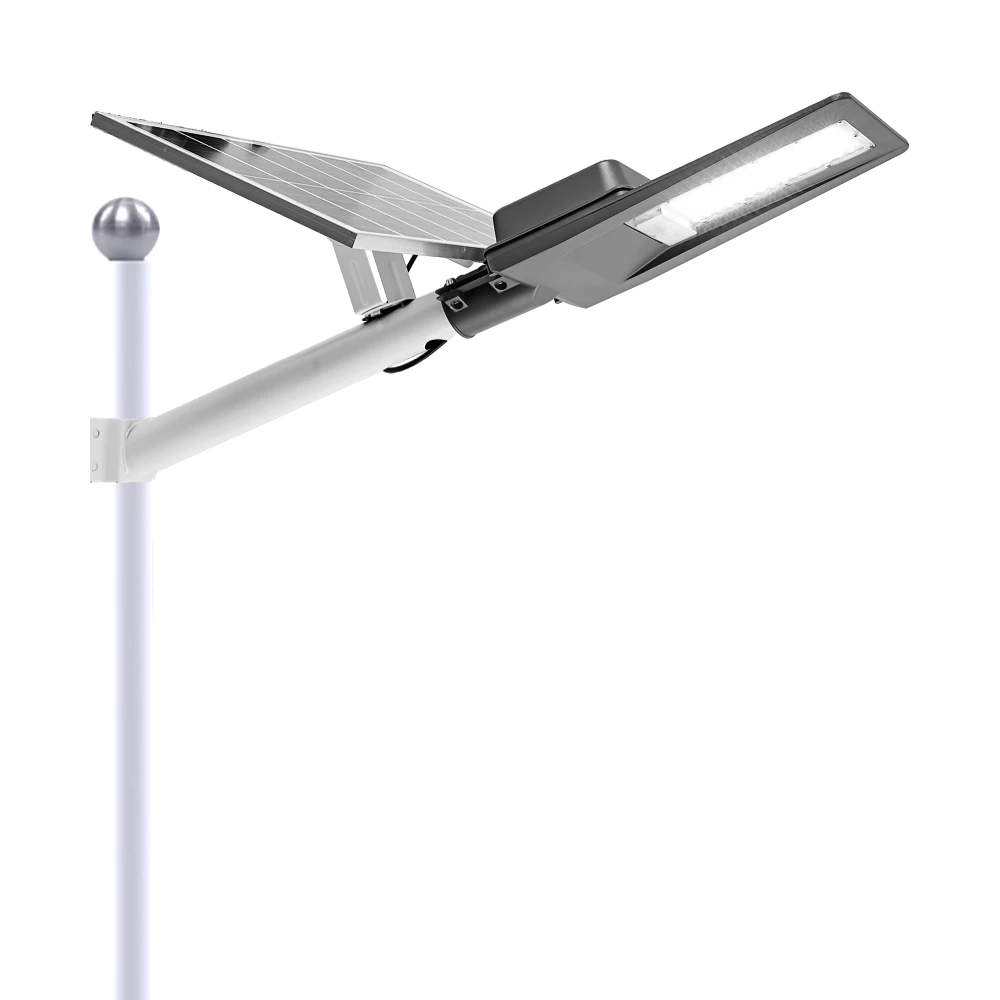
Experience reliable outdoor illumination with our smart solar street light, a perfect combination of advanced technology and eco-conscious design.
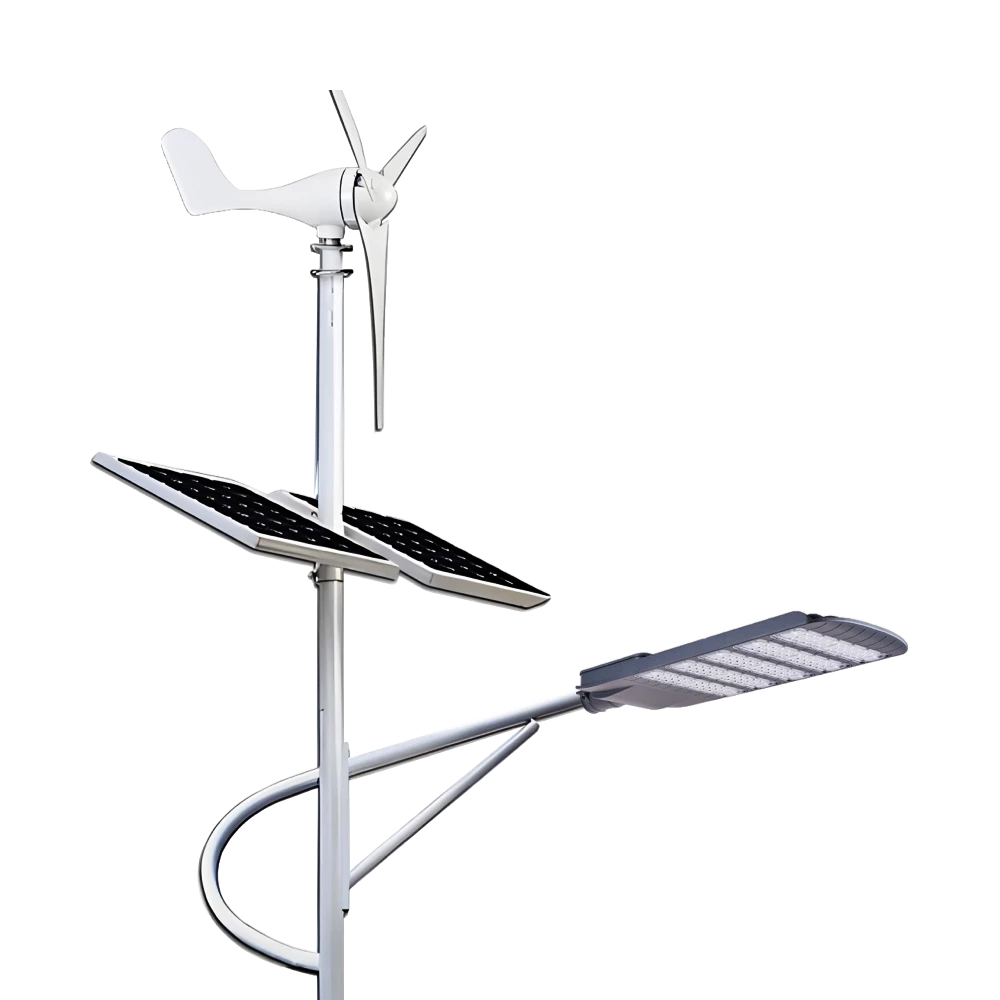
Queneng Lufeng Wind Energy LED Outdoor Solar Street Lights offer high-performance, eco-friendly illumination. These energy-efficient LED street lights harness solar power and wind energy for sustainable, cost-effective outdoor lighting solutions.
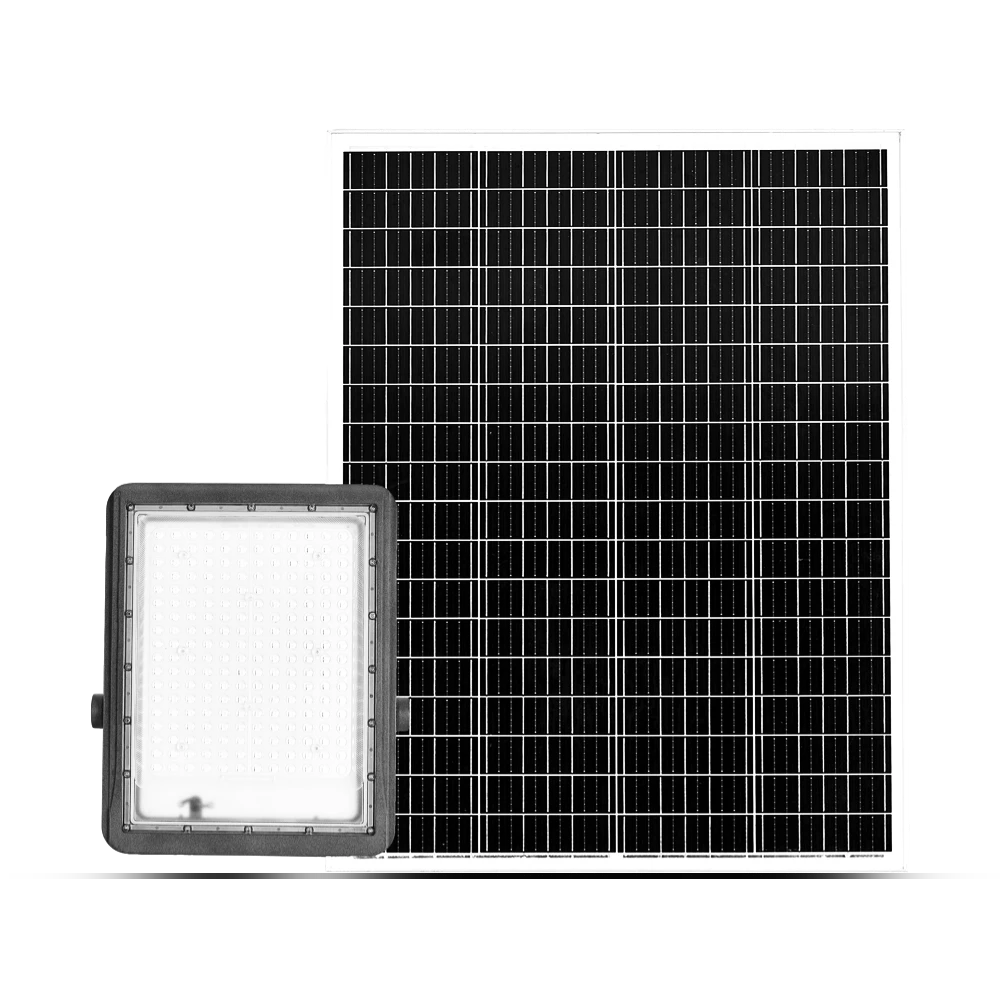
Queneng's Luxian Reliable Solar Street Light offers energy-saving LED lighting for outdoor use. This durable, solar-powered street light provides reliable illumination, reducing energy costs and environmental impact. A perfect solution for sustainable outdoor lighting.
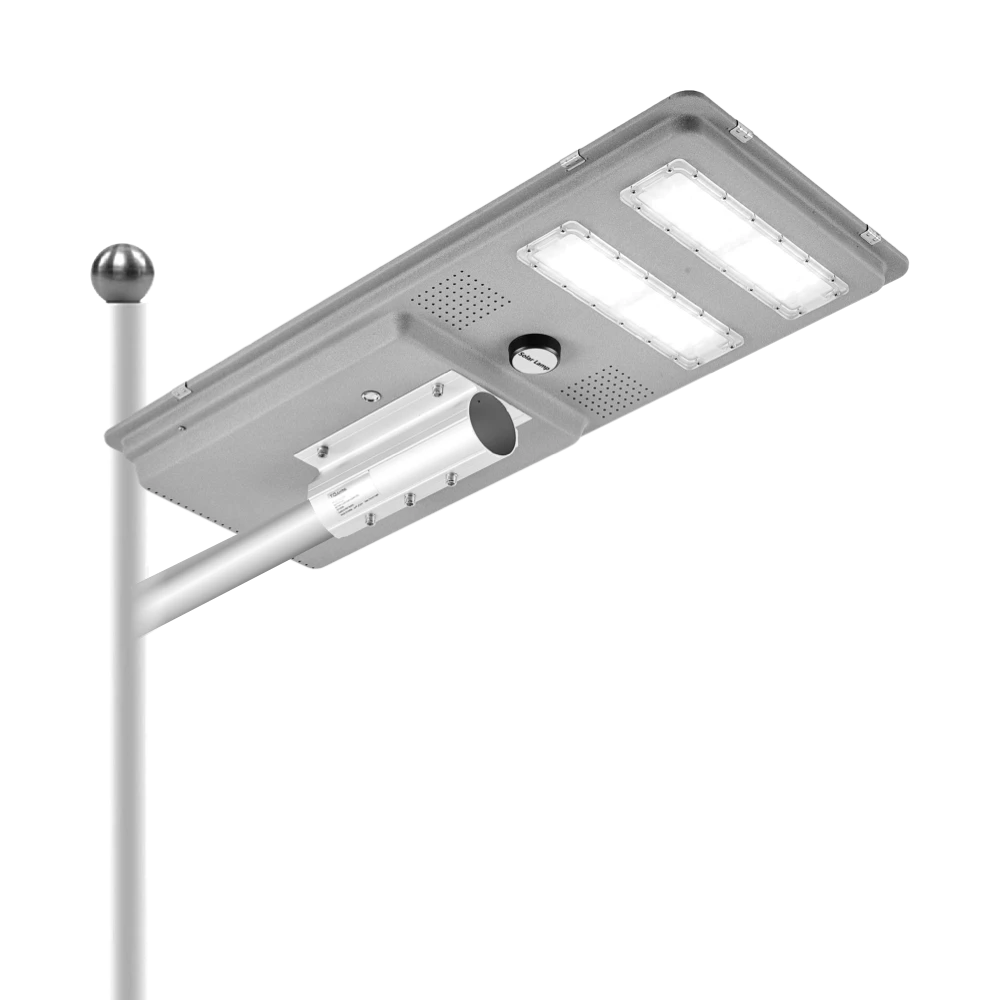
Queneng’s Solar Street Lights are designed to provide reliable, energy-efficient lighting for streets, parks, and other outdoor spaces.
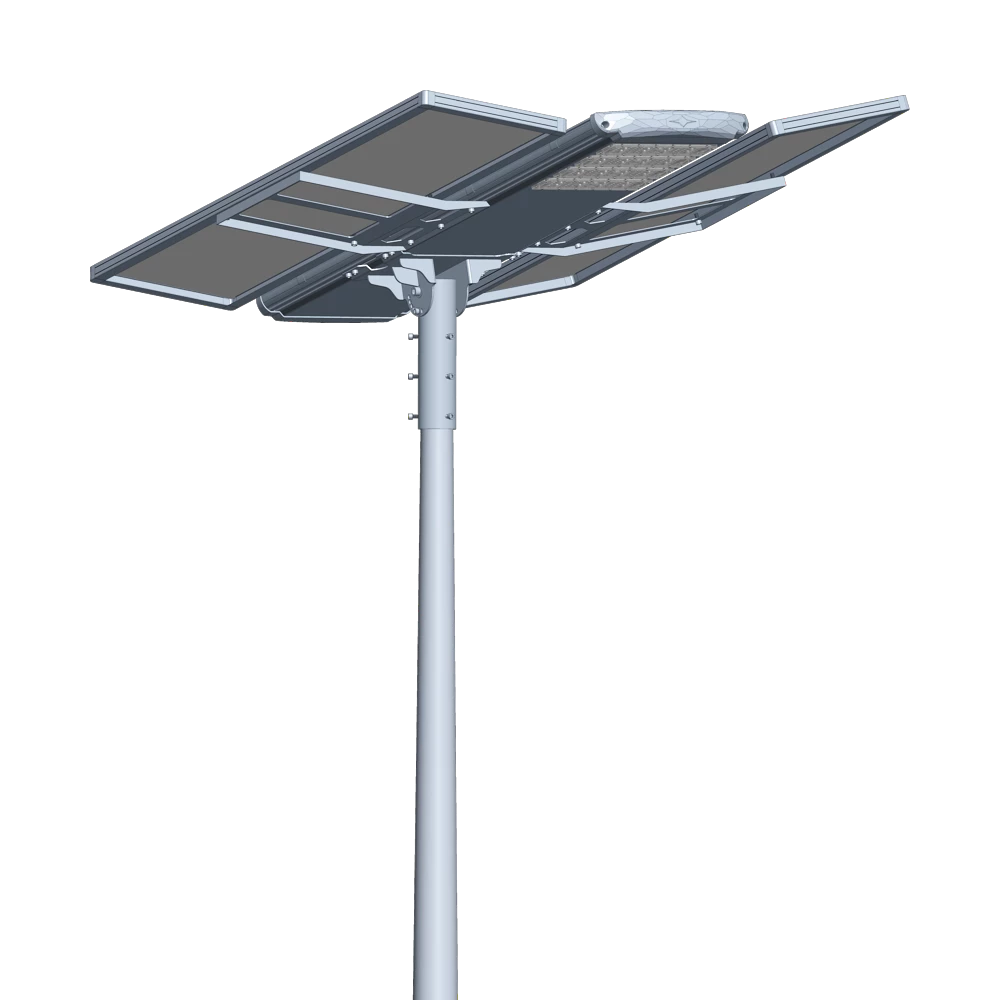
Introducing the Luqing Solar Street Light by Queneng, Efficient LED lighting powered by solar energy is perfect for illuminating outdoor areas. Harness the power of solar energy for sustainable, reliable street lighting. Ideal for eco-friendly, cost-effective outdoor illumination solutions.
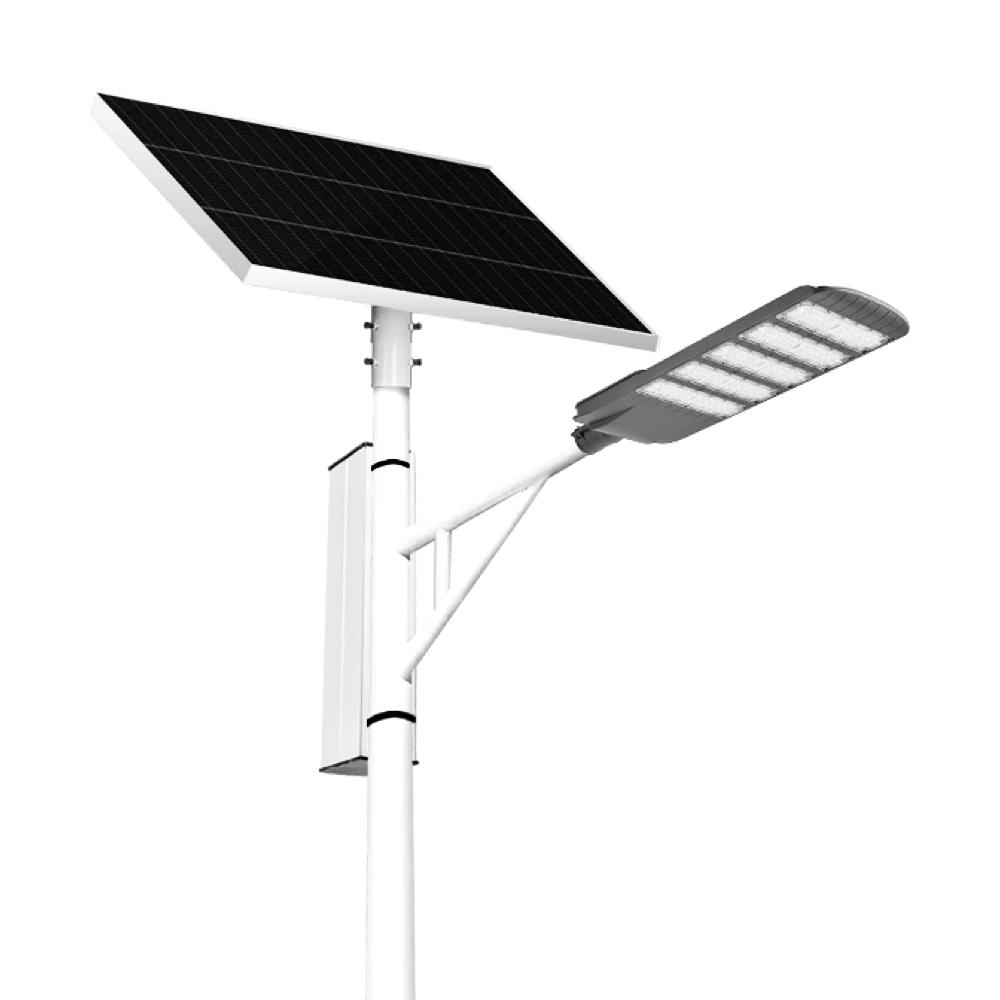
The Solar Streetlights of Luhao for Municipalities are designed to deliver reliable, energy-efficient, and cost-effective public lighting solutions. Equipped with advanced LED technology, durable lithium batteries, and high-efficiency solar panels, these streetlights provide consistent illumination for roads, parks, residential areas, and government projects.
If you would like more information about Queneng solar lighting solutions, please send us a message by filling out the form below. Our professional team will get back to you within 24 hours!
Rest assured that your privacy is important to us, and all information provided will be handled with the utmost confidentiality.
Schedule a Meeting
Book a date and time that is convenient for you and conduct the session in advance.
Have more questions about our products or services?
The messenger of light & power conversion
Environmental protection and intelligent manufacturing are our brand philosophy, and quality assurance and the best user experience are our eternal promises to users.
CONTACT
No.9F, Building F, Cao San Xin Tian Hong Logistics Park, Guzhen Town, Zhongshan City, Guangdong Province, China.
or write [email protected]
WhatsApp: +86 136 2270 1011


