














Distributor training programme for solar street light systems in Nigeria | Insights by Quenenglighting
Empowering Growth: The Essential Distributor Training Programme for Solar Street Light Systems in Nigeria
Nigeria, with its vast population and significant energy deficit, stands at the forefront of Africa's renewable energy revolution. The demand for reliable, off-grid lighting solutions, particularly solar street lights, is soaring due to inadequate grid infrastructure and a growing focus on sustainable development. For distributors eyeing this dynamic market, a robust and specialized training programme is not just beneficial; it’s absolutely crucial for long-term success and market leadership.
Why is a Specialized Distributor Training Programme Crucial for Solar Street Lights in Nigeria?
The Nigerian power sector faces substantial challenges, with millions lacking access to reliable electricity. The Rural Electrification Agency (REA) aims to provide electricity to 80 million Nigerians through off-grid solutions, signaling massive potential for solar products. However, capitalizing on this potential requires more than just product availability. A specialized training programme addresses critical gaps in technical expertise, market understanding, and customer service. It equips distributors with the professional knowledge to correctly specify, install, and maintain solar street light systems, building trust with end-users and distinguishing them in a competitive market. Without proper training, distributors risk mis-selling, improper installations, and ly, damaging their reputation and the wider adoption of solar technology.
What Core Modules Should a Comprehensive Solar Street Light Training Programme Cover?
A truly effective training programme for solar street light distributors in Nigeria should be multi-faceted, encompassing technical, commercial, and operational aspects. Key modules typically include:
- Product Knowledge: In-depth understanding of solar street light components (PV panels, LiFePO4 batteries, LED luminaires, MPPT controllers), their specifications, working principles, and performance metrics (e.g., PV efficiency of 20-22% for monocrystalline panels, LED efficacy of 150-200 lumens/watt).
- System Design & Sizing: Training on how to accurately assess project requirements, calculate energy loads, determine optimal panel wattage, battery capacity (considering 3-5 nights autonomy), and pole height for effective light distribution.
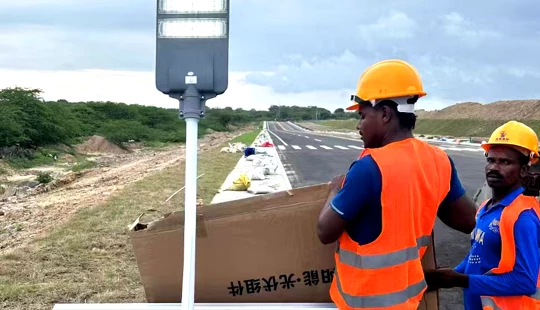
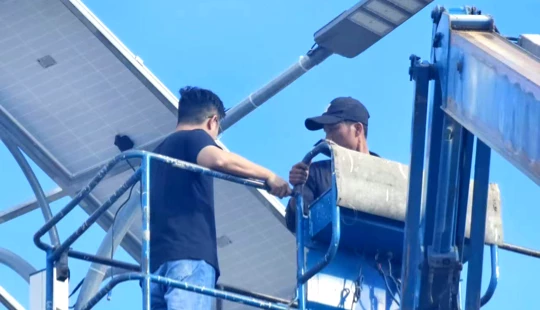
- Installation Best Practices: Hands-on training covering site survey, pole erection, luminaire mounting, wiring, grounding, and adherence to safety standards and local regulations.
- Maintenance & Troubleshooting: Essential skills for routine checks, panel cleaning, battery performance monitoring, fault diagnosis, and simple repairs to ensure system longevity and optimal performance.
- Sales & Marketing Strategies: Tailoring sales pitches to Nigerian clients, understanding customer pain points, communicating ROI, and effective use of marketing materials.
- Warranty & After-Sales Support: Procedures for warranty claims, managing spare parts, and delivering excellent customer service to build client loyalty.
- Project Management & Logistics: Efficiently managing project timelines, inventory, and supply chain challenges specific to the Nigerian context.
Navigating the Nigerian Market: Opportunities, Challenges, and Regulatory Landscape.
The Nigerian solar street light market is characterized by significant opportunities driven by persistent power outages and government initiatives like the Nigeria Electrification Project (NEP). Reports indicate the African solar power market, where Nigeria is a key player, is projected to grow from 3.39 GW in 2024 to 7.02 GW by 2029 (Mordor Intelligence, June 2024). However, distributors must be prepared for challenges such as high import duties on some components, logistical complexities, intense competition, and the prevalence of sub-standard or counterfeit products. Understanding the regulatory environment, including import policies and any applicable local content requirements or certifications, is vital for compliance and smooth operations.
How Can Distributors Ensure the Quality and Longevity of Solar Street Light Systems?
Quality assurance is paramount to building a sustainable business in Nigeria. Distributors should:
- Partner with Reputable Manufacturers: Choose manufacturers with a proven track record, robust R&D, and strong quality control processes.
- Demand Certifications: Insist on products that meet international standards such as CE, RoHS, IEC (International Electrotechnical Commission), and IP65 ratings for outdoor durability.
- Focus on Component Quality: Prioritize systems with high-efficiency monocrystalline PV panels, long-life LiFePO4 batteries (typically 2000-4000 cycles, 5-10 years lifespan), and high-lumen output LEDs.
- Verify Warranty & Support: A strong warranty (e.g., 5 years for luminaires, 10-25 years for PV panels) backed by readily available spare parts is a clear indicator of manufacturer confidence in product longevity.
- Conduct Due Diligence: Visit manufacturer facilities if possible, request product samples for testing, and seek references from existing clients.
What Essential After-Sales Support and Warranty Services Should Manufacturers Provide?
Exceptional after-sales support differentiates a good manufacturer from a great one. For distributors in Nigeria, critical manufacturer support includes:
- Comprehensive Warranty: A clear, accessible warranty policy with realistic coverage periods for all system components.
- Technical Support: Readily available technical assistance for complex troubleshooting, system optimization, and technical inquiries.
- Spare Parts Availability: Ensuring a consistent supply of essential spare parts to minimize downtime for repairs.
- Marketing & Sales Collateral: Providing high-quality product datasheets, brochures, case studies, and digital assets to aid distributors' sales efforts.
- Ongoing Training & Updates: Regular updates on new products, technological advancements, and market trends to keep distributors competitive.
- Dedicated Account Management: A specific point of contact to streamline communication and support.
Understanding the Financial Aspects: ROI and Project Financing for Solar Street Lights.
Investing in solar street lights offers compelling financial benefits, particularly in Nigeria where grid electricity is unreliable and costly. While the upfront cost may be higher than traditional lighting, the Return on Investment (ROI) is significant due to:
- Elimination of Electricity Bills: No recurring costs for power consumption.
- Reduced Maintenance: Modern solar street lights require minimal maintenance compared to grid-tied systems that might suffer from voltage fluctuations or cable theft.
- Long Lifespan: High-quality systems can last 10-15 years or more, providing long-term value.
- Enhanced Security & Property Value: Improved public safety and aesthetic appeal can increase property value and attract investment.
Distributors should also be aware of various financing options that can facilitate projects, including government incentives, private sector loans, or even pay-as-you-go models for smaller community projects.
Best Practices for Installation and Maintenance of Solar Street Lights in Nigeria's Climate.
Nigeria's climate, characterized by intense sun, dust, and varying rainy seasons, demands specific installation and maintenance protocols:
- Optimal Site Assessment: Thoroughly analyze sunlight availability, potential shading from trees or buildings, and soil conditions for pole foundation.
- Robust Pole Design: Ensure poles are designed to withstand local wind loads and deter vandalism or theft. Consider anti-theft features for batteries and panels.
- Proper Orientation & Tilt: Mount PV panels facing true south (in the Northern Hemisphere, which includes Nigeria) at an optimal tilt angle (typically 10-15 degrees) to maximize solar energy harvesting throughout the year.
- Dust Management: Regular cleaning of PV panels (monthly or quarterly, depending on dust levels) is crucial to prevent efficiency degradation, which can be as high as 10-30% if panels are heavily soiled.
- Battery Health Checks: Monitor battery performance and temperature to prolong lifespan. Ensure batteries are in well-ventilated enclosures, protected from extreme heat and moisture.
- Secure Wiring: All wiring should be securely housed within the pole to prevent tampering and environmental damage.
- Regular Inspections: Periodically check fasteners, connections, and luminaire output to preempt failures.
Quenenglighting: Your Partner for Success in Nigeria
As a leading manufacturer of high-quality solar lighting solutions, Quenenglighting understands the unique demands of markets like Nigeria. We pride ourselves on engineering robust, reliable, and energy-efficient solar street light systems designed to perform optimally even in challenging environmental conditions. Our commitment extends beyond just product delivery; we offer comprehensive distributor training programmes, equipping your team with unparalleled technical knowledge, sales strategies, and ongoing support. Partnering with Quenenglighting means gaining access to state-of-the-art technology, certified products (CE, RoHS, IEC), extensive warranties, and a dedicated after-sales service team, ensuring your success and the sustainable illumination of Nigeria's communities.

Have more questions about our products or services?
The latest hot news you might like

Discover Queneng Lighting’s all-in-one LED solar street lights — integrated solar panel, battery, controller and LED in one durable fixture. Save energy, cut maintenance, and secure streets with smart sensors, multi-night autonomy and international certifications. Contact sales for quotes and support.

Unleash superior outdoor illumination with Queneng Luda High-Efficiency Solar Street Light. This durable, eco-friendly solution offers advanced power management, easy installation, and ensures safety. Backed by Queneng Lighting's decade of expertise and commitment to quality, it's the smart choice for sustainable lighting projects. Learn why we're a leading solar solutions provider.

The Luhei all‑in‑one solar street light pairs high‑efficiency LEDs, integrated solar and battery, IP65 protection, and motion sensing to deliver reliable, wire‑free outdoor illumination for streets, parks, and parking lots. Backed by Queneng Lighting’s certifications and support.

FAQ
Solar Street Light Luhui
Are Luhui solar street lights adjustable for different lighting needs?
Yes, many models feature adjustable settings, including dimming or motion sensor options, allowing you to customize the lighting based on the specific needs of the area being illuminated.
Battery and Analysis
What is the principle of charger? What are the main categories?
Solar Street Light Luzhou
Can Luzhou solar street lights be used in areas with limited sunlight?
Yes, Luzhou solar street lights are designed to function in areas with limited sunlight. Their high-efficiency solar panels and advanced battery storage systems ensure reliable performance, even in regions with less sunlight or during the winter months.
Industry
Does Queneng offer off-grid solar systems?
Yes, we provide off-grid solar lighting systems designed for remote areas or regions without grid coverage, meeting the specific lighting needs in these areas.
Sustainability
Do Queneng solar street lights require a power connection?
No, our solar street lights operate independently of the power grid. They rely entirely on photovoltaic panels that charge the built-in battery, making an electrical connection unnecessary.
Solar Street Light Lulin
Are Lulin solar street lights weatherproof?
Yes, Lulin solar street lights are designed to be weather-resistant and can function in extreme weather conditions. They are fully protected against water, dust, and other environmental factors, ensuring reliable operation even during heavy rain, snow, or high winds.
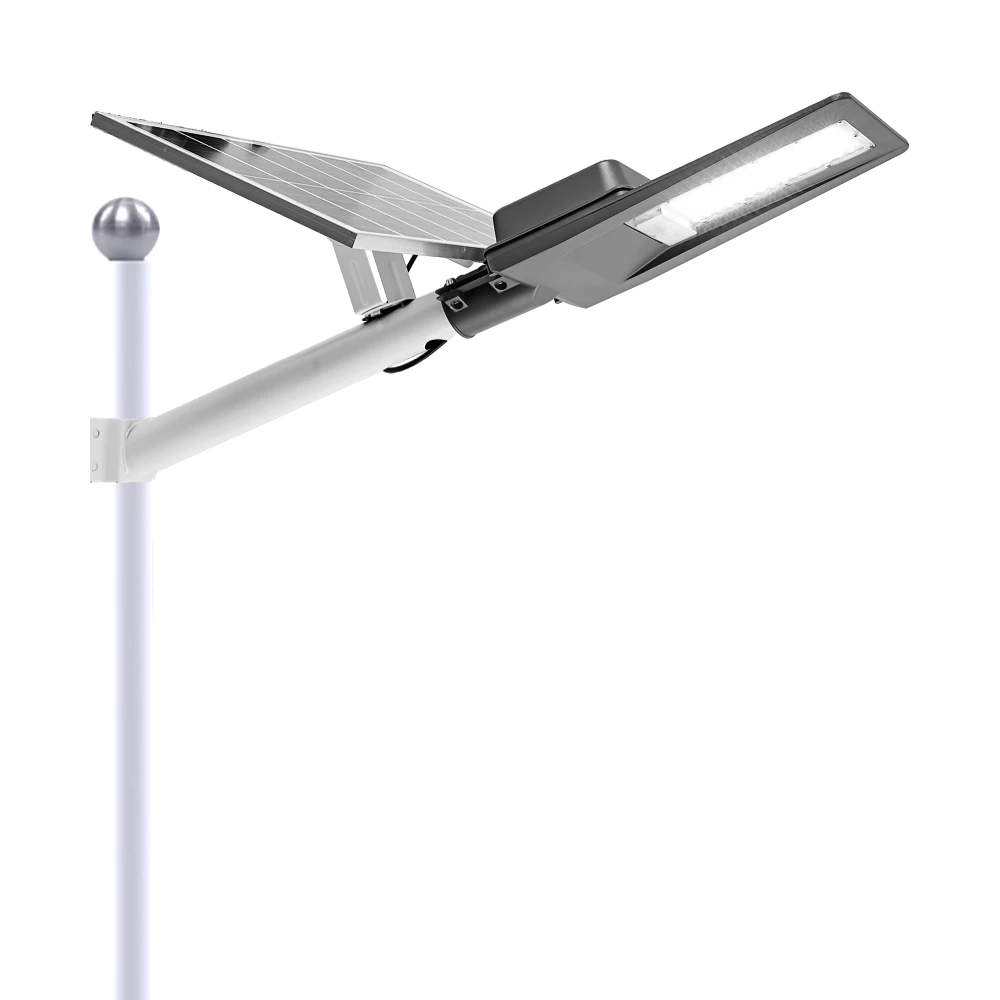
Experience reliable outdoor illumination with our smart solar street light, a perfect combination of advanced technology and eco-conscious design.
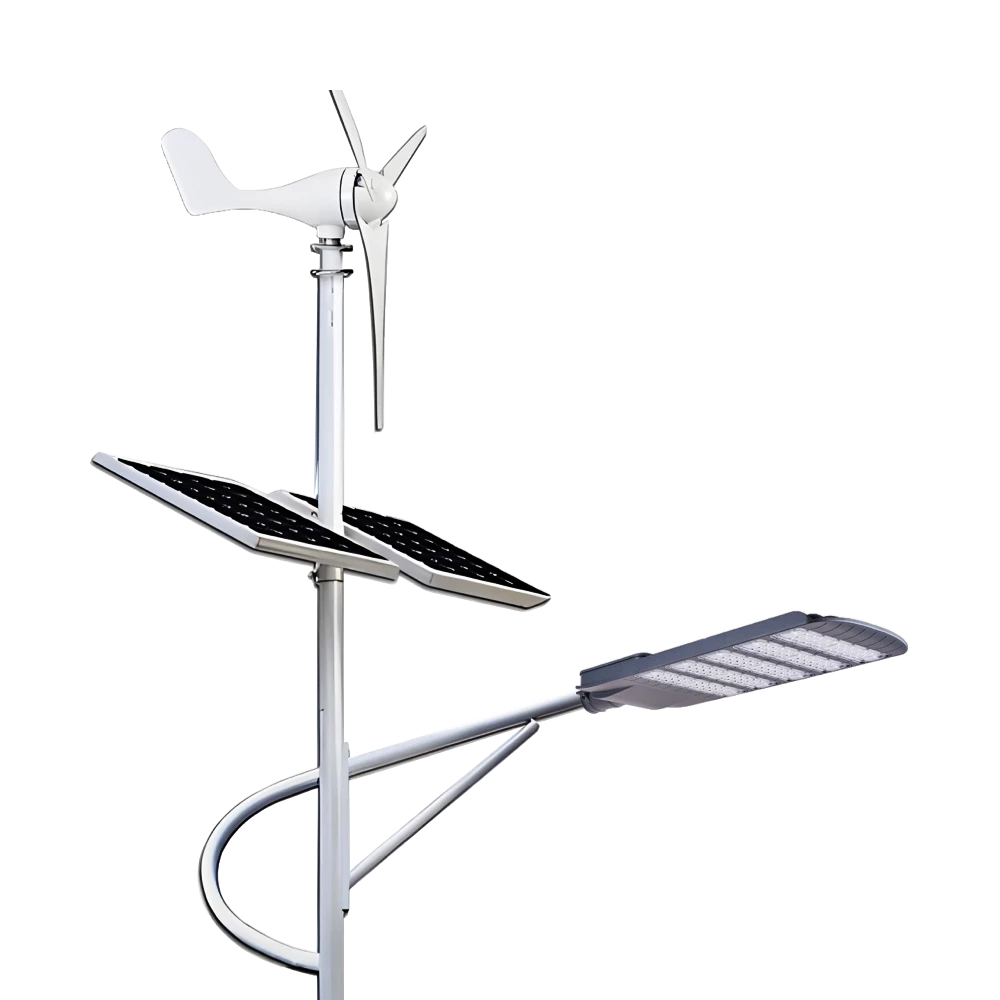
Queneng Lufeng Wind Energy LED Outdoor Solar Street Lights offer high-performance, eco-friendly illumination. These energy-efficient LED street lights harness solar power and wind energy for sustainable, cost-effective outdoor lighting solutions.
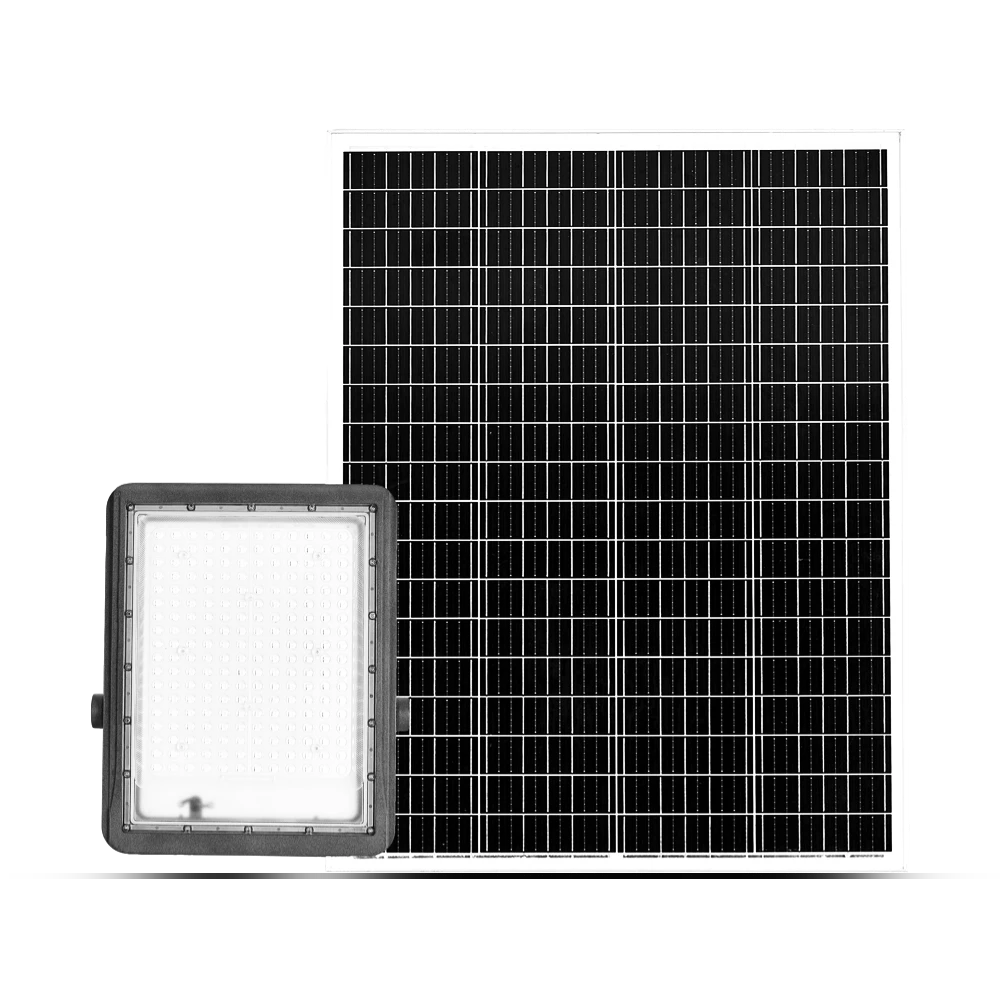
Queneng's Luxian Reliable Solar Street Light offers energy-saving LED lighting for outdoor use. This durable, solar-powered street light provides reliable illumination, reducing energy costs and environmental impact. A perfect solution for sustainable outdoor lighting.
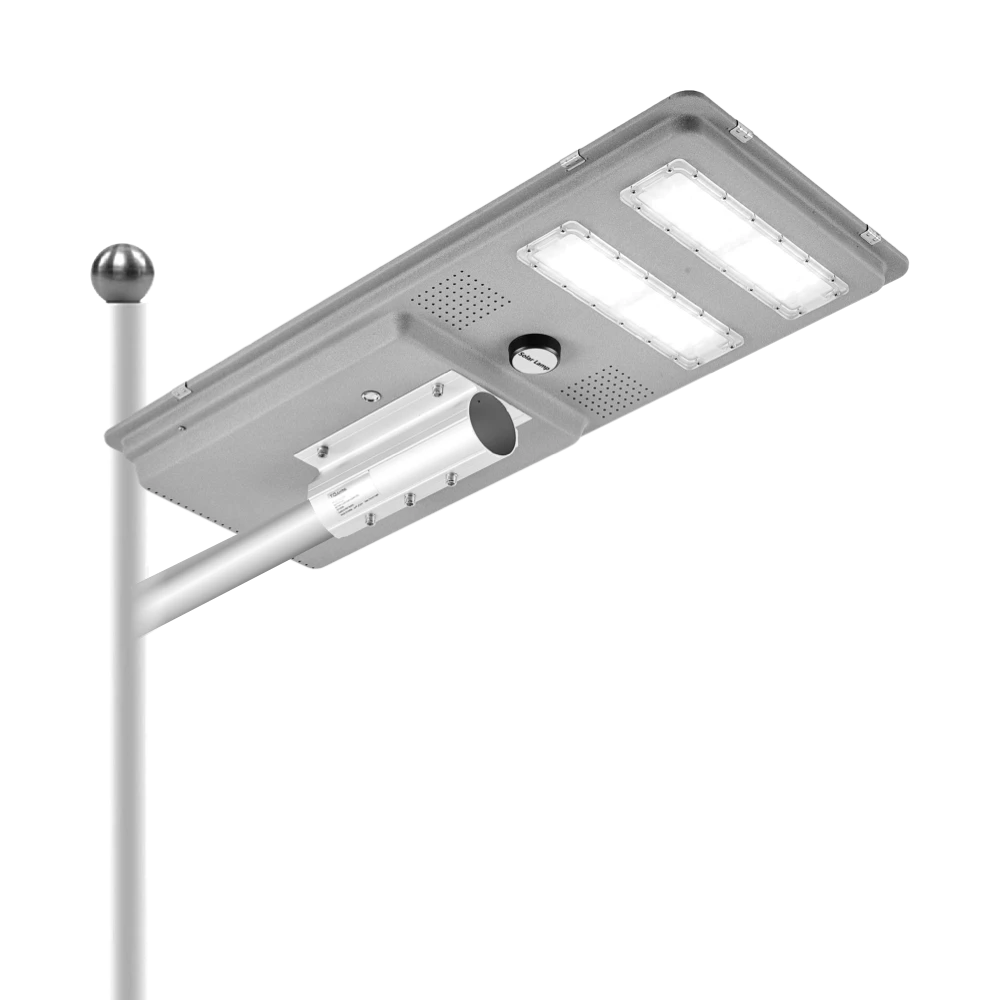
Queneng’s Solar Street Lights are designed to provide reliable, energy-efficient lighting for streets, parks, and other outdoor spaces.
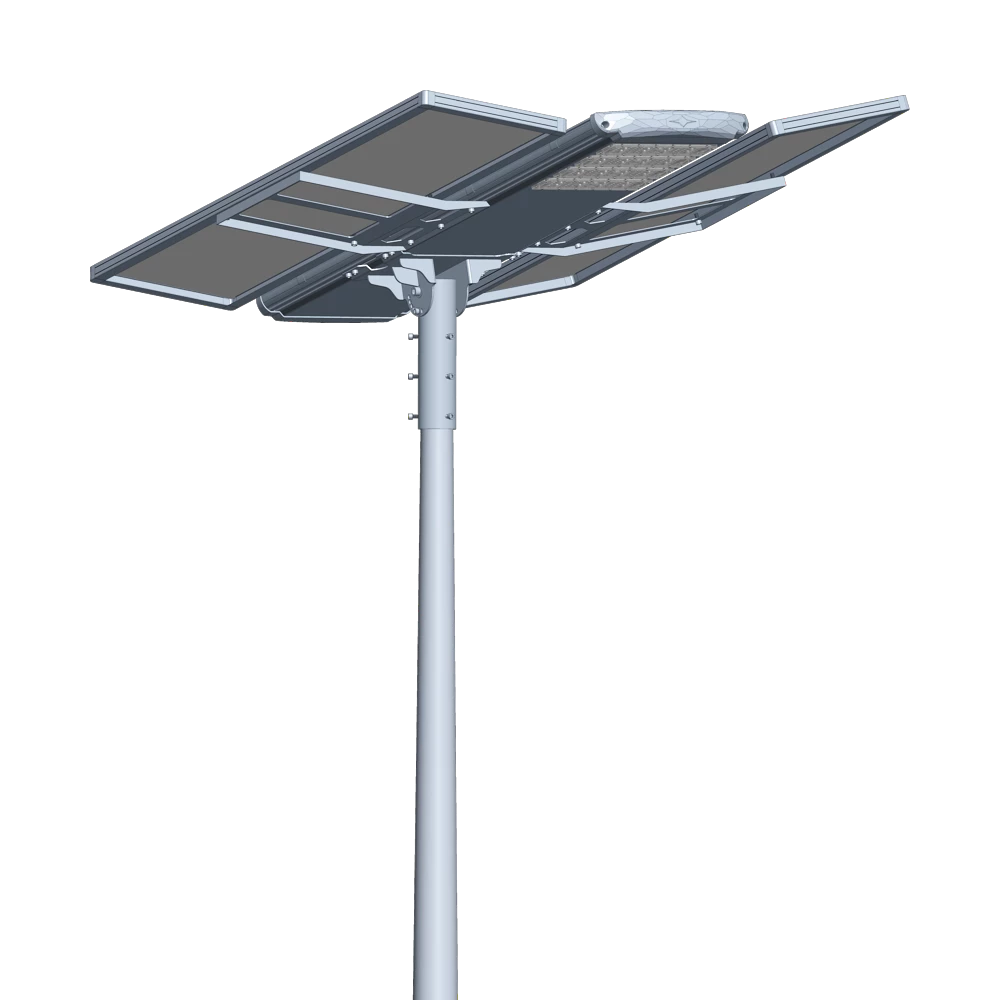
Introducing the Luqing Solar Street Light by Queneng, Efficient LED lighting powered by solar energy is perfect for illuminating outdoor areas. Harness the power of solar energy for sustainable, reliable street lighting. Ideal for eco-friendly, cost-effective outdoor illumination solutions.
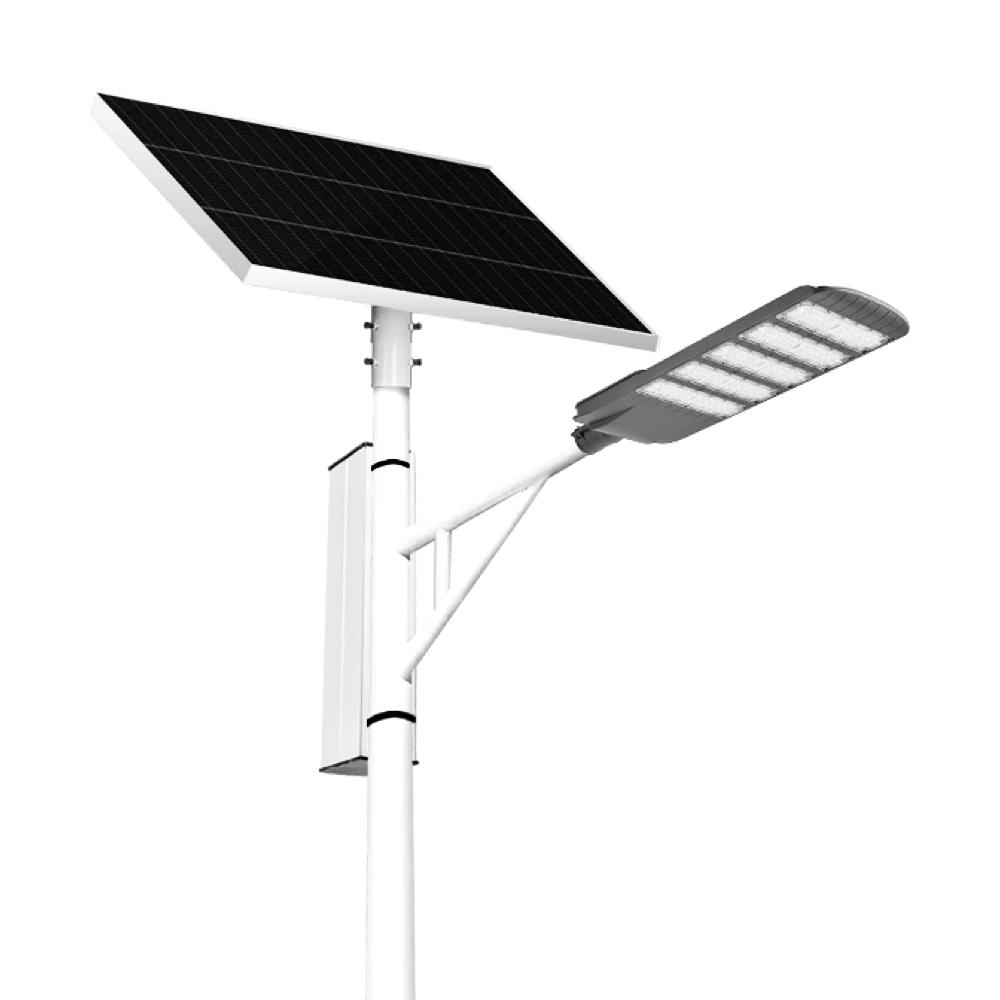
The Solar Streetlights of Luhao for Municipalities are designed to deliver reliable, energy-efficient, and cost-effective public lighting solutions. Equipped with advanced LED technology, durable lithium batteries, and high-efficiency solar panels, these streetlights provide consistent illumination for roads, parks, residential areas, and government projects.
If you would like more information about Queneng solar lighting solutions, please send us a message by filling out the form below. Our professional team will get back to you within 24 hours!
Rest assured that your privacy is important to us, and all information provided will be handled with the utmost confidentiality.
Schedule a Meeting
Book a date and time that is convenient for you and conduct the session in advance.
Have more questions about our products or services?
The messenger of light & power conversion
Environmental protection and intelligent manufacturing are our brand philosophy, and quality assurance and the best user experience are our eternal promises to users.
CONTACT
No.9F, Building F, Cao San Xin Tian Hong Logistics Park, Guzhen Town, Zhongshan City, Guangdong Province, China.
or write [email protected]
WhatsApp: +86 136 2270 1011


