

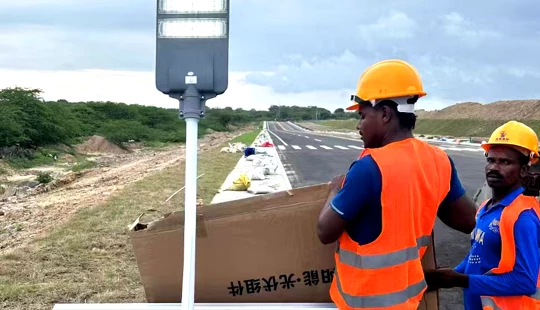
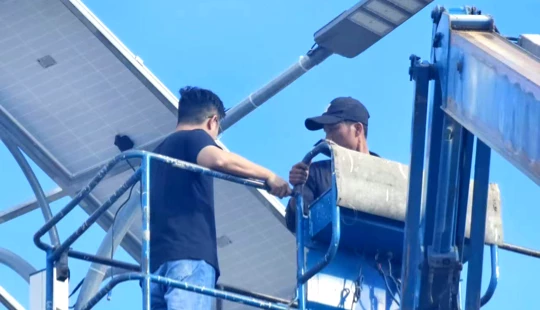













Installation safety standards for solar-powered street lamps in Nigerian cities | Insights by Quenenglighting
For procurement users tasked with illuminating urban spaces, the choice and installation of solar-powered street lamps in Nigerian cities is a critical undertaking. Beyond initial cost, ensuring adherence to rigorous safety standards during installation is paramount. This commitment protects communities, guarantees project longevity, and safeguards investments.
We delve into key questions procurement professionals should ask to ensure safety and compliance throughout their solar lighting initiatives.
What foundational safety principles are essential for solar street lamp installation?
At the core of any successful solar street lamp project lies a commitment to fundamental safety principles. This begins with understanding the inherent risks associated with electrical installations, working at heights, and handling heavy components. Proper grounding of electrical systems is non-negotiable to prevent shock hazards, especially in environments where humidity and varying weather conditions are prevalent. Moreover, ensuring the structural integrity of poles and mounting hardware is critical to withstand wind loads and potential impacts.
Safety planning extends beyond the technical aspects to encompass site-specific risk assessments. This involves identifying potential obstructions, understanding soil conditions for foundation stability, and planning safe access routes for installation teams. A comprehensive safety strategy minimizes accidents during the installation phase and lays the groundwork for a secure and reliable lighting infrastructure.
How do environmental and structural considerations impact installation safety in urban Nigeria?
Nigerian cities present unique environmental and structural considerations that directly influence the safety of solar street lamp installations. High temperatures and periods of heavy rainfall can affect the lifespan and performance of electrical components if not properly sealed and protected. Furthermore, the varying soil conditions across different urban areas necessitate careful geotechnical assessments to ensure that pole foundations are adequately designed to prevent subsidence or collapse over time.
Urban infrastructure itself poses structural challenges. The proximity to existing buildings, power lines, and underground utilities requires meticulous planning to avoid accidental damage or disruptions. Consideration of local traffic patterns and pedestrian zones during installation is also vital to prevent accidents involving the public or installation crew. Thorough site surveys and detailed engineering designs are indispensable for mitigating these location-specific risks.
What role does component quality play in long-term safety and operational integrity?
The quality of each component within a solar street lamp system directly correlates with its long-term safety and operational integrity. Inferior materials or poorly manufactured parts can lead to premature failure, creating potential hazards. For instance, weak pole materials could succumb to environmental stresses, while substandard battery enclosures might expose electrical components to moisture, leading to short circuits or fires.
Procurement decisions that prioritize high-quality solar panels, durable batteries, robust controllers, and strong structural elements are investments in safety. Components that meet recognized durability and performance standards are less likely to malfunction, reducing the need for frequent, potentially hazardous, maintenance interventions. A focus on quality at the procurement stage is a proactive measure against future safety risks and ensures consistent, reliable illumination.
Why is skilled personnel and proper training crucial for safe installation practices?
The most advanced equipment and highest quality components are only as effective as the teams installing them. Skilled personnel, possessing the requisite technical knowledge and practical experience, are crucial for safe and compliant solar street lamp installations. Proper training ensures that installers understand electrical safety protocols, working-at-heights regulations, and the correct procedures for handling and assembling solar components.
Furthermore, trained teams are better equipped to identify and mitigate unforeseen challenges on-site, making informed decisions that prioritize safety. Continuous professional development and adherence to best practices in installation are essential. Investing in the expertise of installation teams is not just about efficiency; it's a fundamental commitment to preventing accidents and ensuring the long-term safety and performance of the solar lighting infrastructure.
What are the critical aspects of site assessment and planning for safe installations?
A thorough site assessment and meticulous planning are foundational to safe solar street lamp installations. This involves more than just identifying locations for poles; it encompasses a comprehensive evaluation of environmental, structural, and social factors. Key aspects include assessing solar irradiance levels, understanding wind patterns, and conducting soil tests to determine appropriate foundation designs.
Planning also extends to logistical considerations, such as the safe transportation of materials, strategic placement of equipment, and clear communication channels for the installation team. Identifying potential hazards like existing underground cables, overhead power lines, or unstable terrain is critical to develop a risk mitigation strategy. A well-executed site assessment and planning phase minimizes surprises during installation and proactively addresses potential safety concerns.
How does robust procurement vetting contribute to safer solar lighting projects?
Robust procurement vetting is a cornerstone of ensuring safer solar lighting projects from their inception. This process involves thoroughly evaluating potential suppliers and their products beyond just the initial cost. Procurement teams should scrutinize a supplier's manufacturing standards, quality control processes, and adherence to relevant industry certifications or best practices. Verifying product specifications against project requirements for durability, electrical safety, and environmental resistance is vital.
Effective vetting also extends to assessing a supplier's track record, technical support capabilities, and warranty provisions. Partnering with reputable manufacturers who demonstrate a commitment to product quality and safety reduces the likelihood of acquiring substandard components that could compromise the safety and longevity of the entire installation. Through diligent vetting, procurement professionals play a critical role in mitigating risks before they manifest on site.
What ongoing maintenance and inspection protocols are vital for sustaining safety?
Installation is just the beginning; sustaining the safety and performance of solar street lamps over their operational lifespan requires diligent ongoing maintenance and inspection protocols. Regular inspections are necessary to identify potential issues such as loose connections, damaged wiring, corrosion on poles or mounting hardware, and signs of battery degradation. Proactive maintenance can address these concerns before they escalate into safety hazards or system failures.
Maintenance routines should include cleaning solar panels to ensure optimal energy harvesting, checking battery health, and verifying the functionality of the light and control system. Furthermore, structural inspections of poles and foundations should be conducted periodically, especially after severe weather events, to ensure continued stability. A well-defined maintenance schedule, executed by trained personnel, is indispensable for preserving the safety, reliability, and efficiency of solar street lamp installations.
Partnering for Safety and Reliability with Quenenglighting
For procurement users focused on delivering safe, reliable, and high-performing solar lighting solutions in Nigerian cities, Quenenglighting stands as a trusted partner. Our commitment to quality manufacturing ensures that every component, from robust poles to efficient solar panels and durable batteries, adheres to stringent standards, contributing directly to installation safety and long-term operational integrity. Quenenglighting products are designed for durability and performance, minimizing the risks associated with component failure and reducing the need for frequent, potentially hazardous, maintenance.
We understand the unique challenges of urban installations and offer solutions built to withstand diverse environmental conditions. By choosing Quenenglighting, procurement teams are selecting a partner dedicated to supporting projects with products that prioritize safety at every stage, from manufacturing to deployment and beyond. Our focus is on providing solutions that empower procurement professionals to make confident decisions for sustainable and secure urban illumination.
Data source:No external data or specific evidence was provided in the 'Evidence Block' for direct citation in this article.

Have more questions about our products or services?
The latest hot news you might like
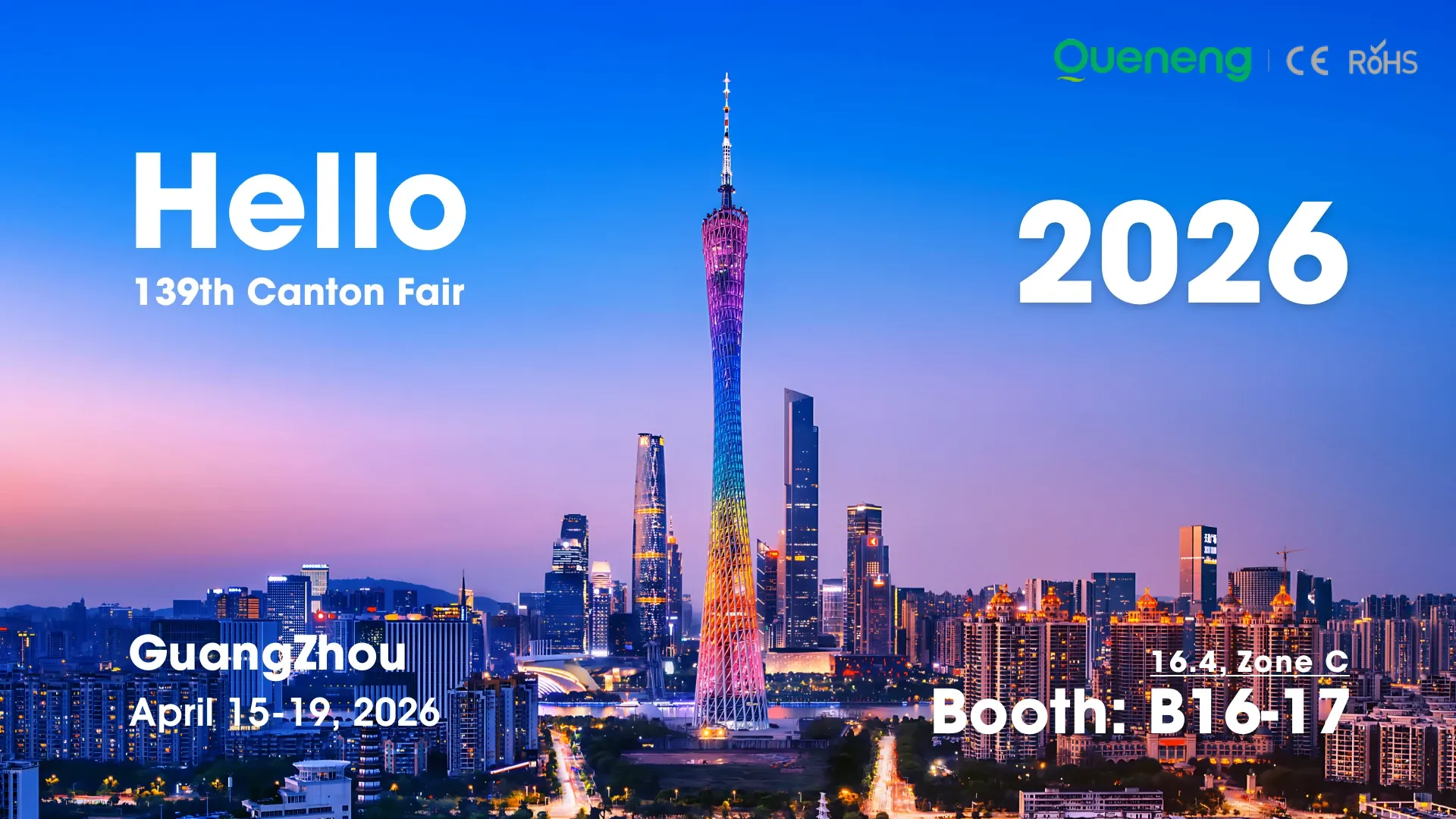
As the global demand for sustainable infrastructure rises, Queneng Lighting is proud to announce its participation in the 139th China Import and Export Fair (Canton Fair), held from April 15th to 19th, 2026, in Guangzhou.
For over 13 years, Queneng has been at the forefront of the solar lighting industry, providing high-efficiency solutions for infrastructure contractors, municipal developers, and EPC companies worldwide. This year, we are bringing our most advanced technology yet to the international stage.

Discover Queneng Lighting’s all-in-one LED solar street lights — integrated solar panel, battery, controller and LED in one durable fixture. Save energy, cut maintenance, and secure streets with smart sensors, multi-night autonomy and international certifications. Contact sales for quotes and support.

Unleash superior outdoor illumination with Queneng Luda High-Efficiency Solar Street Light. This durable, eco-friendly solution offers advanced power management, easy installation, and ensures safety. Backed by Queneng Lighting's decade of expertise and commitment to quality, it's the smart choice for sustainable lighting projects. Learn why we're a leading solar solutions provider.

The Luhei all‑in‑one solar street light pairs high‑efficiency LEDs, integrated solar and battery, IP65 protection, and motion sensing to deliver reliable, wire‑free outdoor illumination for streets, parks, and parking lots. Backed by Queneng Lighting’s certifications and support.
FAQ
Solar Street Light Lufei
How long does it take to install a solar street light?
Installation typically takes 1-2 hours, depending on the complexity of the setup. No external wiring is required, which makes installation faster and simpler compared to traditional street lighting.
Remote Areas Rural Development
Can solar streetlights be relocated if community needs change?
Yes, they are designed to be portable and can be relocated to new sites with minimal adjustments.
Public Gardens and Landscape Lighting
Can solar lights be customized for specific landscaping needs?
Yes, we offer customizable solar lighting solutions to meet the unique needs of different landscaping projects. From adjusting the brightness to selecting the appropriate lighting style and design, we can tailor our products to fit your vision.
Tourist Attractions and Resorts
Can solar lighting systems withstand harsh weather conditions?
Yes, solar lighting systems are built to be durable and weather-resistant. They can withstand rain, snow, and extreme temperatures, making them ideal for year-round use in outdoor settings.
Schools and Educational Institutions
Do the solar lights come with a timer or automatic on/off function?
Yes, many of our solar lighting systems come with built-in timers or automatic sensors, allowing them to turn on at dusk and off at dawn, or based on a set schedule.
Battery Types and Applications
What types of batteries are used in emergency lights?
2. Adjustable valve lead-acid battery;
3. Other types of batteries can also be used if they meet the corresponding safety and performance standards of the IEC 60598 (2000) (emergency lighting part) standard (emergency lighting part).
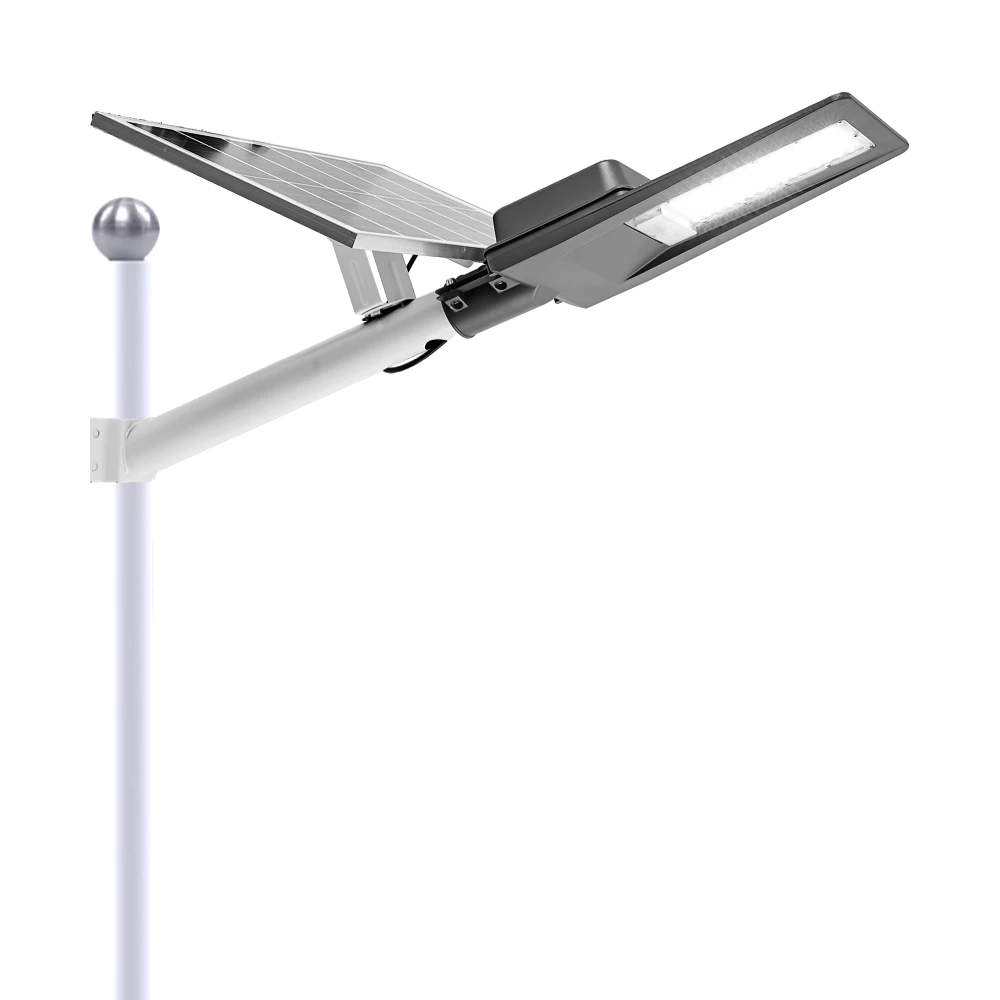
Experience reliable outdoor illumination with our smart solar street light, a perfect combination of advanced technology and eco-conscious design.
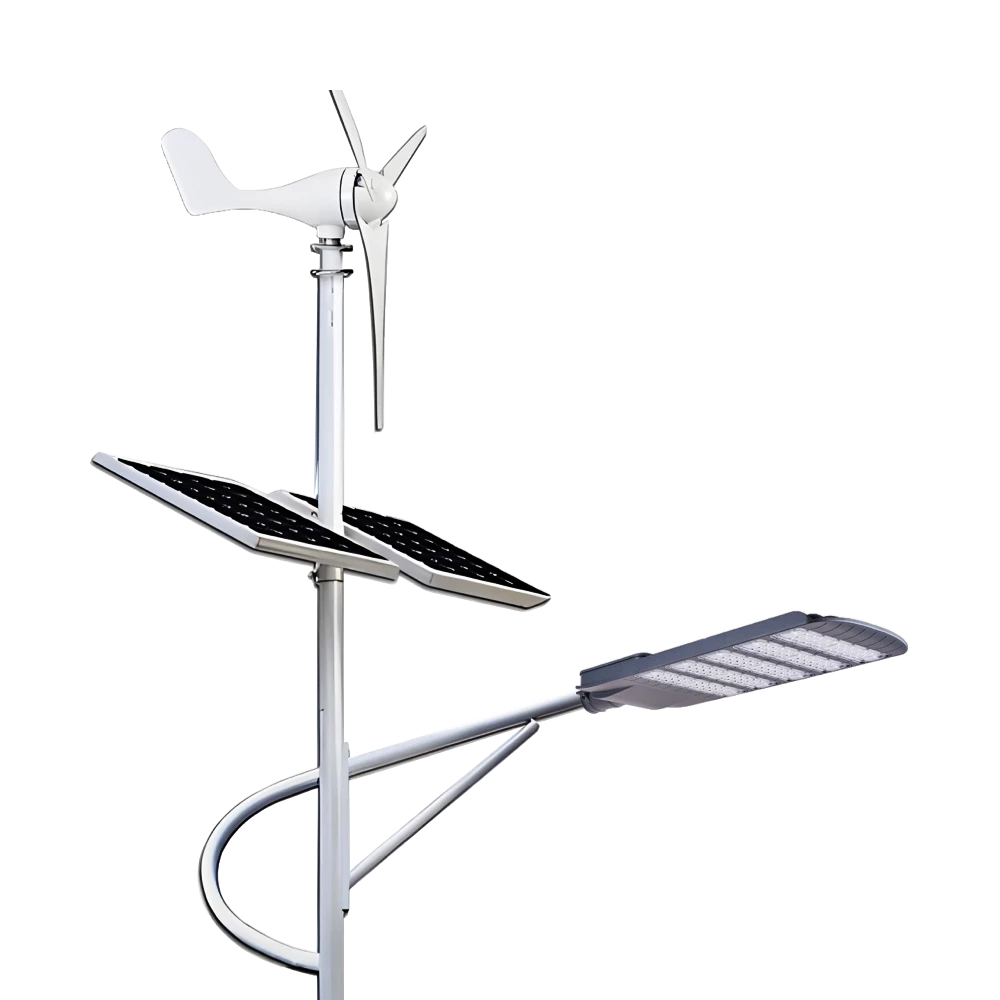
Queneng Lufeng Wind Energy LED Outdoor Solar Street Lights offer high-performance, eco-friendly illumination. These energy-efficient LED street lights harness solar power and wind energy for sustainable, cost-effective outdoor lighting solutions.
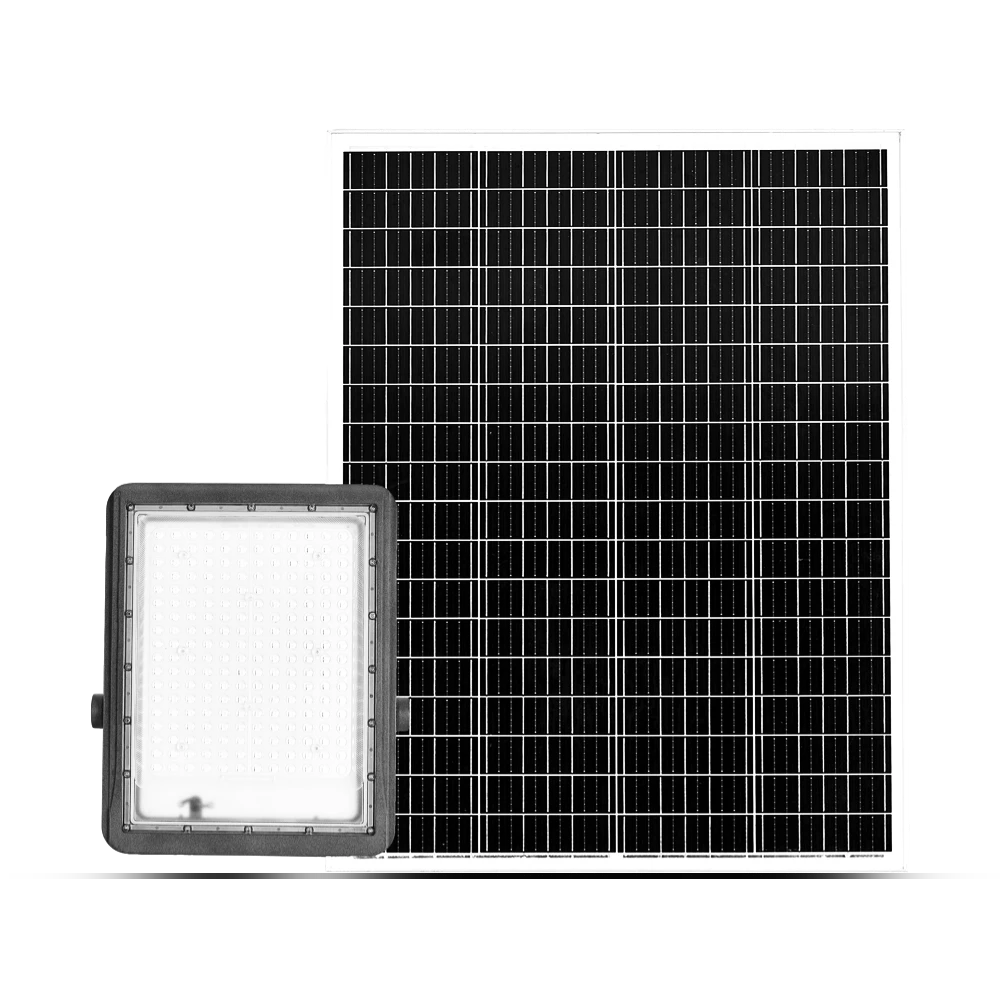
Queneng's Luxian Reliable Solar Street Light offers energy-saving LED lighting for outdoor use. This durable, solar-powered street light provides reliable illumination, reducing energy costs and environmental impact. A perfect solution for sustainable outdoor lighting.
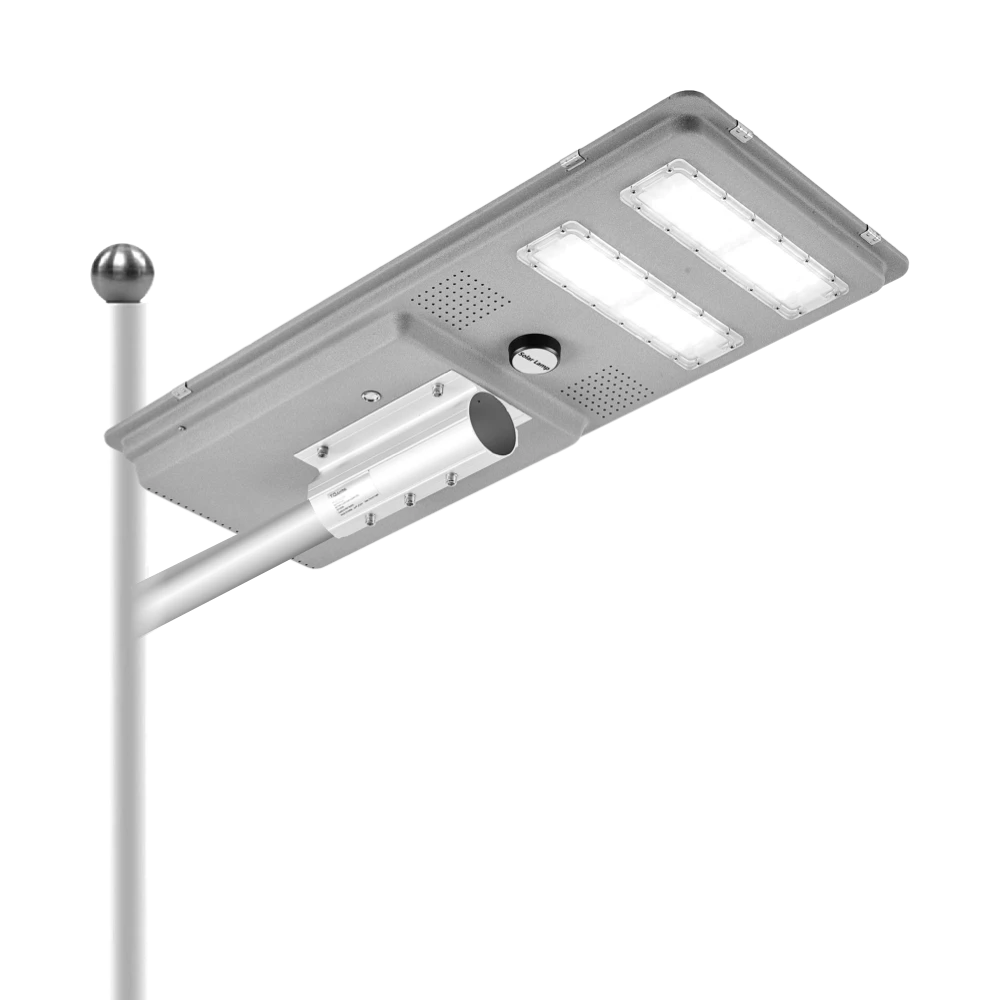
Queneng’s Solar Street Lights are designed to provide reliable, energy-efficient lighting for streets, parks, and other outdoor spaces.
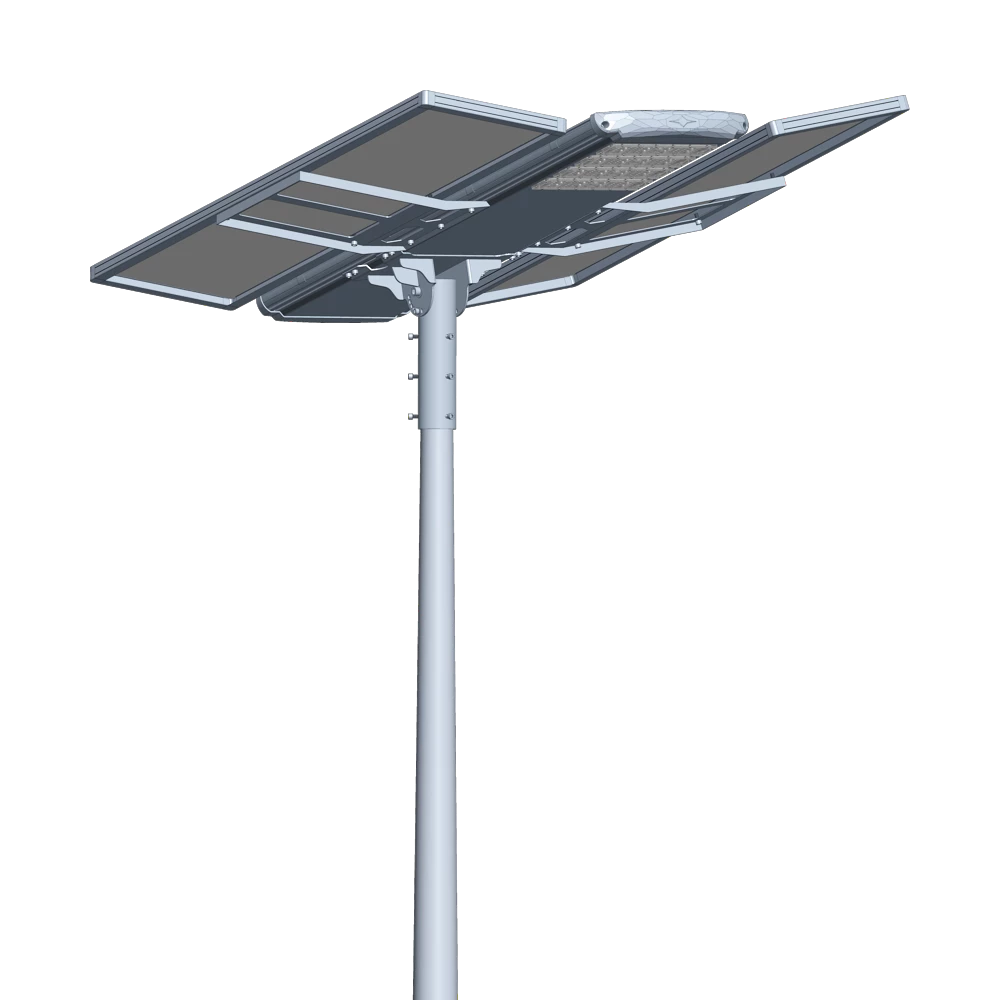
Introducing the Luqing Solar Street Light by Queneng, Efficient LED lighting powered by solar energy is perfect for illuminating outdoor areas. Harness the power of solar energy for sustainable, reliable street lighting. Ideal for eco-friendly, cost-effective outdoor illumination solutions.
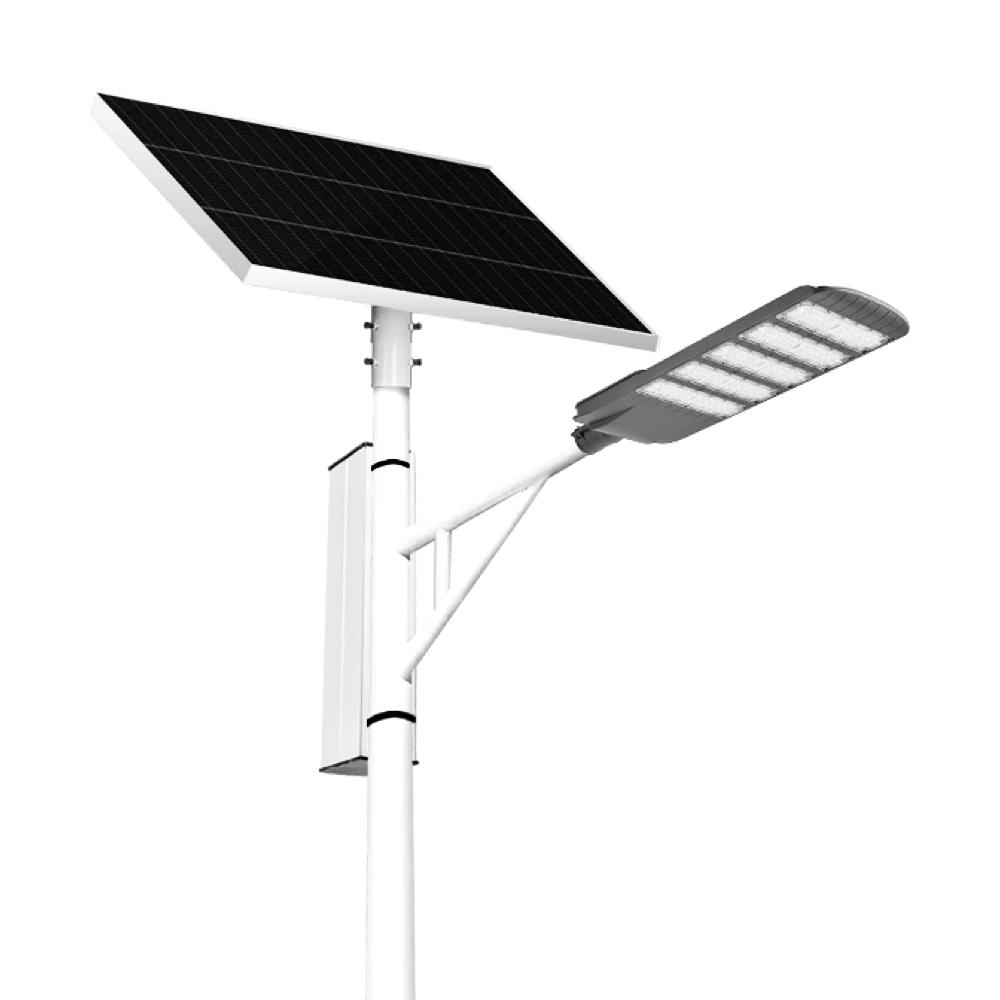
The Solar Streetlights of Luhao for Municipalities are designed to deliver reliable, energy-efficient, and cost-effective public lighting solutions. Equipped with advanced LED technology, durable lithium batteries, and high-efficiency solar panels, these streetlights provide consistent illumination for roads, parks, residential areas, and government projects.
If you would like more information about Queneng solar lighting solutions, please send us a message by filling out the form below. Our professional team will get back to you within 24 hours!
Rest assured that your privacy is important to us, and all information provided will be handled with the utmost confidentiality.
Schedule a Meeting
Book a date and time that is convenient for you and conduct the session in advance.
Have more questions about our products or services?
The messenger of light & power conversion
Environmental protection and intelligent manufacturing are our brand philosophy, and quality assurance and the best user experience are our eternal promises to users.
CONTACT
No.9F, Building F, Cao San Xin Tian Hong Logistics Park, Guzhen Town, Zhongshan City, Guangdong Province, China.
or write [email protected]
WhatsApp: +86 136 2270 1011


