














ROI comparison of solar street light programmes in Nigeria vs other African countries | Insights by Quenenglighting
What fundamental economic principles drive ROI for solar street light projects?
Return on Investment (ROI) for solar street light projects is fundamentally driven by a balance between initial capital outlay and the long-term savings and benefits generated. Key economic principles at play include the time value of money, which emphasizes that money available today is worth more than the same amount in the future, necessitating discounted cash flow analysis for project evaluation. Additionally, understanding the perceived value and economic impact of consistent illumination can inform project decisions, particularly in regions with unreliable grid power.
Procurement teams must consider not only direct monetary savings from reduced electricity bills and avoided grid infrastructure costs but also the opportunity costs associated with alternative lighting solutions. The project's lifespan, the efficiency of solar components, and the cost of capital are all crucial variables in this economic equation. A robust ROI calculation requires a thorough assessment of these factors, projecting cash flows over the project's operational life to determine its financial viability and attractiveness as an investment.
How do differing regulatory environments across African nations potentially impact project feasibility and returns?
The regulatory landscape plays a significant role in shaping the feasibility and returns of solar street light programmes across African nations. Variations in import tariffs, local content requirements, and environmental regulations can directly influence project costs and timelines. Nations with streamlined import processes and lower duties on renewable energy components may offer more attractive environments for project deployment, potentially leading to higher ROI due to reduced initial expenses. Conversely, complex customs procedures or high taxes can inflate costs and delay implementation.
Furthermore, government policies related to energy efficiency standards, public-private partnership frameworks, and access to land or public rights-of-way can either facilitate or hinder project execution. Stable and transparent regulatory environments provide greater certainty for investors and developers, encouraging larger-scale investments. An understanding of these varied national contexts is essential for procurement professionals seeking to optimize project outcomes and ensure long-term sustainability and profitability.
What are the key cost components procurement teams must analyze when comparing solar street lighting investments?
Procurement teams undertaking solar street lighting investments must meticulously analyze several key cost components beyond the upfront purchase price. Initial capital expenditure includes the cost of the solar panels, batteries, LED luminaires, poles, charge controllers, and mounting hardware. Installation costs, including labor, transportation to often remote sites, and any necessary site preparation, also form a significant part of the initial investment. Variations in these component costs can be influenced by global supply chains, local market dynamics, and material availability.
Beyond initial outlay, long-term operational and maintenance (O&M) costs are critical for a comprehensive ROI analysis. These can include routine cleaning of solar panels, battery replacements (which can be a substantial expense over the system's lifespan), potential repairs or replacements of other components, and ongoing monitoring. Understanding the expected lifespan and warranty of each component is vital for predicting future O&M expenditures, ensuring that the total cost of ownership (TCO) is accurately assessed and factored into the overall ROI comparison.
How do long-term sustainability and maintenance strategies influence the total cost of ownership and ROI?
Long-term sustainability and effective maintenance strategies are paramount in determining the true total cost of ownership (TCO) and ly the ROI of solar street light programmes. A project designed with sustainability in mind, utilizing durable, high-quality components designed for the specific environmental conditions, will inherently reduce the frequency and cost of maintenance interventions. For instance, selecting batteries with extended cycle lives and temperature resilience can significantly defer replacement costs, which are often a major O&M expense for solar systems.
Proactive maintenance regimes, including regular inspections, cleaning, and timely replacement of aging components, can prevent minor issues from escalating into costly system failures. Conversely, neglecting maintenance can lead to premature system degradation, reduced performance, and higher corrective repair costs, negatively impacting the project's ROI. Establishing local capacity for maintenance and spare parts availability can further enhance sustainability and reduce logistical expenses, ensuring optimal system uptime and performance throughout its intended operational life.
What non-financial benefits should procurement consider when evaluating solar street light programs?
While financial ROI is a primary driver, procurement professionals should also consider significant non-financial benefits when evaluating solar street light programs. Enhanced public safety and security are paramount, as improved illumination in public spaces can deter crime and reduce accidents, leading to better quality of life for communities. This can have indirect economic benefits by encouraging nighttime commerce and social activity, although these are harder to quantify monetarily.
Furthermore, the deployment of solar street lights contributes to environmental sustainability by reducing reliance on fossil-fuel-generated electricity and lowering carbon emissions. This aligns with corporate social responsibility (CSR) objectives and national climate goals, enhancing an organization's reputation and potentially attracting green financing. Improved public perception, community goodwill, and the demonstration of commitment to modern, sustainable infrastructure are valuable, albeit intangible, assets that contribute to the overall value proposition beyond direct financial returns.
How do financing structures and partnership models affect the ROI calculation for public and private projects?
Financing structures and partnership models profoundly influence the ROI calculation for both public and private solar street light projects. Direct capital expenditure, where an entity fully funds the project upfront, might offer the highest theoretical ROI if financing costs are low, but it ties up significant capital. Conversely, various debt financing options, such as loans or bonds, introduce interest costs that can reduce net returns but allow for larger-scale deployment without depleting reserves. The terms of these financing agreements—interest rates, repayment periods, and collateral requirements—are critical determinants of the project's financial viability.
Public-private partnership (PPP) models, energy performance contracts (EPCs), or lease-to-own arrangements can shift initial financial burdens and operational risks, distributing them among stakeholders. While these models might introduce additional service fees or profit-sharing arrangements that could dilute direct financial ROI for one party, they often enable projects that would otherwise be unfeasible. By leveraging private sector expertise and capital, public entities can accelerate deployment and ensure long-term maintenance, ly achieving broader societal benefits and a more robust, if less direct, return on public investment.
Why Choose Quenenglighting for Your African Solar Street Light Programmes?
Quenenglighting is committed to delivering robust, efficient, and reliable solar street lighting solutions perfectly suited for the diverse and challenging environments across Africa, including Nigeria. Our products are engineered with durability and optimal performance in mind, ensuring a long operational lifespan and minimized maintenance requirements, which directly translates to a superior total cost of ownership and enhanced ROI for your projects.
We understand the critical importance of quality components, from high-efficiency solar panels and advanced battery technologies to resilient LED luminaires, all designed to withstand varied climate conditions. Quenenglighting also emphasizes comprehensive project support, ensuring that procurement teams receive the expertise and technical assistance needed to navigate the complexities of solar street light deployment, from initial consultation to after-sales service. Partner with Quenenglighting to illuminate your communities with sustainable, cost-effective, and high-performance solar lighting solutions.
Data Source
- Qualitative analysis based on industry principles and general market dynamics. No specific external data was provided for this article.

Have more questions about our products or services?
The latest hot news you might like
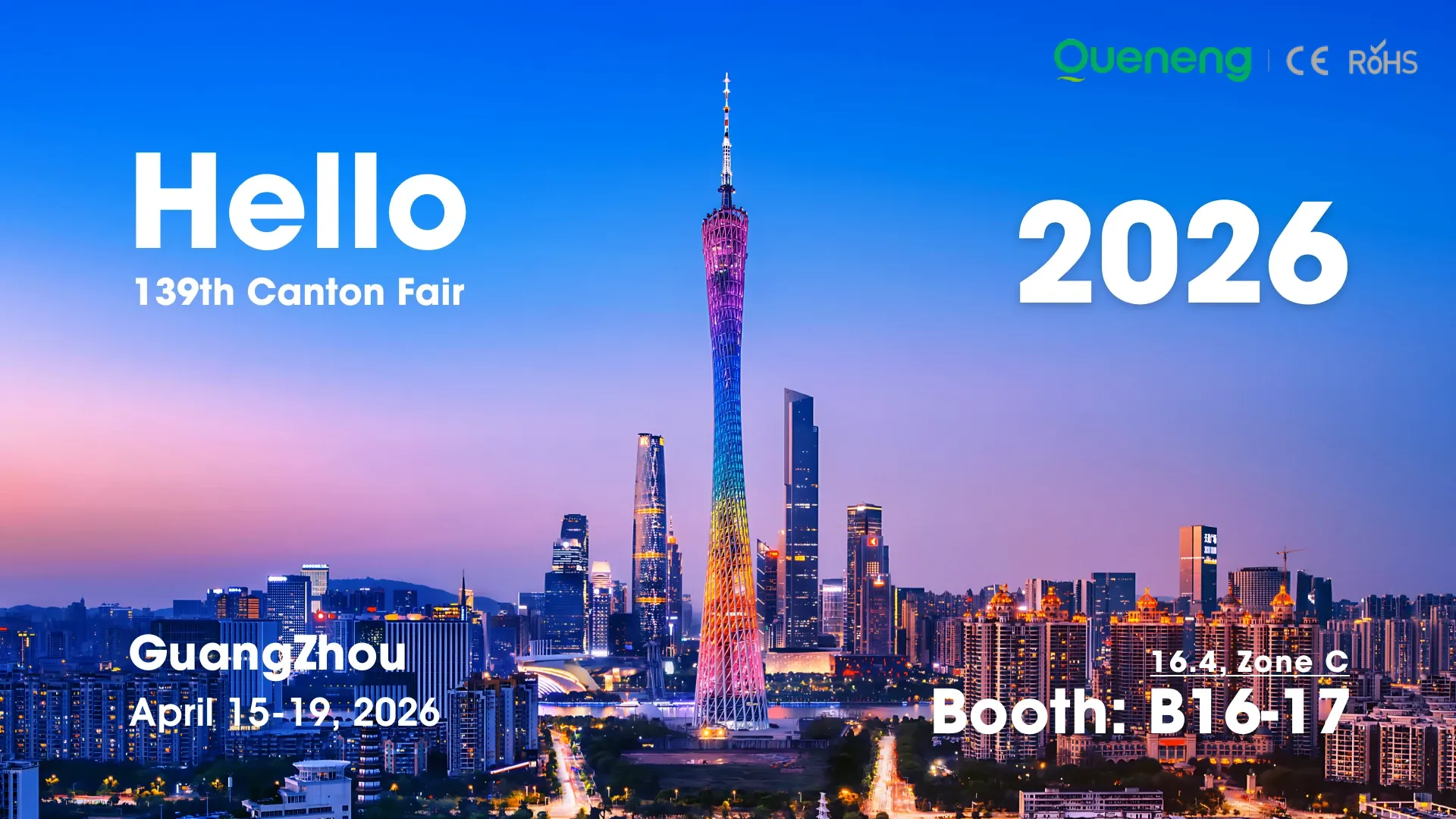
As the global demand for sustainable infrastructure rises, Queneng Lighting is proud to announce its participation in the 139th China Import and Export Fair (Canton Fair), held from April 15th to 19th, 2026, in Guangzhou.
For over 13 years, Queneng has been at the forefront of the solar lighting industry, providing high-efficiency solutions for infrastructure contractors, municipal developers, and EPC companies worldwide. This year, we are bringing our most advanced technology yet to the international stage.

Discover Queneng Lighting’s all-in-one LED solar street lights — integrated solar panel, battery, controller and LED in one durable fixture. Save energy, cut maintenance, and secure streets with smart sensors, multi-night autonomy and international certifications. Contact sales for quotes and support.

Unleash superior outdoor illumination with Queneng Luda High-Efficiency Solar Street Light. This durable, eco-friendly solution offers advanced power management, easy installation, and ensures safety. Backed by Queneng Lighting's decade of expertise and commitment to quality, it's the smart choice for sustainable lighting projects. Learn why we're a leading solar solutions provider.

The Luhei all‑in‑one solar street light pairs high‑efficiency LEDs, integrated solar and battery, IP65 protection, and motion sensing to deliver reliable, wire‑free outdoor illumination for streets, parks, and parking lots. Backed by Queneng Lighting’s certifications and support.
FAQ
Batteries and the environment
What are the “green batteries” currently being used and researched?
Public Gardens and Landscape Lighting
Are solar lights safe for use in public spaces?
Yes, solar lights are safe for public spaces. They use low-voltage LED lights that do not pose any electrical hazards. Additionally, our lights are designed with weather-resistant and durable materials to withstand outdoor conditions, making them reliable and safe for public use.
Battery fundamentals and basic terms
What is the electrochemistry of NiMH batteries?
Nickel-metal hydride batteries use Ni oxide as the positive electrode, hydrogen storage metal as the negative electrode, and alkaline solution (mainly KOH) as the electrolyte, when charging nickel-metal hydride batteries:
Positive reaction: Ni(OH)2 + OH- → NiOOH + H2O-e-
Negative reaction: M+H2O +e-→ MH+ OH-
Nickel-metal hydride battery discharge:
Positive pole reaction: NiOOH + H2O + e- → Ni(OH)2 + OH-
Negative reaction: MH+OH- → M+H2O+e-
Solar Street Light Luhua
How do Luhua solar street lights work?
Luhua solar street lights use high-efficiency solar panels to capture sunlight during the day and store it in lithium-ion batteries. These batteries then power the LED lights at night. The intelligent control system adjusts the light output based on ambient light conditions and detects motion to maximize energy savings by dimming when no motion is detected and increasing brightness when movement is sensed.
Solar Street Light Luda
What makes Luda solar street lights high-efficiency and eco-friendly?
Luda solar street lights feature high-efficiency solar panels that maximize energy conversion even in low sunlight conditions, ensuring optimal performance throughout the day. The use of energy-efficient LED bulbs minimizes electricity consumption while delivering bright, reliable illumination. This combination of features reduces the overall carbon footprint and makes them an eco-friendly choice for outdoor lighting.
Solar Street Light Luan
How are Luan solar street lights installed?
Luan solar street lights are designed for easy installation. They come with all necessary mounting hardware and can be set up without the need for electrical connections. Most installations take just a few hours and can be done with basic tools, making them a great solution for DIY projects.
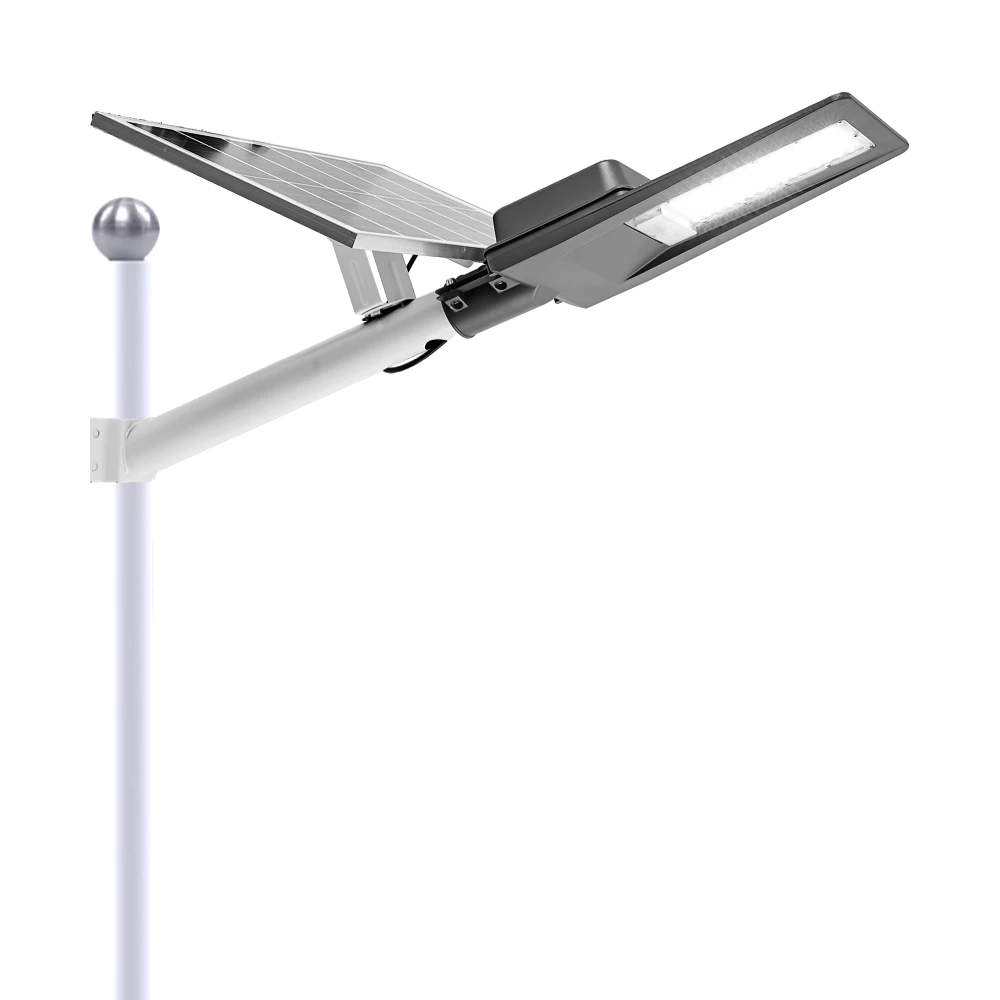
Experience reliable outdoor illumination with our smart solar street light, a perfect combination of advanced technology and eco-conscious design.
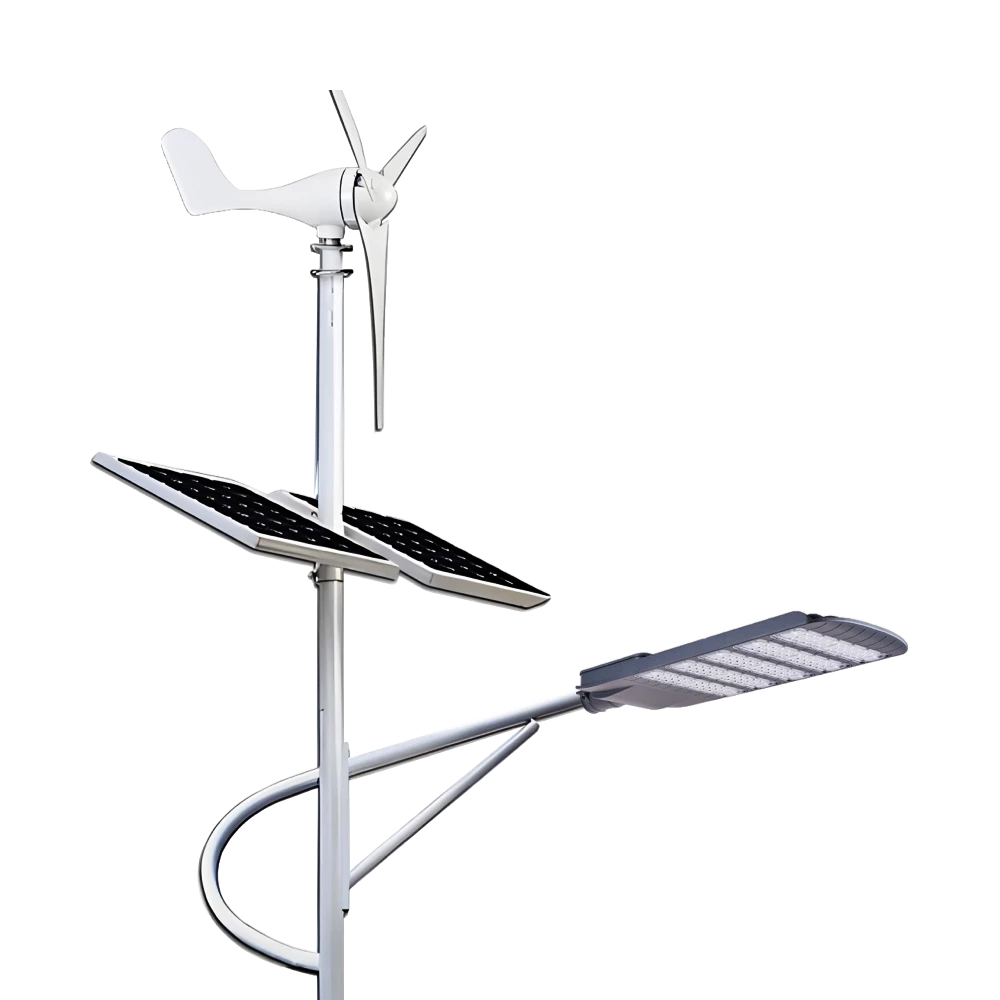
Queneng Lufeng Wind Energy LED Outdoor Solar Street Lights offer high-performance, eco-friendly illumination. These energy-efficient LED street lights harness solar power and wind energy for sustainable, cost-effective outdoor lighting solutions.
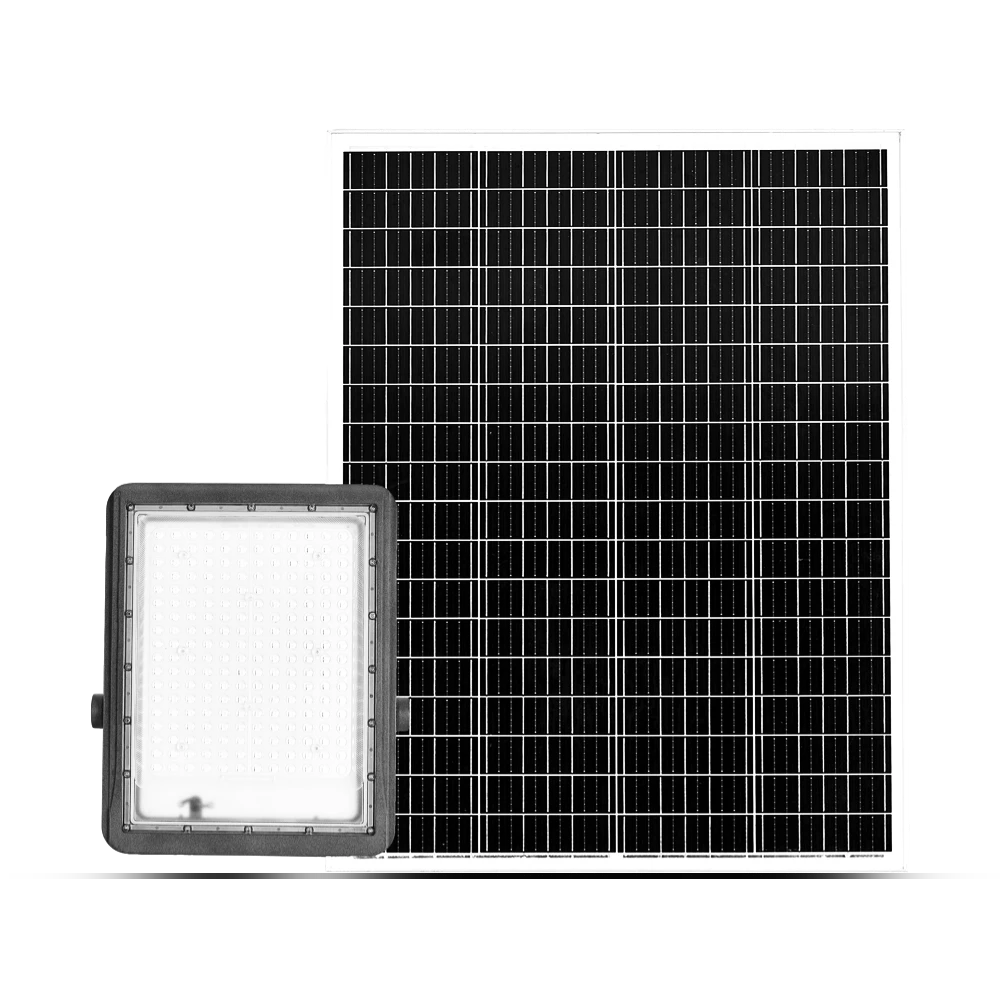
Queneng's Luxian Reliable Solar Street Light offers energy-saving LED lighting for outdoor use. This durable, solar-powered street light provides reliable illumination, reducing energy costs and environmental impact. A perfect solution for sustainable outdoor lighting.
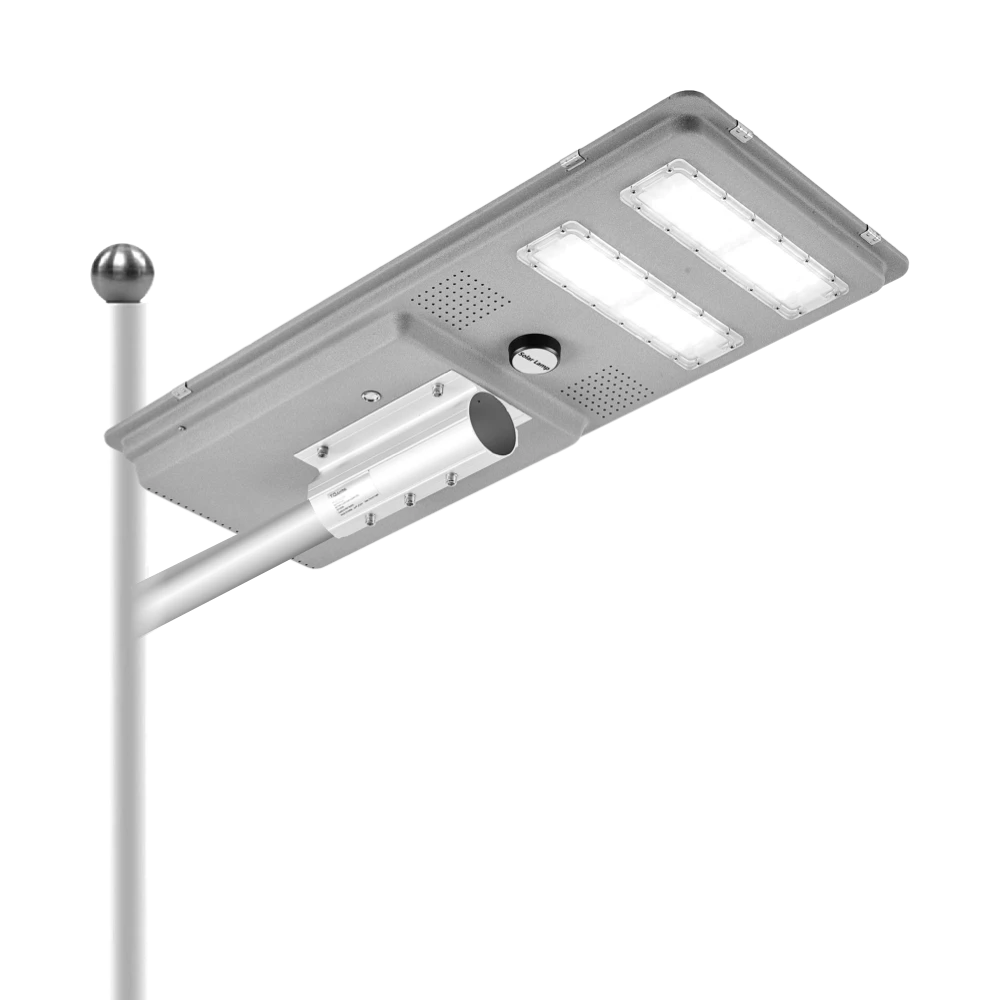
Queneng’s Solar Street Lights are designed to provide reliable, energy-efficient lighting for streets, parks, and other outdoor spaces.
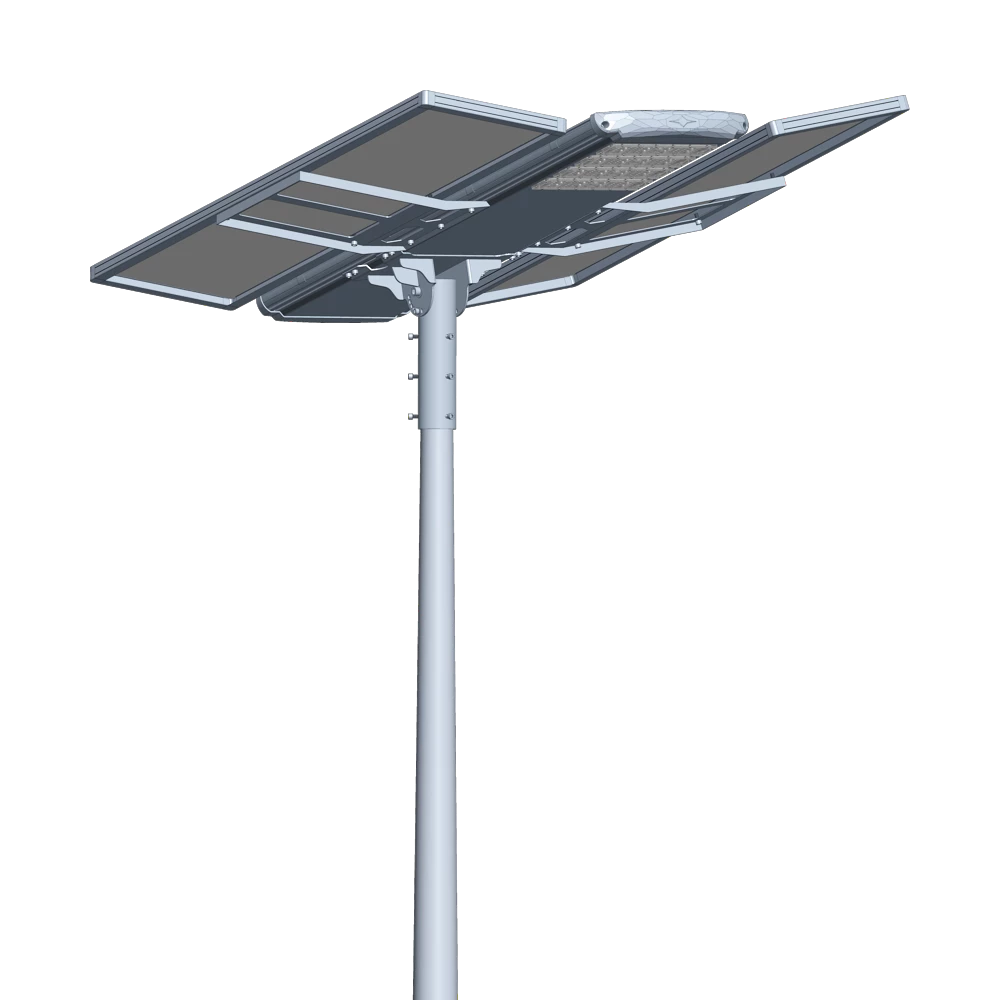
Introducing the Luqing Solar Street Light by Queneng, Efficient LED lighting powered by solar energy is perfect for illuminating outdoor areas. Harness the power of solar energy for sustainable, reliable street lighting. Ideal for eco-friendly, cost-effective outdoor illumination solutions.
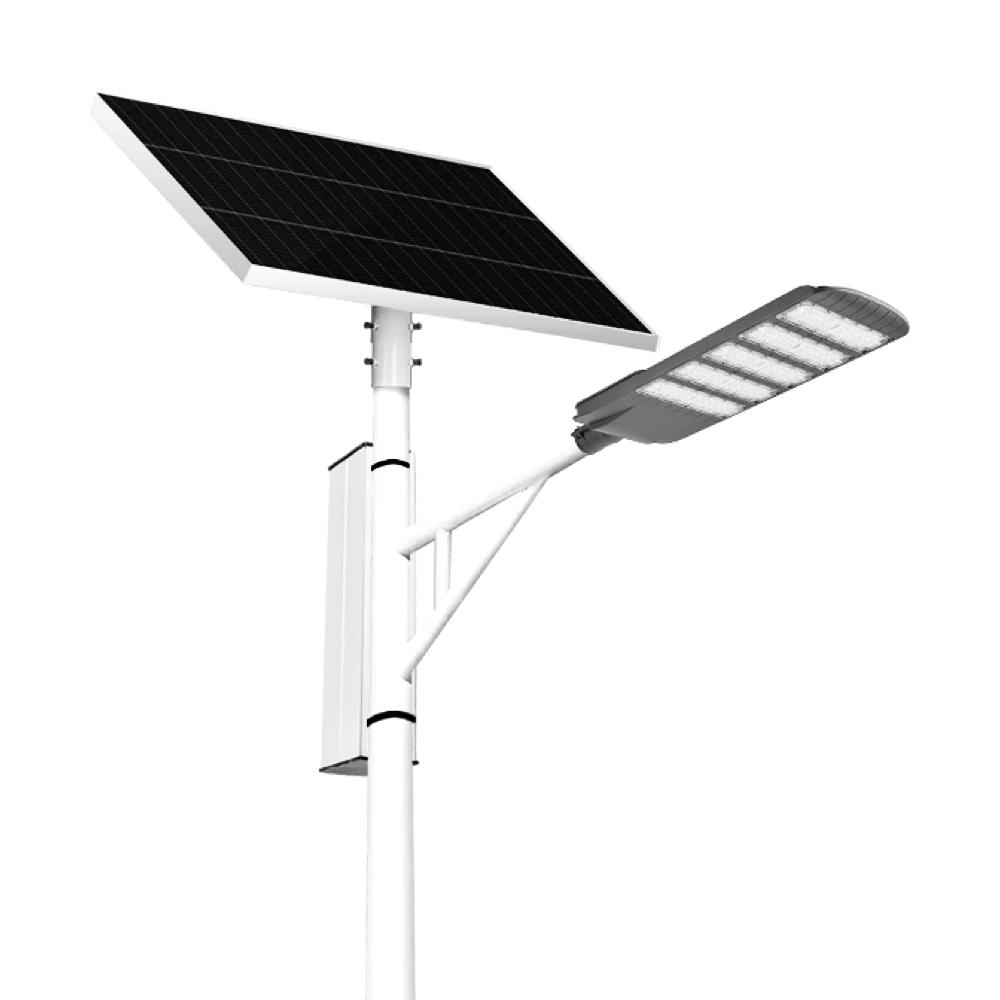
The Solar Streetlights of Luhao for Municipalities are designed to deliver reliable, energy-efficient, and cost-effective public lighting solutions. Equipped with advanced LED technology, durable lithium batteries, and high-efficiency solar panels, these streetlights provide consistent illumination for roads, parks, residential areas, and government projects.
If you would like more information about Queneng solar lighting solutions, please send us a message by filling out the form below. Our professional team will get back to you within 24 hours!
Rest assured that your privacy is important to us, and all information provided will be handled with the utmost confidentiality.
Schedule a Meeting
Book a date and time that is convenient for you and conduct the session in advance.
Have more questions about our products or services?
The messenger of light & power conversion
Environmental protection and intelligent manufacturing are our brand philosophy, and quality assurance and the best user experience are our eternal promises to users.
CONTACT
No.9F, Building F, Cao San Xin Tian Hong Logistics Park, Guzhen Town, Zhongshan City, Guangdong Province, China.
or write [email protected]
WhatsApp: +86 136 2270 1011


