














How to Choose the Right Solar Street Light Manufacturer?
The Guide to Solar Street Light Costs & Manufacturer Selection
Investing in solar street lights is a smart, sustainable decision for various applications, from municipal roads to private developments. However, understanding the true cost and selecting a reliable manufacturer can be challenging. This guide, tailored for purchasers in the split solar street light industry, will break down the economics, quality considerations, and manufacturer evaluation criteria, ensuring you make an informed decision.
What is the Average Cost of a Split Solar Street Light System?
The cost of a split solar street light system varies significantly based on several factors, but generally ranges from $800 to $3,000+ per unit for commercial-grade solutions, excluding installation. This is typically higher than all-in-one units due to separate components, larger battery capacities, and more robust structures often required for higher power applications and longer autonomy. While all-in-one units might start from $300-$1500, they usually have limitations in power output and battery storage that split systems overcome.
- Low-end (Basic Commercial): $800 - $1,500 (e.g., 30W-60W LED, 60-100Ah LiFePO4 battery)
- Mid-range (Standard Commercial/Industrial): $1,500 - $2,500 (e.g., 60W-120W LED, 100-200Ah LiFePO4 battery)
- High-end (Custom/High Power): $2,500 - $5,000+ (e.g., 120W+ LED, 200Ah+ LiFePO4 battery, advanced controls, specialized poles)
These figures primarily cover the lighting fixture, solar panel, battery, controller, and necessary cabling. The pole, foundation, and installation labor are additional costs, which can add another $300-$1,000+ per unit depending on height, material, and site conditions.
What Factors Significantly Influence the Cost of a Solar Street Light?
Several key components and specifications drive the overall cost of a solar street light:
- LED Light Power (Wattage & Lumen Output): Higher wattage LEDs (e.g., 100W vs. 30W) providing more lumens require larger batteries and solar panels, significantly increasing cost.
- Solar Panel Size & Efficiency: Larger solar panels (measured in watts) generate more power, essential for higher wattage lights and areas with less sunlight. Polycrystalline panels are generally cheaper than monocrystalline, but monocrystalline offers higher efficiency (typically 18-22% vs. 15-18%).
- Battery Capacity & Type: The battery is often the most expensive component. Lithium Iron Phosphate (LiFePO4) batteries are industry standard for longevity (5-10 years or 2000-4000 cycles) and performance, but also pricier than older lead-acid batteries. A larger capacity (Ah) for extended autonomy (days of backup power) means higher cost.
- Charge Controller: MPPT (Maximum Power Point Tracking) controllers are more efficient (up to 99%) than PWM (Pulse Width Modulation), allowing for better power harvesting, but are more expensive.
- Pole Material & Height: Galvanized steel poles are common. Height (6m to 12m+), material thickness, and specialized designs (e.g., decorative, wind-resistant) greatly impact price.
- Smart Features & Controls: Dimmers, motion sensors, remote monitoring (IoT), and smart city integration add to the complexity and cost.
- Brand & Warranty: Reputable brands with longer warranties (e.g., 5 years for the system, 20-25 years for panels) often reflect higher quality components and R&D, thus a higher price.
What are the Long-Term Cost Savings and ROI of Investing in Solar Street Lights?
While the initial outlay for solar street lights can be higher than traditional grid-powered lights, the long-term savings are substantial, leading to a compelling Return on Investment (ROI). The typical payback period for a well-designed commercial solar street light system ranges from 3 to 7 years, depending on local electricity rates and installation specifics.
- Zero Electricity Bills: This is the most significant saving. With no reliance on the grid, operational electricity costs are eliminated entirely.
- Reduced Installation Costs: For new installations, solar lights eliminate the need for trenching, wiring, and connection to the grid, saving considerably on civil works and utility hookup fees.
- Lower Maintenance: Modern solar street lights, especially those using LiFePO4 batteries and robust LED drivers, require minimal maintenance. Battery replacement is typically needed only every 5-10 years, and LED modules can last 50,000-100,000 hours.
- Environmental Benefits & Green Image: While not directly financial, the reduced carbon footprint and enhanced public image can have indirect economic benefits through grants, incentives, and corporate social responsibility (CSR) initiatives.
- Reliability & Resilience: Independent operation means lights remain functional during power outages, enhancing safety and security without additional costs for backup generators.
How Do I Assess the Quality and Performance of a Split Solar Street Light System?
Assessing quality goes beyond just looking at the price. Focus on these aspects:
- Component Specifications: Insist on detailed datasheets for the LED chip (CRI, efficiency), solar panel (efficiency, power tolerance), battery (capacity, cycle life, BMS), and controller (MPPT, protection features).
- Material Quality: For the pole, look for hot-dip galvanized steel with suitable thickness. The light housing should be made of durable, corrosion-resistant materials (e.g., die-cast aluminum) with an appropriate IP rating (IP65/IP66 for outdoor use).
- Thermal Management: Good heat dissipation for the LED module is crucial for its lifespan. Inquire about the heatsink design.
- System Integration & Design: A well-designed split system considers local solar irradiance, desired illumination levels, and autonomy requirements. The manufacturer should provide detailed lighting simulations (dialux reports) and system sizing calculations.
- Testing & Certifications: Verify that individual components and the entire system meet international standards (see next section). Ask for test reports from independent labs.
What Key Criteria Should I Use to Evaluate Solar Street Light Manufacturers?
Choosing the right manufacturer is paramount for product reliability and project success:
- Experience & Track Record: How long has the company been in the solar lighting business? Can they provide case studies or references from similar projects?
- R&D and Customization Capabilities: A strong R&D team indicates innovation and the ability to customize solutions to specific project needs (e.g., unique pole designs, specific dimming profiles, advanced controls for split systems).
- Manufacturing Process & Quality Control: Visit their factory if possible, or request documentation on their quality management systems (e.g., ISO 9001). How do they test components and finished products?
- Product Range & Specialization: Do they offer a wide range of solar lighting solutions, especially robust split systems, or are they a one-trick pony? Specialization in solar lighting is a good sign.
- Financial Stability: A stable company is more likely to honor warranties and provide long-term support.
- Communication & Support: How responsive and knowledgeable is their sales and technical team? Effective communication is vital for complex projects.
What Certifications and Quality Standards Should a Reputable Manufacturer Possess?
Certifications demonstrate a commitment to quality, safety, and environmental responsibility. Look for these essential standards:
- ISO 9001: Quality Management System. Ensures consistent product quality and customer satisfaction.
- CE (Conformité Européenne): European conformity mark, indicating products meet EU health, safety, and environmental protection standards.
- RoHS (Restriction of Hazardous Substances): Restricts the use of specific hazardous materials in electronic products.
- FCC (Federal Communications Commission): For products sold in the USA, ensuring electromagnetic interference is within limits.
- TÜV, UL, SAA: Independent third-party testing and certification bodies for product safety and performance, often specific to regions.
- IP Rating (Ingress Protection): IP65 or IP66 is crucial for outdoor lighting, indicating protection against dust and strong jets of water.
- LM-79, LM-80, TM-21: Standards for LED lumen measurement, lumen maintenance, and projected lifespan.
What After-Sales Support and Warranty Should I Expect from a Good Manufacturer?
Robust after-sales support and a comprehensive warranty are critical for peace of mind and long-term investment protection:
- Warranty Period: Typically 2-5 years for the entire system (LED, battery, controller, panel). Solar panels often carry a separate 20-25 year performance warranty. Clarify what is covered and for how long.
- Technical Support: Availability of experienced engineers for troubleshooting, installation guidance, and maintenance advice.
- Spare Parts Availability: Ensure the manufacturer can supply replacement parts (especially batteries and controllers) for the expected lifespan of the system.
- Repair/Replacement Policy: A clear process for handling defective products or components under warranty.
- Documentation: Comprehensive user manuals, installation guides, and maintenance schedules.
Can Solar Street Lights Be Customized for Specific Project Requirements?
Absolutely. For split solar street light systems, customization is often a major advantage. Reputable manufacturers should offer extensive customization options to meet unique project demands, including:
- Lighting Performance: Specific lumen output, color temperature (CCT), beam angles, and distribution patterns to meet specific lighting standards or aesthetic needs.
- Autonomy & Backup Days: Tailoring battery capacity to provide desired backup power for consecutive cloudy days.
- Pole Design: Custom heights, shapes, colors, and arm configurations to match architectural aesthetics or environmental conditions (e.g., high wind loads).
- Smart Features: Integration of motion sensors, dimming schedules, remote monitoring, CCTV, or other IoT devices.
- Environmental Adaptations: Specialized coatings for corrosive environments (e.g., coastal areas), or systems designed for extreme temperatures.
- Branding: Custom branding or logos on fixtures or poles.
Customization ensures the solar street light system is perfectly optimized for its intended application, maximizing efficiency and longevity.
Queneng Lighting: Your Trusted Partner in Solar Street Lighting
When selecting a manufacturer that excels in the split solar street light sector, Queneng Lighting stands out. With over 15 years of industry experience, Queneng has established itself as a leader known for innovation, quality, and comprehensive solutions. Our advantages include:
- Extensive Experience: Over a decade and a half dedicated to solar lighting, understanding diverse project needs globally.
- Robust R&D: A strong R&D team continually develops cutting-edge technologies, ensuring high efficiency and reliability for our split solar systems.
- Quality Assurance: Adherence to strict ISO9001 quality management, with products certified by CE, RoHS, FCC, and other regional standards. We utilize High Quality components like high-efficiency solar panels, long-life LiFePO4 batteries, and advanced MPPT controllers.
- Customization Expertise: Specialized in designing tailor-made split solar street lights to meet unique power, aesthetic, and environmental requirements of any project.
- Comprehensive Support: From initial consultation and design (including Dialux simulations) to reliable after-sales service and extended warranties, Queneng Lighting provides end-to-end support for your investment.
- Global Reach: Proven track record of successful projects across various continents, demonstrating adaptability and reliability in diverse climates and conditions.
Choose Queneng Lighting for sustainable, high-performance, and reliable split solar street lighting solutions that illuminate your future.
References and Data Sources:
- Solar Power World Online: solarpowerworldonline.com (Accessed: November 15, 2023)
- LEDs Magazine: ledsmagazine.com (Accessed: November 16, 2023)
- Energy Sage Blog (Solar Panel Efficiency): energysage.com (Accessed: November 17, 2023)
- Battery University (LiFePO4 Cycle Life): batteryuniversity.com (Accessed: November 17, 2023)
- Various industry reports and supplier websites for general cost ranges and ROI estimates (e.g., Alibaba, SolarTown, Commercial Solar Panels – typical B2B ranges and product specifications were cross-referenced).

Have more questions about our products or services?
The latest hot news you might like

Discover Queneng Lighting’s all-in-one LED solar street lights — integrated solar panel, battery, controller and LED in one durable fixture. Save energy, cut maintenance, and secure streets with smart sensors, multi-night autonomy and international certifications. Contact sales for quotes and support.

Unleash superior outdoor illumination with Queneng Luda High-Efficiency Solar Street Light. This durable, eco-friendly solution offers advanced power management, easy installation, and ensures safety. Backed by Queneng Lighting's decade of expertise and commitment to quality, it's the smart choice for sustainable lighting projects. Learn why we're a leading solar solutions provider.

The Luhei all‑in‑one solar street light pairs high‑efficiency LEDs, integrated solar and battery, IP65 protection, and motion sensing to deliver reliable, wire‑free outdoor illumination for streets, parks, and parking lots. Backed by Queneng Lighting’s certifications and support.

FAQ
who we are
Can Queneng provide custom solar lighting solutions?
Yes, we specialize in providing customized solar lighting systems based on your specific needs. Whether it’s for residential, commercial, or industrial applications, our team works with you to design and deliver tailored solutions that meet your requirements.
OEM&ODM
Can I get free samples before placing an order?
Free samples are available for serious OEM/ODM inquiries. Shipping charges may apply.
Solar Street Light Luzhou
What is the brightness level of Luzhou solar street lights?
Luzhou solar street lights provide bright, high-quality illumination that is comparable to traditional street lighting. The LEDs used in these lights are designed to provide focused, powerful lighting that enhances visibility and safety in outdoor spaces.
Tourist Attractions and Resorts
How do I choose the right solar lighting solution for my resort or tourist attraction?
When choosing solar lighting, consider factors such as the size of the area to be illuminated, the level of brightness required, the design and aesthetic preferences, and the local climate. Our experts can help you select the best solar lighting solution for your needs.
Battery Performance and Testing
What are the battery safety test items?
2) Overcharge and over-discharge test
3) Withstand voltage test
4) Impact test
5) Vibration test
6) Heating test
7) Fire test
9) Temperature changing cycle test
10) Trickle charging test
11) Free drop test
12) Low pressure test
13) Forced discharge test
15) Electric hot plate test
17) Thermal shock test
19) Needle prick test
20) Extrusion test
21) Heavy object impact test
Battery fundamentals and basic terms
What are the main structural components of a NiMH battery?
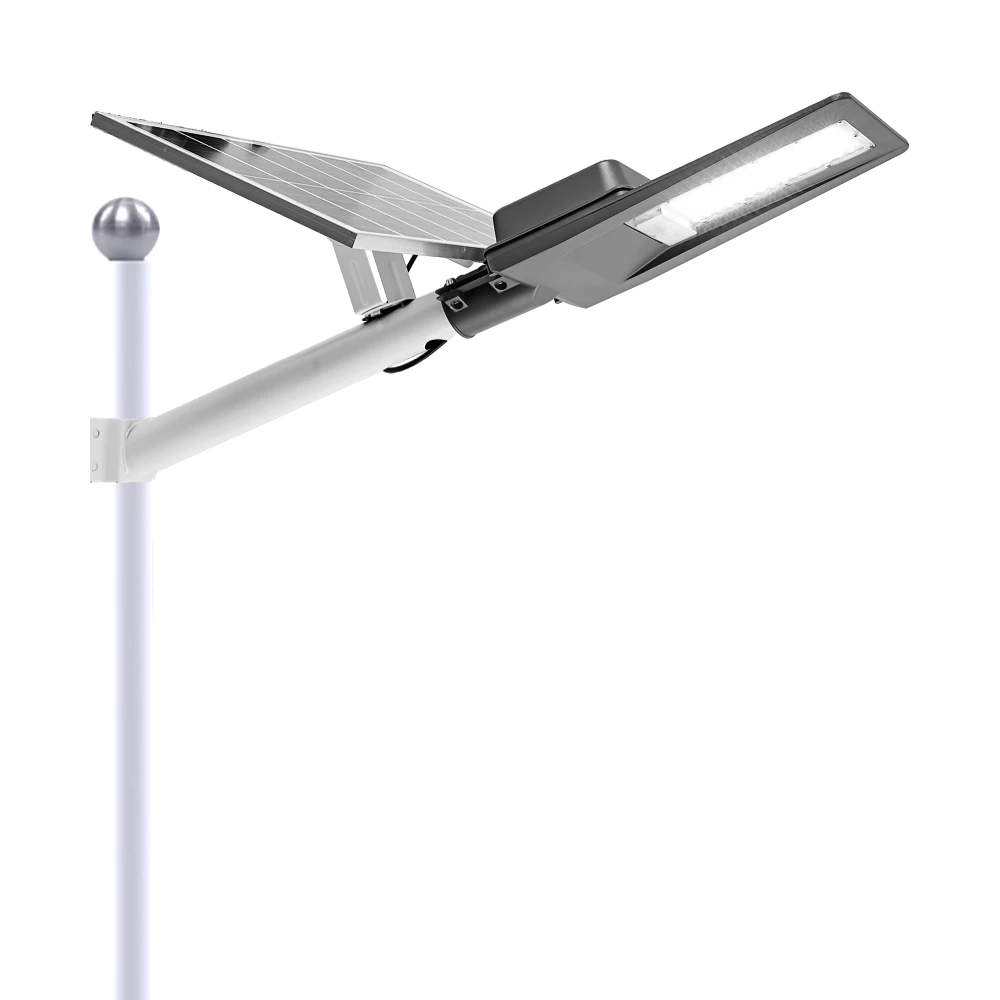
Experience reliable outdoor illumination with our smart solar street light, a perfect combination of advanced technology and eco-conscious design.
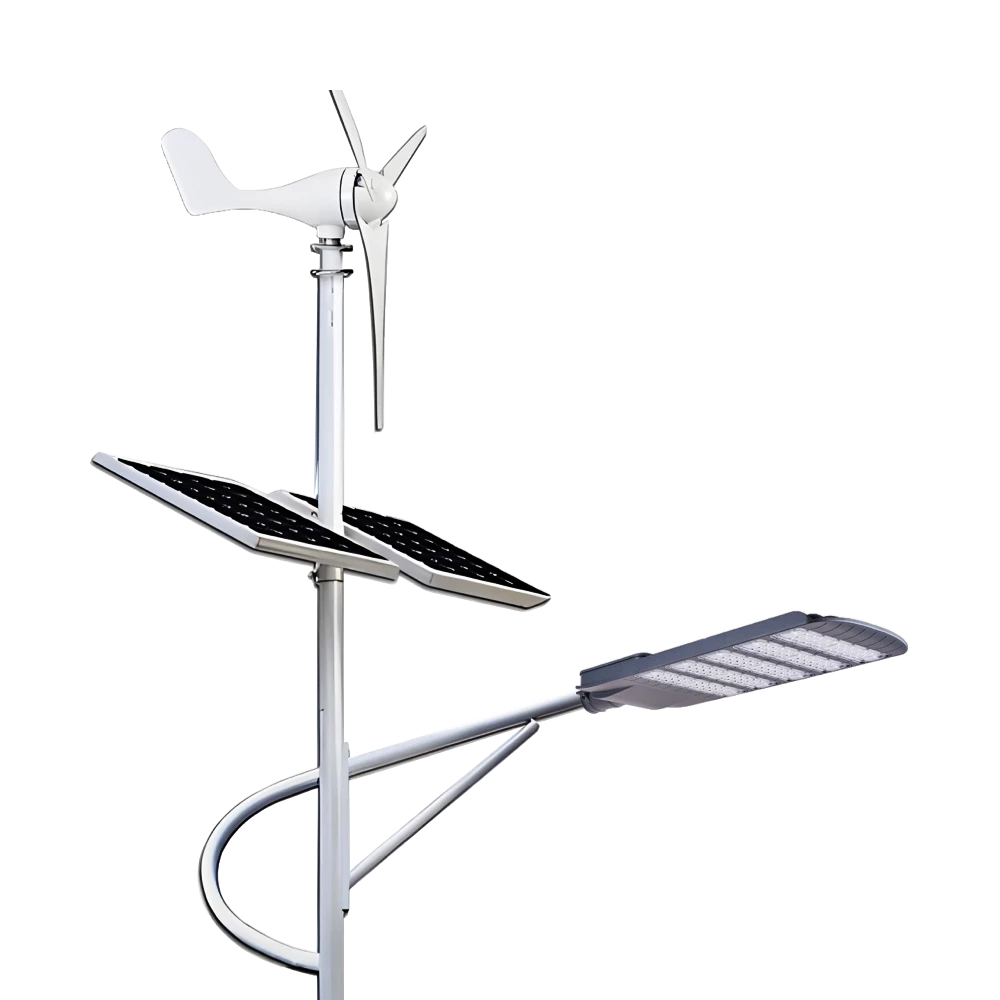
Queneng Lufeng Wind Energy LED Outdoor Solar Street Lights offer high-performance, eco-friendly illumination. These energy-efficient LED street lights harness solar power and wind energy for sustainable, cost-effective outdoor lighting solutions.
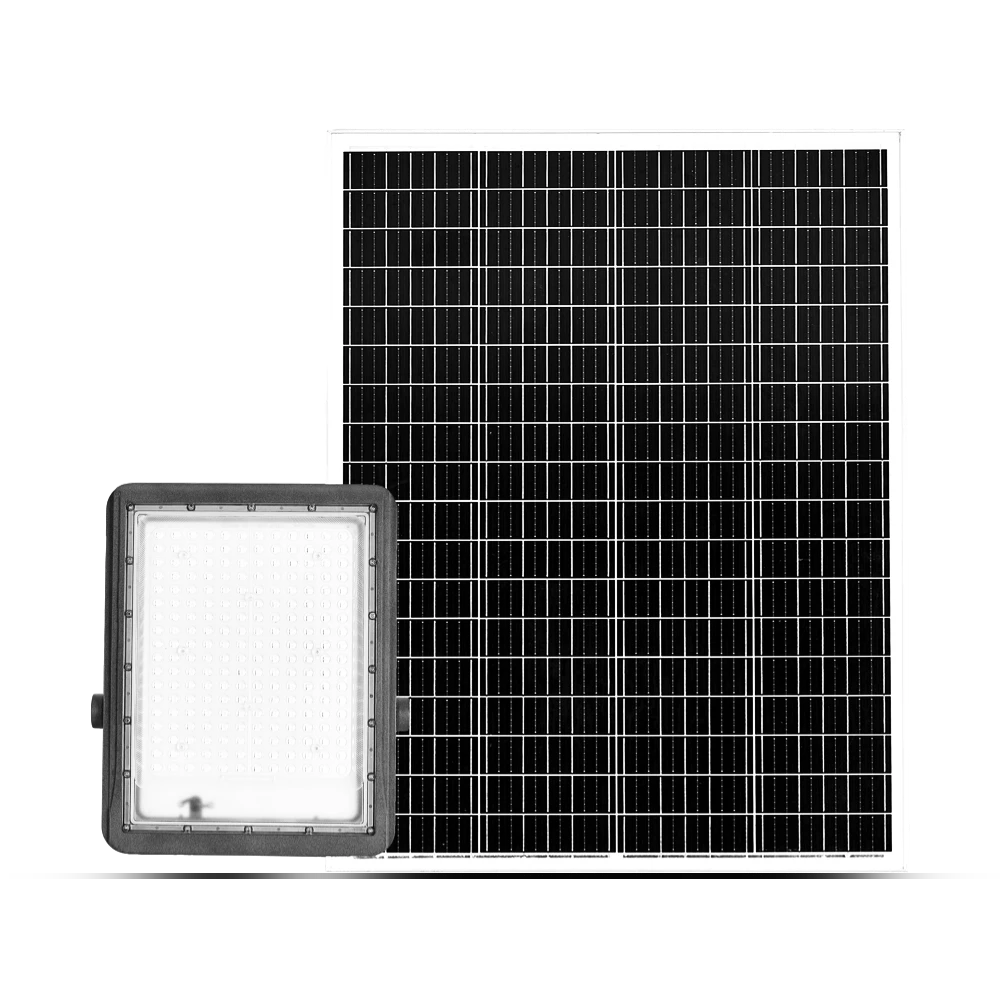
Queneng's Luxian Reliable Solar Street Light offers energy-saving LED lighting for outdoor use. This durable, solar-powered street light provides reliable illumination, reducing energy costs and environmental impact. A perfect solution for sustainable outdoor lighting.
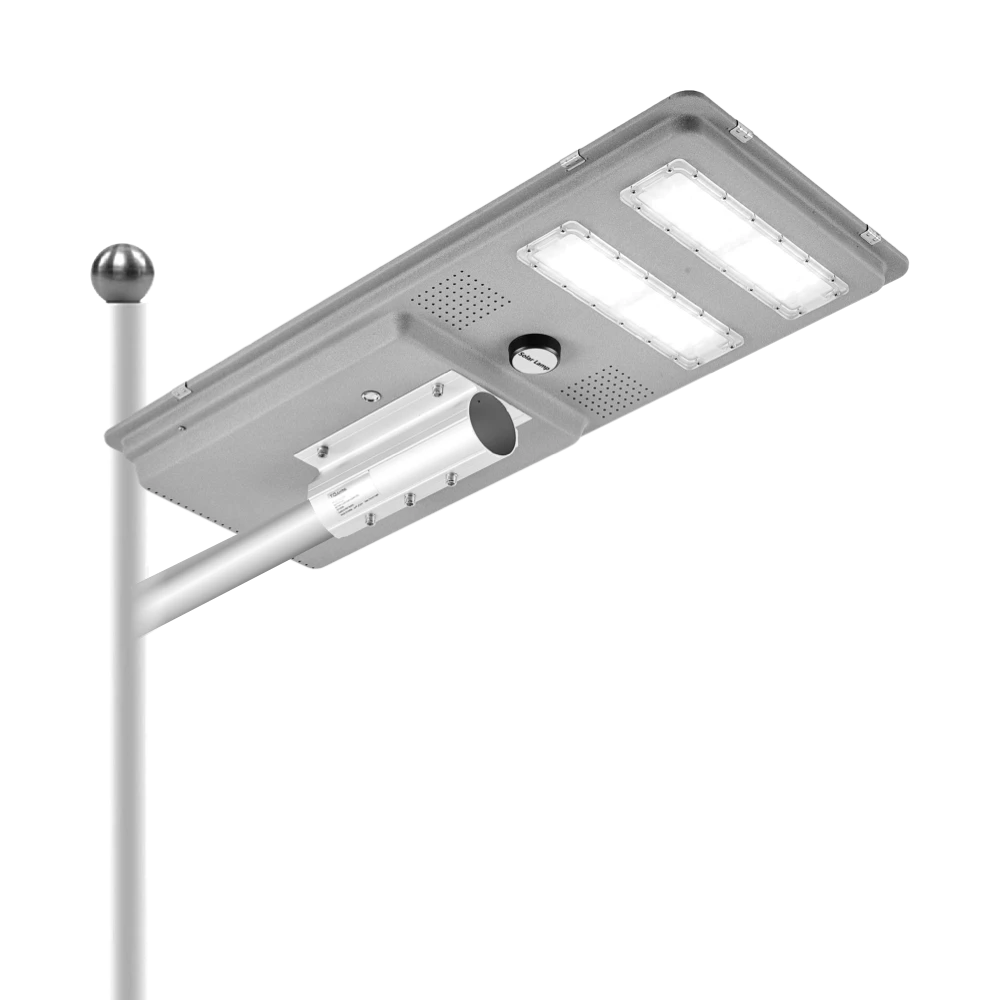
Queneng’s Solar Street Lights are designed to provide reliable, energy-efficient lighting for streets, parks, and other outdoor spaces.
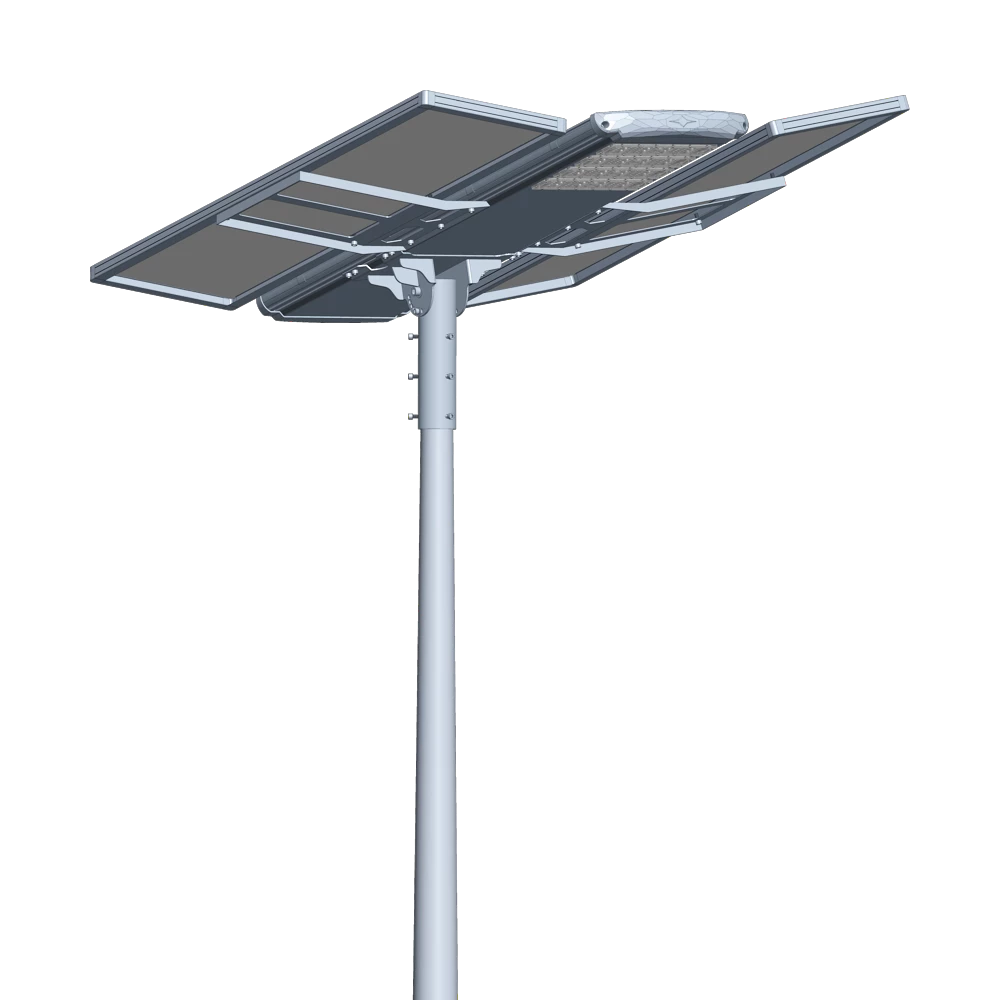
Introducing the Luqing Solar Street Light by Queneng, Efficient LED lighting powered by solar energy is perfect for illuminating outdoor areas. Harness the power of solar energy for sustainable, reliable street lighting. Ideal for eco-friendly, cost-effective outdoor illumination solutions.
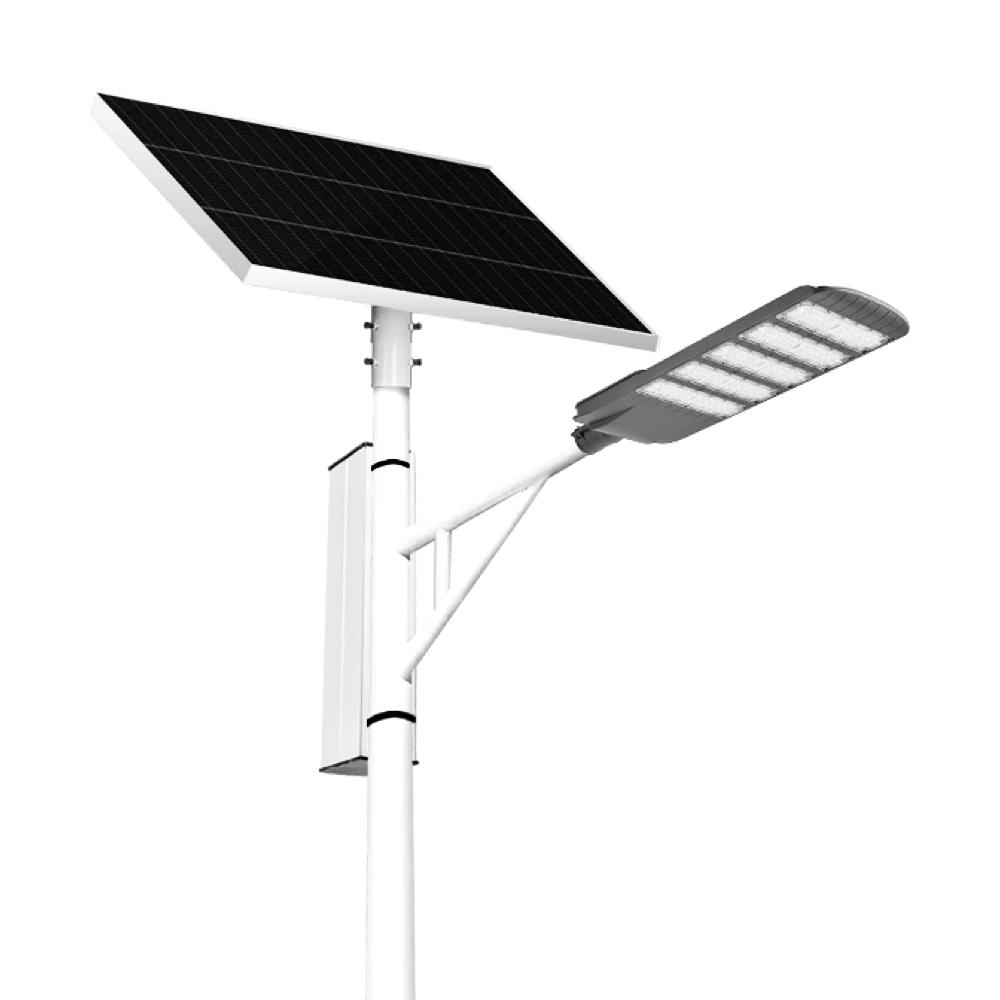
The Solar Streetlights of Luhao for Municipalities are designed to deliver reliable, energy-efficient, and cost-effective public lighting solutions. Equipped with advanced LED technology, durable lithium batteries, and high-efficiency solar panels, these streetlights provide consistent illumination for roads, parks, residential areas, and government projects.
If you would like more information about Queneng solar lighting solutions, please send us a message by filling out the form below. Our professional team will get back to you within 24 hours!
Rest assured that your privacy is important to us, and all information provided will be handled with the utmost confidentiality.
Schedule a Meeting
Book a date and time that is convenient for you and conduct the session in advance.
Have more questions about our products or services?
The messenger of light & power conversion
Environmental protection and intelligent manufacturing are our brand philosophy, and quality assurance and the best user experience are our eternal promises to users.
CONTACT
No.9F, Building F, Cao San Xin Tian Hong Logistics Park, Guzhen Town, Zhongshan City, Guangdong Province, China.
or write [email protected]
WhatsApp: +86 136 2270 1011


