














What Makes a Top Solar Street Light Manufacturer Reliable?
Navigating the Cost of Split Solar Street Lights & Identifying Reliable Manufacturers
As the world shifts towards sustainable energy solutions, solar street lights have emerged as a prominent choice for illuminating public spaces, roads, and private properties. Among the various types, split solar street light systems offer unique advantages in performance and flexibility, making them a popular choice for diverse projects. However, potential buyers often grapple with two primary concerns: the actual cost involved and how to identify a manufacturer reliable enough to ensure long-term value. This article delves into these critical questions, providing professional insights to guide your purchasing decisions.
What is the Average Cost of a Split Solar Street Light?
The cost of a split solar street light can vary significantly, typically ranging from $300 to $3,500 USD per unit, excluding installation. This broad range is due to numerous factors we'll discuss below. Smaller, lower-wattage systems designed for residential pathways or modest commercial applications might fall on the lower end, around $300-$800. Medium-power systems for arterial roads or larger parking lots could range from $800-$2,000. High-power, specialized systems for highways, industrial areas, or those requiring advanced smart features can exceed $2,000, reaching up to $3,500 or more. The global solar street lighting market is projected to grow substantially, leading to increased competition and potentially more competitive pricing over time, yet component quality remains a key differentiator. (Source: MarketsandMarkets, 2023)
What Factors Influence the Cost of Solar Street Lights?
Understanding the cost breakdown is crucial for budgeting. Several key factors directly impact the price of a split solar street light:
- LED Lumens & Wattage: Higher brightness requirements (more lumens) necessitate more powerful LED chips, increasing costs. A 50W LED fixture will be significantly more expensive than a 20W one.
- Battery Capacity & Type: The battery is one of the most critical components. Lithium Iron Phosphate (LiFePO4) batteries are preferred for their longer lifespan (8-12 years) and superior performance in extreme temperatures, but they are more expensive than traditional lead-acid batteries. Larger battery capacity (measured in Ah or Wh) ensures longer autonomy (days of backup power), thus raising the cost.
- Solar Panel Wattage & Efficiency: The solar panel's power output (Wp) and efficiency (monocrystalline vs. polycrystalline) directly affect charging capability. Monocrystalline panels are more efficient and typically cost more but perform better in limited sunlight or space-constrained installations.
- Pole Height & Material: Taller poles (e.g., 6m vs. 12m) require more material and greater structural integrity, increasing manufacturing and shipping costs. Galvanized steel is common, but aluminum poles offer lighter weight and corrosion resistance at a higher price.
- Controller Technology: Maximum Power Point Tracking (MPPT) controllers are more efficient than Pulse Width Modulation (PWM) controllers, extracting up to 30% more power from the solar panel. MPPT controllers are more advanced and, consequently, more expensive.
- Smart Features & Connectivity: Features like motion sensors, dimming capabilities, remote monitoring, IoT integration, and intelligent adaptive lighting systems add to the complexity and cost.
- Durability & IP Rating: Higher Ingress Protection (IP) ratings (e.g., IP66) indicate superior resistance to dust and water, essential for harsh outdoor environments, and often command a higher price due to robust housing and sealing.
- Brand Reputation & Warranty: Reputable manufacturers offering extensive warranties and proven product performance typically have higher price points, but this investment often translates to lower long-term total cost of ownership (TCO).
How Does a Split Solar Street Light Differ in Cost and Functionality from an All-in-One?
The primary distinction between split and all-in-one (integrated) solar street lights lies in their design and component separation, which impacts both cost and functionality:
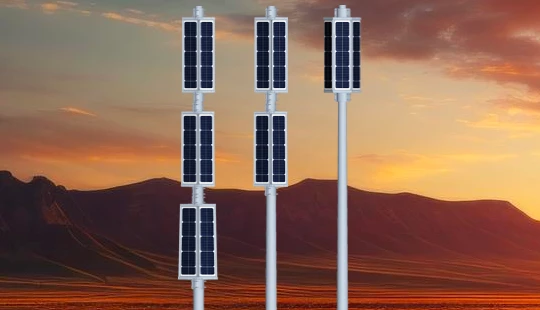
- Split Solar Street Lights: These systems have separate components—the solar panel is mounted separately (often at the top of the pole or nearby), and the battery is typically housed near the base or within the LED fixture.
- Cost: Often have a higher initial material cost due to additional cabling and sometimes more complex installation (two mounting points, wiring). However, they can offer lower long-term maintenance costs due to easier individual component replacement.
- Functionality: Offers greater flexibility in solar panel orientation for optimal sun exposure. Larger battery and solar panel capacities are easier to accommodate, allowing for longer autonomy and higher wattage output. Better heat dissipation for the battery prolongs its lifespan.
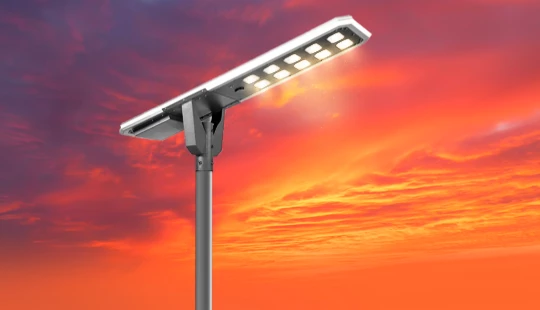
- All-in-One Solar Street Lights: All components (solar panel, battery, LED lamp, controller) are integrated into a single compact unit.
- Cost: Generally have a lower initial purchase price and significantly lower installation costs due to their plug-and-play nature and fewer components to assemble on-site.
- Functionality: Installation is quicker and simpler. However, they typically have limited solar panel and battery sizes, fixed panel angles (which may not always be optimal for sun exposure), and the battery can be more susceptible to heat build-up within the integrated fixture, potentially shortening its lifespan.
For projects requiring high power, extended autonomy, or installations in areas with challenging sun conditions, the higher upfront cost of a split system often justifies itself through superior performance, longevity, and lower TCO.
What Makes a Top Solar Street Light Manufacturer Reliable?
Choosing the right manufacturer is paramount to the success and longevity of your solar street light project. A reliable manufacturer exhibits several key characteristics:
- Robust R&D and Innovation: Leading manufacturers continuously invest in research and development to incorporate the latest technologies, such as advanced battery management systems, high-efficiency MPPT charge controllers, and intelligent lighting controls.
- High-Quality Component Sourcing: They prioritize High Quality components from reputable suppliers (e.g., branded LED chips like Philips or Cree, LiFePO4 batteries from CATL or BYD, efficient monocrystalline solar cells). Transparency about component origins is a good sign.
- Rigorous Manufacturing Standards: Adherence to international quality management systems like ISO 9001 demonstrates a commitment to consistent quality. Their manufacturing facilities should employ strict quality control protocols at every stage.
- Comprehensive Certifications: Products should carry essential international certifications such as CE (Europe), RoHS (hazardous substances), FCC (North America), TUV, UL, and a high Ingress Protection (IP) rating (e.g., IP66) for outdoor use.
- Strong Warranty and After-Sales Support: A reliable manufacturer offers a substantial warranty (e.g., 5-7 years for major components like batteries, solar panels, and LED fixtures) and provides prompt, knowledgeable technical support and spare parts availability.
- Proven Track Record & Experience: A long history in the industry with a portfolio of successful projects and positive client testimonials indicates reliability and expertise.
- Customization and Project Expertise: The ability to design and customize solutions to meet specific project requirements (e.g., different pole heights, lumen outputs, autonomy days) reflects deep technical understanding.
What Key Components Affect Performance and Cost in Split Systems?
In split solar street light systems, the quality and specifications of specific components critically impact both performance and overall cost:
- LiFePO4 Battery: This is often the most expensive single component but crucial for performance and lifespan. A high-quality LiFePO4 battery offers 8-12 years of service, withstands more charge/discharge cycles, and performs better in extreme temperatures compared to cheaper alternatives. Its capacity directly determines the system's autonomy.
- Monocrystalline Solar Panel: While sometimes more expensive than polycrystalline, monocrystalline panels offer higher efficiency (typically 18-22%). This means a smaller panel can generate more power, which is vital for compact installations or regions with less intense sunlight.
- MPPT Charge Controller: As mentioned, an MPPT controller can increase energy harvest by 15-30% compared to a PWM controller, especially in varying weather conditions. This translates to more efficient battery charging and reliable operation, justifying its higher cost.
- High-Efficiency LED Chips & Driver: The quality of the LED chips (e.g., Lumileds, OSRAM, Cree) determines the luminous efficacy (lumens per watt) and the lifespan of the light source. A reliable LED driver ensures stable current to the LEDs, preventing flicker and extending their life.
What Warranties and Certifications are Essential?
When procuring solar street lights, always scrutinize the warranties and certifications:
- Warranties: Look for comprehensive warranties covering individual components. A typical breakdown includes:
- Solar Panel: 20-25 years performance warranty (guaranteeing a certain percentage of original power output).
- Battery (LiFePO4): 5-7 years.
- LED Fixture & Driver: 5-7 years.
- Controller & Other Components: 2-3 years.
- Certifications: These ensure products meet safety, quality, and environmental standards:
- CE & RoHS: Mandatory for European markets, indicating conformity with health, safety, and environmental protection standards.
- FCC: For products sold in the United States, ensuring electromagnetic compatibility.
- IP Rating (e.g., IP65, IP66): Essential for outdoor lighting, indicating protection against dust and water ingress. IP66 is preferred for harsher environments.
- ISO 9001: Certifies the manufacturer's quality management system.
- TUV/UL/IEC: Independent third-party testing certifications for safety and performance, often specific to solar components or electrical products.
A strong warranty demonstrates the manufacturer's confidence in their product's durability and performance.
What is the ROI and Lifespan of Solar Street Lights, and What About Maintenance?
Investing in solar street lights offers significant long-term benefits:
- Lifespan: High-quality split solar street lights boast impressive lifespans:
- LED Light Source: 50,000 - 100,000 hours (10-20+ years).
- LiFePO4 Battery: 2,000 - 4,000 charge cycles (8-12 years).
- Solar Panel: 20-25 years with minimal degradation (typically 0.5% per year).
- Controller & Housing: 10-15 years.
- Return on Investment (ROI): While the initial investment might be higher than traditional grid-powered lights, the ROI is substantial due to zero electricity costs. Payback periods typically range from 3-7 years, depending on the local cost of grid electricity, system efficiency, and any government incentives or rebates. After the payback period, the lighting operates virtually free.
- Maintenance: Solar street lights require significantly less maintenance than conventional lighting. Routine tasks include:
- Panel Cleaning: Annually or bi-annually, depending on dust accumulation, to ensure optimal solar energy absorption. (Source: NREL, 2020)
- Visual Inspection: Periodically checking for any physical damage or loose connections.
- Battery Replacement: After 8-12 years for LiFePO4 batteries, which is the most significant scheduled maintenance cost.
Overall, the maintenance costs are minimal compared to the ongoing electricity bills and potential trenching/cabling costs associated with grid-tied solutions.
Conclusion: Making an Informed Decision
The decision to invest in split solar street lights is a strategic one, offering long-term economic and environmental benefits. By carefully evaluating the factors influencing cost and diligently assessing manufacturer reliability based on R&D, component quality, certifications, and warranty, buyers can make informed choices that ensure a high-performing, durable, and sustainable lighting solution. Prioritizing quality components like LiFePO4 batteries and MPPT controllers, even at a slightly higher upfront cost, will significantly enhance the system's lifespan and overall ROI.
Queneng Lighting: Your Reliable Partner for Solar Street Lighting
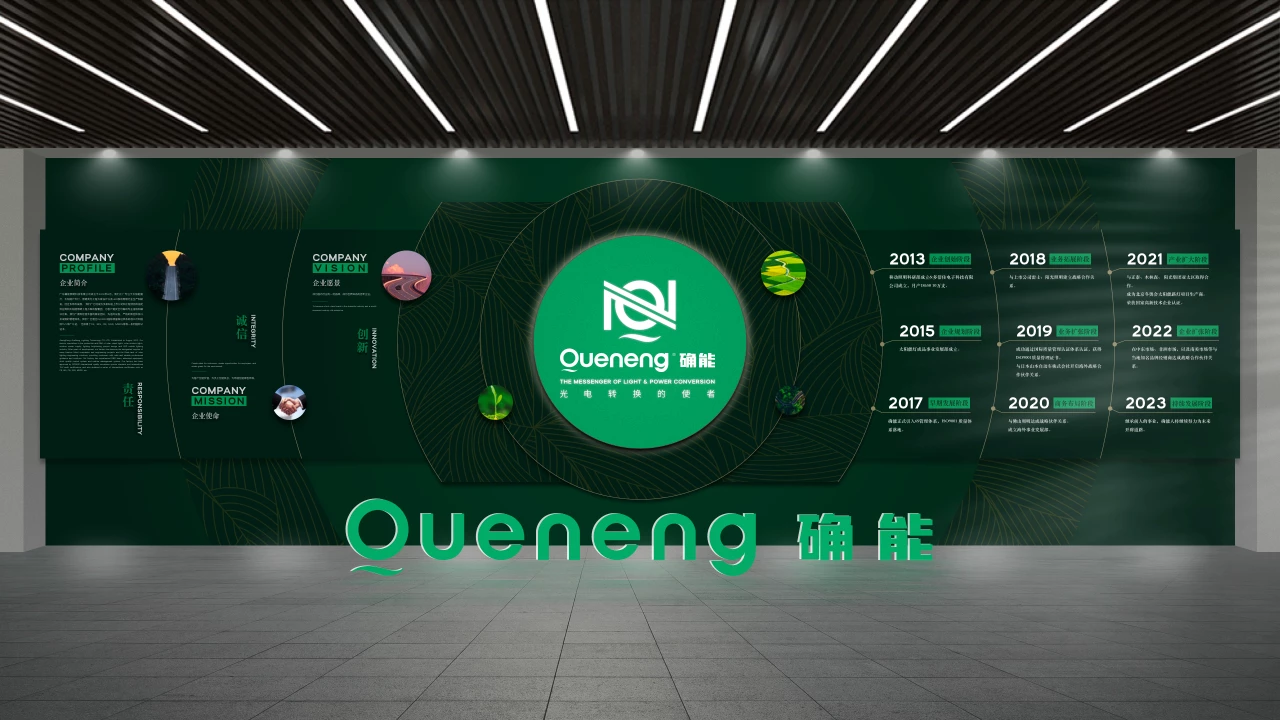
Queneng Lighting stands out as a leading manufacturer by embodying these very principles. With a strong emphasis on R&D and innovation, Queneng utilizes High Quality LiFePO4 batteries, high-efficiency monocrystalline panels, and advanced MPPT controllers to ensure superior performance, extended autonomy, and exceptional longevity for its split solar street light systems. Their adherence to ISO-certified manufacturing processes and comprehensive product certifications (including CE, RoHS, IP66, and TUV) reflects an unwavering commitment to quality and reliability. Queneng Lighting also provides robust multi-year warranties and exceptional after-sales support, offering peace of mind and a truly sustainable, high-value lighting solution tailored for diverse project needs.
References:
- MarketsandMarkets. (2023, June). Solar Street Lighting Market - Global Forecast to 2028. Retrieved from MarketsandMarkets (Accessed: May 29, 2024)
- National Renewable Energy Laboratory (NREL). (2020, January). O&M Cost for PV Systems: 2020 Benchmark Results. Retrieved from NREL (Accessed: May 29, 2024)
- Solar Power World Online. (2023, April). Solar Street Light Buyer's Guide: What to Know Before You Buy. Retrieved from Solar Power World Online (Accessed: May 29, 2024)

Have more questions about our products or services?
The latest hot news you might like

Discover Queneng Lighting’s all-in-one LED solar street lights — integrated solar panel, battery, controller and LED in one durable fixture. Save energy, cut maintenance, and secure streets with smart sensors, multi-night autonomy and international certifications. Contact sales for quotes and support.

Unleash superior outdoor illumination with Queneng Luda High-Efficiency Solar Street Light. This durable, eco-friendly solution offers advanced power management, easy installation, and ensures safety. Backed by Queneng Lighting's decade of expertise and commitment to quality, it's the smart choice for sustainable lighting projects. Learn why we're a leading solar solutions provider.

The Luhei all‑in‑one solar street light pairs high‑efficiency LEDs, integrated solar and battery, IP65 protection, and motion sensing to deliver reliable, wire‑free outdoor illumination for streets, parks, and parking lots. Backed by Queneng Lighting’s certifications and support.

FAQ
Tourist Attractions and Resorts
Are solar lights bright enough for outdoor areas at night?
Yes, solar lights are designed to provide adequate brightness for outdoor areas such as pathways, gardens, and parking lots. Advanced solar technology ensures they provide sufficient lighting for safety and ambiance.
Will solar lights stay on throughout the night?
Yes, solar lights are designed to stay on all night long, provided they are installed in areas that receive adequate sunlight during the day. The solar panels charge during daylight hours and power the lights after dark.
All-in-one solar street lights
Are all-in-one solar street lights easy to maintain?
Yes, integrated design simplifies inspection and replacement.
Solar Street Light Chuanqi
Are Chuanqi solar street lights suitable for both residential and commercial use?
Yes, Chuanqi solar street lights are suitable for a wide range of applications, including both residential and commercial use. Whether it's illuminating streets, pathways, parks, or parking lots, Chuanqi lights provide dependable outdoor lighting. Their ease of installation and low operational costs make them ideal for both private homes and large-scale commercial projects.
Battery Types and Applications
What batteries will dominate the battery market?
Solar Street Light Luhao
What are the key features of the Luhao solar street light?
The Luhao solar street light combines advanced LED technology with solar power, providing a sustainable, energy-efficient lighting solution. Key features include high-performance LEDs, solar panel charging, long-lasting batteries, and weather-resistant construction for reliable outdoor illumination.
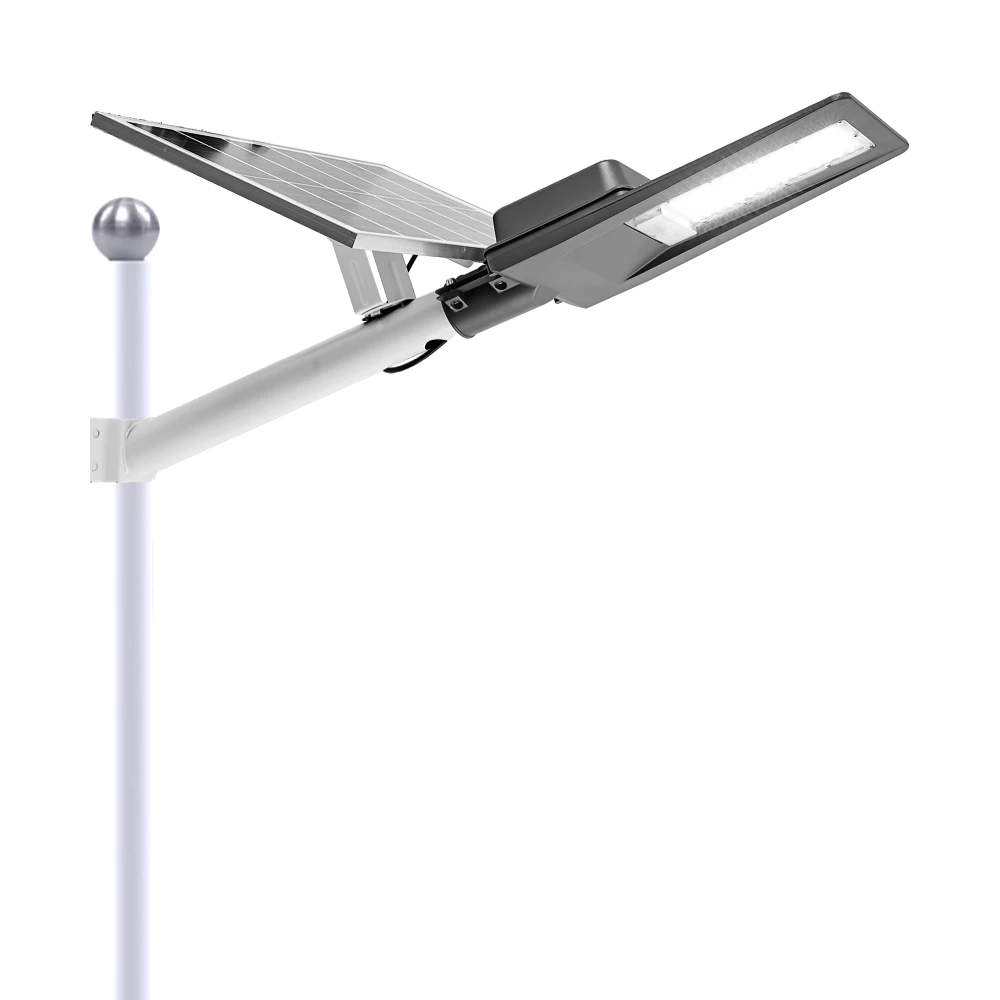
Experience reliable outdoor illumination with our smart solar street light, a perfect combination of advanced technology and eco-conscious design.
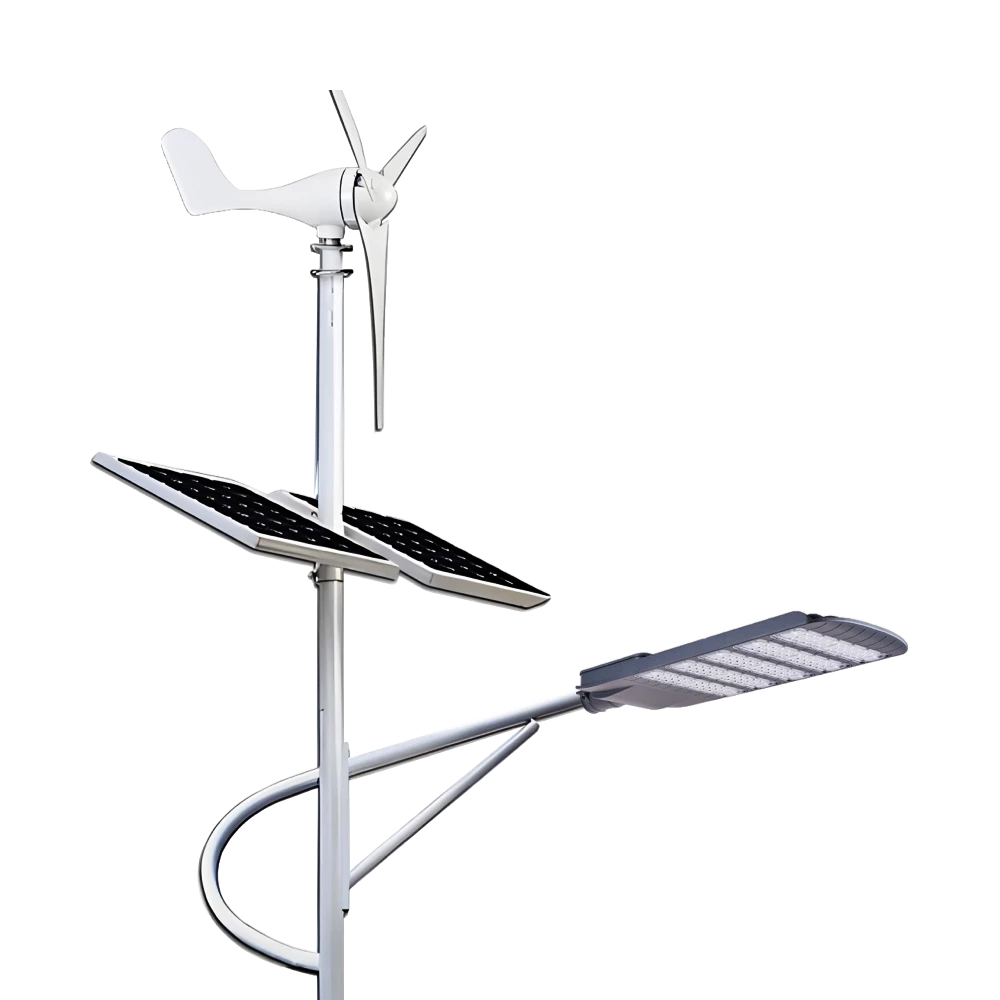
Queneng Lufeng Wind Energy LED Outdoor Solar Street Lights offer high-performance, eco-friendly illumination. These energy-efficient LED street lights harness solar power and wind energy for sustainable, cost-effective outdoor lighting solutions.
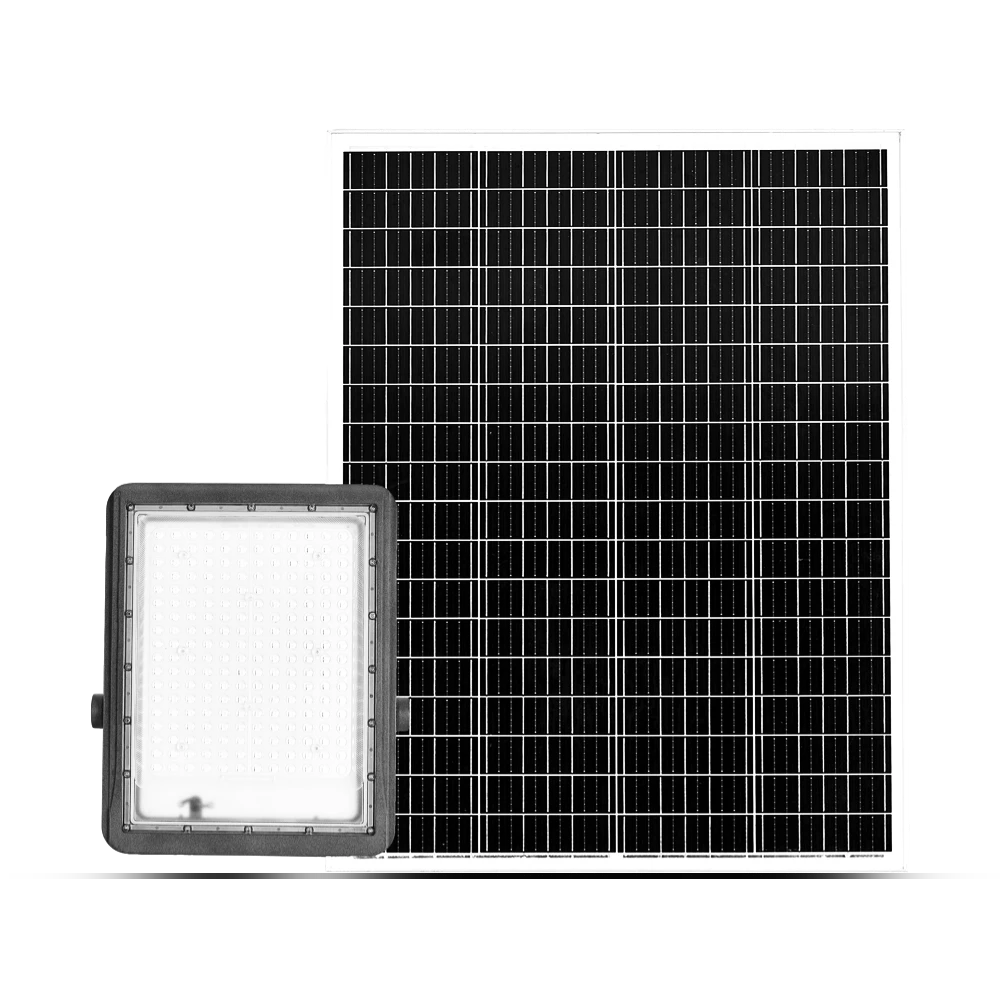
Queneng's Luxian Reliable Solar Street Light offers energy-saving LED lighting for outdoor use. This durable, solar-powered street light provides reliable illumination, reducing energy costs and environmental impact. A perfect solution for sustainable outdoor lighting.
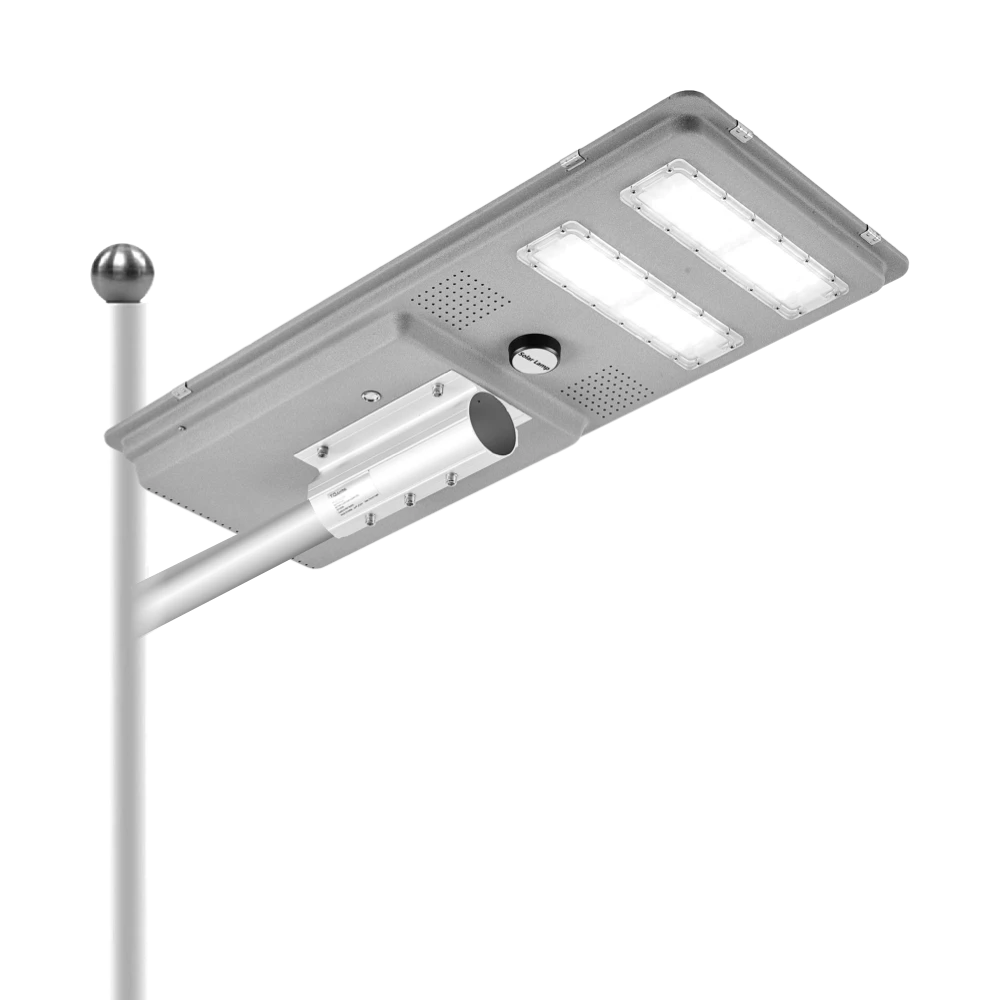
Queneng’s Solar Street Lights are designed to provide reliable, energy-efficient lighting for streets, parks, and other outdoor spaces.
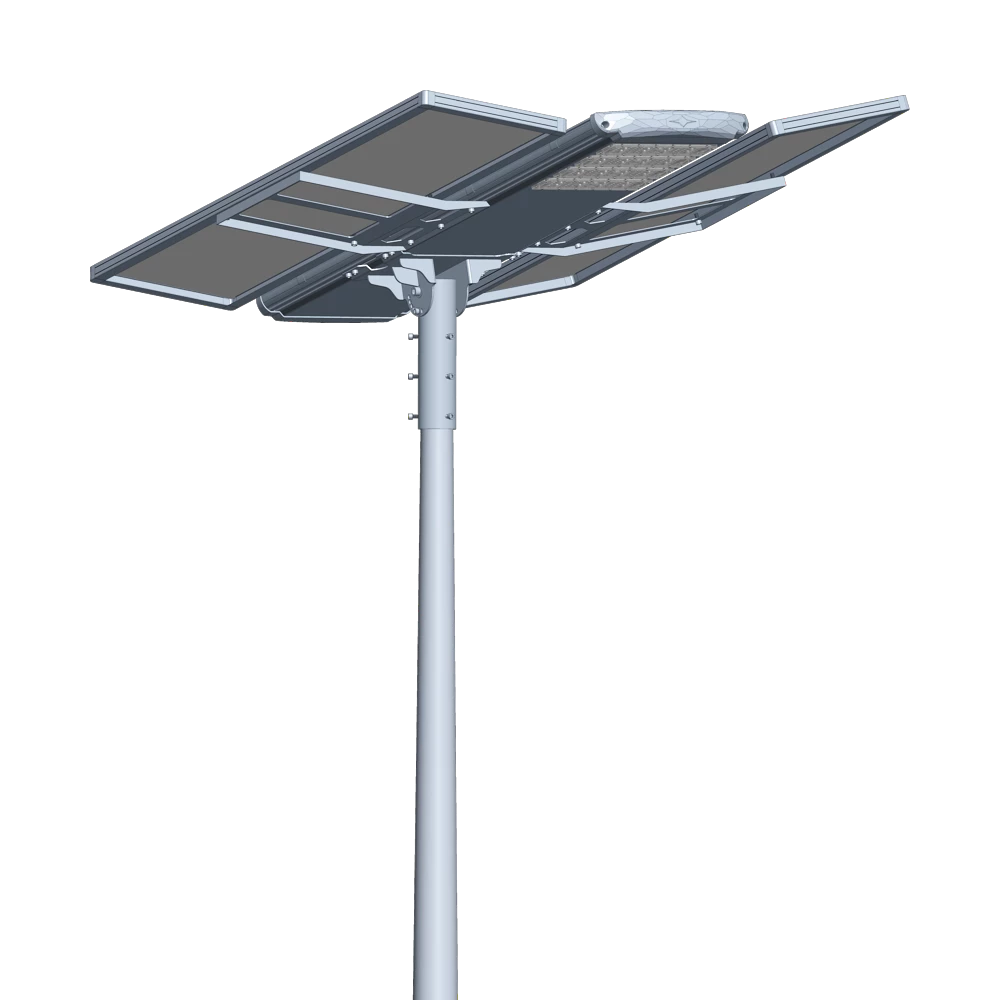
Introducing the Luqing Solar Street Light by Queneng, Efficient LED lighting powered by solar energy is perfect for illuminating outdoor areas. Harness the power of solar energy for sustainable, reliable street lighting. Ideal for eco-friendly, cost-effective outdoor illumination solutions.
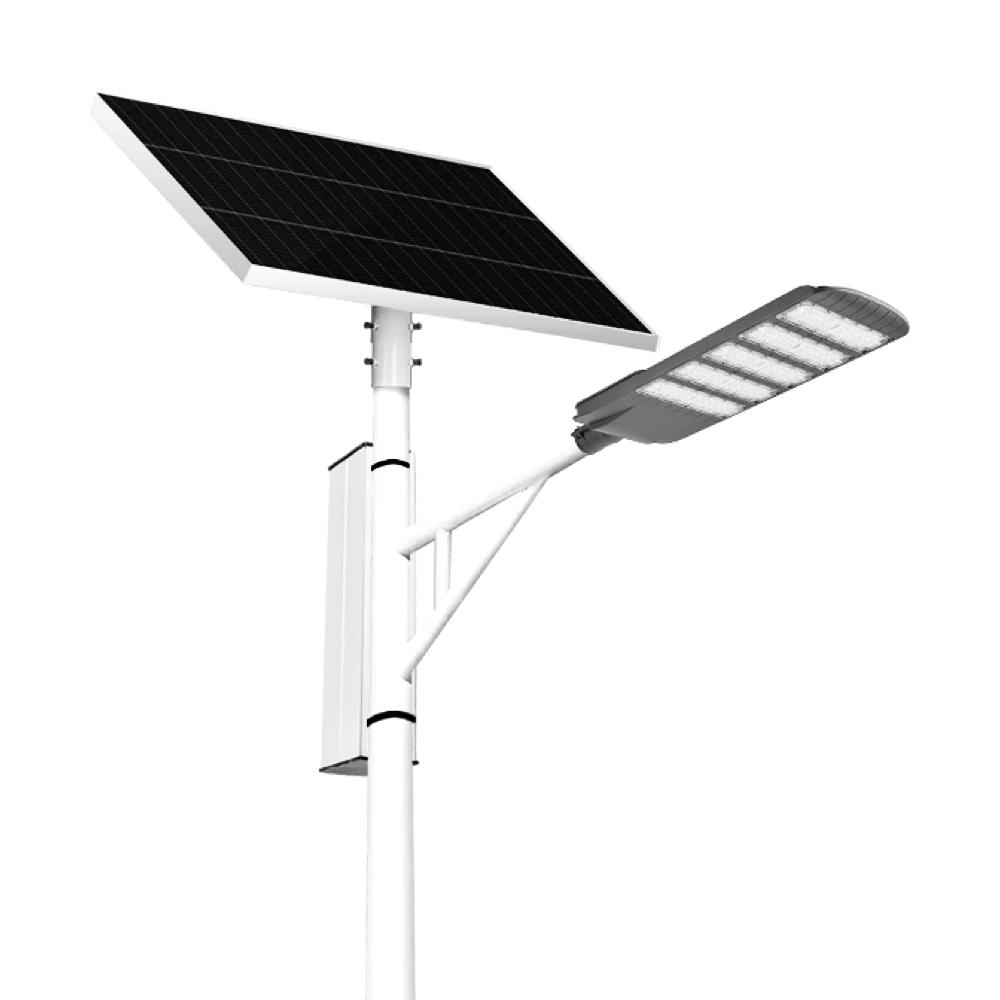
The Solar Streetlights of Luhao for Municipalities are designed to deliver reliable, energy-efficient, and cost-effective public lighting solutions. Equipped with advanced LED technology, durable lithium batteries, and high-efficiency solar panels, these streetlights provide consistent illumination for roads, parks, residential areas, and government projects.
If you would like more information about Queneng solar lighting solutions, please send us a message by filling out the form below. Our professional team will get back to you within 24 hours!
Rest assured that your privacy is important to us, and all information provided will be handled with the utmost confidentiality.
Schedule a Meeting
Book a date and time that is convenient for you and conduct the session in advance.
Have more questions about our products or services?
The messenger of light & power conversion
Environmental protection and intelligent manufacturing are our brand philosophy, and quality assurance and the best user experience are our eternal promises to users.
CONTACT
No.9F, Building F, Cao San Xin Tian Hong Logistics Park, Guzhen Town, Zhongshan City, Guangdong Province, China.
or write [email protected]
WhatsApp: +86 136 2270 1011


