














What safety standards apply during municipal solar street light installation?
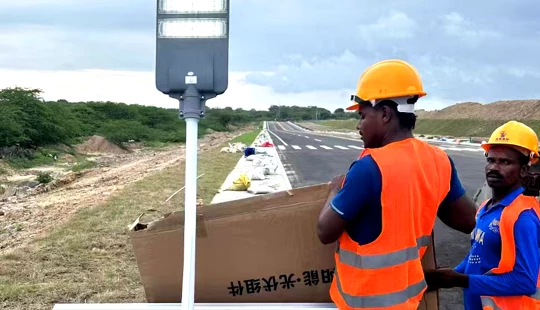
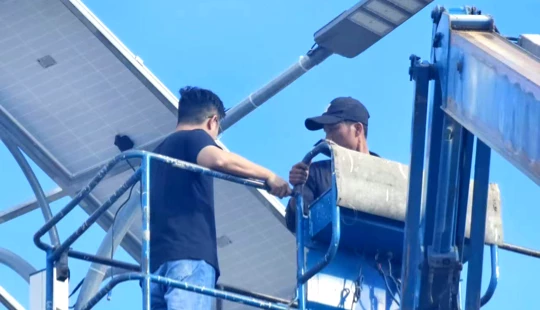
<H2>Navigating the World of Solar Street Lights: Costs, Manufacturers, and Municipal Safety Standards</H2><p>As municipalities and businesses increasingly seek sustainable and cost-effective lighting solutions, solar street lights have emerged as a leading choice. Their independence from the grid, reduced operational costs, and environmental benefits make them an attractive investment. However, navigating the procurement process requires a deep understanding of pricing, manufacturer reliability, and, critically, safety standards. This guide aims to equip you with the professional knowledge needed to make informed decisions.</p><H3>How Much Does a Solar Street Light Cost and What Influences Its Price?</H3><p>The cost of a solar street light system can vary significantly, typically ranging from <b>$1,500 to $4,000+ per unit for a complete installed system</b>. This broad range is due to several key factors:</p><ul> <li><b>LED Wattage and Lumens:</b> Higher brightness (e.g., 60W-120W LED fixtures) requires more powerful components, increasing cost.</li> <li><b>Battery Capacity:</b> The most common and reliable choice today is Lithium Iron Phosphate (LiFePO4) batteries. Larger capacity batteries (e.g., 100Ah-300Ah) are needed for extended autonomy (days of backup power) and harsh climates, which adds to the price.</li> <li><b>Solar Panel Size:</b> The wattage of the solar panel (e.g., 80W-300W) must be sufficient to charge the battery daily, factoring in local solar irradiation. Larger panels cost more.</li> <li><b>Pole Height and Material:</b> Poles can range from 6 to 12 meters (20 to 40 feet). Galvanized steel is common, but specialized materials or designs for high wind zones increase cost.</li> <li><b>Integrated vs. Split Design:</b> Integrated units (all components in one housing) are often simpler to install and can be more cost-effective for lower power needs. Split systems (separate panel, battery, and light head) offer greater flexibility for higher power and specific aesthetic requirements.</li> <li><b>Smart Features:</b> Features like PIR motion sensors, dimming capabilities, remote monitoring, and IoT connectivity add functionality and cost.</li> <li><b>Brand and Warranty:</b> Reputable manufacturers offering comprehensive warranties (e.g., 3-5 years for the system) may have higher upfront costs but provide greater long-term value and reliability.</li></ul><p>While the initial investment can be substantial, the long-term savings on electricity bills and reduced installation costs (no trenching, cabling, or grid connection fees) often result in a favorable Return on Investment (ROI), typically within 3 to 7 years.</p><H3>What Are the Key Benefits of Solar Street Lights for Municipalities?</H3><p>For municipal applications, solar street lights offer compelling advantages:</p><ul> <li><b>Energy Independence:</b> Eliminates reliance on the grid, reducing vulnerability to power outages and fluctuating energy prices.</li> <li><b>Reduced Operational Costs:</b> Zero electricity bills and minimal maintenance save significant public funds over the system's lifespan.</li> <li><b>Lower Installation Costs:</b> No trenching or extensive cabling required, drastically cutting labor and material costs compared to traditional grid-tied systems.</li> <li><b>Environmental Sustainability:</b> Reduces carbon footprint by utilizing clean, renewable energy.</li> <li><b>Enhanced Public Safety:</b> Provides reliable lighting in remote areas, parks, pathways, and new developments where grid connection is expensive or impractical.</li> <li><b>Rapid Deployment:</b> Easier and quicker to install, allowing for faster expansion of lighting infrastructure.</li></ul><H3>How Do You Choose a Reliable Solar Street Light Manufacturer?</H3><p>Selecting the right manufacturer is paramount for project success. Look for these indicators of reliability:</p><ul> <li><b>Experience and Track Record:</b> A manufacturer with years of experience and a portfolio of successful municipal projects demonstrates proven expertise.</li> <li><b>Certifications:</b> Ensure they hold industry-recognized certifications such as <b>ISO 9001</b> (Quality Management), <b>CE</b> (European safety standards), <b>RoHS</b> (Restriction of Hazardous Substances), <b>UL</b> (Underwriters Laboratories for North America), and <b>TUV</b> or <b>IEC</b> standards for components (solar panels, batteries, LEDs).</li> <li><b>R&D Capabilities:</b> Manufacturers investing in research and development often offer more innovative, efficient, and durable products.</li> <li><b>Quality Control Processes:</b> Ask about their manufacturing and testing procedures to ensure products meet stringent quality benchmarks.</li> <li><b>Comprehensive Warranty:</b> A reliable manufacturer will offer a robust warranty, typically 3-5 years for the complete system, and longer performance warranties for solar panels (20-25 years).</li> <li><b>After-Sales Support:</b> Good technical support and readily available spare parts are crucial for long-term operational efficiency.</li> <li><b>Customization Options:</b> The ability to tailor solutions to specific project requirements (e.g., light output, pole height, autonomy days) is a sign of a capable manufacturer.</li></ul><H3>What Safety Standards Apply During Municipal Solar Street Light Installation?</H3><p>Safety is non-negotiable, especially for municipal installations. Adherence to a range of safety standards is critical:</p><ul> <li><b>Product Safety Standards:</b> <ul> <li><b>IEC (International Electrotechnical Commission):</b> Comprehensive standards for electrical products, including PV modules (e.g., IEC 61215, IEC 61730 for PV module qualification), batteries (e.g., IEC 62619 for Li-ion), and luminaires (e.g., IEC 60598). These ensure performance, safety, and reliability.</li> <li><b>UL (Underwriters Laboratories):</b> Essential for the North American market. Relevant standards include <b>UL 1598</b> (Luminaires), <b>UL 8750</b> (LED Equipment for Lighting Products), and <b>UL 2703</b> (PV Modules).</li> <li><b>CE (Conformité Européenne):</b> Mandatory for products sold within the European Economic Area, indicating compliance with health, safety, and environmental protection directives.</li> <li><b>RoHS (Restriction of Hazardous Substances Directive):</b> Limits the use of certain hazardous materials in electrical and electronic products.</li> <li><b>UN 38.3:</b> Specifically for the safe transport of lithium-ion batteries.</li> </ul> </li> <li><b>Installation Safety Standards:</b> <ul> <li><b>Local Electrical Codes:</b> Such as the <b>National Electrical Code (NEC - NFPA 70)</b> in the United States, which governs electrical wiring, overcurrent protection, and grounding for all electrical installations, including solar.</li> <li><b>Structural Engineering Standards:</b> Poles must be designed and installed to withstand local environmental conditions, particularly wind loads (e.g., <b>ASCE 7</b> in the US), seismic activity, and other structural stresses.</li> <li><b>Worksite Safety Protocols:</b> Compliance with occupational safety regulations (e.g., <b>OSHA</b> in the US) for working at heights, electrical safety during wiring, proper lifting techniques, and ground stability during excavation.</li> <li><b>Grounding and Lightning Protection:</b> Proper grounding and surge protection are crucial for outdoor electrical installations to protect against lightning strikes and electrical faults.</li> </ul> </li></ul><H3>What is the Expected Lifespan and Maintenance Requirements for Solar Street Lights?</H3><p>Modern solar street light systems are designed for longevity with minimal maintenance:</p><ul> <li><b>LED Fixture:</b> High-quality LED modules boast a lifespan of <b>50,000 to 100,000+ operating hours</b>.</li> <li><b>Solar Panels:</b> Typically last <b>20-25 years</b>, often with a performance warranty guaranteeing at least 80% output after 25 years.</li> <li><b>LiFePO4 Battery:</b> These advanced batteries offer a lifespan of <b>5-10 years or 2,000-4,000+ charge cycles</b>, significantly outperforming older battery technologies.</li> <li><b>Controller:</b> Generally has a lifespan of 5-10 years.</li></ul><p><b>Maintenance:</b> This is remarkably low. It primarily involves occasional cleaning of solar panels (1-2 times per year, depending on dust/debris accumulation) to ensure optimal energy harvesting. Battery performance checks and eventual replacement after their lifespan are also part of the long-term plan.</p><H3>What Kind of Warranty Should You Expect from a Solar Street Light Manufacturer?</H3><p>A reputable manufacturer typically offers a comprehensive warranty. Expect a minimum of a <b>3-5 year warranty on the entire solar street light system</b>. Individual components may have longer warranties, such as a 10-12 year product warranty and a 20-25 year performance warranty for solar panels, and a 3-5 year warranty for LiFePO4 batteries. Always review the warranty terms carefully to understand coverage details and duration for each component.</p><H3>Are There Financing Options or Incentives for Municipal Solar Street Light Projects?</H3><p>Yes, many governments and organizations offer incentives to promote renewable energy adoption:</p><ul> <li><b>Government Grants and Rebates:</b> Federal, state, and local governments often provide grants or rebates for energy-efficient and renewable energy projects.</li> <li><b>Energy Efficiency Programs:</b> Utility companies or state agencies may offer programs that reduce the upfront cost of solar installations.</li> <li><b>Tax Credits:</b> Depending on the region, businesses and municipalities may be eligible for tax credits for investing in solar technology.</li> <li><b>Power Purchase Agreements (PPAs):</b> In some cases, third-party companies finance, install, and maintain the solar lighting system, selling the electricity generated back to the municipality at a fixed rate, eliminating upfront costs.</li> <li><b>Green Bonds and Lease-to-Own Options:</b> These financial instruments can help spread the cost over time.</li></ul><p>It's advisable to research local and national programs thoroughly to maximize your investment.</p><p><h3>Why Choose Quenenglighting?</h3></p><p>Quenenglighting stands as a premier manufacturer in the solar street light industry, committed to delivering high-quality, reliable, and safe lighting solutions. Our expertise spans advanced R&D, stringent quality control, and adherence to global safety standards, including IEC, UL, and CE certifications. We provide comprehensive warranties, exceptional after-sales support, and customizable solutions tailored to the unique demands of municipal and large-scale projects. Partner with Quenenglighting for a sustainable, cost-effective, and professionally managed solar lighting experience.</p><h4>References:</h4><ul> <li>International Electrotechnical Commission (IEC) - <a href=https://www.iec.ch/ target=_blank>www.iec.ch</a> (Accessed: April 2024)</li> <li>Underwriters Laboratories (UL) - <a href=https://www.ul.com/ target=_blank>www.ul.com</a> (Accessed: April 2024)</li> <li>National Fire Protection Association (NFPA) - National Electrical Code (NEC) - <a href=https://www.nfpa.org/codes-and-standards/all-codes-and-standards/list-of-codes-and-standards/detail?codeid=70 target=_blank>www.nfpa.org</a> (Accessed: April 2024)</li> <li>Occupational Safety and Health Administration (OSHA) - <a href=https://www.osha.gov/ target=_blank>www.osha.gov</a> (Accessed: April 2024)</li> <li>Solar Energy Industries Association (SEIA) - <a href=https://www.seia.org/ target=_blank>www.seia.org</a> (Accessed: April 2024)</li> <li>U.S. Department of Energy - <a href=https://www.energy.gov/ target=_blank>www.energy.gov</a> (Accessed: April 2024)</li></ul>
Have more questions about our products or services?
The latest hot news you might like

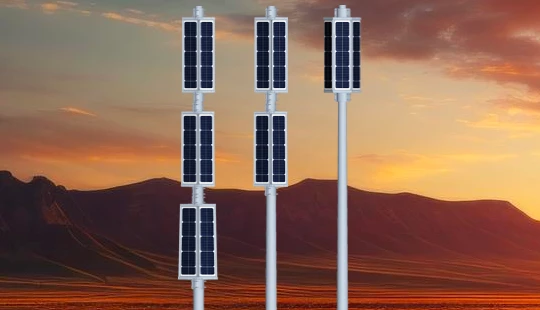
Discover Queneng Lighting’s all-in-one LED solar street lights — integrated solar panel, battery, controller and LED in one durable fixture. Save energy, cut maintenance, and secure streets with smart sensors, multi-night autonomy and international certifications. Contact sales for quotes and support.

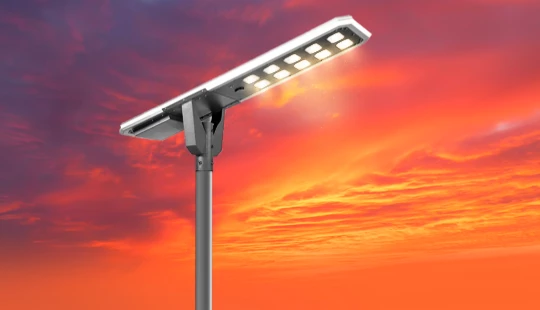
Unleash superior outdoor illumination with Queneng Luda High-Efficiency Solar Street Light. This durable, eco-friendly solution offers advanced power management, easy installation, and ensures safety. Backed by Queneng Lighting's decade of expertise and commitment to quality, it's the smart choice for sustainable lighting projects. Learn why we're a leading solar solutions provider.

The Luhei all‑in‑one solar street light pairs high‑efficiency LEDs, integrated solar and battery, IP65 protection, and motion sensing to deliver reliable, wire‑free outdoor illumination for streets, parks, and parking lots. Backed by Queneng Lighting’s certifications and support.

FAQ
Solar Street Light Lufeng
Can Lufeng solar street lights be integrated with other smart systems?
Yes, Lufeng solar street lights can be integrated with smart systems for more advanced functionality. Some models can be connected to remote control units or smart city systems, allowing for real-time monitoring, remote management, and automated control of lighting schedules. This integration enhances efficiency and ease of use.
Schools and Educational Institutions
What kind of maintenance is needed for solar lights?
The main maintenance required is cleaning the solar panels periodically to ensure they remain free of dust or debris, and occasionally checking the functionality of the battery and light.
Solar Street Light Luxian
How do Luxian solar street lights contribute to reducing carbon emissions?
By using solar power as their energy source, Luxian solar street lights reduce reliance on fossil fuels for electricity generation. This contributes to lower carbon emissions, helping mitigate climate change and promoting environmental sustainability. Their energy efficiency further reduces the overall carbon footprint of lighting systems.
Battery fundamentals and basic terms
What are the main structural components of a lithium-ion battery?
Transportation and Highways
How do you ensure the lights remain theft-proof in high-risk areas?
We use tamper-resistant hardware, anti-theft bolts, and GPS tracking technology to safeguard the solar lighting systems.
Commercial and Industrial Parks
Are the lights customizable for different industrial park layouts?
Yes, we provide customized solutions tailored to the specific lighting requirements and layouts of your park.
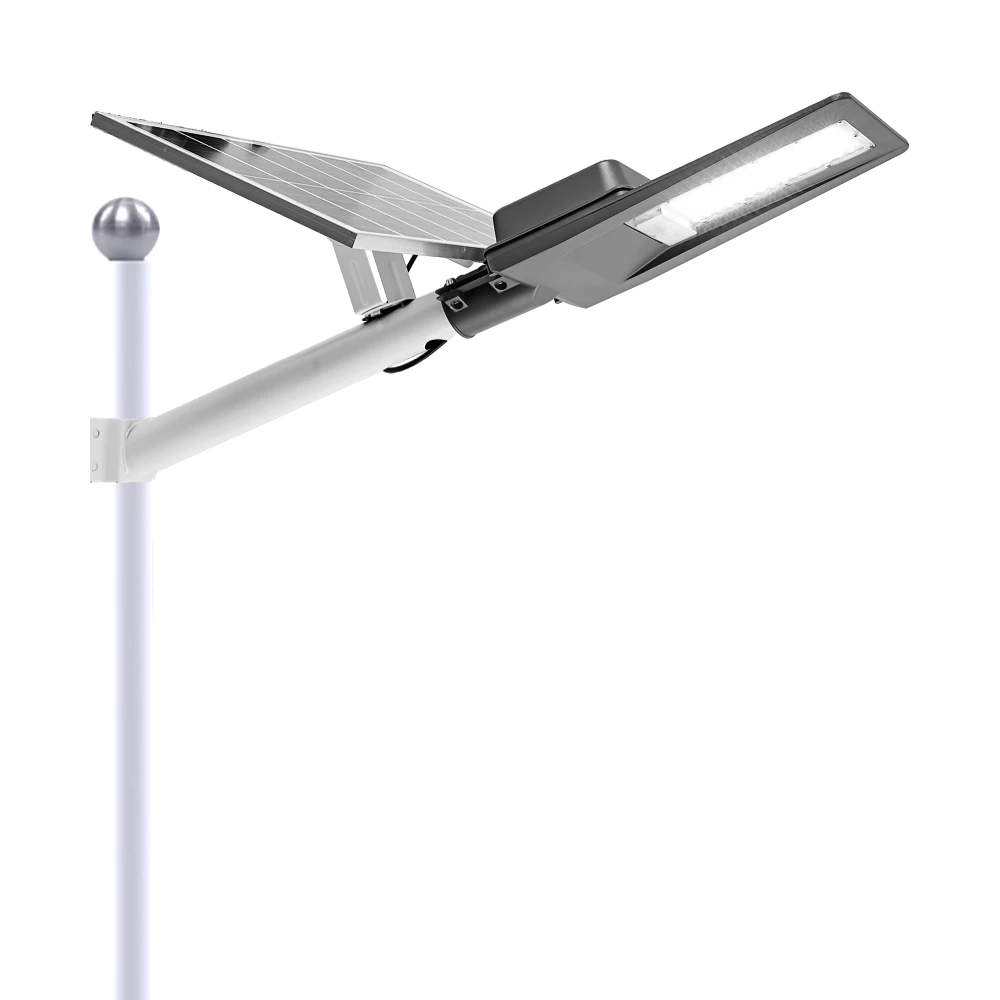
Experience reliable outdoor illumination with our smart solar street light, a perfect combination of advanced technology and eco-conscious design.
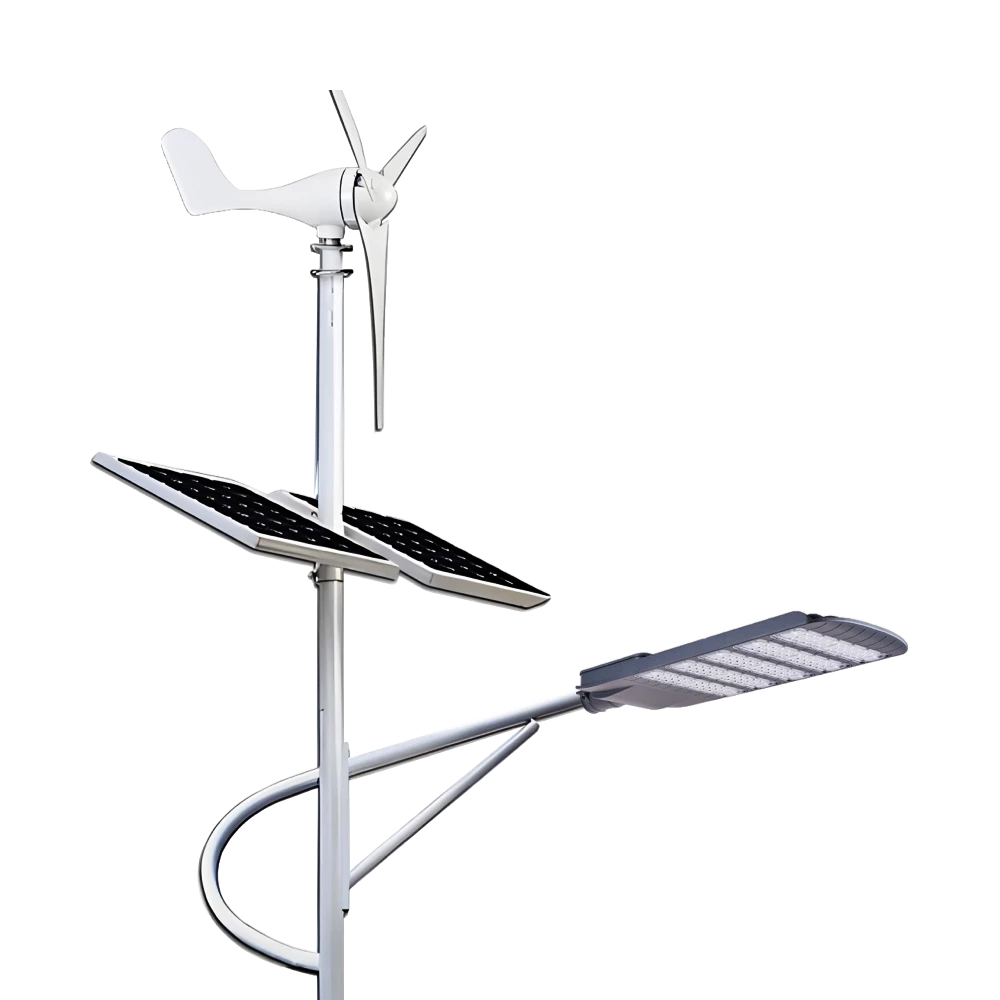
Queneng Lufeng Wind Energy LED Outdoor Solar Street Lights offer high-performance, eco-friendly illumination. These energy-efficient LED street lights harness solar power and wind energy for sustainable, cost-effective outdoor lighting solutions.
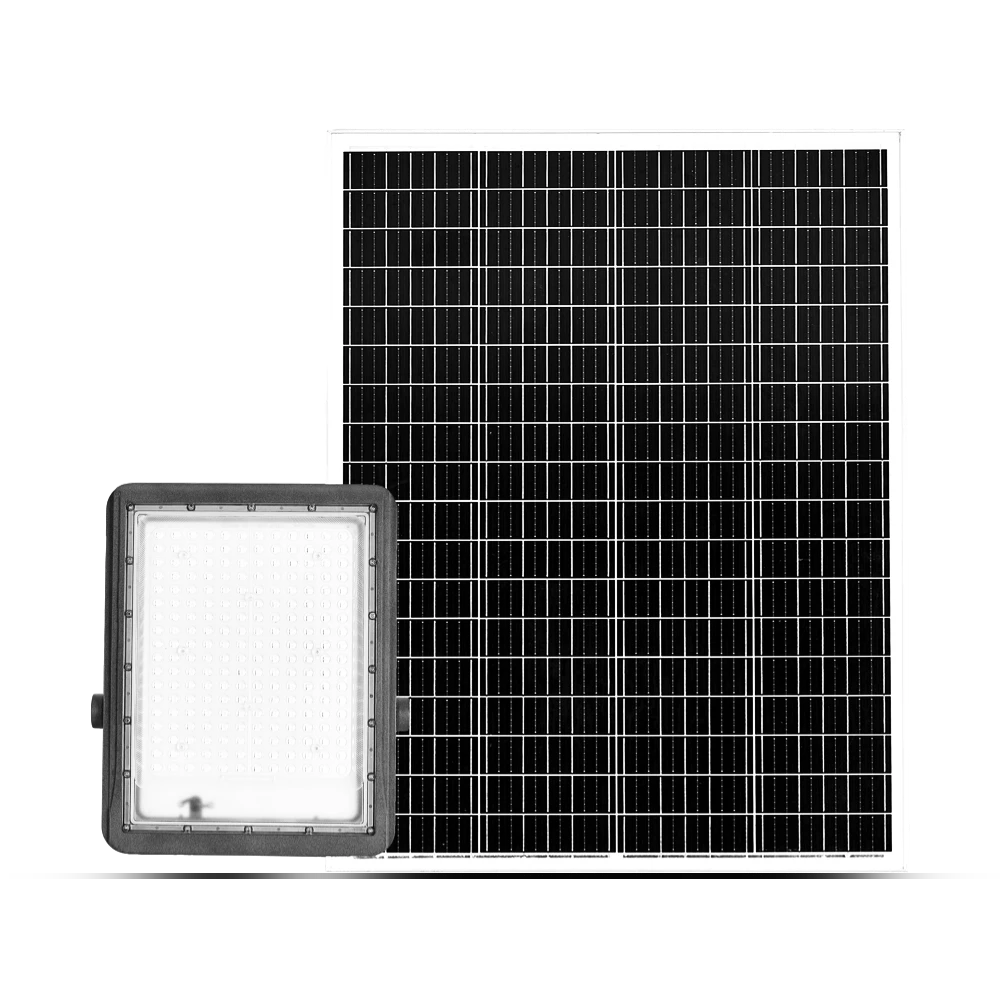
Queneng's Luxian Reliable Solar Street Light offers energy-saving LED lighting for outdoor use. This durable, solar-powered street light provides reliable illumination, reducing energy costs and environmental impact. A perfect solution for sustainable outdoor lighting.
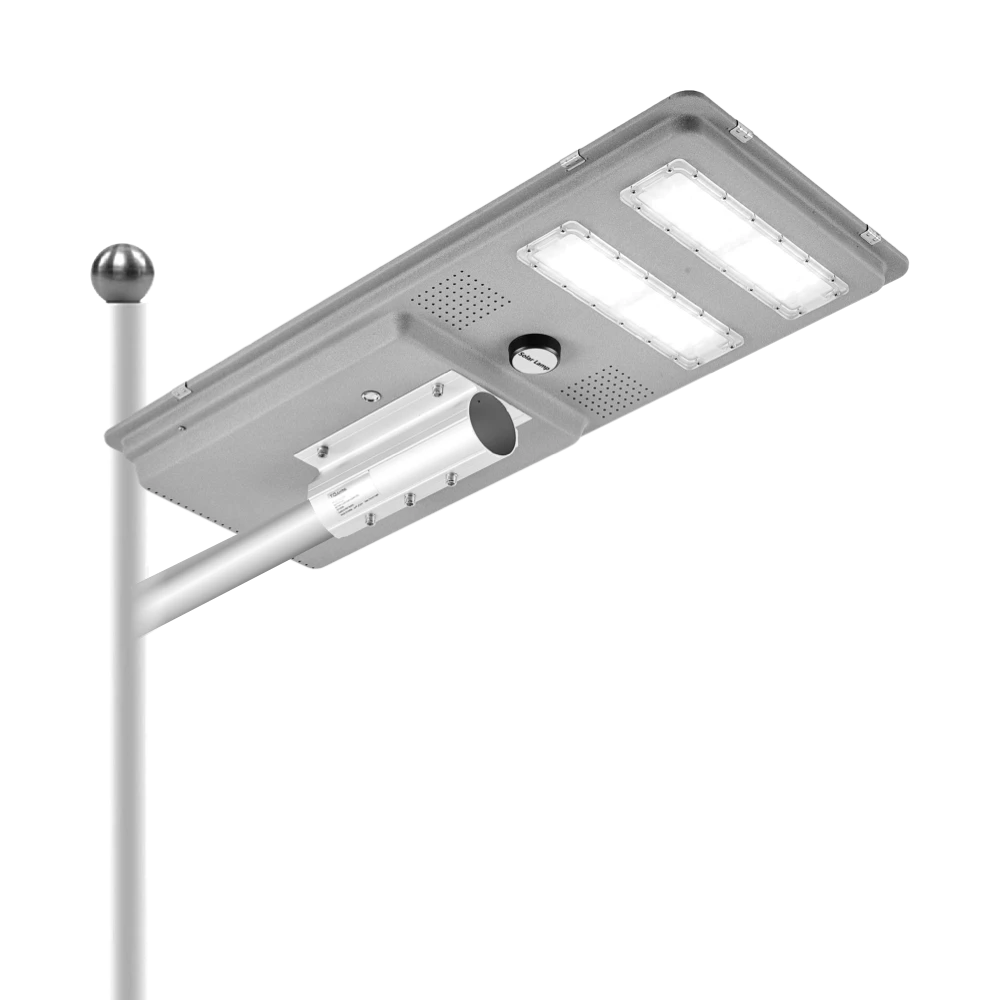
Queneng’s Solar Street Lights are designed to provide reliable, energy-efficient lighting for streets, parks, and other outdoor spaces.
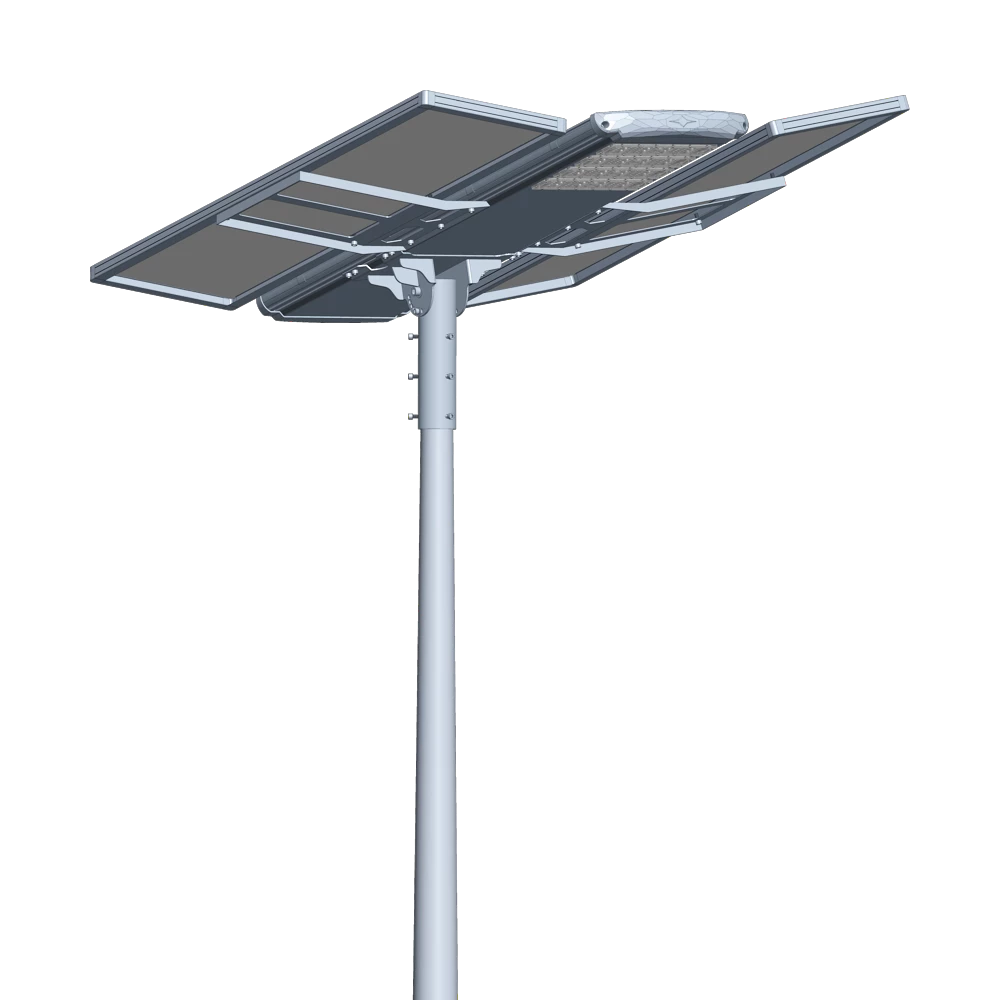
Introducing the Luqing Solar Street Light by Queneng, Efficient LED lighting powered by solar energy is perfect for illuminating outdoor areas. Harness the power of solar energy for sustainable, reliable street lighting. Ideal for eco-friendly, cost-effective outdoor illumination solutions.
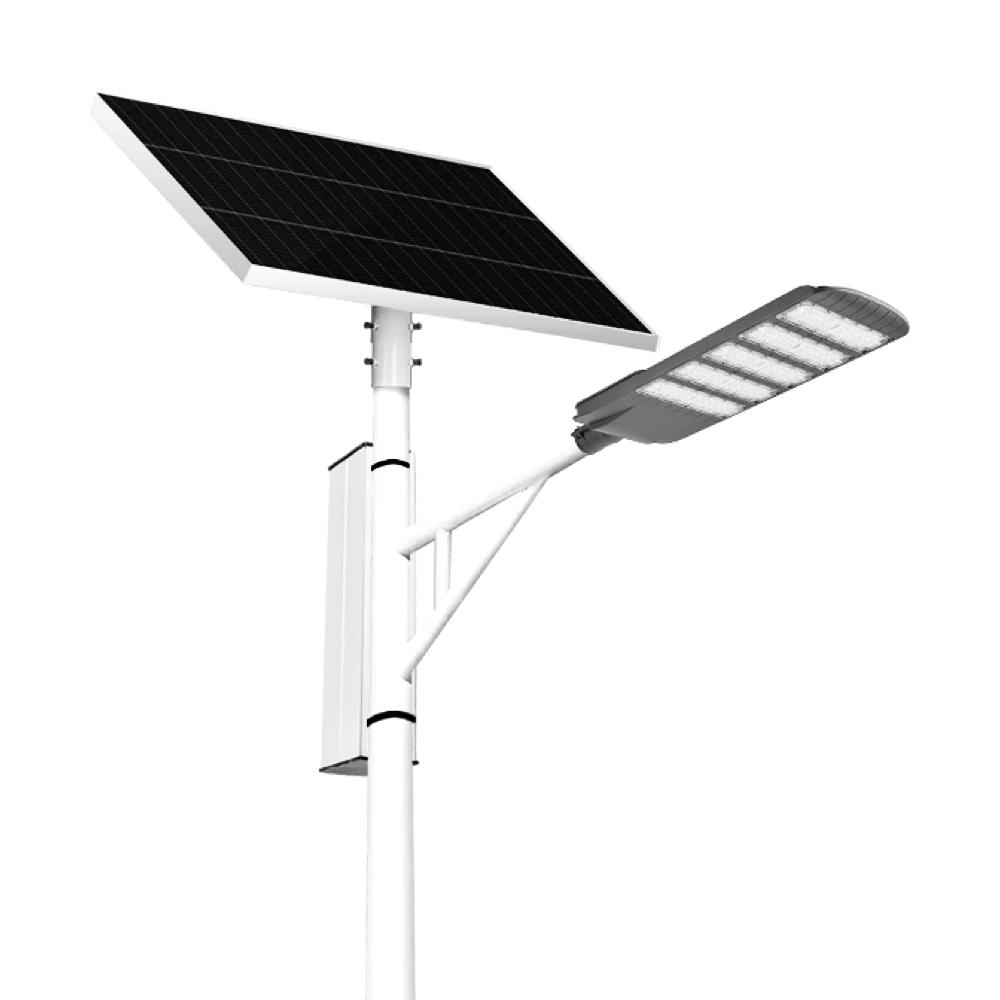
The Solar Streetlights of Luhao for Municipalities are designed to deliver reliable, energy-efficient, and cost-effective public lighting solutions. Equipped with advanced LED technology, durable lithium batteries, and high-efficiency solar panels, these streetlights provide consistent illumination for roads, parks, residential areas, and government projects.
If you would like more information about Queneng solar lighting solutions, please send us a message by filling out the form below. Our professional team will get back to you within 24 hours!
Rest assured that your privacy is important to us, and all information provided will be handled with the utmost confidentiality.
Schedule a Meeting
Book a date and time that is convenient for you and conduct the session in advance.
Have more questions about our products or services?
The messenger of light & power conversion
Environmental protection and intelligent manufacturing are our brand philosophy, and quality assurance and the best user experience are our eternal promises to users.
CONTACT
No.9F, Building F, Cao San Xin Tian Hong Logistics Park, Guzhen Town, Zhongshan City, Guangdong Province, China.
or write [email protected]
WhatsApp: +86 136 2270 1011


