

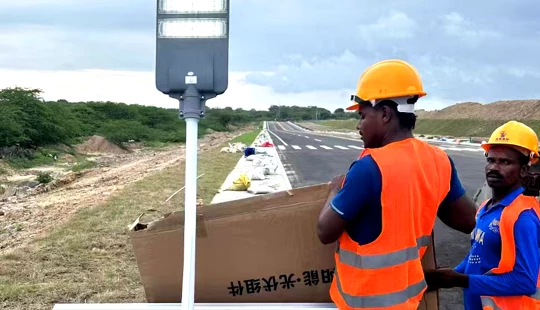
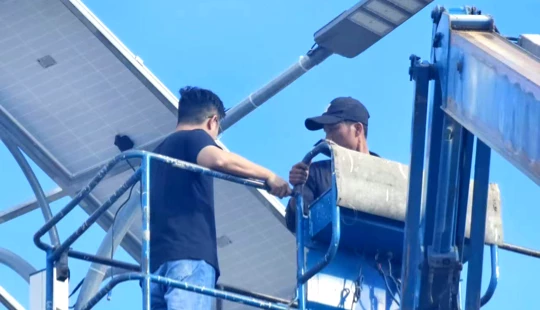













Why do Middle Eastern cities require anti-heat solar street lighting designs?
Mastering Solar Street Light Procurement: A Buyer's Essential Guide
As the demand for sustainable and energy-efficient infrastructure grows, solar street lighting has emerged as a preferred solution for cities, businesses, and communities worldwide. However, navigating the procurement process requires a deep understanding of product specifications, manufacturer reliability, and environmental considerations. This guide answers your most pressing questions, providing professional insights crucial for making informed purchasing decisions.
What is the typical cost range for solar street lights, and what key factors influence their price?
The cost of solar street lights varies significantly, typically ranging from $300 for basic integrated units to over $5,000 for high-performance, customized commercial systems. Several key factors drive these price differences:
- LED Wattage & Lumen Output: Higher brightness (lumens) requires more powerful LED chips and associated components, increasing cost.
- Battery Type & Capacity: Lithium Iron Phosphate (LiFePO4) batteries are more expensive but offer superior cycle life (2,000-4,000 cycles, 7-10 years lifespan) and better temperature stability than traditional Gel or Lead-Acid batteries. Larger capacity (measured in Watt-hours or Amp-hours) for longer backup days also increases cost.
- Solar Panel Size & Efficiency: Larger and more efficient monocrystalline solar panels, necessary to charge higher capacity batteries, contribute to a higher price.
- Pole Height & Material: Taller poles and those made from robust materials like galvanized steel or aluminum alloy for enhanced wind resistance (e.g., 100-150 km/h) are more expensive than standard options.
- Integrated vs. Split Systems: Integrated designs, where all components are housed together, are often more compact and less costly to install. Split systems offer more flexibility for component placement but involve more complex wiring and installation.
- Smart Features: Motion sensors (PIR), dimming capabilities, remote monitoring, and IoT connectivity add to the system's cost but enhance efficiency and management.
- Brand & Warranty: Reputable manufacturers offering extensive warranties (e.g., 3-5 years for the entire system) often have higher price points reflecting their quality and support.
How do I identify a reliable and reputable solar street light manufacturer?
Choosing the right manufacturer is paramount to the success and longevity of your solar lighting project. Look for manufacturers that demonstrate:
- Industry Experience & Project Portfolio: A long track record and a portfolio of successful projects, especially in challenging environments, indicate reliability. Inquire about their experience with similar climate conditions or project scales.
- Certifications & Quality Standards: Essential certifications include ISO 9001 (Quality Management), CE, RoHS (Product Safety & Environmental Compliance), and specific component certifications (e.g., IEC for solar panels, UL for electrical safety). A high IP rating (IP65 or IP66) for dust and water ingress protection is also critical.
- Strong R&D Capabilities: Manufacturers investing in research and development are more likely to offer innovative, efficient, and durable products tailored to evolving market needs and environmental challenges.
- Comprehensive Warranty & After-Sales Support: A transparent and extensive warranty (e.g., 3-5 years for the full system, 10-25 years for solar panels) provides peace of mind. Robust after-sales support, including technical assistance and spare parts availability, is equally important.
- Transparent Component Sourcing: A reliable manufacturer will openly disclose the brands of key components (e.g., LED chips from Cree, Philips, Lumileds; batteries from reputable suppliers like CATL, BYD).
- Manufacturing Process & Quality Control: Look for evidence of stringent quality control throughout the manufacturing process, from raw material inspection to final product testing.
What are the essential high-quality components of a robust solar street light system?
A durable and efficient solar street light system is defined by the quality of its individual components:
- LED Light Source: High-efficiency LED chips (e.g., from Cree, Philips, Lumileds) with excellent lumen per watt output (typically >150lm/W) and a stable color temperature. Effective thermal management for the LED module is crucial to prevent lumen degradation.
- Battery: LiFePO4 (Lithium Iron Phosphate) batteries are the industry standard for their superior cycle life (2,000-4,000 cycles), wider operating temperature range (-20°C to 60°C for discharge, 0°C to 45°C for charge), stability, and safety.
- Solar Panel: High-efficiency Monocrystalline silicon panels are preferred for their better performance in low light conditions and higher power output per square meter. Look for panels with a positive power tolerance and long-term performance warranty (e.g., 25 years at 80% output).
- Charge Controller: An MPPT (Maximum Power Point Tracking) controller is essential for optimizing the solar panel's power harvesting, especially under varying weather conditions. It also protects the battery from overcharging and over-discharging.
- Pole and Fixture Housing: The pole should be made of durable, corrosion-resistant material (e.g., hot-dip galvanized steel or aluminum alloy) able to withstand local wind loads. The fixture housing (luminare) requires an excellent IP rating (IP65/IP66) and robust construction to protect internal components from dust, water, and impact.
Why is thermal management crucial for solar street lights, especially in extreme heat environments like the Middle East?
Middle Eastern cities often experience extreme ambient temperatures, regularly exceeding 40°C and sometimes reaching over 50°C in summer. These conditions pose significant challenges for solar street lights, making advanced thermal management indispensable:
- Battery Degradation: High temperatures severely accelerate the degradation of battery life and capacity. For every 10°C increase above 25°C, the lifespan of a battery can be halved. While LiFePO4 batteries tolerate heat better than lead-acid, sustained exposure to 50°C+ ambient temperatures without proper thermal design will significantly shorten their operational life from 7-10 years to potentially just 2-3 years.
- LED Performance & Lifespan: LEDs generate their own heat. If this heat is not effectively dissipated (i.e., junction temperature gets too high), it leads to rapid lumen depreciation (the light output diminishes) and a dramatically reduced lifespan of the LED chips. Efficient heat sinks are critical.
- Electronics Failure: The charge controller and other electronic components are sensitive to heat. Overheating can lead to premature failure, compromising the entire system's functionality.
- Solar Panel Efficiency: While solar panels are designed for outdoor use, their efficiency decreases as temperature rises (typically by 0.3-0.5% for every degree Celsius above 25°C). While not as critical for component longevity as batteries and LEDs, proper ventilation around the panel can help mitigate some efficiency loss.
Effective thermal management solutions include oversized heat sinks for LEDs, specialized battery enclosures with ventilation or insulation, and selecting electronic components rated for high-temperature operation.
What specific design and material considerations are vital for solar street lights operating in hot and harsh climates?
Beyond thermal management, solar street lights in challenging environments like the Middle East require:
- Superior IP Rating: A minimum of IP65 or IP66 is essential to protect against fine desert dust, sandstorms, and occasional heavy rains.
- Robust Wind Resistance: Poles and fixtures must be engineered to withstand high wind loads from sandstorms and strong gusts, which can exceed 120-150 km/h.
- Corrosion Resistance: For coastal cities, salt spray resistance is crucial. All metal components, especially poles and hardware, should be hot-dip galvanized or made from marine-grade aluminum/stainless steel.
- UV Resistance: Plastics and coatings must be UV-stabilized to prevent material degradation, yellowing, and cracking under intense solar radiation.
- Anti-Sand Abrasion: Components exposed to sand (e.g., solar panel surface, luminare lens) should be made of durable, scratch-resistant materials.
- Reliable Sealing: High-quality gaskets and seals are vital to maintain the IP rating and prevent dust and moisture ingress over time.
What is the expected lifespan of a modern solar street light, and what maintenance is typically required?
A well-designed and high-quality solar street light system boasts an impressive lifespan with minimal maintenance:
- LED Light Source: Modern LEDs can last 50,000 to 100,000 hours, translating to 10-20+ years of typical night-time operation.
- LiFePO4 Battery: With proper thermal management, LiFePO4 batteries are expected to last 7-10 years before significant capacity degradation.
- Solar Panel: High-quality monocrystalline solar panels typically come with a 20-25 year warranty, often retaining 80% of their original output after 25 years.
- Pole & Fixture: If made from galvanized steel or aluminum, the structural components can last 20-30 years or more.
Maintenance: Solar street lights are largely maintenance-free. Occasional cleaning of the solar panel (every 6-12 months, or more frequently in dusty environments) to ensure optimal charging, and periodic checks of electrical connections, are usually sufficient. Battery replacement might be needed after 7-10 years.
Can solar street lights be customized to meet specific project requirements and aesthetic preferences?
Absolutely. Reputable solar street light manufacturers offer extensive customization options to align with diverse project needs and urban aesthetics. This includes:
- Lumen Output & Lighting Distribution: Tailoring the brightness and beam angle to specific application areas (e.g., wide distribution for roads, focused for pathways).
- Pole Height & Design: Custom pole heights, decorative designs, and finishes (e.g., powder coating in various colors) to match architectural styles.
- Battery Autonomy (Backup Days): Adjusting battery capacity to provide required lighting duration even during prolonged cloudy weather.
- Control Systems: Integrating various smart control features like PIR motion sensors, microwave sensors, programmable dimming schedules, or central monitoring systems (CMS) via IoT.
- Hybrid Solutions: Combining solar power with a grid connection for enhanced reliability in critical applications.
- Branding & Accessories: Adding logos, banners, or additional features like CCTV cameras or Wi-Fi hotspots.
Quenenglighting: Your Partner for Sustainable Solar Street Lighting Solutions
At Quenenglighting, we specialize in manufacturing high-quality, durable solar street lights designed to excel even in the most demanding environments, including the extreme heat of the Middle East. Our commitment to excellence is reflected in our use of High Quality components – top-tier LiFePO4 batteries, high-efficiency monocrystalline solar panels, and leading LED chips with advanced thermal management. We prioritize robust anti-heat designs, superior IP ratings, and corrosion-resistant materials to ensure exceptional longevity and performance. With extensive R&D capabilities, comprehensive certifications, and a focus on customization, Quenenglighting offers reliable, sustainable, and tailor-made lighting solutions for any project, backed by professional support and generous warranties. Choose Quenenglighting for innovation, quality, and peace of mind.
References and Data Sources:
- BSLBATT Lithium Battery Working Temperature Data (Accessed: November 15, 2023) - Provides general information on LiFePO4 battery temperature tolerance.
- U.S. Department of Energy - Solar Photovoltaic Cell Basics (Accessed: November 15, 2023) - Information on solar panel efficiency degradation with temperature.
- Cree LED (Example LED manufacturer) - General industry standards for LED lifespan and lumen depreciation.
- ISO Official Website - ISO 9001 Information (Accessed: November 15, 2023) - General information on quality management systems.
- Industry averages and manufacturer specifications from leading solar street light suppliers (e.g., Alibaba, various manufacturer websites for cost ranges and component specifics, accessed November 2023).

Have more questions about our products or services?
The latest hot news you might like

Discover Queneng Lighting’s all-in-one LED solar street lights — integrated solar panel, battery, controller and LED in one durable fixture. Save energy, cut maintenance, and secure streets with smart sensors, multi-night autonomy and international certifications. Contact sales for quotes and support.

Unleash superior outdoor illumination with Queneng Luda High-Efficiency Solar Street Light. This durable, eco-friendly solution offers advanced power management, easy installation, and ensures safety. Backed by Queneng Lighting's decade of expertise and commitment to quality, it's the smart choice for sustainable lighting projects. Learn why we're a leading solar solutions provider.

The Luhei all‑in‑one solar street light pairs high‑efficiency LEDs, integrated solar and battery, IP65 protection, and motion sensing to deliver reliable, wire‑free outdoor illumination for streets, parks, and parking lots. Backed by Queneng Lighting’s certifications and support.

FAQ
Solar Street Light Luda
What are the key benefits of using LED lights in Luda solar street lights?
LED lights used in Luda solar street lights are highly energy-efficient, providing bright illumination while using less power compared to traditional lighting solutions. LEDs also have a longer lifespan, reducing the need for frequent bulb replacements, and they generate less heat, further enhancing their energy efficiency and performance in outdoor conditions.
Industry
If the battery capacity decreases, does Queneng offer replacement services?
Yes, we offer long-term maintenance support for all solar systems, including battery replacements and system upgrades to ensure ongoing high performance.
Sustainability
Can Queneng solar street lights operate in all weather conditions?
Yes, our solar street lights are equipped with high-efficiency photovoltaic panels and intelligent control systems, enabling them to operate even in cloudy or low-light conditions. The battery can store enough energy to provide lighting for several days during extended periods of cloudy weather.
Solar Street Light Luan
What is the lifespan of Luan solar street lights?
Luan solar street lights have an impressive lifespan. The LEDs can last up to 50,000 hours, and the solar panels can perform efficiently for 25 years or more. The batteries typically last 3 to 5 years, depending on usage and environmental conditions, ensuring long-term value.
Solar Street Light Luyi
Can Luyi solar street lights function in areas with cloudy or rainy weather?
Yes, Luyi solar street lights are designed to function efficiently even in cloudy or rainy weather. The high-efficiency solar panels can still capture and store energy in low-light conditions, ensuring that the lights remain operational throughout the night. The system is equipped with a large enough battery to store energy for extended periods, making them reliable even on overcast days.
OEM&ODM
Can I customize the product appearance and packaging?
Yes! We offer full customization on housing color, logo printing, battery configuration, controller type, and box design.
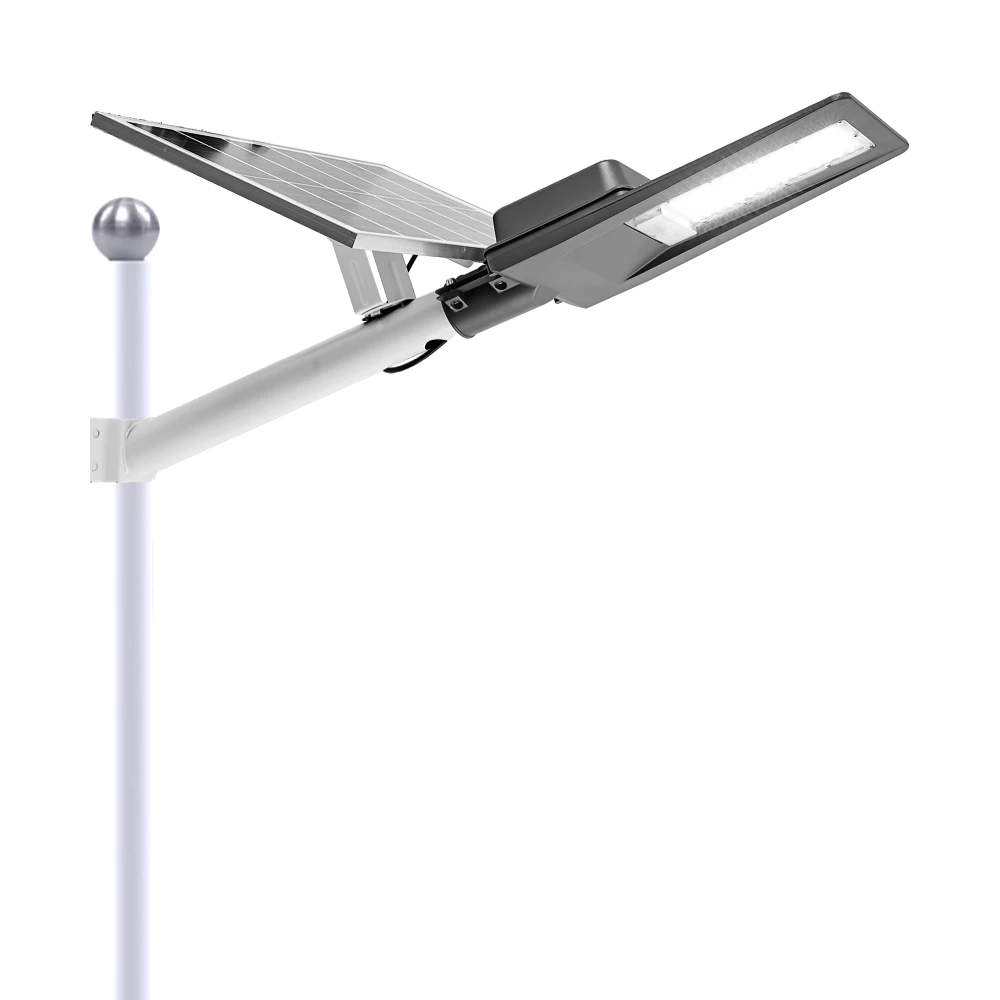
Experience reliable outdoor illumination with our smart solar street light, a perfect combination of advanced technology and eco-conscious design.
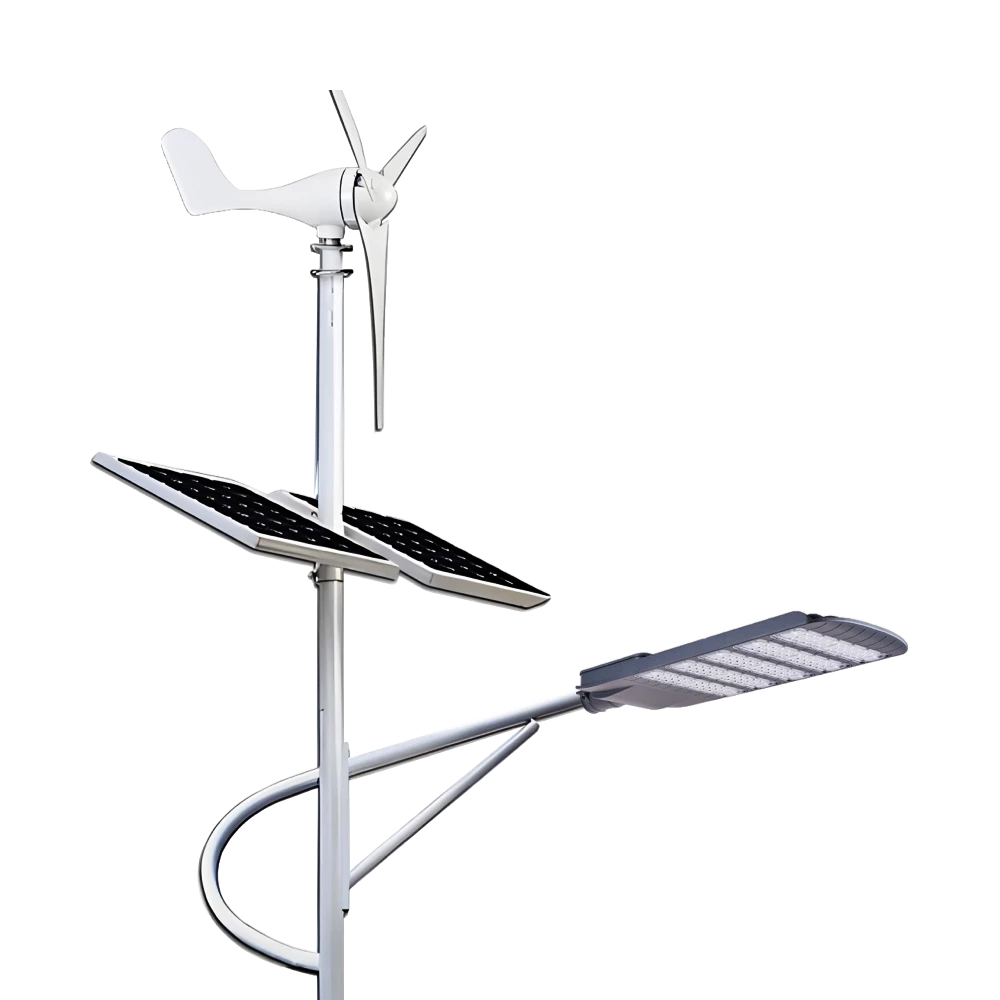
Queneng Lufeng Wind Energy LED Outdoor Solar Street Lights offer high-performance, eco-friendly illumination. These energy-efficient LED street lights harness solar power and wind energy for sustainable, cost-effective outdoor lighting solutions.
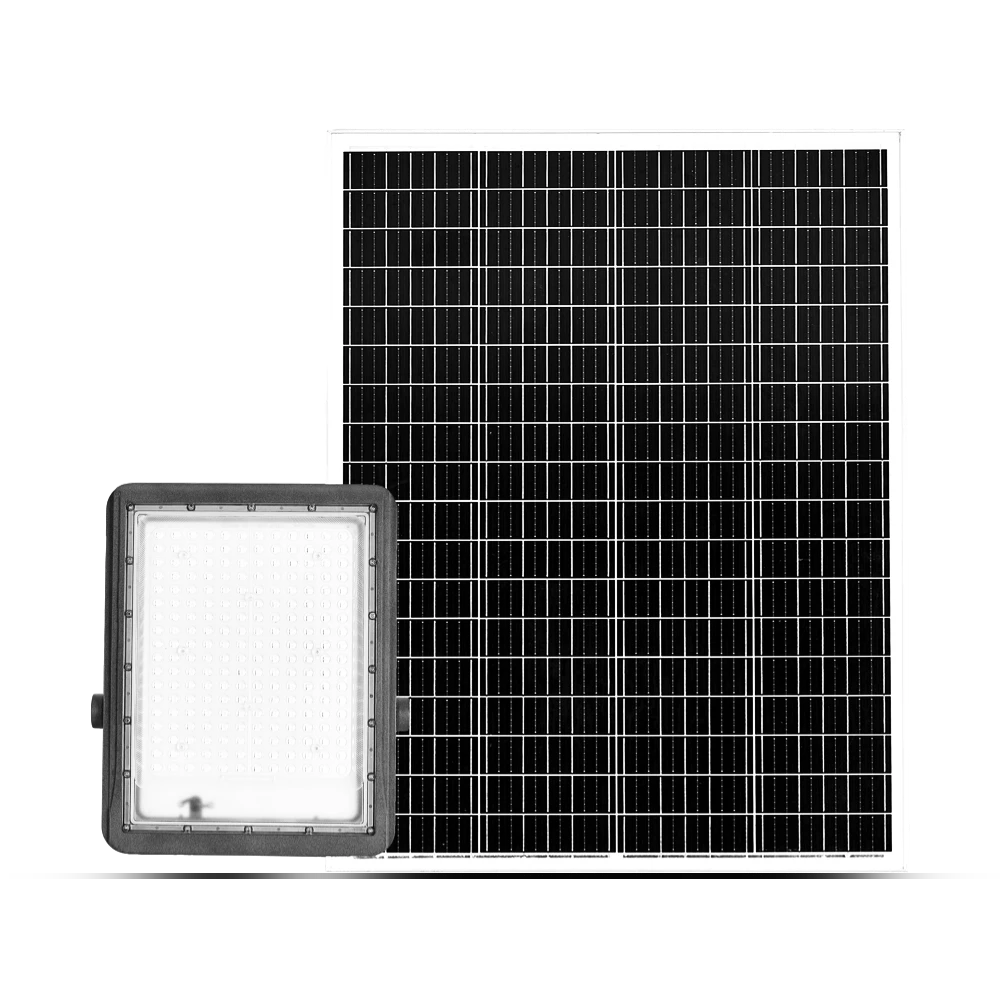
Queneng's Luxian Reliable Solar Street Light offers energy-saving LED lighting for outdoor use. This durable, solar-powered street light provides reliable illumination, reducing energy costs and environmental impact. A perfect solution for sustainable outdoor lighting.
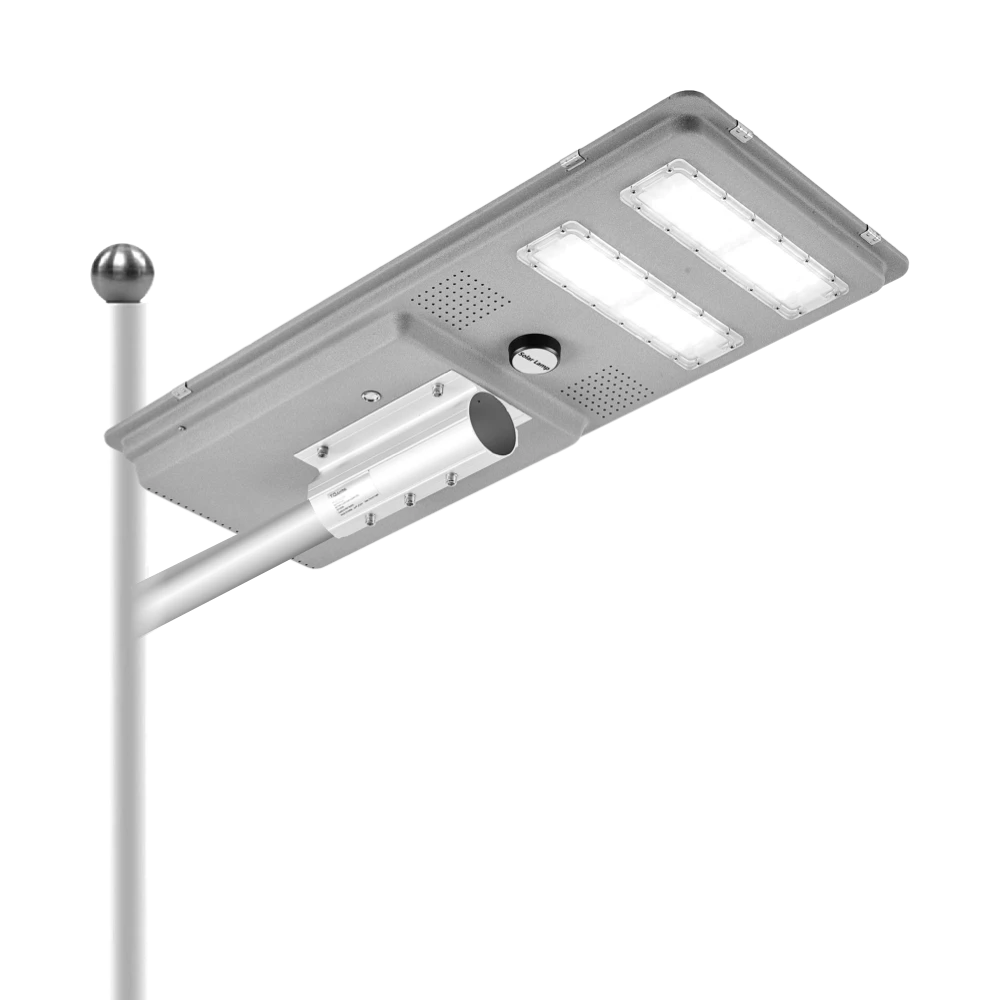
Queneng’s Solar Street Lights are designed to provide reliable, energy-efficient lighting for streets, parks, and other outdoor spaces.
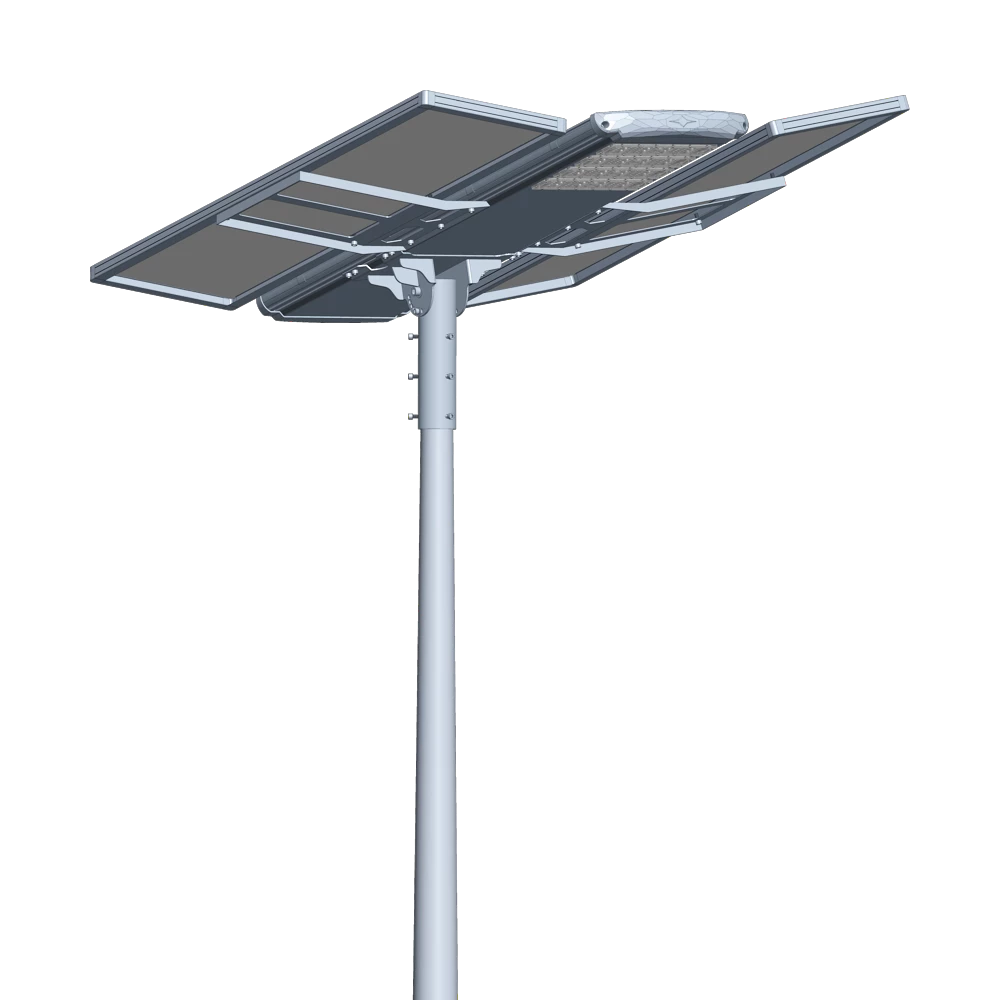
Introducing the Luqing Solar Street Light by Queneng, Efficient LED lighting powered by solar energy is perfect for illuminating outdoor areas. Harness the power of solar energy for sustainable, reliable street lighting. Ideal for eco-friendly, cost-effective outdoor illumination solutions.
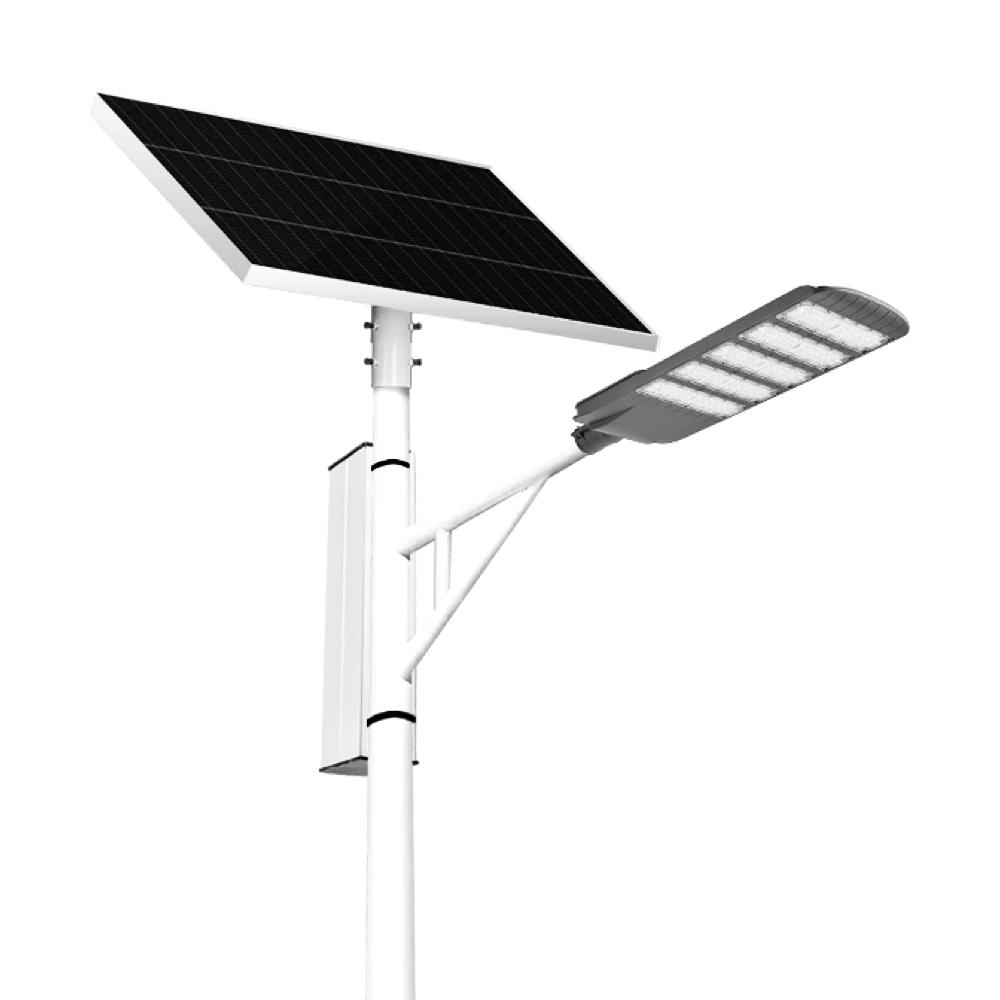
The Solar Streetlights of Luhao for Municipalities are designed to deliver reliable, energy-efficient, and cost-effective public lighting solutions. Equipped with advanced LED technology, durable lithium batteries, and high-efficiency solar panels, these streetlights provide consistent illumination for roads, parks, residential areas, and government projects.
If you would like more information about Queneng solar lighting solutions, please send us a message by filling out the form below. Our professional team will get back to you within 24 hours!
Rest assured that your privacy is important to us, and all information provided will be handled with the utmost confidentiality.
Schedule a Meeting
Book a date and time that is convenient for you and conduct the session in advance.
Have more questions about our products or services?
The messenger of light & power conversion
Environmental protection and intelligent manufacturing are our brand philosophy, and quality assurance and the best user experience are our eternal promises to users.
CONTACT
No.9F, Building F, Cao San Xin Tian Hong Logistics Park, Guzhen Town, Zhongshan City, Guangdong Province, China.
or write [email protected]
WhatsApp: +86 136 2270 1011


