














How do Malaysian distributors evaluate Queneng Lighting OEM/ODM capabilities?
Navigating the Solar Street Light Market: A Distributor's Guide to Quality, Cost, and OEM/ODM Partnerships
The global solar street light market is experiencing robust growth, driven by increasing demand for sustainable and cost-effective lighting solutions. For distributors and procurement professionals, making informed purchasing decisions is paramount. This requires a deep understanding of product specifications, cost structures, quality benchmarks, and the capabilities of potential manufacturing partners. This article will address key questions that arise during the procurement process, offering insights to help you secure the best value and performance.
What are the Key Cost Factors for Solar Street Lights, and How Can Buyers Optimize ROI?
The cost of solar street light is influenced by several critical components, each contributing significantly to the overall investment:
- Solar Panel: The panel's wattage and type (monocrystalline vs. polycrystalline) are major drivers. Monocrystalline panels, offering higher efficiency (typically 20-22% conversion rate for quality panels), are more compact but cost more per watt than polycrystalline panels. Optimizing panel size to match local solar irradiance is crucial for efficiency and cost.
- Battery: Lithium Iron Phosphate (LiFePO4) batteries are preferred for their longevity (2,000-4,000+ charge cycles, equating to an 8-10 year lifespan) and safety, despite a higher initial cost compared to lead-acid. Battery capacity (measured in Amp-hours, Ah) dictates backup autonomy during cloudy days, directly impacting cost.
- LED Luminaire: The efficiency (lumens per watt, typically 150-180 lm/W for high-quality LEDs), wattage, and brand of LED chips (e.g., Philips, CREE, Osram) affect performance and price.
- Charge Controller: An MPPT (Maximum Power Point Tracking) controller is more efficient (15-30% better than PWM) at extracting power from the solar panel, extending battery life and reducing overall energy loss, justifying its slightly higher cost.
- Pole: The material (hot-dip galvanized steel for corrosion resistance), height, design, and wind load rating contribute significantly to the total cost.
- Smart Features: Added functionalities like motion sensors, dimming schedules, remote monitoring, and IoT integration increase initial costs but offer long-term energy savings and enhanced control.
Optimizing ROI: Focus on the Total Cost of Ownership (TCO) rather than just initial price. Investing in higher-quality components often leads to longer lifespan, lower maintenance, and greater energy savings, resulting in a superior ROI over the product's lifetime.
What Essential Components Define a High-Quality, Durable Solar Street Light?
A superior solar street light is a sum of its well-engineered parts:
- High-Efficiency Solar Panel: Monocrystalline silicon panels with over 20% conversion efficiency, protected by tempered glass and a corrosion-resistant aluminum frame.
- Robust LiFePO4 Battery System: Grade A cells, coupled with an advanced Battery Management System (BMS) for protection against overcharge, over-discharge, over-current, and temperature fluctuations, ensuring maximum lifespan and safety.
- Efficient LED Luminaire: High lumen efficacy (150-180 lm/W), uniform light distribution (e.g., Type II or Type III optics), high ingress protection (IP65/IP66) against dust and water, and strong impact resistance (IK08/IK10).
- Advanced MPPT Charge Controller: Intelligent algorithms for optimal power harvesting, multiple protection features, and often remote management capabilities.
- Durable Pole Structure: Hot-dip galvanized steel for superior corrosion resistance, engineered to withstand local wind loads and environmental conditions.
- Intelligent Management System: Optional but increasingly important, these systems allow for remote monitoring, fault diagnosis, and dynamic light scheduling, enhancing operational efficiency.
How Do You Select a Reliable Solar Street Light Manufacturer for OEM/ODM Services?
Choosing the right Solar Street Light Manufacturer or Manufacturer of Solar Street Lights for OEM/ODM needs involves rigorous evaluation:
- R&D Capabilities: A strong in-house research and development team is crucial for innovation, custom design, and problem-solving. Look for evidence of continuous product improvement.
- Manufacturing Excellence & Capacity: Modern, automated production lines, stringent quality control at every stage (Incoming Quality Control - IQC, In-Process Quality Control - IPQC, Outgoing Quality Control - OQC), and the capacity to handle large orders without compromising quality.
- Quality Certifications: Adherence to international standards like ISO 9001 (Quality Management System) indicates a commitment to consistent quality.
- Customization Flexibility: The ability to tailor designs, specifications (wattage, battery capacity, pole design), branding, and packaging to meet specific project or market demands.
- Supply Chain Management: Stable relationships with reputable component suppliers ensure consistent quality and availability.
- After-Sales Support: Comprehensive warranty, readily available spare parts, and responsive technical assistance are vital for long-term partnership success.
- Project References & Reputation: A track record of successful projects and positive client testimonials speaks volumes about a manufacturer's reliability.
What Critical Quality Standards and Certifications Should Buyers Look For?
Adhering to international quality standards ensures reliability and safety:
- CE (Conformité Européenne): Indicates compliance with European health, safety, and environmental protection standards.
- RoHS (Restriction of Hazardous Substances): Limits the use of specific hazardous materials in electrical and electronic products, promoting environmental safety.
- IP Rating (Ingress Protection): Essential for outdoor lighting. IP65 signifies complete protection against dust ingress and protection against low-pressure water jets from any direction. IP66 offers protection against powerful water jets.
- IK Rating (Impact Protection): Measures the enclosure's resistance to mechanical impacts. IK08 (5 joules of impact) and IK10 (20 joules of impact) are common for robust outdoor fixtures.
- ISO 9001: Certifies that the manufacturer operates a quality management system that consistently meets customer and regulatory requirements.
- TUV/UL: These are often country-specific product safety and quality certifications that may be required for certain markets.
What are Queneng Lighting's Specific OEM/ODM Capabilities, and How Do They Benefit International Distributors, Especially in Markets Like Malaysia?
For distributors, particularly those asking, How do Malaysian distributors evaluate Queneng Lighting OEM/ODM capabilities?, Queneng Lighting offers a robust framework:
- Strong R&D and Engineering Expertise: Queneng Lighting boasts a dedicated R&D team capable of designing customized solar street light solutions from the ground up. This includes tailoring wattage, battery autonomy, pole aesthetics, and optical distributions to meet unique project specifications or local environmental challenges (e.g., high humidity and solar irradiance in Malaysia).
- Advanced, Scalable Manufacturing Facilities: With state-of-the-art production lines, Queneng Lighting ensures consistent product quality and possesses the capacity to handle both small, specialized orders and large-scale procurements, critical for distributors managing diverse project portfolios.
- Rigorous Multi-Stage Quality Control: From incoming component inspection to in-process checks and final product aging tests (e.g., 48-hour burn-in tests, salt spray tests), Queneng adheres to strict quality protocols, guaranteeing durability and performance in varying climates.
- Flexible OEM/ODM Options: Queneng offers extensive customization for branding (OEM services), allowing distributors to market products under their own label. For ODM, they collaborate on developing entirely new product lines that cater to specific market demands or technological advancements, providing a competitive edge.
- Reliable Global Supply Chain & Logistics: Queneng leverages established relationships with High Quality component suppliers and possesses expertise in international logistics and documentation, ensuring smooth and timely delivery to markets worldwide, including complex shipping requirements for regions like Southeast Asia.
- Comprehensive After-Sales Support: A dedicated support team provides technical assistance, warranty services, and access to spare parts, building trust and long-term partnerships with distributors.
- Market Adaptability: Queneng's experience with diverse international markets, including understanding regional climate conditions, regulatory requirements, and user preferences, allows them to provide solutions optimized for specific regions like Malaysia.
What Customization Options are Available for Solar Street Lights, and How Do They Impact Project Success?
Customization ensures a perfect fit for diverse project requirements:
- Lumen Output and Light Distribution: Adjusting brightness levels and light patterns (e.g., Type II for roadways, Type III for wider areas, or specialized optics for pathways) to meet specific lighting standards and optimize illumination efficiency.
- Battery Autonomy: Configuring battery capacity to provide 2-5+ days of backup power, crucial for regions with unpredictable weather.
- Integrated Smart Features: Adding motion sensors, adjustable dimming schedules, remote monitoring, and IoT compatibility for smart city applications.
- Aesthetic Design and Finish: Customizing pole height, material, fixture appearance, and color to align with architectural aesthetics or branding guidelines.
- Material Specifications: Selecting materials with enhanced corrosion resistance for coastal or humid environments, or reinforced structures for high-wind areas.
- Branding and Packaging: OEM options for integrating a distributor's logo and designing custom packaging.
Customization directly impacts project success by ensuring optimal performance, energy efficiency, aesthetic integration, and long-term cost-effectiveness.
What is the Typical Lifespan and Warranty Structure for Solar Street Lights, and Why are These Important Considerations?
Understanding lifespan and warranty is key to evaluating long-term value:
- Lifespan:
- LED Luminaires: Typically 50,000 to 100,000 hours, equating to 10-20 years of operation based on 10-12 hours per day.
- LiFePO4 Batteries: 2,000-4,000+ charge cycles, translating to a practical lifespan of 5-10 years before significant capacity degradation.
- Solar Panels: Often come with a 20-25 year performance warranty, guaranteeing at least 80% power output at the 25-year mark.
- Charge Controller: Generally 5-10 years.
- Pole and Fixture Housing: Can last 20+ years, especially with hot-dip galvanization.
- Warranty: Most reputable manufacturers offer a comprehensive system warranty of 2-5 years, with component-specific warranties often extending longer (e.g., 5-10 years for batteries, 10-25 years for solar panels). A strong warranty signals manufacturer confidence in product quality and protects the buyer's investment, minimizing risk and unexpected maintenance costs.
Conclusion: Why Partner with Queneng Lighting?
For distributors navigating the complex solar street light market, selecting a manufacturing partner like Queneng Lighting provides a distinct advantage. Queneng's unwavering commitment to innovation, advanced manufacturing processes, rigorous quality control, and extensive OEM/ODM capabilities positions them as an ideal partner. Their ability to deliver customized, high-performance, and durable solar street light solutions, backed by strong R&D and comprehensive support, ensures that distributors can confidently meet the diverse demands of their markets, fostering long-term success and customer satisfaction globally.
References
- Solar Panel Technology Trends, SolarPower World, , Accessed: October 26, 2023
- LiFePO4 Battery Lifespan and Advantages, Battery University, , Accessed: October 26, 2023
- LED Lighting Efficiency, U.S. Department of Energy, , Accessed: October 26, 2023
- Global Solar Street Lighting Market Report, Grand View Research, , Accessed: October 26, 2023
- International Standards for Electrical Enclosures (IP, IK ratings), IEC, , Accessed: October 26, 2023

Have more questions about our products or services?
The latest hot news you might like

Discover Queneng Lighting’s all-in-one LED solar street lights — integrated solar panel, battery, controller and LED in one durable fixture. Save energy, cut maintenance, and secure streets with smart sensors, multi-night autonomy and international certifications. Contact sales for quotes and support.

Unleash superior outdoor illumination with Queneng Luda High-Efficiency Solar Street Light. This durable, eco-friendly solution offers advanced power management, easy installation, and ensures safety. Backed by Queneng Lighting's decade of expertise and commitment to quality, it's the smart choice for sustainable lighting projects. Learn why we're a leading solar solutions provider.

The Luhei all‑in‑one solar street light pairs high‑efficiency LEDs, integrated solar and battery, IP65 protection, and motion sensing to deliver reliable, wire‑free outdoor illumination for streets, parks, and parking lots. Backed by Queneng Lighting’s certifications and support.

FAQ
Solar Street Light Luyi
What are the key features of Luyi solar street lights?
Luyi solar street lights feature advanced LED technology paired with high-efficiency solar panels. They offer bright, reliable illumination while consuming minimal energy. The lights are designed with durable materials to withstand harsh outdoor conditions and come equipped with motion sensors, adaptive brightness control, and smart monitoring capabilities for enhanced energy savings.
Solar Street Light Luhui
Can Luhui solar street lights be controlled remotely?
Certain models of Luhui solar street lights come with smart control features, allowing users to remotely monitor and adjust settings such as brightness levels and operational times via mobile apps or centralized systems.
Battery Performance and Testing
What is the standard overcharge resistance test?
Solar Street Light Luan
What is the lifespan of Luan solar street lights?
Luan solar street lights have an impressive lifespan. The LEDs can last up to 50,000 hours, and the solar panels can perform efficiently for 25 years or more. The batteries typically last 3 to 5 years, depending on usage and environmental conditions, ensuring long-term value.
Split Solar Street Light
Is split solar street light better than all-in-one?
For large-scale or professional projects, yes. Split systems offer higher power capacity and better adaptability.
Tourist Attractions and Resorts
Are solar lights customizable to match the design of the resort or attraction?
Yes, solar lights come in various designs, colors, and sizes, and can be customized to match the theme or aesthetic of the resort or attraction. This makes them a versatile solution for any outdoor space.
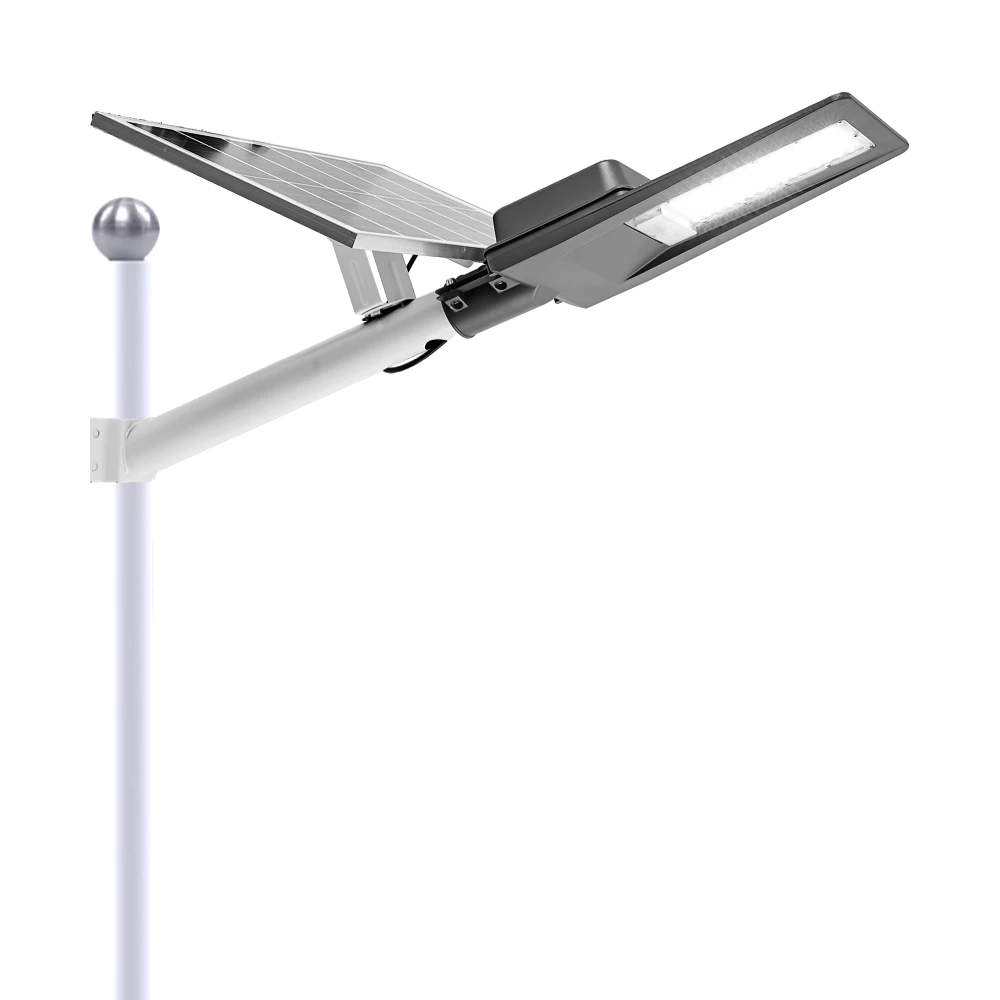
Experience reliable outdoor illumination with our smart solar street light, a perfect combination of advanced technology and eco-conscious design.
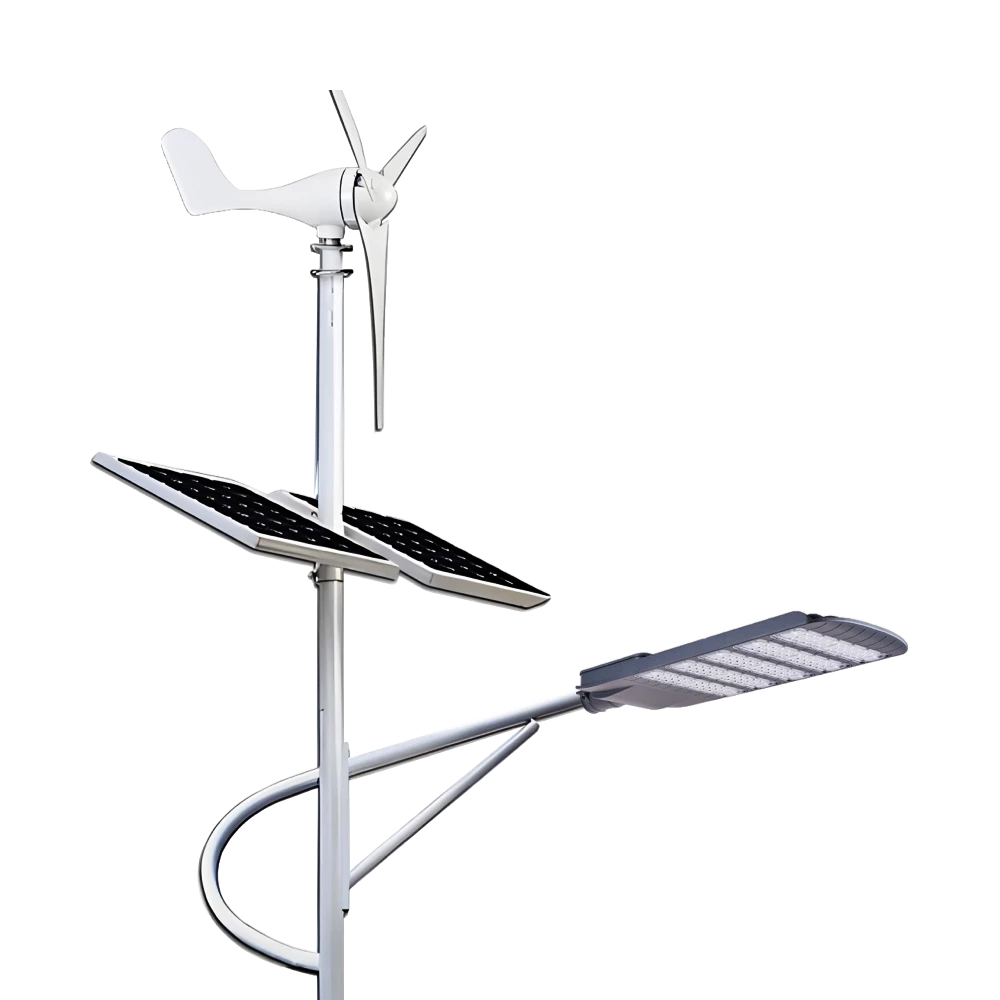
Queneng Lufeng Wind Energy LED Outdoor Solar Street Lights offer high-performance, eco-friendly illumination. These energy-efficient LED street lights harness solar power and wind energy for sustainable, cost-effective outdoor lighting solutions.
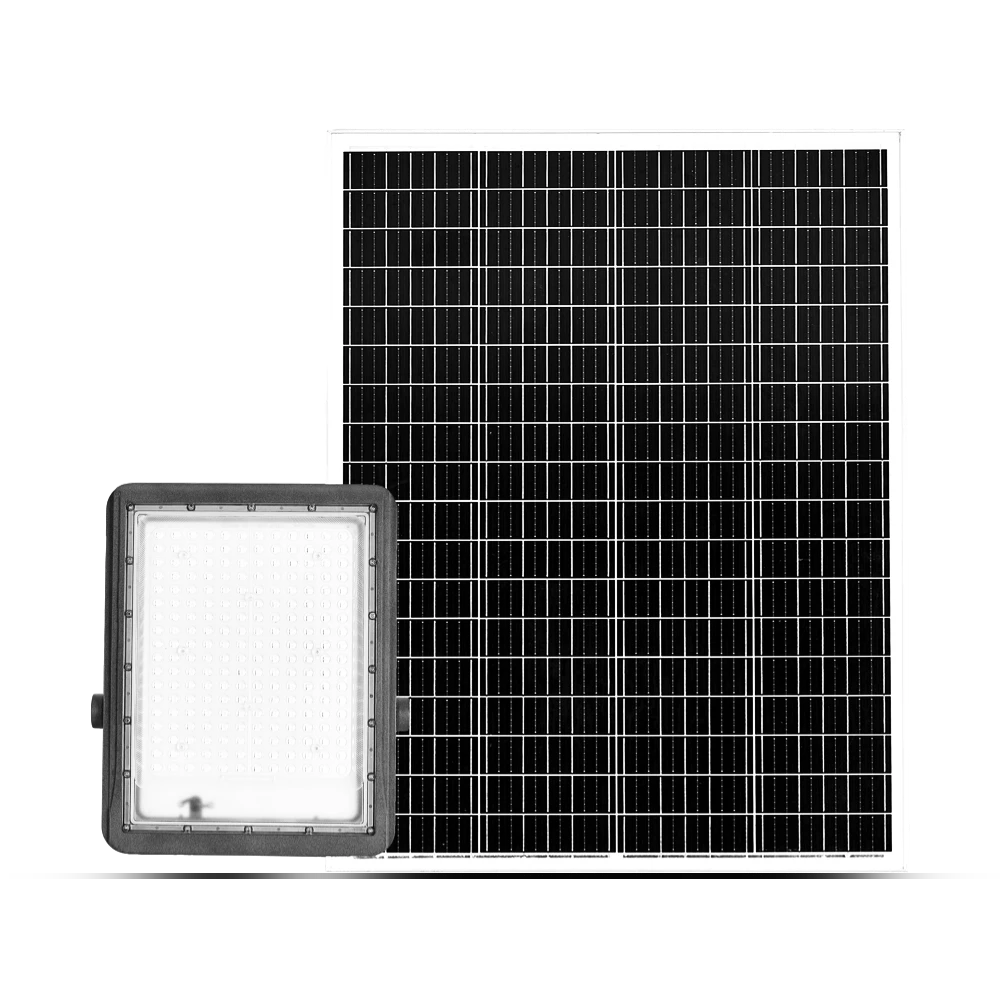
Queneng's Luxian Reliable Solar Street Light offers energy-saving LED lighting for outdoor use. This durable, solar-powered street light provides reliable illumination, reducing energy costs and environmental impact. A perfect solution for sustainable outdoor lighting.
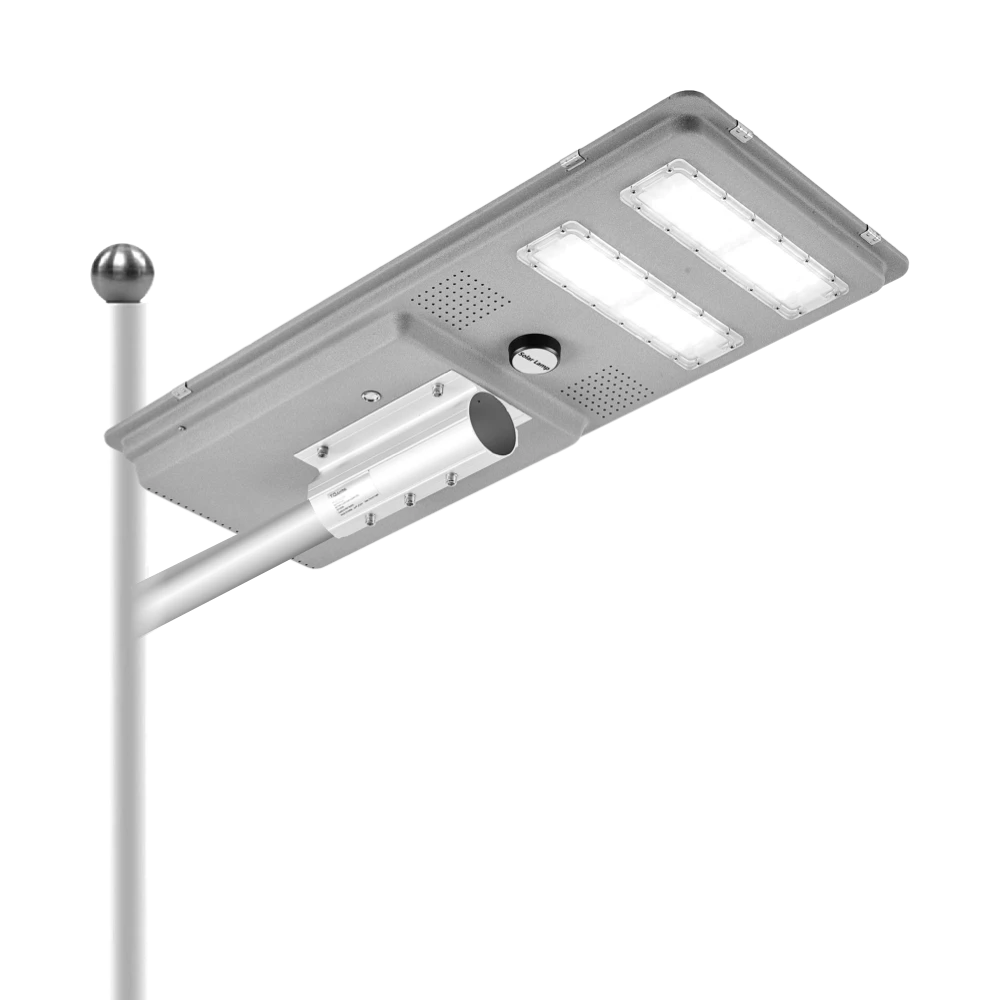
Queneng’s Solar Street Lights are designed to provide reliable, energy-efficient lighting for streets, parks, and other outdoor spaces.
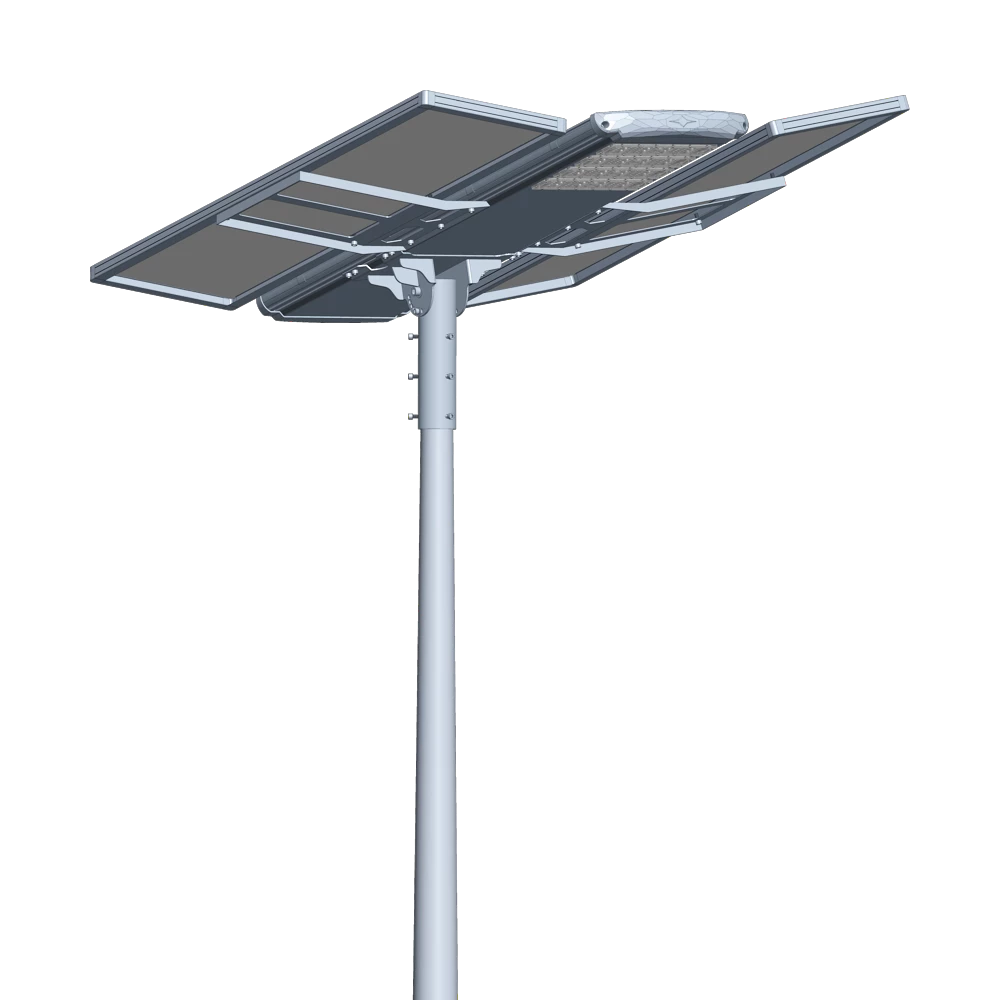
Introducing the Luqing Solar Street Light by Queneng, Efficient LED lighting powered by solar energy is perfect for illuminating outdoor areas. Harness the power of solar energy for sustainable, reliable street lighting. Ideal for eco-friendly, cost-effective outdoor illumination solutions.
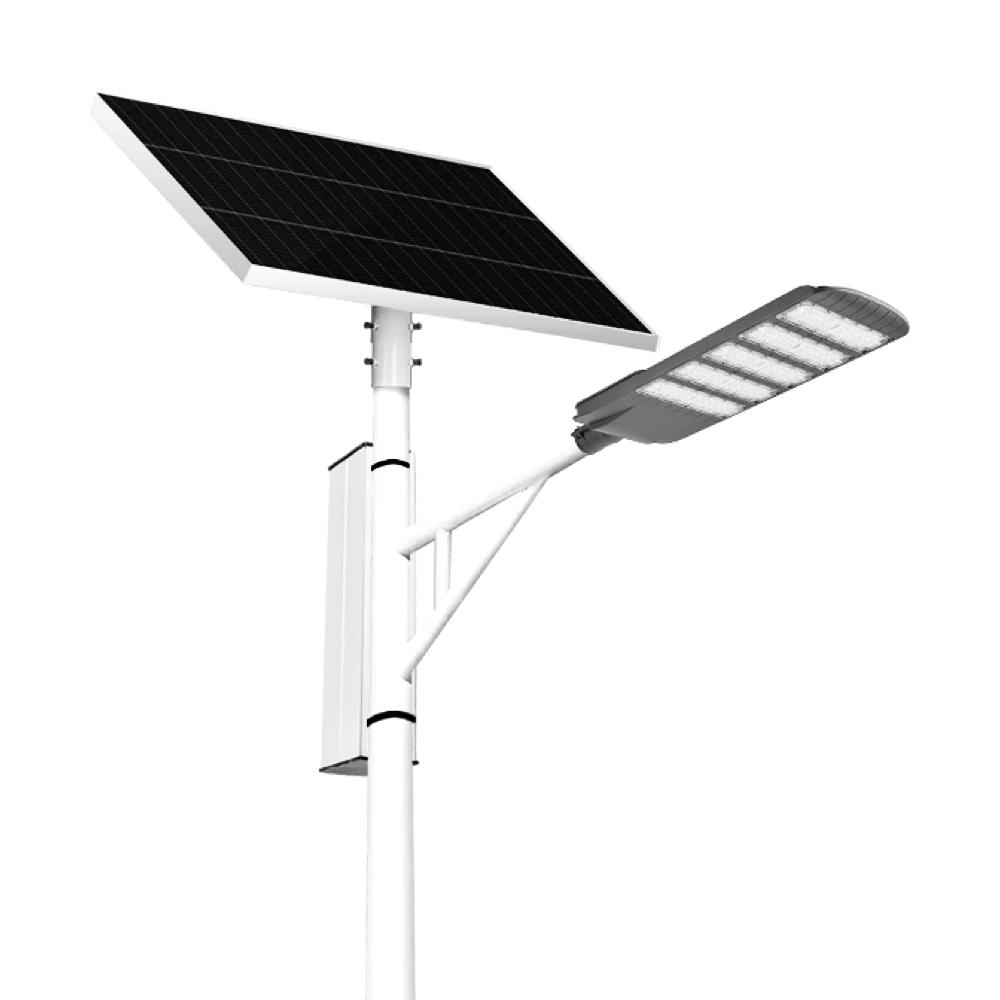
The Solar Streetlights of Luhao for Municipalities are designed to deliver reliable, energy-efficient, and cost-effective public lighting solutions. Equipped with advanced LED technology, durable lithium batteries, and high-efficiency solar panels, these streetlights provide consistent illumination for roads, parks, residential areas, and government projects.
If you would like more information about Queneng solar lighting solutions, please send us a message by filling out the form below. Our professional team will get back to you within 24 hours!
Rest assured that your privacy is important to us, and all information provided will be handled with the utmost confidentiality.
Schedule a Meeting
Book a date and time that is convenient for you and conduct the session in advance.
Have more questions about our products or services?
The messenger of light & power conversion
Environmental protection and intelligent manufacturing are our brand philosophy, and quality assurance and the best user experience are our eternal promises to users.
CONTACT
No.9F, Building F, Cao San Xin Tian Hong Logistics Park, Guzhen Town, Zhongshan City, Guangdong Province, China.
or write [email protected]
WhatsApp: +86 136 2270 1011


