

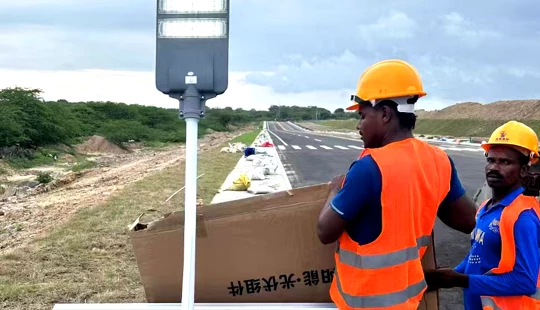
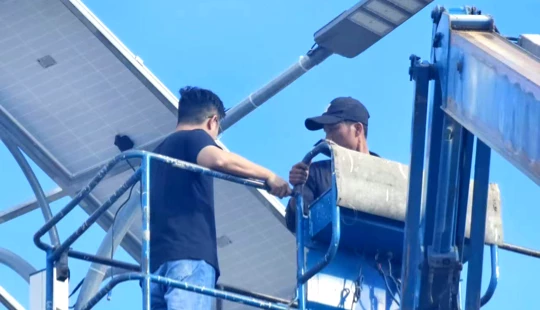













What are the power requirements for high-mast solar-powered street lamps?
<!DOCTYPE >< lang=en>
The global shift towards sustainable infrastructure has put solar street lighting in the spotlight. For businesses, municipalities, and project developers, understanding the intricacies of purchasing these systems is crucial for ensuring long-term performance and cost-effectiveness. This guide addresses your most pressing questions, from cost implications to technical specifications and manufacturer selection.
Your Essential Guide to Buying Solar Street Lights
What is the Typical Cost of a Solar Street Light and What Factors Influence It?
The cost of a solar street light varies significantly, typically ranging from $150 to over $5,000 USD per unit, excluding installation. Standard integrated units for paths or residential areas might fall into the $150-$700 range, while more powerful, split-system lights for commercial streets or high-mast applications can cost $1,000 to $5,000+.
Key factors influencing the cost include:
- LED Wattage/Lumen Output: Higher brightness (more lumens/watts) requires more powerful components, increasing cost.
- Battery Type and Capacity: Lithium Iron Phosphate (LiFePO4) batteries, while more expensive initially, offer superior lifespan and performance compared to Gel/Lead-Acid. Larger capacity batteries for extended autonomy days also add to the price.
- Solar Panel Size and Efficiency: Larger, higher-wattage monocrystalline panels, known for their efficiency, are more expensive than smaller, less efficient polycrystalline options.
- Pole Height and Material: Taller, more robust poles (e.g., galvanized steel, aluminum) designed to withstand high winds cost more.
- Charge Controller Technology: Maximum Power Point Tracking (MPPT) controllers are more efficient and costly than Pulse Width Modulation (PWM) controllers.
- Smart Features: Motion sensors, dimming capabilities, remote monitoring, and IoT integration increase complexity and cost.
- Brand and Warranty: Reputable manufacturers offering extensive warranties often have higher upfront costs but provide better long-term value.
How to Select a Reliable Solar Street Light Manufacturer?
Choosing the right manufacturer is paramount to the success and longevity of your solar lighting project. Look for manufacturers with:
- Proven Experience and Reputation: A track record of successful projects and positive client testimonials indicates reliability. Inquire about their years in the industry and specific project references.
- Strong R&D and Production Capabilities: A manufacturer with in-house R&D can offer innovative, optimized solutions. Visit or inquire about their manufacturing facilities to assess quality control processes.
- Quality Certifications: Ensure they meet international quality standards like ISO 9001 (Quality Management), CE (European Conformity), RoHS (Restriction of Hazardous Substances), and specific IP ratings for weather resistance (e.g., IP65, IP66). UL or TUV certifications are also highly regarded.
- Comprehensive Warranty and After-Sales Support: A robust warranty (e.g., 3-5 years for the system, 10-25 years for solar panels) and accessible technical support are crucial for long-term peace of mind.
- Customization Capabilities: The ability to tailor solutions (e.g., specific lumen output, battery autonomy, pole design) to your project's unique requirements is a significant advantage.
- Ethical Sourcing and Sustainability: A commitment to environmentally responsible manufacturing practices reflects a reputable company.
What are the Key Technical Specifications to Consider When Purchasing Solar Street Lights?
Understanding these specifications will help you match the right product to your needs:
- LED Lumens & Efficacy: Lumens indicate brightness. Efficacy (lumens per watt, lm/W) measures efficiency; aim for 150-180 lm/W or higher.
- Solar Panel Wattage (Wp) & Type: The panel's wattage determines charging power. Monocrystalline panels (typically 19-22% efficiency) are generally preferred for solar street lights due to better performance in low light and smaller footprint.
- Battery Capacity (Ah/Wh) & Type: Lithium Iron Phosphate (LiFePO4) batteries are the industry standard due to their long cycle life (2,000-4,000 cycles at 80% Depth of Discharge, DoD), safety, and stable performance over a wide temperature range. Capacity should provide 3-5 days of autonomy in cloudy conditions.
- Charge Controller: An MPPT (Maximum Power Point Tracking) controller is essential for maximizing solar panel efficiency (95-99%) by optimizing power transfer to the battery.
- IP Rating: Ingress Protection (IP) rating indicates resistance to dust and water. IP65 (dust tight, protected against water jets) is a minimum for outdoor use, while IP66 (protected against powerful water jets) offers superior protection for harsher environments.
- Mounting Height & Light Distribution: Ensure the light's beam angle and output are suitable for the intended pole height and desired illumination area (e.g., Type II, Type III, Type IV for roadways).
- Operating Temperature Range: Verify the system can perform reliably in your local climate extremes.
What are the Specific Power Requirements for High-Mast Solar-Powered Street Lamps?
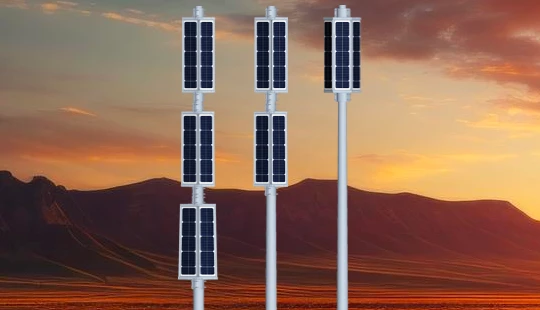
High-mast solar-powered street lamps (typically 15-30 meters tall) demand significantly higher power than standard street lights due to their height and the large areas they need to illuminate (e.g., highways, large parking lots, ports). There isn't a single 'standard' requirement, as it's highly project-specific, but generally:
- LED Wattage: High-mast lights often use 100W to 500W+ LED luminaires per pole, sometimes with multiple fixtures.
- Solar Panel Capacity: To power such high-wattage LEDs and maintain battery charge, large solar panel arrays are required, often ranging from 300W to 1500W or more per pole, depending on the number of luminaires and LED wattage. These are typically multi-panel configurations.
- Battery Capacity: Correspondingly, high-capacity LiFePO4 battery banks, often exceeding 1000Wh to 5000Wh, are necessary to provide adequate autonomy (3-5 days) and lifespan for the high power draw.
- Professional Design is Crucial: Due to the complexity, a detailed photometric design using software like DIALux is essential to determine the precise LED output, solar panel size, and battery capacity based on specific lux level requirements, pole spacing, local solar insolation data, and operational hours.
- Structural Considerations: The larger solar panels and battery enclosures also necessitate robust pole designs to withstand wind loading.
What Lifespan and Warranty Should I Expect for Solar Street Light Components?
A good quality solar street light system is a long-term investment. Here's what to expect:
- LED Luminaires: Modern LEDs boast a lifespan of 50,000 to 100,000 hours (L70), meaning they will typically operate for 10-20 years before their light output degrades to 70% of the initial level.
- LiFePO4 Batteries: These are designed for longevity, offering 2,000 to 4,000+ charge/discharge cycles at 80% Depth of Discharge (DoD), translating to an expected operational life of 8-10+ years, sometimes longer.
- Solar Panels: High-quality monocrystalline solar panels come with a performance warranty, typically guaranteeing 80% of their initial power output after 25 years. Their physical lifespan often exceeds 30 years.
- Charge Controllers & Other Electronics: These components usually have an expected lifespan of 5-10 years.
- Overall System Warranty: Most reputable manufacturers offer a comprehensive warranty for the entire system, commonly ranging from 3 to 5 years, covering major defects.
Integrated vs. Split Solar Street Lights: Which Design is Best for My Project?
Solar street lights come in two primary designs:
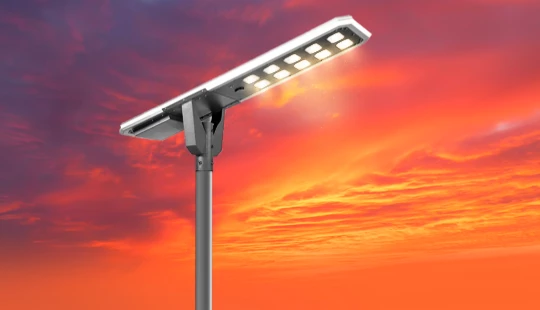
- Integrated (All-in-One): In this design, the solar panel, battery, LED lamp, and controller are housed in a single compact unit.
- Pros: Easier and faster installation, lower initial installation cost, aesthetically pleasing, suitable for smaller-scale projects (e.g., gardens, pathways, residential streets) with lower power requirements (typically 15W-100W LED).
- Cons: Limited scalability for higher power, thermal management of components can be challenging, battery replacement might require replacing the whole unit or skilled labor at height.
- Split (All-in-Two/Separate): Components (solar panel, LED lamp, battery/controller box) are separate. The solar panel is mounted on top, and the battery/controller box is usually placed further down the pole or at the base.
- Pros: Greater flexibility in component sizing (larger panels, batteries possible), superior thermal management for LED and battery, easier maintenance/replacement of individual components, ideal for higher power applications (100W+ LED), high-mast lighting, and areas with specific solar exposure needs.
- Cons: More complex and time-consuming installation, higher installation cost, less compact design.
Choose integrated for simplicity and aesthetics in low-to-medium power needs. Opt for split systems when high power, maximum efficiency, longevity, and ease of component maintenance are priorities, especially for large-scale or high-mast projects.
What Certifications and Standards Should Quality Solar Street Lights Meet?
To ensure you're investing in a safe, reliable, and high-performing product, verify that the solar street lights and their manufacturer adhere to relevant certifications and standards:
- ISO 9001: Certifies the manufacturer's quality management system, ensuring consistent product quality.
- CE (Conformité Européenne): Mandatory for products sold within the European Economic Area, indicating compliance with health, safety, and environmental protection standards.
- RoHS (Restriction of Hazardous Substances): Compliant products do not contain specified hazardous materials, promoting environmental safety.
- IP Rating (e.g., IP65, IP66): Essential for outdoor lighting, indicating protection against dust and water ingress. Higher numbers mean better protection.
- UL (Underwriters Laboratories): A North American safety certification, particularly important for electrical components, ensuring they meet rigorous safety standards.
- TÜV Rheinland/SÜD: A globally recognized certification body that tests and certifies products for safety, quality, and sustainability.
- IEC (International Electrotechnical Commission) Standards: Relevant for solar panels (e.g., IEC 61215 for crystalline silicon terrestrial PV modules) and batteries (e.g., IEC 62133 for Li-ion batteries), ensuring performance and safety.
- IES (Illuminating Engineering Society) Standards: Although not a certification, IES provides guidelines for lighting levels and quality, which a reputable manufacturer should follow in their product design.
Why Choose Quenenglighting for Your Solar Street Light Needs?
At Quenenglighting, we pride ourselves on delivering cutting-edge, reliable, and sustainable solar lighting solutions. Our commitment to quality is reflected in our advanced manufacturing processes, rigorous quality control, and adherence to international certifications. We utilize high-efficiency LiFePO4 batteries for extended lifespan, advanced MPPT charge controllers for optimal energy harvesting, and high-lumen, long-lasting LED chips for superior illumination. Whether you require integrated solutions for residential areas or powerful split systems for high-mast commercial applications, Quenenglighting offers comprehensive customization options, robust IP65/IP66 rated designs, and dedicated after-sales support. Partner with us for intelligent, durable, and environmentally friendly lighting that stands the test of time.
References:
- Solar Street Lighting: Key Considerations & Trends, Renewable Energy Magazine, ,
- LiFePO4 Battery Characteristics and Lifespan, Battery University, ,
- Understanding IP Codes: What Do They Mean? Electronic Products Magazine, ,
- High Mast Lighting Design Principles for Large Areas, Lighting Design Guide, ,
- The Guide to Solar Street Light, Greenshine New Energy, ,
</>

Have more questions about our products or services?
The latest hot news you might like

Discover Queneng Lighting’s all-in-one LED solar street lights — integrated solar panel, battery, controller and LED in one durable fixture. Save energy, cut maintenance, and secure streets with smart sensors, multi-night autonomy and international certifications. Contact sales for quotes and support.

Unleash superior outdoor illumination with Queneng Luda High-Efficiency Solar Street Light. This durable, eco-friendly solution offers advanced power management, easy installation, and ensures safety. Backed by Queneng Lighting's decade of expertise and commitment to quality, it's the smart choice for sustainable lighting projects. Learn why we're a leading solar solutions provider.

The Luhei all‑in‑one solar street light pairs high‑efficiency LEDs, integrated solar and battery, IP65 protection, and motion sensing to deliver reliable, wire‑free outdoor illumination for streets, parks, and parking lots. Backed by Queneng Lighting’s certifications and support.

FAQ
Battery and Analysis
Can batteries of different capacities be combined?
Industry
Does installing Queneng’s solar street lights require a professional team?
While our systems are designed for easy installation, we recommend having our professional team conduct the installation to ensure optimal operation and correct system setup.
Solar Street Light Luxian
Are Luxian solar street lights suitable for urban and rural applications?
Yes, Luxian solar street lights are versatile and suitable for both urban and rural applications. Whether you need to light busy city streets or quiet rural pathways, Luxian lights offer a reliable, energy-efficient solution. Their easy installation and low maintenance make them ideal for a wide range of outdoor spaces, including parks, parking lots, streets, and private properties.
Solar Street Light Luhui
Can Luhui solar street lights be controlled remotely?
Certain models of Luhui solar street lights come with smart control features, allowing users to remotely monitor and adjust settings such as brightness levels and operational times via mobile apps or centralized systems.
Battery fundamentals and basic terms
What is the purpose of battery packaging, assembly and design?
2.Battery voltage limitation, to get a higher voltage need to connect multiple batteries in series
3. Protect the battery, prevent short-circuit to extend the life of the battery
4. Size limitation
5. Easy transportation
6. Design of special functions, such as waterproof, special appearance design.
Solar Street Light Chuanqi
How do the solar panels in Chuanqi street lights store energy?
The solar panels in Chuanqi solar street lights collect sunlight during the day and convert it into electrical energy, which is stored in high-capacity lithium-ion batteries. The stored energy is then used to power the LED lights at night, ensuring continuous illumination even when the sun is not shining. This energy storage system ensures the lights work autonomously without relying on an external power source.
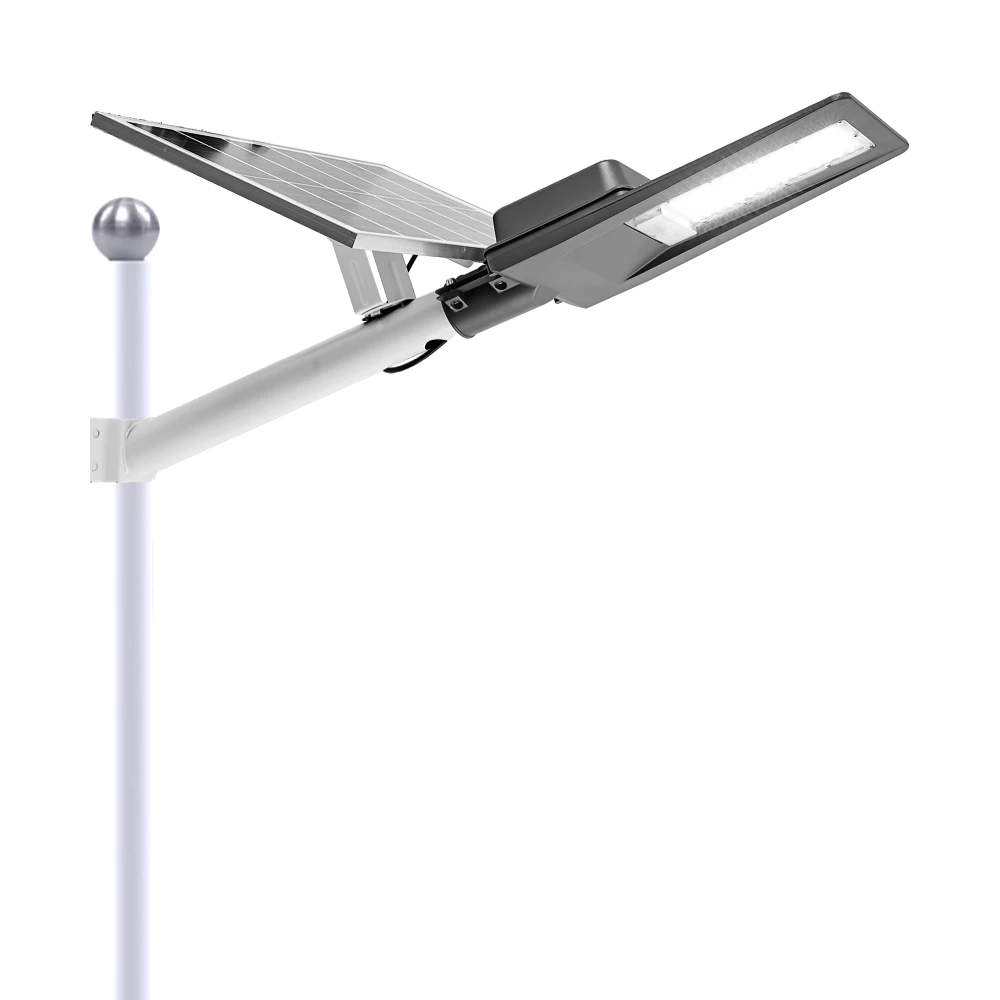
Experience reliable outdoor illumination with our smart solar street light, a perfect combination of advanced technology and eco-conscious design.
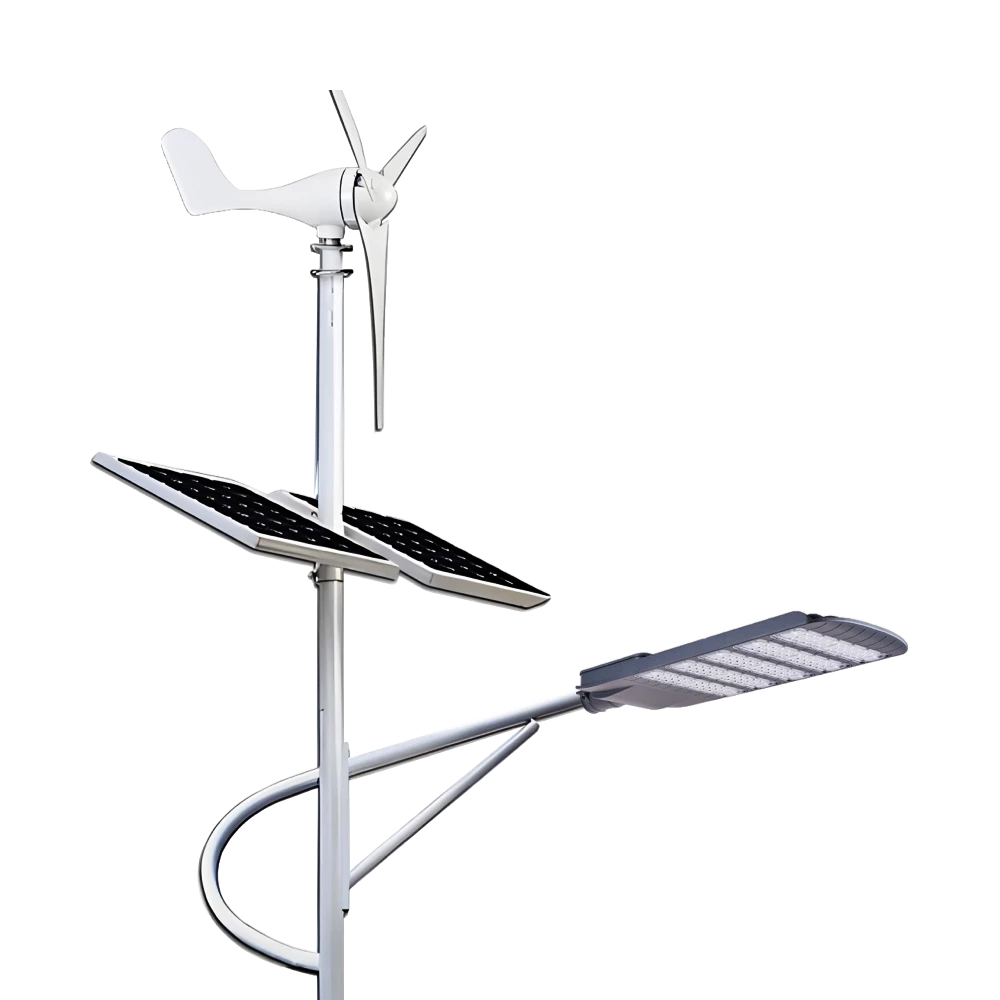
Queneng Lufeng Wind Energy LED Outdoor Solar Street Lights offer high-performance, eco-friendly illumination. These energy-efficient LED street lights harness solar power and wind energy for sustainable, cost-effective outdoor lighting solutions.
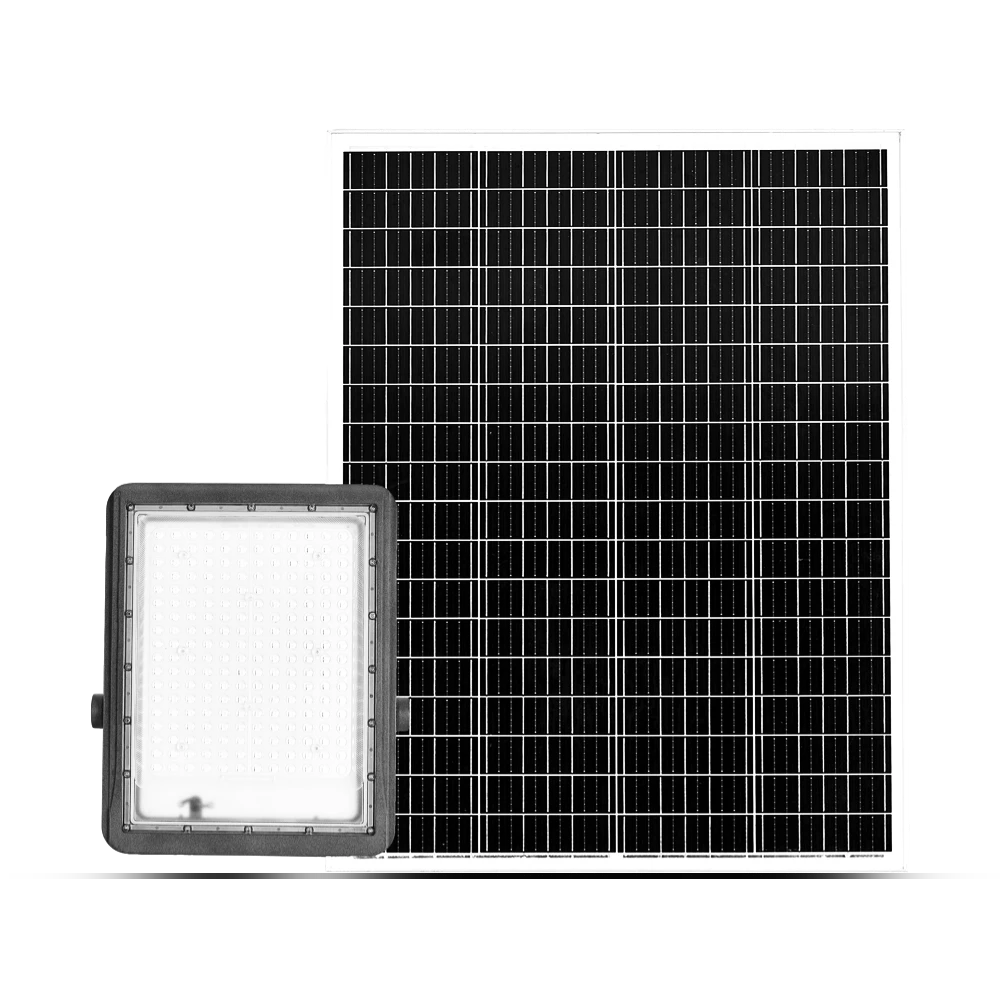
Queneng's Luxian Reliable Solar Street Light offers energy-saving LED lighting for outdoor use. This durable, solar-powered street light provides reliable illumination, reducing energy costs and environmental impact. A perfect solution for sustainable outdoor lighting.
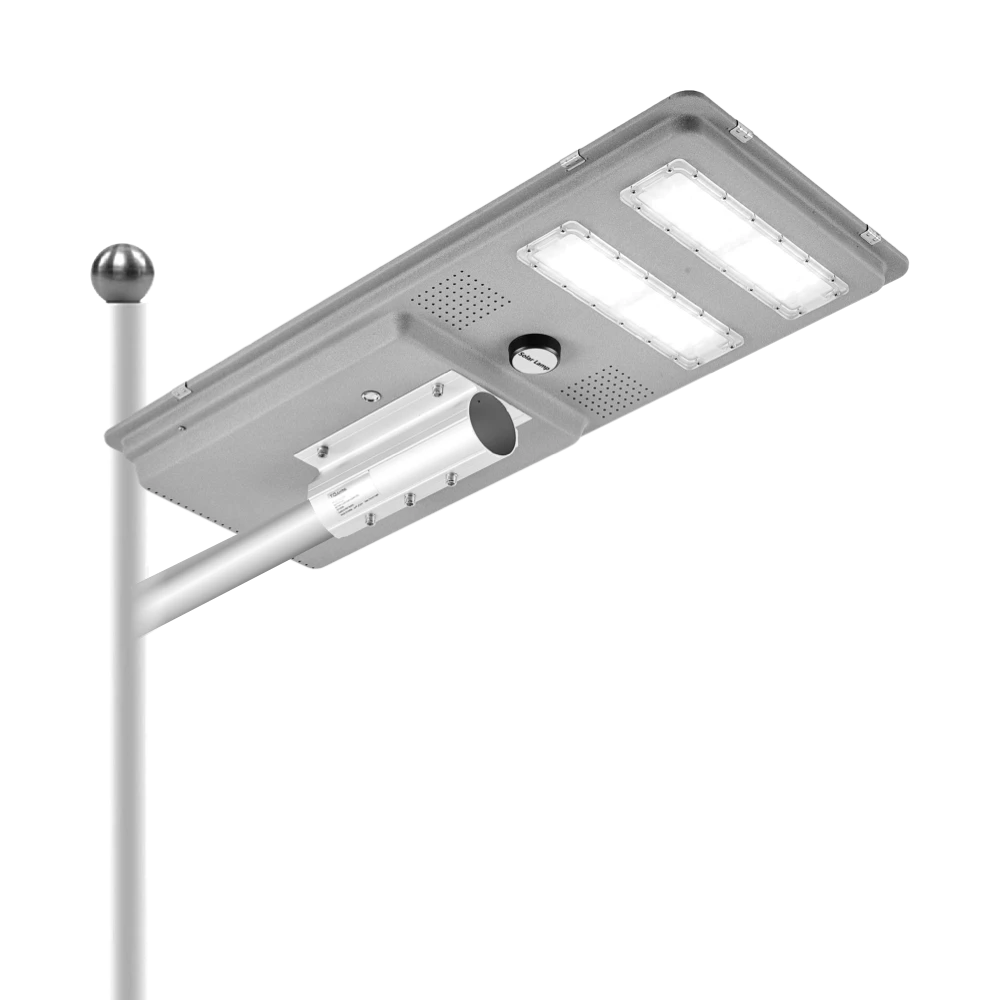
Queneng’s Solar Street Lights are designed to provide reliable, energy-efficient lighting for streets, parks, and other outdoor spaces.
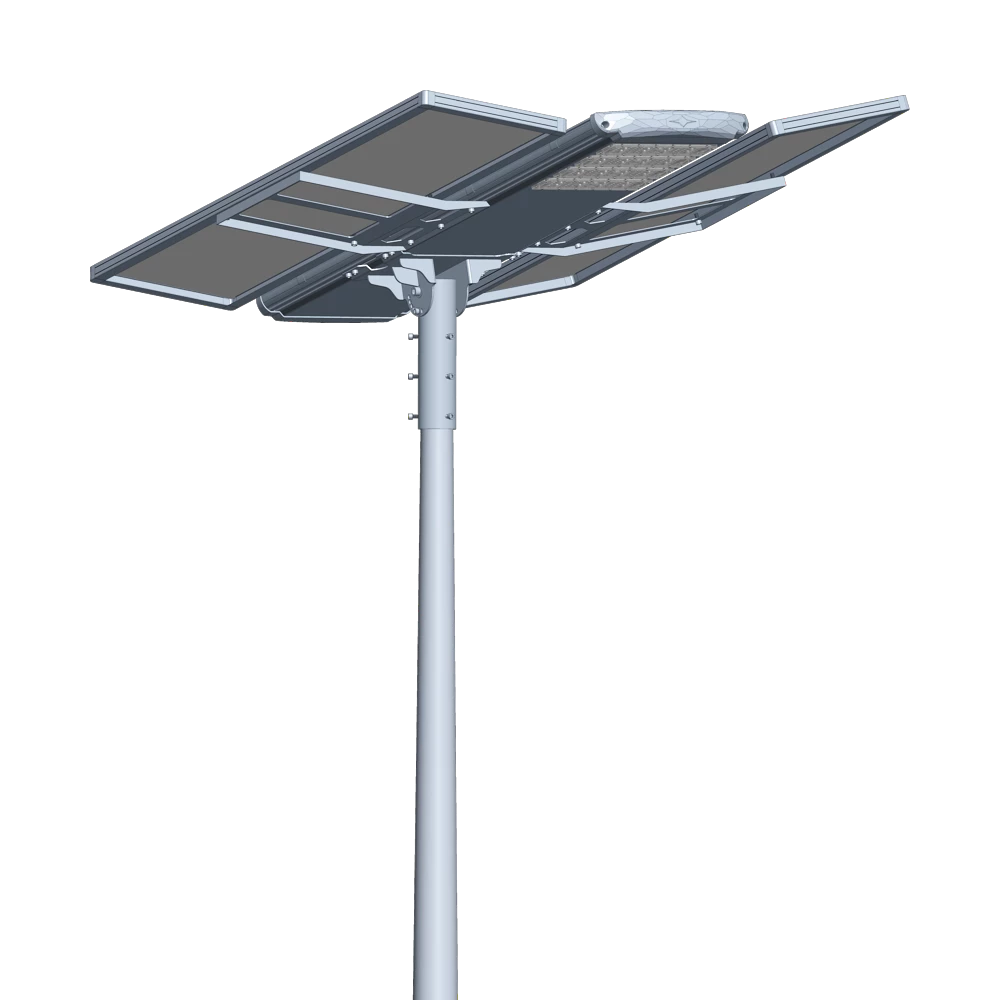
Introducing the Luqing Solar Street Light by Queneng, Efficient LED lighting powered by solar energy is perfect for illuminating outdoor areas. Harness the power of solar energy for sustainable, reliable street lighting. Ideal for eco-friendly, cost-effective outdoor illumination solutions.
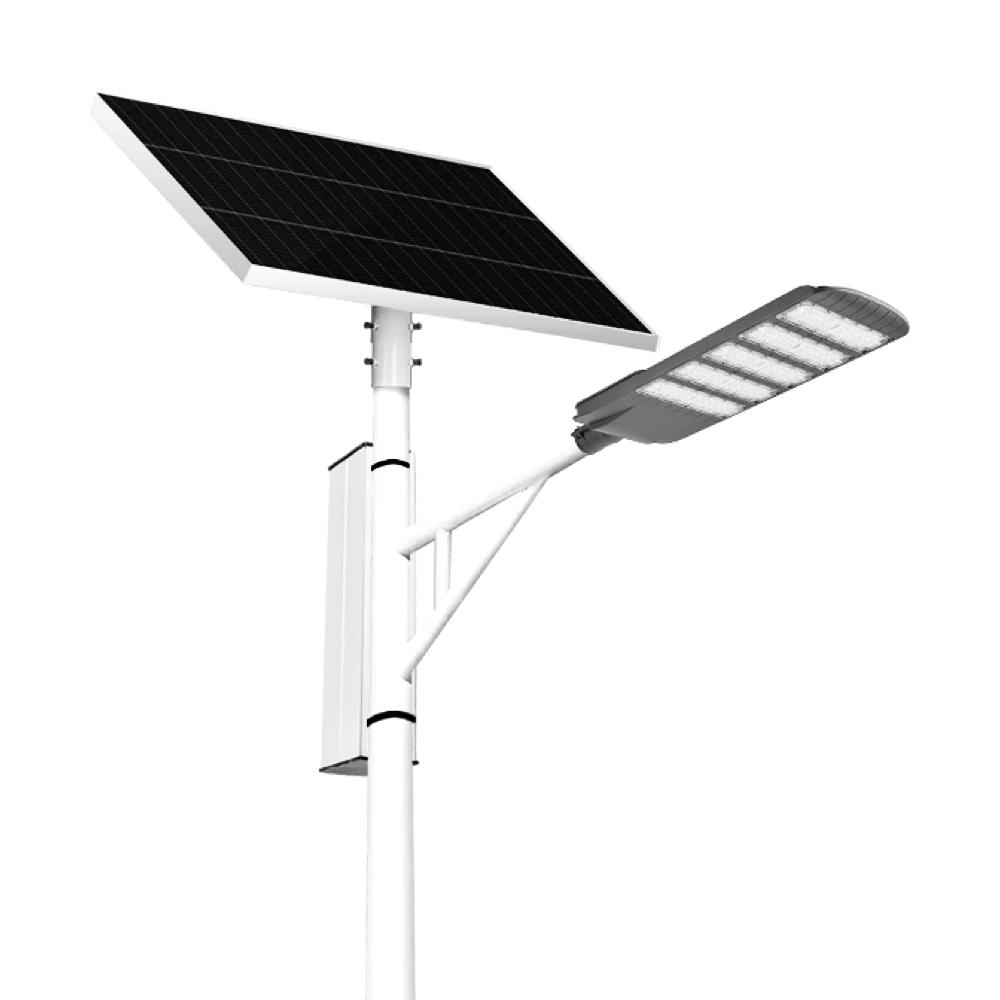
The Solar Streetlights of Luhao for Municipalities are designed to deliver reliable, energy-efficient, and cost-effective public lighting solutions. Equipped with advanced LED technology, durable lithium batteries, and high-efficiency solar panels, these streetlights provide consistent illumination for roads, parks, residential areas, and government projects.
If you would like more information about Queneng solar lighting solutions, please send us a message by filling out the form below. Our professional team will get back to you within 24 hours!
Rest assured that your privacy is important to us, and all information provided will be handled with the utmost confidentiality.
Schedule a Meeting
Book a date and time that is convenient for you and conduct the session in advance.
Have more questions about our products or services?
The messenger of light & power conversion
Environmental protection and intelligent manufacturing are our brand philosophy, and quality assurance and the best user experience are our eternal promises to users.
CONTACT
No.9F, Building F, Cao San Xin Tian Hong Logistics Park, Guzhen Town, Zhongshan City, Guangdong Province, China.
or write [email protected]
WhatsApp: +86 136 2270 1011


