

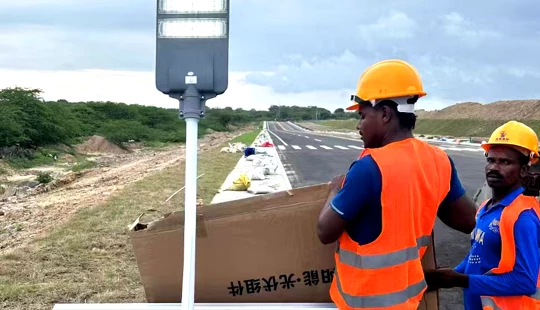
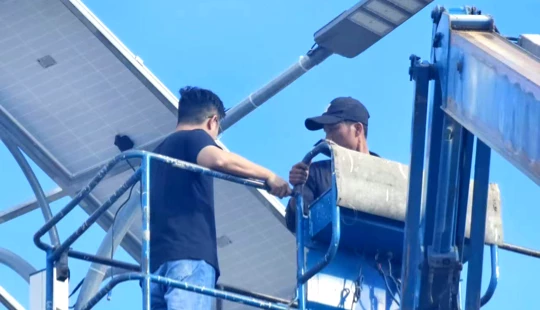













How do energy audits help refine municipal solar lighting proposals?
Navigating the Solar Street Light Market: Costs, Quality, and Smart Investments
As municipalities and private entities increasingly embrace sustainable infrastructure, solar street lighting emerges as a beacon of efficiency and environmental responsibility. Understanding the intricacies of costs, manufacturer selection, and project optimization is paramount for successful procurement. This article addresses key questions buyers frequently ask, providing professional insights and real-world data to guide your investment.
What factors determine the cost of solar street lights, and what's a typical price range?
The initial cost of a standalone solar street light unit typically ranges from $500 to over $3,000 USD, excluding installation. This broad spectrum is influenced by several critical factors:
- LED Wattage & Lumen Output: Higher brightness and wider illumination coverage (e.g., 60W vs. 30W LED) require more robust power systems, increasing cost. A typical 60W LED street light can deliver over 9,000 lumens.
- Battery Capacity & Type: The battery is often the most expensive component. Lithium Iron Phosphate (LiFePO4) batteries are preferred for their longevity (5-10+ years, 2000-5000+ cycles) and safety, commanding a higher price than less durable lead-acid alternatives. Capacity (measured in Wh or Ah) determines the number of backup days the light can operate without sun (e.g., 3-5 cloudy days).
- Solar Panel Power (Wattage) & Efficiency: Larger, more efficient monocrystalline silicon panels (typically 18-22% efficiency) are necessary for adequate charging, especially in regions with lower solar irradiance, adding to the cost.
- Pole Height & Material: Taller poles (e.g., 8m vs. 6m) and robust materials (hot-dip galvanized steel or aluminum alloy) designed to withstand specific wind loads (e.g., up to 120-160 km/h) impact the overall price.
- Controller Technology: MPPT (Maximum Power Point Tracking) controllers are superior to PWM (Pulse Width Modulation), offering 15-30% higher charging efficiency, optimizing energy use, and extending battery life, which contributes to a higher unit cost but better long-term performance.
- Smart Features: Integration of motion sensors (PIR), intelligent dimming, remote monitoring, and IoT capabilities add to the system's complexity and price.
- Brand and Warranty: Reputable manufacturers offering extended warranties and internationally certified products (CE, RoHS, IP ratings) typically have higher price points, reflecting superior quality and reliability.
What are the key long-term financial benefits and ROI of investing in solar street lighting?
Beyond the initial investment, solar street lights deliver compelling long-term financial advantages, often leading to a strong Return on Investment (ROI) with a typical payback period of 3 to 7 years.
- Zero Electricity Bills: The most significant saving is the complete elimination of grid electricity consumption for lighting, resulting in 100% reduction in energy costs for the lifespan of the system.
- Reduced Installation Costs: Being entirely off-grid, solar street lights require no trenching, cabling, or connection to the electrical grid. This can lead to significantly lower civil works and labor costs, potentially saving 30-50% compared to traditional wired lighting installations.
- Lower Maintenance Requirements: Modern solar street lights, particularly those utilizing LiFePO4 batteries and high-quality LED components, demand minimal maintenance. Battery replacement is typically needed only every 5-10 years, and high-efficiency LEDs boast lifespans exceeding 50,000-100,000 hours (over 10-20 years of typical night operation). Remote monitoring capabilities further reduce the need for physical inspections and associated labor costs.
- Environmental Incentives & Grants: Many governments and environmental organizations offer tax credits, grants, or subsidies for sustainable infrastructure projects, which can significantly enhance the financial viability and accelerate the ROI.
- Increased Safety & Security: Reliable, consistent lighting improves public safety, potentially reducing crime rates and traffic accidents, which carries indirect but substantial economic and social benefits for communities.
How do I choose a reliable Solar Street Light Manufacturer for large-scale projects?
Selecting the right manufacturer is a critical decision that impacts project success, product performance, and long-term satisfaction. Consider these key criteria:
- Certifications & Standards: Verify international certifications such as CE, RoHS, FCC, and specific IP ratings (e.g., IP65/IP66 for outdoor dust and water resistance). These ensure product safety, quality compliance, and environmental responsibility.
- R&D Capabilities & Innovation: A manufacturer with robust R&D invests in advanced technologies—such as highly efficient MPPT controllers, optimized energy management algorithms, and smart IoT integration—and is better equipped to offer innovative and customized solutions.
- Component Sourcing & Quality: Inquire about their supply chain. Reputable manufacturers use high-quality, branded components (e.g., Philips/Cree LEDs, monocrystalline solar panels from established suppliers, LiFePO4 batteries from trusted manufacturers) with transparent specifications. Avoid manufacturers using generic, unbranded components.
- Production Capacity & Quality Control: Assess their manufacturing facilities, production volume capabilities for large orders, and the rigor of their quality control processes (e.g., ISO 9001 certification) to ensure consistent product quality and timely delivery.
- Project References & Experience: Request case studies or references from similar large-scale projects (e.g., municipal, industrial, commercial developments) to verify their experience and the proven performance of their products in real-world applications.
- Customization & Design Flexibility: For municipal or specialized projects, the ability to customize pole height, lumen output, battery backup duration, light distribution patterns, and smart features is essential to meet specific site requirements and local regulations.
- Technical Support & After-Sales Service: A strong technical support team for pre-sales consultation, installation guidance, remote troubleshooting, and prompt access to spare parts is vital for seamless project execution and ongoing operational support.
What critical technical specifications define a high-quality, durable solar street light system?
A truly durable and high-performing solar street light system is characterized by the quality and specifications of its core components:
- Solar Panel:
- Type: Monocrystalline silicon panels are preferred due to their higher efficiency (typically 18-22%) and better performance in low-light conditions, allowing for a smaller panel size for the same power output.
- Power (Wp): The wattage must be adequate to fully charge the battery, even during overcast days. It's often sized at 1.2 to 1.5 times the total daily load requirement.
- Lifetime: Look for a performance warranty of typically 20-25 years (e.g., guaranteeing 80% power output after 25 years).
- Battery:
- Type: Lithium Iron Phosphate (LiFePO4) is the industry standard for safety, long cycle life (2000-5000+ full charge/discharge cycles), stable performance across varying temperatures, and environmental friendliness.
- Capacity (Wh/Ah): Sufficient capacity is crucial to power the light for 3-5 consecutive cloudy nights, considering the depth of discharge to prolong battery life.
- Lifetime: Typically 5-10 years or more.
- LED Luminaire:
- Luminous Efficacy (lm/W): High efficiency (>150 lm/W) indicates more light output per watt consumed, maximizing energy savings.
- LED Chip Brand: Reputable brands like Philips, Cree, Osram ensure quality, consistent light output, and a long lifespan (50,000-100,000+ hours).
- IP Rating: An IP rating of at least IP65 or IP66 is essential for robust protection against dust and water ingress in harsh outdoor environments.
- Color Temperature (CCT): Typically ranges from 3000K (warm white) to 6000K (cool white). Warmer temperatures (3000K-4000K) are often preferred for residential areas for comfort, while cooler temperatures (5000K-6000K) are common for roadways and public spaces for better visibility.
- Charge Controller:
- Type: MPPT (Maximum Power Point Tracking) controllers are superior to PWM, achieving 15-30% higher charging efficiency by dynamically optimizing the solar panel's voltage and current output to match the battery's needs.
- Features: Essential features include overcharge/discharge protection, temperature compensation, intelligent dimming schedules, and remote monitoring capabilities for system health.
- Pole Structure:
- Material: Hot-dip galvanized steel or aluminum alloy for superior corrosion resistance and durability.
- Wind Resistance: The pole must be engineered to withstand the maximum expected local wind loads, typically rated for winds up to 120-160 km/h or more.
How do energy audits help refine municipal solar lighting proposals and optimize project efficiency?
Energy audits are a cornerstone for the successful planning and implementation of municipal solar lighting projects, providing critical data to refine proposals and ensure maximum efficiency and cost-effectiveness:
- Accurate Needs Assessment: An audit comprehensively evaluates the existing lighting infrastructure, documenting current energy consumption, light levels, pole locations, maintenance costs, and operational challenges. This baseline data is crucial for determining the precise wattage, light distribution, and desired illumination levels for solar replacements.
- Optimized Sizing & Design: By combining the audit's findings with local solar irradiance data, engineers can precisely size solar panels, batteries, and LED luminaires. This prevents costly over-sizing while ensuring the system is robust enough to meet demand, even during periods of low sunlight. It ensures the system is tailored for optimal performance.
- Cost-Benefit Analysis & ROI Justification: The audit quantifies potential energy savings, reduced operational costs, and avoided carbon emissions. This enables a robust financial model, a clear Return on Investment (ROI) calculation, and justification for the investment, which is crucial for securing municipal budgets, government grants, and external funding.
- Identification of Prime Locations: Audits can identify areas within the municipality with optimal solar exposure, minimal shading from buildings or trees, and suitable ground conditions for installation, which is vital for maximizing solar panel performance and efficiency.
- Compliance & Standards: They help ensure that new solar lighting proposals comply with local lighting standards, safety regulations, environmental objectives, and smart city initiatives.
- Risk Mitigation: By identifying potential challenges (e.g., heavy shading, high wind areas, existing underground utilities) beforehand, audits allow for proactive design adjustments and mitigation strategies, minimizing project risks and preventing future operational issues or cost overruns.
- Strategic Phasing: For large-scale municipal rollouts, an energy audit can help prioritize areas for solar conversion based on existing infrastructure's inefficiency, high maintenance costs, or criticality, enabling a strategic and phased implementation approach.
What are the essential after-sales services and warranty considerations when purchasing solar street lights?
Robust after-sales support and a comprehensive warranty are critical indicators of a manufacturer's confidence in their product and commitment to long-term customer satisfaction. These factors significantly influence the total cost of ownership and operational reliability.
- Warranty Duration & Coverage:
- Overall System: A reputable manufacturer should offer a comprehensive system warranty, typically covering 2-5 years for the complete solar street light unit.
- Solar Panel: Performance warranty often ranges from 20-25 years (e.g., guaranteeing 80% power output after 25 years), with a product warranty of 5-12 years.
- Battery: For LiFePO4 batteries, expect a warranty of 3-5 years, covering defects and performance degradation.
- LED Module & Controller: These components typically carry a warranty of 3-5 years.
- Always ensure the warranty clearly defines what is covered (parts, labor), any exclusions, and the precise process for making claims.
- Technical Support: Availability of skilled and responsive technicians for pre-installation guidance, remote troubleshooting, and, if necessary, on-site support is invaluable for seamless deployment and ongoing operation.
- Spare Parts Availability: Confirmation that critical spare parts (such as batteries, controllers, and LED modules) will be readily available for the product's expected lifespan is essential to prevent system obsolescence and ensure continuous operation.
- Maintenance & Servicing Plans: Some manufacturers offer optional maintenance contracts or detailed guidelines for routine checks (e.g., solar panel cleaning, battery health monitoring, firmware updates) to maximize system longevity and performance.
- Remote Monitoring & Diagnostics: For advanced smart solar lighting systems, the ability to remotely monitor performance data, diagnose issues, and receive alerts significantly enhances operational efficiency, reduces the need for physical inspections, and allows for proactive maintenance.
- Clear Returns/Replacement Policy: Understand the manufacturer's policy for handling defective products or components within the warranty period, including timelines for replacement and logistics.
Conclusion: Partnering with Quenenglighting for Sustainable Illumination
Quenenglighting stands out as a reliable partner in the solar lighting industry, offering a comprehensive suite of high-quality solar street lights designed for durability, performance, and sustainability. Our commitment to cutting-edge technology, such as high-efficiency monocrystalline solar panels, long-life LiFePO4 batteries, and advanced MPPT controllers, ensures maximum energy harvesting and extended operational lifespan. We understand the nuances of municipal and large-scale projects, providing tailored solutions, robust customization options, and rigorous quality control backed by international certifications (CE, RoHS, IP66). With Quenenglighting, you benefit from strong technical support, extensive warranties, and a dedication to delivering sustainable, cost-effective lighting solutions that provide exceptional ROI and contribute to a greener, brighter future.
Reference Sources
- Solar Panel Efficiency & Lifespan: Solar Energy Technologies Office (SETO) - U.S. Department of Energy (DOE). (Accessed: October 26, 2023)
- LiFePO4 Battery Lifespan & Performance: Battery University (Cadex Electronics Inc.). Types of Lithium-ion Batteries. (Accessed: October 26, 2023)
- LED Luminaire Efficacy & Lifespan: Lighting Research Center (LRC) at Rensselaer Polytechnic Institute. LED Lighting Information. (Accessed: October 26, 2023)
- MPPT Controller Efficiency: Victron Energy. MPPT vs. PWM charge controllers. (Accessed: October 26, 2023)
- Cost and ROI of Solar Street Lights: Various industry reports and manufacturer data (e.g., Grand View Research, Wood Mackenzie for solar lighting market trends). (Accessed: October 26, 2023)
- Energy Audits for Public Lighting: The Climate Group. LED Street Lighting Information. (Accessed: October 26, 2023)

Have more questions about our products or services?
The latest hot news you might like

Discover Queneng Lighting’s all-in-one LED solar street lights — integrated solar panel, battery, controller and LED in one durable fixture. Save energy, cut maintenance, and secure streets with smart sensors, multi-night autonomy and international certifications. Contact sales for quotes and support.

Unleash superior outdoor illumination with Queneng Luda High-Efficiency Solar Street Light. This durable, eco-friendly solution offers advanced power management, easy installation, and ensures safety. Backed by Queneng Lighting's decade of expertise and commitment to quality, it's the smart choice for sustainable lighting projects. Learn why we're a leading solar solutions provider.

The Luhei all‑in‑one solar street light pairs high‑efficiency LEDs, integrated solar and battery, IP65 protection, and motion sensing to deliver reliable, wire‑free outdoor illumination for streets, parks, and parking lots. Backed by Queneng Lighting’s certifications and support.

FAQ
Battery Performance and Testing
What are the battery reliability test items?
2) Discharge characteristics at different rates
3) Discharge characteristics at different temperatures
4) Charging characteristics
5) Self-discharge characteristics
6) Storage characteristics
7) Over-discharge characteristics
8) Internal resistance characteristics at different temperatures
9) Temperature cycle test
10) Drop test
11) Vibration test
12) Capacity test
13) Internal resistance test
14) GMS test
15) High and low temperature impact test
16) Mechanical impact test
17) High temperature and high humidity test
What is trickle charging?
Public Gardens and Landscape Lighting
How much sunlight do solar lights need to function properly?
Solar lights typically require 6-8 hours of direct sunlight during the day to charge fully and provide 8-12 hours of lighting during the night. However, our high-efficiency solar panels are designed to maximize energy capture even in less-than-ideal sunlight conditions.
who we are
Can Queneng provide custom solar lighting solutions?
Yes, we specialize in providing customized solar lighting systems based on your specific needs. Whether it’s for residential, commercial, or industrial applications, our team works with you to design and deliver tailored solutions that meet your requirements.
Battery fundamentals and basic terms
What are the main structural components of a lithium-ion battery?
Remote Areas Rural Development
What is the maintenance requirement for solar lighting in rural areas?
Minimal maintenance is needed, primarily involving occasional cleaning of solar panels and checking battery performance.
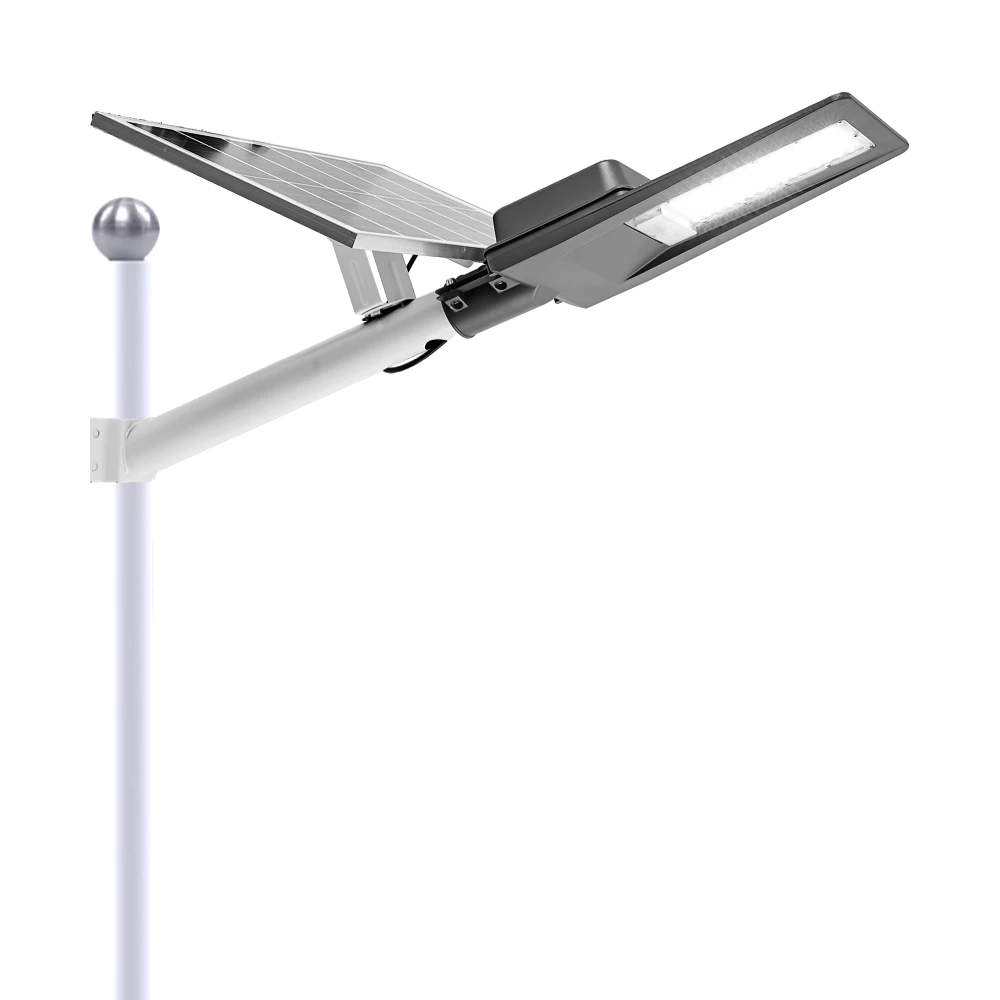
Experience reliable outdoor illumination with our smart solar street light, a perfect combination of advanced technology and eco-conscious design.
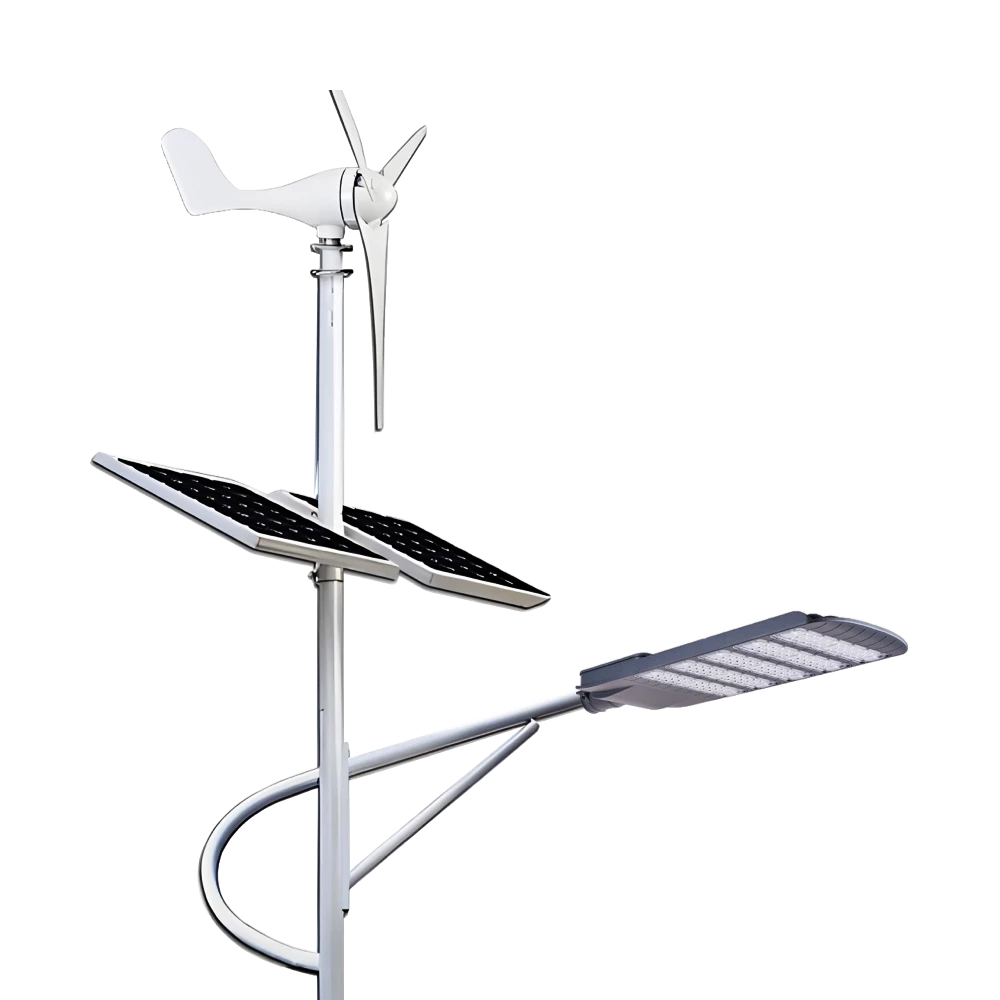
Queneng Lufeng Wind Energy LED Outdoor Solar Street Lights offer high-performance, eco-friendly illumination. These energy-efficient LED street lights harness solar power and wind energy for sustainable, cost-effective outdoor lighting solutions.
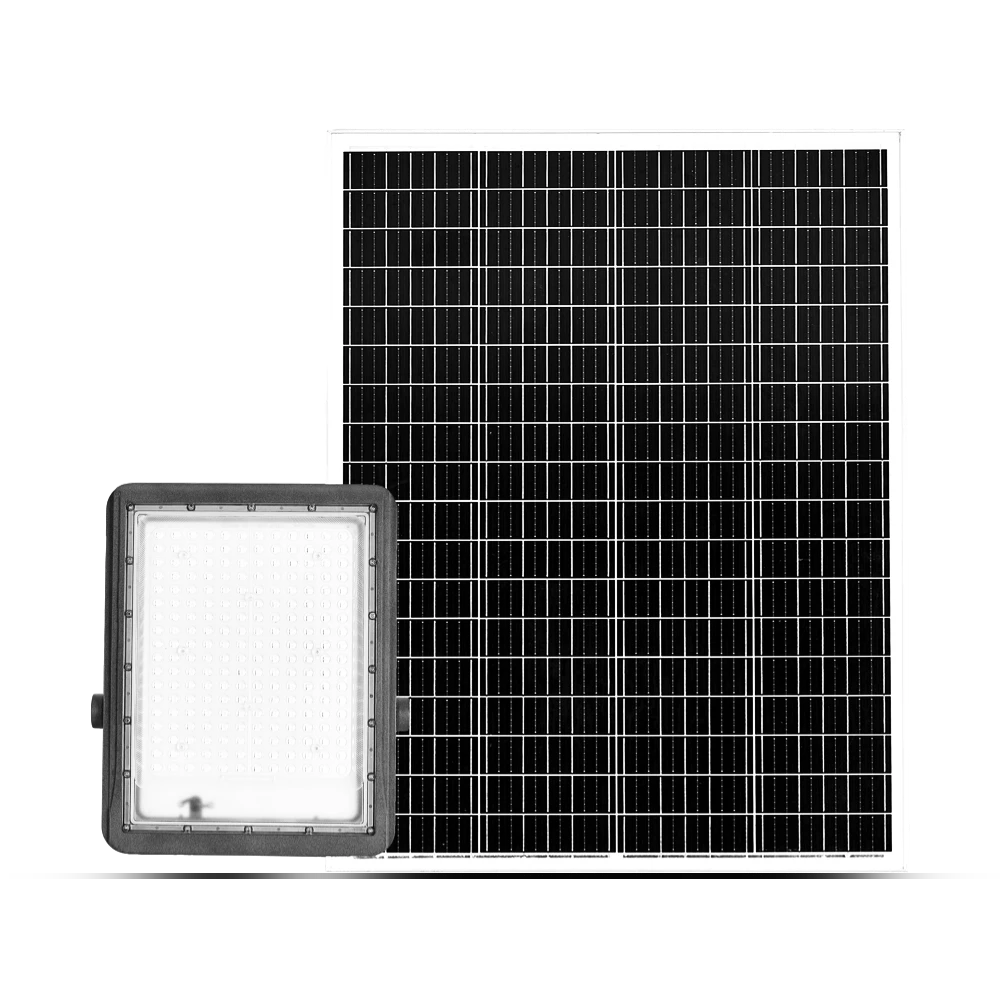
Queneng's Luxian Reliable Solar Street Light offers energy-saving LED lighting for outdoor use. This durable, solar-powered street light provides reliable illumination, reducing energy costs and environmental impact. A perfect solution for sustainable outdoor lighting.
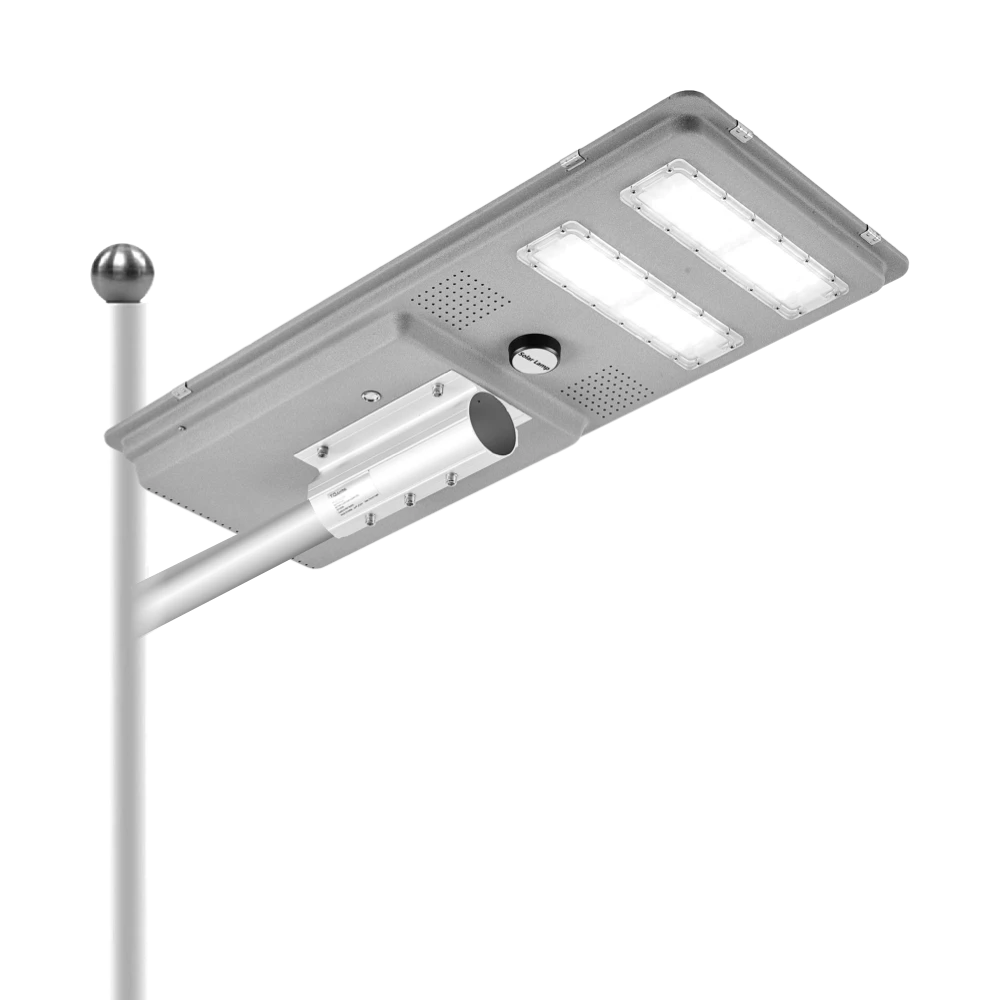
Queneng’s Solar Street Lights are designed to provide reliable, energy-efficient lighting for streets, parks, and other outdoor spaces.
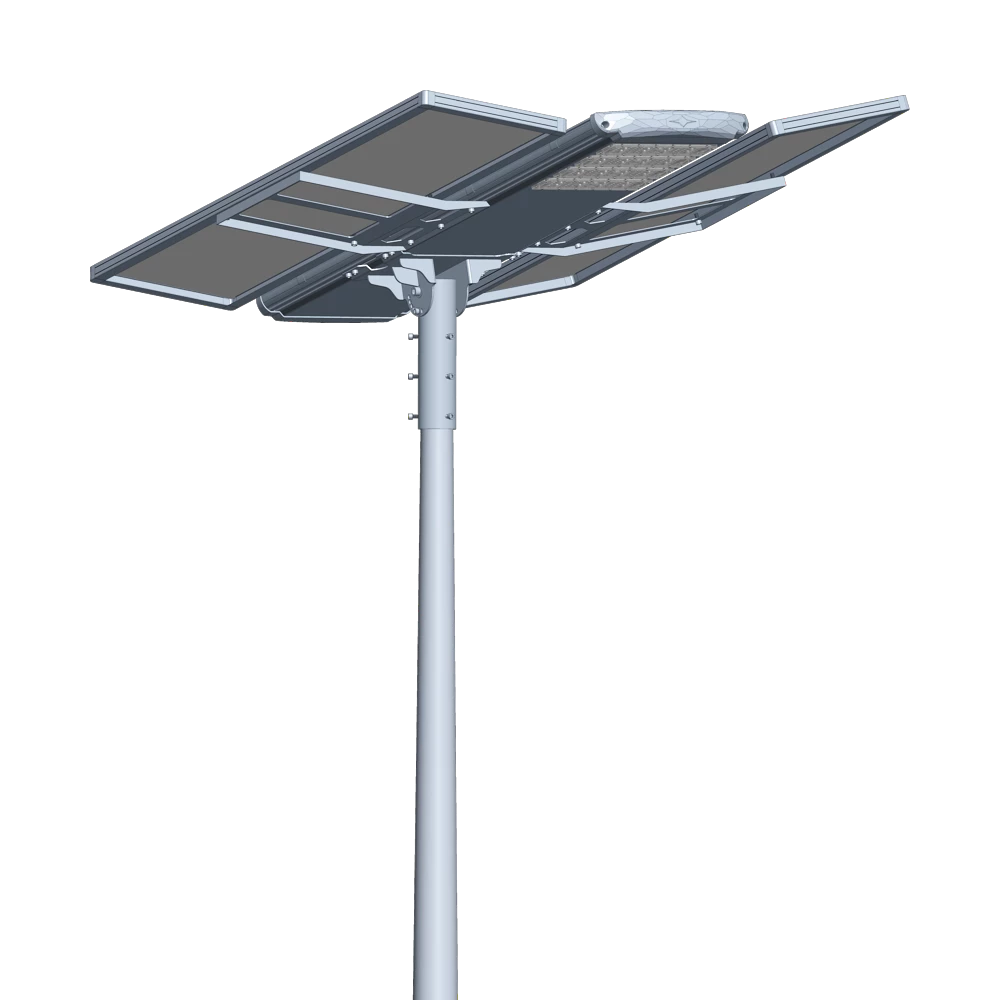
Introducing the Luqing Solar Street Light by Queneng, Efficient LED lighting powered by solar energy is perfect for illuminating outdoor areas. Harness the power of solar energy for sustainable, reliable street lighting. Ideal for eco-friendly, cost-effective outdoor illumination solutions.
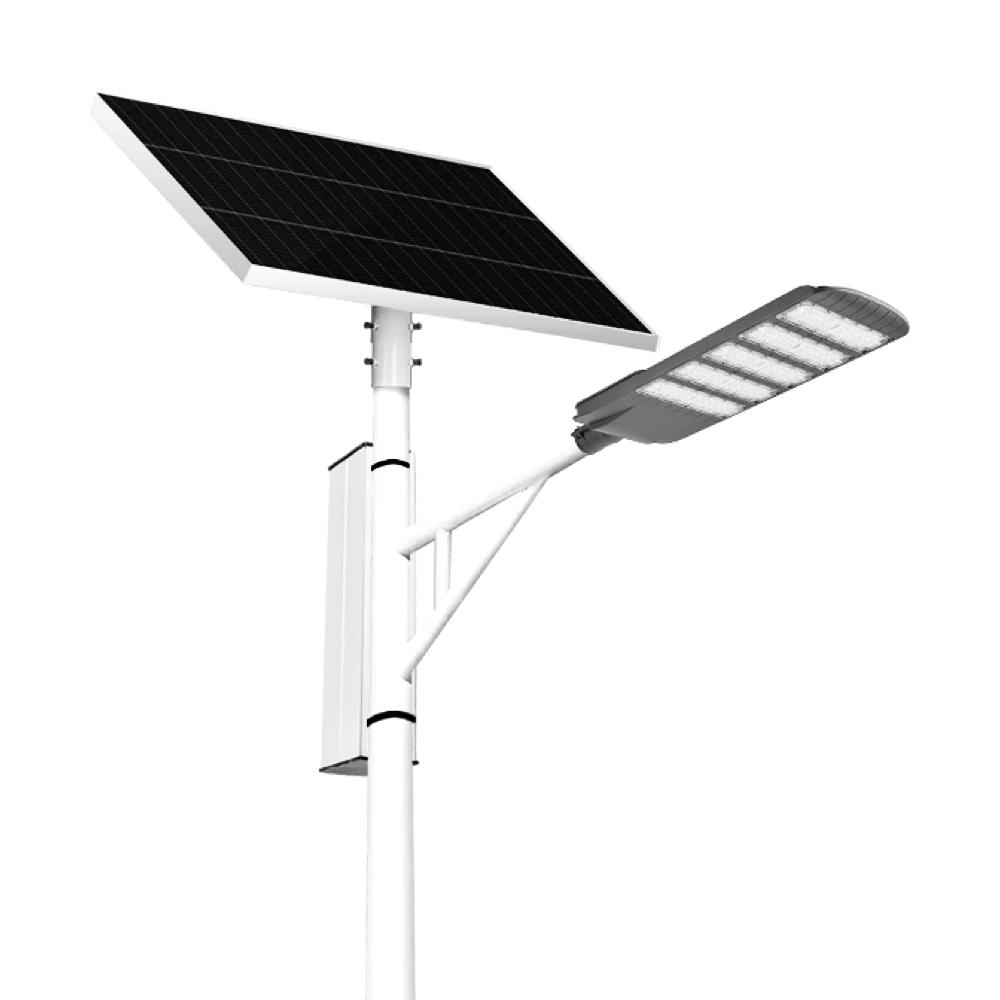
The Solar Streetlights of Luhao for Municipalities are designed to deliver reliable, energy-efficient, and cost-effective public lighting solutions. Equipped with advanced LED technology, durable lithium batteries, and high-efficiency solar panels, these streetlights provide consistent illumination for roads, parks, residential areas, and government projects.
If you would like more information about Queneng solar lighting solutions, please send us a message by filling out the form below. Our professional team will get back to you within 24 hours!
Rest assured that your privacy is important to us, and all information provided will be handled with the utmost confidentiality.
Schedule a Meeting
Book a date and time that is convenient for you and conduct the session in advance.
Have more questions about our products or services?
The messenger of light & power conversion
Environmental protection and intelligent manufacturing are our brand philosophy, and quality assurance and the best user experience are our eternal promises to users.
CONTACT
No.9F, Building F, Cao San Xin Tian Hong Logistics Park, Guzhen Town, Zhongshan City, Guangdong Province, China.
or write [email protected]
WhatsApp: +86 136 2270 1011


