

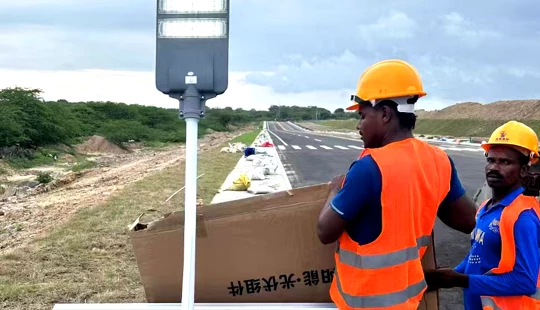
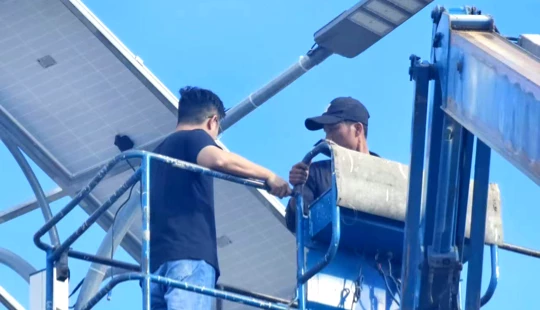













Why do African municipalities prefer lithium-battery street lighting?
Navigating the Solar Street Light Market: Costs, Manufacturers, and African Preferences
Investing in solar street lighting offers a sustainable and cost-effective solution for illumination, especially in developing regions and off-grid areas. For procurement professionals, understanding the intricacies of costs, selecting reliable manufacturers, and appreciating specific regional preferences, such as Africa's pivot to lithium batteries, is paramount. This guide provides an in-depth look into these crucial aspects, equipping you with the knowledge to make informed decisions.
What is the Typical Cost Breakdown of a Solar Street Light System?
The cost of solar street light is not a single figure but rather a sum of several components, each contributing significantly to the overall investment. A typical integrated solar street light system for municipal applications (e.g., 30W-60W LED) can range from $400 to $1,500+ per unit, excluding specialized projects or high-power systems. The breakdown generally includes:
- Solar Panel (20-30%): The size (wattage) and efficiency of the photovoltaic panel directly impact its cost. Polycrystalline panels are generally more economical, while monocrystalline offer higher efficiency per square meter.
- Battery (30-40%): This is often the most significant component, particularly for lithium-ion (LiFePO4) batteries due to their superior performance. The capacity (Ah) and type of battery determine this cost.
- LED Fixture (15-25%): The wattage, lumen output, LED chip quality (e.g., Cree, Philips, Osram), and optical design influence the fixture's price. Higher efficiency LEDs (e.g., >150 lm/W) deliver more light with less power.
- Charge Controller (5-10%): An MPPT (Maximum Power Point Tracking) controller is more expensive but significantly more efficient (up to 99%) than a PWM (Pulse Width Modulation) controller, maximizing energy harvest from the solar panel.
- Pole (10-20%): The height, material (steel, aluminum, galvanized), and design (tapered, straight) of the pole affect its cost. Aesthetics and wind load ratings are key considerations.
- Cables, Brackets, and Hardware (5-10%): Essential for assembly and installation, these smaller components add to the overall cost.
- Installation Costs (10-30%): Labor, site preparation, and transportation contribute significantly, especially in remote areas.
How Do You Choose a Reliable Solar Street Light Manufacturer?
Selecting a reputable Solar Street Light Manufacturer or Manufacturer of Solar Street Lights is critical for long-term project success. Consider these factors:
- Experience and Track Record: Look for manufacturers with a proven history of successful projects, especially in similar climates or applications. Request case studies and client references.
- R&D and Innovation: A strong commitment to research and development ensures that the manufacturer offers products with the latest technology, better efficiency, and improved durability.
- Quality Control and Certifications: Verify international certifications such as ISO 9001 (quality management), CE, RoHS, and potentially specific regional standards. Inspect their manufacturing process for rigorous quality control.
- Warranty and After-Sales Service: Comprehensive warranties (e.g., 5-10 years for systems, 25 years for solar panels, 5-10 years for batteries) and responsive technical support are indispensable.
- Customization Capabilities: The ability to tailor solutions (e.g., different pole heights, battery capacities, lighting modes) to specific project requirements is a major advantage.
- Supply Chain Reliability: Ensure they have stable access to high-quality components and can meet production deadlines.
What Key Factors Influence the Lifespan and Performance of Solar Street Lights?
The longevity and efficiency of solar street lights are determined by several critical elements:
- Component Quality: High-grade solar panels (25-year performance warranty), long-life LED chips (50,000-100,000 hours), durable batteries (e.g., LiFePO4 with 2,000-6,000 cycles), and robust charge controllers are essential.
- Battery Management System (BMS): A sophisticated BMS protects the battery from overcharging, over-discharging, overheating, and short circuits, significantly extending its life.
- Environmental Conditions: Extreme temperatures (both hot and cold), humidity, dust, and corrosive environments can degrade components. Products designed with appropriate IP ratings (e.g., IP65/IP66 for dust and water resistance) and wide operating temperature ranges perform better.
- Proper Sizing and Design: The system must be correctly sized to ensure sufficient power generation and storage for the specific light requirements and local solar irradiance levels, preventing underperformance or premature battery wear.
- Installation Quality: Correct installation, including proper pole orientation, secure wiring, and robust mounting, prevents issues and ensures optimal performance.
Why Do African Municipalities Prefer Lithium-Battery Street Lighting?
African municipalities increasingly favor lithium-ion batteries, specifically Lithium Iron Phosphate (LiFePO4), for their solar street lights. This preference stems from several significant advantages over traditional lead-acid batteries, addressing the unique challenges and opportunities of the African context:
- Longer Cycle Life: LiFePO4 batteries offer significantly more charge/discharge cycles (typically 2,000-4,000 cycles at 80% Depth of Discharge) compared to lead-acid batteries (300-800 cycles). This translates to a longer operational lifespan (5-10 years vs. 2-3 years), reducing replacement costs and maintenance in often remote locations.
- Higher Energy Density & Lighter Weight: LiFePO4 batteries are lighter and more compact, simplifying transportation and installation. This also allows for more integrated designs (battery inside the fixture/pole), which enhances aesthetics and offers better protection against theft, a critical concern in some regions.
- Wider Operating Temperature Range: Africa's climate can be harsh, with high daytime temperatures. LiFePO4 batteries perform better across a broader temperature range (-20°C to 60°C) than lead-acid, which are prone to faster degradation in high heat.
- Better Deep Discharge Tolerance: LiFePO4 batteries can be discharged deeper without significant damage, providing more usable capacity and greater reliability during extended cloudy periods.
- Lower Self-Discharge Rate: They retain charge longer when not in use, important for systems that might experience seasonal fluctuations in usage or solar availability.
- Enhanced Safety: LiFePO4 chemistry is inherently more stable and safer than other lithium-ion variants, reducing risks of thermal runaway or fire, which is crucial for public infrastructure.
- Lower Total Cost of Ownership (TCO): While initial costs for LiFePO4 are higher, their longer lifespan, reduced maintenance, and improved performance lead to a lower TCO over the project's lifetime. This long-term value aligns with sustainable development goals and budget planning for municipalities.
- Policy and Funding Support: International bodies and African governments are increasingly promoting sustainable energy solutions, often prioritizing technologies with high reliability and longevity like LiFePO4 systems.
What are the ROI Considerations for Investing in Solar Street Lighting?
Evaluating the Return on Investment (ROI) for solar street lighting involves more than just initial purchase costs:
- Energy Savings: Eliminating electricity bills is the most direct financial benefit. The payback period can range from 3 to 7 years, depending on grid electricity costs and solar irradiance levels.
- Reduced Infrastructure Costs: No trenching, cabling, or grid connection fees, which are substantial for remote or new developments.
- Lower Operational and Maintenance (O&M) Costs: Minimal maintenance requirements compared to grid-tied systems. Fewer components to fail and no utility bills to manage.
- Environmental Benefits: Reduced carbon footprint and reliance on fossil fuels, contributing to sustainability goals.
- Enhanced Safety and Security: Reliable lighting improves public safety, reduces crime rates, and extends commercial hours, bringing indirect economic benefits.
- Increased Property Value: Well-lit areas are generally perceived as safer and more appealing.
What are the Maintenance Requirements for Solar Street Lights?
While solar street lights are low-maintenance, some routine checks ensure optimal performance:
- Panel Cleaning: Periodically clean solar panels (every 6-12 months, more frequently in dusty environments) to remove dirt, dust, and bird droppings that can reduce efficiency.
- Battery Inspection: For integrated systems, this is minimal. For external batteries, check terminals for corrosion and ensure proper ventilation. LiFePO4 batteries are largely maintenance-free.
- Fixture Inspection: Ensure the LED fixture is clean, free from obstructions, and securely mounted. Check for any physical damage.
- Pole Stability: Periodically check the pole for signs of corrosion or structural instability, especially after severe weather.
- Wiring Check: Inspect visible wiring for wear and tear, ensuring all connections are secure.
What are the Latest Technological Advancements in Solar Street Lighting?
The solar street lighting industry is continuously evolving:
- Higher Efficiency Components: More efficient solar cells (e.g., PERC, TOPCon with >22% efficiency), brighter LEDs (>180 lm/W), and advanced MPPT controllers maximize energy conversion.
- Smart Lighting Controls: Integration of PIR motion sensors for adaptive dimming (e.g., 30% brightness, then 100% on detection), time-scheduling, and ambient light sensors to optimize energy use and extend battery life.
- IoT and Remote Monitoring: Cloud-based platforms allow for real-time monitoring of system performance (battery status, solar charging, light operation), remote control, fault detection, and predictive maintenance, significantly reducing operational costs.
- Modular and Integrated Designs: All-in-one designs simplify installation and offer enhanced theft protection by housing batteries and controllers within the light fixture or pole.
- Hybrid Solutions: Some systems integrate small wind turbines or can be connected to a minimal grid backup for enhanced reliability in areas with lower solar irradiance.
Conclusion: Quenenglighting's Advantage in Solar Street Lighting
For discerning buyers, Quenenglighting stands out as a leading manufacturer in the solar street lighting industry. Our commitment to cutting-edge technology, robust engineering, and stringent quality control ensures that our products meet the highest international standards. We specialize in integrated LiFePO4 battery solutions, offering superior longevity, performance, and safety—a crucial advantage, especially for demanding environments like those found in Africa. With a strong focus on custom solutions, comprehensive warranties, and excellent after-sales support, Quenenglighting provides reliable, cost-effective, and sustainable illumination solutions tailored to your project's unique needs, driving value and long-term satisfaction.
References
- IRENA (International Renewable Energy Agency) reports on solar PV costs and market trends. (Last accessed: May 2024).
- Solar Panel Cost per Watt - EnergySage. (Accessed: May 2024) - Example: https://www.energysage.com/solar/solar-panels/what-do-solar-panels-cost/
- Battery University - Deep Cycle Battery Lifespan and Lithium-ion Battery Characteristics. (Accessed: May 2024) - Example: https://batteryuniversity.com/
- LED Magazine and industry reports on LED efficiency and lifespan. (Accessed: May 2024) - Example: https://www.ledsmagazine.com/
- Market research on African renewable energy infrastructure and smart city initiatives. (Various sources, last updated: 2023-2024).
- World Bank and African Development Bank reports on sustainable urban development in Africa. (Accessed: May 2024).

Have more questions about our products or services?
The latest hot news you might like

Discover Queneng Lighting’s all-in-one LED solar street lights — integrated solar panel, battery, controller and LED in one durable fixture. Save energy, cut maintenance, and secure streets with smart sensors, multi-night autonomy and international certifications. Contact sales for quotes and support.

Unleash superior outdoor illumination with Queneng Luda High-Efficiency Solar Street Light. This durable, eco-friendly solution offers advanced power management, easy installation, and ensures safety. Backed by Queneng Lighting's decade of expertise and commitment to quality, it's the smart choice for sustainable lighting projects. Learn why we're a leading solar solutions provider.

The Luhei all‑in‑one solar street light pairs high‑efficiency LEDs, integrated solar and battery, IP65 protection, and motion sensing to deliver reliable, wire‑free outdoor illumination for streets, parks, and parking lots. Backed by Queneng Lighting’s certifications and support.

FAQ
Remote Areas Rural Development
What is the average lifespan of the lighting system?
The system typically lasts 8-10 years, with components like batteries requiring replacement every 5-8 years.
Tourist Attractions and Resorts
Will solar lights stay on throughout the night?
Yes, solar lights are designed to stay on all night long, provided they are installed in areas that receive adequate sunlight during the day. The solar panels charge during daylight hours and power the lights after dark.
Solar Street Light Luhao
What are the key features of the Luhao solar street light?
The Luhao solar street light combines advanced LED technology with solar power, providing a sustainable, energy-efficient lighting solution. Key features include high-performance LEDs, solar panel charging, long-lasting batteries, and weather-resistant construction for reliable outdoor illumination.
Solar Street Light Luhua
Can Luhua solar street lights work in areas with limited sunlight?
Yes, Luhua solar street lights are designed to perform well in areas with limited sunlight. The high-efficiency solar panels can still generate enough energy even in cloudy or rainy weather. The system is equipped with batteries that store excess energy during the day, ensuring the lights operate throughout the night, regardless of weather conditions.
Distributors
What are the benefits of becoming a Queneng distributor?
As a Queneng distributor, you will gain access to high-quality, customizable solar lighting products, competitive pricing, marketing support, and exclusive distribution rights in some regions. We provide comprehensive training, technical support, and reliable logistics to help grow your business.
Battery Types and Applications
What batteries will dominate the battery market?
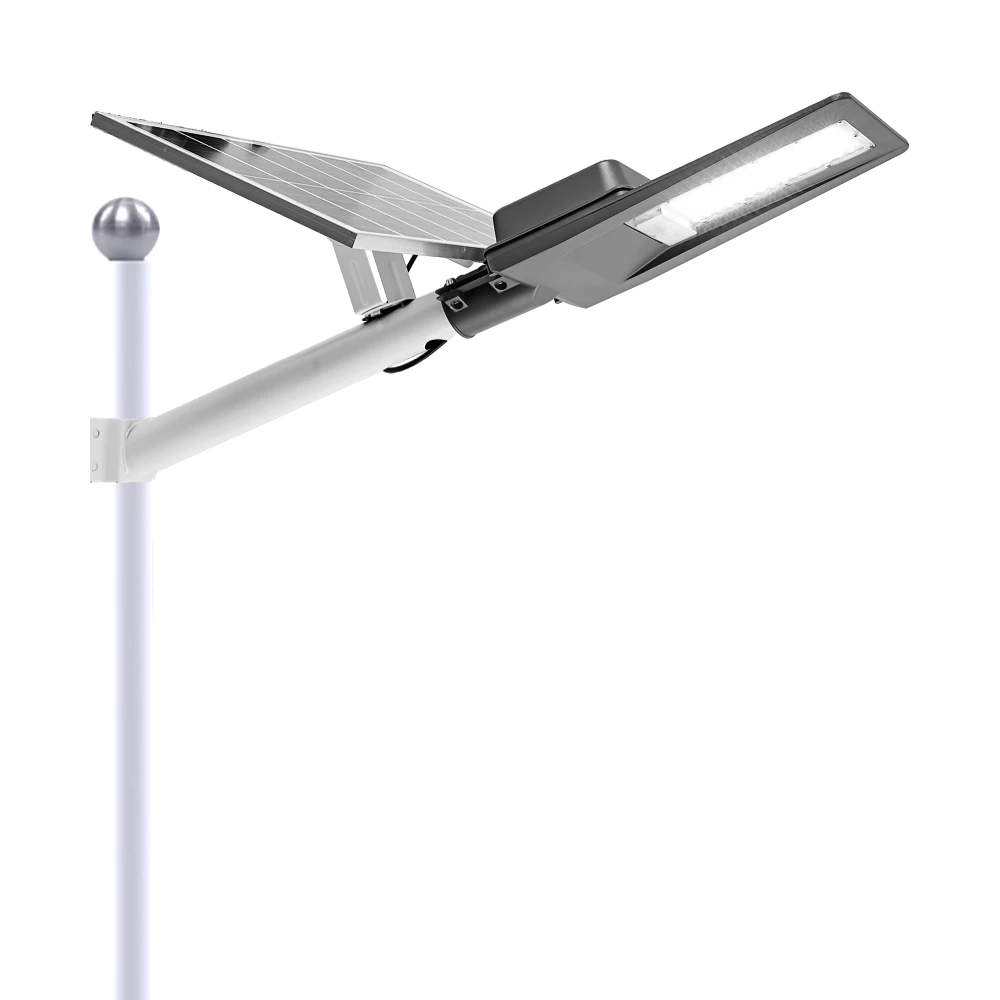
Experience reliable outdoor illumination with our smart solar street light, a perfect combination of advanced technology and eco-conscious design.
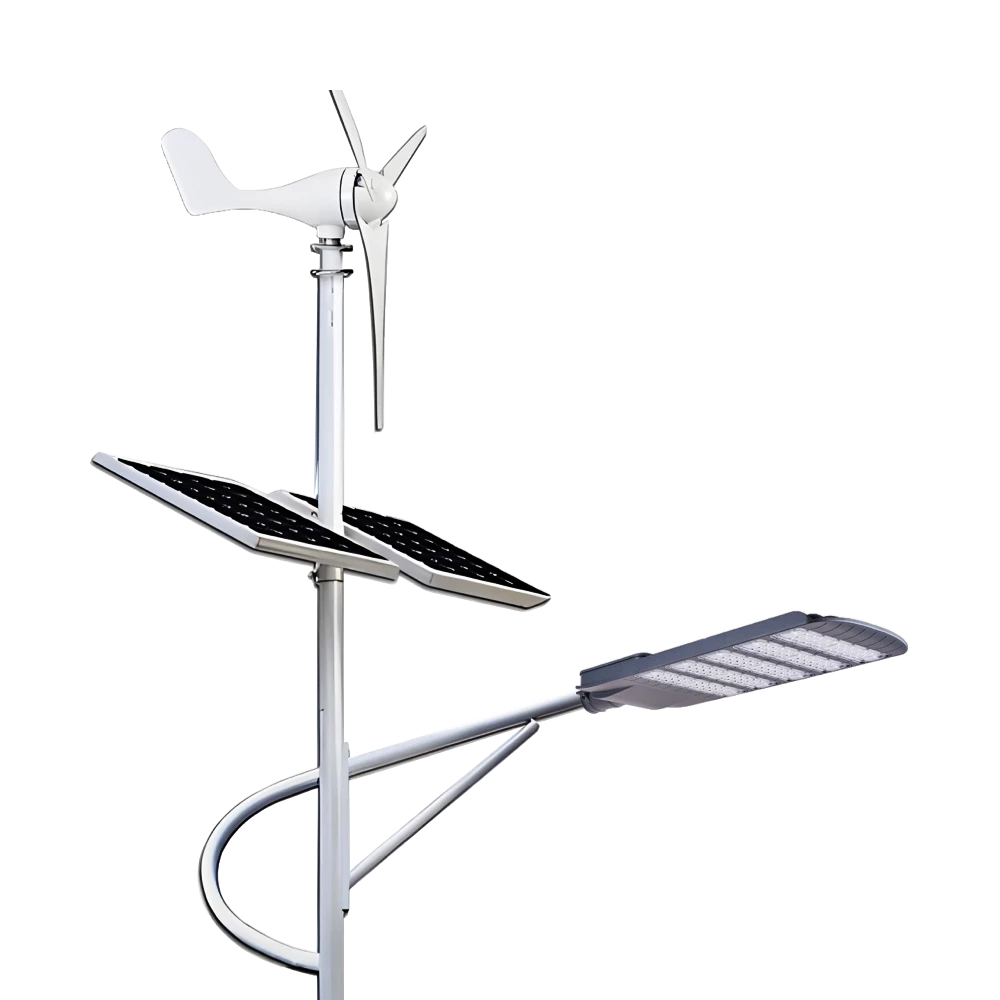
Queneng Lufeng Wind Energy LED Outdoor Solar Street Lights offer high-performance, eco-friendly illumination. These energy-efficient LED street lights harness solar power and wind energy for sustainable, cost-effective outdoor lighting solutions.
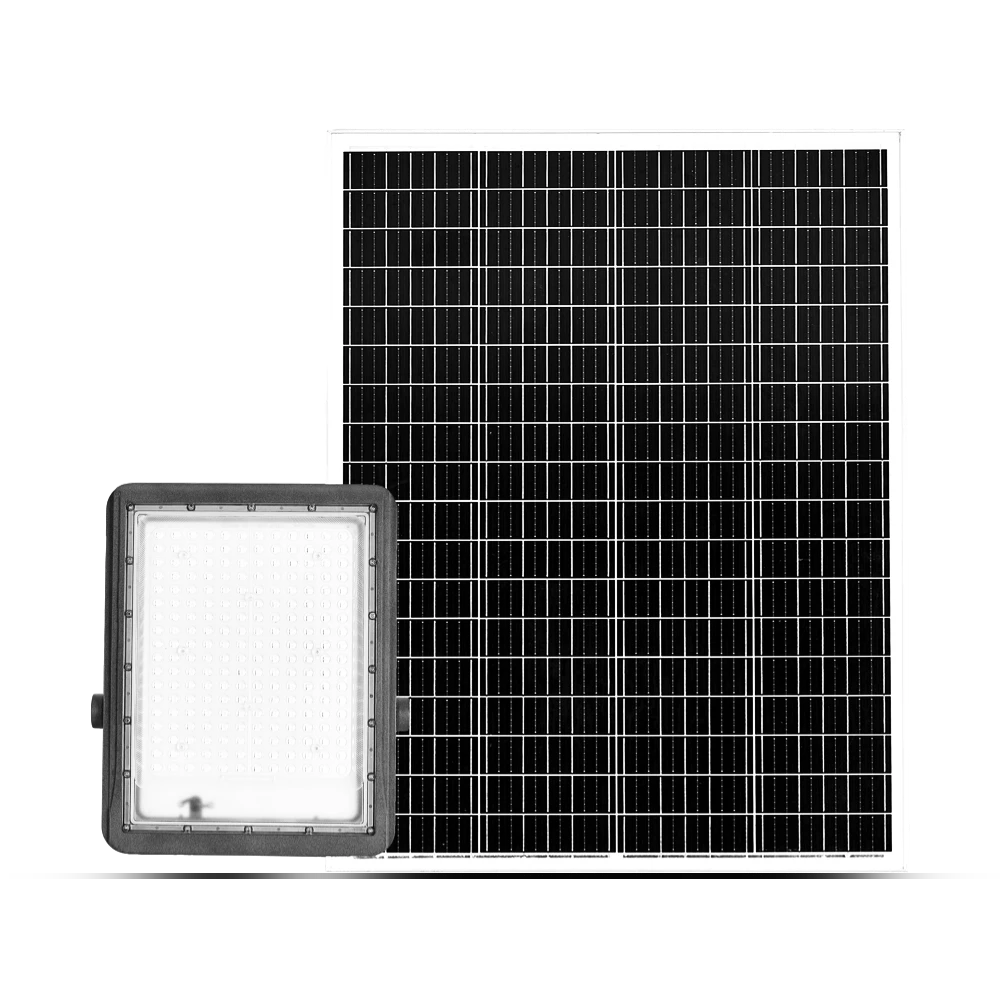
Queneng's Luxian Reliable Solar Street Light offers energy-saving LED lighting for outdoor use. This durable, solar-powered street light provides reliable illumination, reducing energy costs and environmental impact. A perfect solution for sustainable outdoor lighting.
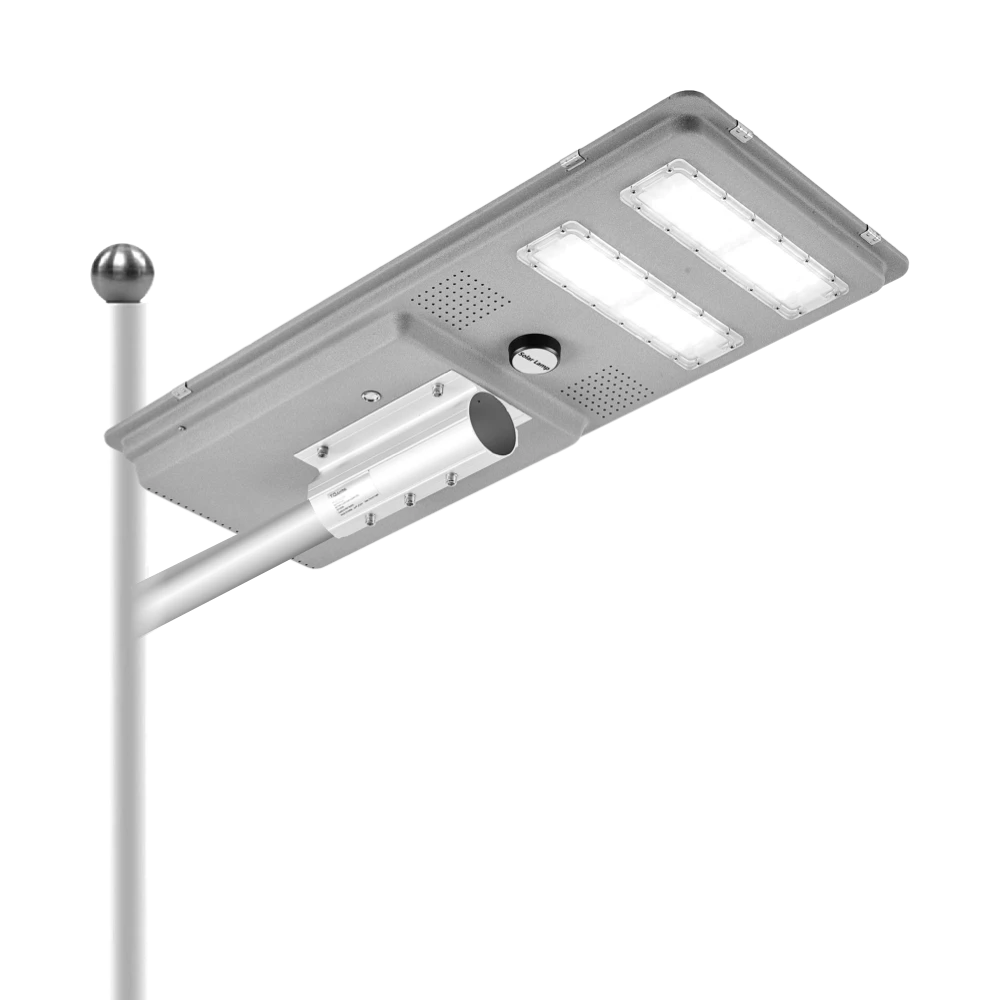
Queneng’s Solar Street Lights are designed to provide reliable, energy-efficient lighting for streets, parks, and other outdoor spaces.
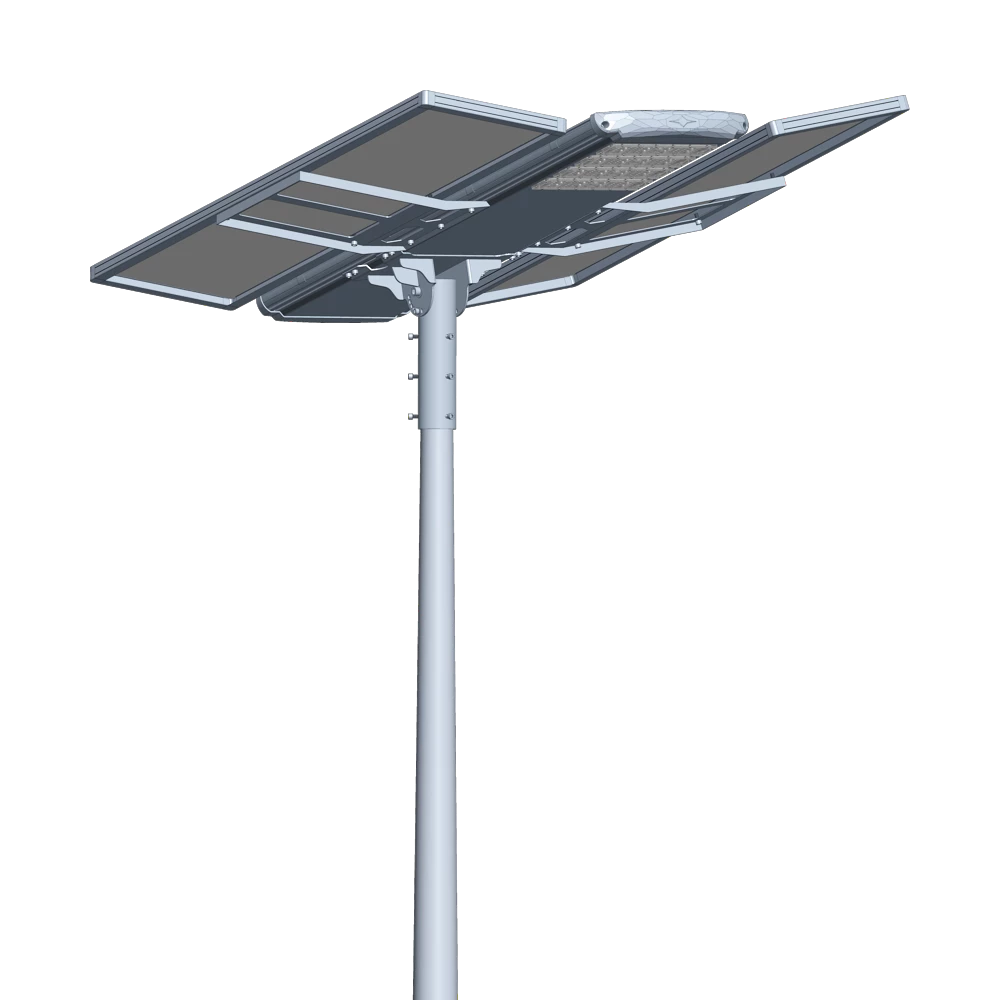
Introducing the Luqing Solar Street Light by Queneng, Efficient LED lighting powered by solar energy is perfect for illuminating outdoor areas. Harness the power of solar energy for sustainable, reliable street lighting. Ideal for eco-friendly, cost-effective outdoor illumination solutions.
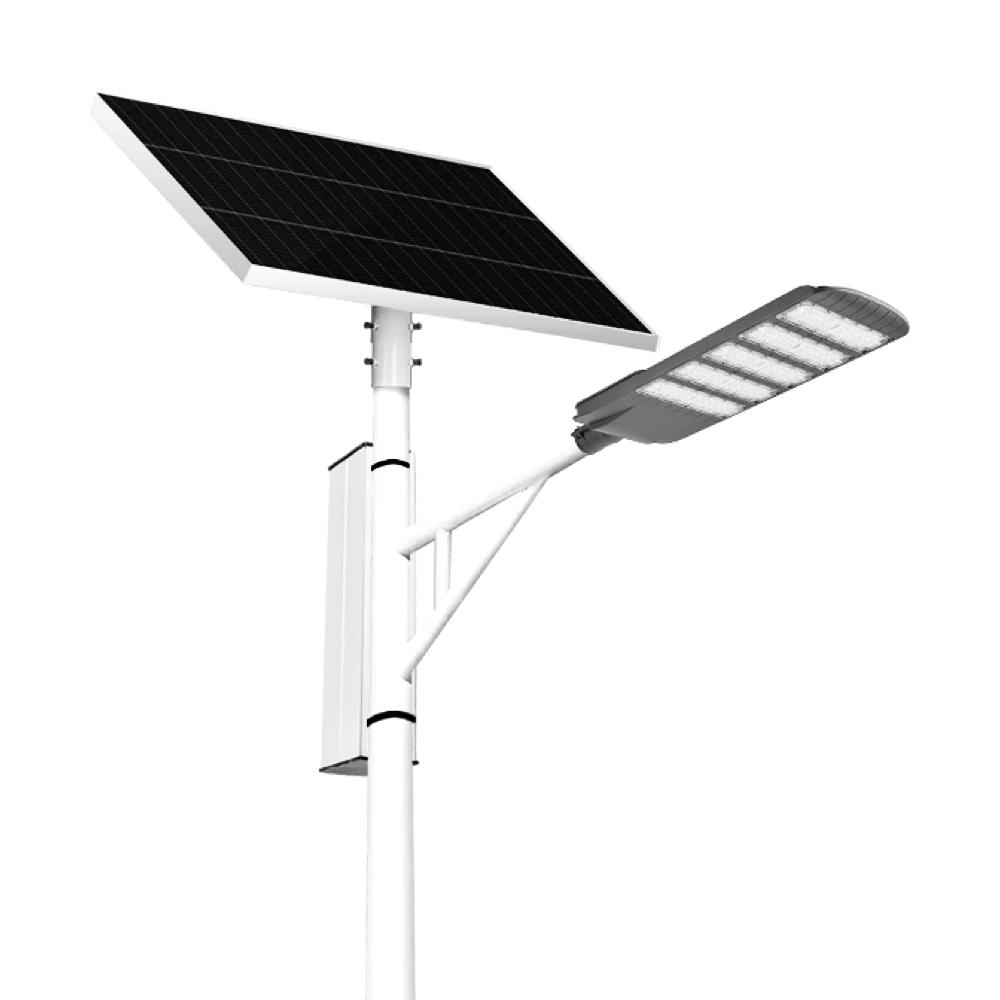
The Solar Streetlights of Luhao for Municipalities are designed to deliver reliable, energy-efficient, and cost-effective public lighting solutions. Equipped with advanced LED technology, durable lithium batteries, and high-efficiency solar panels, these streetlights provide consistent illumination for roads, parks, residential areas, and government projects.
If you would like more information about Queneng solar lighting solutions, please send us a message by filling out the form below. Our professional team will get back to you within 24 hours!
Rest assured that your privacy is important to us, and all information provided will be handled with the utmost confidentiality.
Schedule a Meeting
Book a date and time that is convenient for you and conduct the session in advance.
Have more questions about our products or services?
The messenger of light & power conversion
Environmental protection and intelligent manufacturing are our brand philosophy, and quality assurance and the best user experience are our eternal promises to users.
CONTACT
No.9F, Building F, Cao San Xin Tian Hong Logistics Park, Guzhen Town, Zhongshan City, Guangdong Province, China.
or write [email protected]
WhatsApp: +86 136 2270 1011


