

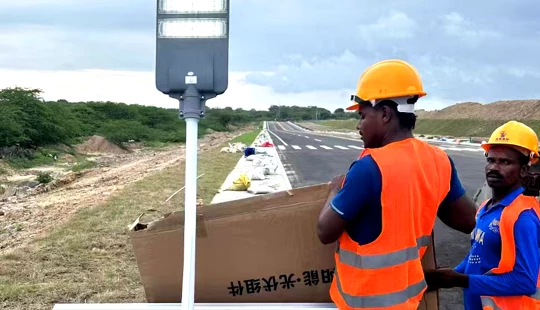
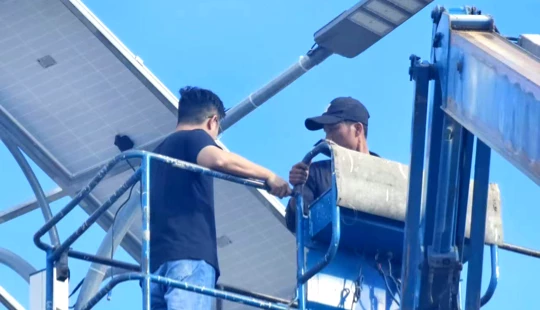













What structural requirements are needed for solar lamp pole installation?
Navigating Solar Street Light Procurement: Costs, Manufacturers & Installation Essentials
The transition to sustainable infrastructure increasingly highlights solar street lighting as a viable, eco-friendly, and cost-effective solution. However, for professionals in procurement, understanding the nuances of cost, identifying reputable manufacturers, and ensuring proper installation are paramount. This article addresses key questions to guide your purchasing decisions and project implementations.
1. What are the key factors influencing the cost of a solar street light?
The cost of a solar street light is a complex equation influenced by several critical components and features. Understanding these can help you evaluate quotes more effectively:
- LED Luminaire Wattage & Lumens: Higher brightness (lumens) and wattage directly correlate with cost. A 50W LED luminaire with a luminous efficacy of 150-170 lm/W will cost more than a 30W unit.
- Solar Panel Capacity (Wattage): The size and efficiency of the solar panel (e.g., 60Wp to 200Wp+) are crucial. Monocrystalline panels (typically 20-23% efficiency) are more expensive but more space-efficient than polycrystalline panels.
- Battery Type & Capacity: Lithium Iron Phosphate (LiFePO4) batteries are now the industry standard due to their longer lifespan (5-10 years or 2000-4000 cycles) and better performance in varying temperatures compared to older lead-acid batteries. The battery's capacity (measured in Wh or Ah) dictates the autonomy (number of nights the light can operate without sun). Larger capacities mean higher costs.
- Pole Height & Material: Poles range from 4 meters to 12 meters or more. Taller poles require more material and stronger foundations. Materials like hot-dip galvanized steel offer superior corrosion resistance and durability compared to standard painted steel, impacting the overall cost.
- Controller Technology: Advanced MPPT (Maximum Power Point Tracking) controllers are more efficient (up to 95-99%) in optimizing solar panel output compared to PWM (Pulse Width Modulation) controllers, leading to better battery charging and overall system performance, albeit at a higher cost.
- Smart Features & Sensors: PIR motion sensors, time dimming, remote monitoring, and smart city integration capabilities add to the system's cost but enhance energy efficiency and functionality.
- Brand & Warranty: Reputable manufacturers offering extended warranties (e.g., 3-5 years for the full system, 10-25 years for solar panels) often have higher initial costs but provide greater long-term reliability and support.
Current Market Insight (2023-2024): While exact prices vary greatly, a standard commercial-grade integrated solar street light (e.g., 30W LED, 60Wp panel, 200-300Wh LiFePO4 battery, 6-meter galvanized pole) can range from USD 300 to USD 800, excluding shipping and installation. High-power, split-type systems with advanced features can easily exceed USD 1,500 - USD 2,500 per unit.
2. How do I choose a reliable Solar Street Light Manufacturer?
Selecting the right manufacturer is crucial for the success and longevity of your solar lighting project. Look for these indicators:
- Certifications & Quality Standards: Verify ISO 9001 (quality management), CE, RoHS (European compliance), and IP ratings (Ingress Protection for dust and water resistance) for the products. These indicate adherence to international quality and safety standards.
- R&D Capabilities & Innovation: A manufacturer with strong R&D shows commitment to product improvement, customization, and staying abreast of technological advancements (e.g., higher efficiency components, smarter controls).
- Manufacturing Process & Facilities: Inquire about their production lines, quality control (QC) procedures, and testing facilities. A manufacturer that controls most of the production in-house often ensures better quality consistency.
- Warranty & After-Sales Support: A robust warranty (e.g., 3-5 years on the entire system, 10-25 years on solar panels, 5-10 years on batteries) is a sign of confidence in their product. Excellent after-sales service, including technical support and spare parts availability, is vital.
- Project References & Experience: Request case studies or references from previous projects, especially those similar in scope to yours. Experience with diverse climates and project types is a plus.
- Customization & Flexibility: The ability to customize products to specific project requirements (e.g., pole height, light distribution, battery autonomy) indicates a customer-centric approach.
- Financial Stability: A financially stable manufacturer is more likely to honor warranties and provide long-term support.
3. What are the essential structural requirements for solar lamp pole installation?
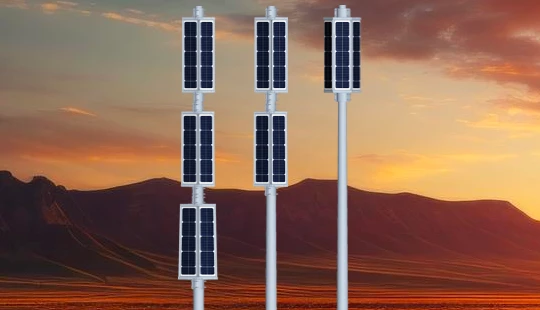
The structural integrity of a solar lamp pole is critical for safety and performance, especially given the added weight and wind load of solar panels. Key requirements include:
- Wind Load Resistance: This is the most crucial factor. Solar panels present a significant surface area, making the pole highly susceptible to wind forces. The pole must be designed and engineered to withstand the maximum anticipated wind speeds for the installation location, often adhering to standards like EN 40-3-1 (Europe) or ASCE 7 (USA). Calculations must consider pole height, panel size/tilt, and local wind zones.
- Pole Material & Treatment: Poles are typically made of steel (Q235 or Q345 grade) or aluminum. For steel poles, hot-dip galvanization (minimum 80-100 microns coating thickness) is essential to prevent corrosion, especially in coastal or humid environments. Powder coating can be added for aesthetics and additional protection.
- Foundation Design: A robust concrete foundation is mandatory. The size and depth of the foundation (e.g., 0.8m x 0.8m x 1.5m deep for an 8-meter pole, varying with soil conditions and wind load) must be calculated by a structural engineer. It must include a reinforced rebar cage and anchor bolts (J-bolts or L-bolts) firmly set in the concrete to secure the pole base.
- Pole Height & Thickness: The height (e.g., 4m to 12m) and the steel gauge/thickness (e.g., 3mm to 5mm for tapered poles) determine its strength and suitability for different applications. Taller poles require thicker walls and larger base plates.
- Bracketry & Fixture Attachment: The brackets holding the solar panel, battery box (for split systems), and LED luminaire must be robust, corrosion-resistant, and securely fastened to the pole. The solar panel tilt angle must be adjustable to optimize energy harvest based on latitude.
- Cable Management: Internal cabling within the pole is preferred for protection against weather and vandalism, requiring appropriate access panels.
- Local Regulations & Standards: Always comply with local building codes, electrical codes, and specific street lighting standards.
4. What is the typical lifespan and Return on Investment (ROI) for solar street lights?
Solar street lights offer significant longevity and financial benefits:
- Lifespan:
- Solar Panels: Generally 20-25 years, with most manufacturers guaranteeing 80% power output after 25 years.
- LiFePO4 Batteries: 5-10 years (typically 2000-4000 charge/discharge cycles at 80% Depth of Discharge).
- LED Luminaires: 50,000 - 100,000 hours, translating to 10-20 years of operation (based on 10-12 hours/night).
- Controller & Pole: 5-10 years for controllers, and 20+ years for hot-dip galvanized poles.
- Return on Investment (ROI): The ROI for solar street lights is often quite attractive, typically ranging from 3 to 5 years. This is primarily driven by:
- Zero Electricity Bills: The most significant saving, eliminating recurring operational costs.
- Reduced Installation Costs: No need for trenching, cabling, or connection to the grid, saving substantial civil engineering expenses, especially in remote or off-grid areas.
- Lower Maintenance: Fewer moving parts and robust designs lead to reduced maintenance needs compared to grid-tied systems.
- Environmental Benefits: Although harder to quantify financially, the reduction in carbon footprint adds significant value.
5. Are there different types of solar street lights, and which one is best for my project?
The two primary types are All-in-One (Integrated) and Split-Type systems:
- All-in-One (Integrated) Solar Street Lights:
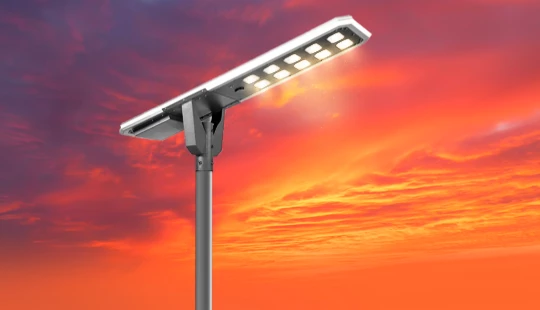
- Description: The solar panel, battery, LED luminaire, and controller are all housed in a single compact unit, mounted directly onto the pole arm.
- Pros: Easier and quicker to install, lower installation costs, aesthetically cleaner design.
- Cons: Battery and panel size are limited by the integrated design, making them less suitable for very high-power applications or areas with extreme weather (very low sunlight, very high temperatures). Battery replacement can be more complex.
- Best for: Residential streets, pathways, parks, smaller commercial areas, and applications where ease of installation and aesthetics are priorities. Typically for poles 4-8 meters high.
- Split-Type Solar Street Lights:
- Description: The solar panel is mounted separately (usually on top of the pole), the battery is housed in a box on the pole or at the base, and the LED luminaire is on an arm.
- Pros: Greater flexibility in component sizing (larger panels and batteries), better thermal management for the battery, and easier replacement of individual components. Can achieve higher power outputs and longer autonomy.
- Cons: More complex and time-consuming installation, higher installation costs, more visible components.
- Best for: Major roads, highways, industrial areas, challenging climates (requiring larger panels or batteries), and projects demanding high lumen output and extended backup time. Typically for poles 8-12+ meters high.
The best type depends on your project's specific lighting requirements, environmental conditions, budget, and desired aesthetics.
6. What maintenance is required for solar street lights?
While solar street lights are known for low maintenance, some routine care ensures optimal performance and longevity:
- Solar Panel Cleaning: Periodically clean the solar panel surface (every 6-12 months, or more frequently in dusty environments) to remove dirt, dust, bird droppings, and leaves. A clean panel ensures maximum sunlight absorption and charging efficiency.
- Battery Inspection/Replacement: While LiFePO4 batteries are sealed and maintenance-free, monitor their performance. Expect replacement typically every 5-10 years. For split systems with accessible batteries, periodic voltage checks might be part of an advanced maintenance plan.
- Fixture Inspection: Regularly check the LED luminaire for proper operation. Ensure all bolts and fastenings are secure, especially after strong winds.
- Pole Inspection: Inspect the pole for any signs of corrosion, damage, or structural weakness. Ensure the foundation remains stable and free of cracks.
- Cabling and Connections: For split systems, check all external wiring and connections for wear, fraying, or loose terminals. Ensure all enclosures are sealed properly to prevent water ingress.
- Sensor Check: If equipped with motion sensors or photocells, ensure they are unobstructed and functioning correctly.
Establishing a routine inspection and cleaning schedule, usually annually or semi-annually, is sufficient for most solar street light installations.
Quenenglighting: Your Partner in Professional Solar Lighting Solutions
As you navigate the complexities of solar street light procurement, partnering with a manufacturer that prioritizes quality, innovation, and customer satisfaction is paramount. Quenenglighting stands out as a leading manufacturer of solar street lights, offering:
- Advanced Technology: Utilizing high-efficiency monocrystalline solar panels, long-life LiFePO4 batteries, and intelligent MPPT controllers to ensure optimal performance and energy efficiency.
- Robust Engineering: Our poles are engineered to meet stringent wind load requirements and are constructed from hot-dip galvanized steel for maximum durability and corrosion resistance.
- Comprehensive Product Range: From integrated all-in-one solutions for urban pathways to powerful split-type systems for highways and industrial applications, we offer a diverse portfolio to meet varied project needs.
- Customization Expertise: We provide tailored solutions, adapting designs for specific lumen output, autonomy, pole height, and environmental conditions.
- Reliable Quality & Support: Adhering to international quality standards (ISO 9001, CE, RoHS) and backed by extensive warranties and dedicated after-sales service, Quenenglighting ensures long-term reliability and peace of mind for your investment.
Choose Quenenglighting for sustainable, high-performance, and professionally supported solar street lighting solutions that deliver superior value and performance.
References:
- EnergySage - What are Solar Panels Made Of? (Accessed: 2024-05-15)
- Lighting-Gallery.net - Life of LED Street Lights (Accessed: 2024-05-15)
- Solar-Streetlights.com - Understanding the Cost of Solar Street Lights (Accessed: 2024-05-15)
- LinkedIn - The Importance of Quality Standards in Solar Street Light Projects (Accessed: 2024-05-15)
- Envirolight.co.uk - Street Light Pole Height and Foundation Requirements (Accessed: 2024-05-15)

Have more questions about our products or services?
The latest hot news you might like

Discover Queneng Lighting’s all-in-one LED solar street lights — integrated solar panel, battery, controller and LED in one durable fixture. Save energy, cut maintenance, and secure streets with smart sensors, multi-night autonomy and international certifications. Contact sales for quotes and support.

Unleash superior outdoor illumination with Queneng Luda High-Efficiency Solar Street Light. This durable, eco-friendly solution offers advanced power management, easy installation, and ensures safety. Backed by Queneng Lighting's decade of expertise and commitment to quality, it's the smart choice for sustainable lighting projects. Learn why we're a leading solar solutions provider.

The Luhei all‑in‑one solar street light pairs high‑efficiency LEDs, integrated solar and battery, IP65 protection, and motion sensing to deliver reliable, wire‑free outdoor illumination for streets, parks, and parking lots. Backed by Queneng Lighting’s certifications and support.

FAQ
Transportation and Highways
Can the lights be relocated if the road layout changes?
Yes, solar lights are highly flexible and can be easily relocated without the need for re-wiring.
Solar Street Light Lulin
Can Lulin solar street lights be used in areas with limited sunlight?
Yes, Lulin solar street lights are equipped with high-efficiency solar panels that are capable of charging the battery even in cloudy or low-light conditions. While the performance may vary based on the amount of sunlight received, the system is designed to store enough energy to ensure reliable performance during the night, even in regions with limited sunlight.
Battery Performance and Testing
What are the battery reliability test items?
2) Discharge characteristics at different rates
3) Discharge characteristics at different temperatures
4) Charging characteristics
5) Self-discharge characteristics
6) Storage characteristics
7) Over-discharge characteristics
8) Internal resistance characteristics at different temperatures
9) Temperature cycle test
10) Drop test
11) Vibration test
12) Capacity test
13) Internal resistance test
14) GMS test
15) High and low temperature impact test
16) Mechanical impact test
17) High temperature and high humidity test
Solar Street Light Chuanqi
Can Chuanqi solar street lights be installed in remote or off-grid locations?
Yes, Chuanqi solar street lights are perfect for remote or off-grid locations because they do not require an external power supply. They are entirely solar-powered, making them ideal for rural areas, parks, trails, or other places where connecting to the electrical grid is not feasible. Their self-sufficient design makes installation simple and cost-effective.
Schools and Educational Institutions
Do the solar lights come with a timer or automatic on/off function?
Yes, many of our solar lighting systems come with built-in timers or automatic sensors, allowing them to turn on at dusk and off at dawn, or based on a set schedule.
Solar Street Light Luqing
What are the main benefits of using Luqing solar street lights in urban areas?
In urban areas, Luqing solar street lights reduce dependency on the grid, cut down on electricity costs, and minimize environmental impact. They also offer easy installation, which reduces the need for extensive wiring and infrastructure changes.
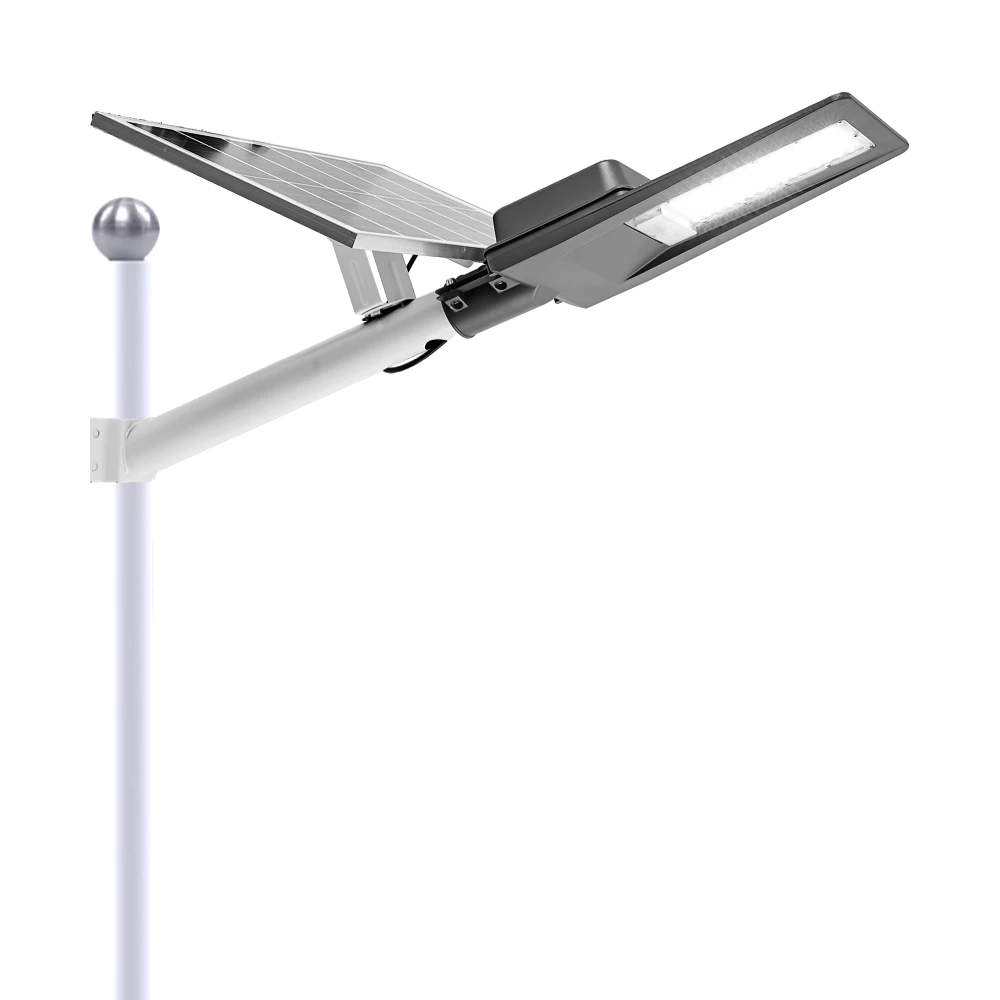
Experience reliable outdoor illumination with our smart solar street light, a perfect combination of advanced technology and eco-conscious design.
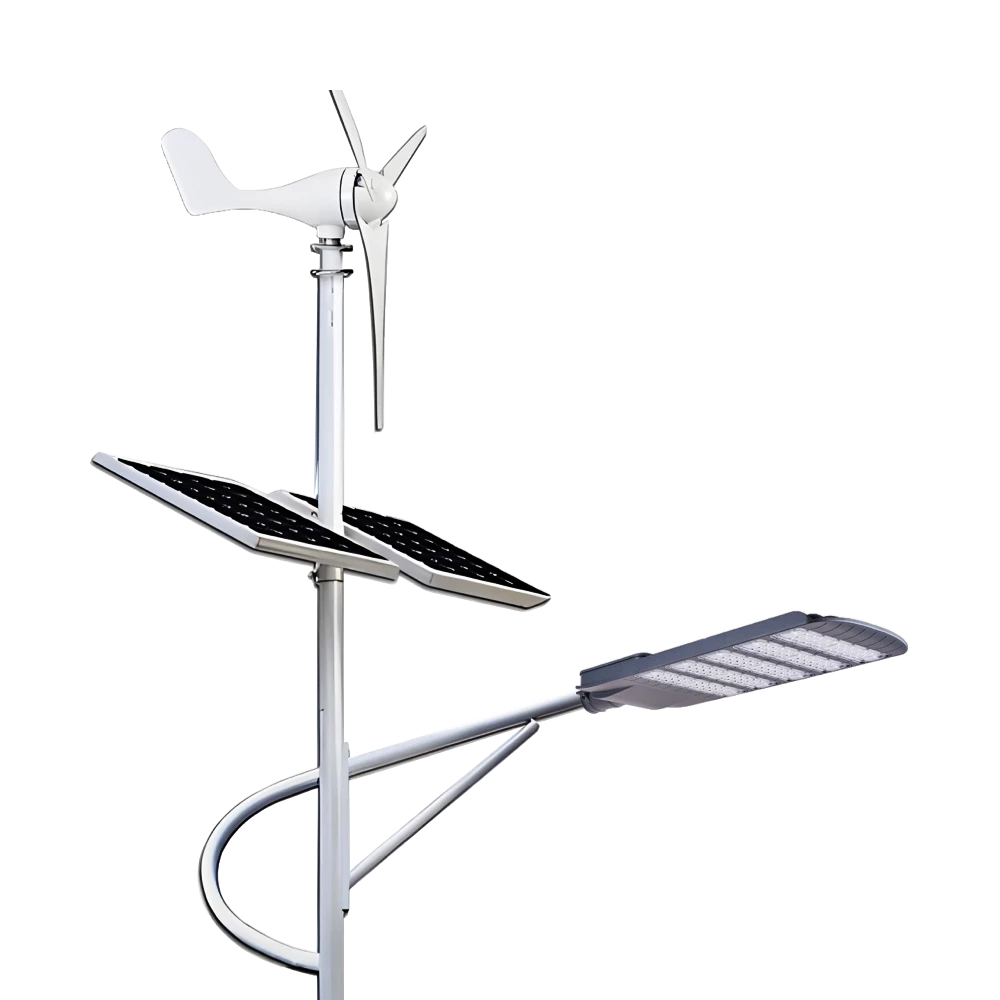
Queneng Lufeng Wind Energy LED Outdoor Solar Street Lights offer high-performance, eco-friendly illumination. These energy-efficient LED street lights harness solar power and wind energy for sustainable, cost-effective outdoor lighting solutions.
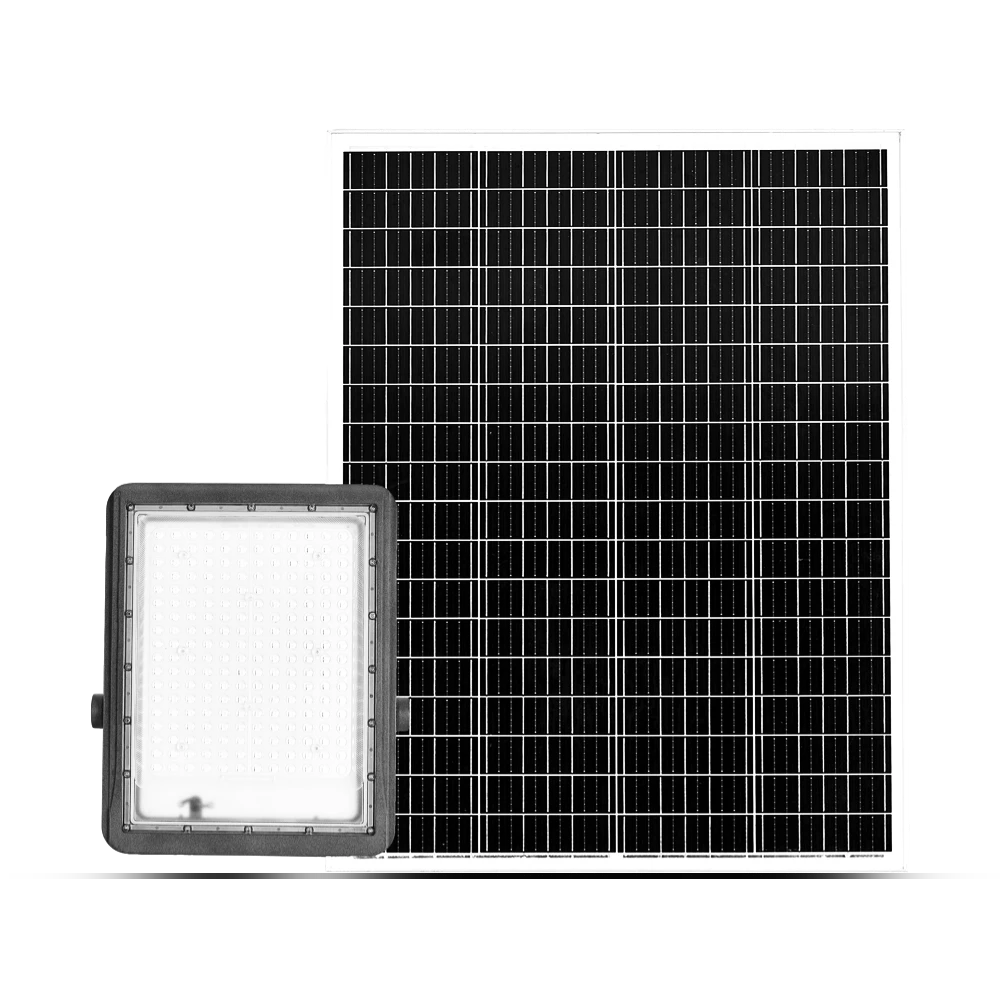
Queneng's Luxian Reliable Solar Street Light offers energy-saving LED lighting for outdoor use. This durable, solar-powered street light provides reliable illumination, reducing energy costs and environmental impact. A perfect solution for sustainable outdoor lighting.
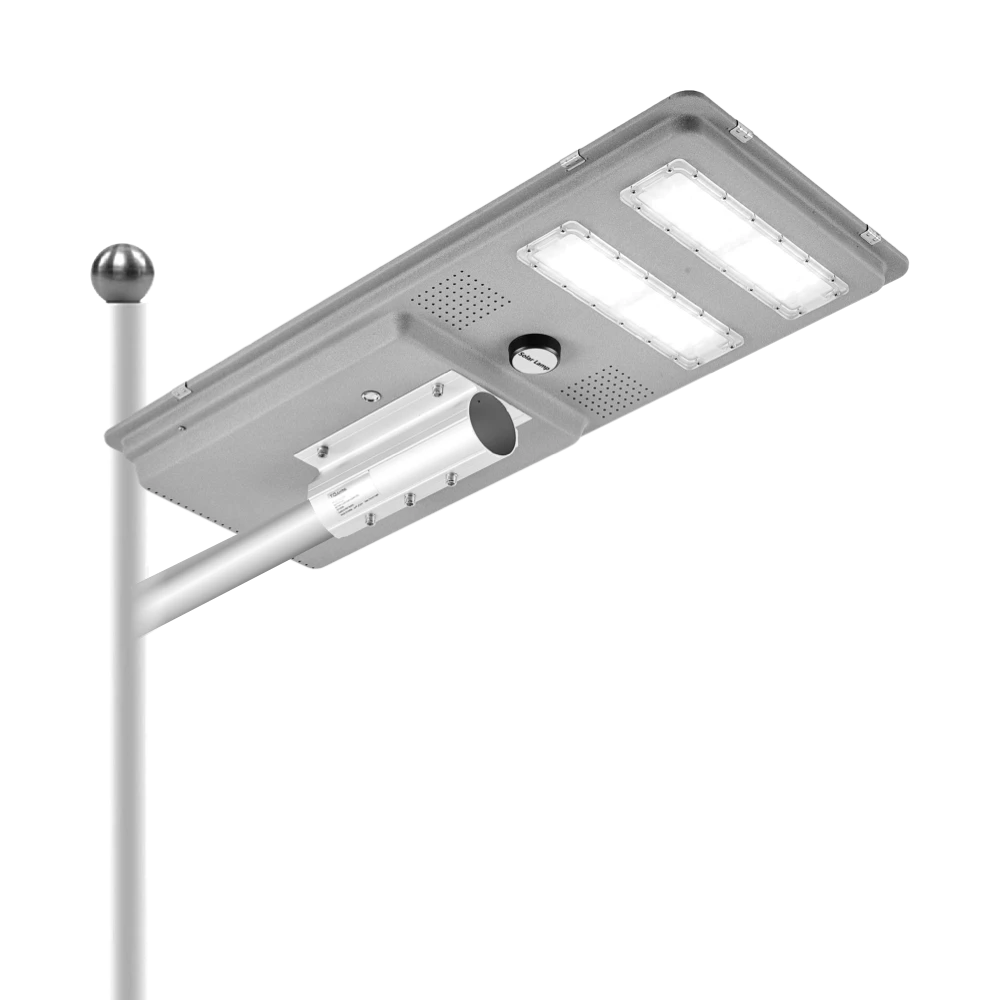
Queneng’s Solar Street Lights are designed to provide reliable, energy-efficient lighting for streets, parks, and other outdoor spaces.
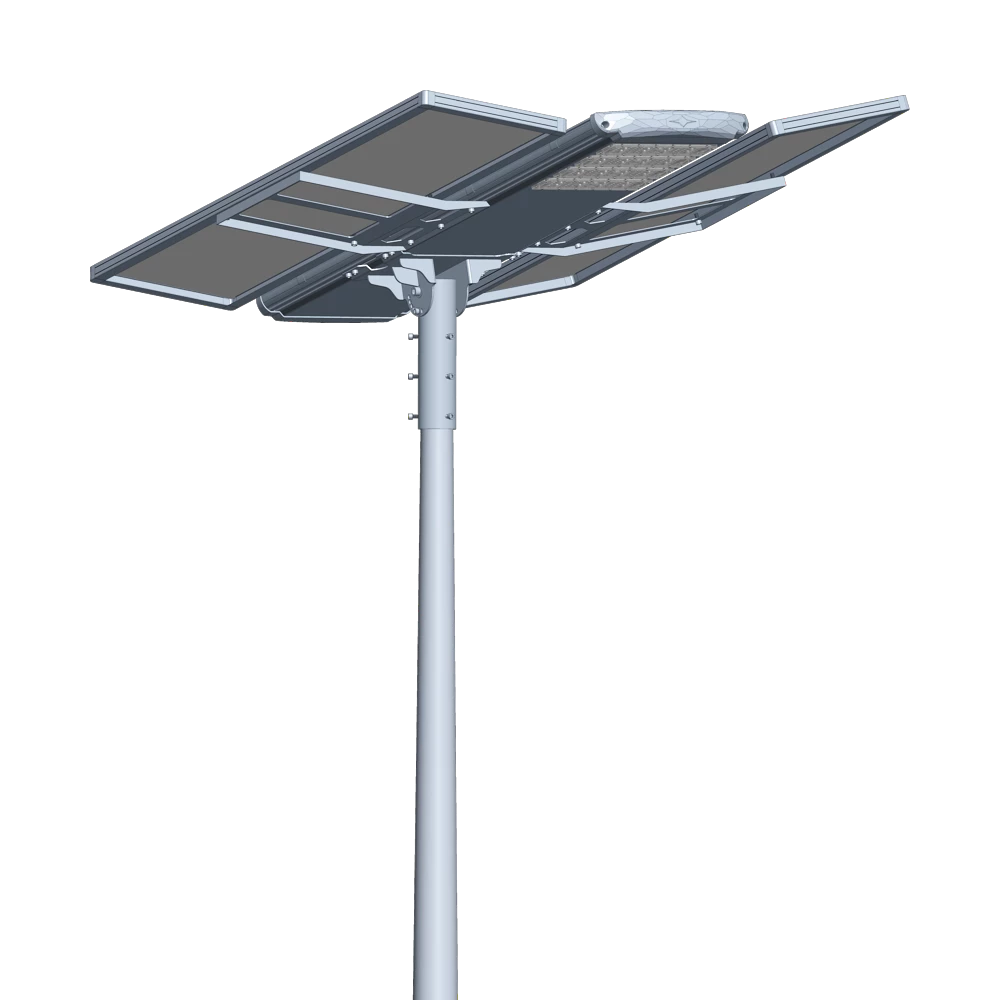
Introducing the Luqing Solar Street Light by Queneng, Efficient LED lighting powered by solar energy is perfect for illuminating outdoor areas. Harness the power of solar energy for sustainable, reliable street lighting. Ideal for eco-friendly, cost-effective outdoor illumination solutions.
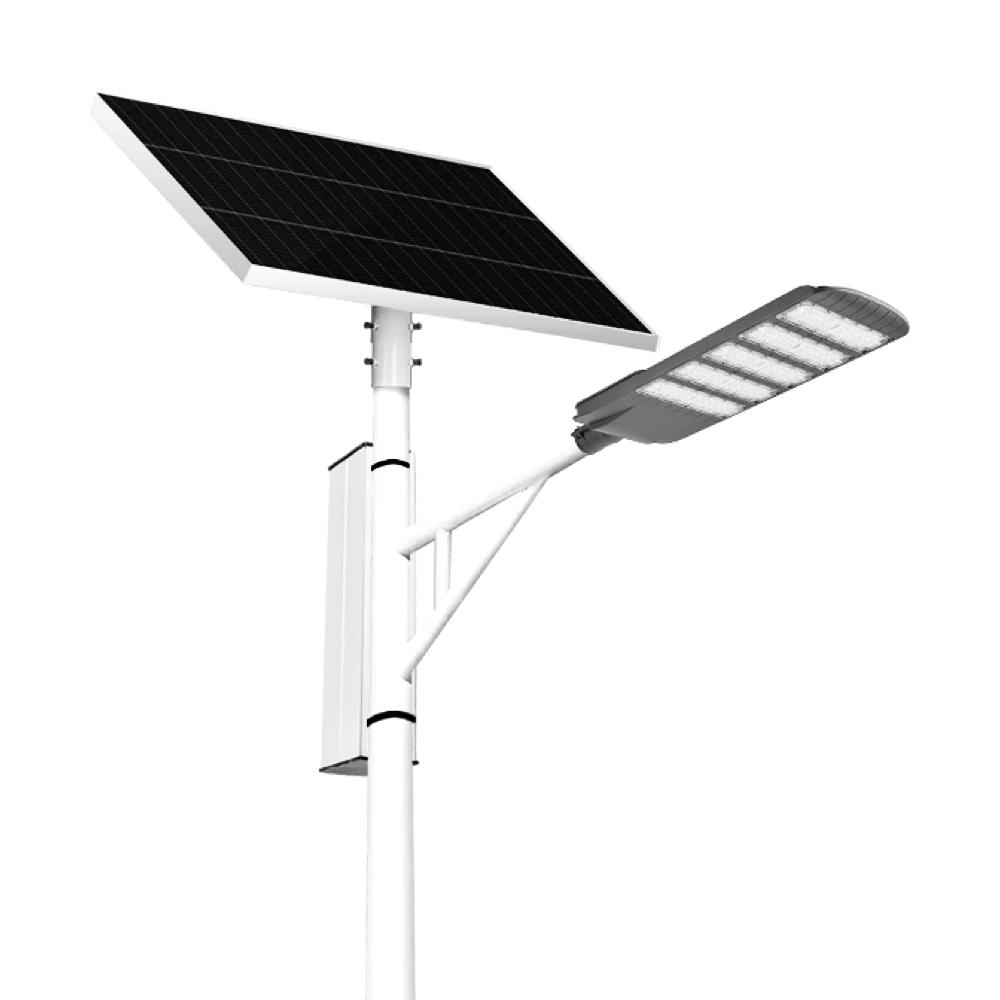
The Solar Streetlights of Luhao for Municipalities are designed to deliver reliable, energy-efficient, and cost-effective public lighting solutions. Equipped with advanced LED technology, durable lithium batteries, and high-efficiency solar panels, these streetlights provide consistent illumination for roads, parks, residential areas, and government projects.
If you would like more information about Queneng solar lighting solutions, please send us a message by filling out the form below. Our professional team will get back to you within 24 hours!
Rest assured that your privacy is important to us, and all information provided will be handled with the utmost confidentiality.
Schedule a Meeting
Book a date and time that is convenient for you and conduct the session in advance.
Have more questions about our products or services?
The messenger of light & power conversion
Environmental protection and intelligent manufacturing are our brand philosophy, and quality assurance and the best user experience are our eternal promises to users.
CONTACT
No.9F, Building F, Cao San Xin Tian Hong Logistics Park, Guzhen Town, Zhongshan City, Guangdong Province, China.
or write [email protected]
WhatsApp: +86 136 2270 1011


