









How Do I Verify the Quality of Solar Street Lights from China?
Learn how to verify the quality of solar street lights from Chinese manufacturers. Tips on certifications, components, factory audits, testing, and how to avoid low-quality products.
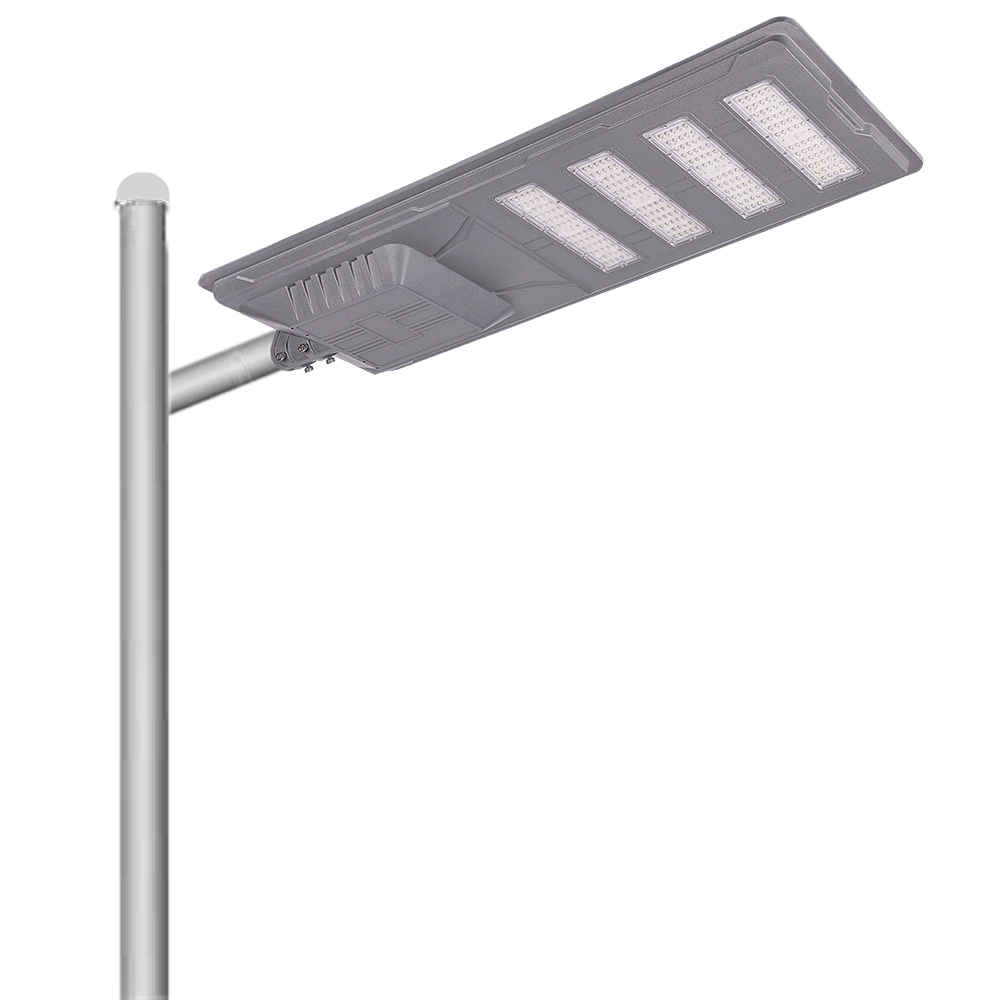
Solar street lights from China are highly popular in international markets due to their competitive prices and wide variety. However, the market also includes many products of varying quality. To ensure you receive durable, high-performance lights, you need to conduct proper quality verification before placing an order.
This article provides a comprehensive guide on how to verify the quality of solar street lights from China, whether you’re an importer, distributor, engineering contractor, or public sector buyer.
1️⃣ Start with Supplier Due Diligence
Factory Certifications
- ISO 9001 (Quality Management System)
- ISO 14001 (Environmental Management)
- OHSAS 18001 / ISO 45001 (Occupational Health & Safety)
Ask for recent copies of certificates with the company name.
Business Verification
- Alibaba Verified Supplier
- Made-in-China Audited Supplier
Conduct basic checks on their business license, company registration, and export history.
2️⃣ Examine Component Quality
Solar Panels
- Type: Monocrystalline is preferred over polycrystalline for better efficiency.
- Conversion Efficiency: ≥ 20%.
- Brand: Look for Tier 1 or well-known solar panel brands.
Battery
- Type: LiFePO₄ (Lithium Iron Phosphate) is currently the best choice.
- Cycle Life: ≥ 2000 cycles.
- Brand: Check if reputable brands are used.
LED Chips
- Brand: Cree, Philips, Osram, Bridgelux are recommended.
- Lumen output: ≥ 130 lm/W.
Solar Controller
- Type: MPPT (Maximum Power Point Tracking) controller is superior.
- Features: Intelligent dimming, battery protection, remote control capability.
Housing & Structure
- Material: Die-cast aluminum preferred for durability.
- Protection: IP66 waterproof, IK08 or higher impact resistance.
3️⃣ Check for Relevant Certifications
A high-quality solar street light should comply with international standards:
- CE (Europe)
- RoHS (Hazardous Substances Free)
- UL (US, for components)
- CB (IECEE)
- BIS (India)
- MSDS (For battery safety)
- LM80 or LM79 (for LED performance, optional but valuable)
Tip: Request test reports from a third-party laboratory, such as SGS, TUV, Intertek.
4️⃣ Request Product Samples
Before placing bulk orders:
- Order samples and perform hands-on tests.
- Verify actual lumen output vs. datasheet.
- Test solar panel efficiency.
- Test battery charging and discharging behavior.
- Verify build quality and waterproof sealing.
5️⃣ Factory Audit or Third-party Inspection
If your order is sizable (≥ $10K), consider:
- Arranging a factory audit.
- Hiring a third-party inspection company (e.g., SGS, TUV) to:
- Witness production
- Conduct on-site testing
- Perform a final random inspection (FRI)
6️⃣ Testing During Shipment
- Insist on pre-shipment testing reports.
- Ask for packaging photos to verify safe transport.
- Conduct Incoming Quality Control (IQC) upon arrival in your country.
7️⃣ Warning Signs of Low-quality Solar Street Lights
- Unrealistically high lumen output claims (e.g., “500W solar light” with a tiny panel).
- No certificates or fake certificates.
- Battery specs not disclosed or too cheap.
- Non-MPPT controllers labeled as MPPT.
- Poor heat dissipation design.
If it looks too cheap to be true, it probably is.
Conclusion
Verifying the quality of solar street lights from China is critical to ensuring long-term performance and reliability. By following the steps above:
- Evaluate supplier credibility.
- Scrutinize component quality.
- Request certifications.
- Test samples.
- Conduct inspections.
- Beware of too-good-to-be-true deals.
A strong supplier will be transparent, responsive, and willing to provide detailed quality documentation.
By following this guide, you can avoid poor-quality products and build lasting relationships with trustworthy manufacturers.
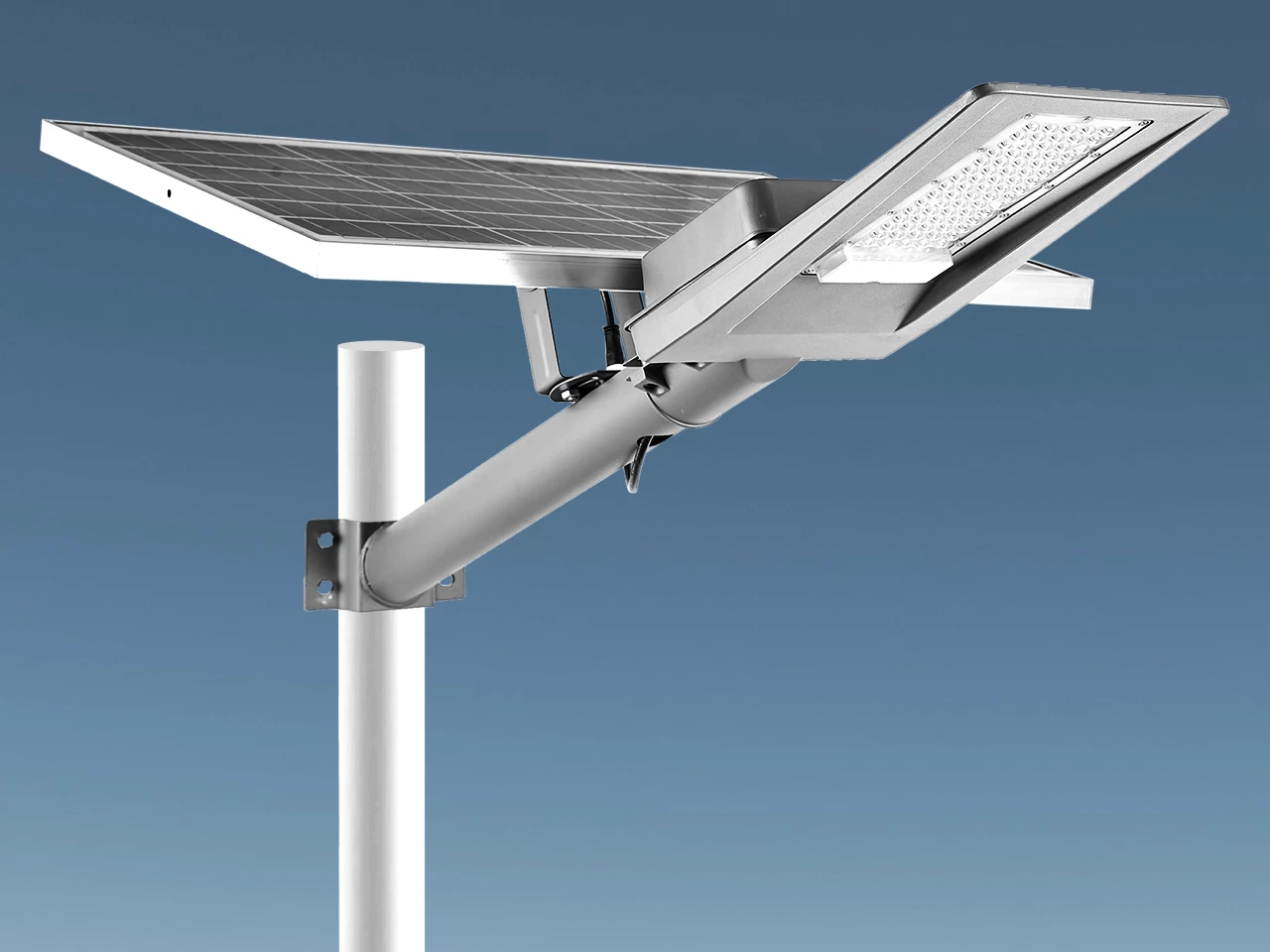
Frequently Asked Questions (FAQ)
Q1: How do I know if a Chinese solar light supplier is trustworthy?
A: Check for ISO, CE, and other certifications. Verify business licenses and export history. Get references or customer reviews.
Q2: Are all solar street lights from China low quality?
A: No. China has many high-quality manufacturers — the key is to select reputable ones with transparent quality control.
Q3: Is it worth paying extra for MPPT controllers?
A: Yes. MPPT controllers significantly improve energy efficiency and battery life.
Q4: Can I rely on Alibaba certifications?
A: Alibaba Verified Supplier is a good starting point, but additional due diligence and third-party testing are highly recommended.
Q5: What’s the biggest quality risk in cheap solar street lights?
A: The battery. Many low-cost lights use low-grade lithium or lead-acid batteries that fail quickly.

Have more questions about our products or services?
The latest hot news you might like

Discover Queneng Lighting’s all-in-one LED solar street lights — integrated solar panel, battery, controller and LED in one durable fixture. Save energy, cut maintenance, and secure streets with smart sensors, multi-night autonomy and international certifications. Contact sales for quotes and support.

Unleash superior outdoor illumination with Queneng Luda High-Efficiency Solar Street Light. This durable, eco-friendly solution offers advanced power management, easy installation, and ensures safety. Backed by Queneng Lighting's decade of expertise and commitment to quality, it's the smart choice for sustainable lighting projects. Learn why we're a leading solar solutions provider.

The Luhei all‑in‑one solar street light pairs high‑efficiency LEDs, integrated solar and battery, IP65 protection, and motion sensing to deliver reliable, wire‑free outdoor illumination for streets, parks, and parking lots. Backed by Queneng Lighting’s certifications and support.

FAQ
Public Gardens and Landscape Lighting
Can solar lights be customized for specific landscaping needs?
Yes, we offer customizable solar lighting solutions to meet the unique needs of different landscaping projects. From adjusting the brightness to selecting the appropriate lighting style and design, we can tailor our products to fit your vision.
Solar Street Light Lulin
How easy is it to install Lulin solar street lights?
Lulin solar street lights are designed for easy installation. They do not require any wiring to the power grid, making them perfect for areas without electrical infrastructure. The installation typically involves mounting the pole, securing the light fixture, and positioning the solar panel for maximum sunlight exposure. The lights can be installed quickly and efficiently, saving on installation costs.
Distributors
What are the benefits of becoming a Queneng distributor?
As a Queneng distributor, you will gain access to high-quality, customizable solar lighting products, competitive pricing, marketing support, and exclusive distribution rights in some regions. We provide comprehensive training, technical support, and reliable logistics to help grow your business.
Can I get exclusive distribution rights in my region?
-
Exclusive distribution rights are available in select regions based on market conditions and your business capabilities. Please contact us to discuss opportunities for exclusive distribution in your area.
-
Solar Street Light Luhui
Can Luhui solar street lights be controlled remotely?
Certain models of Luhui solar street lights come with smart control features, allowing users to remotely monitor and adjust settings such as brightness levels and operational times via mobile apps or centralized systems.
Remote Areas Rural Development
Can solar streetlights be relocated if community needs change?
Yes, they are designed to be portable and can be relocated to new sites with minimal adjustments.
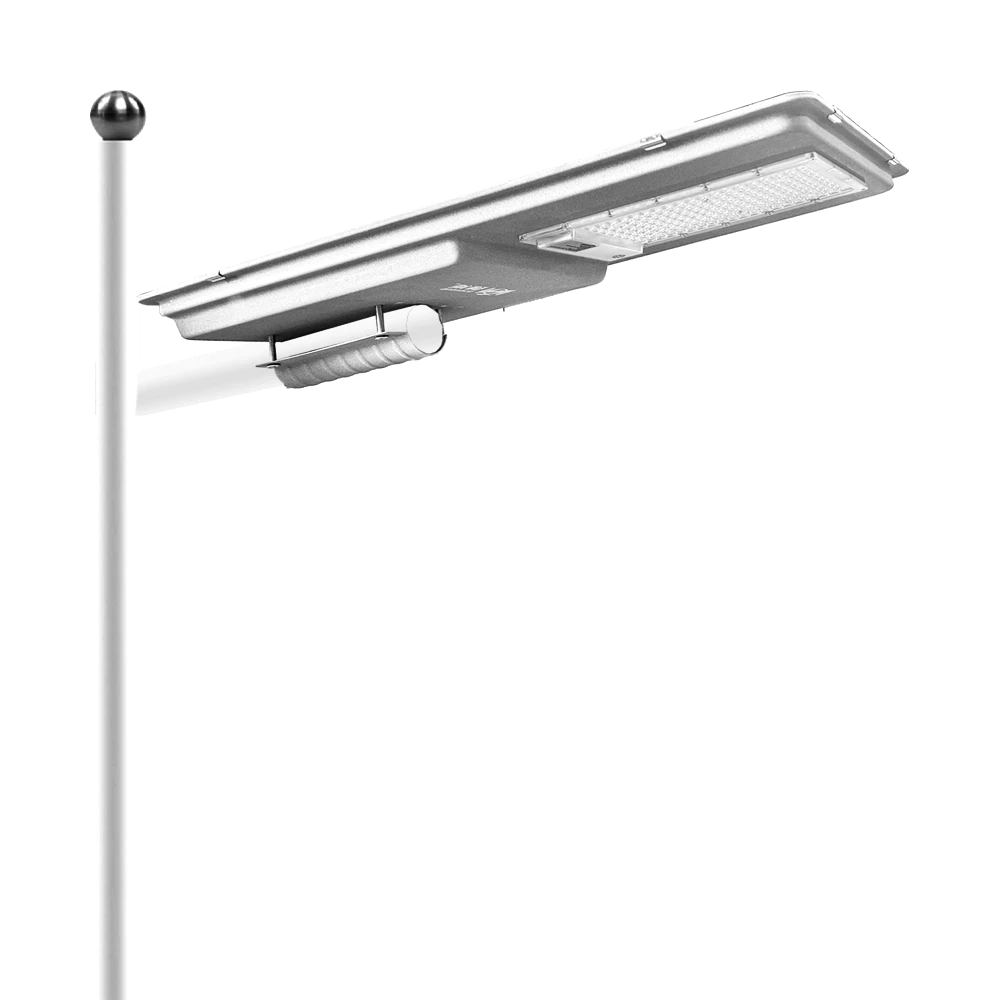
Queneng's Lufa high-efficiency solar LED street lights illuminate urban and commercial spaces brilliantly. These commercial solar LED street lights offer superior energy savings and reliable performance, making them an ideal sustainable lighting solution.
If you would like more information about Queneng solar lighting solutions, please send us a message by filling out the form below. Our professional team will get back to you within 24 hours!
Rest assured that your privacy is important to us, and all information provided will be handled with the utmost confidentiality.
Schedule a Meeting
Book a date and time that is convenient for you and conduct the session in advance.
Have more questions about our products or services?
The messenger of light & power conversion
Environmental protection and intelligent manufacturing are our brand philosophy, and quality assurance and the best user experience are our eternal promises to users.
CONTACT
No.9F, Building F, Cao San Xin Tian Hong Logistics Park, Guzhen Town, Zhongshan City, Guangdong Province, China.
or write [email protected]
WhatsApp: +86 136 2270 1011


