














How Do Manufacturers Ensure the Quality of Solar Street Lights?
Discover how reliable manufacturers ensure top-quality solar street lights through advanced materials, strict testing, and international certifications like ISO, CE, and UL.
Solar street lights are long-term infrastructure investments. Whether installed in remote villages, smart cities, or commercial zones, their performance and durability are critical. But how do reputable manufacturers guarantee consistent quality?
1. Rigorous Component Selection
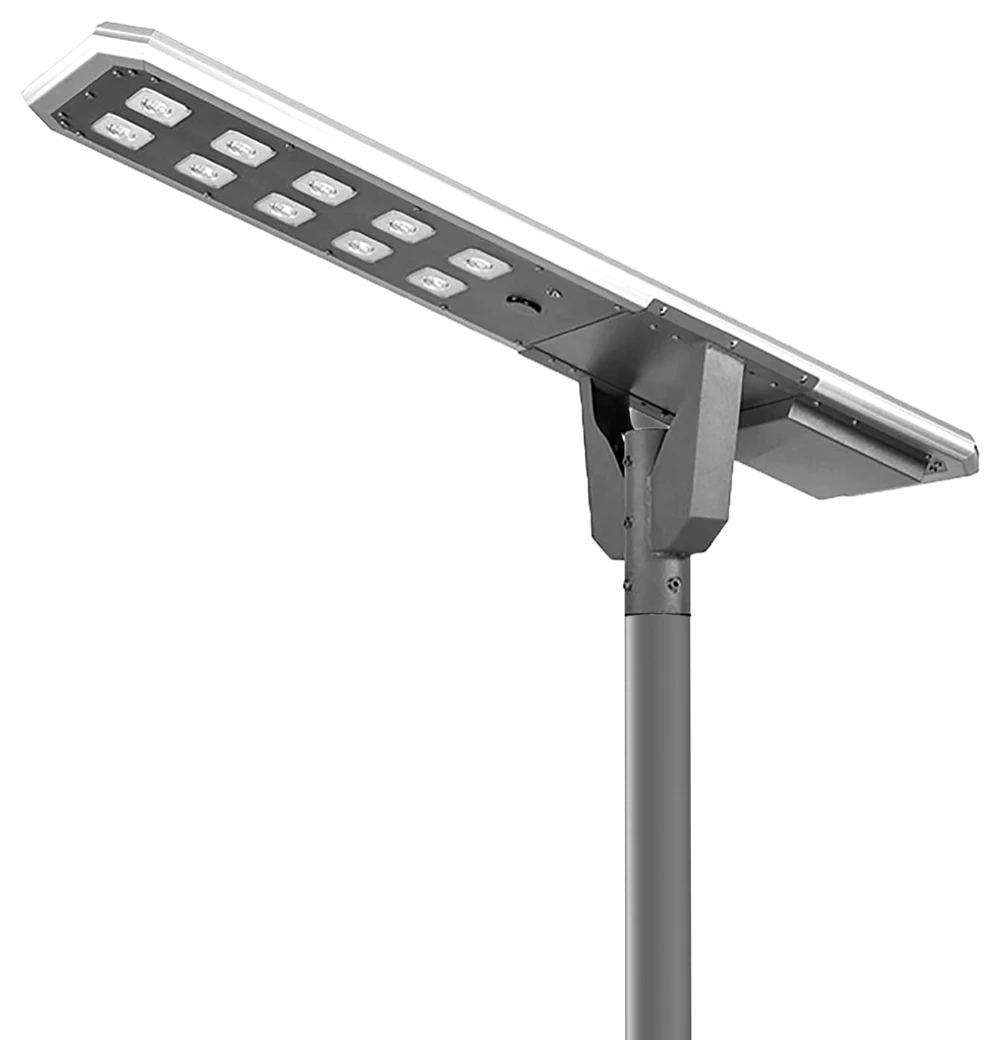
Reliable manufacturers source high-grade components:
- Solar panels: High-efficiency monocrystalline or polycrystalline panels with ≥20% conversion rate
- LED chips: Brand-name (e.g., Bridgelux, Osram) offering 130–200 lm/W
- Battery: LiFePO₄ or ternary lithium with ≥2000 cycles
- Controller: Intelligent MPPT controller with real-time monitoring
- Housing: Die-cast aluminum, IP65–IP67 waterproof and rustproof
2. Comprehensive Quality Control Systems
| Stage | Testing Activities |
|---|---|
| Incoming Inspection | Raw materials, solar panels, LEDs, batteries |
| In-process QC | Circuit assembly, soldering checks, welding tests |
| Aging Tests | 24–72 hour continuous lighting to detect defects |
| Vibration Tests | Simulates shipping and handling impact |
| Waterproof Tests | IP65/IP66 spray or immersion simulations |
| Final Inspection | Visual, functional, and safety checks |
3. Certified Manufacturing Standards
Leading manufacturers comply with global standards:
- ISO 9001 – Quality Management System
- ISO 14001 – Environmental Management
- ISO 45001 / OHSAS 18001 – Health and Safety
- CE, UL, BIS, CB – Safety and market certifications
- RoHS, MSDS – Environmental and battery safety compliance
4. Professional R&D and Engineering
Design innovation is critical for performance:
- Photometric simulations (e.g., Dialux)
- Protection circuits for overcurrent, overvoltage, overheating
- Remote dimming, smart control, auto-adjust lighting
5. Reliable Packaging and Logistics
Products are secured with:
- Foam or honeycomb carton inserts
- Anti-static and moisture-proof packaging
- Drop tests and pallet shipping with protection
6. After-Sales Support and Warranty
Trustworthy manufacturers offer:
- 3–5 year warranties (up to 10 years for premium models)
- Installation guides and wiring diagrams
- Remote diagnostics and parts replacement
- Customer feedback tracking for product improvements
Summary Table
| Key Element | What to Look For |
|---|---|
| Solar Panel | ≥18V, mono, ≥20% efficiency |
| Battery | LiFePO₄ or Lithium-ion, >2000 cycles |
| LED Brightness | 130–200 lm/W, branded chips |
| Certification | CE, UL, ISO, TUV, RoHS |
| Housing & Protection | Aluminum, IP65+, corrosion resistant |
| Smart Features | PIR, MPPT controller, remote |
💬 Frequently Asked Questions (FAQ)
A: 10–15 years. Batteries typically need replacement every 5–8 years.
A: No. Choose ISO-certified suppliers with test reports and brand components.
A: Yes. Third-party inspection (SGS, BV), factory audits, and video checks are available.
A: Poor batteries and unbranded LED chips.
A: Absolutely. They reduce maintenance and enhance lighting reliability.
📞 Work With a Trusted Manufacturer
GuangDong Queneng Lighting Technology Co., Ltd.
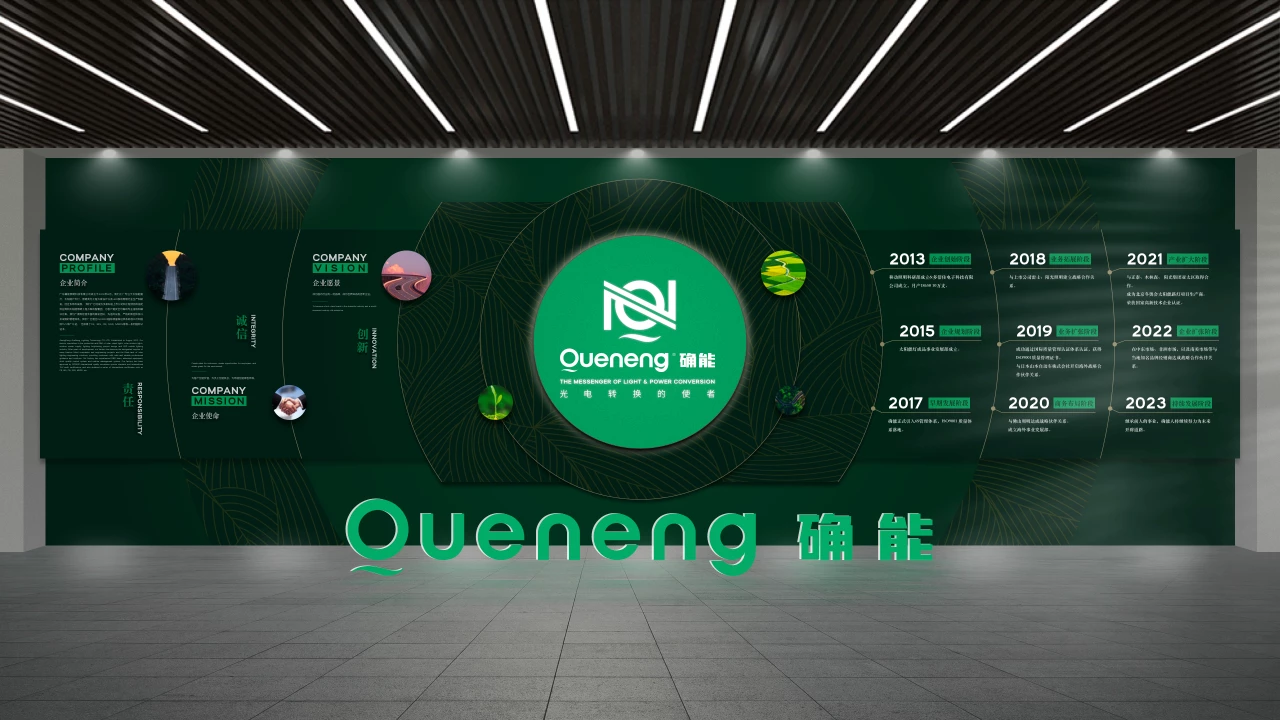
Founded in 2013, we specialize in solar street lights, solar panels, batteries, lighting design, and project solutions. Our products are ISO9001, TUV, CE, and UL certified.
👉 Contact us today for custom solutions, samples, or a factory quote!

Have more questions about our products or services?
The latest hot news you might like

Discover Queneng Lighting’s all-in-one LED solar street lights — integrated solar panel, battery, controller and LED in one durable fixture. Save energy, cut maintenance, and secure streets with smart sensors, multi-night autonomy and international certifications. Contact sales for quotes and support.

Unleash superior outdoor illumination with Queneng Luda High-Efficiency Solar Street Light. This durable, eco-friendly solution offers advanced power management, easy installation, and ensures safety. Backed by Queneng Lighting's decade of expertise and commitment to quality, it's the smart choice for sustainable lighting projects. Learn why we're a leading solar solutions provider.

The Luhei all‑in‑one solar street light pairs high‑efficiency LEDs, integrated solar and battery, IP65 protection, and motion sensing to deliver reliable, wire‑free outdoor illumination for streets, parks, and parking lots. Backed by Queneng Lighting’s certifications and support.

FAQ
Battery Performance and Testing
What is pulse charging? What impact does it have on battery performance?
who we are
Is Queneng committed to sustainability?
Yes, sustainability is at the heart of our business. We are dedicated to providing renewable energy solutions that reduce carbon footprints. Our products are designed to be energy-efficient and environmentally friendly, and we continuously work to improve our manufacturing processes to minimize environmental impact.
Solar Street Light Chuanqi
How do Chuanqi solar street lights differ from traditional street lights?
Chuanqi solar street lights are powered by solar energy, making them a sustainable and eco-friendly alternative to traditional street lights that rely on the electrical grid. They use energy-efficient LED technology that reduces electricity consumption while providing reliable, bright lighting. Unlike traditional lights, Chuanqi solar street lights operate independently of the grid, reducing installation costs and maintenance.
Solar Street Light Luzhou
What are the benefits of using Luzhou solar street lights over traditional street lights?
Luzhou solar street lights are more energy-efficient, cost-effective, and environmentally friendly compared to traditional street lights. They use solar energy, which reduces electricity bills, and require minimal maintenance. They are also independent of the grid, providing lighting in areas without electricity infrastructure.
Solar Street Light Luhua
What is the main advantage of using Luhua Smart Solar Street Lights over traditional street lights?
The main advantage of Luhua Smart Solar Street Lights is their reliance on renewable solar energy, which reduces dependency on the electrical grid. This makes them not only more eco-friendly but also more cost-effective in the long term. Additionally, the smart features such as motion detection and adaptive brightness make them highly energy-efficient compared to conventional street lights.
Solar Street Light Luhui
Can Luhui solar street lights be controlled remotely?
Certain models of Luhui solar street lights come with smart control features, allowing users to remotely monitor and adjust settings such as brightness levels and operational times via mobile apps or centralized systems.
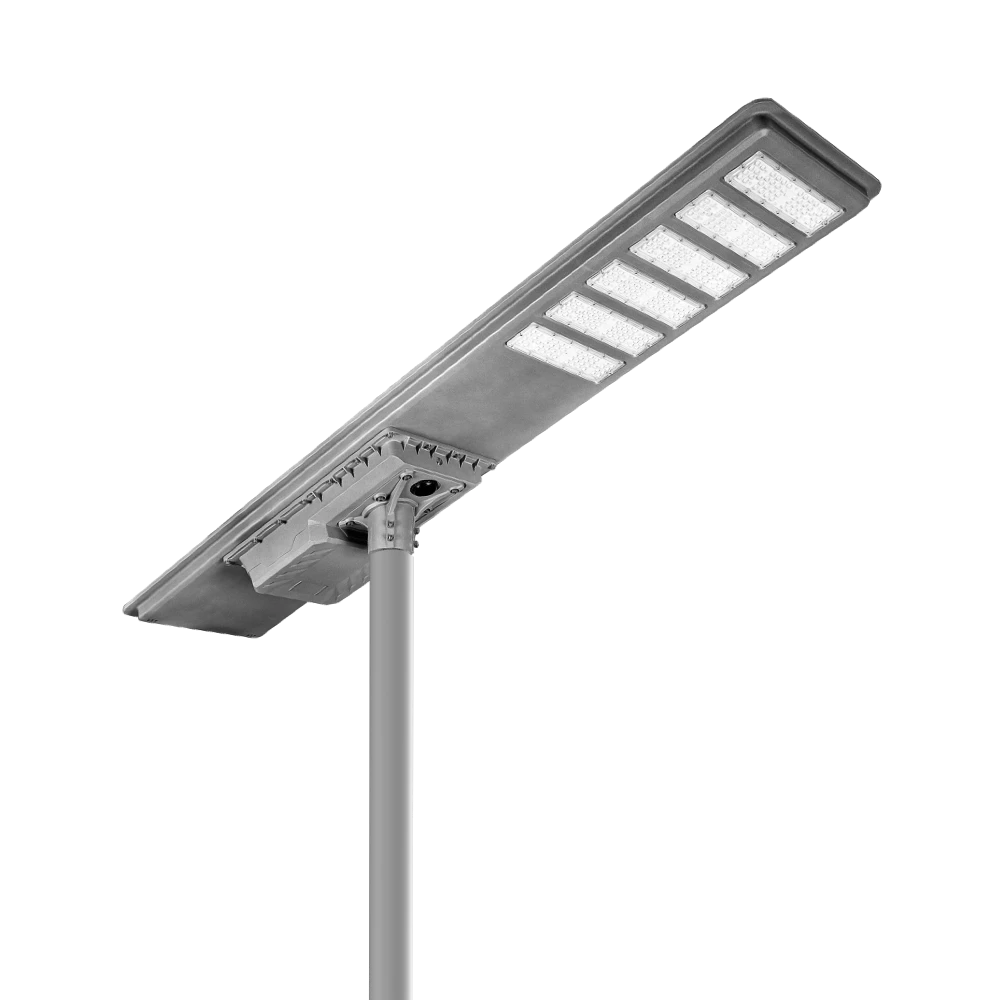
Queneng's Luqiu Innovative Solar Street Light offers energy-saving, durable outdoor lighting. This solar power street light provides a reliable and eco-friendly solution for illuminating your streets and pathways.
If you would like more information about Queneng solar lighting solutions, please send us a message by filling out the form below. Our professional team will get back to you within 24 hours!
Rest assured that your privacy is important to us, and all information provided will be handled with the utmost confidentiality.
Schedule a Meeting
Book a date and time that is convenient for you and conduct the session in advance.
Have more questions about our products or services?
The messenger of light & power conversion
Environmental protection and intelligent manufacturing are our brand philosophy, and quality assurance and the best user experience are our eternal promises to users.
CONTACT
No.9F, Building F, Cao San Xin Tian Hong Logistics Park, Guzhen Town, Zhongshan City, Guangdong Province, China.
or write [email protected]
WhatsApp: +86 136 2270 1011


