














how much does a solar street light cost | Queneng Guide
How Much Does a Solar Street Light Cost?
Understanding the cost of solar street lights is crucial for professionals in the solar lighting industry. This article breaks down the key factors that affect the price of solar street lights, providing essential information for making informed decisions.
Factors Influencing the Cost of Solar Street Lights
- Type and Quality of Components:
- Solar Panels: High-efficiency panels increase cost but improve performance (Source: Solar Energy Industries Association).
- Batteries: Lithium-ion batteries are more expensive but offer longer lifespan and better performance (Source: U.S. Department of Energy).
- LED Luminaires: Higher quality LEDs have a higher initial cost but lower long-term maintenance costs (Source: LEDinside).
- Installation Costs:
- Site Preparation: Costs vary based on terrain and location accessibility.
- Labor: Professional installation can range from $300 to $1,000 per light (Source: HomeAdvisor).
- Permitting and Compliance: Additional costs may be incurred for meeting local regulations.
- Maintenance and Operational Costs:
- Battery Replacement: Every 5-7 years, depending on the type and usage (Source: National Renewable Energy Laboratory).
- Cleaning and Inspection: Annual maintenance costs can range from $50 to $200 per light (Source: Solar Power World).
- Scale of Installation:
- Bulk Purchases: Buying in larger quantities can reduce the per-unit cost.
- Project Size: Larger projects may benefit from economies of scale.
Average Cost Range for Solar Street Lights
- Basic Systems: $1,500 - $3,000 per unit (Source: Solar Power World).
- Mid-Range Systems: $3,000 - $6,000 per unit (Source: Solar Power World).
- High-End Systems: $6,000 - $10,000 per unit (Source: Solar Power World).
Cost-Benefit Analysis
- Long-Term Savings: Solar street lights reduce electricity costs, with potential savings of up to 90% over traditional lighting (Source: U.S. Department of Energy).
- Environmental Impact: Reduced carbon footprint contributes to sustainability goals (Source: Environmental Protection Agency).
- Return on Investment (ROI): Payback periods can range from 3 to 7 years, depending on local energy costs and usage (Source: National Renewable Energy Laboratory).
Additional Considerations
- Warranty and Support: Longer warranties and comprehensive support can affect the initial cost but provide peace of mind.
- Customization: Tailoring systems to specific needs may increase costs but improve efficiency.
- Government Incentives: Subsidies and tax credits can offset initial investment costs (Source: Database of State Incentives for Renewables & Efficiency).
By understanding these factors, professionals in the solar lighting industry can better estimate the costs associated with solar street lights and make more informed decisions for their projects.

Have more questions about our products or services?
The latest hot news you might like

Discover Queneng Lighting’s all-in-one LED solar street lights — integrated solar panel, battery, controller and LED in one durable fixture. Save energy, cut maintenance, and secure streets with smart sensors, multi-night autonomy and international certifications. Contact sales for quotes and support.

Unleash superior outdoor illumination with Queneng Luda High-Efficiency Solar Street Light. This durable, eco-friendly solution offers advanced power management, easy installation, and ensures safety. Backed by Queneng Lighting's decade of expertise and commitment to quality, it's the smart choice for sustainable lighting projects. Learn why we're a leading solar solutions provider.

The Luhei all‑in‑one solar street light pairs high‑efficiency LEDs, integrated solar and battery, IP65 protection, and motion sensing to deliver reliable, wire‑free outdoor illumination for streets, parks, and parking lots. Backed by Queneng Lighting’s certifications and support.

FAQ
Batteries and the environment
How do used batteries pollute the environment?
Industry
Do Queneng’s solar street lights have anti-theft protection?
Our solar street lights are designed with security features, including durable casings and anti-theft bolts, minimizing the risk of theft.
Transportation and Highways
Can the brightness be adjusted for different traffic conditions?
Yes, smart controls enable brightness adjustment based on traffic density.
Battery and Analysis
What is a portable battery?
The portable battery family includes primary batteries and rechargeable batteries (secondary batteries). Button batteries belong to a special group of them
All-in-one solar street lights
How long is the battery lifespan?
Typically 5–8 years depending on battery type and usage.
Battery Performance and Testing
What is the internal resistance in charging state and what is the difference between internal resistance in discharging state?
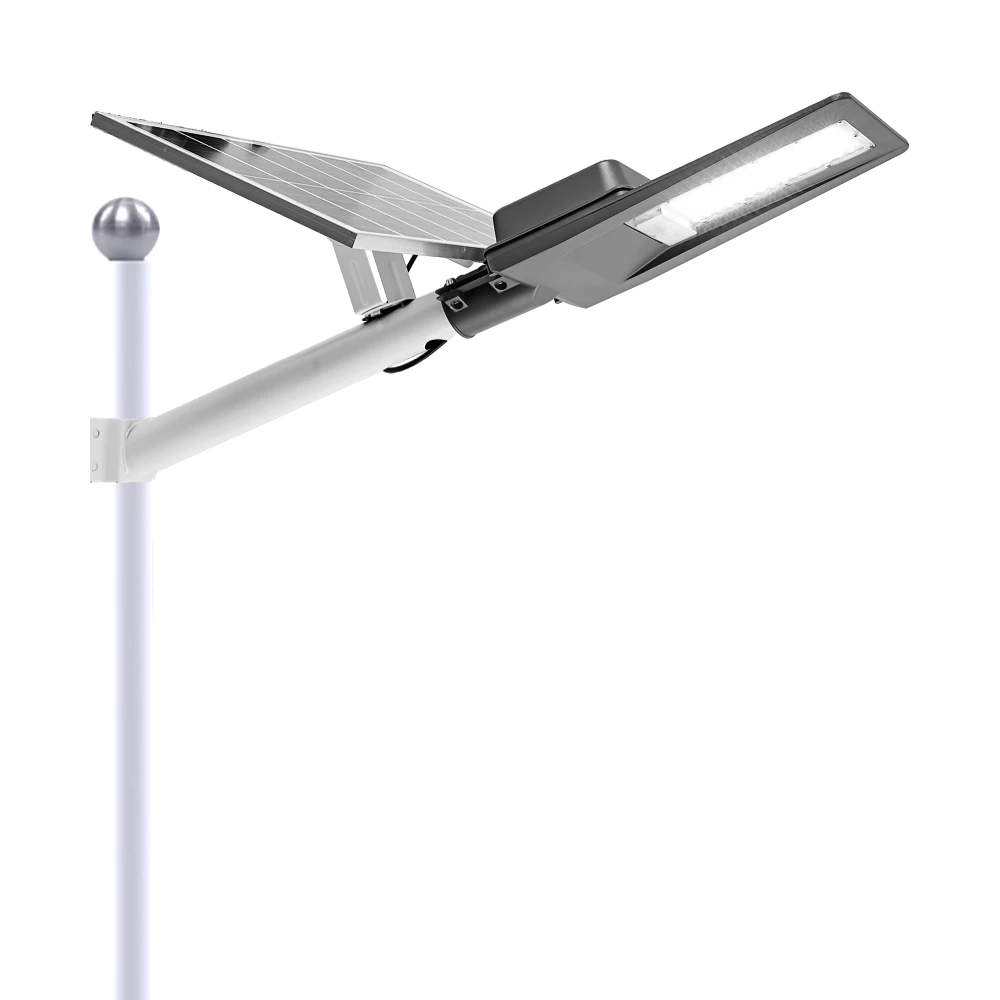
Experience reliable outdoor illumination with our smart solar street light, a perfect combination of advanced technology and eco-conscious design.
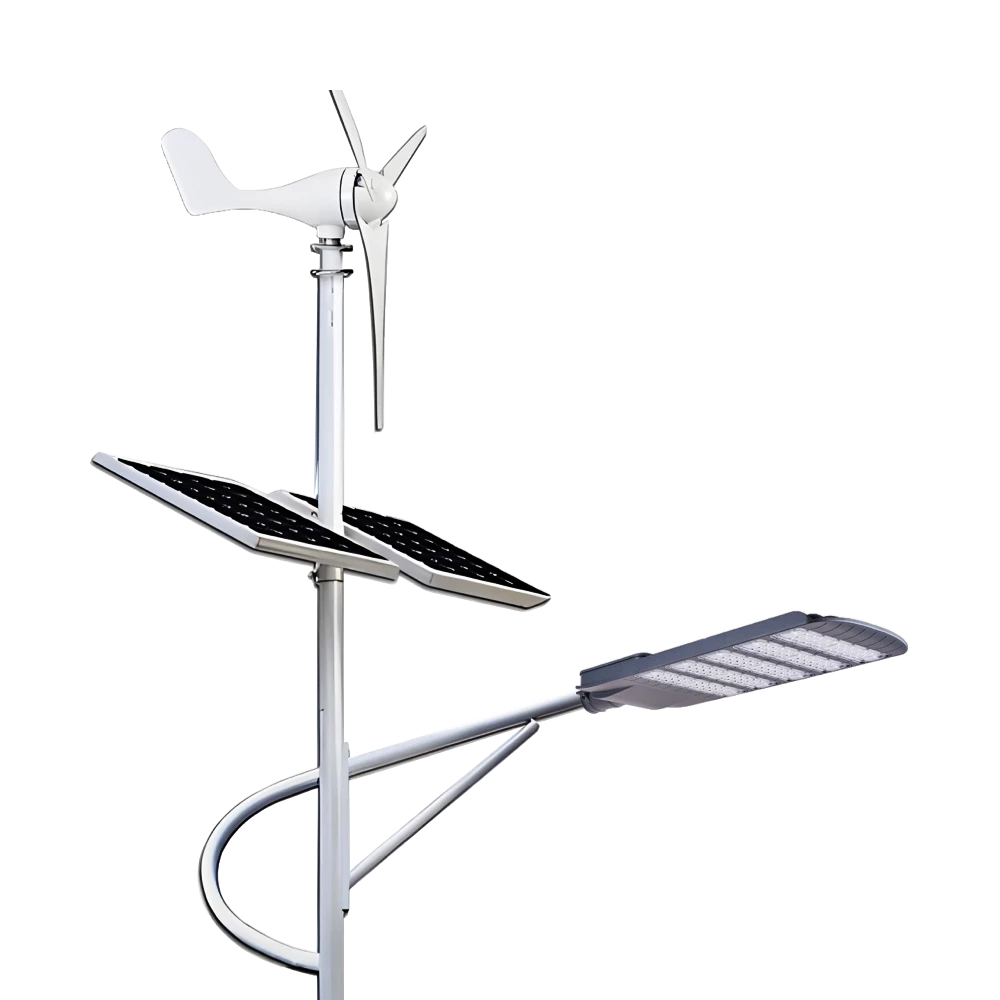
Queneng Lufeng Wind Energy LED Outdoor Solar Street Lights offer high-performance, eco-friendly illumination. These energy-efficient LED street lights harness solar power and wind energy for sustainable, cost-effective outdoor lighting solutions.
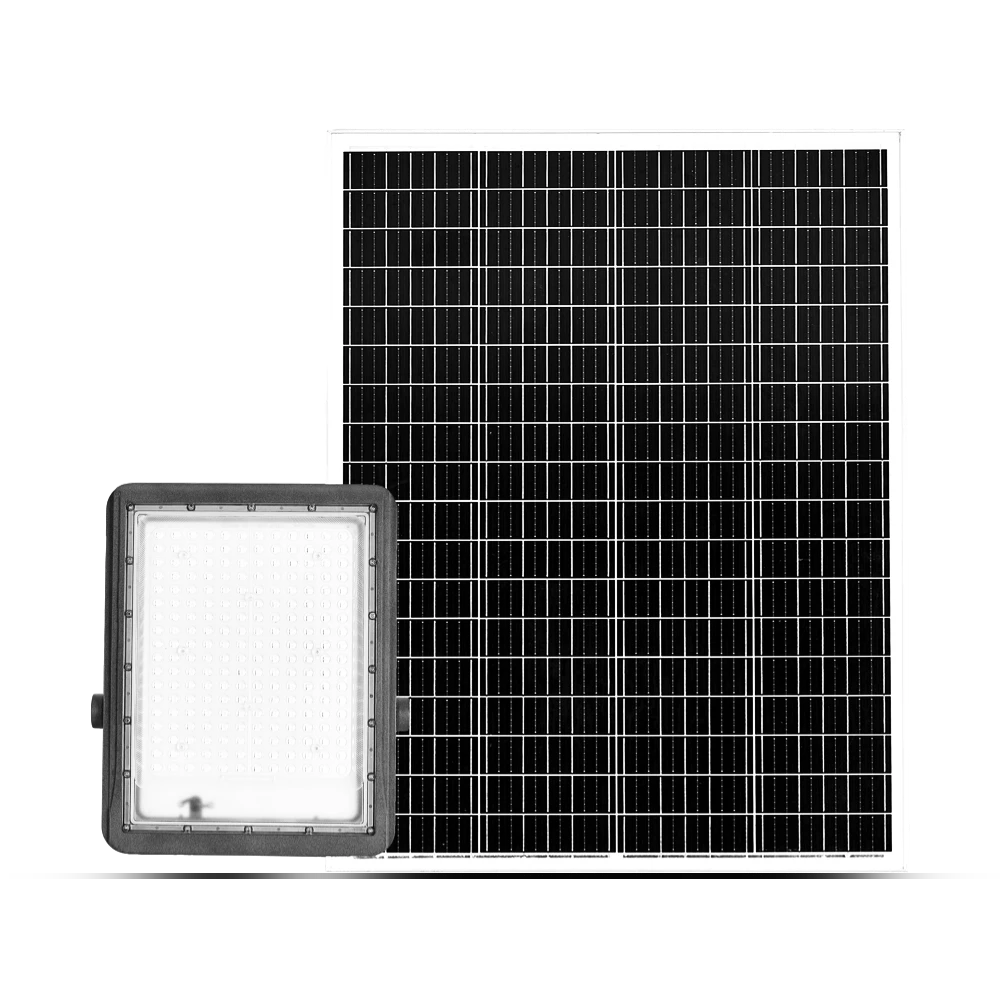
Queneng's Luxian Reliable Solar Street Light offers energy-saving LED lighting for outdoor use. This durable, solar-powered street light provides reliable illumination, reducing energy costs and environmental impact. A perfect solution for sustainable outdoor lighting.
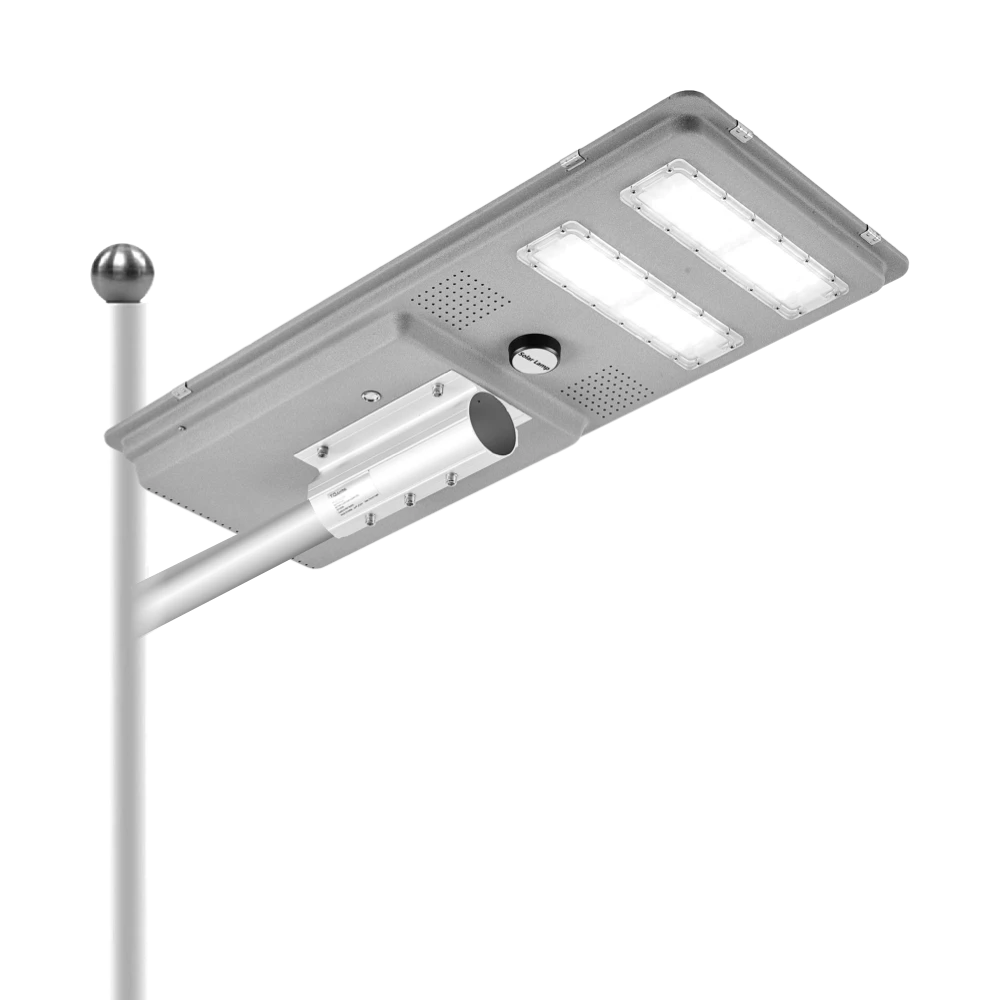
Queneng’s Solar Street Lights are designed to provide reliable, energy-efficient lighting for streets, parks, and other outdoor spaces.
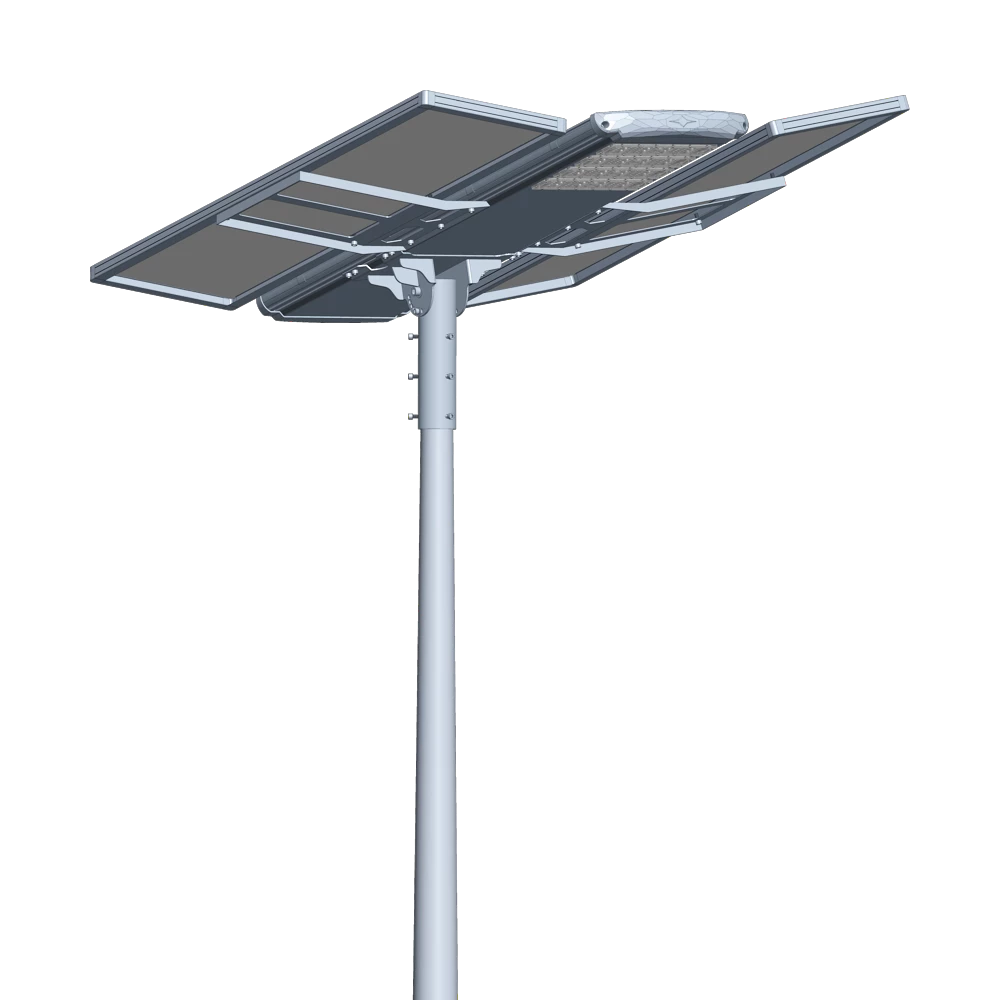
Introducing the Luqing Solar Street Light by Queneng, Efficient LED lighting powered by solar energy is perfect for illuminating outdoor areas. Harness the power of solar energy for sustainable, reliable street lighting. Ideal for eco-friendly, cost-effective outdoor illumination solutions.
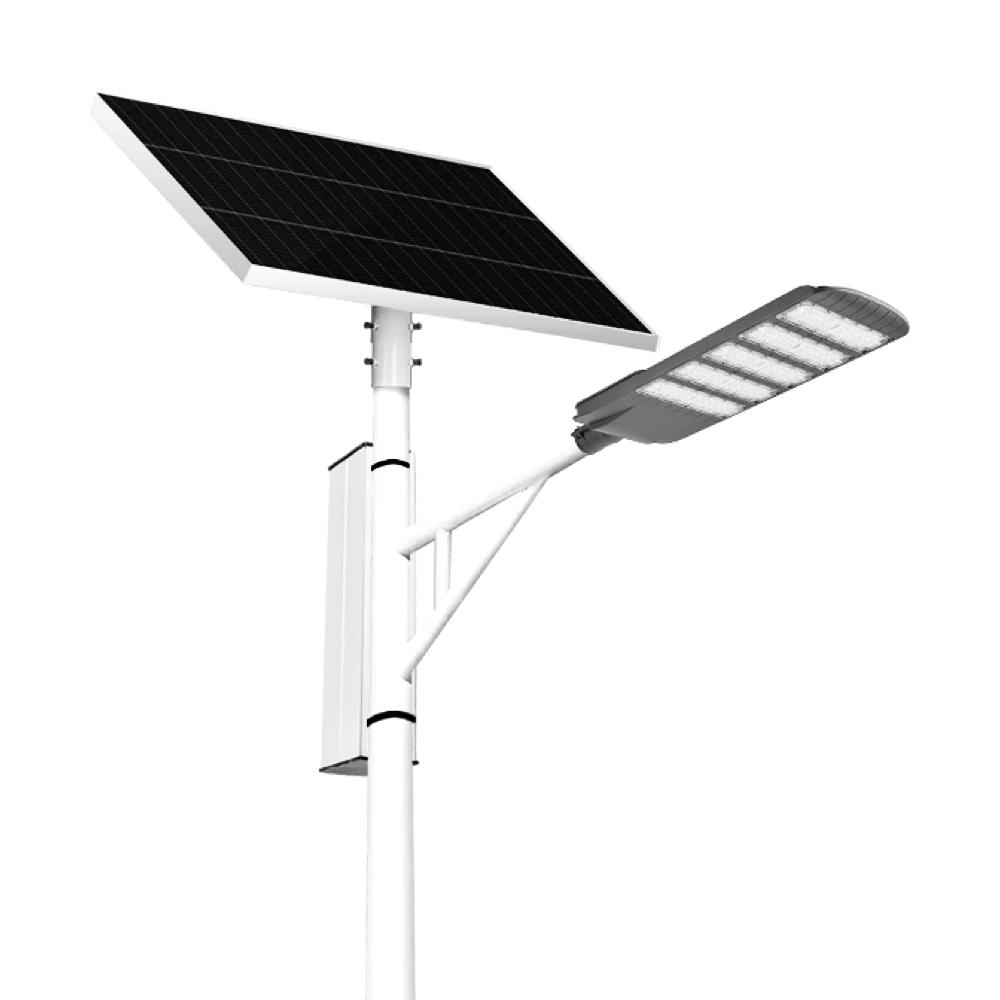
The Solar Streetlights of Luhao for Municipalities are designed to deliver reliable, energy-efficient, and cost-effective public lighting solutions. Equipped with advanced LED technology, durable lithium batteries, and high-efficiency solar panels, these streetlights provide consistent illumination for roads, parks, residential areas, and government projects.
If you would like more information about Queneng solar lighting solutions, please send us a message by filling out the form below. Our professional team will get back to you within 24 hours!
Rest assured that your privacy is important to us, and all information provided will be handled with the utmost confidentiality.
Schedule a Meeting
Book a date and time that is convenient for you and conduct the session in advance.
Have more questions about our products or services?
The messenger of light & power conversion
Environmental protection and intelligent manufacturing are our brand philosophy, and quality assurance and the best user experience are our eternal promises to users.
CONTACT
No.9F, Building F, Cao San Xin Tian Hong Logistics Park, Guzhen Town, Zhongshan City, Guangdong Province, China.
or write [email protected]
WhatsApp: +86 136 2270 1011


