














how to make solar street light at home | Queneng Guide
How to Make Solar Street Light at Home
Creating a solar street light at home can be a rewarding project for professionals in the solar lighting field. This guide will walk you through the essential steps and components needed to build an effective solar street light.
Components Required
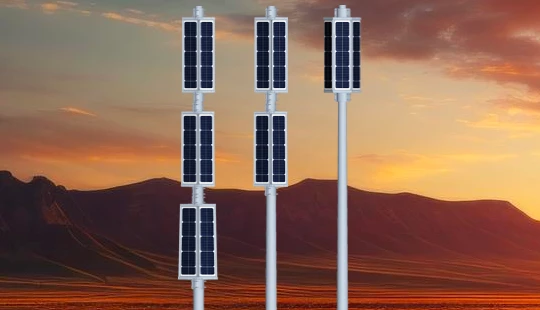
- Solar Panel: Choose a high-efficiency solar panel suitable for your location's sunlight exposure. A typical panel for street lighting might range from 50W to 200W (Source: Solar Energy Industries Association).
- Battery: A deep-cycle battery is essential for storing energy. Lithium-ion batteries are popular due to their longevity and efficiency (Source: National Renewable Energy Laboratory).
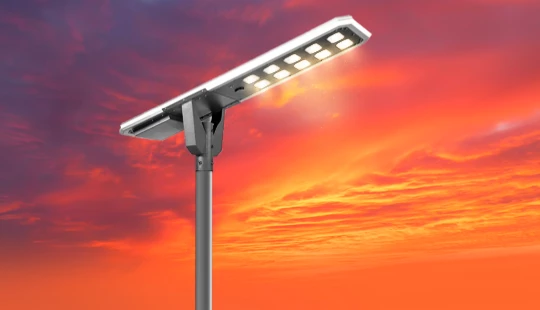
- LED Light: Select an LED light with the appropriate lumen output for street lighting. Typically, 3000 to 5000 lumens are used (Source: Illuminating Engineering Society).
- Charge Controller: This regulates the flow of electricity from the solar panel to the battery, preventing overcharging. A PWM or MPPT controller can be used (Source: Renewable Energy World).
- Pole and Mounting Hardware: Ensure the pole is sturdy and the mounting hardware is weather-resistant.
Assembly Steps
- Mount the Solar Panel: Secure the solar panel to the top of the pole, ensuring it faces the optimal direction for sunlight capture.
- Install the Battery: Place the battery in a secure, weatherproof enclosure near the base of the pole.
- Connect the Charge Controller: Wire the solar panel to the charge controller, then connect the controller to the battery.
- Attach the LED Light: Mount the LED light to the pole and connect it to the battery through the charge controller.
- Wiring and Testing: Ensure all connections are secure and test the system to confirm it charges during the day and illuminates at night.
Maintenance Tips
- Regular Cleaning: Keep the solar panel clean to maximize energy absorption. Clean every few months or as needed (Source: U.S. Department of Energy).
- Battery Checks: Monitor the battery's health and replace it when necessary. Lithium-ion batteries typically last 5-10 years (Source: Battery University).
- LED Inspection: Check the LED light for any signs of wear or damage and replace as needed.
Benefits of DIY Solar Street Lights
- Cost-Effective: Building your own solar street light can be more cost-effective than purchasing a commercial unit.
- Customization: You can tailor the system to meet specific needs, such as adjusting the light's brightness or the battery's capacity.
- Educational Value: The process provides hands-on experience with solar technology, which is valuable for professionals in the field.
By following these steps and tips, professionals in the solar lighting industry can successfully create a functional solar street light at home. This not only enhances their skill set but also contributes to sustainable lighting solutions.

Have more questions about our products or services?
The latest hot news you might like

Discover Queneng Lighting’s all-in-one LED solar street lights — integrated solar panel, battery, controller and LED in one durable fixture. Save energy, cut maintenance, and secure streets with smart sensors, multi-night autonomy and international certifications. Contact sales for quotes and support.

Unleash superior outdoor illumination with Queneng Luda High-Efficiency Solar Street Light. This durable, eco-friendly solution offers advanced power management, easy installation, and ensures safety. Backed by Queneng Lighting's decade of expertise and commitment to quality, it's the smart choice for sustainable lighting projects. Learn why we're a leading solar solutions provider.

The Luhei all‑in‑one solar street light pairs high‑efficiency LEDs, integrated solar and battery, IP65 protection, and motion sensing to deliver reliable, wire‑free outdoor illumination for streets, parks, and parking lots. Backed by Queneng Lighting’s certifications and support.

FAQ
Distributors
What are the benefits of becoming a Queneng distributor?
As a Queneng distributor, you will gain access to high-quality, customizable solar lighting products, competitive pricing, marketing support, and exclusive distribution rights in some regions. We provide comprehensive training, technical support, and reliable logistics to help grow your business.
Battery Performance and Testing
What is the power output of the battery?
The smaller the internal resistance of the battery, the higher the output power. The internal resistance of the battery should be smaller than the internal resistance of the electrical appliance. Otherwise, the power consumed by the battery itself will be greater than the power consumed by the electrical appliance, which is uneconomical and may damage the battery.
Municipal and Public Infrastructure
How long does installation typically take?
Solar streetlights are quick and easy to install since they don't require wiring. On average, a single light can be installed within 1-2 hours.
Battery and Analysis
What certifications have the company's products passed?
Public Gardens and Landscape Lighting
How long do solar-powered lights last in public spaces?
Our solar-powered lights are designed for durability and long-term use. The lights typically last for 5-10 years, depending on the quality of the solar panels and the local climate conditions. The batteries last around 2-3 years and can be replaced easily.
Solar Street Light Luhui
Are Luhui solar street lights adjustable for different lighting needs?
Yes, many models feature adjustable settings, including dimming or motion sensor options, allowing you to customize the lighting based on the specific needs of the area being illuminated.
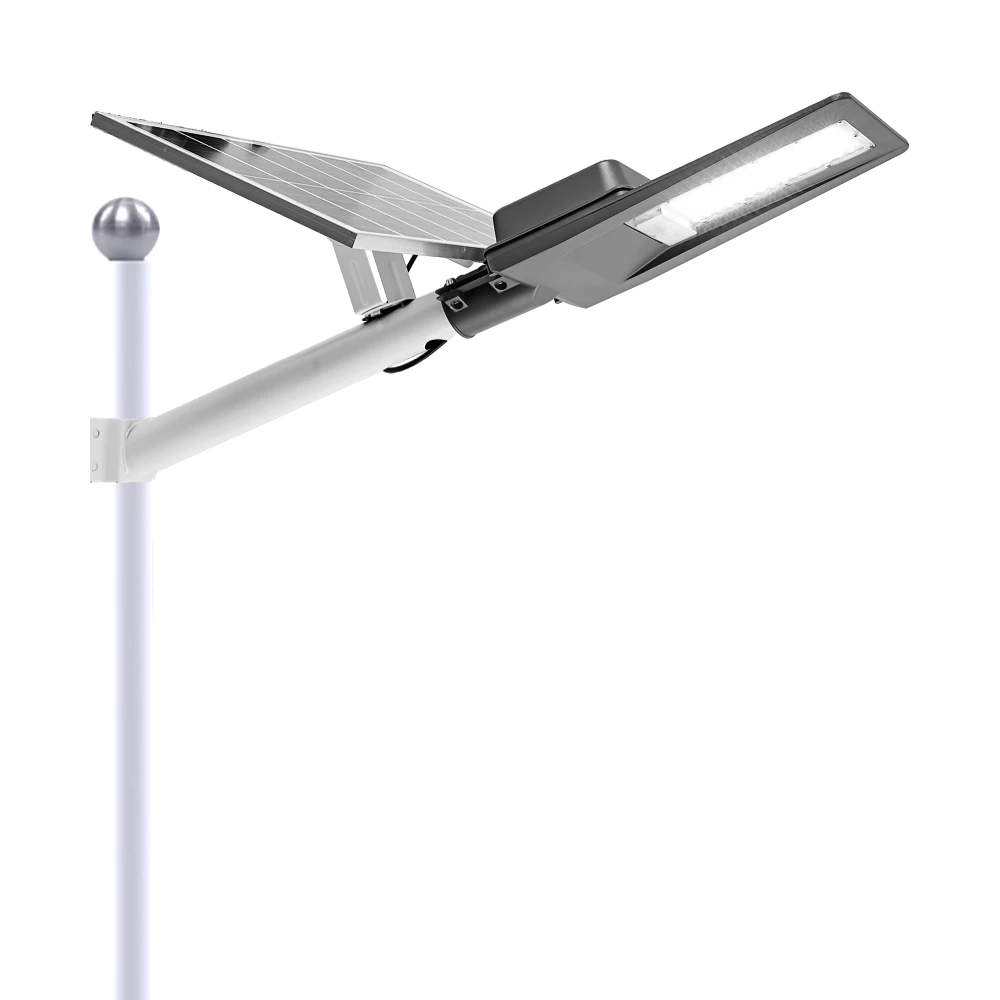
Experience reliable outdoor illumination with our smart solar street light, a perfect combination of advanced technology and eco-conscious design.
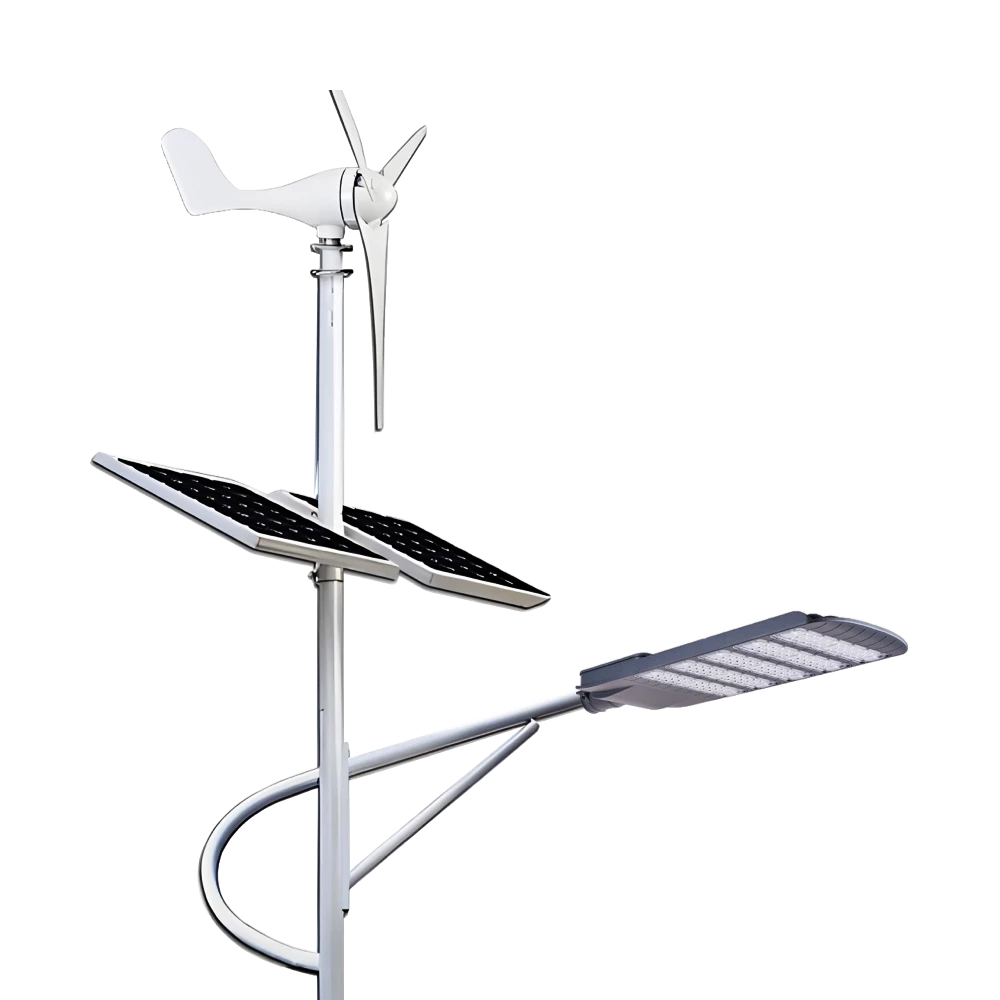
Queneng Lufeng Wind Energy LED Outdoor Solar Street Lights offer high-performance, eco-friendly illumination. These energy-efficient LED street lights harness solar power and wind energy for sustainable, cost-effective outdoor lighting solutions.
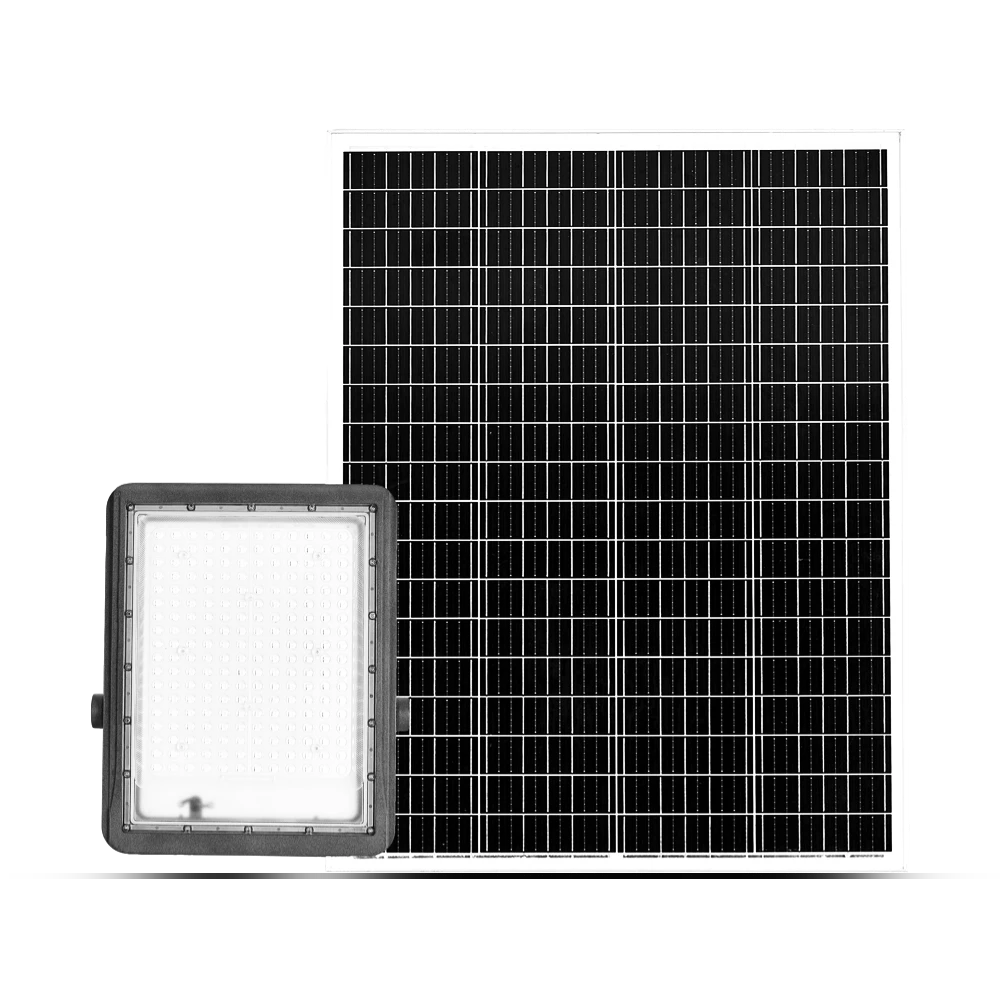
Queneng's Luxian Reliable Solar Street Light offers energy-saving LED lighting for outdoor use. This durable, solar-powered street light provides reliable illumination, reducing energy costs and environmental impact. A perfect solution for sustainable outdoor lighting.
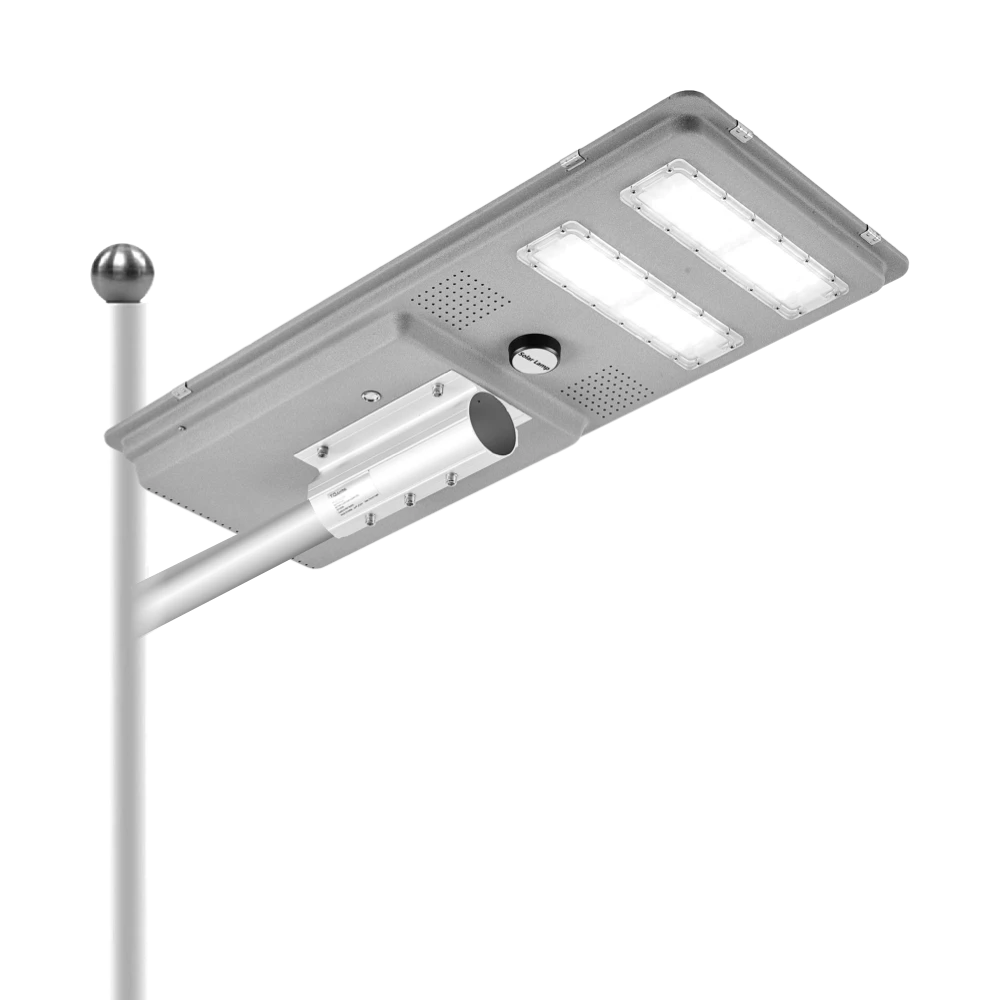
Queneng’s Solar Street Lights are designed to provide reliable, energy-efficient lighting for streets, parks, and other outdoor spaces.
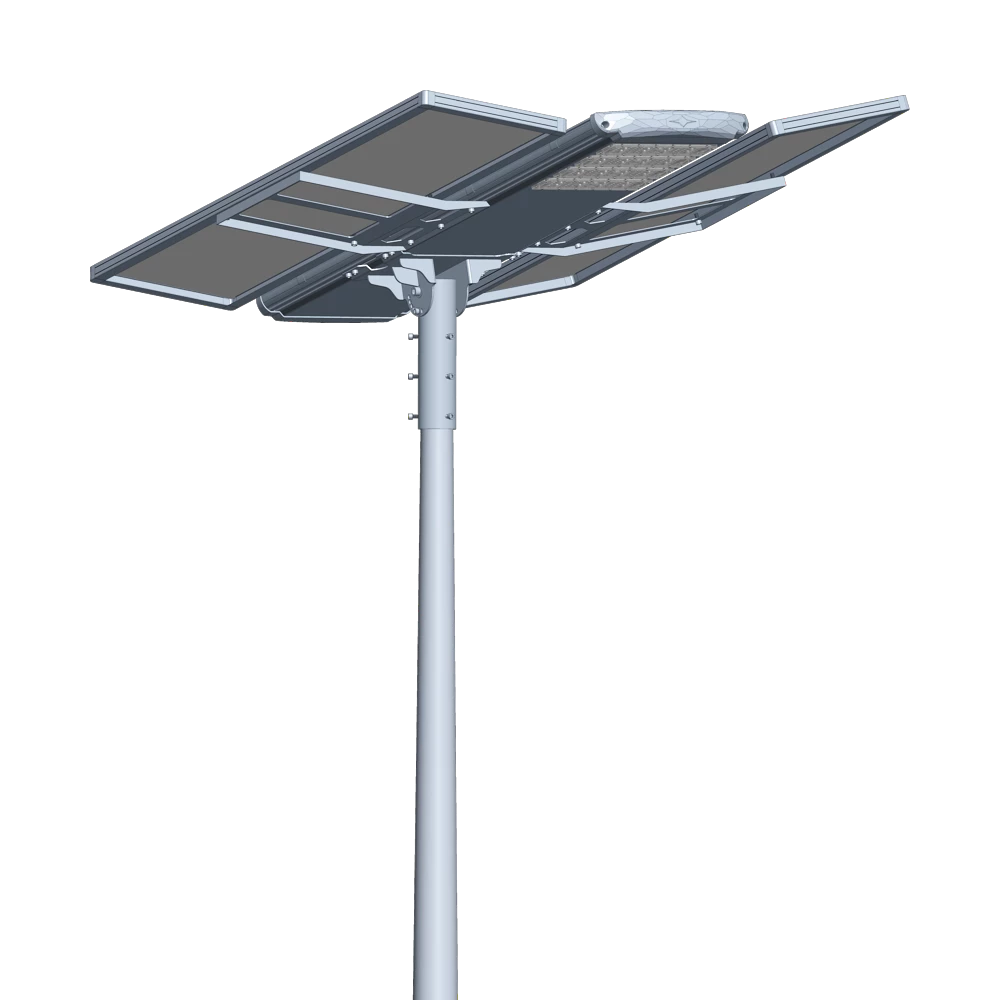
Introducing the Luqing Solar Street Light by Queneng, Efficient LED lighting powered by solar energy is perfect for illuminating outdoor areas. Harness the power of solar energy for sustainable, reliable street lighting. Ideal for eco-friendly, cost-effective outdoor illumination solutions.
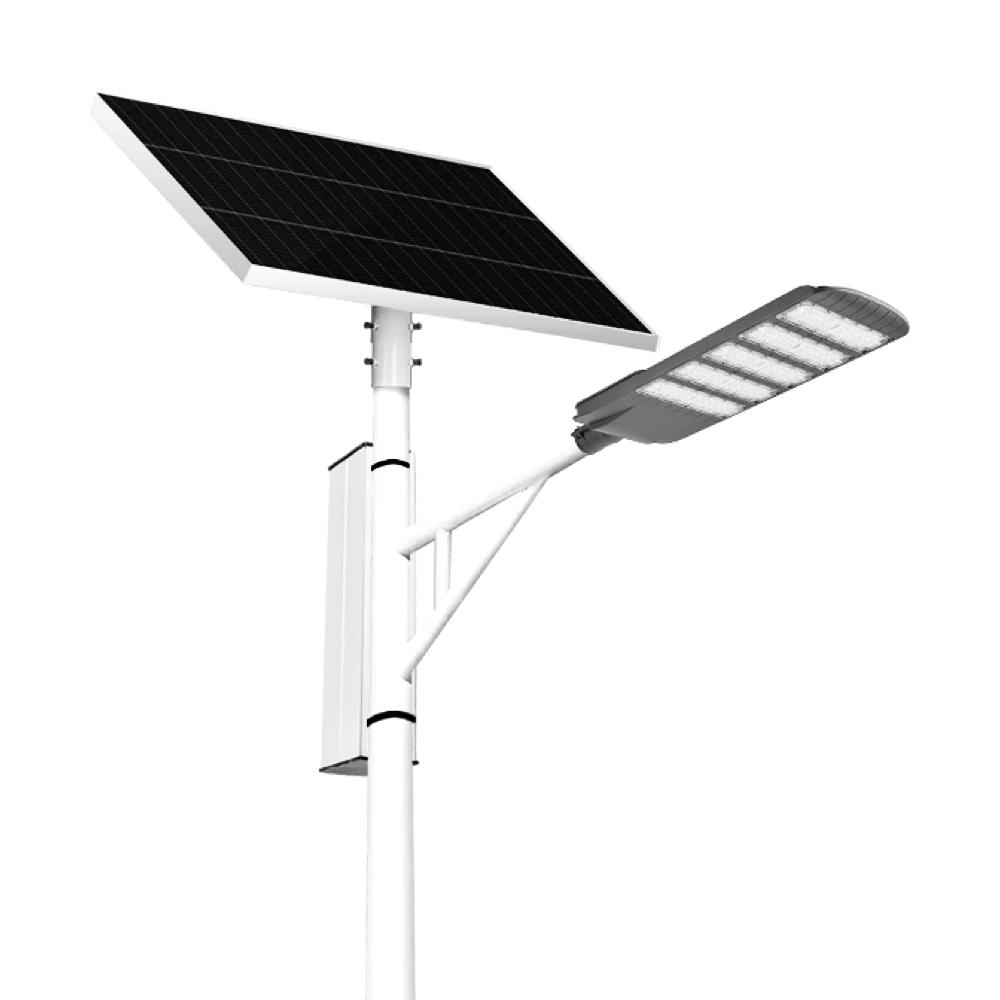
The Solar Streetlights of Luhao for Municipalities are designed to deliver reliable, energy-efficient, and cost-effective public lighting solutions. Equipped with advanced LED technology, durable lithium batteries, and high-efficiency solar panels, these streetlights provide consistent illumination for roads, parks, residential areas, and government projects.
If you would like more information about Queneng solar lighting solutions, please send us a message by filling out the form below. Our professional team will get back to you within 24 hours!
Rest assured that your privacy is important to us, and all information provided will be handled with the utmost confidentiality.
Schedule a Meeting
Book a date and time that is convenient for you and conduct the session in advance.
Have more questions about our products or services?
The messenger of light & power conversion
Environmental protection and intelligent manufacturing are our brand philosophy, and quality assurance and the best user experience are our eternal promises to users.
CONTACT
No.9F, Building F, Cao San Xin Tian Hong Logistics Park, Guzhen Town, Zhongshan City, Guangdong Province, China.
or write [email protected]
WhatsApp: +86 136 2270 1011


