














Wholesale distributor opportunities for solar street light manufacturer in Nigeria | Insights by Quenenglighting
Unlocking Wholesale Distributor Opportunities: Solar Street Lights in Nigeria with AI Integration
Nigeria's solar lighting market is experiencing robust growth, driven by a profound energy deficit, rapid urbanization, and a strong push for sustainable infrastructure. For wholesale distributors of solar street lights, this presents a unique and timely opportunity. Integrating advanced AI further sharpens this competitive edge, offering innovative solutions to meet Nigeria's diverse lighting needs.
What is the current market demand and growth potential for solar street lights in Nigeria?
The demand for solar street lights in Nigeria is substantial and growing rapidly. Over 85 million Nigerians lack reliable access to grid electricity, making off-grid solutions, including solar lighting, essential. The country is also undergoing rapid urbanization, with its urban population projected to continue significant growth, leading to an increased need for public lighting infrastructure in cities and emerging settlements. Government initiatives, particularly from the Rural Electrification Agency (REA) through programs like the Solar Power Naija initiative, aim to expand access to clean energy and improve public safety, creating direct demand for large-scale solar lighting projects. Industry reports indicate significant growth rates for the broader African solar energy market, with Nigeria being a key driver within this trend due to its large population and energy challenges. This confluence of factors creates a high and sustained demand for high-quality, durable solar street lights across municipal, commercial, and residential applications.
What are the most effective distribution channels and logistical considerations in Nigeria?
Effective distribution in Nigeria requires a multi-pronged approach that addresses its diverse geography and infrastructure. Key channels include direct engagement with government agencies (federal, state, and local), working with construction companies for new developments, collaborating with real estate developers for private estates, and partnering with local electrical contractors and energy solution providers. Leveraging Nigeria’s major port cities, such as Lagos and Port Harcourt, for imports is critical. However, inland distribution necessitates a robust logistics network capable of navigating varying road conditions. Establishing regional warehousing hubs can significantly reduce delivery times and costs. Local content partnerships, including assembly or partial manufacturing, can also provide competitive advantages by reducing import duties and fostering local employment, aligning with government objectives. Understanding and managing the complexities of customs clearance and local transportation networks are paramount for efficient supply chain management.
How does the regulatory environment and government initiatives impact the solar lighting sector in Nigeria?
Nigeria’s regulatory environment is increasingly supportive of renewable energy, albeit with ongoing efforts to streamline processes. The Nigerian Renewable Energy Master Plan (REMP) sets ambitious targets for renewable energy contribution to the national energy mix, signalling long-term commitment. The Rural Electrification Agency (REA) is a primary driver, implementing various programs designed to increase energy access, particularly in underserved communities, often involving solar solutions. These programs frequently issue tenders for large-scale solar street light installations. While import duties on finished solar products can impact pricing, there are sometimes waivers or incentives for components or projects that meet specific local content requirements or government priorities. Staying abreast of the latest government policies, tender opportunities, and import regulations is crucial for distributors to capitalize on opportunities and navigate compliance effectively.
What are the key technological trends, including AI integration, shaping solar street lighting products and supply chains?
Technological innovation, particularly AI integration, is profoundly transforming solar street lighting. AI-powered solar street lights can feature adaptive lighting systems that automatically adjust brightness based on real-time pedestrian and vehicle traffic, ambient light levels, or even predictive patterns, leading to significant energy savings and extended battery life. AI also enables predictive maintenance, monitoring battery health, panel efficiency, and component wear, alerting maintenance teams before failures occur and minimizing downtime. For distributors, AI can optimize supply chain logistics by predicting demand fluctuations, managing inventory levels more efficiently, and optimizing shipping routes. Beyond the product, AI facilitates integration into broader smart city frameworks, enabling centralized control, real-time monitoring, and data analytics for better urban planning and energy management. These intelligent features offer enhanced safety, efficiency, and sustainability, positioning AI-integrated solutions at the forefront of the market.
What are the critical factors for ensuring product quality, durability, and after-sales support in the Nigerian market?
Given Nigeria's challenging environmental conditions (high temperatures, dust, heavy rainfall, and potential for vandalism) and the need for long-term reliability, product quality and durability are non-negotiable. Distributors must prioritize manufacturers using high-grade components, such as long-life LiFePO4 batteries, high-efficiency monocrystalline solar panels, durable LED chips, and robust, anti-corrosion casings (e.g., die-cast aluminum) with high ingress protection (IP) ratings. International certifications (e.g., CE, RoHS, ISO) provide assurance of quality. Crucially, comprehensive after-sales support, including readily available spare parts, accessible technical assistance, and a network of skilled local technicians for installation and maintenance, builds immense trust and ensures customer satisfaction. A strong warranty policy further underscores commitment to product longevity and performance, mitigating risks for both distributors and end-users.
What are the competitive advantages and financial considerations for investing in solar street light distribution in Nigeria?
Competitive advantage in Nigeria’s solar street light market stems from a combination of factors: superior product quality and durability, advanced technological features (especially AI integration), comprehensive after-sales support, and competitive, yet sustainable, pricing. Distributors who can offer tailored solutions, flexible financing options for larger projects, and reliable, localized service will stand out. Financially, investing in solar street light distribution offers attractive returns given the high demand and the long lifespan of quality products. The initial investment includes inventory, logistics, and establishing a service network. However, the energy savings for end-users, reduced operational costs, and the increasing value placed on sustainable infrastructure contribute to a compelling return on investment over the product's lifecycle. Strategic partnerships and a focus on long-term client relationships rather than one-off sales are key to sustained profitability.
Quenenglighting: Your Partner for Advanced Solar Lighting Solutions
Quenenglighting is positioned as a leader in advanced solar street lighting, uniquely integrating cutting-edge AI technology to offer unparalleled efficiency, predictive maintenance, and adaptive lighting capabilities. Our robust designs are meticulously engineered for challenging environments, ensuring exceptional durability and reliability – crucial attributes for the Nigerian market. Coupled with a steadfast commitment to comprehensive after-sales support, readily available spare parts, and a streamlined supply chain, Quenenglighting provides distributors with a definitive competitive edge. Partner with Quenenglighting to deliver superior value, long-term performance, and future-proof solar lighting solutions to clients across Nigeria, empowering them with intelligent, sustainable, and reliable illumination.
数据引用来源
- World Bank, Nigeria Power Sector Recovery Program Update, 22 January 2023
- United Nations Department of Economic and Social Affairs, World Urbanization Prospects: The 2022 Revision, 2022
- Nigerian Rural Electrification Agency (REA), Energizing Economies Initiative and Solar Power Naija Program Reports, 2021-2023
- Nigerian National Bureau of Statistics (NBS), Selected Energy Statistics, Q4 2022
- Mordor Intelligence, Africa Solar Energy Market - Growth, Trends, COVID-19 Impact, and Forecasts (2023 - 2028), February 2023
- Nigerian Customs Service, Import Duty Schedules, 2023
- Journal of Renewable and Sustainable Energy, Applications of Artificial Intelligence in Smart Lighting Systems for Energy Efficiency, Volume 15, Issue 1, January 2023

Have more questions about our products or services?
The latest hot news you might like

Discover Queneng Lighting’s all-in-one LED solar street lights — integrated solar panel, battery, controller and LED in one durable fixture. Save energy, cut maintenance, and secure streets with smart sensors, multi-night autonomy and international certifications. Contact sales for quotes and support.

Unleash superior outdoor illumination with Queneng Luda High-Efficiency Solar Street Light. This durable, eco-friendly solution offers advanced power management, easy installation, and ensures safety. Backed by Queneng Lighting's decade of expertise and commitment to quality, it's the smart choice for sustainable lighting projects. Learn why we're a leading solar solutions provider.

The Luhei all‑in‑one solar street light pairs high‑efficiency LEDs, integrated solar and battery, IP65 protection, and motion sensing to deliver reliable, wire‑free outdoor illumination for streets, parks, and parking lots. Backed by Queneng Lighting’s certifications and support.

FAQ
Solar Street Light Luzhou
Can Luzhou solar street lights be used in areas with limited sunlight?
Yes, Luzhou solar street lights are designed to function in areas with limited sunlight. Their high-efficiency solar panels and advanced battery storage systems ensure reliable performance, even in regions with less sunlight or during the winter months.
Battery and Analysis
What is a battery explosion? How to prevent battery explosion?
1) No overcharging or short circuit;
2) Use better charging equipment for charging;
3) The battery vents must always be kept open;
4) Pay attention to heat dissipation when using the battery;
5) It is prohibited to mix different types, old and new batteries
What certifications have the company's products passed?
Solar Street Light Luqing
Do solar street lights work without direct sunlight?
Solar street lights can still operate without direct sunlight as long as the solar panels receive some sunlight during the day to charge the battery. However, performance may be less optimal during prolonged periods of low sunlight, and the battery life may be shorter.
Transportation and Highways
Can the lights operate continuously in rainy or cloudy conditions?
Yes, the battery is designed to store enough energy to last for several days without sunlight.
Remote Areas Rural Development
Are solar streetlights scalable for larger rural projects?
Yes, solar streetlights are highly scalable and can be customized to meet the requirements of large-scale rural electrification projects.
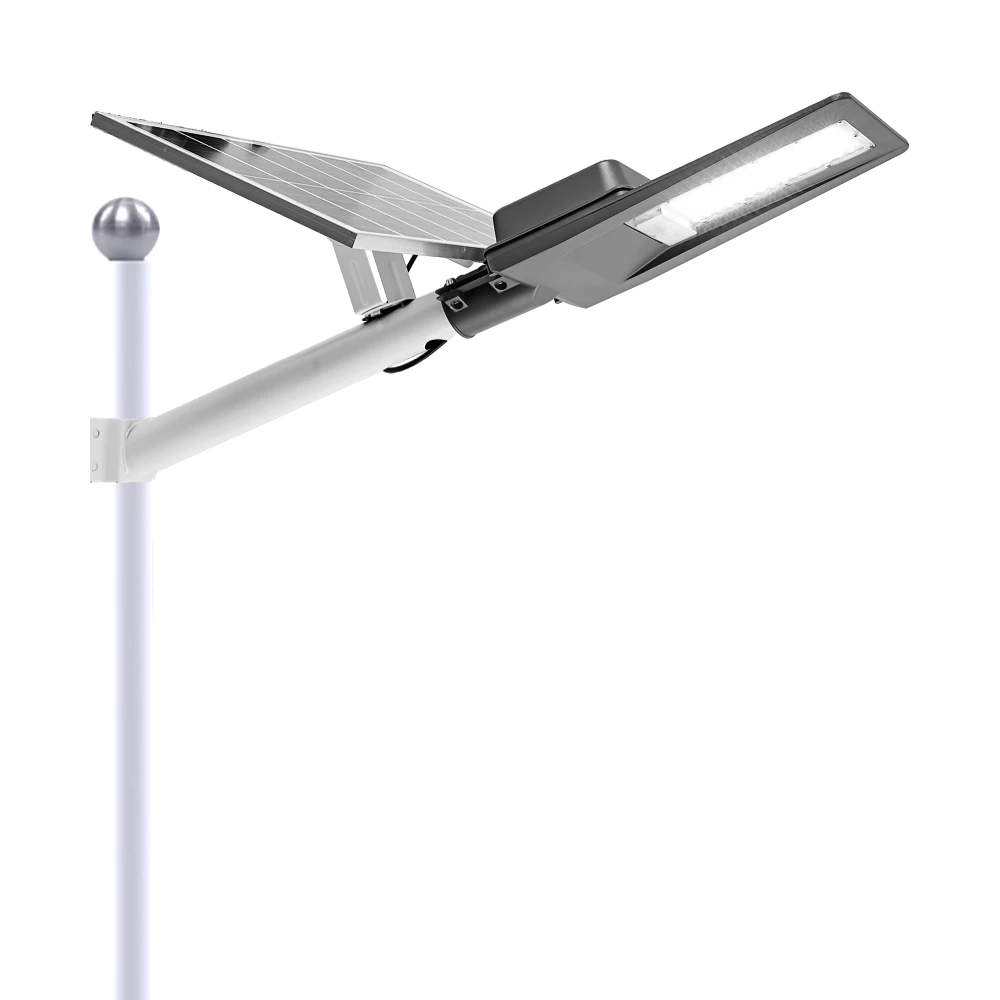
Experience reliable outdoor illumination with our smart solar street light, a perfect combination of advanced technology and eco-conscious design.
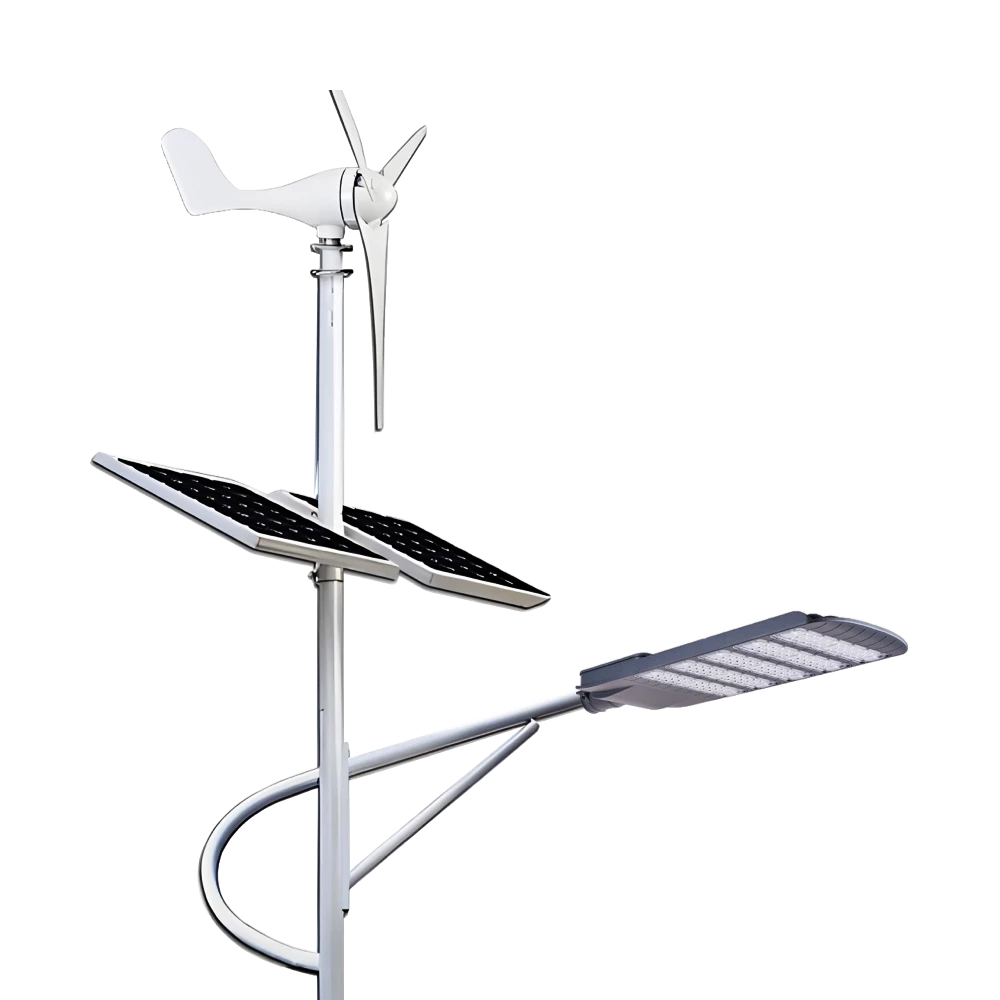
Queneng Lufeng Wind Energy LED Outdoor Solar Street Lights offer high-performance, eco-friendly illumination. These energy-efficient LED street lights harness solar power and wind energy for sustainable, cost-effective outdoor lighting solutions.
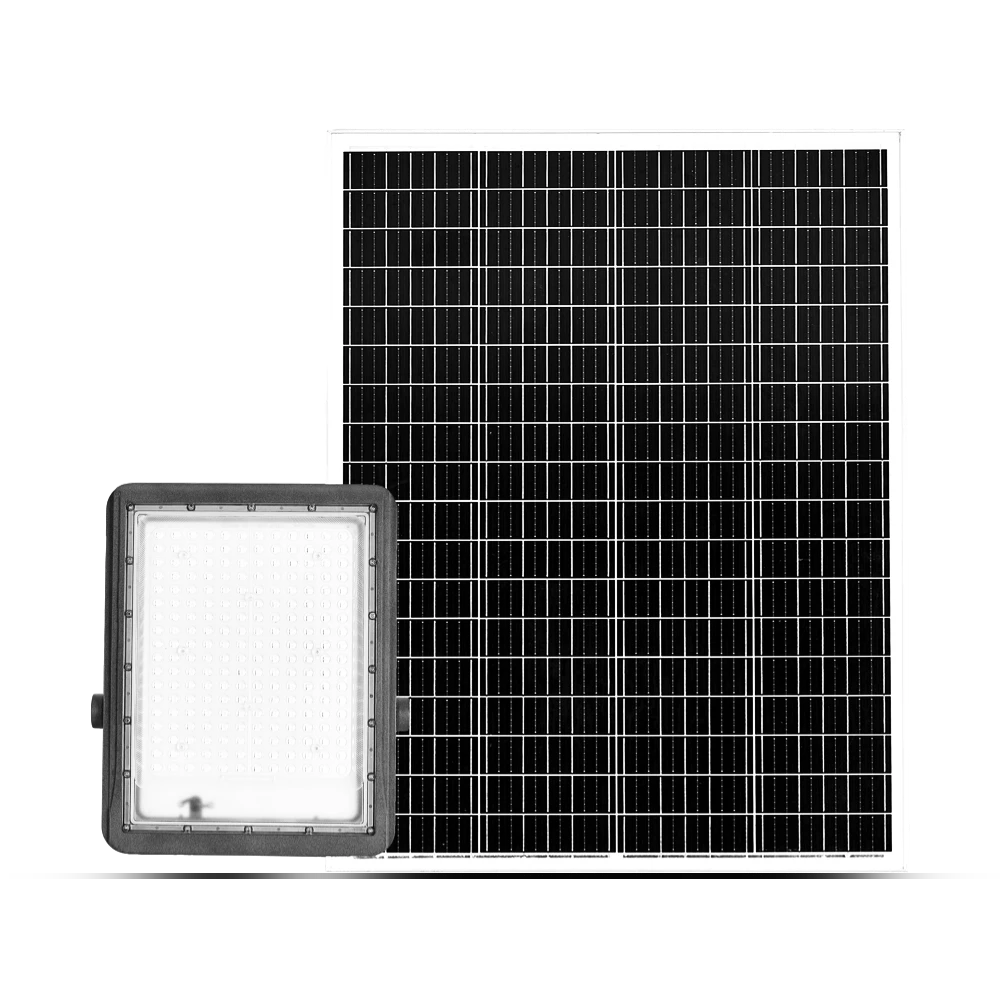
Queneng's Luxian Reliable Solar Street Light offers energy-saving LED lighting for outdoor use. This durable, solar-powered street light provides reliable illumination, reducing energy costs and environmental impact. A perfect solution for sustainable outdoor lighting.
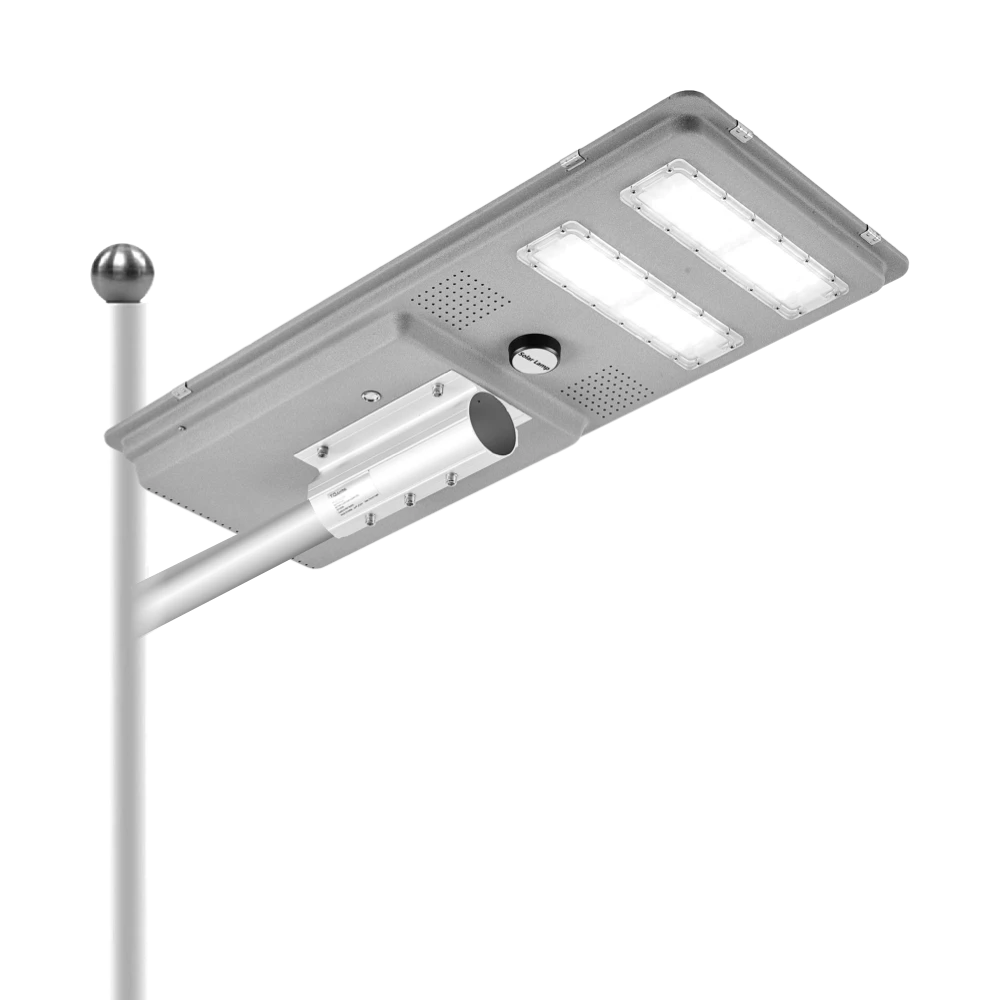
Queneng’s Solar Street Lights are designed to provide reliable, energy-efficient lighting for streets, parks, and other outdoor spaces.
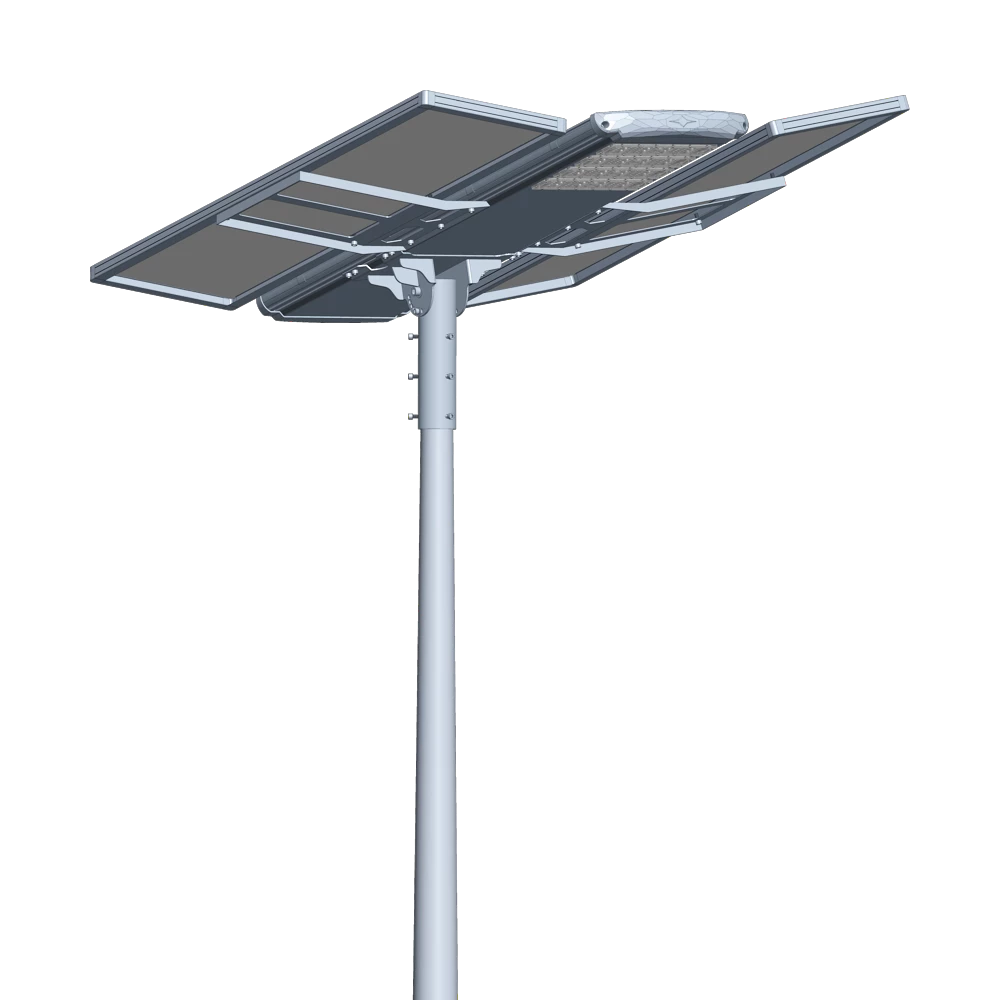
Introducing the Luqing Solar Street Light by Queneng, Efficient LED lighting powered by solar energy is perfect for illuminating outdoor areas. Harness the power of solar energy for sustainable, reliable street lighting. Ideal for eco-friendly, cost-effective outdoor illumination solutions.
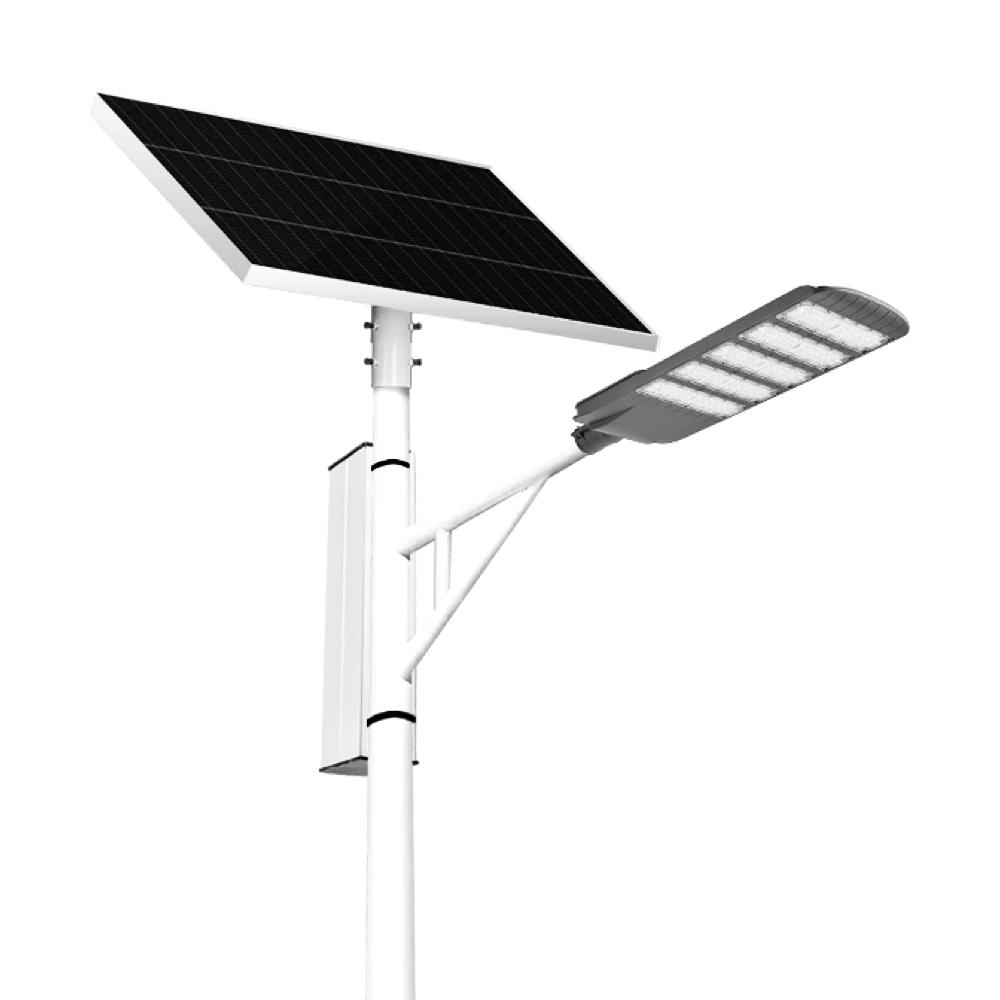
The Solar Streetlights of Luhao for Municipalities are designed to deliver reliable, energy-efficient, and cost-effective public lighting solutions. Equipped with advanced LED technology, durable lithium batteries, and high-efficiency solar panels, these streetlights provide consistent illumination for roads, parks, residential areas, and government projects.
If you would like more information about Queneng solar lighting solutions, please send us a message by filling out the form below. Our professional team will get back to you within 24 hours!
Rest assured that your privacy is important to us, and all information provided will be handled with the utmost confidentiality.
Schedule a Meeting
Book a date and time that is convenient for you and conduct the session in advance.
Have more questions about our products or services?
The messenger of light & power conversion
Environmental protection and intelligent manufacturing are our brand philosophy, and quality assurance and the best user experience are our eternal promises to users.
CONTACT
No.9F, Building F, Cao San Xin Tian Hong Logistics Park, Guzhen Town, Zhongshan City, Guangdong Province, China.
or write [email protected]
WhatsApp: +86 136 2270 1011


