

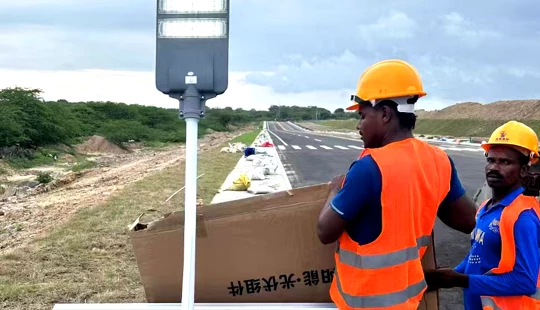
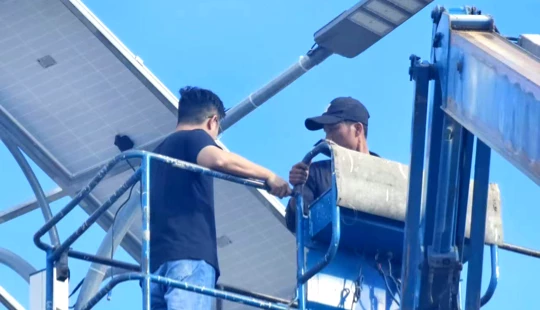













ROI study of solar-powered street lamps in Nigerian rural roads | Insights by Quenenglighting
Illuminating Futures: A Deep Dive into the ROI of AI-Enhanced Solar Street Lighting on Nigerian Rural Roads
As procurement leaders in the solar lighting industry, your decisions directly impact community development and long-term sustainability. The deployment of solar-powered street lamps in Nigerian rural roads represents a significant opportunity, driven by a critical need for reliable, cost-effective lighting solutions. With an estimated 45% of Nigeria's population lacking grid electricity access, particularly in rural areas, off-grid solutions are not just an alternative, but a necessity. The integration of Artificial Intelligence (AI) further elevates the value proposition, transforming standard illumination into smart, resilient infrastructure.
What is the Financial ROI of Solar-Powered Street Lamps in Rural Nigeria?
The financial return on investment for solar-powered street lamps in Nigerian rural roads is increasingly compelling. Studies and project implementations indicate typical payback periods ranging from 3 to 6 years, making them a highly attractive long-term investment. This rapid ROI is primarily driven by the complete elimination of grid electricity bills, which can be substantial where available, and the avoidance of high and volatile fuel costs associated with diesel generators often used as alternatives. For instance, a single solar street light can save an equivalent of $100-$300 USD annually in avoided electricity or fuel costs, depending on local energy prices and usage patterns. Furthermore, the declining costs of solar PV technology and energy storage solutions have made the upfront investment more accessible, with component costs decreasing by over 70% in the last decade. The operational expenditures are minimal compared to traditional lighting, leading to significant savings over the system's lifespan.
What are the Key Cost Components and Their Impact on Project Viability?
A typical AI-enhanced solar street lamp system comprises several key components, each contributing to the overall cost and project viability:
- Solar Photovoltaic (PV) Panels: Convert sunlight into electricity. Costs have fallen dramatically, with high-efficiency monocrystalline panels being the standard.
- Battery Storage: Lithium Iron Phosphate (LiFePO4) batteries are preferred for their long cycle life (3,000-5,000 cycles, equivalent to 8-10 years) and robust performance in varying temperatures, despite a higher initial cost than lead-acid.
- LED Luminaires: High-efficiency LEDs offer superior illumination with lower power consumption, lasting 50,000 to 100,000 hours.
- Charge Controller/Driver: Manages power flow, protecting the battery and optimizing LED output. AI-integrated controllers offer advanced energy management.
- Pole and Mounting Hardware: Durable, often galvanized steel poles designed to withstand local environmental conditions and deter vandalism.
- Installation and Civil Works: Includes foundation, pole erection, and wiring.
While an individual unit's upfront cost might range from $700 to $1,500 USD (including AI features and installation), the total cost of ownership (TCO) over 10-15 years is significantly lower than grid-connected or generator-powered alternatives due to negligible running costs and reduced maintenance.
How Does AI Technology Maximize Performance and Extend System Lifespan?
Artificial Intelligence fundamentally transforms solar street lighting from a passive to a proactive asset, directly impacting ROI and lifespan:
- Adaptive Lighting: AI algorithms can analyze real-time data such as traffic patterns, pedestrian movement, and ambient light levels to dynamically adjust brightness. This can lead to energy savings of 15-30% compared to fixed-output systems, extending battery autonomy and overall lifespan.
- Predictive Maintenance: AI monitors component health (battery charge cycles, panel output, LED driver performance) and identifies potential failures before they occur. This proactive approach reduces unscheduled downtime and maintenance costs by an estimated 20-40%, extending the operational life of the entire system.
- Energy Optimization: By forecasting weather patterns and solar irradiation, AI can optimize charging and discharging cycles, ensuring maximum energy harvesting and preventing overcharging/discharging, which prolongs battery life.
- Anti-theft and Security Features: Integrated AI cameras and sensors can detect unusual activity, sending real-time alerts to authorities or monitoring centers, thereby mitigating risks of vandalism and theft—a significant concern in some rural areas.
What are the Critical Challenges and Effective Mitigation Strategies for Deployment?
Deploying solar street lamps in Nigerian rural roads presents specific challenges:
- Initial Capital Cost: Despite declining prices, the upfront investment can still be substantial for large-scale projects.
- Mitigation: Leverage government incentives, grants from international development banks (e.g., World Bank, AfDB), public-private partnerships, and innovative financing models (e.g., pay-as-you-go).
- Theft and Vandalism: Components like batteries and solar panels are valuable targets.
- Mitigation: Employ robust, anti-theft designs (e.g., battery enclosures within the pole, tamper-proof bolts), integrate AI-powered security cameras and remote monitoring, and foster strong community ownership and involvement in project protection.
- Environmental Factors: Dust, extreme temperatures, and heavy rainfall can impact performance.
- Mitigation: Utilize IP65/IP66 rated components, self-cleaning panel technologies (where feasible), and high-quality materials resistant to UV and corrosion.
- Lack of Technical Expertise: Limited local capacity for installation and maintenance.
- Mitigation: Implement comprehensive training programs for local technicians, ensuring knowledge transfer and sustainable operation.
Beyond Economics: The Social, Security, and Environmental Dividends?
The impact of solar street lighting extends far beyond financial metrics, delivering profound socio-economic and environmental benefits:
- Enhanced Security and Safety: Illumination significantly deters crime and vandalism, with studies in similar regions indicating a 20-30% reduction in petty crime in illuminated areas. It also improves road safety for pedestrians and motorists at night.
- Extended Economic Activity: Businesses can operate longer hours, facilitating evening markets and boosting local economies. Community centers and schools can host evening classes or gatherings.
- Improved Health and Education: Better visibility reduces accidents and allows for safer movement, while children can study longer after sunset.
- Community Empowerment: Provides a sense of pride and modernity, connecting rural communities to national development goals.
- Environmental Sustainability: Reduces reliance on fossil fuels, cutting carbon emissions. Each solar street lamp can save approximately 0.5 to 1.5 tons of CO2 equivalent annually compared to a generator-powered lamp.
What are the Long-Term Durability and Maintenance Requirements of these Systems?
Modern solar street lighting systems are designed for exceptional durability and minimal maintenance, especially with AI integration:
- Component Lifespan: Solar panels typically last 20-25 years with minimal degradation. High-quality LiFePO4 batteries are rated for 8-10 years (or more) before significant capacity loss. LED luminaires have a lifespan of 10-20 years.
- Maintenance: Routine maintenance is largely limited to periodic cleaning of solar panels (1-2 times a year, depending on dust levels) and occasional visual inspections. AI-powered predictive maintenance further reduces the need for manual checks by alerting operators to potential issues, allowing for targeted interventions rather than routine comprehensive overhauls. This shifts maintenance from reactive to proactive, ensuring maximum uptime and reducing labor costs.
By investing in AI-enhanced solar street lamps, procurement users are not just buying lighting solutions; they are investing in resilient, intelligent infrastructure that delivers significant ROI, fosters sustainable development, and enhances the quality of life for millions in Nigerian rural communities. Quenenglighting stands ready to partner in this transformative journey, offering state-of-the-art, robust, and AI-integrated solar lighting solutions engineered for the demanding conditions of rural Nigeria, backed by comprehensive support and a commitment to long-term performance.
Data References
- Nigerian Rural Electrification Agency (REA) - Annual Reports and Strategic Plans (Various, 2021-2023)
- World Bank Group - 'Lighting Africa' Program Reports and Data (Various, 2022)
- United Nations Development Programme (UNDP) Nigeria - Project Impact Assessments (2021)
- International Renewable Energy Agency (IRENA) - Costing Data for Solar PV Technologies (2023)
- ResearchGate / Academic Studies on Solar Street Lighting ROI in Developing Countries (2020-2023)

Have more questions about our products or services?
The latest hot news you might like

Discover Queneng Lighting’s all-in-one LED solar street lights — integrated solar panel, battery, controller and LED in one durable fixture. Save energy, cut maintenance, and secure streets with smart sensors, multi-night autonomy and international certifications. Contact sales for quotes and support.

Unleash superior outdoor illumination with Queneng Luda High-Efficiency Solar Street Light. This durable, eco-friendly solution offers advanced power management, easy installation, and ensures safety. Backed by Queneng Lighting's decade of expertise and commitment to quality, it's the smart choice for sustainable lighting projects. Learn why we're a leading solar solutions provider.

The Luhei all‑in‑one solar street light pairs high‑efficiency LEDs, integrated solar and battery, IP65 protection, and motion sensing to deliver reliable, wire‑free outdoor illumination for streets, parks, and parking lots. Backed by Queneng Lighting’s certifications and support.

FAQ
Solar Street Light Luxian
Are Luxian solar street lights suitable for urban and rural applications?
Yes, Luxian solar street lights are versatile and suitable for both urban and rural applications. Whether you need to light busy city streets or quiet rural pathways, Luxian lights offer a reliable, energy-efficient solution. Their easy installation and low maintenance make them ideal for a wide range of outdoor spaces, including parks, parking lots, streets, and private properties.
Solar Street Light Lulin
How easy is it to install Lulin solar street lights?
Lulin solar street lights are designed for easy installation. They do not require any wiring to the power grid, making them perfect for areas without electrical infrastructure. The installation typically involves mounting the pole, securing the light fixture, and positioning the solar panel for maximum sunlight exposure. The lights can be installed quickly and efficiently, saving on installation costs.
who we are
Is Queneng committed to sustainability?
Yes, sustainability is at the heart of our business. We are dedicated to providing renewable energy solutions that reduce carbon footprints. Our products are designed to be energy-efficient and environmentally friendly, and we continuously work to improve our manufacturing processes to minimize environmental impact.
Remote Areas Rural Development
Can solar streetlights integrate with smart technologies like remote monitoring?
Yes, our systems can include IoT features for real-time monitoring and control.
All-in-one solar street lights
Are all-in-one solar street lights easy to maintain?
Yes, integrated design simplifies inspection and replacement.
Solar Street Light Luhui
How much energy can Luhui solar street lights save compared to traditional street lighting?
Luhui solar street lights can save up to 80% in energy costs compared to conventional street lighting, as they use solar power and have energy-efficient LEDs that consume significantly less power than traditional lighting systems.
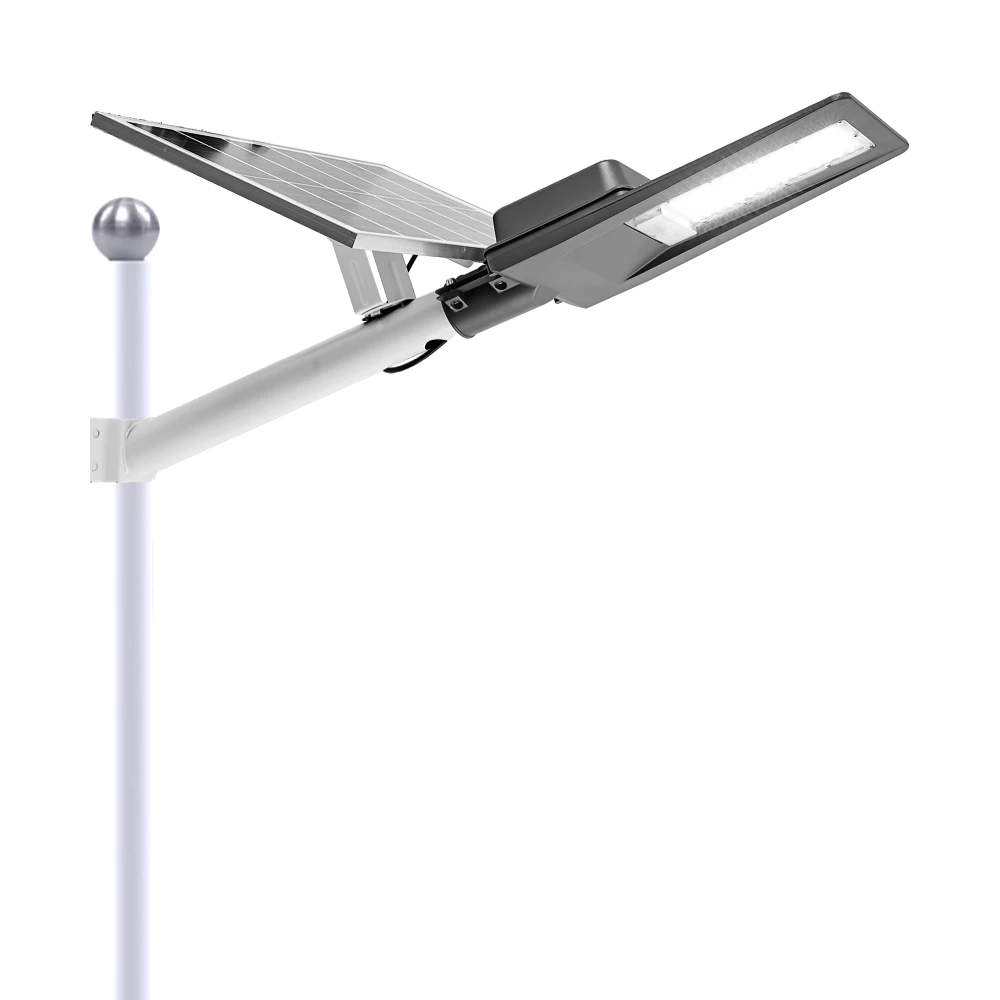
Experience reliable outdoor illumination with our smart solar street light, a perfect combination of advanced technology and eco-conscious design.
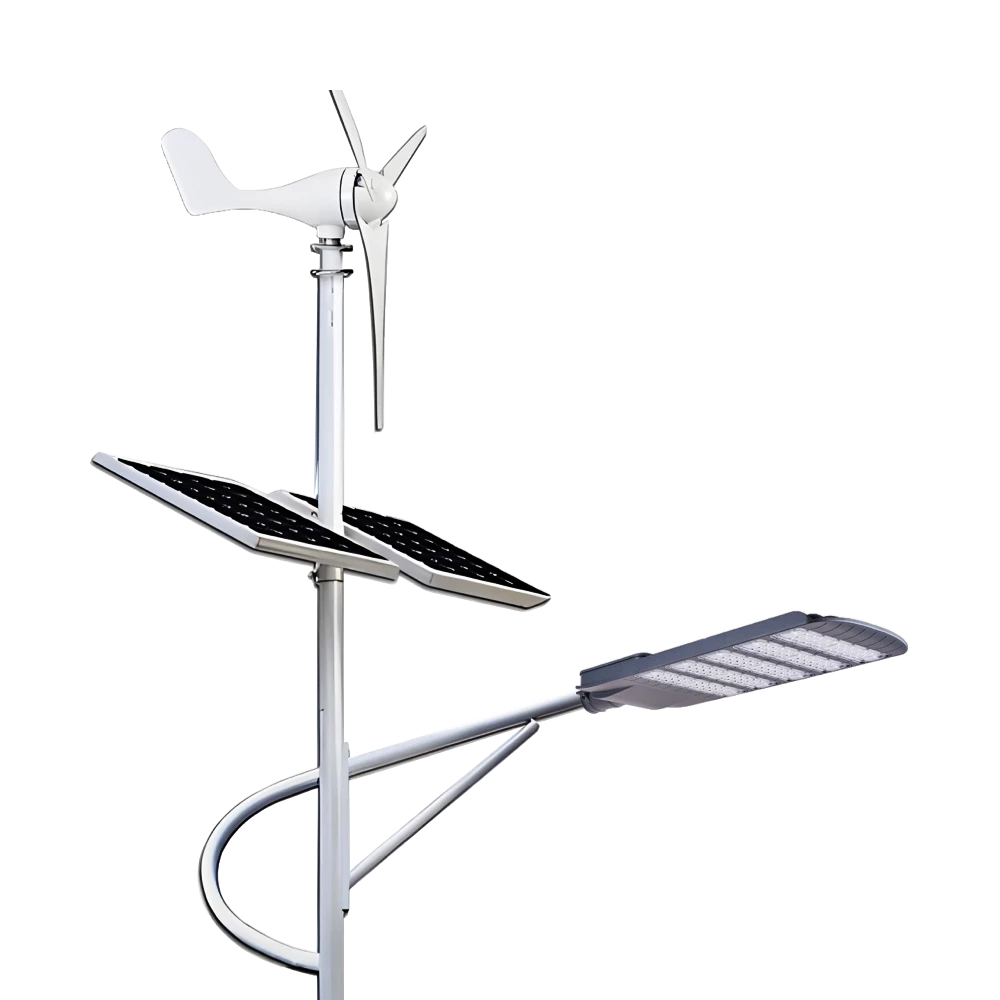
Queneng Lufeng Wind Energy LED Outdoor Solar Street Lights offer high-performance, eco-friendly illumination. These energy-efficient LED street lights harness solar power and wind energy for sustainable, cost-effective outdoor lighting solutions.
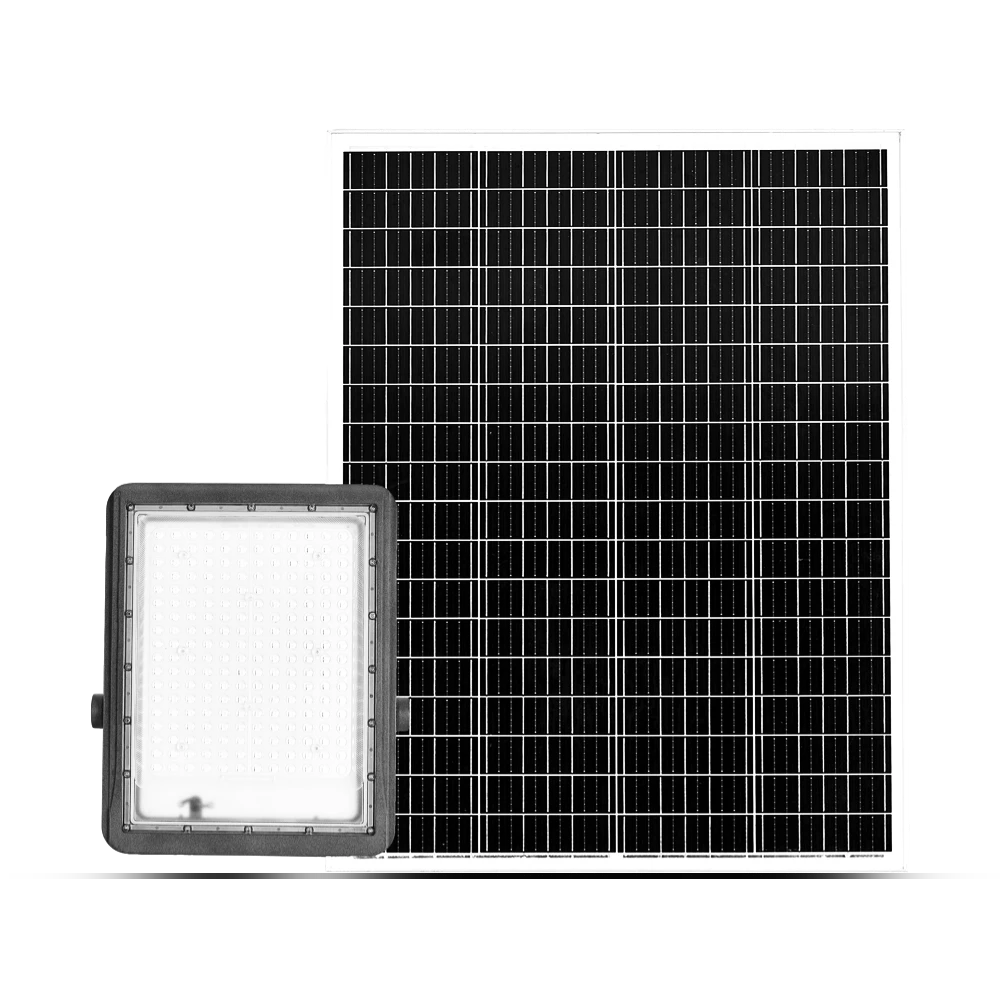
Queneng's Luxian Reliable Solar Street Light offers energy-saving LED lighting for outdoor use. This durable, solar-powered street light provides reliable illumination, reducing energy costs and environmental impact. A perfect solution for sustainable outdoor lighting.
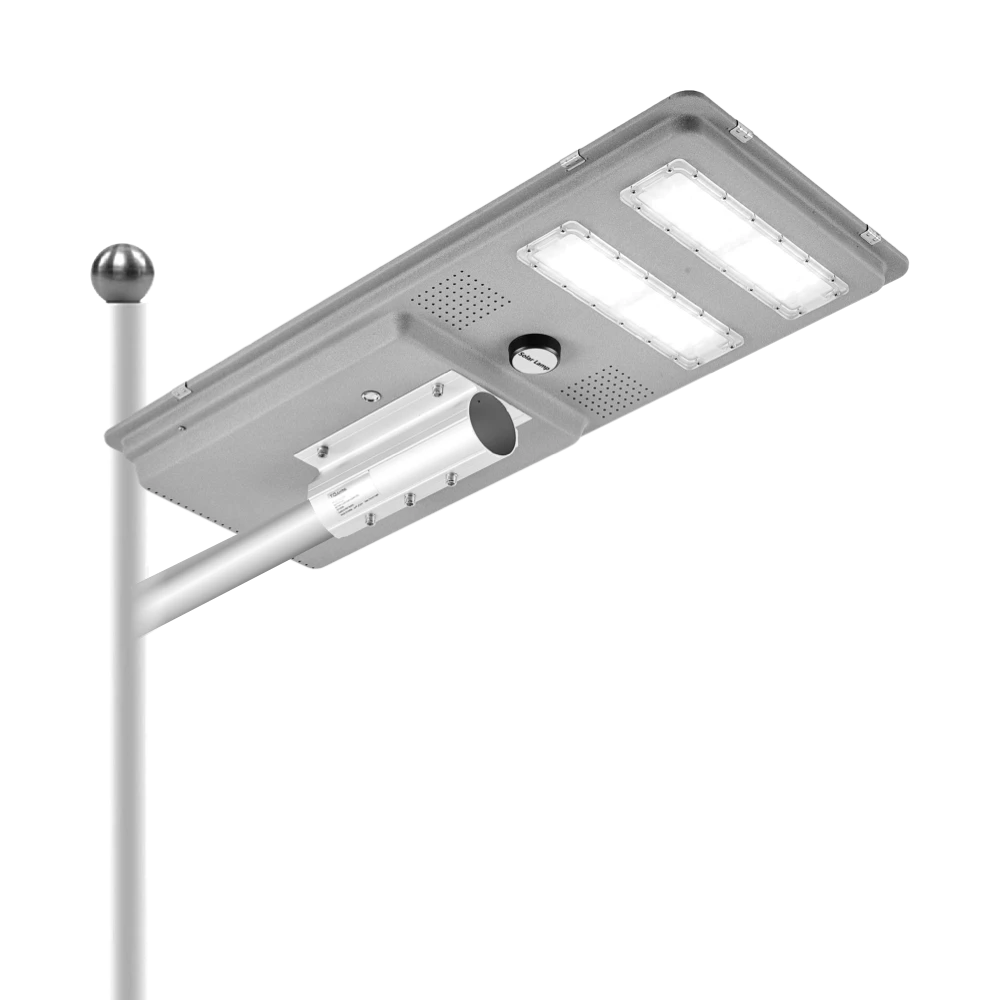
Queneng’s Solar Street Lights are designed to provide reliable, energy-efficient lighting for streets, parks, and other outdoor spaces.
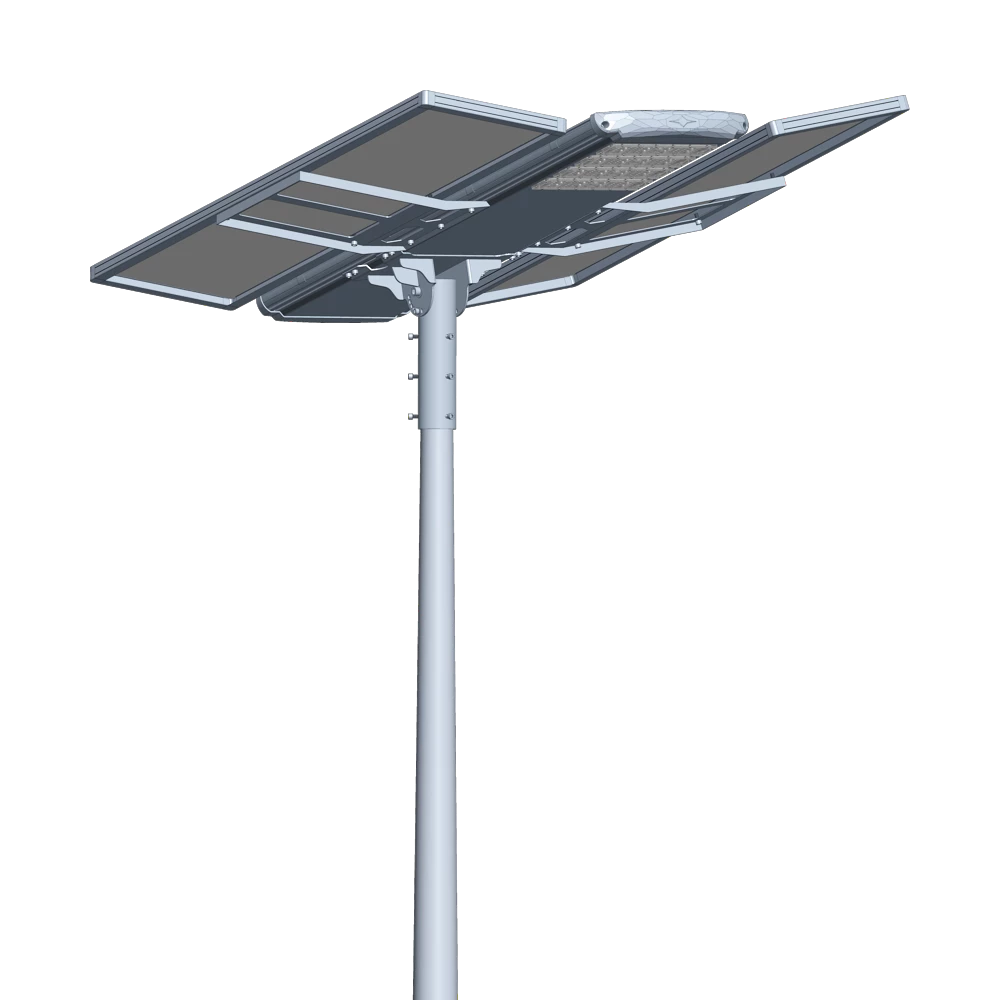
Introducing the Luqing Solar Street Light by Queneng, Efficient LED lighting powered by solar energy is perfect for illuminating outdoor areas. Harness the power of solar energy for sustainable, reliable street lighting. Ideal for eco-friendly, cost-effective outdoor illumination solutions.
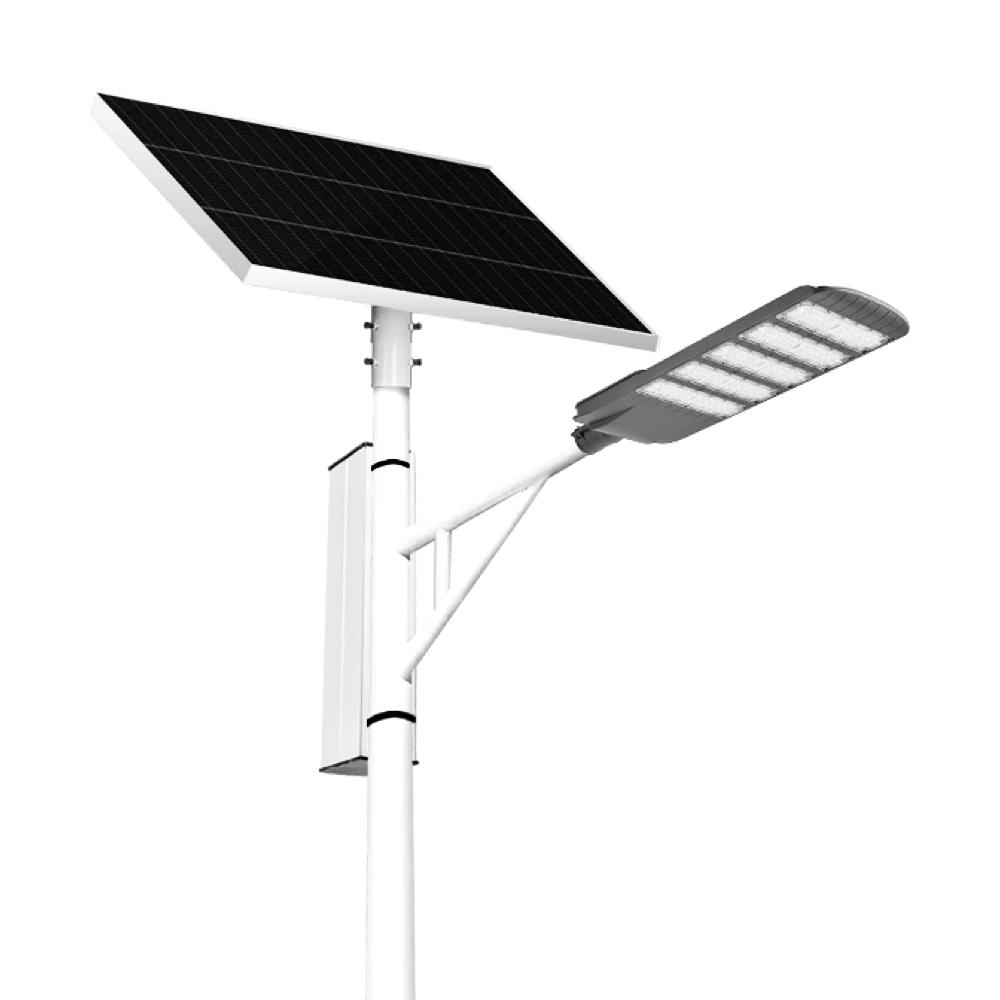
The Solar Streetlights of Luhao for Municipalities are designed to deliver reliable, energy-efficient, and cost-effective public lighting solutions. Equipped with advanced LED technology, durable lithium batteries, and high-efficiency solar panels, these streetlights provide consistent illumination for roads, parks, residential areas, and government projects.
If you would like more information about Queneng solar lighting solutions, please send us a message by filling out the form below. Our professional team will get back to you within 24 hours!
Rest assured that your privacy is important to us, and all information provided will be handled with the utmost confidentiality.
Schedule a Meeting
Book a date and time that is convenient for you and conduct the session in advance.
Have more questions about our products or services?
The messenger of light & power conversion
Environmental protection and intelligent manufacturing are our brand philosophy, and quality assurance and the best user experience are our eternal promises to users.
CONTACT
No.9F, Building F, Cao San Xin Tian Hong Logistics Park, Guzhen Town, Zhongshan City, Guangdong Province, China.
or write [email protected]
WhatsApp: +86 136 2270 1011


