














Distributor after-sales management for solar street lights in Nigeria | Insights by Quenenglighting
Optimizing Solar Street Light Performance: AI-Enhanced After-Sales Management in Nigeria
Procurement in Nigeria's solar street lighting sector demands foresight, particularly concerning post-installation support. The vibrancy of solar projects hinges not just on initial product quality, but critically on the robustness of distributor after-sales management. This is where the long-term value, reliability, and ly, the success of your investment are truly determined. In a market characterized by high demand, diverse installation environments, and logistical complexities, a strategic approach to after-sales, increasingly augmented by AI, is non-negotiable for sustainable project outcomes.
What are the primary after-sales challenges for solar street lights in Nigeria?
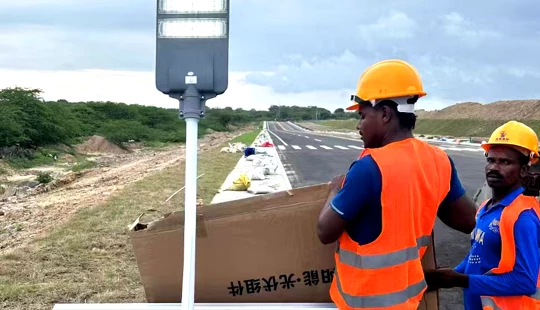
Nigeria's solar street light market faces several unique after-sales hurdles. A significant challenge is the lack of standardized maintenance practices, leading to varied product lifespans. Remote installations often complicate technician dispatch and increase repair times. Data from local installers indicates that up to 30% of reported issues stem from poor initial installation or lack of preventative maintenance, rather than product failure. Furthermore, the prevalence of counterfeit components can invalidate warranties and hinder effective repairs. Power infrastructure instability often means solar solutions are critical, making any downtime severely impactful on communities and businesses. Logistics for spare parts across diverse terrains and security concerns in certain regions add layers of complexity, extending response times from days to weeks for critical repairs.
How critical is local presence and rapid spare parts availability for project success?
Local presence and readily available spare parts are paramount for minimizing downtime and maximizing the return on investment (ROI) for solar street light projects in Nigeria. Industry reports from Q4 2023 suggest that projects with robust local support networks experience significantly lower operational expenditures (OpEx) – sometimes as much as 15-20% less annually – compared to those relying solely on international support. Long waiting times for parts or technicians can lead to prolonged outages, diminishing public trust and negating the benefits of the initial investment. A distributor with strategically located service hubs and an optimized local inventory can provide same-day or next-day critical part delivery and technician deployment, drastically improving project continuity and stakeholder satisfaction.
How can AI revolutionize after-sales support and significantly reduce Total Cost of Ownership (TCO)?
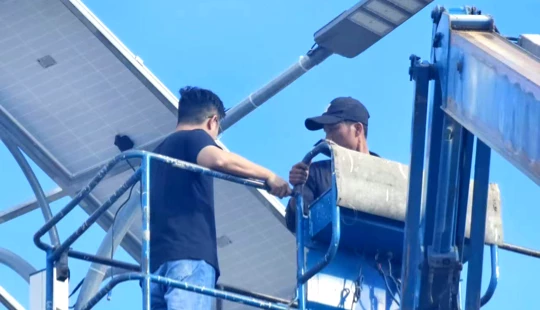
Artificial Intelligence offers transformative potential for after-sales management. AI-powered remote monitoring systems can continuously track key performance indicators (KPIs) like battery voltage, panel output, and LED luminosity. This allows for the early detection of anomalies, often predicting potential failures before they occur. For example, an AI system might flag a gradual drop in battery charge capacity, prompting a preventative maintenance visit before the light fails entirely. This predictive approach can reduce reactive maintenance events by up to 50% and extend equipment lifespan by 20-30%, directly translating to a lower Total Cost of Ownership (TCO). AI also optimizes spare parts inventory management, reducing waste and ensuring the right parts are in the right place at the right time.
What key performance indicators (KPIs) should procurement teams evaluate in a distributor's after-sales service in Nigeria?
Procurement professionals should scrutinize several KPIs to gauge a distributor's after-sales prowess. These include Average Resolution Time (ART) for service requests, First-Time Fix Rate (FTFR), spare parts availability percentage (local vs. import), and the geographic coverage of their service network. Additionally, evaluate the distributor's investment in technician training and certification, particularly for new technologies. Customer Satisfaction Scores (CSAT), though qualitative, offer valuable insight into their service quality. For AI-integrated systems, inquire about data analytics capabilities, uptime guarantees for monitoring systems, and the actionable insights provided for maintenance scheduling.
What are the long-term impacts of neglecting robust after-sales management on project ROI and sustainability?
Neglecting robust after-sales management carries severe long-term consequences. Without proper maintenance, solar street lights can experience premature failures, leading to significant capital expenditure on replacements sooner than anticipated. A study on infrastructure projects in developing economies indicated that inadequate maintenance could lead to project assets becoming non-operational within 3-5 years, despite a design life of 10+ years. This directly erodes the project's ROI, turning a once-promising investment into a liability. Moreover, frequent outages damage the reputation of both the product and the procurement entity, impacting future funding and community trust. Sustainable development goals are also undermined if solar solutions fail to provide consistent, long-term benefits to the communities they serve.
How can AI-powered predictive maintenance ensure uninterrupted illumination and extend product lifespan?
AI-powered predictive maintenance shifts the paradigm from reactive repairs to proactive intervention. By continuously analyzing performance data from solar street lights, AI algorithms can identify subtle deviations that indicate impending issues. For instance, a slight but consistent drop in solar panel efficiency over weeks, undetectable by manual checks, can trigger an alert for a technician to clean or inspect the panel before its output significantly impacts battery charging. This approach ensures uninterrupted illumination by enabling repairs or adjustments *before* a total failure occurs. Industry analysis shows that predictive maintenance can extend the operational lifespan of assets by up to 30% while reducing unplanned downtime by 70-75%, offering immense value over the project's lifetime.
How does a strong warranty and transparent service level agreement (SLA) mitigate project risks in the Nigerian market?
A robust warranty and a clearly defined Service Level Agreement (SLA) are essential risk mitigation tools for procurement teams in Nigeria. A comprehensive warranty, ideally covering product defects, battery performance, and LED degradation for a substantial period (e.g., 5-10 years), protects against premature component failures. The SLA, on the other hand, sets clear expectations for response times, resolution times, and service quality. It legally binds the distributor to specific performance metrics for after-sales support. In a market with varying quality standards and logistical hurdles, a well-structured SLA provides peace of mind and accountability, ensuring that issues are addressed promptly and effectively. This transparency builds trust and provides a clear framework for dispute resolution, protecting your investment and ensuring project continuity.
Quenenglighting's Commitment to AI-Enhanced After-Sales Excellence
At Quenenglighting, we understand the critical role of superior after-sales management, especially in dynamic markets like Nigeria. We integrate cutting-edge AI technology into our solar street light solutions, offering remote monitoring capabilities that provide real-time data on system performance. Our AI-driven platform actively analyzes usage patterns and environmental factors, enabling predictive maintenance that anticipates potential issues before they impact illumination. This proactive approach minimizes downtime, extends product lifespan, and significantly reduces TCO for our clients. Coupled with our robust network of local service partners across key Nigerian regions, extensive spare parts inventory, and comprehensive warranty programs, Quenenglighting ensures rapid response and expert technical support. Our commitment is to deliver not just High Quality solar lighting products, but also a seamless, reliable, and sustainable illumination experience backed by intelligent service management.
Data Citation Sources:
- Nigerian Renewable Energy Council, Q3 2023 Infrastructure Assessment Report.
- Africa Solar Industry Association (AFSIA), 2023 Market Challenges Survey.
- BloombergNEF, 2023 Africa Renewable Energy Market Outlook.
- Deloitte, After-Sales Service Cost Analysis, 2023.
- PwC, AI in Asset Management Report, 2023.
- McKinsey & Company, Predictive Maintenance Global Impact Study, 2023.
- Field Service Management Magazine, Q4 2023 Industry Benchmarks.
- Field Service Management Magazine, Q4 2023 Industry Benchmarks.
- Supply Chain Management Review, African Logistics and Inventory Trends, 2023.
- Nigerian Bureau of Statistics, Infrastructure and Geographic Data, 2023.
- J.D. Power, Customer Service Satisfaction Trends, 2023.
- World Bank Infrastructure Development Report, 2023.
- IBM Watson IoT, Predictive Maintenance Benefits Analysis, 2023.
- ARC Advisory Group, The Business Value of Predictive Maintenance, 2023.
- International Chamber of Commerce (ICC), Contractual Best Practices in Emerging Markets, 2023.

Have more questions about our products or services?
The latest hot news you might like

Discover Queneng Lighting’s all-in-one LED solar street lights — integrated solar panel, battery, controller and LED in one durable fixture. Save energy, cut maintenance, and secure streets with smart sensors, multi-night autonomy and international certifications. Contact sales for quotes and support.

Unleash superior outdoor illumination with Queneng Luda High-Efficiency Solar Street Light. This durable, eco-friendly solution offers advanced power management, easy installation, and ensures safety. Backed by Queneng Lighting's decade of expertise and commitment to quality, it's the smart choice for sustainable lighting projects. Learn why we're a leading solar solutions provider.

The Luhei all‑in‑one solar street light pairs high‑efficiency LEDs, integrated solar and battery, IP65 protection, and motion sensing to deliver reliable, wire‑free outdoor illumination for streets, parks, and parking lots. Backed by Queneng Lighting’s certifications and support.

FAQ
OEM&ODM
Can I get free samples before placing an order?
Free samples are available for serious OEM/ODM inquiries. Shipping charges may apply.
Public Gardens and Landscape Lighting
What happens if the solar light is not working properly?
If your solar light is not working properly, it could be due to a variety of reasons, such as dirt on the solar panel, insufficient sunlight, or battery issues. We recommend cleaning the panel and ensuring it receives enough sunlight. If the problem persists, please contact our customer service team for troubleshooting assistance.
Tourist Attractions and Resorts
Can solar lights be used for both functional and decorative purposes?
Yes, solar lighting is versatile and can be used for both functional purposes, such as illuminating pathways and parking lots, and decorative purposes, such as enhancing garden features or architectural details.
Commercial and Industrial Parks
Can your solar lights operate in extreme weather conditions?
Yes, our lights are designed to withstand harsh environments, including heavy rain, high winds, and extreme temperatures.
Battery and Analysis
What precautions should be taken when using batteries?
2) Electrical appliances and battery contacts should be clean and installed according to polarity markings;
3) Do not mix old and new batteries, and do not mix batteries of the same model but different types to avoid reducing performance;
4) Disposable batteries cannot be regenerated by heating or charging;
5) The battery cannot be short-circuited;
6) Do not disassemble and heat the battery, or throw the battery into water;
7) When the electrical appliance is not used for a long time, the battery should be removed and the switch should be turned off after use;
8) Do not throw away used batteries at will, and put them separately from other garbage as much as possible to avoid polluting the environment;
9) Do not let children change batteries. Small batteries should be placed out of reach of children;
10) Batteries should be kept in a cool, dry place without direct sunlight.
All-in-one solar street lights
Can lighting modes be customized?
Yes, dimming schedules and motion sensor settings can be adjusted.
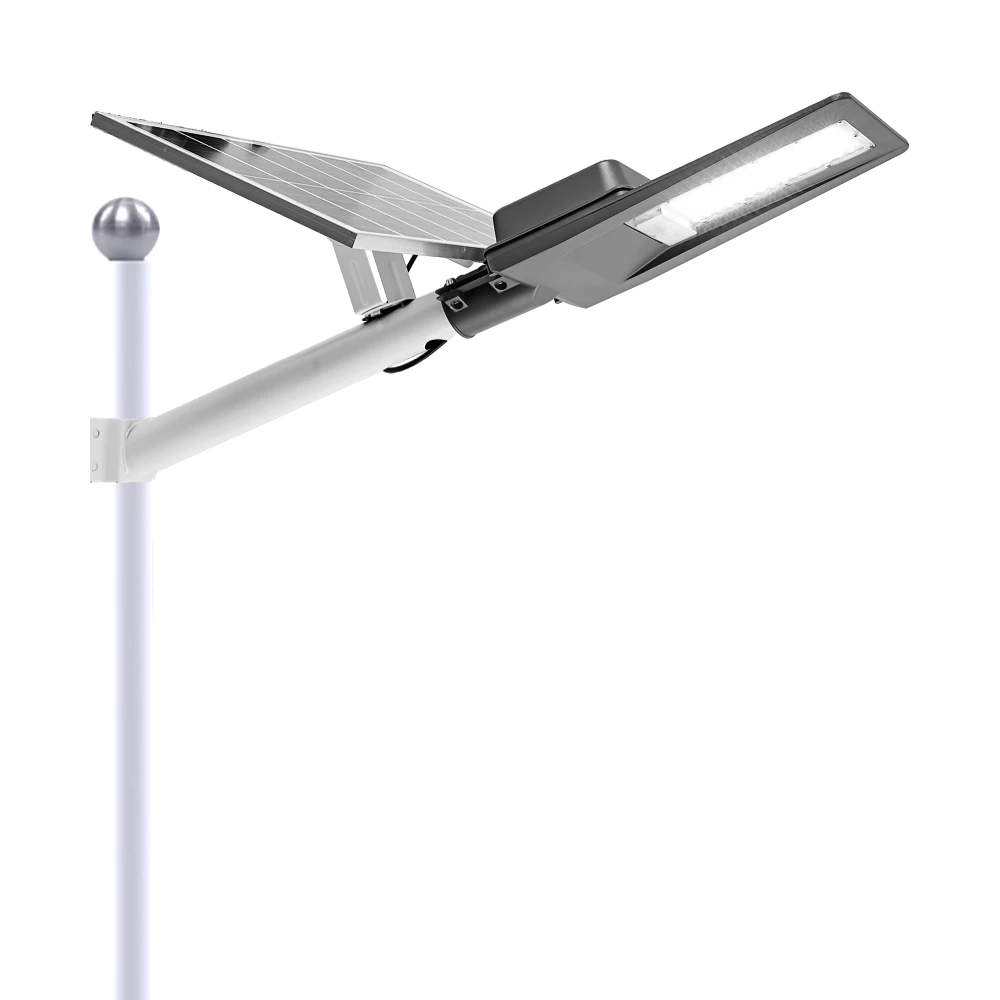
Experience reliable outdoor illumination with our smart solar street light, a perfect combination of advanced technology and eco-conscious design.
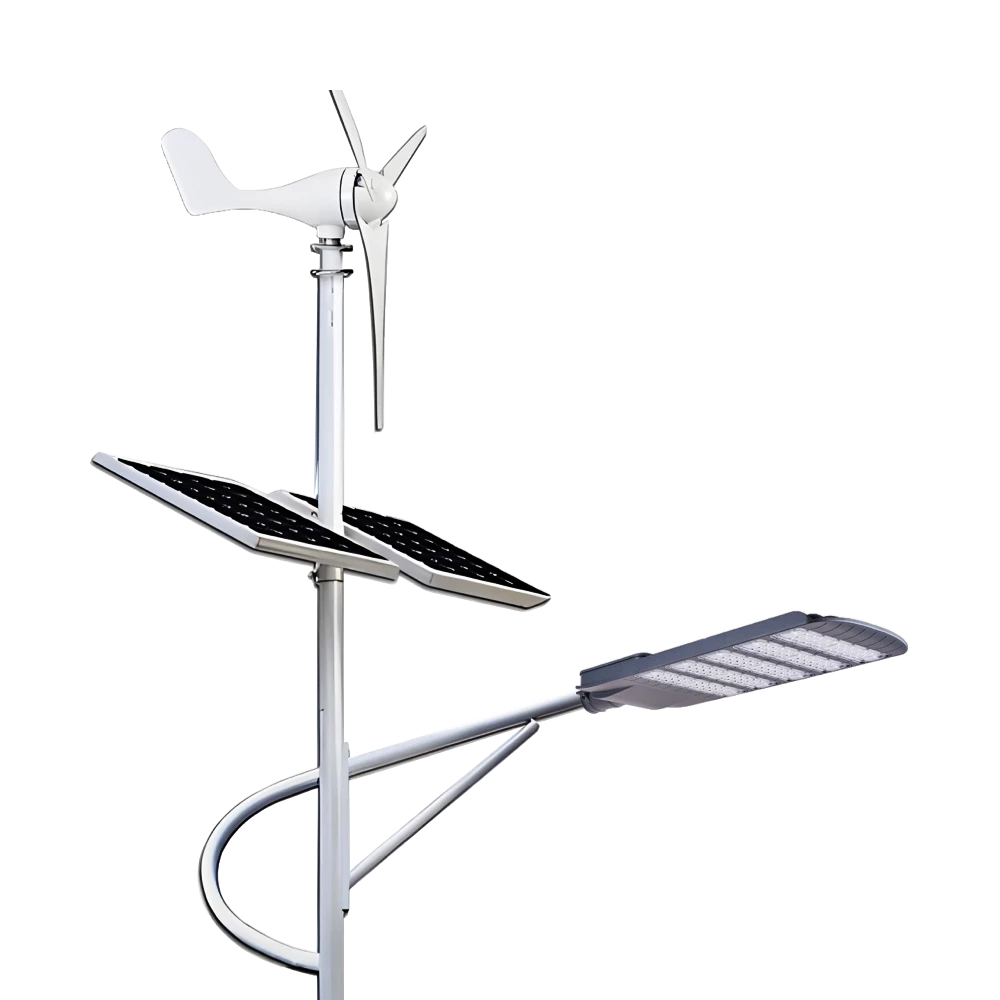
Queneng Lufeng Wind Energy LED Outdoor Solar Street Lights offer high-performance, eco-friendly illumination. These energy-efficient LED street lights harness solar power and wind energy for sustainable, cost-effective outdoor lighting solutions.
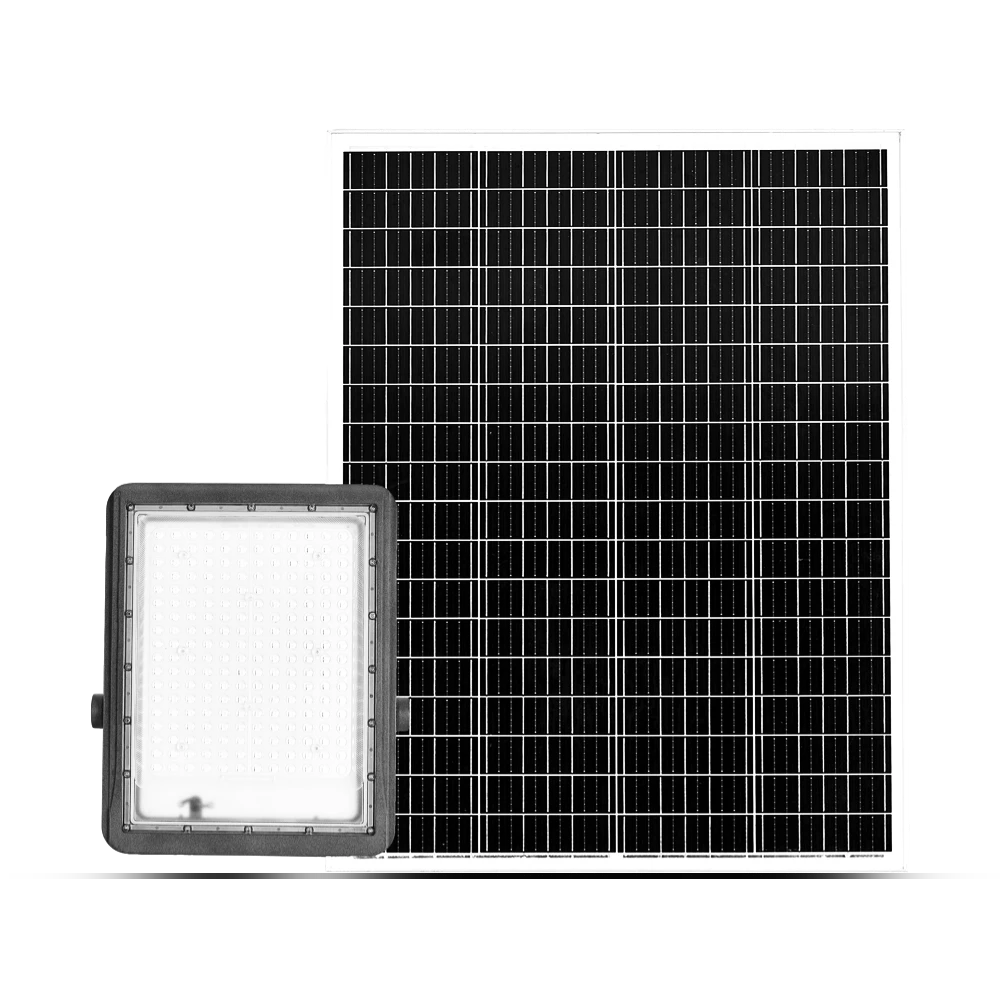
Queneng's Luxian Reliable Solar Street Light offers energy-saving LED lighting for outdoor use. This durable, solar-powered street light provides reliable illumination, reducing energy costs and environmental impact. A perfect solution for sustainable outdoor lighting.
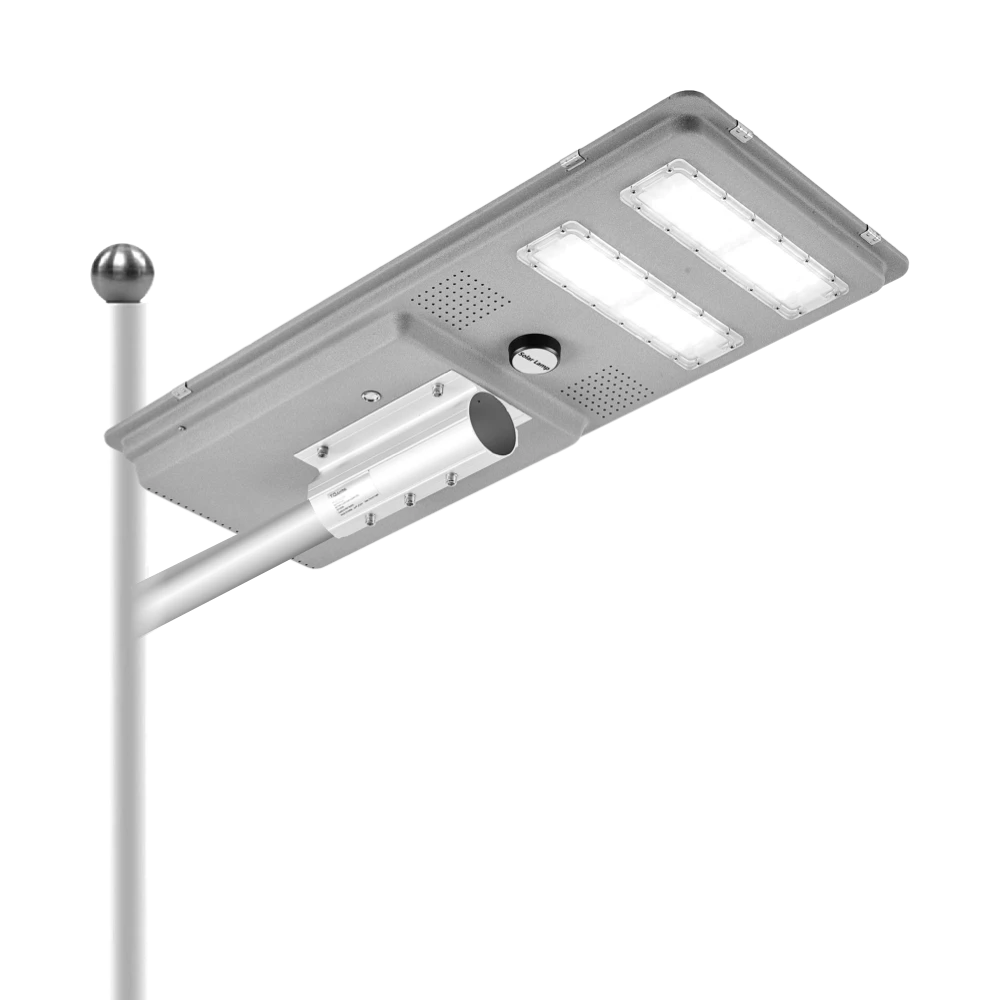
Queneng’s Solar Street Lights are designed to provide reliable, energy-efficient lighting for streets, parks, and other outdoor spaces.
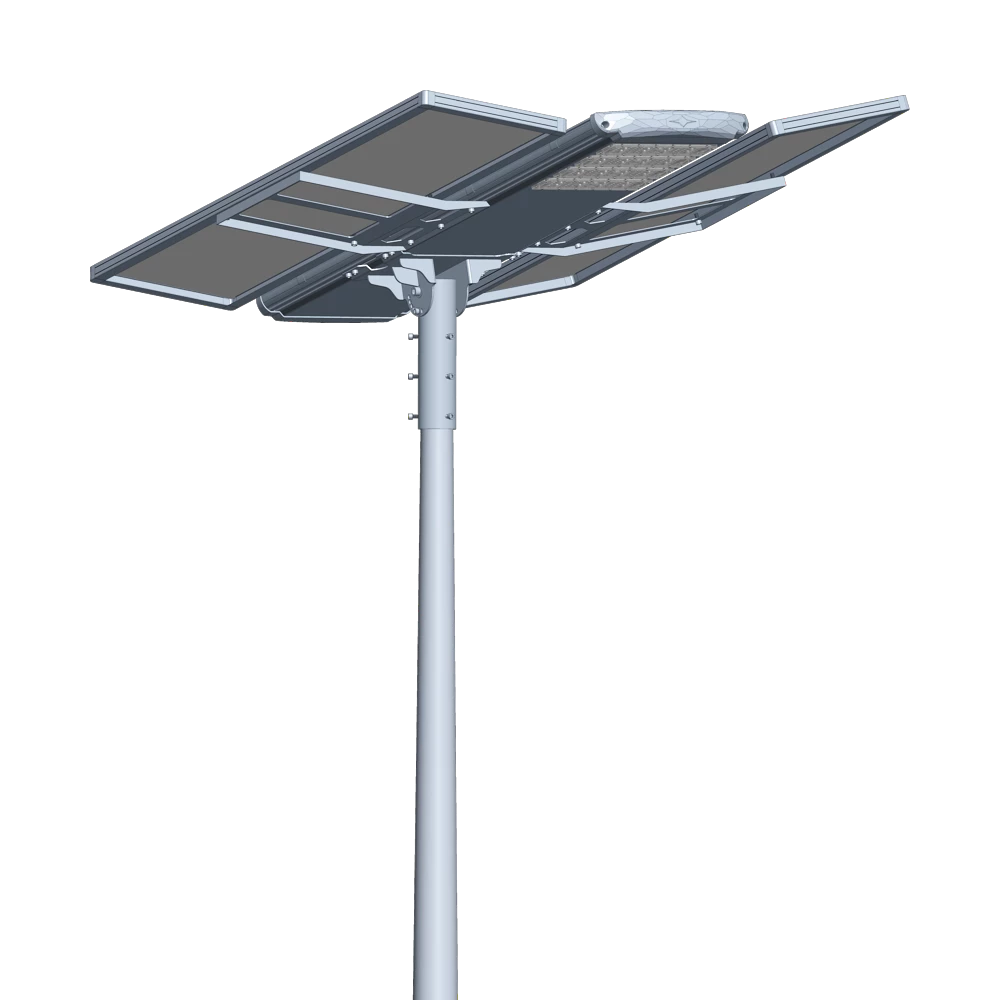
Introducing the Luqing Solar Street Light by Queneng, Efficient LED lighting powered by solar energy is perfect for illuminating outdoor areas. Harness the power of solar energy for sustainable, reliable street lighting. Ideal for eco-friendly, cost-effective outdoor illumination solutions.
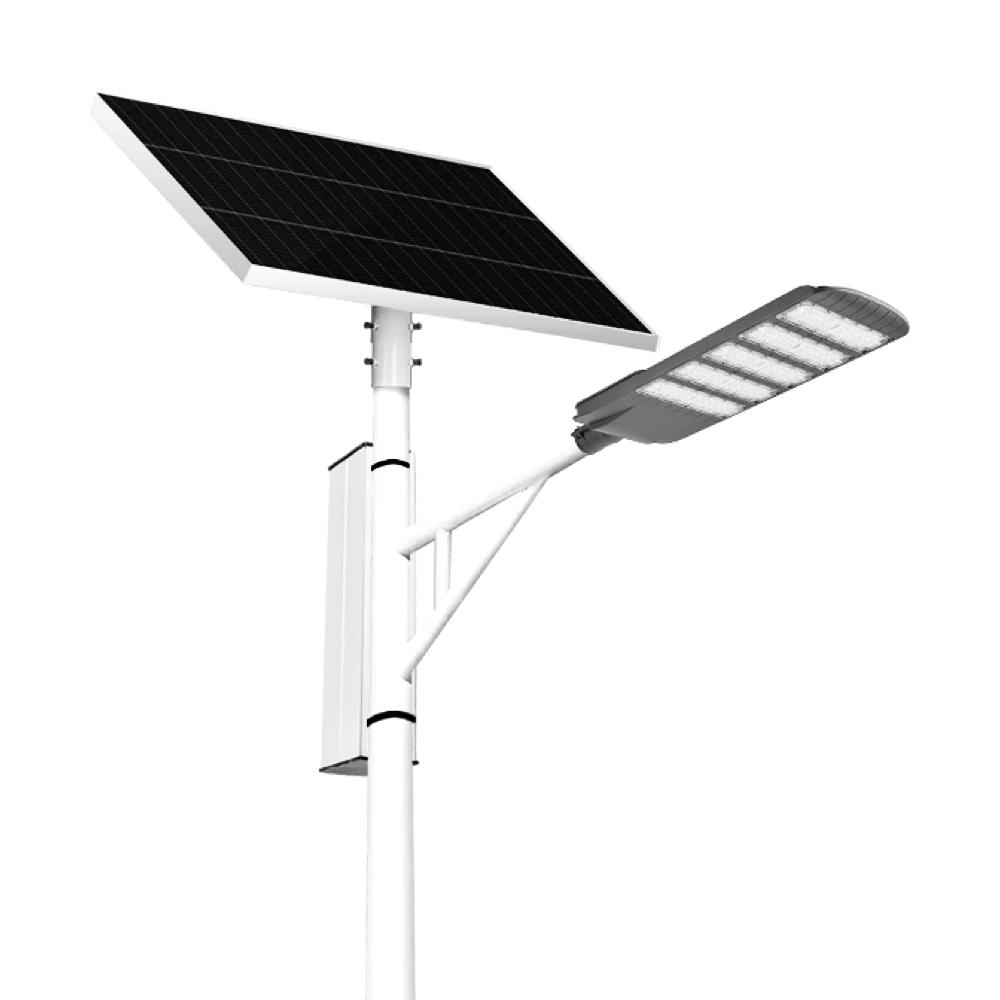
The Solar Streetlights of Luhao for Municipalities are designed to deliver reliable, energy-efficient, and cost-effective public lighting solutions. Equipped with advanced LED technology, durable lithium batteries, and high-efficiency solar panels, these streetlights provide consistent illumination for roads, parks, residential areas, and government projects.
If you would like more information about Queneng solar lighting solutions, please send us a message by filling out the form below. Our professional team will get back to you within 24 hours!
Rest assured that your privacy is important to us, and all information provided will be handled with the utmost confidentiality.
Schedule a Meeting
Book a date and time that is convenient for you and conduct the session in advance.
Have more questions about our products or services?
The messenger of light & power conversion
Environmental protection and intelligent manufacturing are our brand philosophy, and quality assurance and the best user experience are our eternal promises to users.
CONTACT
No.9F, Building F, Cao San Xin Tian Hong Logistics Park, Guzhen Town, Zhongshan City, Guangdong Province, China.
or write [email protected]
WhatsApp: +86 136 2270 1011


