














Installation guide for pole foundation for solar street lights in Nigeria | Insights by Quenenglighting
AI-Enhanced Procurement: Mastering Solar Street Light Pole Foundations in Nigeria
Developing robust solar street lighting infrastructure in Nigeria demands a meticulous approach, especially when it comes to pole foundations. The success and longevity of these crucial installations hinge on informed procurement decisions and adherence to best practices. Integrating Artificial Intelligence (AI) offers a groundbreaking avenue to optimize every stage, from initial design to long-term maintenance.
What are the prevalent soil conditions in Nigeria, and how do they influence pole foundation design?
Nigeria's geology is diverse, leading to varying soil conditions across its regions. The northern parts often feature sandy and lateritic soils, generally offering good bearing capacity but susceptible to erosion. The southern states and coastal areas predominantly have clayey soils, which can be expansive or highly compressible, requiring deeper foundations or specialized treatments. Deltaic regions present challenges with soft, unconsolidated sediments and high water tables.
These variations dictate foundation type. For sandy/lateritic soils, spread foundations (pad footings) may suffice. Clayey soils often necessitate deep foundations like piles or piers, or engineered fill to prevent settlement and heave. Coastal environments require corrosion-resistant materials and designs that account for tidal influences and high moisture. AI plays a crucial role here: by analyzing extensive geotechnical survey data, satellite imagery, and historical weather patterns, AI algorithms can accurately predict soil behavior and recommend the most suitable and cost-efficient foundation type and dimensions, minimizing over-engineering or potential failure.
What are the key regulatory standards and local compliance requirements for solar street light pole foundations in Nigeria?
Compliance with local regulations is non-negotiable for any infrastructure project in Nigeria. The primary regulatory body is the Standards Organisation of Nigeria (SON), which sets national standards for materials and construction practices. The National Building Code of Nigeria (currently 2006, with ongoing updates) provides guidelines for structural integrity, material specifications, and safety. Furthermore, state-level physical planning and urban development agencies may have specific requirements for installations within their jurisdiction. Procurement teams must ensure that all materials (cement, rebar, aggregates) are SON-certified and that foundation designs conform to the structural requirements outlined in the National Building Code, particularly concerning wind loading (which can be significant in open areas) and seismic considerations, although less frequent in Nigeria.
How can procurement achieve cost-effectiveness while ensuring foundation durability and stability in the Nigerian context?
Cost-effectiveness in foundation procurement doesn't mean opting for the cheapest solution, but rather the most value-driven one over its lifecycle. Material costs in Nigeria—cement, steel rebar, and aggregates—fluctuate. Procurement can achieve savings through strategic sourcing, leveraging local suppliers where possible to reduce import duties and transportation costs. Value engineering, supported by AI, allows for the optimization of material quantities without compromising structural integrity. AI-driven simulations can test various foundation designs with different material mixes against local conditions, identifying the most durable and stable option at the optimal cost. Focusing on lifecycle costs, including potential maintenance and repair, rather than just initial capital outlay, is crucial. A foundation designed for longevity using quality materials will significantly reduce future expenses, outweighing marginal initial savings from inferior products.
What environmental factors pose significant challenges to pole foundation longevity in Nigeria, and how can they be mitigated?
Nigeria's climate presents several environmental stressors for pole foundations. High rainfall and humidity, especially in the southern regions, contribute to corrosion of embedded steel reinforcement if not adequately protected. High ambient temperatures can affect concrete curing and long-term performance. Wind loads, particularly in open fields or coastal areas, can exert substantial forces on tall poles, demanding robust foundations engineered for uplift and overturning resistance. Soil erosion, especially in areas with poor drainage or during heavy rains, can expose foundations or undermine their stability. Mitigation strategies include specifying high-strength concrete with adequate cover for rebar, using corrosion inhibitors or epoxy-coated rebar in aggressive environments, ensuring proper drainage around foundation bases, and designing foundations specifically to withstand predicted wind loads as per Nigerian Meteorological Agency (NIMET) data. AI models can simulate these environmental impacts over decades, helping engineers select the most resilient materials and designs.
How is Artificial Intelligence revolutionizing the design, planning, and installation of solar pole foundations?
Artificial Intelligence is transforming every aspect of infrastructure development. For solar pole foundations, AI's applications are manifold:
- Site Assessment & Optimization: AI algorithms can analyze satellite imagery, drone-collected data, topographical maps, and geotechnical reports to identify optimal pole locations, minimize earthworks, and recommend the most efficient foundation type based on specific site conditions and environmental factors.
- Design Automation: AI-powered tools can generate multiple design options for foundations based on input parameters (pole height, load, soil type, wind speed), performing complex structural analyses rapidly to identify the safest and most material-efficient design.
- Predictive Maintenance: Post-installation, AI can analyze data from sensors embedded in foundations (monitoring settlement, tilt, vibration) to predict potential failures, enabling proactive maintenance and extending the lifespan of the infrastructure.
- Logistics & Project Management: AI can optimize the procurement and delivery of materials, predict potential logistical bottlenecks in remote areas, and streamline installation schedules, significantly improving project efficiency and reducing delays.
What considerations are crucial for ensuring the long-term sustainability and performance of solar street light pole foundations in Nigeria?
Long-term sustainability and performance are paramount for solar street light investments. Key considerations include:
- Quality Control: Strict adherence to quality control during material procurement and construction is vital. This includes testing concrete compressive strength, ensuring proper rebar placement, and verifying correct foundation dimensions.
- Environmental Resilience: Designs must account for Nigeria's specific environmental challenges (corrosion, erosion, wind) to prevent premature degradation.
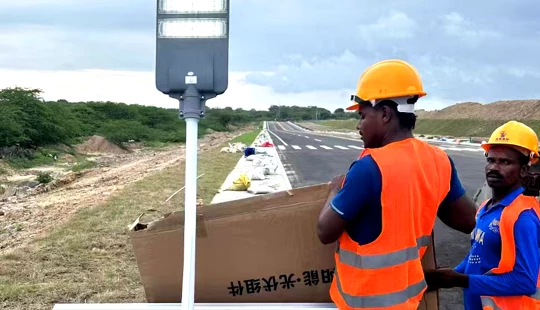
- Proper Installation: Foundations must be installed according to design specifications, with correct excavation, backfilling, and curing procedures.
- Regular Monitoring & Maintenance: While foundations are largely unseen, periodic inspections for signs of settlement, cracking, or erosion are critical. AI-powered monitoring can automate this, providing real-time data on foundation health.
- Lifecycle Assessment: Prioritizing materials and designs that offer the best performance over the entire operational life of the street light, minimizing environmental impact and resource consumption for replacements.
How can procurement strategies address the logistical complexities of installing foundations in remote or challenging Nigerian terrains?
Installing foundations in Nigeria's remote areas presents significant logistical hurdles due to undeveloped road networks, limited access to heavy equipment, and potential security concerns. Procurement strategies should therefore prioritize:
- Local Partnerships: Collaborating with local contractors and suppliers can leverage their knowledge of local conditions, access to labor, and existing supply chains.
- Decentralized Sourcing: Establishing procurement hubs closer to project sites can reduce transportation distances and costs for bulky materials like cement and aggregates.
- Modular and Prefabricated Designs: Where feasible, using pre-engineered or prefabricated foundation components can reduce on-site construction time and reliance on specialized equipment, simplifying installation in difficult terrains.
- AI-Powered Logistics: Utilizing AI for route optimization, real-time inventory tracking, and predictive analysis of potential transport delays can significantly enhance efficiency and mitigate risks associated with remote installations.
- Robust Risk Management: Comprehensive contingency plans for material delivery, equipment breakdowns, and unforeseen site challenges are essential.
Quenenglighting: Your Partner for Durable Solar Street Light Foundations in Nigeria
At Quenenglighting, we understand the unique demands of solar street light projects in Nigeria. Our commitment to excellence is reflected in our robust foundation designs, engineered to withstand Nigeria's diverse soil conditions and environmental challenges. We leverage cutting-edge technology, including AI-driven design optimization and structural analysis, to ensure every foundation is not just compliant with national standards but also offers unparalleled durability and stability. By partnering with Quenenglighting, procurement professionals gain access to comprehensive solutions that prioritize material quality, cost-effectiveness through smart design, and long-term sustainability. Our expertise ensures your solar street light installations are built on a foundation of reliability and performance, powering Nigeria's future with sustainable light.
Data Reference Sources
- Standards Organisation of Nigeria (SON) - Latest revisions, various dates.
- National Building Code of Nigeria - 2006 (with subsequent amendments/updates).
- Nigerian Meteorological Agency (NIMET) - Recent climate data, various dates.
- World Bank Group Reports on Nigerian Infrastructure and Energy Sector - Various reports, multiple dates.
- International Renewable Energy Agency (IRENA) - Reports on Solar Energy Deployment in Africa, various dates.
- Reputable Geotechnical Engineering Journals and Publications focusing on West African Soil Conditions - Various dates.

Have more questions about our products or services?
The latest hot news you might like

Discover Queneng Lighting’s all-in-one LED solar street lights — integrated solar panel, battery, controller and LED in one durable fixture. Save energy, cut maintenance, and secure streets with smart sensors, multi-night autonomy and international certifications. Contact sales for quotes and support.

Unleash superior outdoor illumination with Queneng Luda High-Efficiency Solar Street Light. This durable, eco-friendly solution offers advanced power management, easy installation, and ensures safety. Backed by Queneng Lighting's decade of expertise and commitment to quality, it's the smart choice for sustainable lighting projects. Learn why we're a leading solar solutions provider.

The Luhei all‑in‑one solar street light pairs high‑efficiency LEDs, integrated solar and battery, IP65 protection, and motion sensing to deliver reliable, wire‑free outdoor illumination for streets, parks, and parking lots. Backed by Queneng Lighting’s certifications and support.

FAQ
Batteries and the environment
What is the main manifestation of the hazards of used batteries?
Schools and Educational Institutions
Do solar lights work year-round, even during winter?
Yes, solar lights can work year-round, even in winter. However, in areas with heavy snow, it’s important to ensure the solar panels are clear of snow for optimal performance.
Remote Areas Rural Development
What funding options are available for rural solar lighting projects?
We offer flexible financing options, including installment plans and partnerships with NGOs or government programs.
Solar Street Light Lufei
Are solar street lights suitable for installation in urban areas?
Yes, solar street lights are ideal for both urban and rural installations. In urban areas, they help reduce electricity costs and carbon emissions while providing reliable illumination in parks, streets, and other public spaces.
Battery Performance and Testing
What is a temperature rise experiment?
Solar Street Light Luqing
Are solar street lights easy to install?
Yes, solar street lights are easy to install. They do not require external wiring or connections to the electrical grid. The installation process is straightforward and typically involves mounting the light pole, positioning the solar panel, and securing the battery and lighting unit.
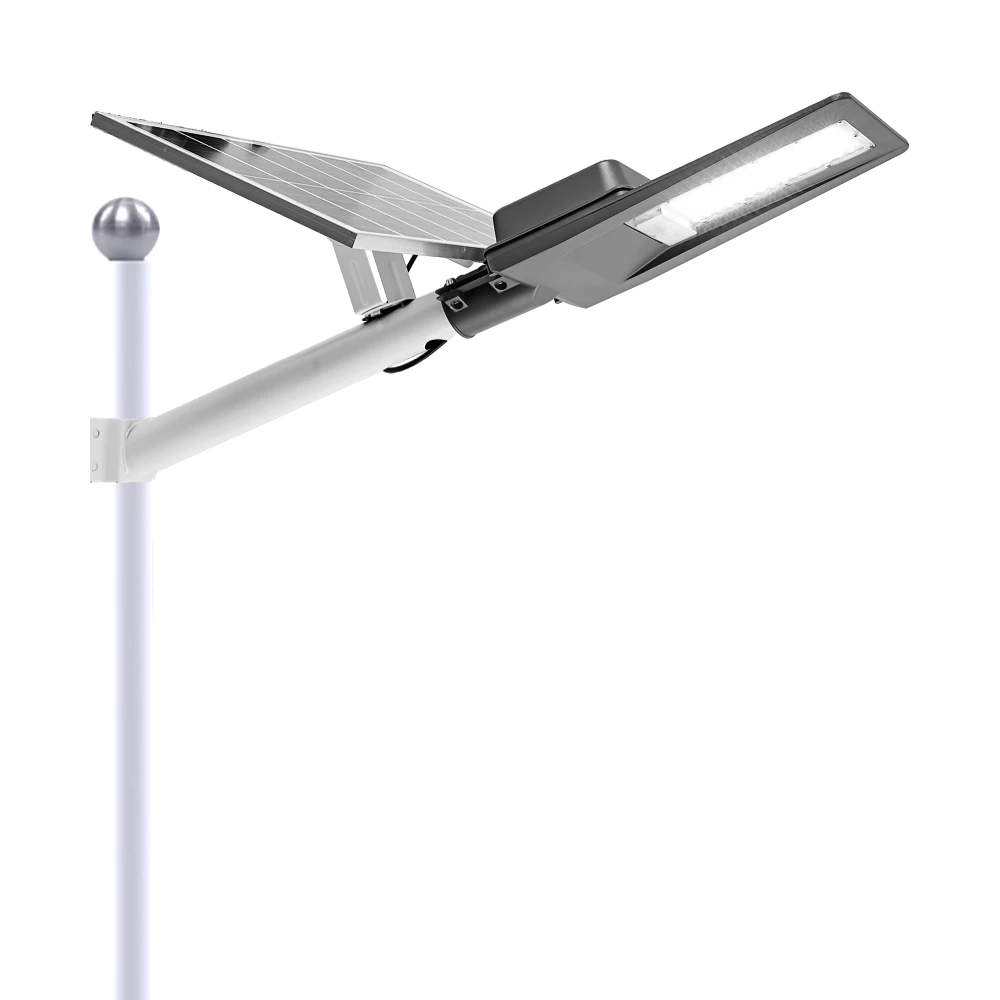
Experience reliable outdoor illumination with our smart solar street light, a perfect combination of advanced technology and eco-conscious design.
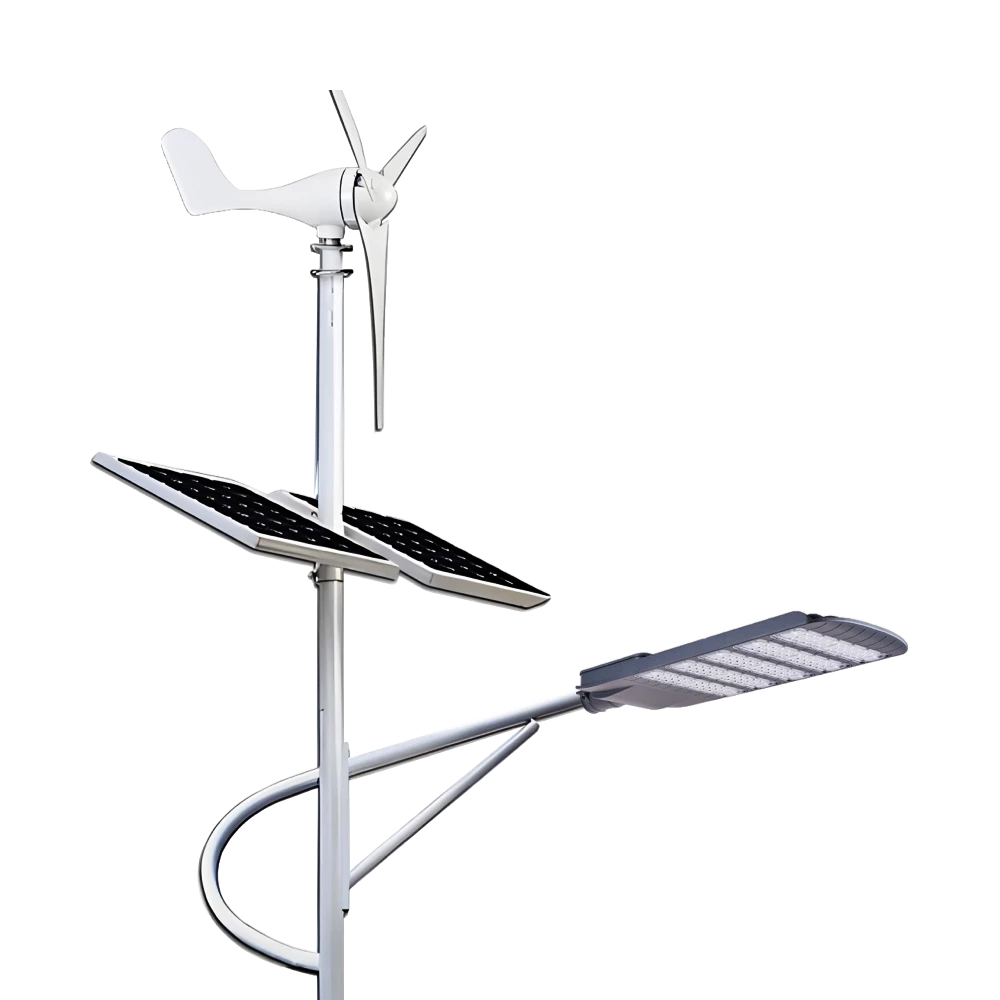
Queneng Lufeng Wind Energy LED Outdoor Solar Street Lights offer high-performance, eco-friendly illumination. These energy-efficient LED street lights harness solar power and wind energy for sustainable, cost-effective outdoor lighting solutions.
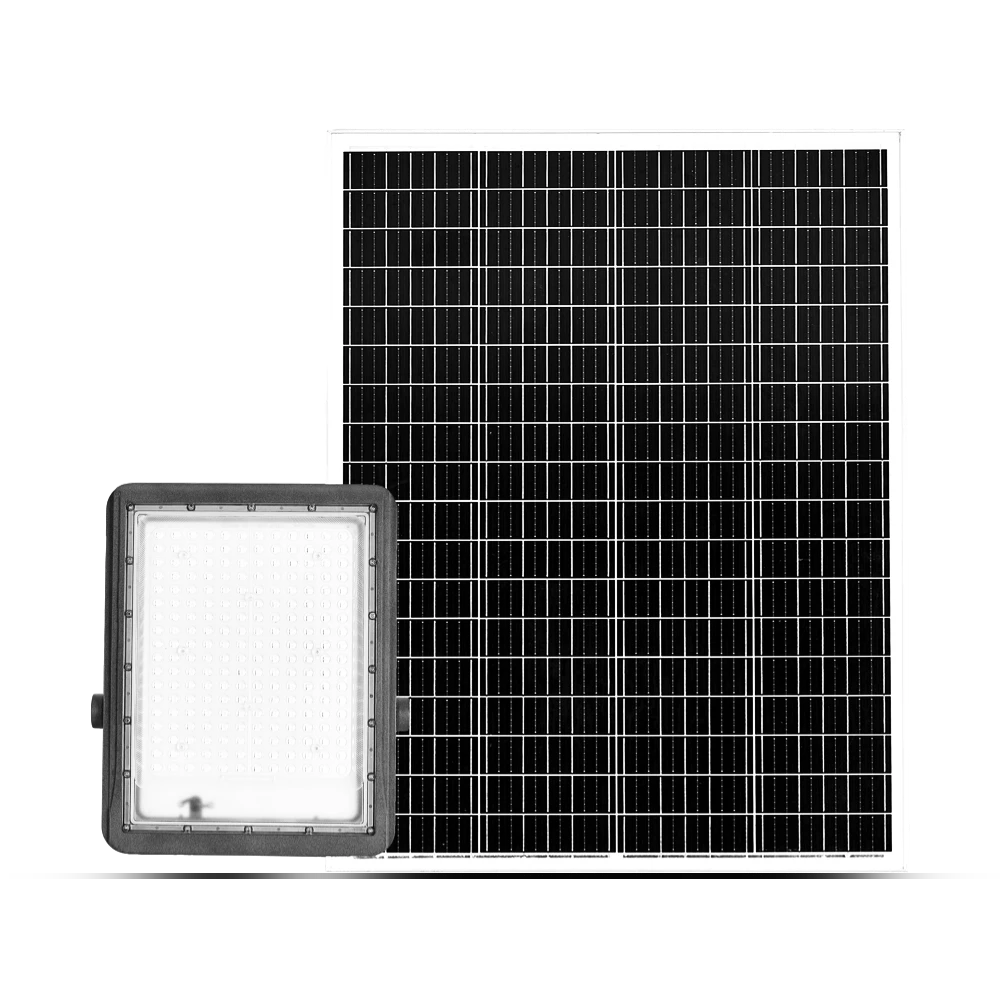
Queneng's Luxian Reliable Solar Street Light offers energy-saving LED lighting for outdoor use. This durable, solar-powered street light provides reliable illumination, reducing energy costs and environmental impact. A perfect solution for sustainable outdoor lighting.
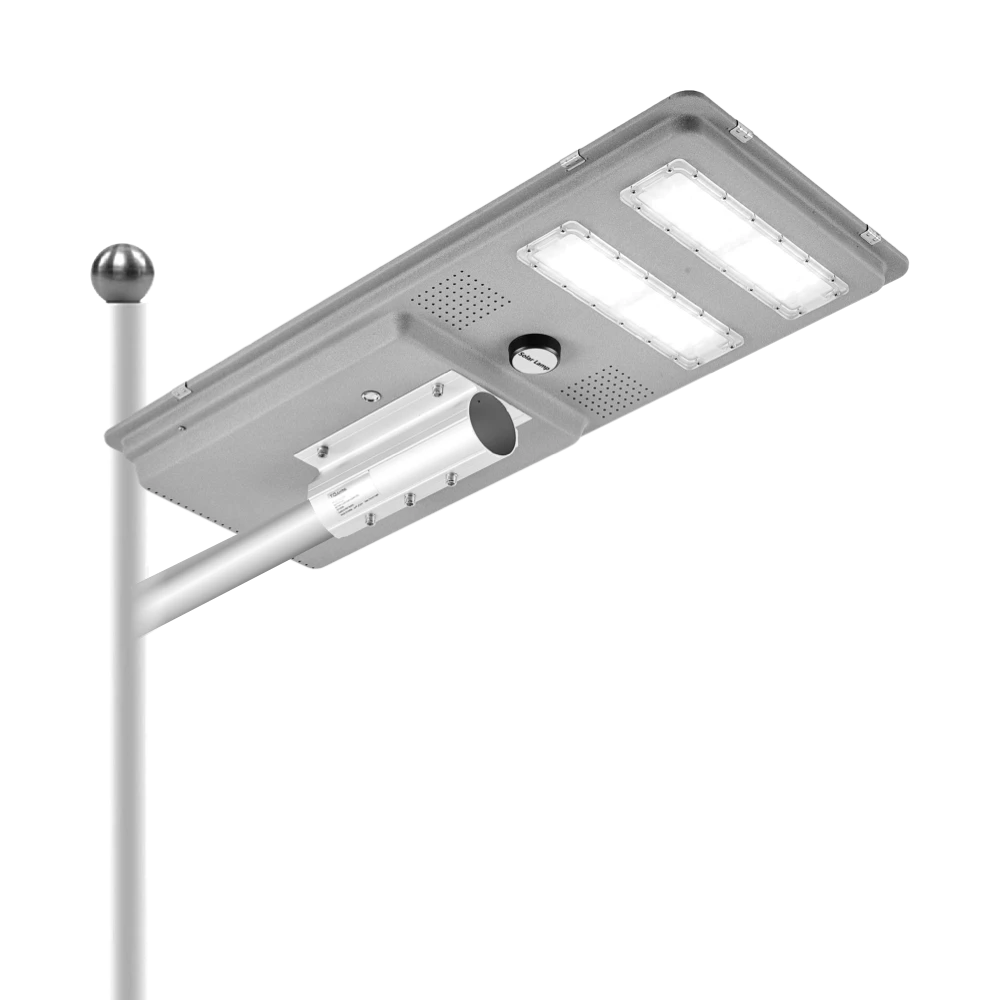
Queneng’s Solar Street Lights are designed to provide reliable, energy-efficient lighting for streets, parks, and other outdoor spaces.
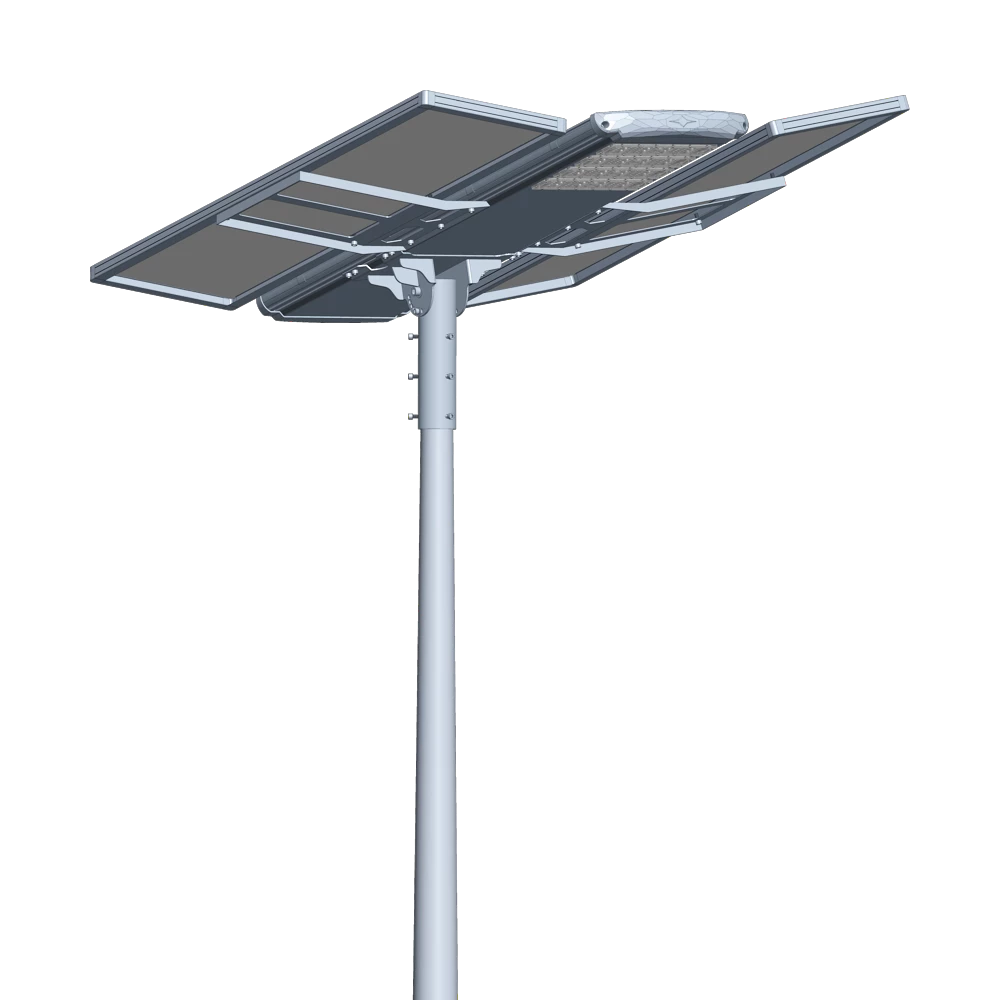
Introducing the Luqing Solar Street Light by Queneng, Efficient LED lighting powered by solar energy is perfect for illuminating outdoor areas. Harness the power of solar energy for sustainable, reliable street lighting. Ideal for eco-friendly, cost-effective outdoor illumination solutions.
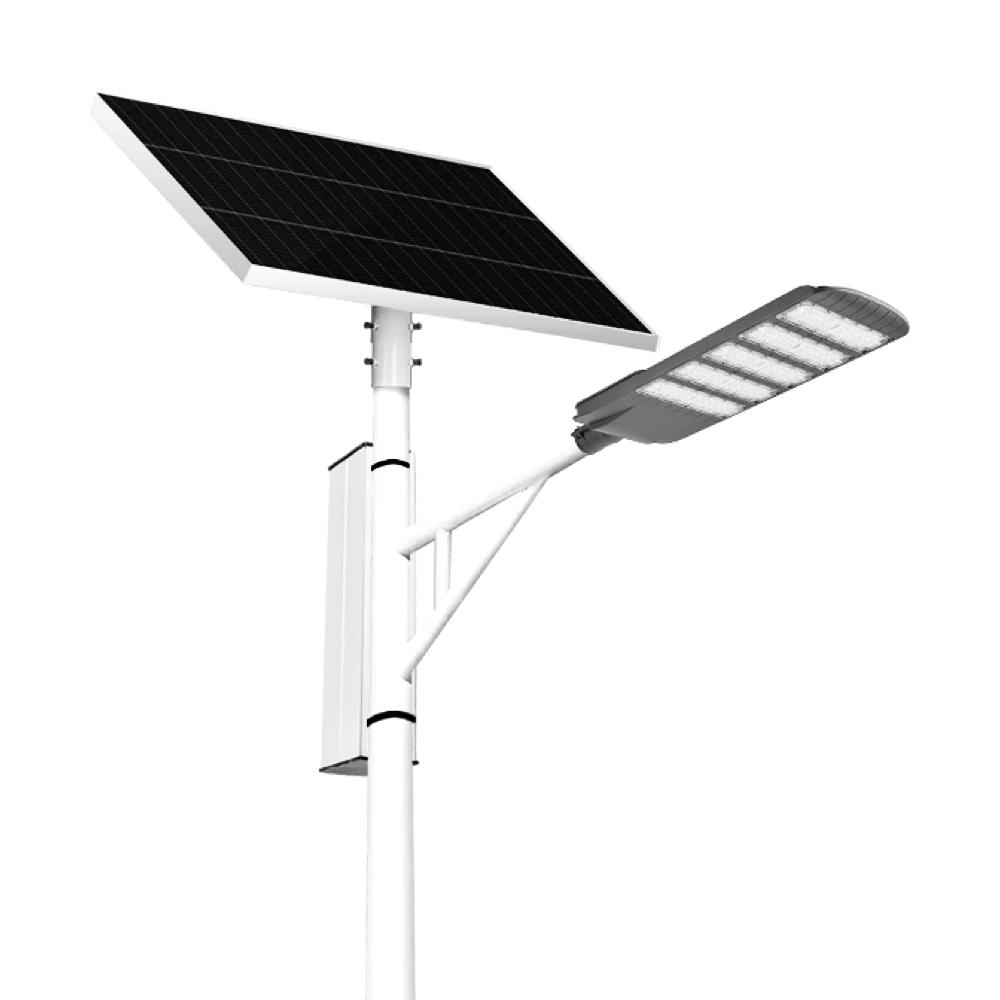
The Solar Streetlights of Luhao for Municipalities are designed to deliver reliable, energy-efficient, and cost-effective public lighting solutions. Equipped with advanced LED technology, durable lithium batteries, and high-efficiency solar panels, these streetlights provide consistent illumination for roads, parks, residential areas, and government projects.
If you would like more information about Queneng solar lighting solutions, please send us a message by filling out the form below. Our professional team will get back to you within 24 hours!
Rest assured that your privacy is important to us, and all information provided will be handled with the utmost confidentiality.
Schedule a Meeting
Book a date and time that is convenient for you and conduct the session in advance.
Have more questions about our products or services?
The messenger of light & power conversion
Environmental protection and intelligent manufacturing are our brand philosophy, and quality assurance and the best user experience are our eternal promises to users.
CONTACT
No.9F, Building F, Cao San Xin Tian Hong Logistics Park, Guzhen Town, Zhongshan City, Guangdong Province, China.
or write [email protected]
WhatsApp: +86 136 2270 1011


