














Unpacking the Price: Key Factors That Affect the Cost of Solar Street Lights
Navigating the Investment: What Factors Affect the Cost of Solar Street Lights?
Investing in solar street lights is a smart decision for sustainable, off-grid illumination, but understanding the financial outlay requires a clear grasp of what drives their cost. Many potential buyers, from urban planners to project managers, often ask: what exactly are the key factors that affect the cost of solar street light? The answer isn't simple, as it involves a blend of component specifications, technology choices, installation complexities, and supplier expertise. As a leading innovator in solar lighting solutions, GuangDong Queneng Lighting Technology Co., Ltd. is here to demystify the pricing structure, helping you make informed decisions for your next solar lighting project.
The Core Components: Powering Up and Lighting the Way
The most significant contributors to the overall solar street light price are its essential components. Each part's quality, capacity, and technological sophistication directly influence the final cost.
Solar Panel Efficiency and Wattage
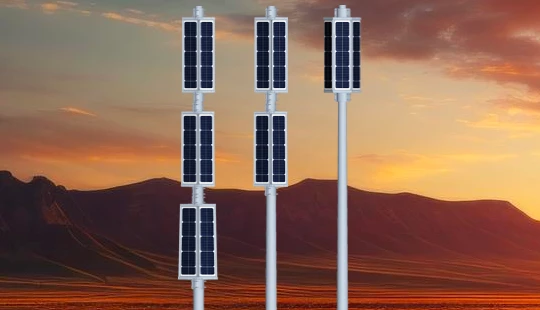
The solar panel is the heart of the system, converting sunlight into electricity. Its cost is primarily determined by its wattage output and efficiency. Higher wattage panels (e.g., 60W, 80W, 100W) are needed for brighter lights or longer autonomy and are more expensive. Monocrystalline silicon panels generally offer higher efficiency (up to 22%) and a smaller footprint compared to polycrystalline panels (up to 18%), leading to a higher initial cost but often better long-term performance, especially in limited space or lower irradiance conditions. For optimal performance and long-term savings, investing in high-efficiency panels is a wise choice, ensuring your solar street lighting solution captures maximum energy.
Battery Type and Capacity: Ensuring Reliable Autonomy
The battery stores the energy generated by the solar panel for use during the night or on cloudy days. Its type and capacity are critical factors that affect cost of solar street light. Lithium Iron Phosphate (LiFePO4) batteries are now the industry standard, offering superior lifespan (typically 2,000 to 4,000 cycles or 5-10 years), better temperature stability, and higher depth of discharge compared to older lead-acid or gel batteries. While LiFePO4 batteries have a higher upfront cost, their longevity and performance significantly reduce long-term solar street light cost and maintenance. Battery capacity, measured in Ampere-hours (Ah), determines the light's autonomy (how many nights it can operate without sunlight). A larger capacity battery for extended autonomy will naturally increase the price.
LED Luminaire Specifications: Brightness and Quality
The LED lamp head is responsible for illumination. Its cost depends on several factors:
- Wattage and Lumens Output: Higher wattage (e.g., 30W, 60W, 90W) and greater lumen output (brightness) correspond to higher costs.
- LED Chip Quality: Reputable LED chip manufacturers (e.g., Philips, Cree, Osram) offer higher efficiency (lumens per watt), better color rendering, and longer lifespans (50,000-100,000 hours), making them more expensive but offering superior performance and durability. This directly impacts the cost-effectiveness of solar street lights.
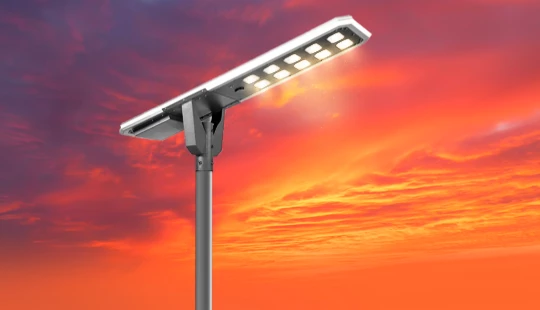
- Optical Design: Advanced optical lens designs ensure uniform light distribution and minimize light pollution, adding to the luminaire's cost but improving lighting efficacy.
- Ingress Protection (IP Rating): An IP65 or IP66 rating is crucial for outdoor use, protecting against dust and water. Higher ratings often involve more robust casing and sealing, influencing the price.
Charge Controller Technology: The Brains of the System
The charge controller manages the power flow between the solar panel, battery, and LED lamp. Two main types exist: PWM (Pulse Width Modulation) and MPPT (Maximum Power Point Tracking). MPPT controllers are more advanced, maximizing power harvest from the solar panel, especially in varying weather conditions, leading to higher efficiency (up to 99%) and quicker battery charging. While more expensive than PWM controllers, an MPPT controller can significantly improve the overall performance and reliability of the solar street lighting system, making it a valuable investment.
Pole Design and Material: The Structural Support
The street light pole's height, material, and design also contribute significantly to the total solar street light installation cost. Poles can range from 3 meters to 12 meters or more. Materials like galvanized steel or aluminum offer durability and corrosion resistance but vary in price. Factors such as wind load ratings (requiring thicker gauge steel or more complex designs) and decorative elements can further escalate costs. Custom pole designs for specific aesthetic or structural requirements will also increase the overall project cost of solar street lighting.
Advanced Features and Smart Technologies
Modern solar street lights can incorporate intelligent features that enhance functionality but add to the cost:
- Motion Sensors (PIR): Allow the light to dim when no one is present and brighten upon detecting movement, saving energy and extending battery life.
- IoT and Remote Monitoring: Systems with Internet of Things (IoT) capabilities enable remote monitoring, fault detection, and adaptive lighting control via a central platform. These smart solar street lights offer unparalleled management efficiency but come with higher upfront costs for hardware and software.
- Adaptive Lighting Profiles: Programmed settings that adjust light output based on seasonal changes or real-time needs optimize energy consumption.
Quality, Durability, and Certifications
The quality of materials and manufacturing processes is paramount. Reputable manufacturers like Queneng Lighting adhere to strict quality control, ensuring components are durable and reliable. Certifications such as ISO 9001 (Queneng is ISO 9001 approved) demonstrate a commitment to quality management. International certifications like CE, UL, BIS, CB, SGS, and MSDS (all obtained by Queneng) confirm product safety and compliance, adding to the product's value and justifying its price. These assurances of quality reduce the likelihood of premature failure, lowering the long-term operational cost of solar street lights.
Installation and Maintenance Considerations
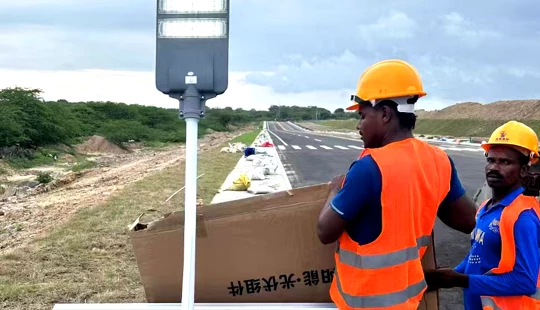
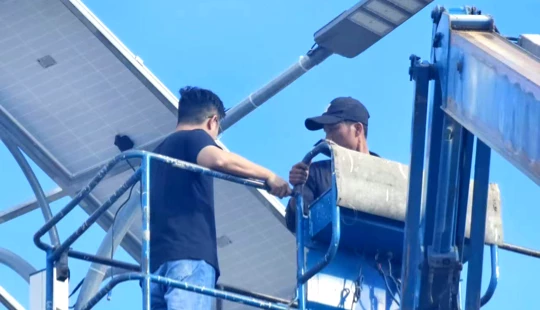
Beyond the unit price, solar street light installation costs include labor, groundwork, and equipment. Complex installations, remote locations, or challenging terrain can increase these expenses. While solar street lights are low-maintenance compared to grid-tied lights, eventual battery replacement (typically every 5-10 years for LiFePO4) and occasional cleaning of solar panels are maintenance considerations. Choosing a system with readily available spare parts and a strong warranty (Queneng offers comprehensive after-sales support) can help manage solar street light maintenance costs effectively.
Manufacturer Reputation and Expertise
The expertise and reputation of the manufacturer significantly influence the price and value. Companies with an experienced R&D team, advanced equipment, and a proven track record – like Queneng Lighting, founded in 2013 and a designated supplier to many famous listed companies – can offer superior designs, higher quality products, and more reliable solar lighting engineering solutions. Their ability to provide professional guidance and custom solutions for complex projects adds intangible value that often translates to a better overall investment and lower total cost of ownership.
Geographical and Environmental Factors
Local environmental conditions can dictate the system specifications and, consequently, the cost. Areas with lower solar irradiance require larger solar panels and batteries to achieve the same autonomy, increasing the solar street light cost. Regions prone to extreme temperatures, high winds, or heavy snowfall will necessitate more robust, specially designed poles and enclosures, pushing up manufacturing expenses.
Volume and Customization
Like many manufactured goods, the unit cost of solar street lights often decreases with larger order volumes. Bulk purchases allow for economies of scale in manufacturing and shipping. Conversely, highly customized designs for unique aesthetic requirements or specialized functionalities will typically incur higher development and production costs per unit compared to standard, off-the-shelf models.
Conclusion: Making an Informed Investment in Solar Street Lights
Understanding the diverse factors that affect the cost of solar street light is crucial for making a wise investment. From the efficiency of solar panels and the longevity of batteries to the brightness of LEDs, the intelligence of controllers, and the robustness of poles, every component plays a role in the final price. Beyond the initial purchase, consider installation, maintenance, and the long-term reliability offered by quality manufacturing and comprehensive warranties.
At GuangDong Queneng Lighting Technology Co., Ltd., we pride ourselves on being a solar lighting engineering solutions think tank. With our experienced R&D team, strict quality control (ISO 9001, TÜV certified), and a wide array of international certifications (CE, UL, BIS, CB, SGS, MSDS), we are dedicated to providing safe, reliable, and cost-effective solar street light solutions that meet your specific needs. By carefully evaluating these factors, you can invest in affordable solar street lights that deliver exceptional performance and sustainability for years to come.
Frequently Asked Questions About Solar Street Light Costs
Q: What is the average lifespan of a solar street light, and how does it affect cost?A: A well-designed solar street light using quality components can last 10-15 years or more. Solar panels typically have a lifespan of 20-25 years, LiFePO4 batteries 5-10 years, and LED luminaires 10-15 years. While initial costs might be higher for quality systems, their extended lifespan significantly reduces the total cost of ownership over time by minimizing replacement and maintenance expenses.
Q: Are cheaper solar street lights a good investment?A: While cheaper options exist, they often compromise on component quality (e.g., lower efficiency panels, less durable batteries, inferior LED chips, or basic controllers). This can lead to shorter lifespans, lower performance, frequent maintenance, and higher replacement costs, making them a less cost-effective solution in the long run. It's often better to invest in high-quality solar lighting solutions that offer greater reliability and efficiency.
Q: How does the wattage of a solar street light affect its price?A: Generally, higher wattage LEDs require larger solar panels and higher capacity batteries to provide adequate power and autonomy. This increase in component size and capability directly correlates with a higher overall price for the solar street light. For instance, a 60W LED solar street light will be more expensive than a 30W one due to the larger energy system required.
Q: Do smart features significantly increase the cost of solar street lights?A: Yes, features like motion sensors, adaptive dimming, and IoT remote monitoring capabilities add to the initial cost due to additional hardware, software development, and integration. However, these features can lead to substantial energy savings, extended battery life, and reduced operational costs over the long term, potentially offering a strong return on investment for High Quality solar street lights.
Q: Why is Queneng Lighting a reliable choice for solar street lights, considering the cost factors?A: Queneng Lighting focuses on providing high-quality, reliable solar lighting solutions, understanding the balance between upfront investment and long-term value. Our experienced R&D team, strict quality control (ISO 9001, TÜV), and numerous international certifications ensure our products deliver superior performance and durability. We act as a solar lighting engineering solutions think tank, offering professional guidance to help customers choose the most cost-effective solar street lights tailored to their specific project needs, minimizing total cost of ownership and maximizing ROI.

Have more questions about our products or services?
The latest hot news you might like

Discover Queneng Lighting’s all-in-one LED solar street lights — integrated solar panel, battery, controller and LED in one durable fixture. Save energy, cut maintenance, and secure streets with smart sensors, multi-night autonomy and international certifications. Contact sales for quotes and support.

Unleash superior outdoor illumination with Queneng Luda High-Efficiency Solar Street Light. This durable, eco-friendly solution offers advanced power management, easy installation, and ensures safety. Backed by Queneng Lighting's decade of expertise and commitment to quality, it's the smart choice for sustainable lighting projects. Learn why we're a leading solar solutions provider.

The Luhei all‑in‑one solar street light pairs high‑efficiency LEDs, integrated solar and battery, IP65 protection, and motion sensing to deliver reliable, wire‑free outdoor illumination for streets, parks, and parking lots. Backed by Queneng Lighting’s certifications and support.

FAQ
Tourist Attractions and Resorts
How long does it take to install solar lighting at a resort or tourist attraction?
The installation time for solar lighting systems is typically shorter than conventional electrical lighting. Depending on the size and complexity of the site, installation can usually be completed within a few days to a week.
Battery Types and Applications
What is a photovoltaic cell?
Solar Street Light Luda
What makes Luda solar street lights high-efficiency and eco-friendly?
Luda solar street lights feature high-efficiency solar panels that maximize energy conversion even in low sunlight conditions, ensuring optimal performance throughout the day. The use of energy-efficient LED bulbs minimizes electricity consumption while delivering bright, reliable illumination. This combination of features reduces the overall carbon footprint and makes them an eco-friendly choice for outdoor lighting.
Solar Street Light Lulin
How durable are Lulin solar street lights?
Lulin solar street lights are built to last. They are constructed using corrosion-resistant aluminum and high-strength tempered glass, making them durable enough to withstand harsh weather conditions, including rain, snow, and extreme temperatures. The lights are also designed to resist UV rays, dust, and other environmental factors, offering a long service life in both urban and rural settings.
Solar Street Light Lufeng
Are Lufeng solar street lights compatible with different outdoor environments?
Yes, Lufeng solar street lights are highly versatile and can be used in a variety of outdoor environments. They are perfect for urban streets, residential areas, rural roads, parks, and recreational spaces. Their durable design ensures they can function reliably in diverse weather conditions and geographical locations.
Battery and Analysis
What is over-discharge and what effect does it have on battery performance?
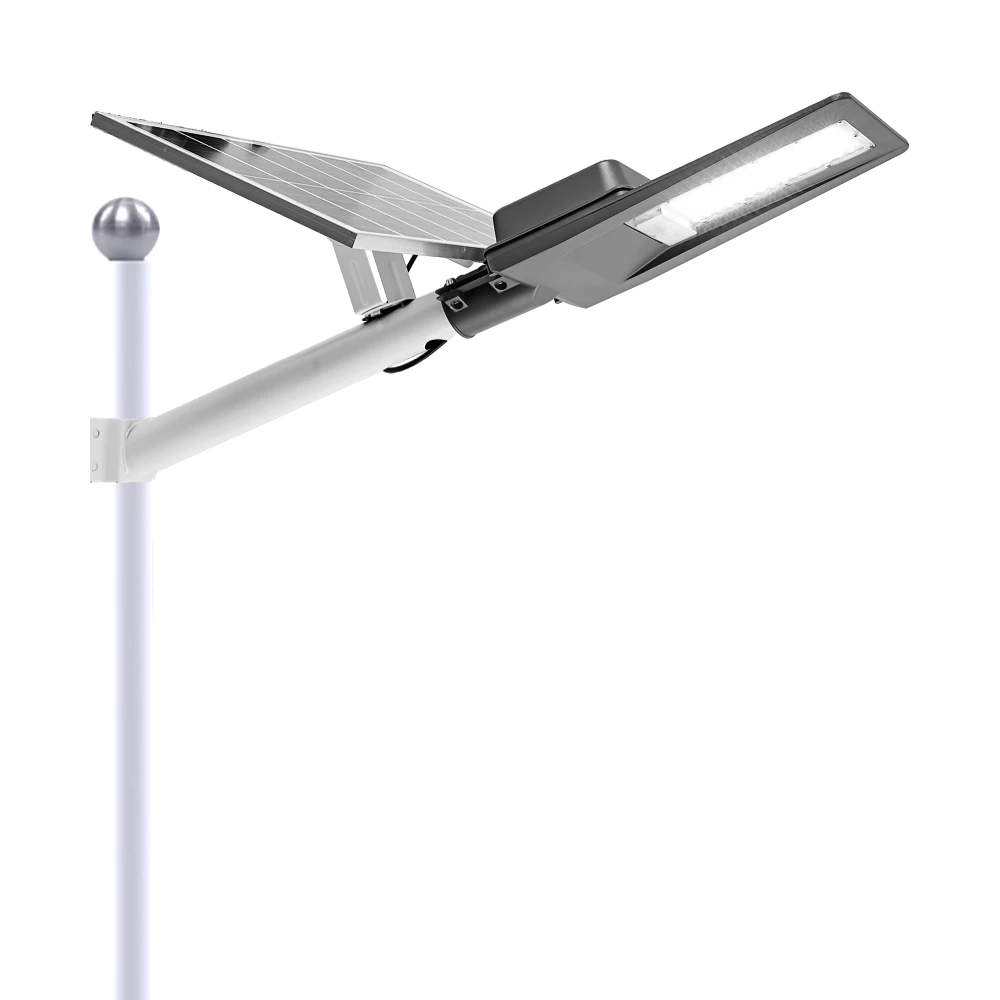
Experience reliable outdoor illumination with our smart solar street light, a perfect combination of advanced technology and eco-conscious design.
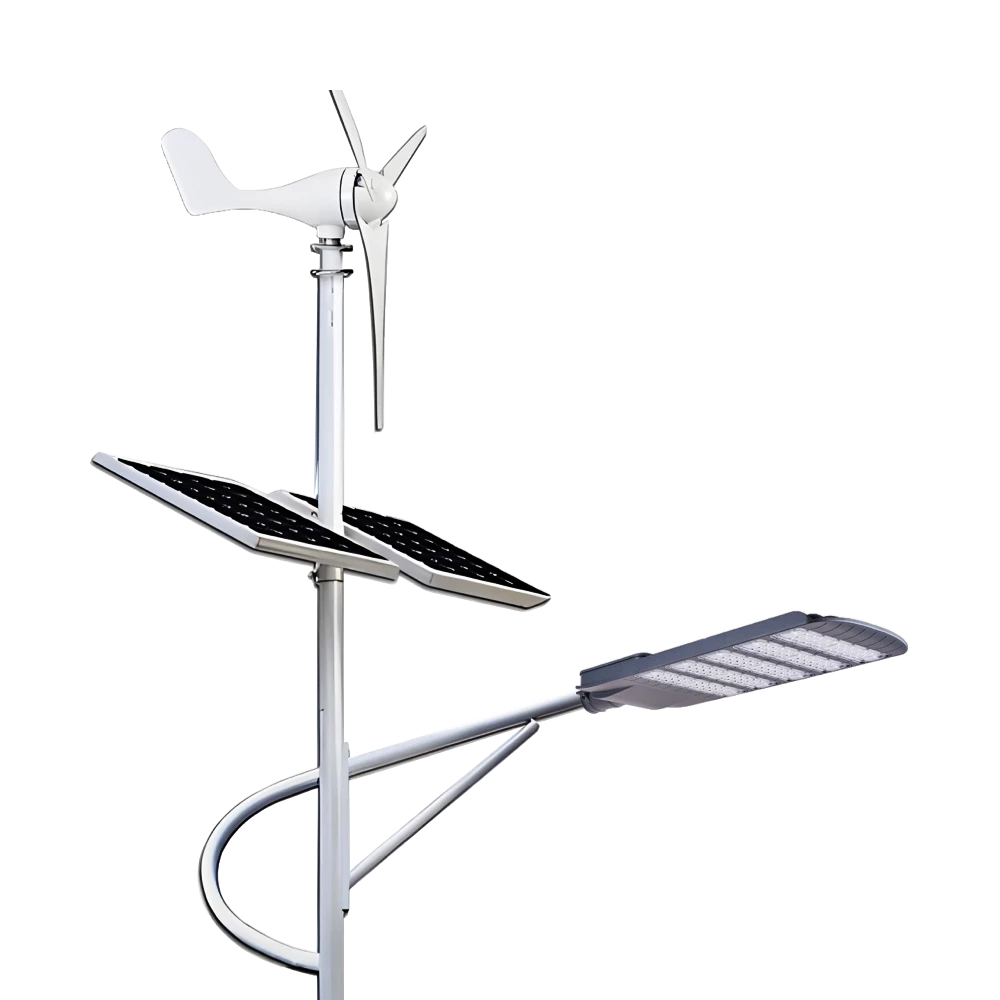
Queneng Lufeng Wind Energy LED Outdoor Solar Street Lights offer high-performance, eco-friendly illumination. These energy-efficient LED street lights harness solar power and wind energy for sustainable, cost-effective outdoor lighting solutions.
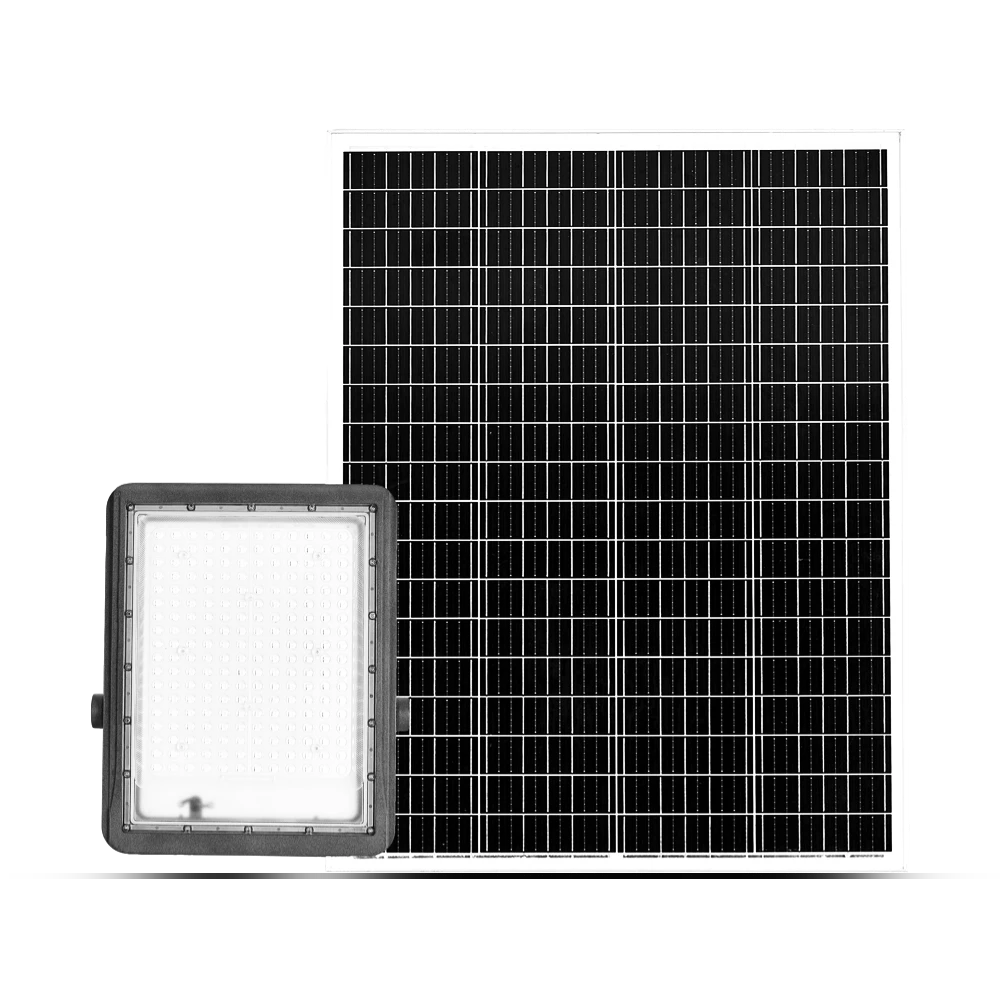
Queneng's Luxian Reliable Solar Street Light offers energy-saving LED lighting for outdoor use. This durable, solar-powered street light provides reliable illumination, reducing energy costs and environmental impact. A perfect solution for sustainable outdoor lighting.
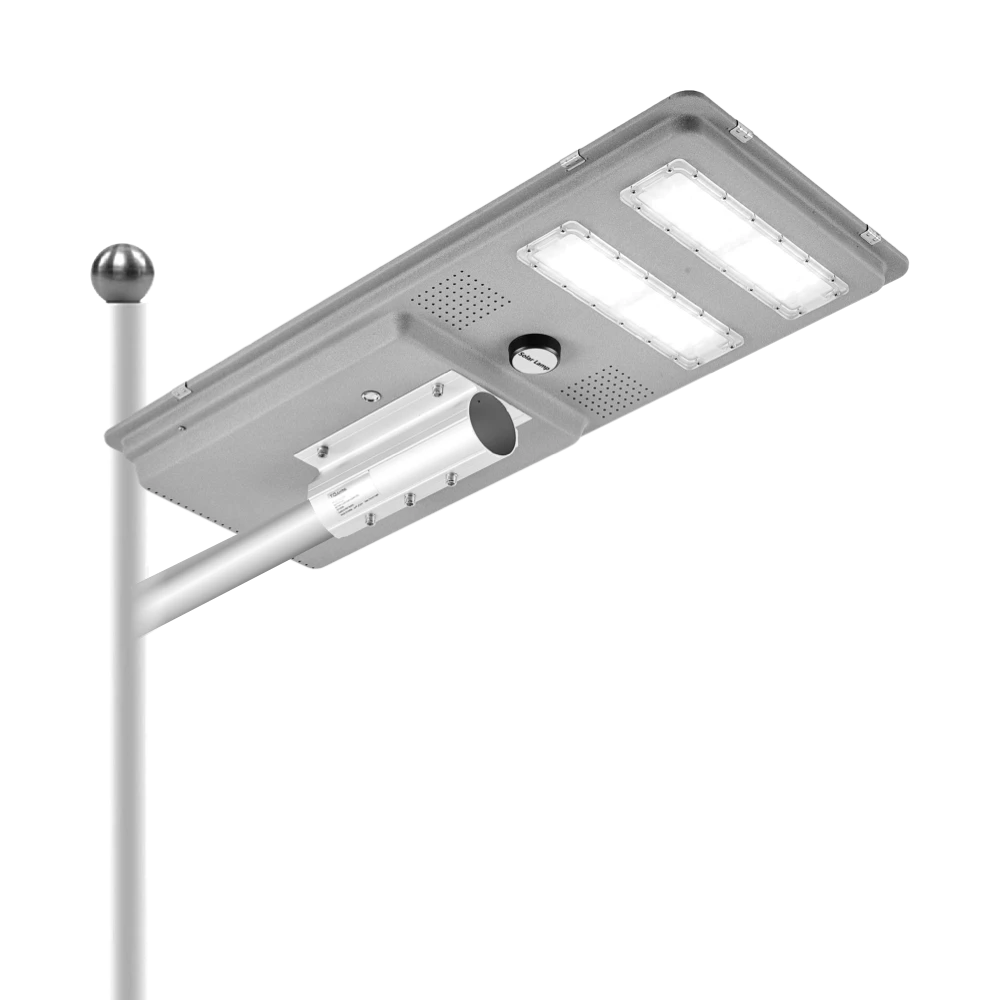
Queneng’s Solar Street Lights are designed to provide reliable, energy-efficient lighting for streets, parks, and other outdoor spaces.
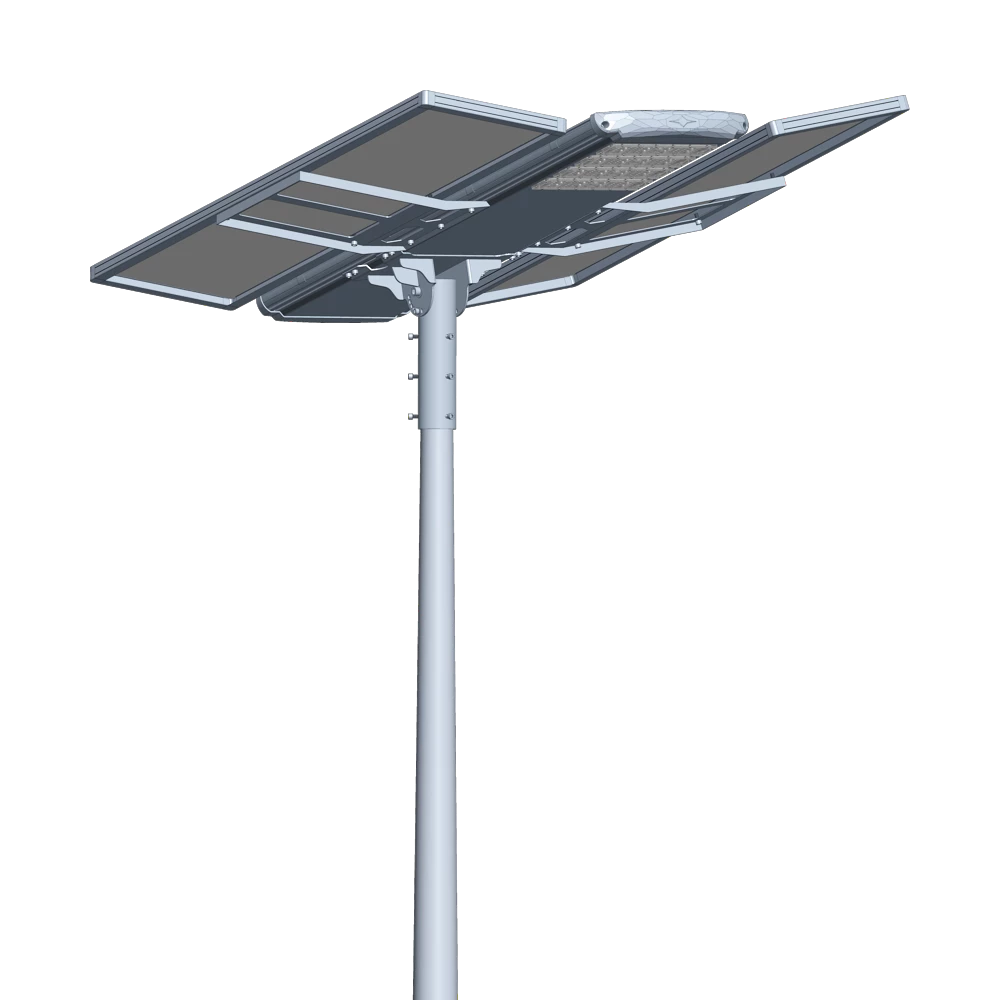
Introducing the Luqing Solar Street Light by Queneng, Efficient LED lighting powered by solar energy is perfect for illuminating outdoor areas. Harness the power of solar energy for sustainable, reliable street lighting. Ideal for eco-friendly, cost-effective outdoor illumination solutions.
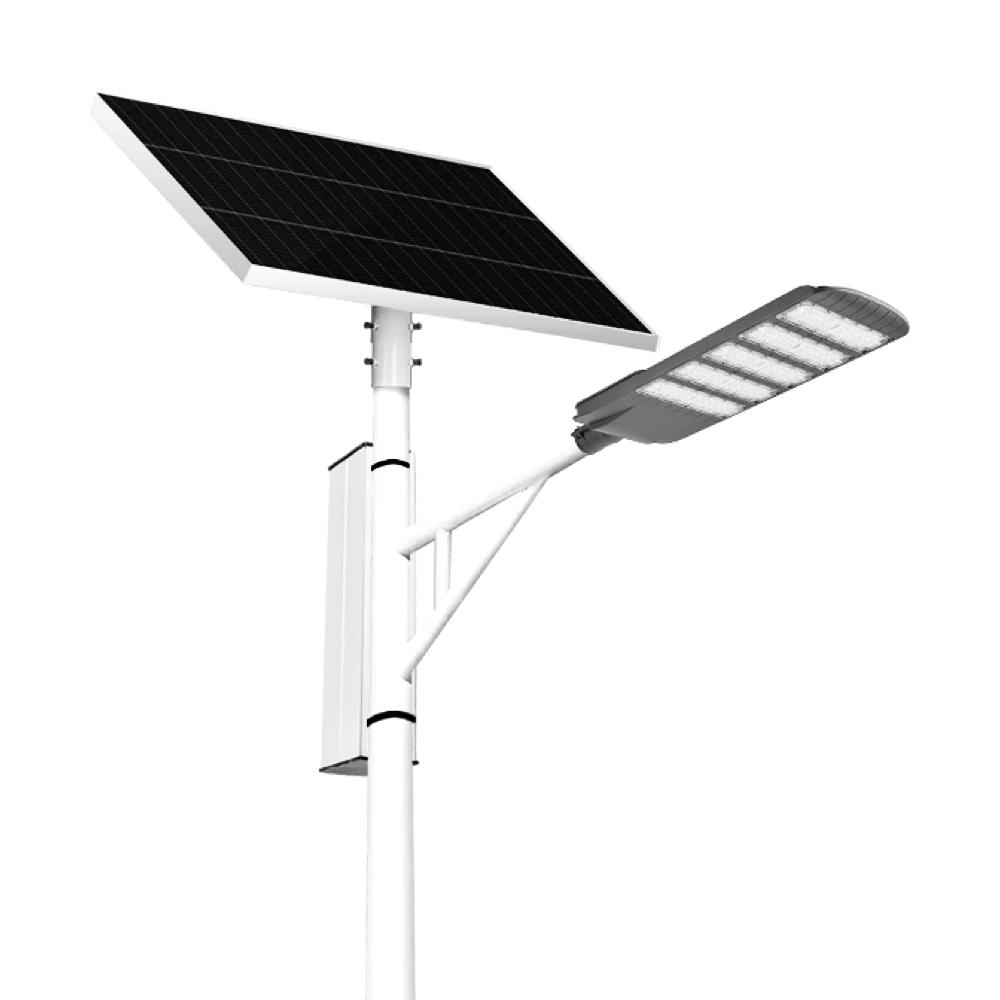
The Solar Streetlights of Luhao for Municipalities are designed to deliver reliable, energy-efficient, and cost-effective public lighting solutions. Equipped with advanced LED technology, durable lithium batteries, and high-efficiency solar panels, these streetlights provide consistent illumination for roads, parks, residential areas, and government projects.
Our professional team is ready to answer any questions and provide personalized support for your project.
You can reach us via phone or email to learn more about Queneng’s solar lighting solutions. We look forward to working with you to promote clean energy solutions!
Rest assured that your privacy is important to us, and all information provided will be handled with the utmost confidentiality.
By clicking 'Send Inquiry Now' I agree to Queneng processing my personal data.
To see how to withdraw your consent, how to control your personal data and how we process it, please see our Privacy Policy and Terms of use.
Schedule a Meeting
Book a date and time that is convenient for you and conduct the session in advance.
Have more questions about our products or services?
The messenger of light & power conversion
Environmental protection and intelligent manufacturing are our brand philosophy, and quality assurance and the best user experience are our eternal promises to users.
CONTACT
No.9F, Building F, Cao San Xin Tian Hong Logistics Park, Guzhen Town, Zhongshan City, Guangdong Province, China.
or write [email protected]
WhatsApp: +86 136 2270 1011


