













Why Do My Solar Lights Only Last a Few Hours? Common Causes & Fixes
Are your solar lights turning off after just a few hours? Discover the top reasons why this happens and how to fix it. Extend the lifespan and efficiency of your solar lighting system.
Solar lights are a convenient and eco-friendly solution for outdoor lighting. However, many users report that their solar garden lights or solar street lamps only stay lit for a few hours after sunset. Why does this happen? In this article, we explore the most common reasons and offer practical solutions to extend your solar light runtime.
1. Insufficient Sunlight Exposure
The most common reason for short lighting time is inadequate solar charging during the day.
- The panel is installed in a shaded area (under a tree, roof, etc.).
- Short daylight hours due to season or bad weather.
- The solar panel is not angled properly toward the sun.
Solution:
- Relocate the panel to a sunny area (ideally 6–8 hours of direct sunlight).
- Clean the panel regularly to remove dust and debris.
- Use larger or high-efficiency solar panels (e.g., monocrystalline).
2. Dirty or Blocked Solar Panel
Dirt, leaves, pollen, or bird droppings can block sunlight and reduce charging efficiency.
Solution: Wipe the panel with a damp cloth every 1–2 weeks and avoid harsh chemicals.
3. Worn-Out or Low-Capacity Batteries
Most solar lights use rechargeable batteries that degrade over time (1–2 years).
Solution: Replace batteries with high-quality rechargeable ones with higher mAh capacity.
4. Cold Temperatures or Winter Season
Cold weather affects battery performance, and shorter daylight limits energy storage.
Solution: Use LiFePO₄ cold-resistant batteries or reduce lighting duration via a smart controller.
5. Low-Quality or Faulty Components
Cheap solar lights may use poor LEDs, inefficient batteries, or small panels, affecting performance.
Solution: Choose high-quality solar lights with efficient LEDs (180–200 lm/W), MPPT controllers, and IP65+ ratings.
6. Sensor or Controller Malfunction
Malfunctioning sensors can cause the light to turn on too early or shut off unexpectedly.
Solution: Test the sensor or replace the controller if faulty.
7. Installation Errors
Improper installation, loose wiring, or reversed battery polarity can affect performance.
Solution: Recheck the installation or consult an electrician. Use rust-proof connectors and waterproof sealing outdoors.
Frequently Asked Questions (FAQ)
Q1: How many hours should a good solar light last at night?
A high-quality solar light should last 8 to 12 hours on a full charge, depending on battery and LED efficiency.
Q2: Can I replace the battery in my solar light?
Yes. Most solar lights allow you to replace the battery. Make sure to use a compatible type and consider upgrading the capacity (mAh).
Q3: Do cloudy or rainy days damage solar lights?
No. But continuous cloudy days reduce charging. A hybrid or AC backup system is helpful in such cases.
Q4: How often should I clean the solar panel?
Every 1–2 weeks, or more often in dusty or rainy environments.
Q5: Should I turn solar lights off in winter?
Not necessary, but reducing usage or lighting duration can preserve battery life.
Conclusion
If your solar lights only last a few hours, it’s often easy to fix. With better sunlight exposure, clean panels, and good battery management, you can significantly improve performance.
For durable, high-performance solar lighting, choose products from trusted manufacturers like GuangDong Queneng Lighting Technology Co., Ltd.
Need custom solar lighting solutions or support? Contact Queneng for professional advice and reliable solar products.

Have more questions about our products or services?
The latest hot news you might like

Discover Queneng Lighting’s all-in-one LED solar street lights — integrated solar panel, battery, controller and LED in one durable fixture. Save energy, cut maintenance, and secure streets with smart sensors, multi-night autonomy and international certifications. Contact sales for quotes and support.

Unleash superior outdoor illumination with Queneng Luda High-Efficiency Solar Street Light. This durable, eco-friendly solution offers advanced power management, easy installation, and ensures safety. Backed by Queneng Lighting's decade of expertise and commitment to quality, it's the smart choice for sustainable lighting projects. Learn why we're a leading solar solutions provider.

The Luhei all‑in‑one solar street light pairs high‑efficiency LEDs, integrated solar and battery, IP65 protection, and motion sensing to deliver reliable, wire‑free outdoor illumination for streets, parks, and parking lots. Backed by Queneng Lighting’s certifications and support.

FAQ
Battery Performance and Testing
What is high temperature and high humidity test?
After the battery is fully charged, store it under certain temperature and humidity conditions for several days. During the storage process, observe whether there is any leakage.
The high temperature and humidity test for lithium batteries is: (national standard)
Charge the battery with 1C constant current and constant voltage to 4.2V, with a cut-off current of 10mA, and then put it in a constant temperature and humidity box at (40±2)℃ and a relative humidity of 90%-95%. After leaving it for 48h, take the battery out and put it in (20 Leave it aside for 2 hours at ±5)°C. Observe that there should be no abnormality in the appearance of the battery. Then discharge it to 2.75V at a constant current of 1C, and then perform a 1C charge and 1C discharge cycle at (20±5)°C until the discharge capacity Not less than 85% of the initial capacity, but the number of cycles should not be more than 3 times.
What is an impact test?
Split Solar Street Light
Is split solar street light better than all-in-one?
For large-scale or professional projects, yes. Split systems offer higher power capacity and better adaptability.
Commercial and Industrial Parks
What certifications do your solar lights have?
Our solar lights are certified with ISO, CE, and RoHS to ensure compliance with international safety and environmental standards.
Municipal and Public Infrastructure
How long do solar streetlights last?
Our solar streetlights typically last for 5-10 years with minimal maintenance.
Sustainability
If the light or battery fails, can it be replaced individually?
Yes. Queneng’s solar street lights are designed with a modular structure, so components such as photovoltaic panels, batteries, lights, and controllers can be replaced individually, making maintenance convenient and cost-effective.
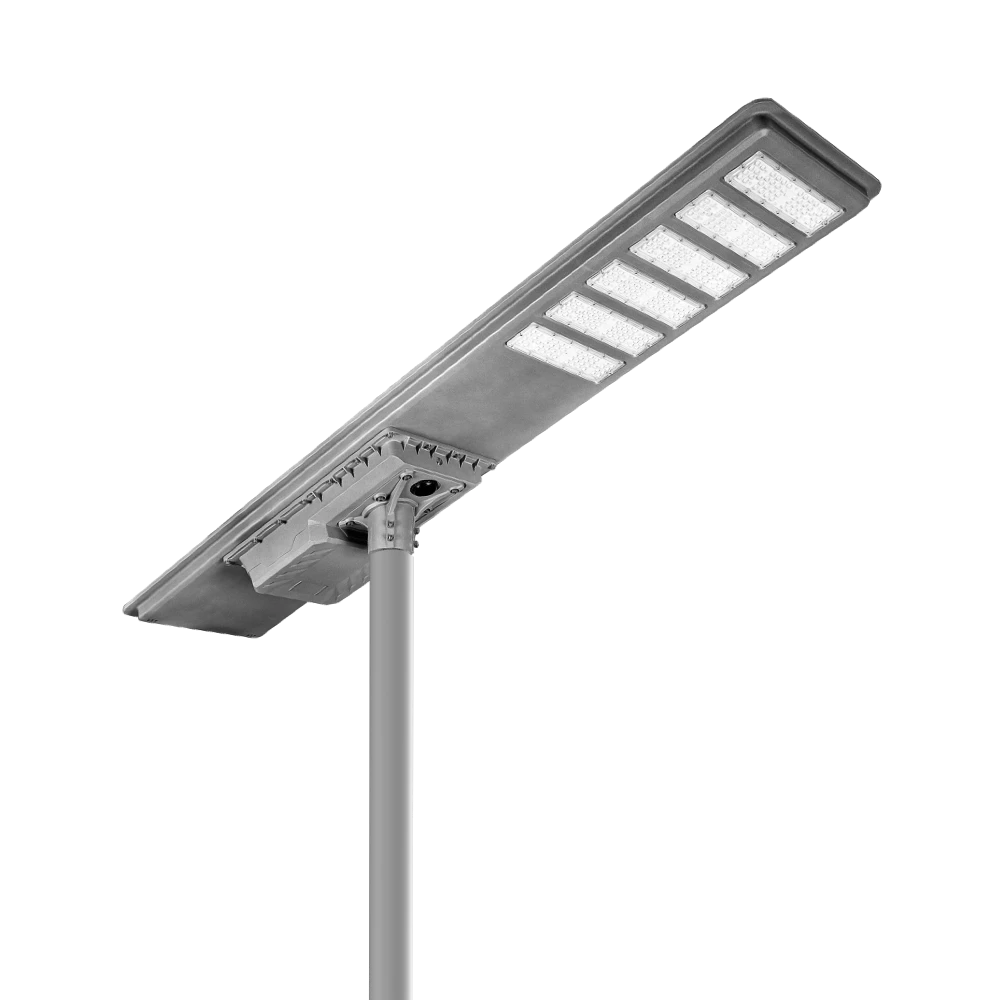
Queneng's Luqiu Innovative Solar Street Light offers energy-saving, durable outdoor lighting. This solar power street light provides a reliable and eco-friendly solution for illuminating your streets and pathways.
If you would like more information about Queneng solar lighting solutions, please send us a message by filling out the form below. Our professional team will get back to you within 24 hours!
Rest assured that your privacy is important to us, and all information provided will be handled with the utmost confidentiality.
Schedule a Meeting
Book a date and time that is convenient for you and conduct the session in advance.
Have more questions about our products or services?
The messenger of light & power conversion
Environmental protection and intelligent manufacturing are our brand philosophy, and quality assurance and the best user experience are our eternal promises to users.
CONTACT
No.9F, Building F, Cao San Xin Tian Hong Logistics Park, Guzhen Town, Zhongshan City, Guangdong Province, China.
or write [email protected]
WhatsApp: +86 136 2270 1011


