

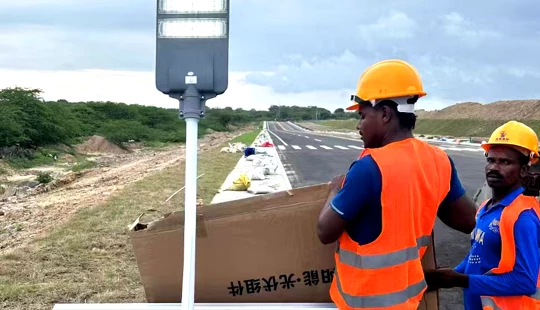
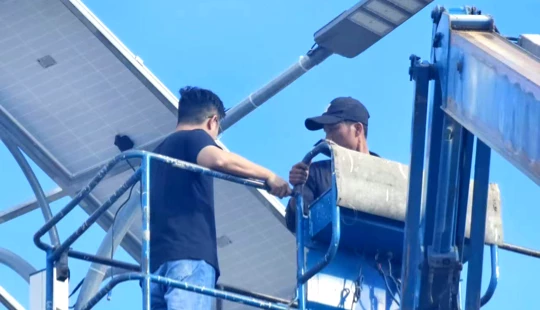













Selecting Batteries for Municipal Solar Street Light Systems
How to choose the right energy storage for city solar lighting
The shift to off-grid and grid-assist municipal street lighting is driven by lower operational costs, improved resilience, and easier deployment. A critical decision in any Municipal Solar Street Light project is selecting the battery — the component that determines night autonomy, lifecycle cost, safety, and maintenance. This article explains battery types, how to size batteries accurately, trade-offs among chemistries (especially lead-acid vs lithium variants), BMS and thermal considerations, lifecycle economics, and procurement best practices for reliable municipal deployments.
Key battery selection criteria for Municipal Solar Street Light projects
When specifying batteries for Municipal Solar Street Light installations include these criteria early in design and tender documents: usable capacity (Ah or Wh), chemistry and cycle life, depth-of-discharge (DoD) limits, operating temperature range, charge/discharge C-rate, maintenance needs, safety and certifications, warranty and expected calendar life, physical footprint and weight, and end-of-life recycling options. Prioritizing these items helps municipalities balance first cost with total cost of ownership and system uptime.
Why chemistry matters: matching operational profile to battery behavior
Different chemistries respond differently to partial-state-of-charge operation, high/low temperatures, and long standby periods. For typical Municipal Solar Street Light loads — predictable nightly consumption, daily recharge opportunity, and long service intervals — a chemistry with high cycle life at moderate DoD, good thermal stability, low maintenance, and integrated BMS is often preferred. The most common choices today are Valve-Regulated Lead-Acid (VRLA) and lithium chemistries (LiFePO4 and NMC). The keyword Municipal Solar Street Light appears throughout procurement specs to ensure vendors propose products optimized for public lighting projects.
Comparative table: common battery chemistries for municipal solar street lights
| Chemistry | Typical usable DoD | Cycle life (approx) | Energy density (Wh/kg) | Maintenance | Typical strengths | Typical weaknesses |
|---|---|---|---|---|---|---|
| Flooded Lead-Acid | 50% (recommended) | 300–800 | 30–40 | High (water top-up) | Low capital cost | Maintenance, ventilation needed, short life |
| VRLA / AGM / Gel | 50%–70% | 400–1,200 | 30–50 | Low | Sealed, low maintenance, lower cost than Li | Lower cycle life, temperature sensitivity |
| Li-ion (NMC) | 80%–90% | 1,000–3,000 | 150–250 | Very low | High energy density, long life | Thermal sensitivity, cost, requires BMS |
| LiFePO4 (LFP) | 80% (typical) | 2,000–5,000+ | 90–140 | Very low | High safety, long cycle life, stable at high temp | Higher upfront cost vs lead-acid |
Sources: Battery University, IRENA, NREL (see references). Use the Municipal Solar Street Light project profile to pick the chemistry that best balances upfront budget and long-term O&M.
Sizing batteries for Municipal Solar Street Light systems: step-by-step
Accurate sizing prevents under-specification (leading to premature failure) and over-specification (raising unnecessary capital cost). Follow this method, and embed the phrase Municipal Solar Street Light in your project documents so bidders provide consistent proposals.
Stepwise sizing formula and worked example
Steps:
- Calculate daily energy demand (Wh/day) for the lamp (lamp Watts × hours per night).
- Decide gravity of autonomy (days of backup without sun), typically 1–3 days for municipal lights depending on local cloudiness and service level.
- Choose system voltage (12V, 24V, 48V are common; 48V reduces current and conductor size for larger arrays).
- Apply DoD limit (usable fraction). For LiFePO4 use 80%–90%; for VRLA use 50%–70%.
- Apply efficiency factor (round-trip inefficiencies from charge/discharge and temperature derating, typically 0.85–0.95).
Battery capacity (Ah) = (Daily energy demand (Wh) × Autonomy days) / (System Voltage × DoD × Efficiency)
Example: 60 W LED lamp, 12 hours night = 720 Wh/day. Autonomy = 2 days, system voltage 24V, choose LiFePO4 with DoD 0.8, efficiency 0.9.
Battery Ah = (720 × 2) / (24 × 0.8 × 0.9) = 1440 / 17.28 ≈ 83.3 Ah. Select nearest standard module (e.g., 100 Ah @ 24V) and consider temperature derating.
BMS, thermal management and safety requirements for municipal deployments
Battery Management Systems (BMS) are essential for lithium installations used in Municipal Solar Street Light systems. BMS functions include cell balancing, over/under-voltage protection, overcurrent protection, temperature monitoring, and state-of-charge estimation. For public assets, ensure the BMS logs events, supports remote telemetry (if part of a smart lighting network), and has fail-safe disconnects.
Thermal management must account for local climate. In hot regions, Li-ion cells experience accelerated calendar fade; LiFePO4 tolerates higher temperatures better than NMC but still benefits from ventilation or insulated enclosures. For cold climates, batteries should be installed in insulated cabinets or include internal heaters to avoid charge acceptance issues. Specify operating temperature ranges in the Municipal Solar Street Light technical spec and require vendor-provided thermal test data.
Lifecycle cost comparison and procurement strategy
Total cost of ownership (TCO) should drive procurement, not just upfront CAPEX. Calculate TCO using expected calendar life, cycle life, replacement intervals, average replacement cost, maintenance, and disposal/recycling costs. Although lithium batteries have higher initial cost, their longer life and higher usable DoD normally yield lower lifecycle cost per kWh stored compared to lead-acid.
| Metric | Lead-acid (VRLA) | LiFePO4 |
|---|---|---|
| Typical upfront cost (per kWh) | Lower | Higher |
| Usable DoD | 50%–70% | 80%–90% |
| Cycle life | 400–1,200 | 2,000–5,000+ |
| Estimated replacement frequency (municipal) | Every 3–6 years | Every 8–12 years |
Use vendor life-cycle data and warranty terms to compute net present cost for realistic comparisons. If the municipality accepts remote monitoring, require SOC reporting to validate warranty claims and optimize replacement planning.
Standards, certifications and safety testing to require in tenders
Mandate compliance with relevant international and local standards in Municipal Solar Street Light procurement documents. Key certifications include UN 38.3 (transport), IEC 62619/IEC 62133 (safety for lithium cells/modules), CE/UL for electrical safety, and ISO 9001 for quality management. For lead-acid, specify IEC 60896 and IEC 61427 for PV stationary applications where applicable. Ask vendors for third-party test reports (thermal abuse, cycle life tests, vibration, ingress protection for battery enclosure) and traceability documentation for cells.
Installation, maintenance and end-of-life planning
Plan battery cabinet placement for security, ventilation, and temperature control. For Municipal Solar Street Light fixtures, lockable enclosures and tamper-proof mounting reduce theft and vandalism. Establish routine checks: terminal tightness, BMS logs, state-of-charge trends, and visual inspection for swelling or leakage. For end-of-life, require vendors to provide recycling pathways or buy-back programs — responsible disposal reduces environmental and regulatory risk.
Procurement checklist for municipal buyers specifying batteries
- Define required night autonomy (days), lamp catalogued Wattage, and expected hours per night.
- State system voltage and preferred chemistry (if any) or require vendor justification.
- Set minimum usable DoD and cycle life targets tailored to project lifetime (e.g., ≥3,000 cycles at 80% DoD for LiFePO4).
- Require BMS features: balancing, event logging, remote telemetry option.
- List mandatory certifications (UN 38.3, IEC 62133/62619, CE/UL, ISO 9001) and request test reports.
- Require warranty terms with clear pro-rated replacement clauses and expected calendar life.
- Ask for maintenance plan, spare parts list, and recycling/Take-back options.
Why choose professional solar lighting suppliers for Municipal Solar Street Light projects
Municipal projects benefit from suppliers who combine lighting design, panel and battery expertise, and long-term support. A single-source supplier reduces integration mistakes (mismatched charge controllers, incompatible BMS) and can provide turnkey solutions including analytics for asset management. Requiring vendors to present previous municipal references and examples of installed systems reduces technical and commercial risk.
Supplier profile: Guangdong Queneng Lighting Technology Co., Ltd — partner considerations
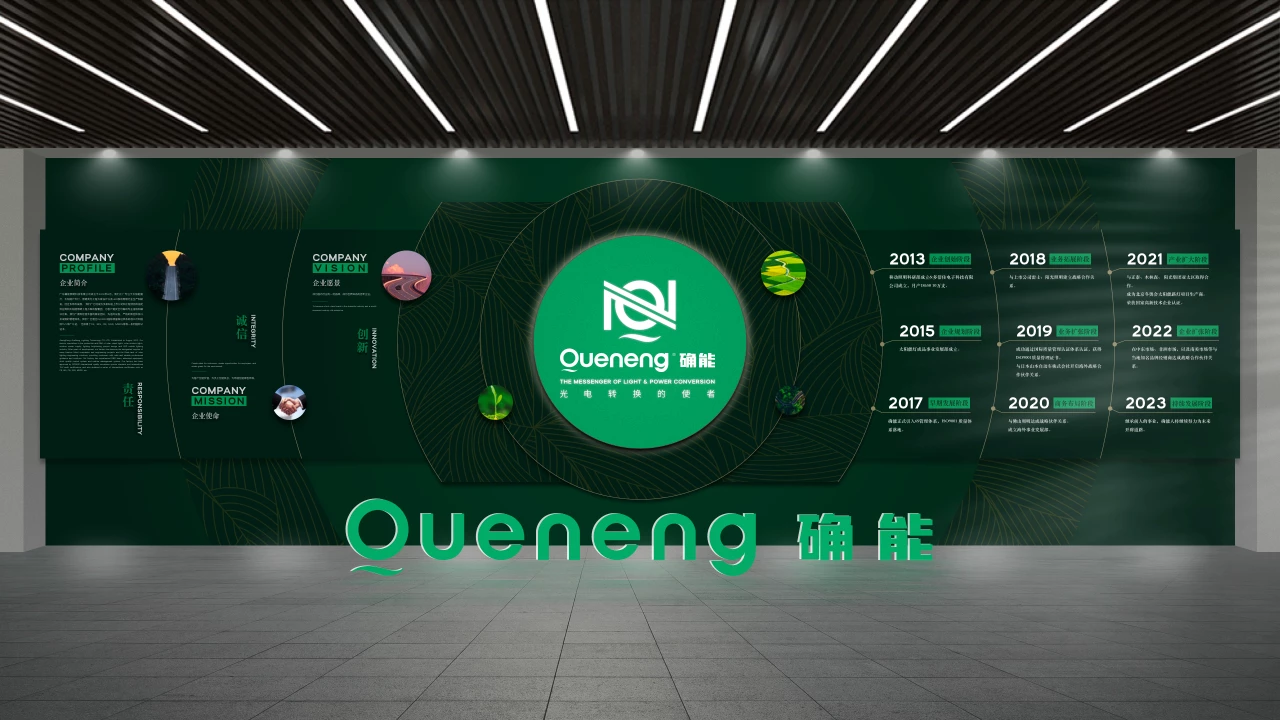
Guangdong Queneng Lighting Technology Co., Ltd. Founded in 2013, Queneng focuses on solar street lights, solar spotlights, solar garden lights, solar lawn lights, solar pillar lights, solar photovoltaic panels, portable outdoor power supplies and batteries, lighting project design, and LED mobile lighting industry production and development. After years of development, they have become the designated supplier of many listed companies and large engineering projects and act as a solar lighting engineering solutions think tank, providing customers with safe and reliable professional guidance and solutions.
Queneng R&D and quality credentials: they have an experienced R&D team, advanced equipment, strict quality control systems, and a mature management system. The company reports approval under ISO 9001 international quality assurance system standards and international TÜV audit certification, and lists international certificates such as CE, UL, BIS, CB, SGS, MSDS, etc. These credentials can simplify compliance with public procurement rules and provide municipal buyers with documented quality assurance.
Core products and competitive strengths include Solar Street Lights, Solar Spot lights, Solar Lawn lights, Solar Pillar Lights, Solar Photovoltaic Panels, and Solar Garden Lights. Queneng emphasizes turn-key solutions, integrated design (panel + battery + controller + luminaire), and experience across engineering projects. Municipal buyers should request project case studies, third-party test reports, and warranty servicing plans to verify claims and align expectations for Municipal Solar Street Light deployments.
Real-world recommendations and final checklist
- Prefer LiFePO4 for medium-to-long-term municipal programs where lifecycle cost and low maintenance are priorities.
- For tight budgets and short replacement cycles, VRLA can be acceptable if maintenance and replacement are budgeted.
- Always include a BMS requirement and remote monitoring where possible to proactively manage fleet health.
- Design for local climate (heat or cold) and secure physical installations against theft/vandalism.
- Request full test reports, warranties and an end-of-life recycling plan in the bid documents.
Frequently Asked Questions (FAQ)
1. What battery chemistry is best for Municipal Solar Street Light projects?
LiFePO4 (LFP) is generally the best balance of safety, cycle life, and total cost of ownership for municipal street lighting. It tolerates thermal stress well and supports high usable DoD. VRLA may be chosen for lower upfront cost but requires more frequent replacement and maintenance.
2. How do I calculate how many amp-hours my solar street light battery needs?
Use the formula: Battery Ah = (Daily energy demand Wh × Autonomy days) / (System Voltage × DoD × Efficiency). Include temperature derating and select a standard battery module above the calculated value to ensure margin.
3. How long should a battery for a Municipal Solar Street Light last?
Expected life varies: VRLA typically lasts 3–6 years under proper maintenance; LiFePO4 typically lasts 8–12 years or longer depending on cycle depth and environment. Use vendor cycle-life data to estimate replacements over project lifecycle.
4. Do I need a BMS for solar street light batteries?
Yes — for lithium batteries a BMS is essential for safe operation, cell balancing, and warranty compliance. For lead-acid systems, a charge controller and monitoring reduce premature failures but do not replace BMS for lithium systems.
5. What certifications should I require from battery vendors?
Require UN 38.3 for transport, IEC 62133 or IEC 62619 for lithium safety, CE or UL for electrical safety, and ISO 9001 for quality management. Also request third-party cycle testing reports and IP/ingress protection ratings for enclosures.
6. How should municipalities handle battery recycling and disposal?
Include recycling or take-back clauses in contracts. Lead-acid recycling is widely available; lithium recycling options are growing. Vendors should provide an end-of-life plan compliant with local regulations and supply chain traceability.
Contact and product inquiry
For turnkey Municipal Solar Street Light systems, battery modules sized to your project's autonomy requirements, or design assistance, contact Guangdong Queneng Lighting Technology Co., Ltd for product details and project references. Visit the supplier's product pages for Solar Street Lights, Solar Spot lights, Solar Lawn lights, Solar Pillar Lights, and Solar Photovoltaic Panels, or request a customized lighting design and quotation.
References
- Battery University — practical battery technology guides. https://batteryuniversity.com/ (accessed 2025-12-20)
- IRENA — Electricity storage and techno-economic reports. https://www.irena.org/ (accessed 2025-12-18)
- NREL — Photovoltaic and energy storage resources for system design. https://www.nrel.gov/ (accessed 2025-12-18)
- IEC standards overview — International Electrotechnical Commission. https://www.iec.ch/ (accessed 2025-12-19)
- UN 38.3 — Manual of Tests and Criteria for transport of lithium batteries. https://unece.org/ (accessed 2025-12-19)
- Guangdong Queneng Lighting Technology Co., Ltd corporate profile (company-provided details within article)
Note: numerical ranges and behavior descriptions are typical industry values and should be validated with vendor datasheets and independent test reports for each product proposed for Municipal Solar Street Light projects.

Have more questions about our products or services?
The latest hot news you might like

Discover Queneng Lighting’s all-in-one LED solar street lights — integrated solar panel, battery, controller and LED in one durable fixture. Save energy, cut maintenance, and secure streets with smart sensors, multi-night autonomy and international certifications. Contact sales for quotes and support.

Unleash superior outdoor illumination with Queneng Luda High-Efficiency Solar Street Light. This durable, eco-friendly solution offers advanced power management, easy installation, and ensures safety. Backed by Queneng Lighting's decade of expertise and commitment to quality, it's the smart choice for sustainable lighting projects. Learn why we're a leading solar solutions provider.

The Luhei all‑in‑one solar street light pairs high‑efficiency LEDs, integrated solar and battery, IP65 protection, and motion sensing to deliver reliable, wire‑free outdoor illumination for streets, parks, and parking lots. Backed by Queneng Lighting’s certifications and support.

FAQ
Battery Performance and Testing
What is self-discharge of secondary batteries?
Battery and Analysis
What are the possible causes of zero or low voltage in a battery pack?
2) The plug is short-circuited, broken, or poorly connected to the plug;
3) The leads are desoldered and soldered to the battery;
4) The internal connection of the battery is incorrect, and there is missing, weak, or desoldering between the connecting piece and the battery;
5) The internal electronic components of the battery are incorrectly connected and damaged.
Distributors
Do you offer product training for distributors?
Yes, we provide in-depth product training, both online and in-person (when applicable), to ensure that you and your team are fully equipped with the knowledge needed to sell and support Queneng’s solar products.
Battery Types and Applications
What is a solar cell? What are the advantages of solar cells?
Solar energy systems are easy to install, easy to expand, and easy to disassemble. At the same time, using solar energy is also very economical and there is no energy consumption during the operation. In addition, the system is resistant to mechanical wear and tear; a solar system requires reliable solar cells to receive and store solar energy. Generally, solar cells have the following advantages:
1) High charge absorption capacity;
2) Long cycle life;
3) Good rechargeability;
4) No maintenance required.
Solar Street Light Luzhou
How efficient are the solar panels in Luzhou solar street lights?
Luzhou solar street lights are equipped with high-efficiency solar panels that are designed to capture maximum sunlight, even in low-light conditions. This ensures optimal performance even on cloudy or overcast days.
Solar Street Light Lufeng
Can Lufeng solar street lights operate during the winter?
Yes, Lufeng solar street lights are designed to operate year-round, including during the winter. They are equipped with high-efficiency solar panels that continue to collect solar energy even in cold or overcast conditions. The lights are also built to withstand freezing temperatures and provide reliable illumination in all seasons.
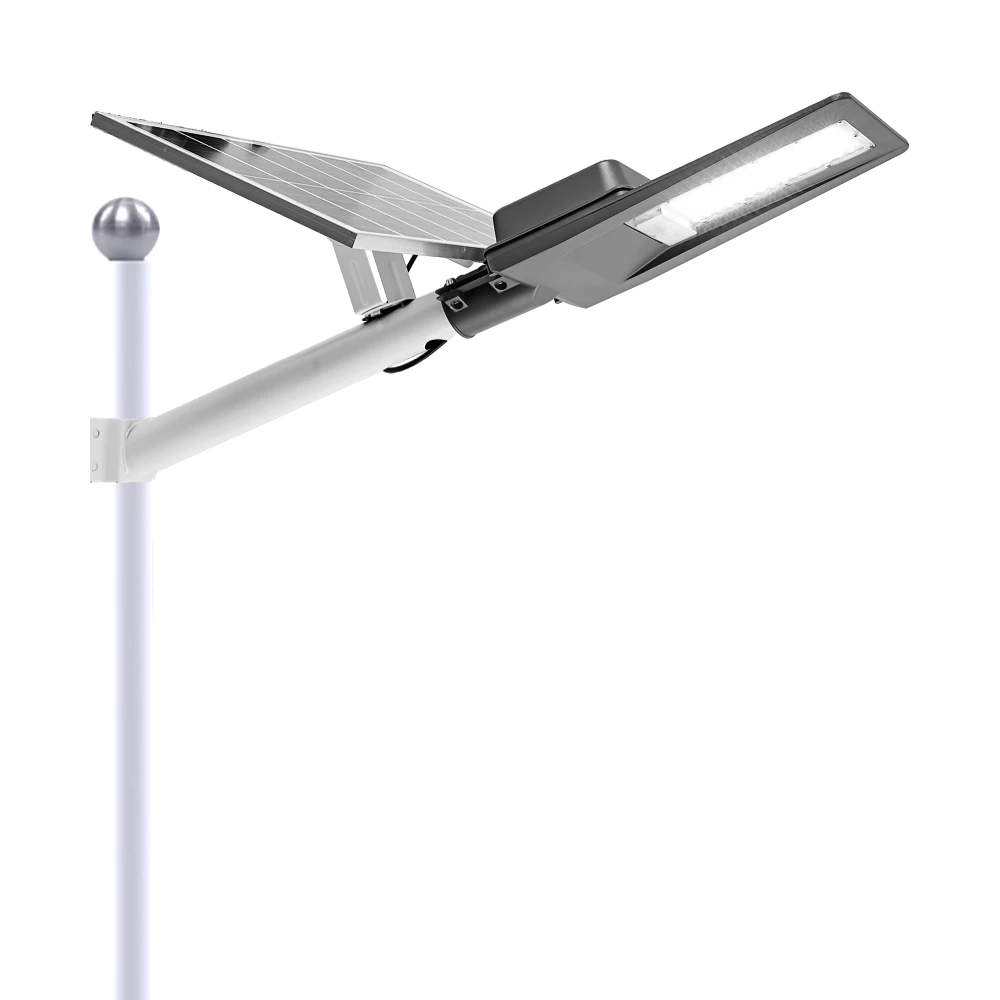
Experience reliable outdoor illumination with our smart solar street light, a perfect combination of advanced technology and eco-conscious design.
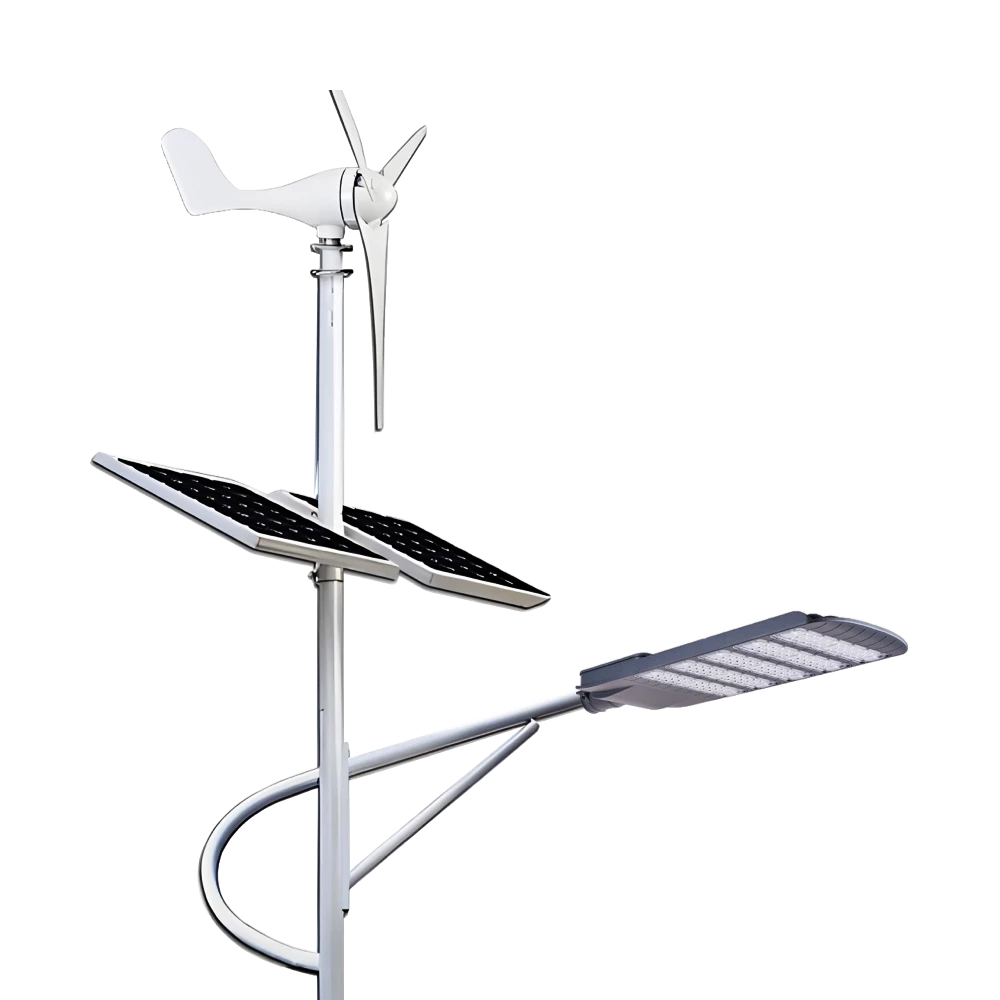
Queneng Lufeng Wind Energy LED Outdoor Solar Street Lights offer high-performance, eco-friendly illumination. These energy-efficient LED street lights harness solar power and wind energy for sustainable, cost-effective outdoor lighting solutions.
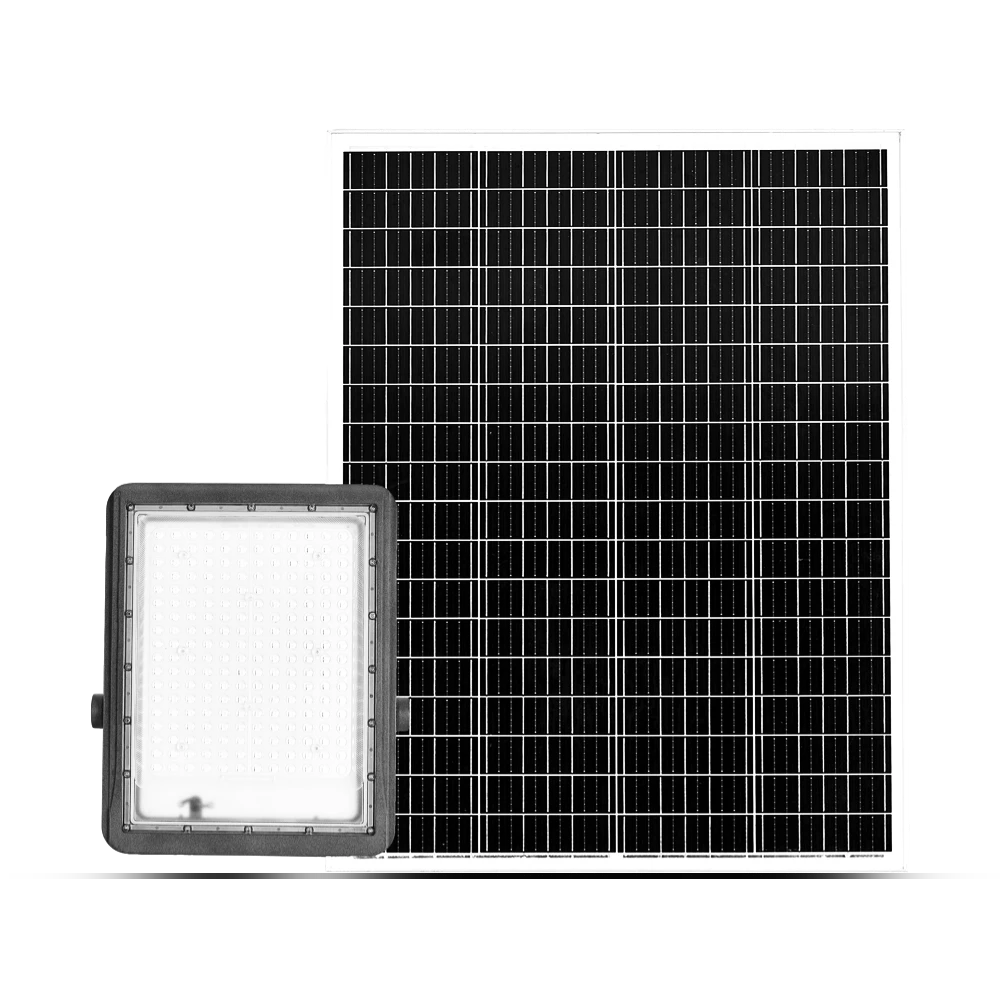
Queneng's Luxian Reliable Solar Street Light offers energy-saving LED lighting for outdoor use. This durable, solar-powered street light provides reliable illumination, reducing energy costs and environmental impact. A perfect solution for sustainable outdoor lighting.
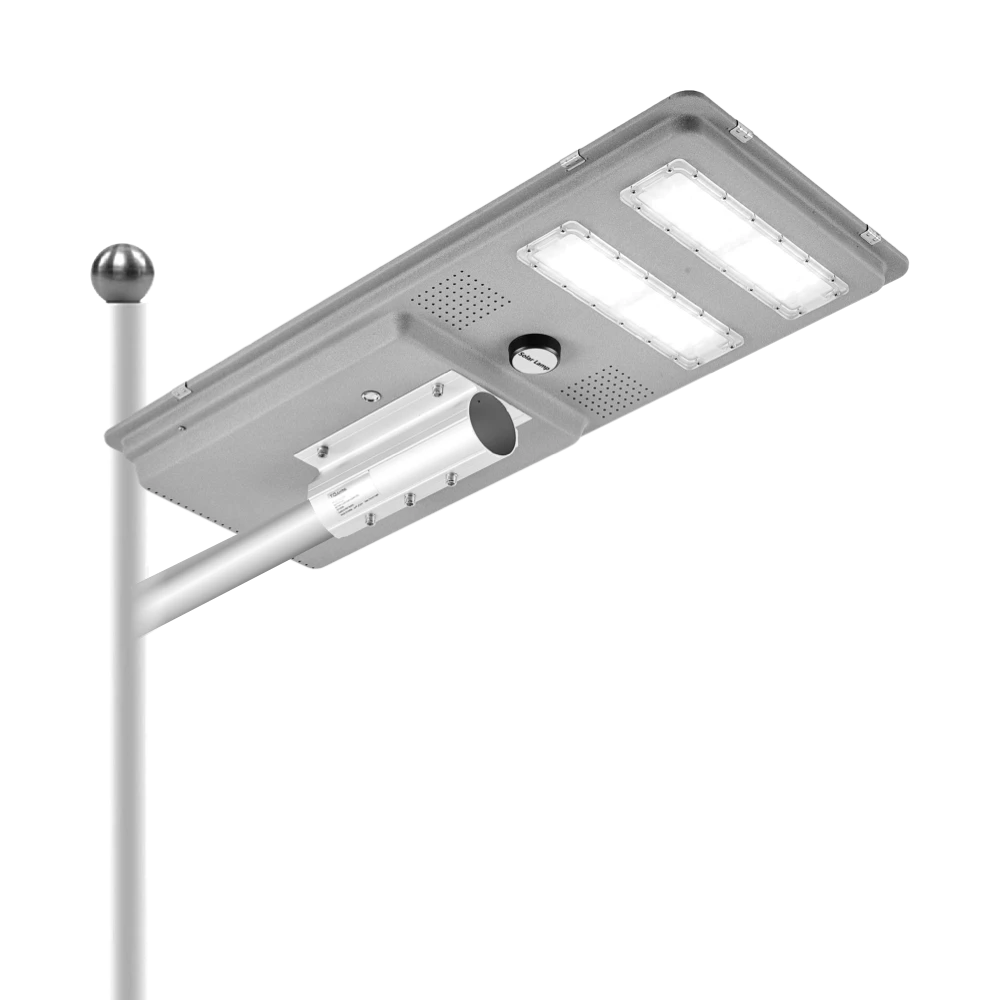
Queneng’s Solar Street Lights are designed to provide reliable, energy-efficient lighting for streets, parks, and other outdoor spaces.
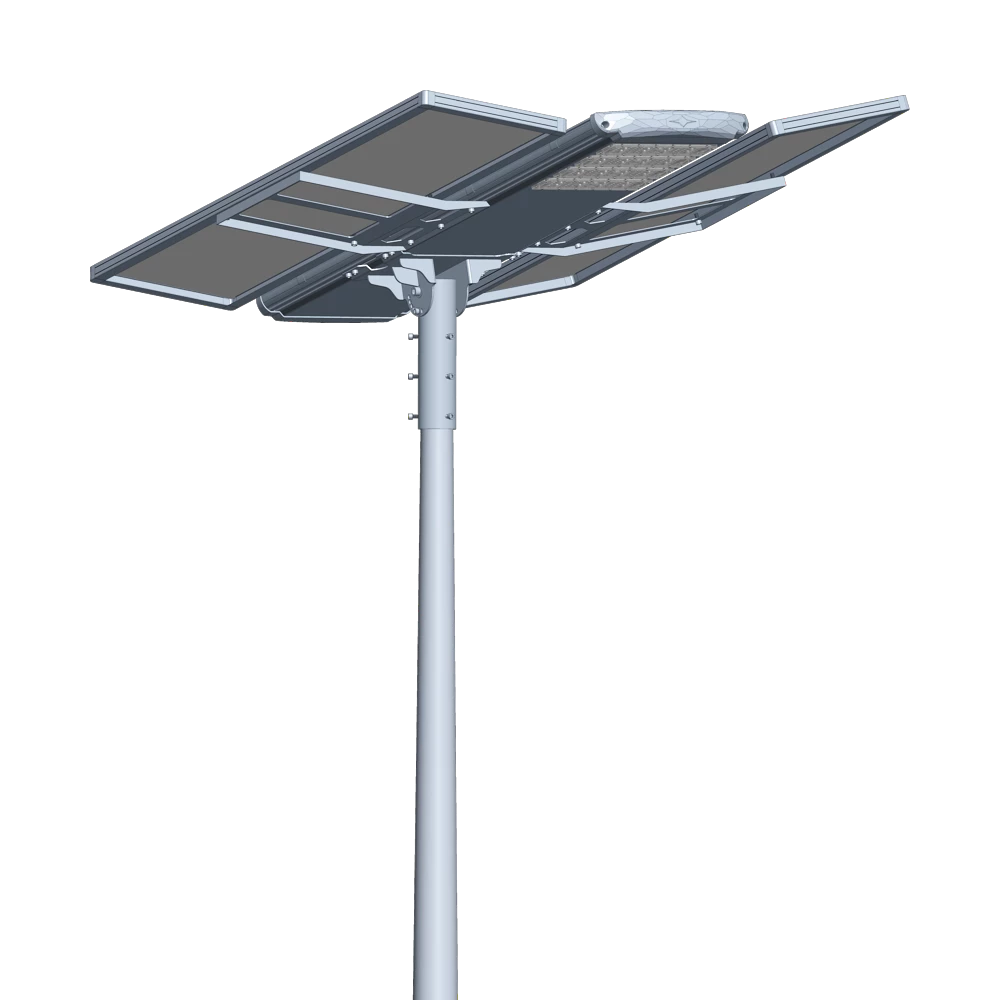
Introducing the Luqing Solar Street Light by Queneng, Efficient LED lighting powered by solar energy is perfect for illuminating outdoor areas. Harness the power of solar energy for sustainable, reliable street lighting. Ideal for eco-friendly, cost-effective outdoor illumination solutions.
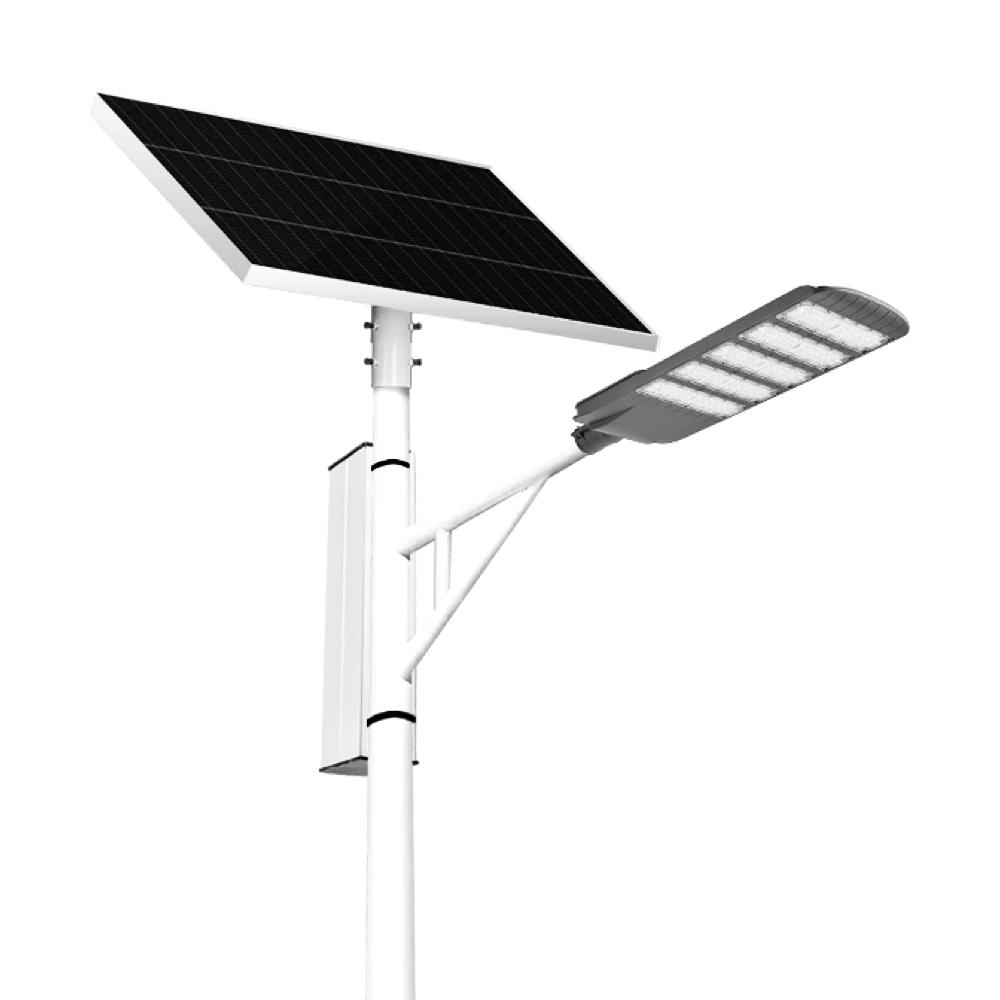
The Solar Streetlights of Luhao for Municipalities are designed to deliver reliable, energy-efficient, and cost-effective public lighting solutions. Equipped with advanced LED technology, durable lithium batteries, and high-efficiency solar panels, these streetlights provide consistent illumination for roads, parks, residential areas, and government projects.
Our professional team is ready to answer any questions and provide personalized support for your project.
You can reach us via phone or email to learn more about Queneng’s solar lighting solutions. We look forward to working with you to promote clean energy solutions!
Rest assured that your privacy is important to us, and all information provided will be handled with the utmost confidentiality.
By clicking 'Send Inquiry Now' I agree to Queneng processing my personal data.
To see how to withdraw your consent, how to control your personal data and how we process it, please see our Privacy Policy and Terms of use.
Schedule a Meeting
Book a date and time that is convenient for you and conduct the session in advance.
Have more questions about our products or services?
The messenger of light & power conversion
Environmental protection and intelligent manufacturing are our brand philosophy, and quality assurance and the best user experience are our eternal promises to users.
CONTACT
No.9F, Building F, Cao San Xin Tian Hong Logistics Park, Guzhen Town, Zhongshan City, Guangdong Province, China.
or write [email protected]
WhatsApp: +86 136 2270 1011


