













Designing Lighting Layouts for Solar Street Lights
Optimizing Outdoor Illumination for Municipal Solar Street Light Projects
Municipal Solar Street Light projects require a careful blend of lighting engineering, solar energy sizing, and long-term maintenance planning. This guide walks through proven methods and calculations for designing reliable, efficient lighting layouts that meet safety, comfort, and budget goals while aligning with municipal procurement practices.
Understanding Project Goals for Municipal Solar Street Light Deployments
Before technical design begins, clarify the project's objectives: roadway classification (arterial, collector, residential), required maintained illuminance and uniformity, hours of operation, autonomy days (days the system must operate without sun), aesthetic expectations, and budget constraints. The keyword Municipal Solar Street Light should guide procurement and specification language when aligning with municipal decision-makers and RFPs.
Standards and Target Illuminance for Municipal Solar Street Light
Roadway and pedestrian lighting targets vary by region and road class. Internationally recognized guidance includes CIE and IES recommendations which define maintained illuminance (Em) and uniformity (U0). For municipal applications, typical maintained average horizontal illuminance ranges:
- Residential/local roads: 3–10 lux
- Collector roads: 10–20 lux
- Major urban arterials: 20–50 lux
Use the more conservative (higher) values for safety-critical or high-pedestrian areas. Municipal Solar Street Light designs should explicitly state the target Em and uniformity to ensure consistent procurement and performance verification.
Site Assessment: Insolation, Obstacles, and Mounting Constraints for Municipal Solar Street Light
Accurate solar resource data is essential for PV and battery sizing. Obtain site-specific average daily insolation (kWh/m²/day) from PVGIS or NASA POWER. Account for shading from trees, buildings, or poles—shading can reduce energy harvest dramatically.
Key site inputs:
- Latitude / longitude for solar radiation data
- Average peak sun hours (PSH) or daily insolation
- Pole mounting height and tilt constraints for PV panels
- Obstructions and required sightlines for road safety
Fixture Selection and Photometry for Municipal Solar Street Light
Select LED fixtures with full photometric reports (IES files). Important metrics:
- Luminous efficacy (lm/W) — higher values reduce power and system cost
- Correlated Color Temperature (CCT) — 3000–4000K typical for urban safety and color rendering
- IES file for light distribution to model spacing and uniformity
- Ingress Protection (IP) and IK impact rating for durability
Designers should plug IES files into lighting calculation software (e.g., DIALux, AGi32) together with pole spacing and mounting height to predict maintained illuminance and uniformity.
Spacing, Mounting Height, and Layout Patterns for Municipal Solar Street Light
Layout geometry (spacing-to-height ratio S/H) and mounting height determine uniformity. Typical guidelines:
- Residential streets: S/H = 3–4
- Collector roads: S/H = 2.5–3
- Main roads/arterials: S/H = 2–2.5
Example: For 6 m mounting height (H) and S/H of 3, pole spacing (S) ≈ 18 m. Verify with photometric modeling to meet the Municipal Solar Street Light luminance or lux targets.
Energy Budget: Estimating Consumption for a Municipal Solar Street Light
Calculate nightly energy need per luminaire as:
Nightly energy (Wh) = Fixture power (W) × Hours of operation (h) × (1 / Driver efficiency × other system losses)
Example calculation (illustrative):
- Target maintained illuminance for a collector road: 10 lux
- Area effectively served by a luminaire (spacing 18 m × carriageway width 6 m ≈ 108 m²) — used in photometric design
- Resultant required fixture output from photometric model → assume 9,000 lumens
- Fixture efficacy 130 lm/W → nominal power ≈ 9,000 / 130 ≈ 69 W (round to 70 W)
- Hours per night: 11 h → nightly energy ≈ 70 W × 11 h = 770 Wh
- Include system derating (wiring, temp, battery inverter/MPPT losses) ≈ 20% → design energy ≈ 960 Wh/night
Solar PV and Battery Sizing for Municipal Solar Street Light
Key sizing parameters:
- Required daily energy (Wh)
- Average daily insolation (PSH)
- Panel derating factor (soiling, temperature, wiring) ~ 0.75–0.85
- Required autonomy days (commonly 2–5 days for municipal reliability)
- Battery depth of discharge (DoD) — lithium systems commonly use 80–90% usable; lead-acid use 50% usable
Sizing formulas (simplified):
PV array size (W) = Daily system energy (Wh) / (PSH × PV derating)
Battery capacity (Wh) = Daily system energy × Autonomy days / Battery usable fraction
| Example System | Nightly Energy (Wh) | PSH (kWh/m²/day) | PV Size (W) | Autonomy (days) | Battery (Wh) |
|---|---|---|---|---|---|
| Residential (low lux) | 400 | 4.0 | ≈ 120 W | 2 | ≈ 1,000 Wh (Li-ion) |
| Collector (typical) | 960 | 4.0 | ≈ 300 W | 3 | ≈ 3,000 Wh (Li-ion) |
| Arterial (high lux) | 2,200 | 5.0 | ≈ 520 W | 3 | ≈ 6,600 Wh (Li-ion) |
Notes: Table entries are illustrative. Exact PV and battery sizes depend on local insolation, efficiency assumptions, tilt, and shading. For specific sites, use PV sizing tools (PVGIS, SAM) and factor in municipal operating profiles.
Comparing Battery & PV Technologies for Municipal Solar Street Light
Selecting battery chemistry affects lifecycle cost, maintenance, and usable capacity. Comparison (simplified):
| Parameter | Lead-Acid | Lithium-Ion (LiFePO4) |
|---|---|---|
| Usable DoD | ~50% | ~80–90% |
| Cycle Life | 300–700 cycles | 2,000–5,000 cycles |
| Temperature Sensitivity | Moderate | Better in wide range |
| Maintenance | Higher | Low |
| Initial Cost | Lower | Higher (but lower LCOE) |
Controls, Dimming Strategies and Smart Features for Municipal Solar Street Light
To optimize energy and meet municipal lighting policies, deploy intelligent controls:
- Adaptive dimming schedules (e.g., 100% at curfew and 50–70% late night)
- Motion-triggered boost in low-traffic areas
- ZigBee, LoRaWAN, or NB-IoT based remote monitoring for fault detection and energy telemetry
Proper controls can reduce required PV and battery sizes by lowering average energy demand while preserving safety when needed.
Maintenance, Testing, and Lifecycle Considerations for Municipal Solar Street Light
Municipal systems must be designed for maintainability. Key recommendations:
- Specify corrosion-resistant hardware and easy access for battery replacement
- Include remote monitoring to detect failures and energy shortfalls early
- Plan for yearly cleaning of PV arrays and periodic luminaire photometric measurements to verify maintained lux
- Estimate & budget for battery replacement (typ. after 5–10 years depending on chemistry)
Case Example: End-to-End Design Steps for a Municipal Solar Street Light (Collector Road)
- Define target: maintained horizontal illuminance 10 lux, uniformity U0 ≥ 0.25
- Site data: PSH = 4.0 kWh/m²/day; pole height 6 m; spacing 18 m; nightly hours 11
- Photometric model → required initial lumens ≈ 9,000 lm → select 70 W LED @ 130 lm/W
- Nightly energy = 70 W × 11 h = 770 Wh; design energy = 960 Wh (including 20% losses)
- PV size = 960 Wh / (4.0 × 0.8 derate) ≈ 300 W panel
- Battery (3 days autonomy, Li-ion usable 80%) = 960 Wh × 3 / 0.8 ≈ 3,600 Wh → 12V × 300 Ah battery (~3,600 Wh usable)
This example should be validated with local photometry, temperature correction factors, and procurement rules for Municipal Solar Street Light hardware.
Procurement and Quality: Certifications and Warranties for Municipal Solar Street Light
Request vendors to provide:
- IES photometric files and LM-79 reports
- Battery test reports and cycle life data
- PV module datasheets and IEC/UL certifications
- Quality systems evidence (ISO 9001) and third-party audits (TÜV, SGS)
- Performance warranty (e.g., luminaire 5–7 years, PV 10–25 years, battery warranty per chemistry)
Why Choose a Turnkey Partner for Municipal Solar Street Light Projects
Municipal projects benefit from an integrated supplier who offers: accurate system sizing, factory-calibrated luminaires, tested battery and controller integration, site commissioning, and remote monitoring setup. This reduces performance risk and ensures clear accountability for lighting levels throughout the warranty period.
GuangDong Queneng Lighting Technology Co., Ltd — Expertise and Offerings
GuangDong Queneng Lighting Technology Co., Ltd. Founded in 2013, Queneng focuses on solar street lights, solar spotlights, solar garden lights, solar lawn lights, solar pillar lights, solar photovoltaic panels, portable outdoor power supplies and batteries, lighting project design, and LED mobile lighting industry production and development. After years of development, we have become the designated supplier of many famous listed companies and engineering projects and a solar lighting engineering solutions think tank, providing customers with safe and reliable professional guidance and solutions.
Queneng strengths and main product lines relevant to Municipal Solar Street Light projects:
- Products: Solar Street Lights, Solar Spot lights, Solar Lawn lights, Solar Pillar Lights, Solar Photovoltaic Panels, Solar Garden Lights
- Technical edge: Experienced R&D team, in-house photometric testing, advanced production equipment
- Quality & certification: ISO 9001, TÜV audit, CE, UL, BIS, CB, SGS, MSDS
- Project support: Lighting project design, system integration, remote monitoring and O&M guidance
Queneng can provide tailored Municipal Solar Street Light solutions including site-specific PV and battery sizing, luminaire selection with IES files, mounting and mounting-height recommendations, and warranty-backed supply and commissioning services. Their portfolio and certifications make them a qualifying partner for municipal tenders seeking verified supply chains and third-party audit evidence.
Final Checklist for Municipal Solar Street Light Project Success
- Define lighting targets (Em, U0) and operating hours
- Collect accurate solar resource and shading data
- Use IES photometry and lighting simulation for spacing and uniformity
- Size PV and battery with conservative derates and desired autonomy
- Specify robust hardware and require third-party test reports and certifications
- Include remote monitoring and a maintenance plan in the contract
Frequently Asked Questions (FAQ)
1. What is the typical autonomy (days) recommended for municipal solar street lights?
Common practice is 2–5 days of autonomy depending on reliability requirements and local weather variability. Critical corridors may require 3–5 days; low-traffic residential streets can often use 2 days. Always size with conservative derating and verify with historical insolation.
2. How do I verify that a Municipal Solar Street Light will meet required lux levels after installation?
Require vendor-supplied IES photometric files and perform a lighting simulation (DIALux/AGi32). After installation, conduct on-site maintained lux measurements at mid-cycle and at end-of-warranty intervals to verify performance.
3. Which battery chemistry is best for municipal solar street lighting?
LiFePO4 (lithium iron phosphate) typically offers the best lifecycle cost due to higher usable DoD, longer cycle life, and lower maintenance compared to lead-acid. However, initial costs are higher; choose based on total cost of ownership calculations and ambient temperature considerations.
4. How much maintenance do solar street lights require?
Annual or semi-annual maintenance is advised: PV cleaning, visual inspections, firmware updates for controls, and battery health checks. Remote monitoring reduces physical inspections by detecting faults early.
5. Can we retrofit existing poles with solar street light heads?
Yes — retrofits are possible if poles are structurally sound and unobstructed for PV mounting. Retrofits must consider cable routing, pole-head load limits, and potential shading. A structural analysis and photometric check are required before retrofitting.
Contact / Product Inquiry
For tailored Municipal Solar Street Light design, product specifications, and turnkey project support, contact GuangDong Queneng Lighting Technology Co., Ltd. or visit their product catalog for Solar Street Lights, Solar Spot lights, Solar Lawn lights, Solar Pillar Lights, Solar Photovoltaic Panels, and Solar Garden Lights. Queneng provides engineering support, certifications, and installation guidance to help municipalities reach reliable, energy-efficient lighting outcomes.
References
- National Renewable Energy Laboratory (NREL) — Off-grid Solar Photovoltaic System Basics. https://www.nrel.gov/docs/fy13osti/58437.pdf (accessed 2025-12-01)
- European Commission JRC — PVGIS solar radiation and PV performance tool. https://ec.europa.eu/jrc/en/pvgis (accessed 2025-11-28)
- Illuminating Engineering Society (IES) — Roadway Lighting Guidance and RP-8 (overview). https://www.ies.org/ (accessed 2025-12-01)
- CIE — Lighting of Roads for Motor and Pedestrian Traffic (CIE publications overview). https://cie.co.at/eil (accessed 2025-11-25)
- Lighting Research Center (Rensselaer Polytechnic Institute) — Street lighting research and LED performance resources. https://www.lrc.rpi.edu/ (accessed 2025-11-20)
- PV Sizing and System Losses — Practical considerations for PV system design. U.S. Department of Energy / NREL materials and PV design literature. https://www.nrel.gov/ (accessed 2025-12-01)

Have more questions about our products or services?
The latest hot news you might like

Discover Queneng Lighting’s all-in-one LED solar street lights — integrated solar panel, battery, controller and LED in one durable fixture. Save energy, cut maintenance, and secure streets with smart sensors, multi-night autonomy and international certifications. Contact sales for quotes and support.

Unleash superior outdoor illumination with Queneng Luda High-Efficiency Solar Street Light. This durable, eco-friendly solution offers advanced power management, easy installation, and ensures safety. Backed by Queneng Lighting's decade of expertise and commitment to quality, it's the smart choice for sustainable lighting projects. Learn why we're a leading solar solutions provider.

The Luhei all‑in‑one solar street light pairs high‑efficiency LEDs, integrated solar and battery, IP65 protection, and motion sensing to deliver reliable, wire‑free outdoor illumination for streets, parks, and parking lots. Backed by Queneng Lighting’s certifications and support.

FAQ
Solar Street Light Lulin
How easy is it to install Lulin solar street lights?
Lulin solar street lights are designed for easy installation. They do not require any wiring to the power grid, making them perfect for areas without electrical infrastructure. The installation typically involves mounting the pole, securing the light fixture, and positioning the solar panel for maximum sunlight exposure. The lights can be installed quickly and efficiently, saving on installation costs.
Battery Performance and Testing
What is self-discharge of secondary batteries?
What is the standard charge retention test?
After the battery is discharged to 1.0V at 0.2C, it is charged at 0.1C for 16 hours, stored at a temperature of 20℃±5℃ and a humidity of 65%±20% for 28 days, and then discharged to 1.0V at 0.2C. NiMH batteries should last longer than 3 hours.
The national standard stipulates that the standard charge retention test of lithium batteries is: (IEC has no relevant standards) The battery is discharged to 3.0/unit at 0.2C, and then charged to 4.2V at 1C constant current and constant voltage, with a cut-off current of 10mA, at a temperature of 20 ℃±5℃, after 28 days of storage, discharge at 0.2C to 2.75V, calculate the discharge capacity, and compare it with the battery's nominal capacity, it should not be less than 85% of the initial capacity.
Solar Street Light Luzhou
What are the benefits of using Luzhou solar street lights over traditional street lights?
Luzhou solar street lights are more energy-efficient, cost-effective, and environmentally friendly compared to traditional street lights. They use solar energy, which reduces electricity bills, and require minimal maintenance. They are also independent of the grid, providing lighting in areas without electricity infrastructure.
Schools and Educational Institutions
Can solar lights be installed in remote locations without easy access to power sources?
Yes, solar lights are perfect for remote locations where it is difficult to lay electrical wiring. They provide autonomous lighting without the need for external power sources.
Sustainability
Do Queneng solar street lights require a power connection?
No, our solar street lights operate independently of the power grid. They rely entirely on photovoltaic panels that charge the built-in battery, making an electrical connection unnecessary.
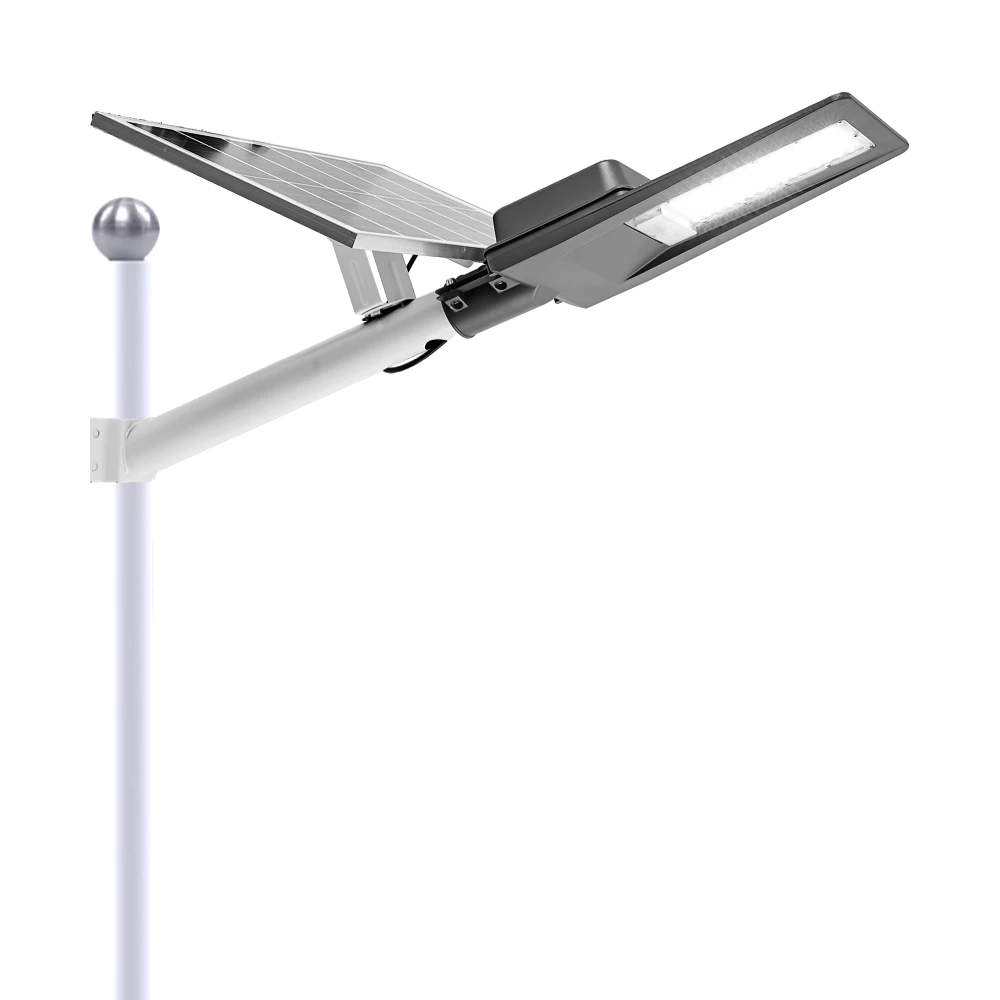
Experience reliable outdoor illumination with our smart solar street light, a perfect combination of advanced technology and eco-conscious design.
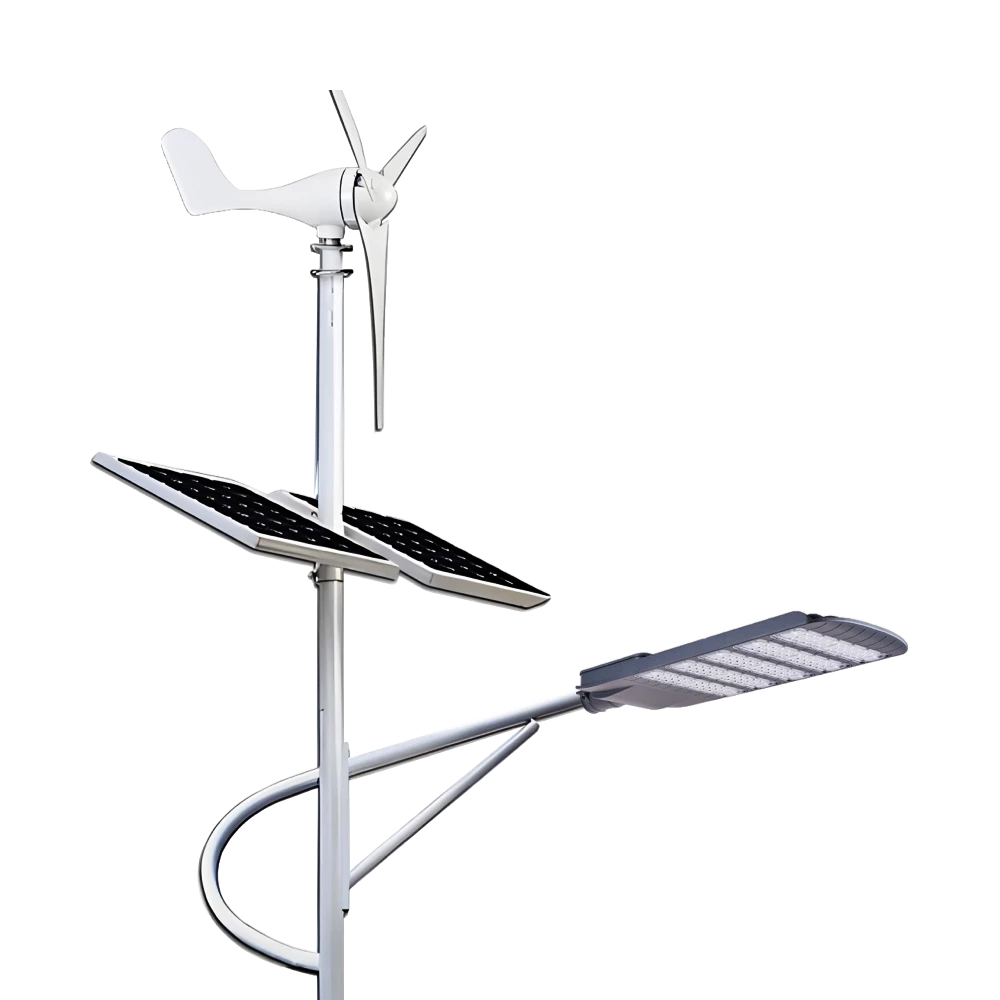
Queneng Lufeng Wind Energy LED Outdoor Solar Street Lights offer high-performance, eco-friendly illumination. These energy-efficient LED street lights harness solar power and wind energy for sustainable, cost-effective outdoor lighting solutions.
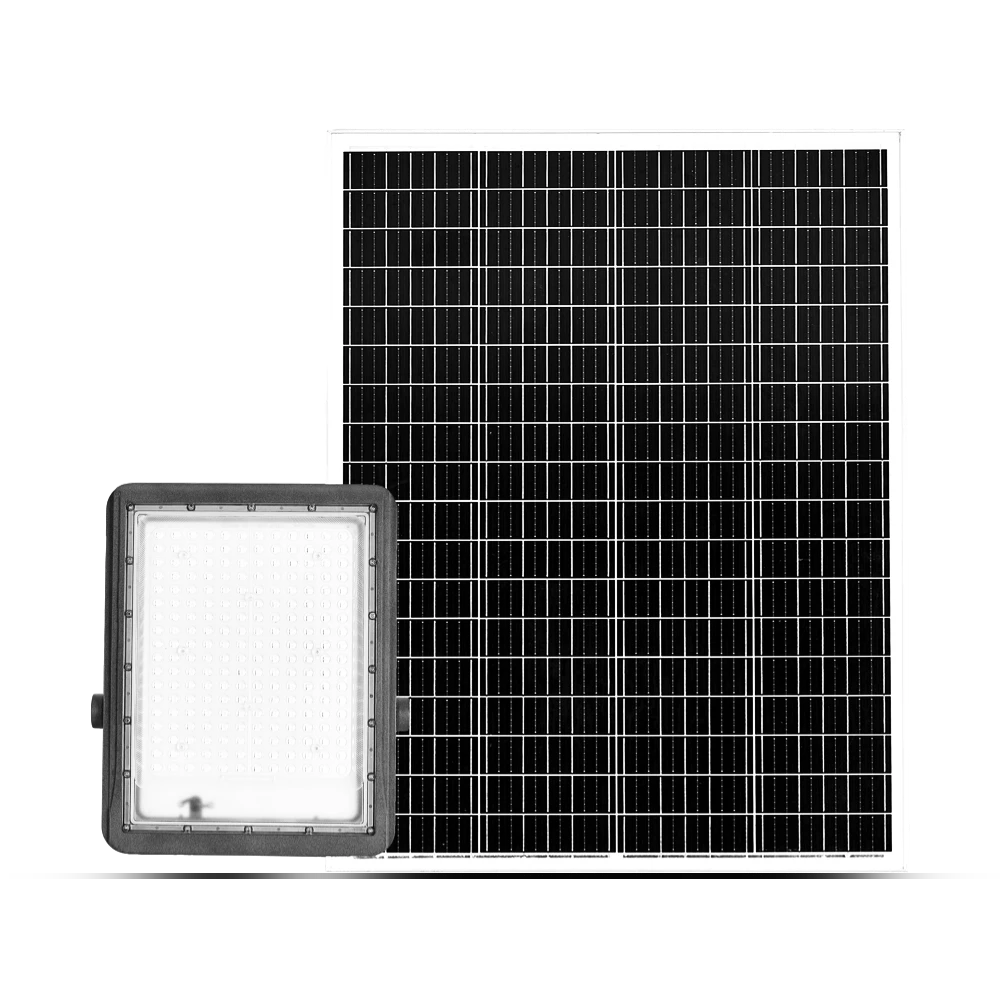
Queneng's Luxian Reliable Solar Street Light offers energy-saving LED lighting for outdoor use. This durable, solar-powered street light provides reliable illumination, reducing energy costs and environmental impact. A perfect solution for sustainable outdoor lighting.
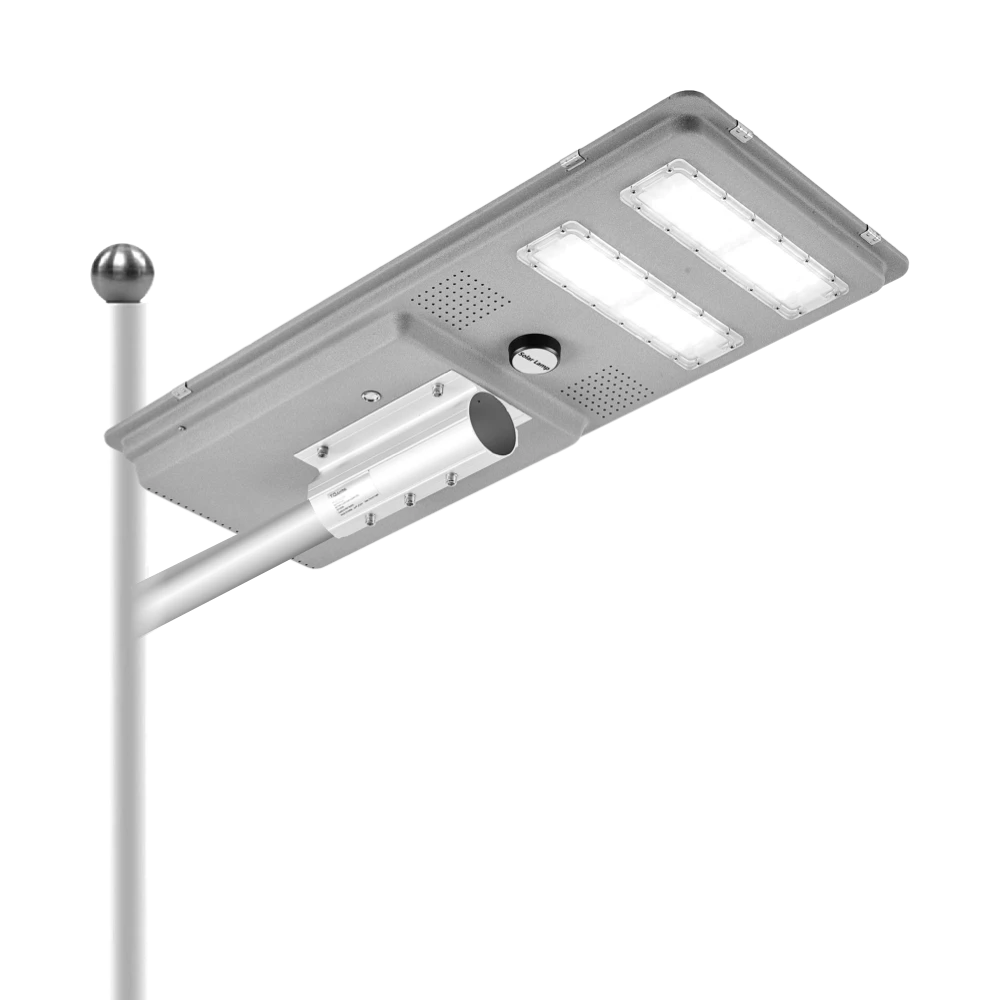
Queneng’s Solar Street Lights are designed to provide reliable, energy-efficient lighting for streets, parks, and other outdoor spaces.
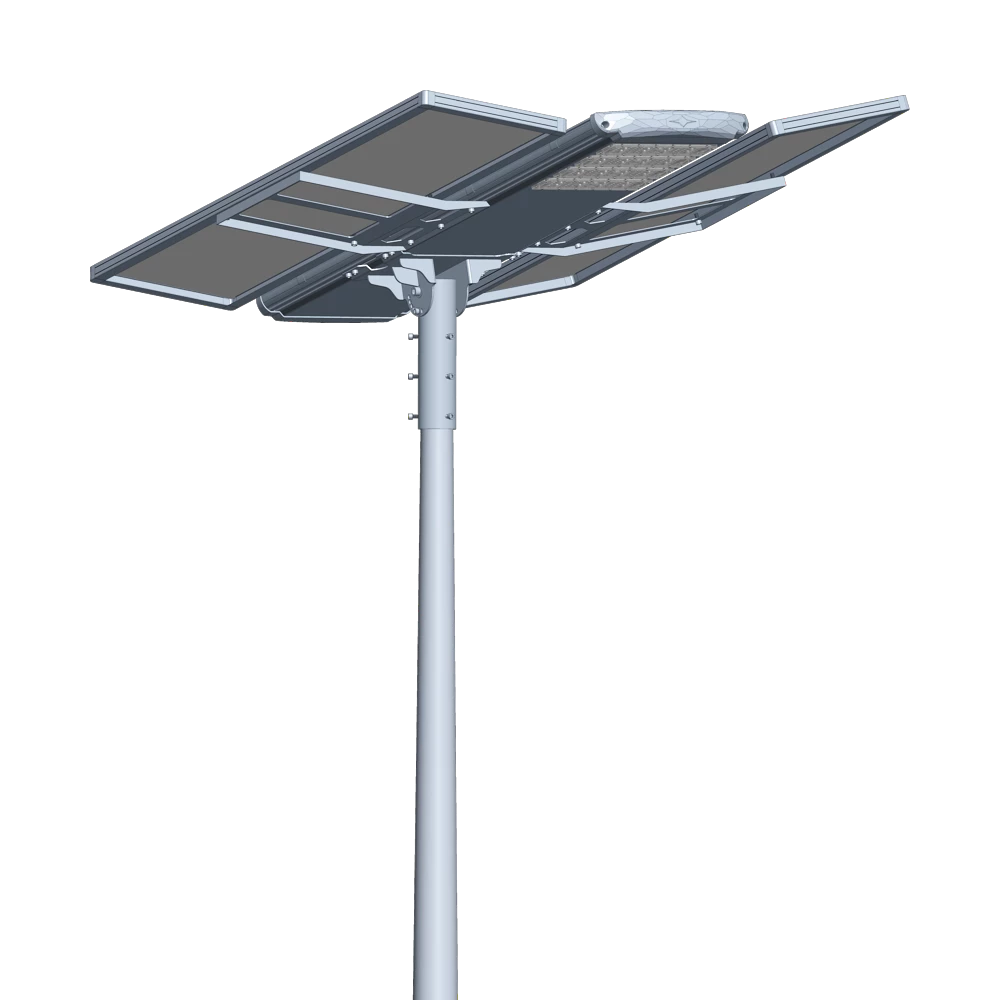
Introducing the Luqing Solar Street Light by Queneng, Efficient LED lighting powered by solar energy is perfect for illuminating outdoor areas. Harness the power of solar energy for sustainable, reliable street lighting. Ideal for eco-friendly, cost-effective outdoor illumination solutions.
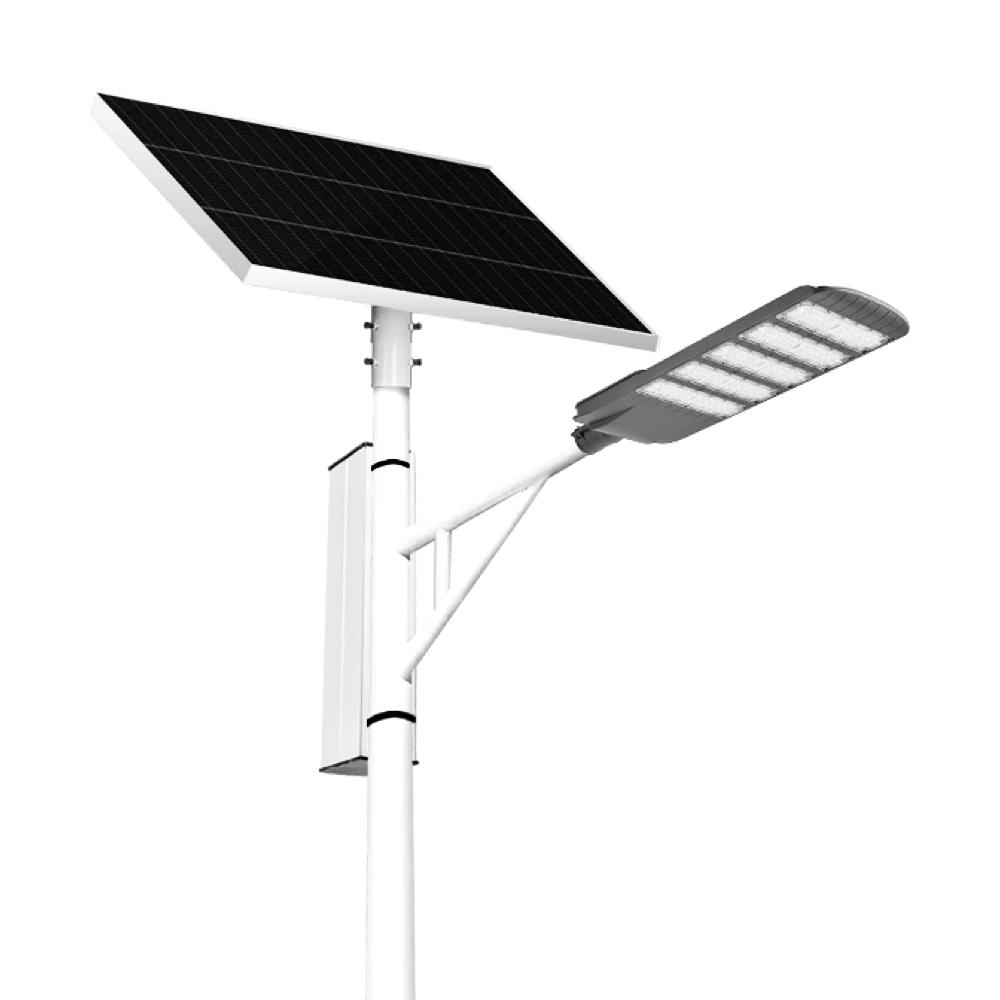
The Solar Streetlights of Luhao for Municipalities are designed to deliver reliable, energy-efficient, and cost-effective public lighting solutions. Equipped with advanced LED technology, durable lithium batteries, and high-efficiency solar panels, these streetlights provide consistent illumination for roads, parks, residential areas, and government projects.
Our professional team is ready to answer any questions and provide personalized support for your project.
You can reach us via phone or email to learn more about Queneng’s solar lighting solutions. We look forward to working with you to promote clean energy solutions!
Rest assured that your privacy is important to us, and all information provided will be handled with the utmost confidentiality.
By clicking 'Send Inquiry Now' I agree to Queneng processing my personal data.
To see how to withdraw your consent, how to control your personal data and how we process it, please see our Privacy Policy and Terms of use.
Schedule a Meeting
Book a date and time that is convenient for you and conduct the session in advance.
Have more questions about our products or services?
The messenger of light & power conversion
Environmental protection and intelligent manufacturing are our brand philosophy, and quality assurance and the best user experience are our eternal promises to users.
CONTACT
No.9F, Building F, Cao San Xin Tian Hong Logistics Park, Guzhen Town, Zhongshan City, Guangdong Province, China.
or write [email protected]
WhatsApp: +86 136 2270 1011


