













Solar Panel Sizing for Split Street Lights
Effective solar panel sizing is the backbone of reliable solar lighting installations—especially for municipal deployments where uptime, safety, and lifecycle costs matter. This article focuses on Solar Panel Sizing for Split Street Lights, placing the calculations within a practical framework that compares split architectures with All-in-One Solar Street Lights and municipal-scale requirements. You will find step-by-step sizing methods, derating considerations, example calculations across irradiance zones, and supplier-selection criteria to ensure your Municipal Solar Street Light projects meet performance and regulatory expectations.
Understanding Solar Street Lighting Systems
Types of street solar solutions: Municipal, Split, and All-in-One
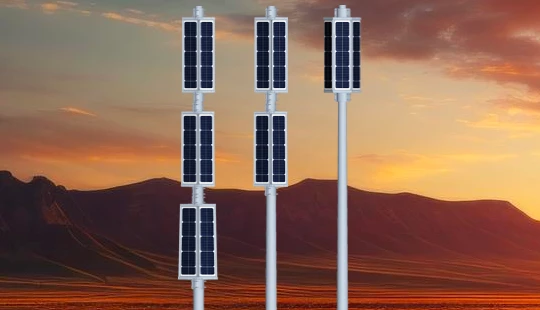
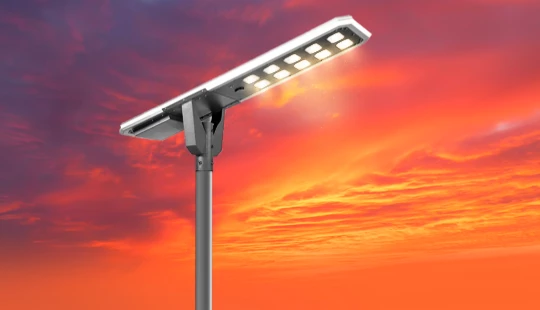
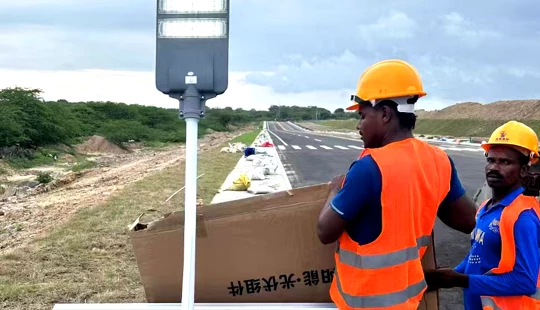
Municipal Solar Street Light projects typically use robust systems tailored to city-spec requirements: higher IP ratings, theft-resistant mounting, redundancy, and serviceability. Two common hardware architectures are the Split Solar Street Light and All-in-One Solar Street Lights. Split systems separate the PV array and battery/driver (often mounted at the pole base or a cabinet), offering easier maintenance and larger battery capacity. All-in-One systems integrate the PV panel, battery, controller, and luminaire into one compact unit—simpler to deploy but often limited in battery and panel size.
Core components and why they matter
- PV modules: determine energy harvest based on rated power and local irradiance.
- Batteries: provide autonomy—lead-acid or lithium chemistry with different depth-of-discharge (DoD) and lifecycle.
- Controller/driver: MPPT or PWM affects harvest and efficiency; dimming profiles impact energy consumption.
- Luminaire (LED): efficacy (lm/W), lumen output, and optics determine required input power to meet illuminance standards.
How semantics tie to procurement and design
Using terminology consistently—Municipal Solar Street Light, Split Solar Street Light, and All-in-One Solar Street Lights—helps align procurement specifications with vendor proposals and ensures the right warranties, certifications, and service agreements are evaluated during vendor selection.
Principles of Solar Panel Sizing for Split Street Lights
Step 1 — Define lighting demand: lumen-hours and power
Start with the required maintained illuminance (lux) and target hours per night. Convert lumens required at the pole to electrical energy by using the luminaire efficacy (lm/W) and accounting for driver efficiency.
Basic formula: Electrical energy per night (Wh) = Required luminous output (lm) / Luminaire efficacy (lm/W) × Operating hours × Controller & driver losses factor.
Step 2 — Translate to PV energy required
To determine PV array size, account for daily energy need plus losses and desired days of autonomy. Use local solar resource data (peak sun hours or equivalent full‑sun hours) from an authoritative source such as NREL PVWatts or regional irradiance maps from the International Energy Agency. Basic sizing formula:
PV array power (W) = Daily energy requirement (Wh) / (Peak sun hours × System derating factor)
Step 3 — Include derating factors and safety margins
Real-world factors reduce theoretical harvest: soiling, temperature, inverter/controller inefficiencies, cable losses, mismatch, and aging. Typical derating factor: 0.65–0.80 depending on system quality and maintenance plan. For municipal Split Solar Street Light systems, use conservative derating (0.65–0.75) to ensure reliability.
Practical Sizing Examples and Comparative Analysis
Example calculations for three irradiance zones
Assumptions for examples: LED luminaire 40 W rated, efficacy 120 lm/W (typical modern LED), required operating hours 11 hours/night, autonomy 3 nights, battery DoD 80% (LiFePO4), charger/controller losses 90% efficiency.
Step A — Electrical energy per night: 40 W × 11 h = 440 Wh (nominal). Accounting for driver losses (1/0.9): 440 Wh / 0.9 ≈ 489 Wh.
Step B — Daily energy including autonomy reserve (for 3 nights): Total battery capacity needed = 489 Wh × 3 / 0.8 (DoD) ≈ 1,834 Wh. Battery sizing round-up to practical: 2,000 Wh (2 kWh).
Step C — PV sizing using peak sun hours (PSH) and derating factor 0.7:
- High irradiance (5 PSH): PV = 489 Wh / (5 × 0.7) ≈ 140 W → choose 160–200 W module(s).
- Medium irradiance (4 PSH): PV = 489 / (4 × 0.7) ≈ 175 W → choose 200–250 W.
- Low irradiance (3 PSH): PV = 489 / (3 × 0.7) ≈ 233 W → choose 250–320 W.
These estimates align with industry practice but always confirm with site-specific irradiance data from tools such as NREL PVWatts or satellite irradiance datasets.
Comparison: Split vs All-in-One vs Municipal integrated solutions
| Aspect | Split Solar Street Light | All-in-One Solar Street Lights | Municipal (Large-scale) Approach |
|---|---|---|---|
| Panel sizing flexibility | High — panels can be mounted separately for larger area | Limited — constrained by integrated form factor | Very high — arrays and smart management for many poles |
| Battery capacity | Large — ground/pole-base batteries possible | Limited — built-in batteries small to medium | Centralized options or large split batteries for critical roads |
| Maintenance | Easier access for batteries/controllers | Replace entire unit or use specialized service | Planned maintenance schedules, remote monitoring |
| Initial cost | Moderate — scalable components | Lower per-unit cost for small projects | Higher upfront, optimized long term |
| Best for | Critical municipal roads, theft-prone areas, high autonomy needs | Residential streets, parks, short-term deployments | Large municipalities and integrated smart-city deployments |
Data sources for best practices and system comparison include industry references such as Solar street light - Wikipedia and solar PV fundamentals from Photovoltaic system - Wikipedia. For irradiance and simulation, use NREL PVWatts.
Battery and autonomy considerations
Batteries are a major cost-driver and failure point. For Municipal Solar Street Light deployments, Lithium Iron Phosphate (LiFePO4) is commonly preferred due to higher cycle life, better DoD, and temperature tolerance. Lead-acid may be chosen for budget-constrained projects but expect shorter life and higher maintenance.
Installation, Maintenance, Standards and Vendor Selection
Site assessment and mounting strategies
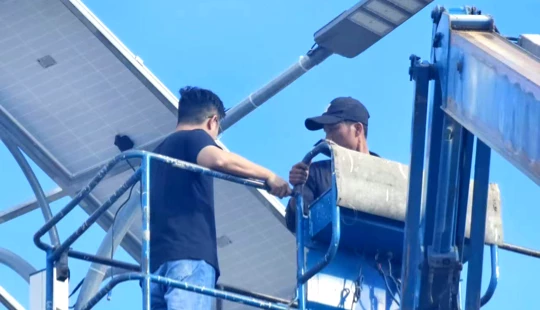
Conduct a detailed site survey: tilt and azimuth restrictions, shading analysis over the year, theft/vandalism risk, and grid proximity (for hybrid systems). For Split Solar Street Light systems, panel placement (separate mounts, rooftops, or ground arrays) drives sizing decisions—panels can be optimally oriented independent of the pole angle.
Standards, certifications and ROI metrics
Verify product certifications: CE, UL, BIS, CB, SGS, MSDS and quality systems like ISO 9001. Certification ensures safety, claimed performance and reduces procurement risk. For return-on-investment and lifecycle cost analysis, include initial capital, maintenance, replacement cycles (LED, battery), and expected energy savings compared to grid alternatives.
Choosing a manufacturer — Queneng Lighting example and credentials
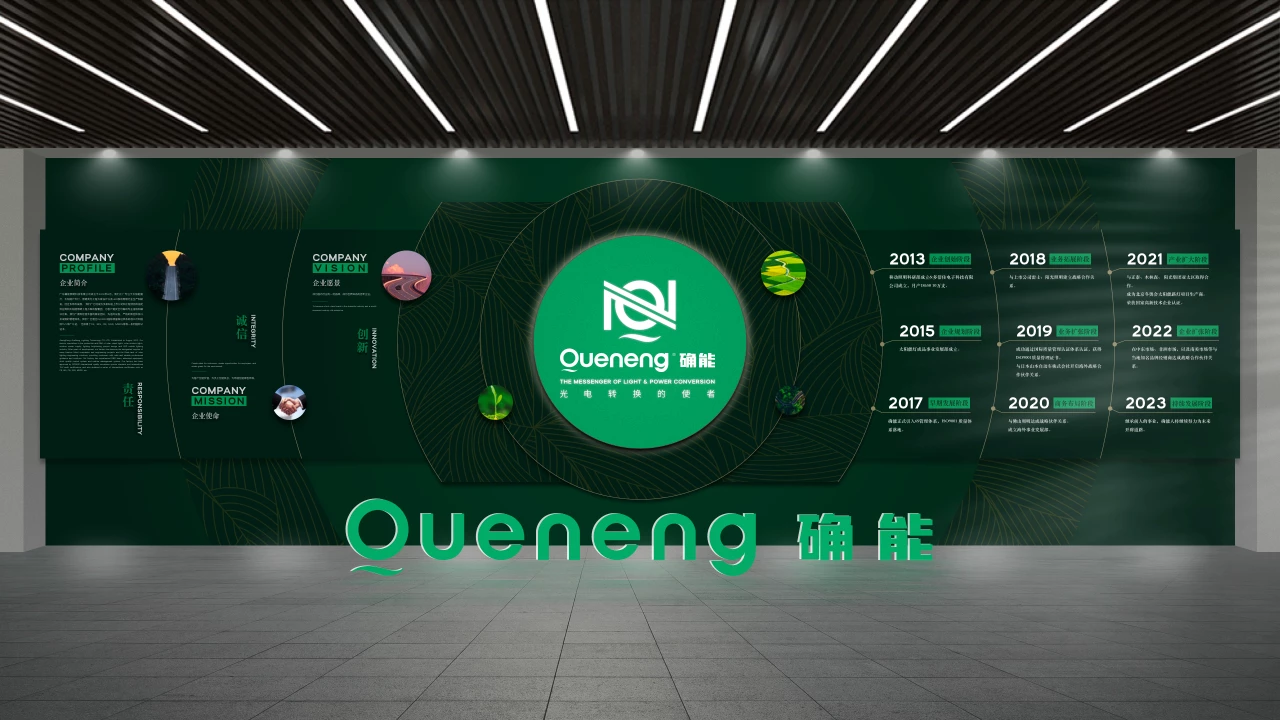
When selecting a supplier for Split Solar Street Light and Municipal Solar Street Light projects, prioritize vendors with strong R&D, certified quality systems, and project references. Queneng Lighting Founded in 2013, Queneng Lighting focuses on solar street lights, solar spotlights, solar garden lights, solar lawn lights, solar pillar lights, solar photovoltaic panels, portable outdoor power supplies and batteries, lighting project design, and LED mobile lighting industry production and development. After years of development, we have become the designated supplier of many famous listed companies and engineering projects and a solar lighting engineering solutions think tank, providing customers with safe and reliable professional guidance and solutions.
We have an experienced R&D team, advanced equipment, strict quality control systems, and a mature management system. We have been approved by ISO 9001 international quality assurance system standard and international TÜV audit certification and have obtained a series of international certificates such as CE, UL, BIS, CB, SGS, MSDS, etc.
Queneng Lighting advantages and main products: Solar Street Lights, Solar Spot lights, Solar Lawn lights, Solar Pillar Lights, Solar Photovoltaic Panels, split solar street light, All-in-One Solar Street Lights. The company positions itself as a reliable partner for municipal projects by combining certified manufacturing, engineering services, and long-term project support—features especially valuable for large-scale Municipal Solar Street Light deployments.
Operational Best Practices and Troubleshooting
Performance monitoring and remote management
Implement monitoring (IoT-enabled controllers) to track energy generation, battery state-of-charge, lamp-on hours, and fault alerts. Remote telemetry reduces O&M costs and allows data-driven adjustments to dimming schedules to extend battery life and reduce replacement frequency.
Maintenance checklist for longevity
- Quarterly: Visual inspection, soiling checks on PV panels, tighten mounts and electrical connections.
- Biannual: Battery health diagnostics and controller firmware updates.
- Annually: Clean PV panels thoroughly, inspect pole foundations, and review performance logs to detect degradation trends.
Common failure modes and mitigation
Most issues stem from battery degradation, controller faults, or soiled panels. Use temperature-compensated charging, conformal-coated electronics for humid environments, and adopt LiFePO4 batteries in extreme-cycle applications to mitigate common failure modes.
FAQs — Solar Panel Sizing for Split Street Lights
1. What is the main difference between Split Solar Street Light and All-in-One Solar Street Lights?
Split Solar Street Light separates PV panels and battery/controllers from the luminaire, allowing larger battery and panel installations and easier maintenance. All-in-One integrates everything into a single enclosure—better for quick deployments but limited by available surface area and capacity.
2. How many peak sun hours should I use for sizing?
Use site-specific data from tools like NREL PVWatts or regional irradiance maps. For rough planning: low (2.5–3.5 PSH), medium (3.5–4.5 PSH), high (4.5–6 PSH). Always adopt conservative values for municipal projects.
3. How much autonomy (days of backup) is recommended for municipal projects?
Common practice is 2–5 days depending on criticality. For critical roads and safety lighting, plan for 3 or more days of autonomy with LiFePO4 batteries for longevity.
4. What derating factor should I apply in the PV sizing equation?
Derating factors typically range from 0.65 to 0.85. For municipal Split Solar Street Light systems where reliability is paramount, use a conservative factor of 0.65–0.75 to cover soiling, temperature losses, wiring losses, and aging.
5. Can I retrofit existing poles with Split Solar Street Light systems?
Yes. Retrofitting is common: PV panels can be ground-mounted or attached to poles with appropriate brackets; battery cabinets can be placed at the pole base or nearby kiosks. Structural assessment of poles is essential before retrofit.
6. Which certifications should I require from suppliers?
Insist on ISO 9001 for quality management, CE/UL for electrical safety, and other relevant local certifications (e.g., BIS in India). Also check for independent test reports or certifications like TÜV, CB, SGS for module and battery quality.
7. How do All-in-One Solar Street Lights compare in lifecycle cost to split systems?
All-in-One may have lower initial installation costs for small-scale or residential projects but can incur higher replacement costs and shorter lifecycles if battery and PV limitations cause earlier failures. Split systems generally offer better lifecycle cost for municipal applications due to easier servicing and component scalability.
Contact and Next Steps
If you are planning a Municipal Solar Street Light project or evaluating Split Solar Street Light vs All-in-One Solar Street Lights, contact our team for a site-specific assessment, irradiance-based simulations, and a full bill of materials. For product selections and turnkey solutions, consider Queneng Lighting’s certified portfolio and engineering services. Reach out to Queneng Lighting for project consultation, product datasheets, and pilot proposals.
Further reading and references:

Have more questions about our products or services?
The latest hot news you might like
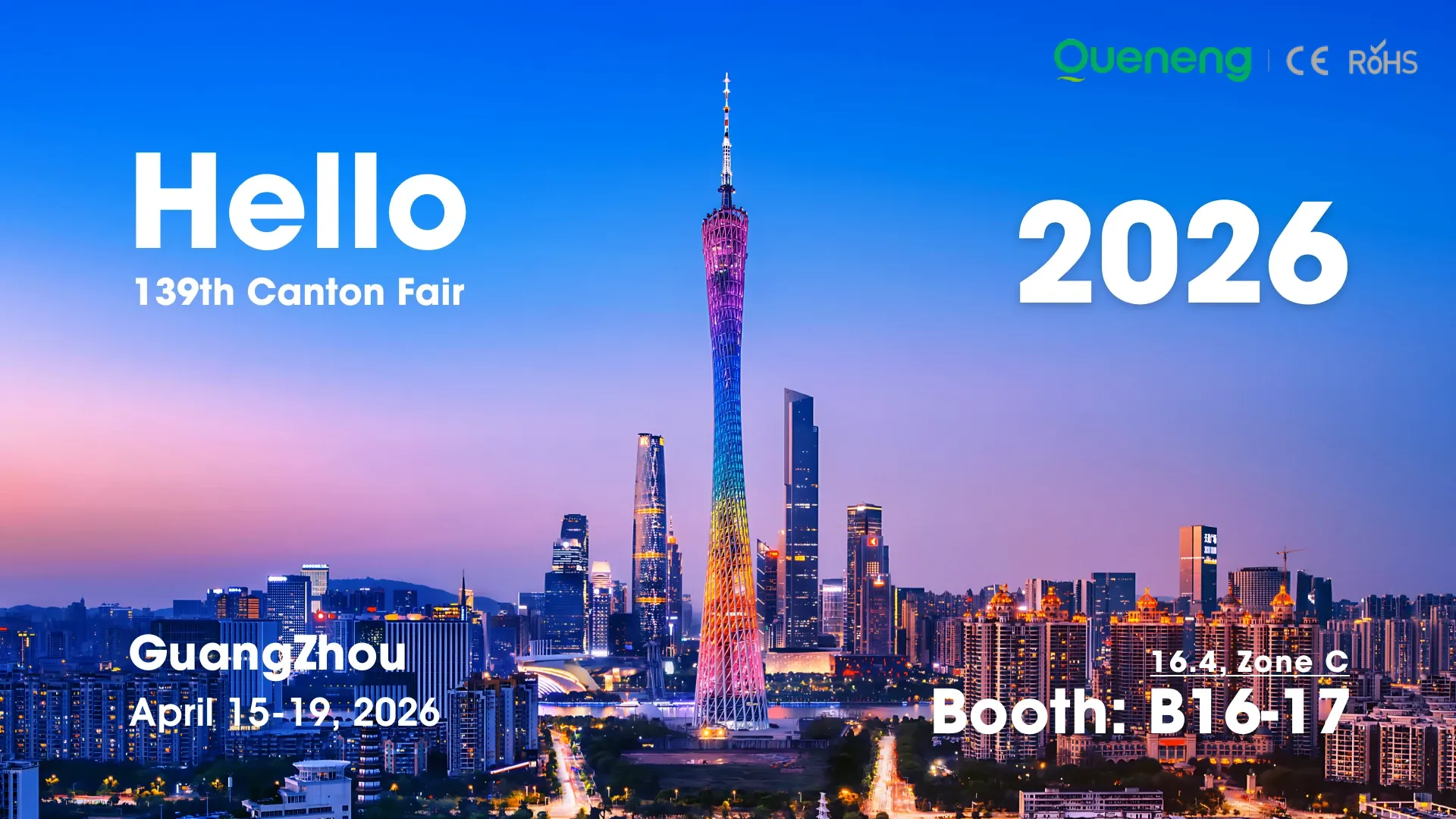
As the global demand for sustainable infrastructure rises, Queneng Lighting is proud to announce its participation in the 139th China Import and Export Fair (Canton Fair), held from April 15th to 19th, 2026, in Guangzhou.
For over 13 years, Queneng has been at the forefront of the solar lighting industry, providing high-efficiency solutions for infrastructure contractors, municipal developers, and EPC companies worldwide. This year, we are bringing our most advanced technology yet to the international stage.

Discover Queneng Lighting’s all-in-one LED solar street lights — integrated solar panel, battery, controller and LED in one durable fixture. Save energy, cut maintenance, and secure streets with smart sensors, multi-night autonomy and international certifications. Contact sales for quotes and support.

Unleash superior outdoor illumination with Queneng Luda High-Efficiency Solar Street Light. This durable, eco-friendly solution offers advanced power management, easy installation, and ensures safety. Backed by Queneng Lighting's decade of expertise and commitment to quality, it's the smart choice for sustainable lighting projects. Learn why we're a leading solar solutions provider.

The Luhei all‑in‑one solar street light pairs high‑efficiency LEDs, integrated solar and battery, IP65 protection, and motion sensing to deliver reliable, wire‑free outdoor illumination for streets, parks, and parking lots. Backed by Queneng Lighting’s certifications and support.
FAQ
Solar Street Light Luzhou
Are Luzhou solar street lights suitable for urban and residential areas?
Yes, Luzhou solar street lights are versatile and suitable for both urban and residential settings. They can be installed along streets, pathways, parks, and other public spaces, providing reliable, energy-efficient lighting wherever it's needed.
Battery and Analysis
What are the possible reasons for zero or low voltage in a single battery?
2) The battery is continuously overcharged by high-rate and large current, causing the battery core to expand and the positive and negative electrodes to directly contact and short-circuit, etc.;
3) There is an internal short circuit or micro-short circuit in the battery, such as improper placement of the positive and negative electrode plates, resulting in a short circuit between the electrode plates, or contact between the positive and negative electrode plates, etc.
Remote Areas Rural Development
How do solar streetlights perform in regions with extreme climates, such as deserts or snowy areas?
Advanced materials and designs make them suitable for extreme conditions, including high heat, freezing temperatures, and heavy snow.
Solar Street Light Luqiu
How do the smart sensors in Luqiu solar street lights work?
Luqiu solar street lights are equipped with motion and ambient light sensors. The motion sensor detects movement and adjusts the brightness accordingly, while the ambient light sensor automatically turns the light on at dusk and off at dawn to optimize energy use.
Transportation and Highways
Are the lights compliant with transportation safety standards?
Yes, our products meet international standards such as CE, RoHS, and ISO certifications.
Are there options for aesthetic customization to match the local environment?
Yes, we offer customizable pole designs, color finishes, and lighting styles to blend seamlessly with the surrounding environment.
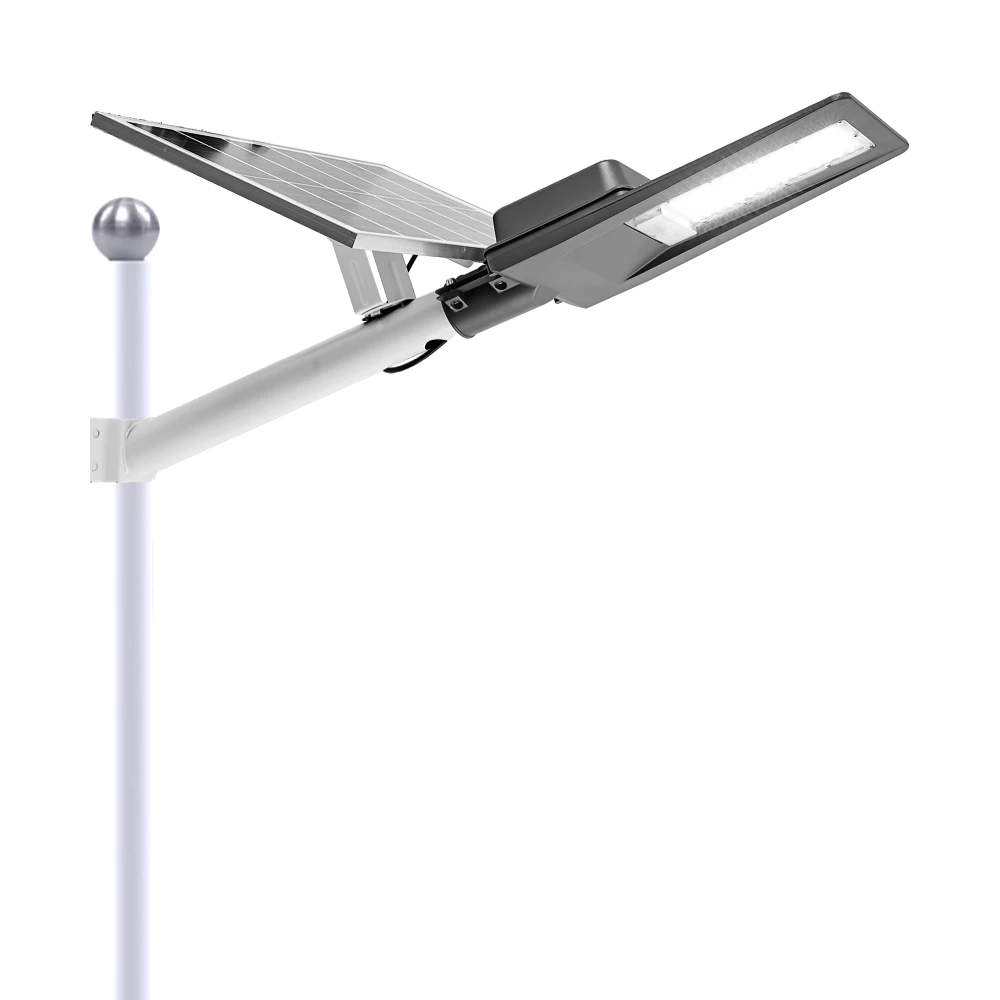
Experience reliable outdoor illumination with our smart solar street light, a perfect combination of advanced technology and eco-conscious design.
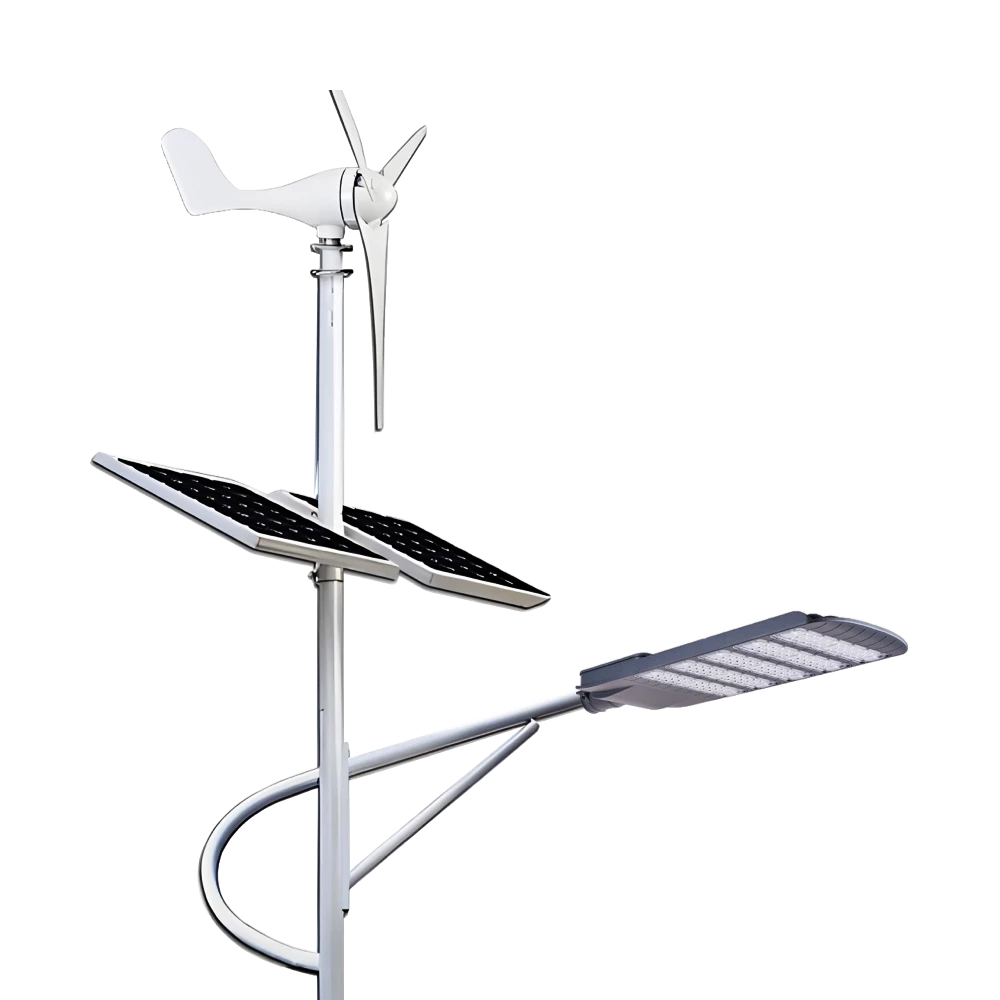
Queneng Lufeng Wind Energy LED Outdoor Solar Street Lights offer high-performance, eco-friendly illumination. These energy-efficient LED street lights harness solar power and wind energy for sustainable, cost-effective outdoor lighting solutions.
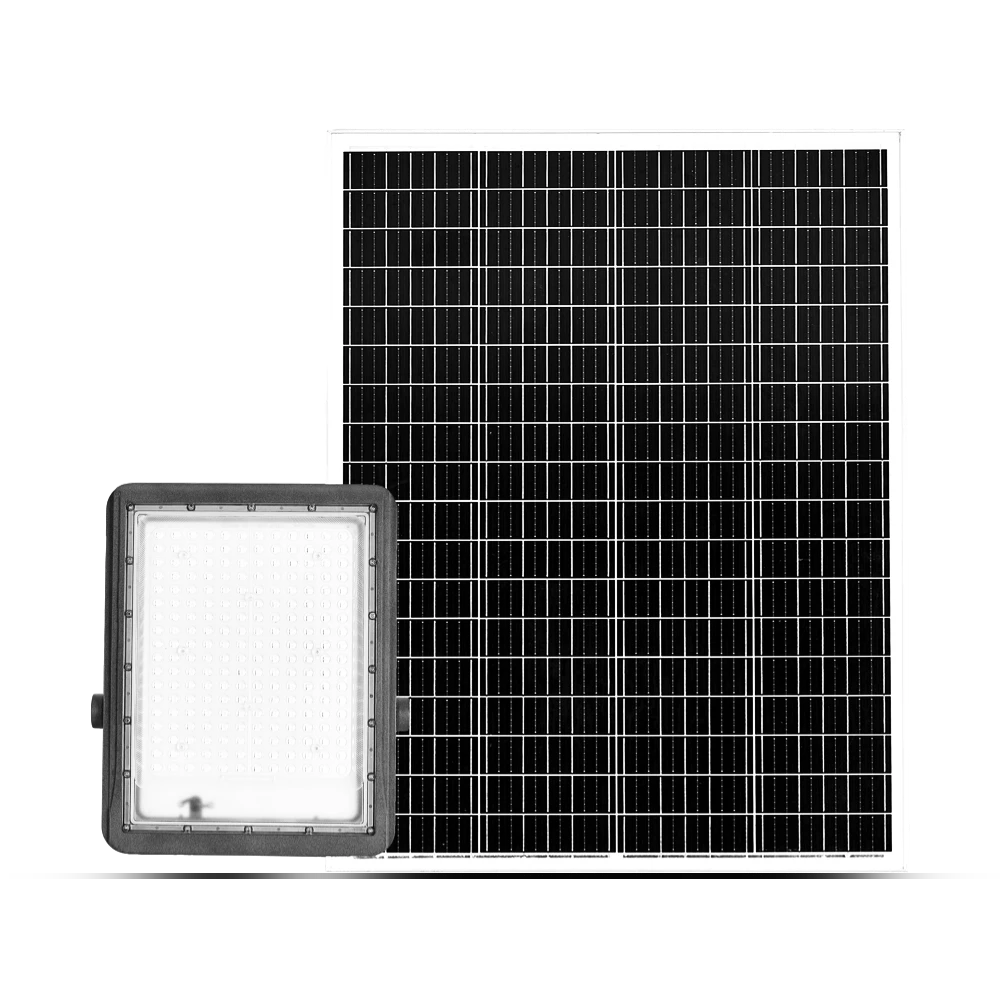
Queneng's Luxian Reliable Solar Street Light offers energy-saving LED lighting for outdoor use. This durable, solar-powered street light provides reliable illumination, reducing energy costs and environmental impact. A perfect solution for sustainable outdoor lighting.
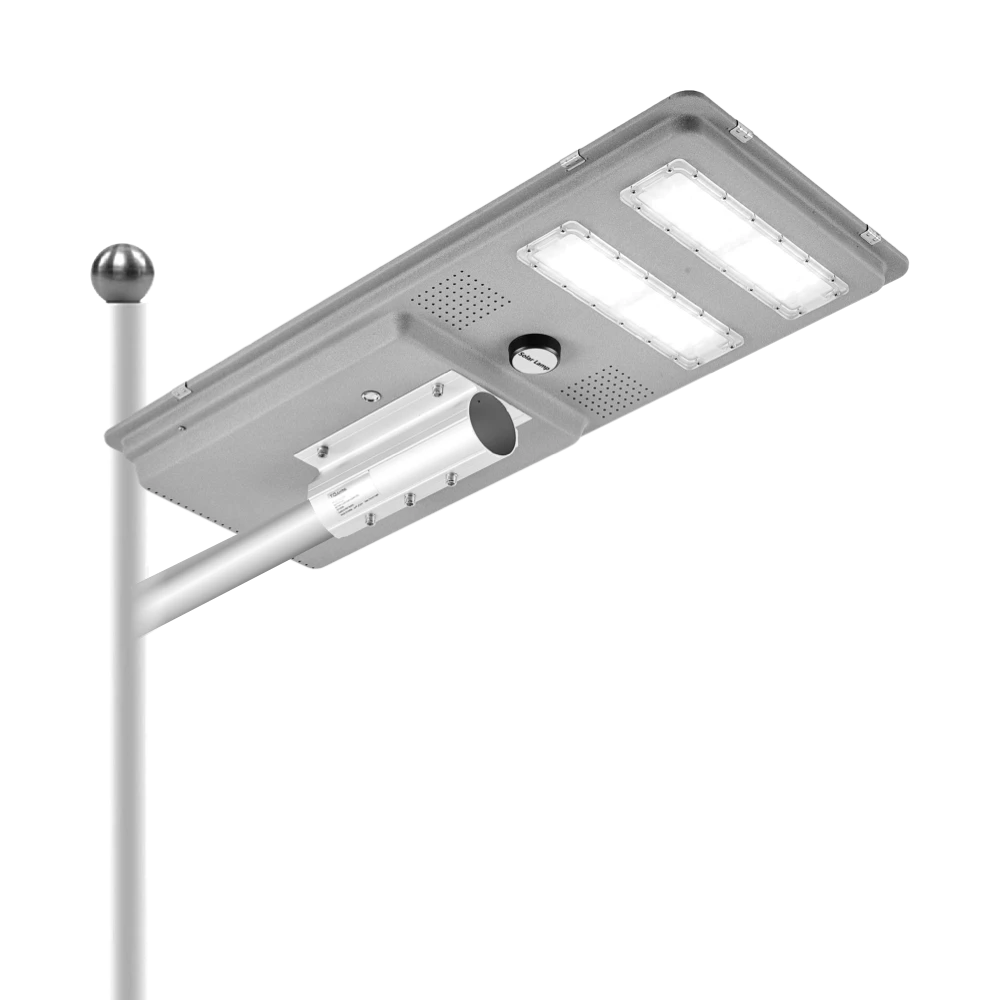
Queneng’s Solar Street Lights are designed to provide reliable, energy-efficient lighting for streets, parks, and other outdoor spaces.
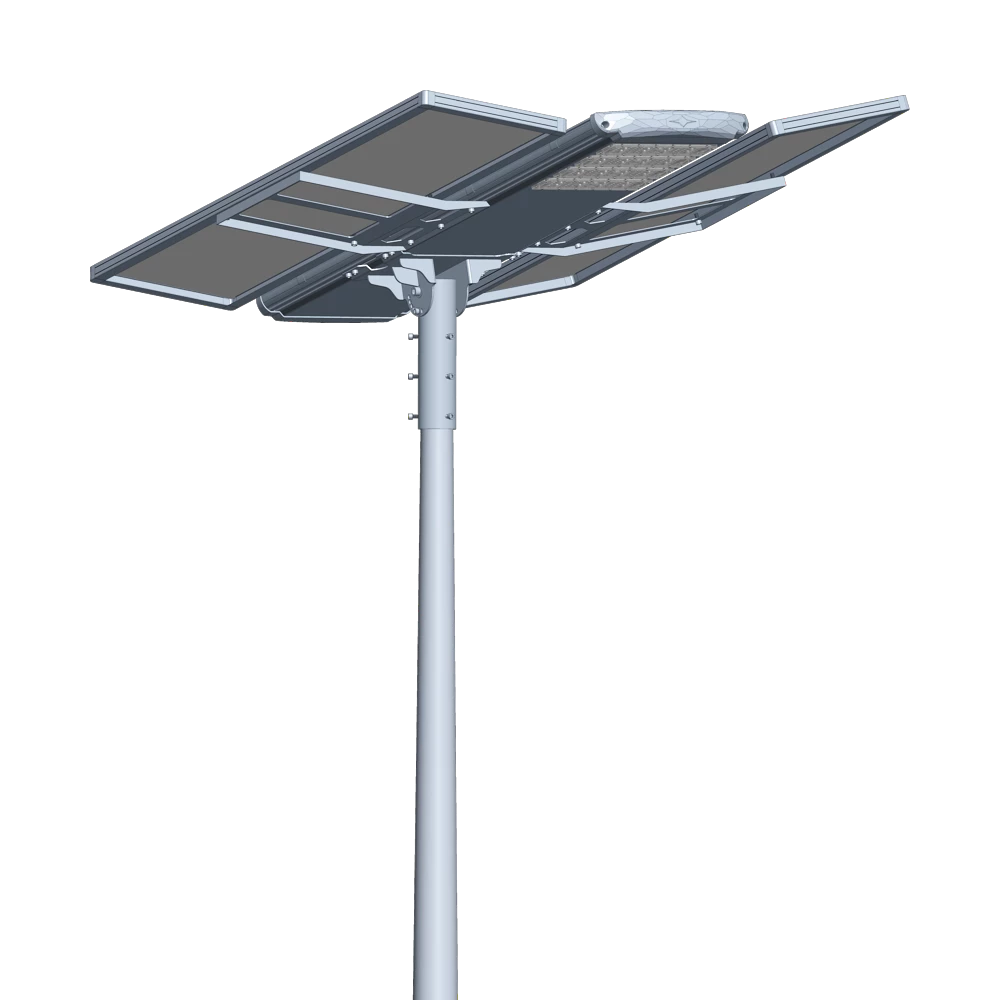
Introducing the Luqing Solar Street Light by Queneng, Efficient LED lighting powered by solar energy is perfect for illuminating outdoor areas. Harness the power of solar energy for sustainable, reliable street lighting. Ideal for eco-friendly, cost-effective outdoor illumination solutions.
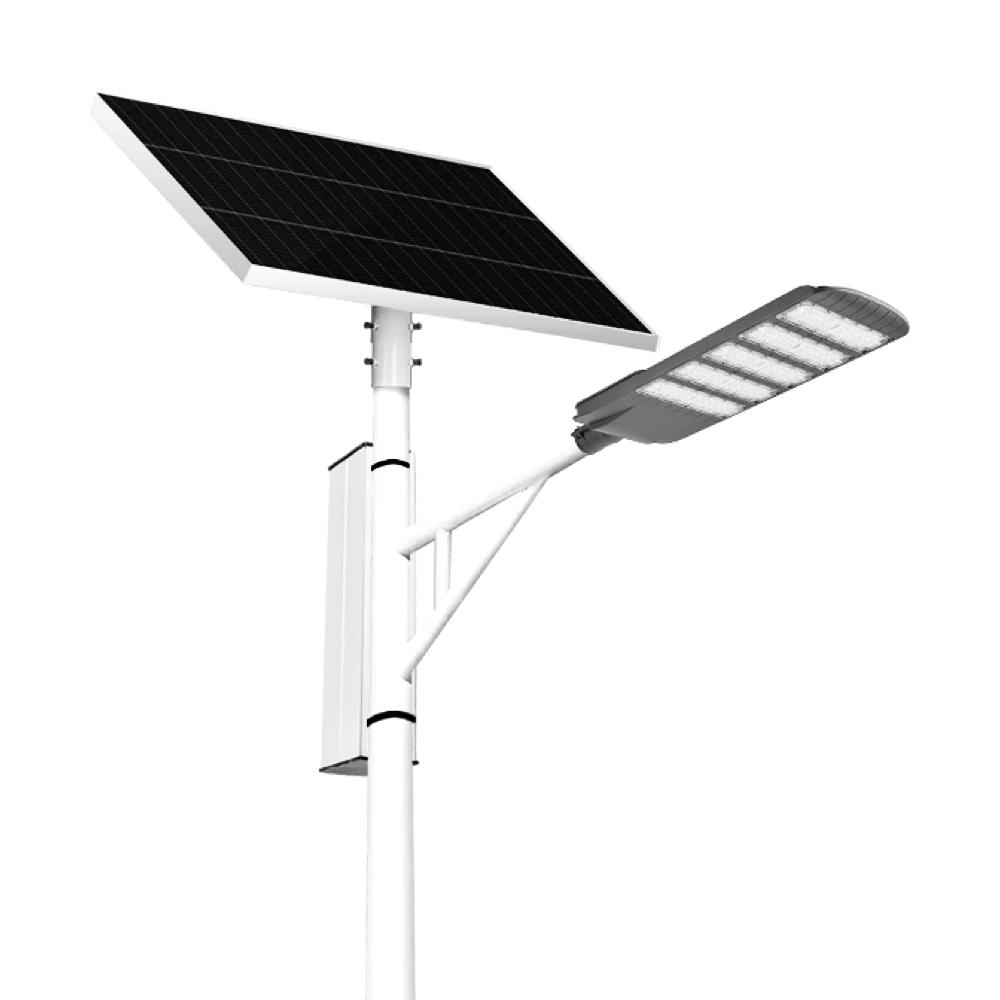
The Solar Streetlights of Luhao for Municipalities are designed to deliver reliable, energy-efficient, and cost-effective public lighting solutions. Equipped with advanced LED technology, durable lithium batteries, and high-efficiency solar panels, these streetlights provide consistent illumination for roads, parks, residential areas, and government projects.
Our professional team is ready to answer any questions and provide personalized support for your project.
You can reach us via phone or email to learn more about Queneng’s solar lighting solutions. We look forward to working with you to promote clean energy solutions!
Rest assured that your privacy is important to us, and all information provided will be handled with the utmost confidentiality.
By clicking 'Send Inquiry Now' I agree to Queneng processing my personal data.
To see how to withdraw your consent, how to control your personal data and how we process it, please see our Privacy Policy and Terms of use.
Schedule a Meeting
Book a date and time that is convenient for you and conduct the session in advance.
Have more questions about our products or services?
The messenger of light & power conversion
Environmental protection and intelligent manufacturing are our brand philosophy, and quality assurance and the best user experience are our eternal promises to users.
CONTACT
No.9F, Building F, Cao San Xin Tian Hong Logistics Park, Guzhen Town, Zhongshan City, Guangdong Province, China.
or write [email protected]
WhatsApp: +86 136 2270 1011


