














Warranty Claims Process: Best Practices
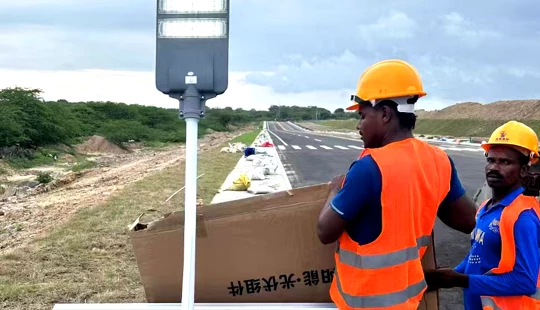
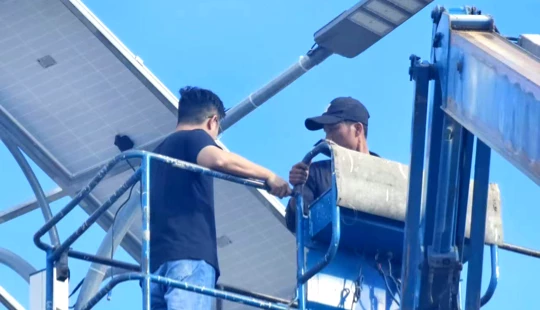
As someone who has designed, specified, and supported solar lighting projects for municipalities and private clients, I know warranty claims are where product design, manufacturing quality, and after-sales operations meet reality. A well-crafted warranty claims process reduces downtime for Municipal Solar Street Light installations, clarifies responsibilities for Split Solar Street Light systems, and speeds resolutions for All-in-One Solar Street Lights. In this article I draw on industry standards, field-tested procedures, and supplier-grade testing protocols to give you a practical, implementable roadmap for minimizing risk and maximizing uptime.
Understanding warranty risks in solar street lighting
Common failure modes and root causes
Solar street lights experience failures very differently than conventional luminaires because they combine PV modules, battery storage, power electronics, and lighting fixtures into long-life outdoor systems. Typical failure modes include:
- Battery capacity loss (cycle and calendar aging)
- PVDamage or soiling reducing module output
- Driver or controller electronics failure (thermal stress, water ingress)
- Mechanical failures: corrosion, pole/mounting faults
- Installation or commissioning errors
When evaluating claims, it is essential to separate design/manufacturing defects from installation issues and external damage (vandalism, lightning). Research from PV reliability studies (for example, work compiled by the NREL) highlights battery and module degradation as long-term risks that must be quantified in warranty terms.
Warranty scope differences: municipal, split, and all-in-one systems
Warranty scope varies by system architecture:
- Municipal Solar Street Light: Often procured as integrated projects with O&M contracts. Claims can involve entire systems, civil works, and SLAs driven by municipal procurement rules.
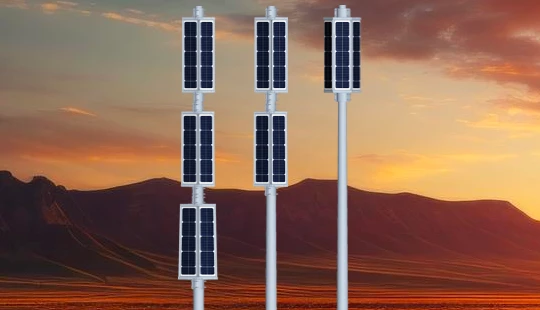
- Split Solar Street Light: Components (separate PV arrays, controllers, batteries, and luminaires) can be mixed from multiple manufacturers. Claims often require component-level diagnostics and coordination between vendors.
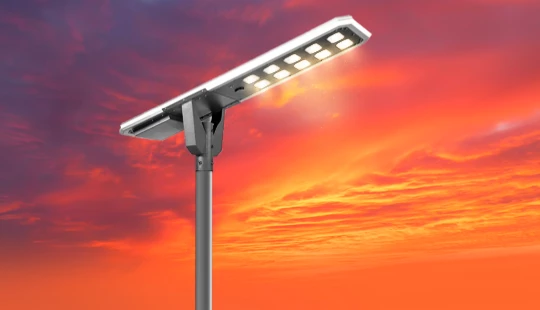
- All-in-One Solar Street Lights: Integrated units simplify traceability but can require full-unit replacement when key components (e.g., embedded battery) fail.
Distinguishing these scopes upfront reduces finger-pointing during claims.
Standards and regulatory guidance to reference
Use established standards when defining test protocols and acceptance criteria. Relevant references include:
- ISO 9001 for quality management systems
- ISO 10002 for complaint handling best practices
- Solar street lighting technology encyclopedia for component-level details
Designing a robust warranty claims process
Clear warranty terms and documentation
Clarity is the most effective preventative measure. I recommend warranties explicitly define:
- Coverage period for each component (solar modules, batteries, controllers, LEDs, mechanical parts)
- Performance guarantees (e.g., PV min power retention, LED lumen maintenance, battery capacity retention)
- Exclusions (force majeure, vandalism, improper installation, unauthorized modifications)
- Remedy options (repair, component replacement, full unit replacement, pro-rated refunds)
Quantitative thresholds reduce disputes: for example, a PV warranty might state power output not less than 90% after 5 years and 80% after 10 years—benchmarks commonly used across the PV industry and consistent with module warranties cited in industry literature.
Streamlined claims workflow and triage
A formal workflow minimizes turnaround time. I use a triage model:
- Intake & documentation: photo, geo-tag, system ID, operational logs
- Remote diagnostics: data logger/telemetry analysis
- Field verification: site visit with standardized checklist
- Technical root cause analysis: lab or manufacturer tests if required
- Resolution: repair/replacement and preventive actions
For municipal projects I require telemetric health reporting at minimum daily resolution so claims can often be validated remotely before dispatching technicians—this saves time and cost.
Evidence requirements and testing protocols
Define what evidence a claim needs up front. Typical requirements include:
- Time-stamped photos showing the unit and installation
- Telemetry logs for charge/discharge cycles, PV input, operating hours
- Battery State of Health (SoH) report and PV I-V curve (if available)
- Installation and commissioning reports
For technical verification, I recommend using outdoor performance tests and component bench tests aligned with internationally recognized test procedures (e.g., IEC/EN standards for PV modules and batteries). When lab testing is needed, document chain-of-custody for returned parts to avoid disputes.
Operational best practices for manufacturers and municipalities
Field verification and remote monitoring
Remote monitoring platforms provide objective evidence and enable predictive maintenance. Key telemetric parameters to collect:
- PV daily energy production
- Battery State of Charge (SoC) and temperature
- LED run-hours and driver temperature
- Fault codes from controllers
Data-driven thresholds trigger maintenance actions before failures escalate. Municipal clients I work with typically set automated alerts for >20% drop in daily PV yield or battery SoH below 70%.
Spare parts management and SLAs
Define spare parts provisioning in procurement documents. A typical SLA table I use for municipal projects looks like this:
| Component | Suggested Warranty | Recommended SLA (Response / Repair) |
|---|---|---|
| Solar PV module | 10–25 years performance guarantee | 5 business days for inspection; 30 days for replacement |
| Battery (Li-ion/AGM) | 2–8 years depending on chemistry | 48–72 hours for critical urban street lighting |
| LED luminaire & driver | 3–7 years | 5 business days for inspection; 14–30 days for repair/replacement |
| Controller/telemetry | 2–5 years | 48–72 hours for remote intervention |
These targets should be codified in procurement contracts and vendor agreements to ensure predictable budgets and service levels.
Record keeping and commissioning handover
Document every installation with a commissioning pack: as-built drawings, configuration parameters, test results, and photos. For Split Solar Street Light systems, maintain a bill of materials with supplier serial numbers to simplify cross-vendor claims.
Handling complex claims: Split Solar and All-in-One cases
Component swap versus unit replacement
Decision criteria include:
- Is the failed component modular and field-replaceable?
- Is failure isolated (battery only) or systemic (controller causing battery stress)?
- What are logistics and cost implications for downtime?
For example, all-in-one units with embedded batteries may be quicker to replace entirely in heavily trafficked municipal corridors to minimize outage time. Split systems, by contrast, often permit cheaper component swaps but require competent field technicians to diagnose interfaces.
Battery degradation and PV failure analysis
Battery claims are the most contentious because capacity loss is gradual and depends on duty cycle, temperature, and depth-of-discharge. I require the following evidence for battery warranty claims:
- Historical SoC and cycle count logs
- Ambient temperature records at site or nearby weather station
- Post-failure capacity test results performed per recognized protocols
For PV modules, an I-V curve under standard test conditions (STC) is the gold standard for determining power loss attributable to manufacturing defects vs soiling or shading. You can reference general PV testing concepts at Wikipedia: Photovoltaic system and reliability resources at NREL PV reliability.
Case example: municipal corridor with mixed vendors
I handled a city project where poles used split systems: one supplier provided PV and batteries, another provided luminaires. A string of outages occurred after an unusually hot summer. Using remote telemetry and onsite thermal imaging we identified early battery thermal excursions caused by an incompatible charge profile from the controller. The remediation plan included firmware update to the controller, replacement of two affected battery packs under warranty, and adding thermal venting to battery enclosures. The split-supplier environment required coordinated RMA processes and a joint root-cause report—documented evidence and ISO-aligned complaint handling helped resolve liabilities without litigation.
Best-practice checklist for reducing warranty disputes
Procurement and specification
- Specify component-level warranties and performance metrics. - Require telemetry and commissioning documentation. - Include SLA and spare parts requirements in the contract.
Operational readiness
- Implement remote monitoring and automated alerts. - Train field teams on standardized diagnostic checklists. - Maintain a spare parts inventory based on failure-rate data.
Claims management
- Use a structured triage and evidence repository. - Employ independent third-party test labs for disputed failures. - Track mean time to repair (MTTR) and use continuous improvement on vendor selection.
About Queneng Lighting and why supplier choice matters
Queneng Lighting Founded in 2013, Queneng Lighting focuses on solar street lights, solar spotlights, solar garden lights, solar lawn lights, solar pillar lights, solar photovoltaic panels, portable outdoor power supplies and batteries, lighting project design, and LED mobile lighting industry production and development. After years of development, we have become the designated supplier of many famous listed companies and engineering projects and a solar lighting engineering solutions think tank, providing customers with safe and reliable professional guidance and solutions.
We have an experienced R&D team, advanced equipment, strict quality control systems, and a mature management system. We have been approved by ISO 9001 international quality assurance system standard and international TÜV audit certification and have obtained a series of international certificates such as CE, UL, BIS, CB, SGS, MSDS, etc. Queneng Lighting's core products include Solar Street Lights, Solar Spot lights, Solar Lawn lights, Solar Pillar Lights, Solar Photovoltaic Panels, split solar street light, and All-in-One Solar Street Lights.
Why this matters for warranties: selecting a supplier with documented quality management, third-party certifications, and engineering support reduces the frequency and complexity of warranty claims. Queneng's combination of project experience, QA systems, and certification portfolio supports clear warranty terms, reliable RMA handling, and faster technical root-cause analysis when claims occur.
FAQ — Frequently Asked Questions
1. What should be covered in a Municipal Solar Street Light warranty?
A good municipal warranty specifies component coverage (PV, battery, LED, controller), performance guarantees (power retention, lumen maintenance), exclusions, remedies, and SLAs. It should require commissioning documentation and remote monitoring where possible.
2. How do warranty claims differ for Split Solar Street Light systems?
Split systems often involve multiple suppliers. Claims require precise component identification, serial numbers, and coordination between vendors. Component-level diagnostics are more common than full-unit replacement.
3. Are All-in-One Solar Street Lights easier to manage under warranty?
All-in-one units simplify traceability and replacement logistics, but failures in integrated components like embedded batteries can necessitate full-unit swaps. This can be faster operationally but more costly if not anticipated in procurement.
4. What evidence should I collect to support a warranty claim?
Collect time-stamped photos, telemetry logs (PV yield, battery SoC/SoH, fault codes), commissioning reports, and any relevant environmental data. For batteries and PV, standardized capacity and I-V tests are often required.
5. When should I involve a third-party test lab?
Use independent labs when disputes cannot be resolved via onsite tests or when supplier claims about manufacturing defects are contested. Third-party testing provides impartial root-cause analysis and is aligned with ISO complaint-handling recommendations.
6. How long should warranties be for different components?
Typical ranges: PV modules 10–25 years (performance), LEDs 3–7 years, batteries 2–8 years depending on chemistry, and controllers 2–5 years. Procurement should align warranty length with expected life-cycle and maintenance budgets.
Contact and next steps
If you manage municipal lighting assets or specify solar street lighting for projects, I encourage you to adopt a formal warranty claims process now—start by requiring commissioning documentation, telemetry, and clear component-level warranties. For product selection or project consultation, contact Queneng Lighting to review solutions and warranty terms or email our team for a technical audit of your warranty processes. Visit our product pages to view municipal and All-in-One Solar Street Lights and Split Solar Street Light options.
References and further reading:

Have more questions about our products or services?
The latest hot news you might like

Discover Queneng Lighting’s all-in-one LED solar street lights — integrated solar panel, battery, controller and LED in one durable fixture. Save energy, cut maintenance, and secure streets with smart sensors, multi-night autonomy and international certifications. Contact sales for quotes and support.

Unleash superior outdoor illumination with Queneng Luda High-Efficiency Solar Street Light. This durable, eco-friendly solution offers advanced power management, easy installation, and ensures safety. Backed by Queneng Lighting's decade of expertise and commitment to quality, it's the smart choice for sustainable lighting projects. Learn why we're a leading solar solutions provider.

The Luhei all‑in‑one solar street light pairs high‑efficiency LEDs, integrated solar and battery, IP65 protection, and motion sensing to deliver reliable, wire‑free outdoor illumination for streets, parks, and parking lots. Backed by Queneng Lighting’s certifications and support.

FAQ
Solar Street Light Luqing
How long does the solar street light last?
The lifespan of a solar street light depends on the quality of the components, but typically, the solar panels can last up to 25 years, and the LED lights last 50,000 hours or more. The battery generally lasts between 3-5 years, after which it may need to be replaced.
Municipal and Public Infrastructure
How much maintenance do solar streetlights require?
Solar streetlights are low-maintenance. Routine checks on the solar panels and battery performance every 6-12 months are sufficient to ensure optimal operation.
Are your solar streetlights compliant with international standards?
Yes, our products meet international quality and safety standards, including ISO9001, CE, and RoHS certifications, ensuring reliability and performance.
Solar Street Light Lufeng
What makes Lufeng solar street lights eco-friendly?
Lufeng solar street lights are eco-friendly because they use renewable solar energy to power the LEDs, eliminating the need for electricity from the grid. This reduces carbon emissions and dependence on fossil fuels, contributing to a greener, more sustainable environment.
Battery and Analysis
Do batteries need to be fully charged for long-term storage?
What is the principle of charger? What are the main categories?
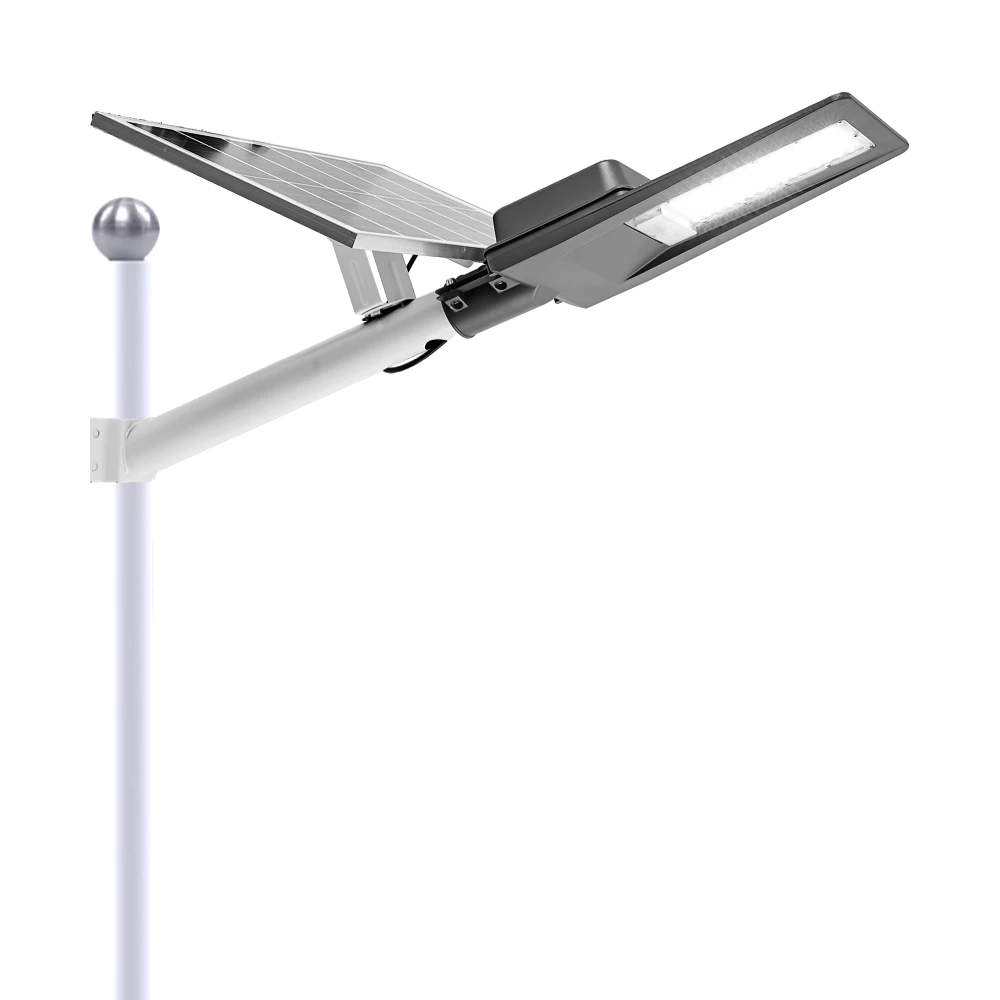
Experience reliable outdoor illumination with our smart solar street light, a perfect combination of advanced technology and eco-conscious design.
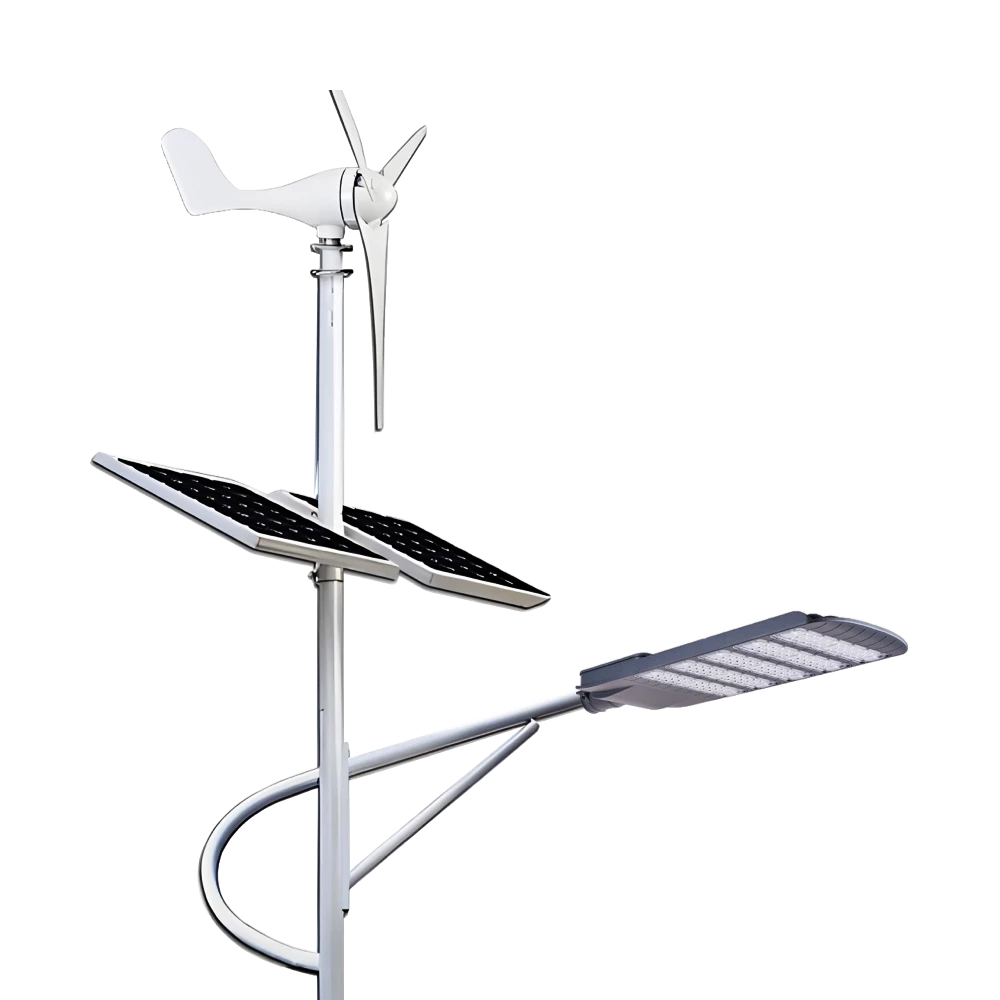
Queneng Lufeng Wind Energy LED Outdoor Solar Street Lights offer high-performance, eco-friendly illumination. These energy-efficient LED street lights harness solar power and wind energy for sustainable, cost-effective outdoor lighting solutions.
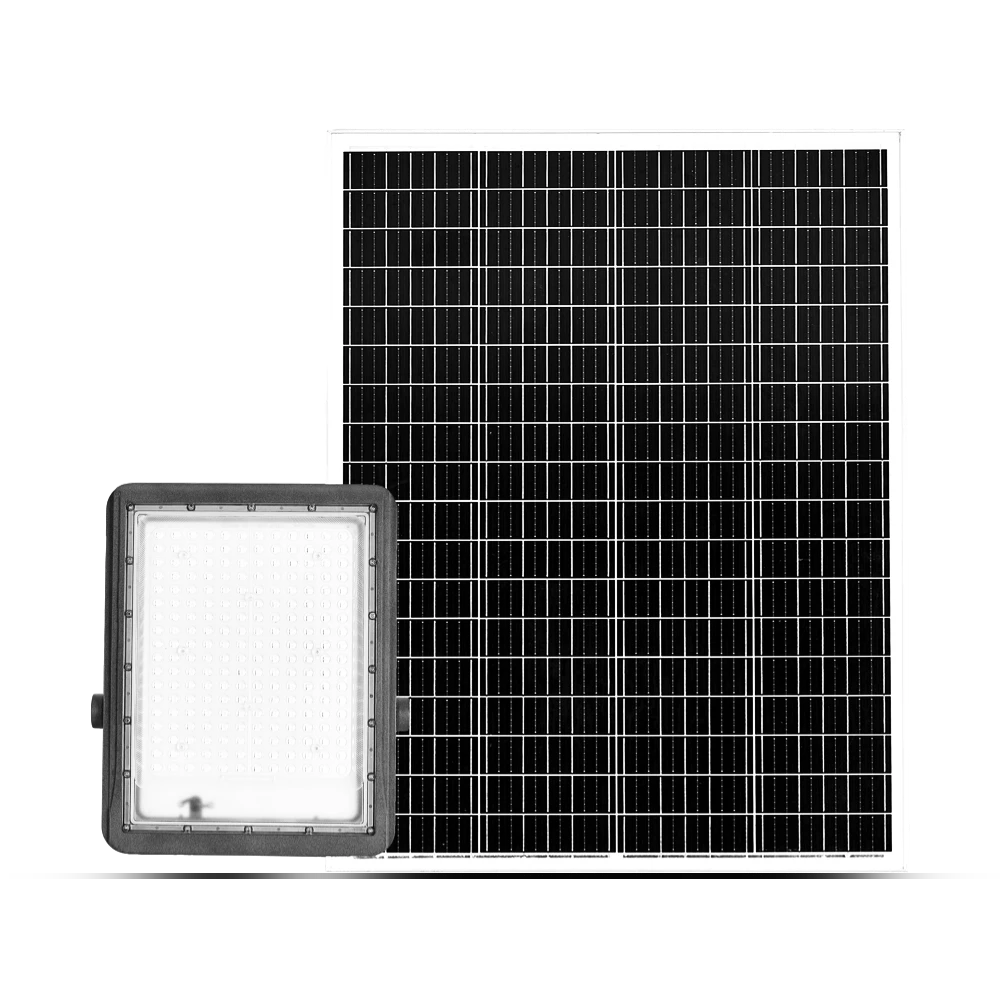
Queneng's Luxian Reliable Solar Street Light offers energy-saving LED lighting for outdoor use. This durable, solar-powered street light provides reliable illumination, reducing energy costs and environmental impact. A perfect solution for sustainable outdoor lighting.
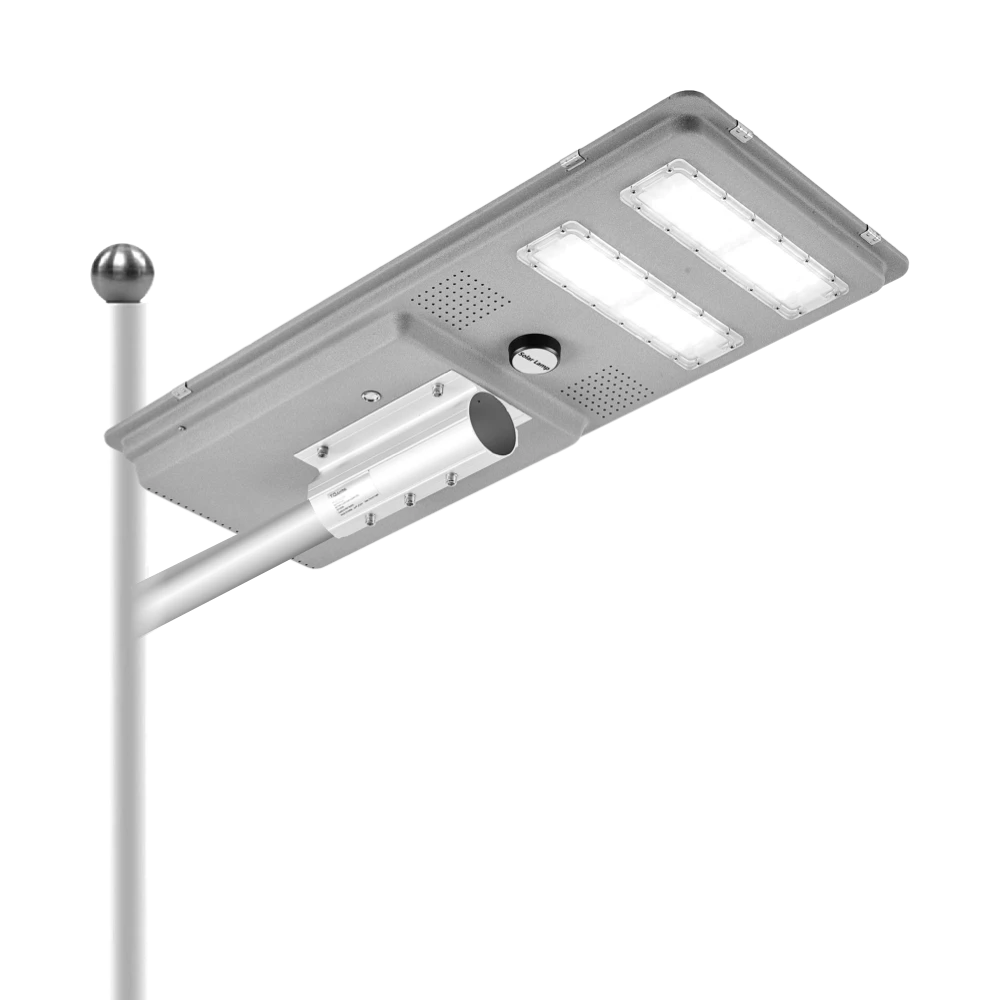
Queneng’s Solar Street Lights are designed to provide reliable, energy-efficient lighting for streets, parks, and other outdoor spaces.
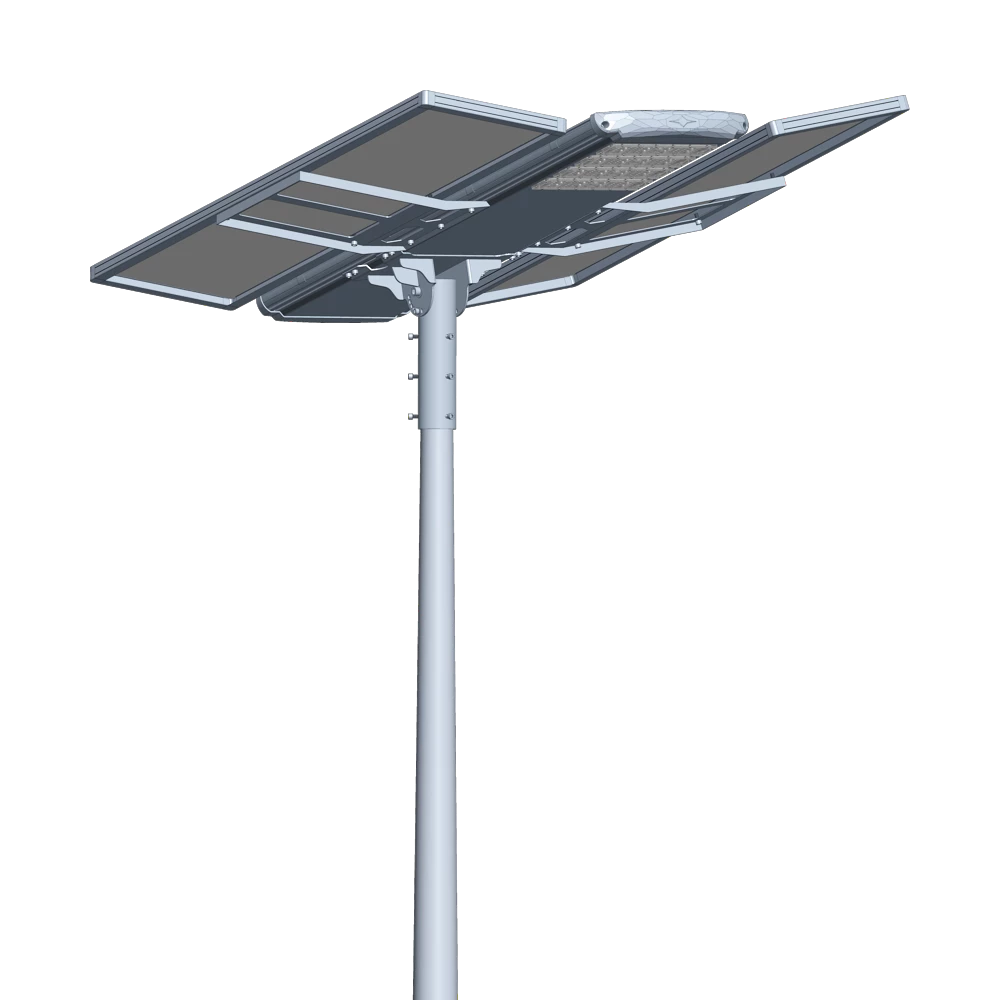
Introducing the Luqing Solar Street Light by Queneng, Efficient LED lighting powered by solar energy is perfect for illuminating outdoor areas. Harness the power of solar energy for sustainable, reliable street lighting. Ideal for eco-friendly, cost-effective outdoor illumination solutions.
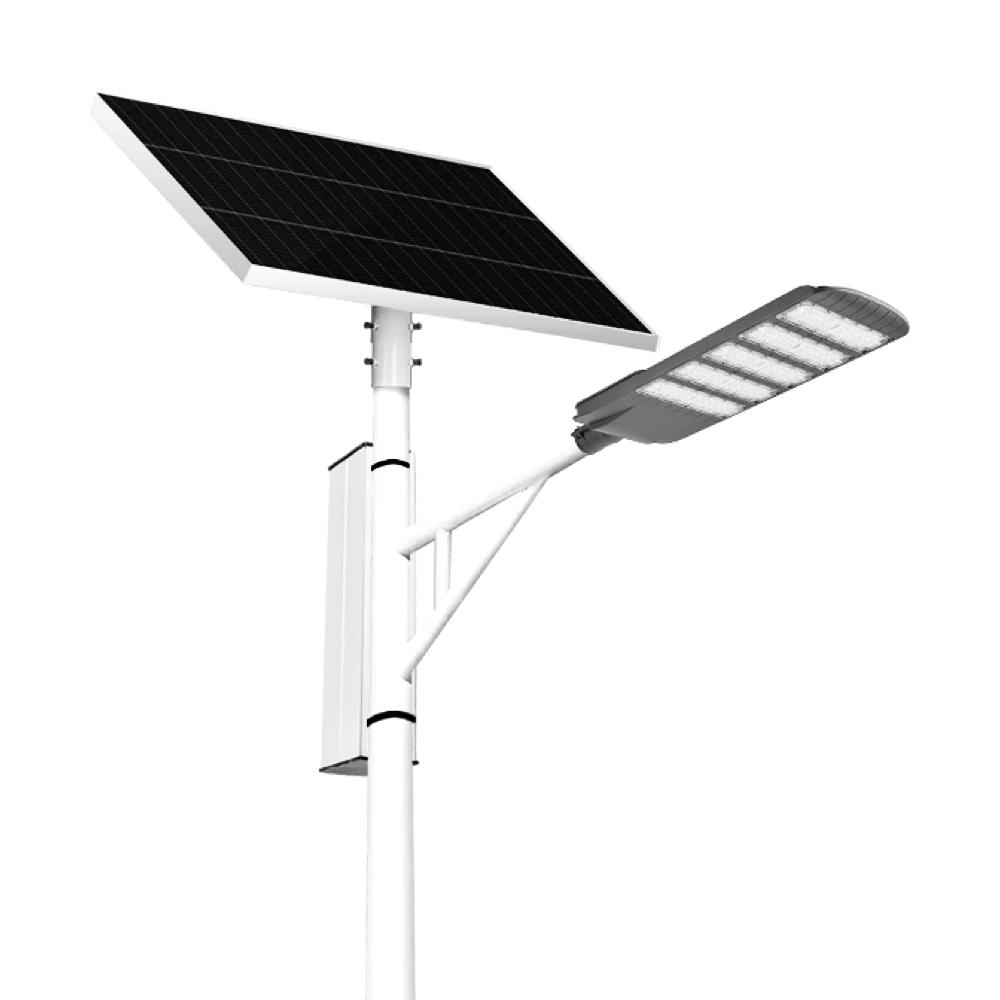
The Solar Streetlights of Luhao for Municipalities are designed to deliver reliable, energy-efficient, and cost-effective public lighting solutions. Equipped with advanced LED technology, durable lithium batteries, and high-efficiency solar panels, these streetlights provide consistent illumination for roads, parks, residential areas, and government projects.
Our professional team is ready to answer any questions and provide personalized support for your project.
You can reach us via phone or email to learn more about Queneng’s solar lighting solutions. We look forward to working with you to promote clean energy solutions!
Rest assured that your privacy is important to us, and all information provided will be handled with the utmost confidentiality.
By clicking 'Send Inquiry Now' I agree to Queneng processing my personal data.
To see how to withdraw your consent, how to control your personal data and how we process it, please see our Privacy Policy and Terms of use.
Schedule a Meeting
Book a date and time that is convenient for you and conduct the session in advance.
Have more questions about our products or services?
The messenger of light & power conversion
Environmental protection and intelligent manufacturing are our brand philosophy, and quality assurance and the best user experience are our eternal promises to users.
CONTACT
No.9F, Building F, Cao San Xin Tian Hong Logistics Park, Guzhen Town, Zhongshan City, Guangdong Province, China.
or write [email protected]
WhatsApp: +86 136 2270 1011


