













Warranty Clauses to Negotiate with Suppliers
When procuring lighting for public spaces, selecting the right hardware is only half the job. The other half is securing warranty protections that reduce lifecycle risk and guarantee long-term performance for municipal solar street light, split solar street light, and all-in-one solar street lights. This article explains which warranty clauses matter, how to structure them, and how to negotiate enforceable remedies so capital and operational budgets are protected.
Why supplier warranties matter for solar lighting projects
Risk transfer and lifecycle cost control
Warranties are a primary mechanism to transfer technical and financial risk from the buyer to the supplier. Well-drafted warranty clauses reduce lifecycle costs by ensuring timely replacements, defined performance thresholds, and clear responsibilities for shipping, labor, and commissioning. For solar street lighting projects—especially municipal deployments—the long expected operational life (often measured in decades for PV modules and years for batteries and electronics) makes warranty clarity essential. For general background on warranty concepts see Wikipedia: Warranty.
Performance guarantees vs. product warranties
Differentiate between a product warranty (covers defects in materials and workmanship) and a performance warranty (guarantees lumen output, autonomy, or energy yield over time). Municipal solar street light contracts frequently require both: product warranties to secure repairs/replacements and performance guarantees to protect service levels and public safety.
Standards and certifications that underpin warranty claims
Request proof of quality systems and certifications such as ISO 9001 for manufacturing quality management (ISO: ISO 9001) and relevant testing/certifications like CE, UL, TÜV and IEC tests for PV modules and electrical safety. Certifications help validate supplier claims and simplify enforcement of warranty obligations.
Key warranty clauses to negotiate
Define scope: product, performance, battery, and software
Spell out the scope clearly. Typical categories include:
- Product warranty for LEDs, poles, fixtures, and structural components.
- Performance warranty for PV modules (often 80% power output at 25 years) and light output (for LEDs, L70/L80 metrics).
- Battery warranty covering capacity retention and cycle life.
- Software/communications warranty for controllers, remote monitoring, and firmware.
For PV module norms, manufacturers commonly provide a 25-year linear performance warranty; see Photovoltaic module (Wikipedia) for reference.
Warranty period and start date
Negotiate both duration and when the warranty period begins. Options include:
- Start at delivery to buyer site.
- Start at successful commissioning/acceptance test (recommended for site-installed split systems and municipal projects).
- Separate terms: e.g., PV modules 25 years performance, electronics 5 years product warranty, batteries 3–8 years depending on chemistry.
Remedies: repair, replacement, prorated compensation
Specify remedies and response times. Prefer repair or replace at supplier’s expense language within a fixed SLA (e.g., 15 business days initial response, 30 days repair/replace). Where long lead times exist, include temporary solutions (loaner modules/fixtures) and prorated compensation schedules if full replacement is not feasible.
Operational clauses that reduce disputes
Acceptance testing and performance baseline
Include clear acceptance tests (illuminance levels, autonomy hours, PV yield, battery capacity) with documented test procedures. Define tolerated variances and measurement devices. Keep a signed acceptance certificate to avoid later disputes over pre-existing conditions.
Monitoring, data rights, and remote diagnostics
Require remote monitoring and access to performance data (e.g., daily energy generation, battery state-of-charge, lamp on/off logs). Stipulate retention period for telemetry (e.g., 5 years) and data export rights so the owner can independently verify claims. Monitoring is especially important for split solar street light systems where controllers and remote comms can fail.
Spare parts, service levels, and logistic obligations
Define spare parts support (minimum 5–10 years availability), lead times, and who bears shipping costs. For municipal projects, require either stocked spares within a specified region or guaranteed replacement timelines. This reduces downtime for critical public lighting routes.
Contract language and enforcement mechanisms
Transferability and registration
Ensure warranties are transferable to future owners (important for municipal asset sales or long-term PPPs). Include a simple registration process and require the supplier to honor transfers without onerous conditions.
Exclusions, force majeure, and maintenance obligations
Clearly list exclusions (e.g., vandalism, improper installation by third-party, lightning strikes if not covered by surge protection). Define shared maintenance responsibilities and require supplier-specified maintenance actions (cleaning panels, periodic firmware updates) to avoid voiding warranties. Be precise about what event severity will void coverage.
Dispute resolution, liquidated damages, and performance bonds
Include dispute resolution paths (negotiation, mediation, arbitration), and consider liquidated damages for persistent non-performance. For large municipal contracts, require performance bonds or bank guarantees sized to cover critical warranty obligations.
Practical negotiation checklist and sample contract table
Checklist for procurement teams
- Get test reports and certificate copies (IEC, TÜV, UL, CE, ISO 9001).
- Define acceptance tests and baseline metrics in the contract.
- Ask for monitoring data access and retention clauses.
- Negotiate SLAs for response and repair/replace timelines.
- Require spare parts availability and regional stocking commitments.
- Clarify start date and transferability of warranties.
- Include remedies (repair/replace/prorated credit), liquidated damages or performance bonds.
Comparative warranty-term recommendations (quick reference)
| Clause / Product Type | Municipal Solar Street Light | Split Solar Street Light | All-in-One Solar Street Lights |
|---|---|---|---|
| PV module performance | 25-year performance warranty (≥80% output) | 25-year performance warranty (≥80% output) | 15–25 years depending on integrated module quality |
| LED product warranty | 7–10 years (L70 spec) | 5–8 years | 5–8 years |
| Battery warranty | 5–8 years or X cycles (specify % capacity retention) | 3–6 years | 3–6 years |
| Electronics / controller | 3–5 years with remote diagnostics | 2–4 years | 2–4 years |
| Spare parts availability | 10 years availability or stocked regional spares | 5–8 years | 5 years |
| Response SLA | Initial response 48–72 hours; onsite/replace 14–30 days | Initial response 72 hours; replace 30–60 days | Initial response 72 hours; replace 30–60 days |
These recommendations reflect common procurement practice and aim to balance supplier risk with municipal service continuity. Actual terms depend on local logistics and project scale.
Technical evidence and testing to support claims
Third-party testing and factory inspection
Require third-party test reports (e.g., IEC 61215 for PV modules, LM-80 / TM-21 for LED lumen maintenance) and allow factory inspections prior to shipment. Third-party verification reduces disputes over defects and performance claims.
Field performance sampling and acceptance
For large deployments, specify a field acceptance sampling plan (e.g., 5% of units to undergo full performance verification). Document procedures for measuring illuminance, autonomy, and energy production. Retain signed commissioning reports as the baseline for future warranty claims.
Data-backed performance thresholds
Set measurable thresholds: example—a streetlight shall maintain at least 70% of its initial luminous flux after 60,000 hours (L70) or PV module shall produce at least 90% nameplate power at Year 10 and 80% at Year 25. Cite accepted industry norms such as LED LM-80/TM-21 testing and PV module performance warranties (LED (Wikipedia), PV Module (Wikipedia)).
Case examples and negotiation tactics
Common seller concessions buyers can request
- Start warranty at commissioning instead of delivery.
- Include a prorated replacement schedule for long-life items like PV modules to avoid full replacement costs without justification.
- Obtain in-contract commitments for firmware updates and cybersecurity patches for connected controllers.
- Require localized spare stocking or regional service partners to meet SLA times.
When to accept prorated warranties
Prorated warranties (declining financial responsibility over time) are acceptable if accompanied by strong monitoring and a clear replacement formula. For PV modules, a prorated scheme tied to measured power output can be fairer than an absolute replace on failure approach.
Escalation for repeated failures
Demand escalation clauses: after N failures in M months the supplier must perform a root-cause analysis and implement a corrective action plan within a defined timeframe. Consider retention payments released after warranty obligations are met.
Queneng Lighting: supplier profile and how warranty practices align
Queneng Lighting Founded in 2013, Queneng Lighting focuses on solar street lights, solar spotlights, solar garden lights, solar lawn lights, solar pillar lights, solar photovoltaic panels, portable outdoor power supplies and batteries, lighting project design, and LED mobile lighting industry production and development. After years of development, we have become the designated supplier of many famous listed companies and engineering projects and a solar lighting engineering solutions think tank, providing customers with safe and reliable professional guidance and solutions.
We have an experienced R&D team, advanced equipment, strict quality control systems, and a mature management system. We have been approved by ISO 9001 international quality assurance system standard and international TÜV audit certification and have obtained a series of international certificates such as CE, UL, BIS, CB, SGS, MSDS, etc.
Queneng's product range includes Solar Street Lights, Solar Spot lights, Solar Lawn lights, Solar Pillar Lights, Solar Photovoltaic Panels, split solar street light, and All-in-One Solar Street Lights. Their combination of in-house testing, third-party certifications, regional spare stocking, and project-level commissioning protocols makes them a supplier that can support the detailed warranty and service demands municipal and commercial buyers require.
Frequently Asked Questions (FAQ)
1. What is the difference between a performance warranty and a product warranty?
A product warranty covers defects in materials and workmanship and typically obliges the supplier to repair or replace defective components. A performance warranty guarantees that the system will meet specified performance metrics (e.g., lumen output, PV energy yield or battery autonomy) over a defined period. Both should be included for solar street lighting projects to cover both immediate faults and long-term degradation.
2. How long should I expect warranties for batteries and PV modules?
PV modules commonly have a 25-year linear performance warranty (e.g., not less than ~80% of rated power at year 25). Battery warranties vary with chemistry: lead-acid 2–5 years, LiFePO4 and other advanced chemistries typically 3–8 years or specified cycle counts. Always require capacity retention metrics (e.g., ≥70% capacity at X years) and clarify operating conditions for warranty validity.
3. Can warranty periods start at commissioning rather than delivery?
Yes. Start-at-commissioning is preferable for systems requiring onsite integration (split solar street light). It ensures the warranty covers the system as installed and not time lost in logistics. Include acceptance tests and commissioning certificates to trigger the start date.
4. What monitoring and data access should be in the contract?
Require continuous remote monitoring with data retention (e.g., 3–5 years), export rights for raw data, and defined telemetry parameters (energy yield, SOC, fault logs). Access enables independent verification of performance warranty claims and faster troubleshooting.
5. How do I handle vandalism, lightning, and force majeure in warranties?
These are typically excluded from standard product warranties. Negotiate optional coverage or insurance clauses for such risks, and require surge protection/lighting protection hardware as part of the delivered system to minimize lightning-related exclusions.
6. What documentation should I require to support warranty enforcement?
Request factory test reports, third-party laboratory certifications (IEC, LM-80/TM-21), commissioning reports, a serial-numbered parts list, and an RMA process. Keep all commissioning and acceptance certificates as the primary evidence if a claim is needed.
If you would like a checklist tailored to your project or sample warranty clauses drafted for inclusion in an RFP, contact our technical team to review documents or request Queneng Lighting product details and certifications. For product inquiries or to view our All-in-One Solar Street Lights, split solar street light options, and municipal lighting solutions, please contact Queneng Lighting via phone or email, or visit our product catalog page for detailed specifications.
Contact / Request Quotation: Reach out to Queneng Lighting for customized warranty terms, site-specific commissioning plans, and long-term service agreements to protect your municipal or commercial solar street lighting investment.

Have more questions about our products or services?
The latest hot news you might like

Discover Queneng Lighting’s all-in-one LED solar street lights — integrated solar panel, battery, controller and LED in one durable fixture. Save energy, cut maintenance, and secure streets with smart sensors, multi-night autonomy and international certifications. Contact sales for quotes and support.

Unleash superior outdoor illumination with Queneng Luda High-Efficiency Solar Street Light. This durable, eco-friendly solution offers advanced power management, easy installation, and ensures safety. Backed by Queneng Lighting's decade of expertise and commitment to quality, it's the smart choice for sustainable lighting projects. Learn why we're a leading solar solutions provider.

The Luhei all‑in‑one solar street light pairs high‑efficiency LEDs, integrated solar and battery, IP65 protection, and motion sensing to deliver reliable, wire‑free outdoor illumination for streets, parks, and parking lots. Backed by Queneng Lighting’s certifications and support.

FAQ
OEM&ODM
Can I customize the product appearance and packaging?
Yes! We offer full customization on housing color, logo printing, battery configuration, controller type, and box design.
Solar Street Light Luda
What are the installation requirements for Luda solar street lights?
Installing Luda solar street lights is straightforward and does not require complex wiring. The lights come with easy-to-follow installation instructions, typically involving mounting the pole, securing the light fixture, and positioning the solar panel for optimal sunlight exposure. Since they don’t require any electrical wiring, the installation is quick and cost-effective.
APMS system
What is the endurance time of the APMS system during rainy weather?
Optimized for rainy weather, the APMS system can maintain lighting endurance for several days under extended cloudy conditions, with specific duration depending on the environment and battery capacity.
Tourist Attractions and Resorts
Can solar lighting systems withstand harsh weather conditions?
Yes, solar lighting systems are built to be durable and weather-resistant. They can withstand rain, snow, and extreme temperatures, making them ideal for year-round use in outdoor settings.
Solar Street Light Luhao
How does the Luhao solar street light contribute to sustainability?
The Luhao solar street light reduces carbon emissions by utilizing solar power instead of electricity from non-renewable sources. It provides a clean, green alternative to traditional lighting, helping to lower environmental impact and promote sustainability in outdoor lighting.
Transportation and Highways
Can the lights be relocated if the road layout changes?
Yes, solar lights are highly flexible and can be easily relocated without the need for re-wiring.
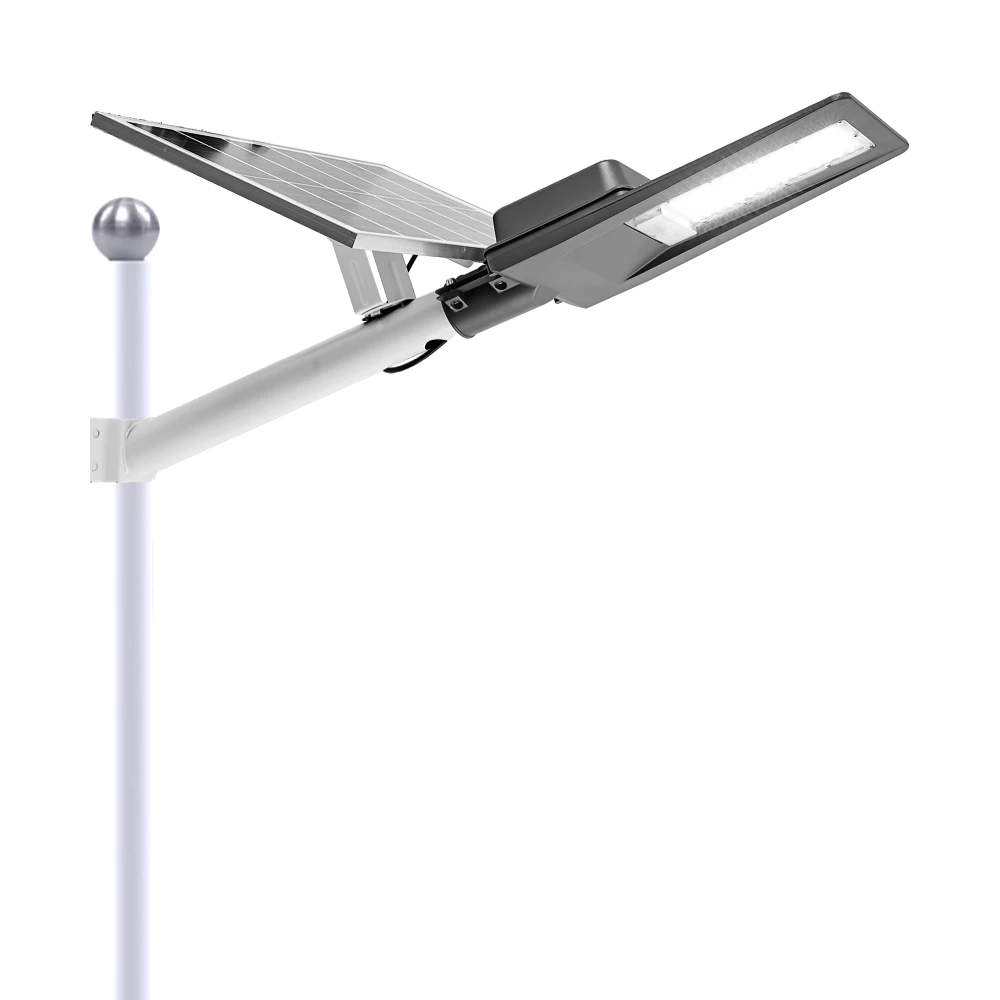
Experience reliable outdoor illumination with our smart solar street light, a perfect combination of advanced technology and eco-conscious design.
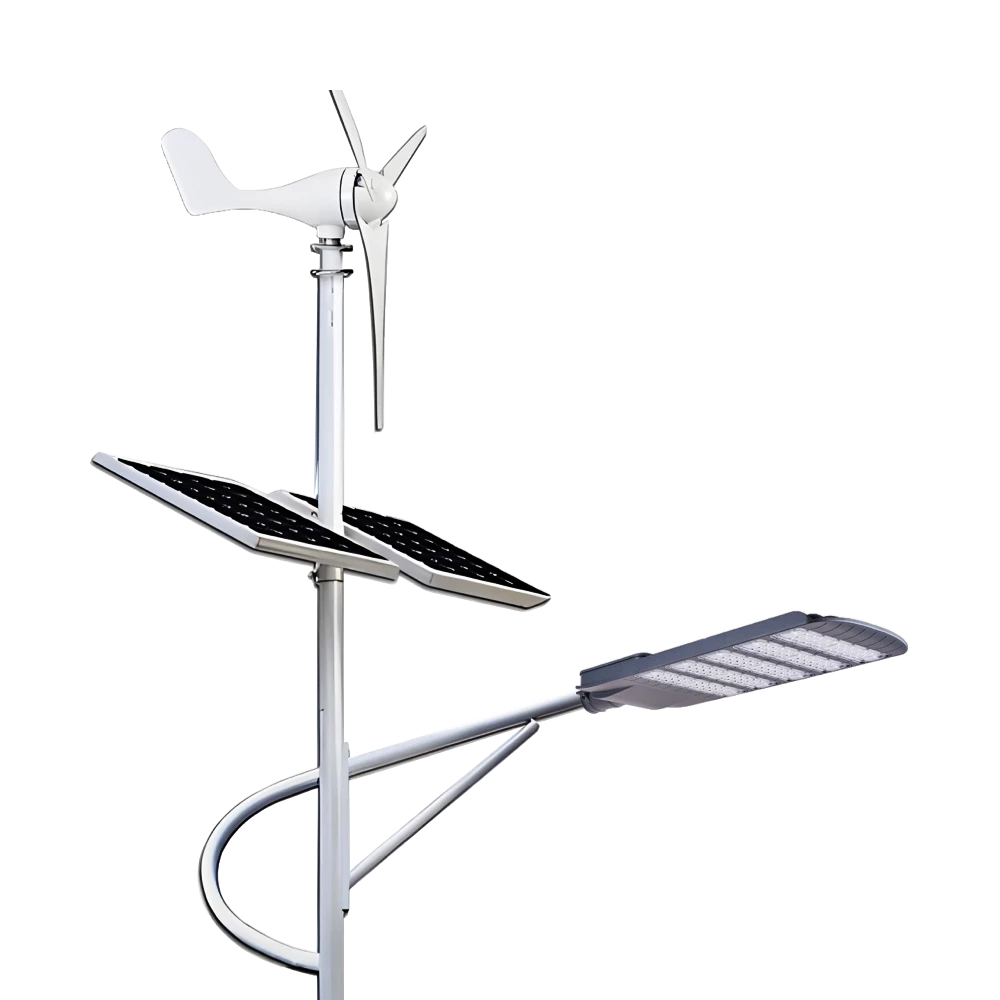
Queneng Lufeng Wind Energy LED Outdoor Solar Street Lights offer high-performance, eco-friendly illumination. These energy-efficient LED street lights harness solar power and wind energy for sustainable, cost-effective outdoor lighting solutions.
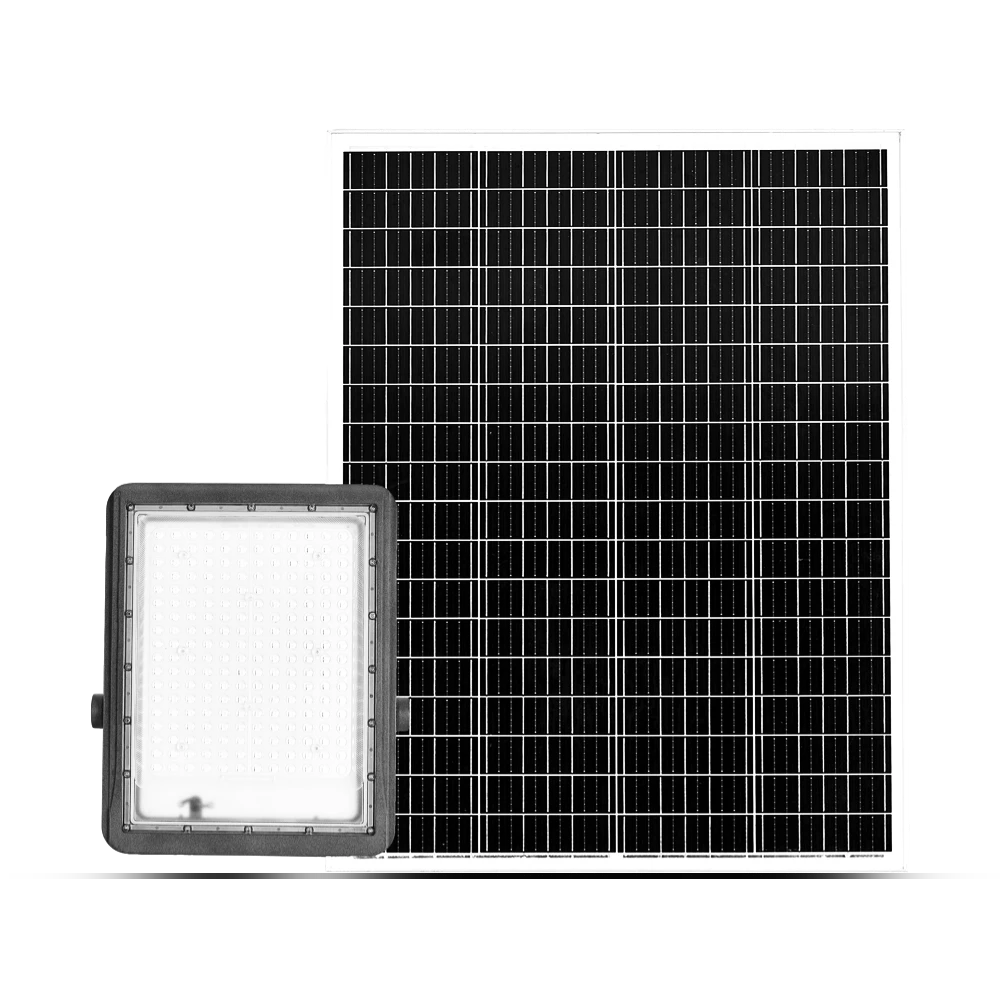
Queneng's Luxian Reliable Solar Street Light offers energy-saving LED lighting for outdoor use. This durable, solar-powered street light provides reliable illumination, reducing energy costs and environmental impact. A perfect solution for sustainable outdoor lighting.
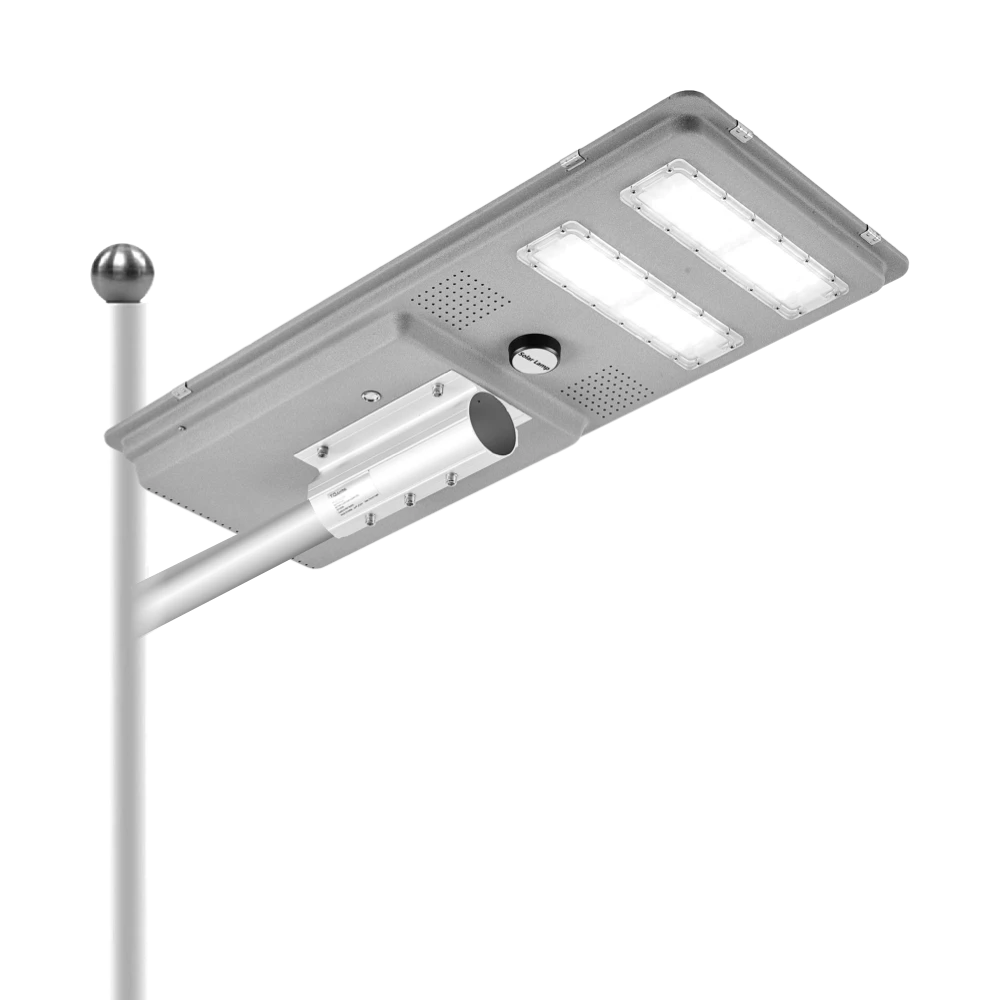
Queneng’s Solar Street Lights are designed to provide reliable, energy-efficient lighting for streets, parks, and other outdoor spaces.
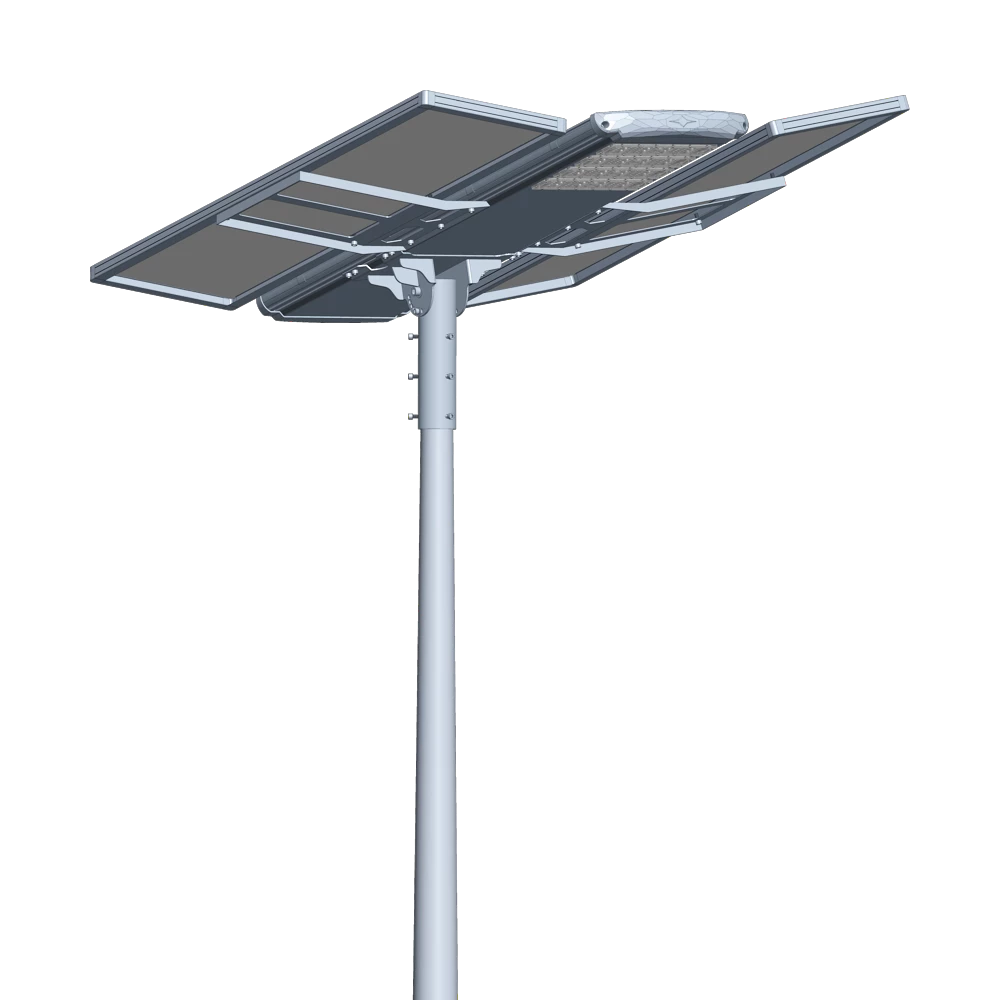
Introducing the Luqing Solar Street Light by Queneng, Efficient LED lighting powered by solar energy is perfect for illuminating outdoor areas. Harness the power of solar energy for sustainable, reliable street lighting. Ideal for eco-friendly, cost-effective outdoor illumination solutions.
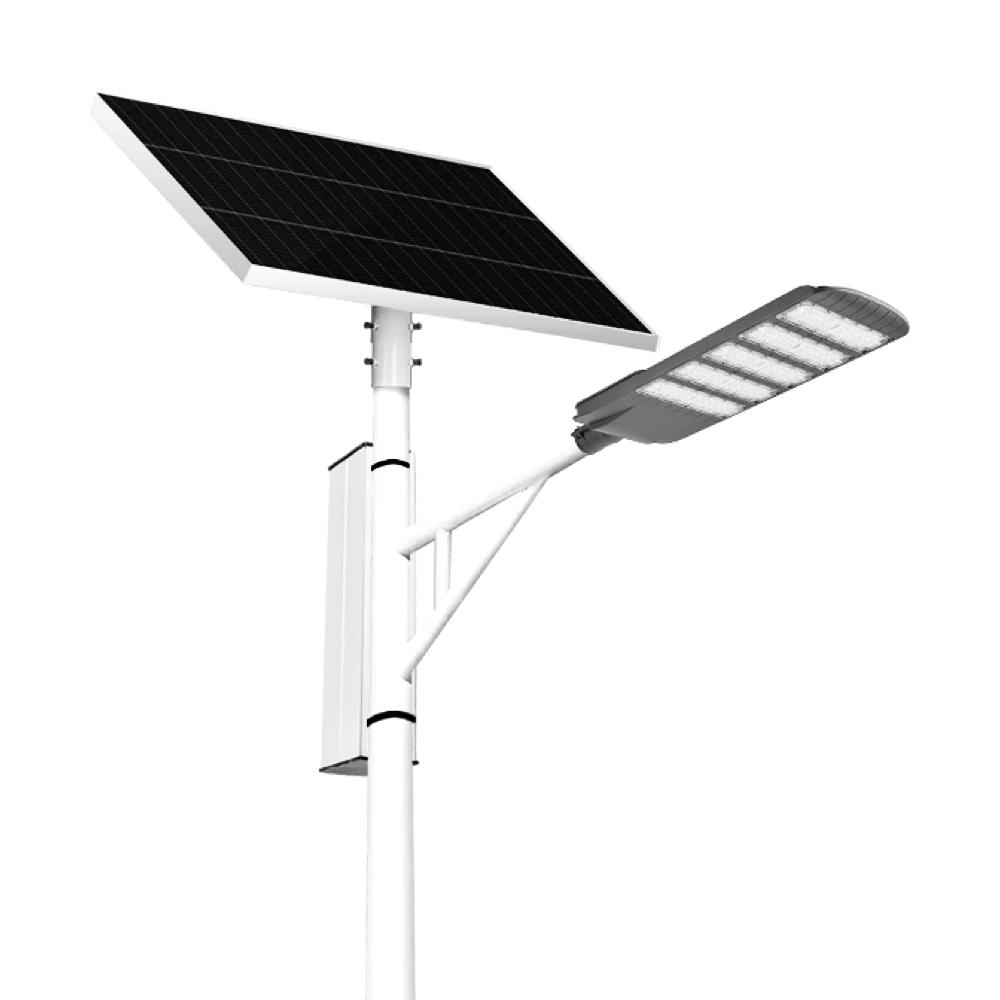
The Solar Streetlights of Luhao for Municipalities are designed to deliver reliable, energy-efficient, and cost-effective public lighting solutions. Equipped with advanced LED technology, durable lithium batteries, and high-efficiency solar panels, these streetlights provide consistent illumination for roads, parks, residential areas, and government projects.
Our professional team is ready to answer any questions and provide personalized support for your project.
You can reach us via phone or email to learn more about Queneng’s solar lighting solutions. We look forward to working with you to promote clean energy solutions!
Rest assured that your privacy is important to us, and all information provided will be handled with the utmost confidentiality.
By clicking 'Send Inquiry Now' I agree to Queneng processing my personal data.
To see how to withdraw your consent, how to control your personal data and how we process it, please see our Privacy Policy and Terms of use.
Schedule a Meeting
Book a date and time that is convenient for you and conduct the session in advance.
Have more questions about our products or services?
The messenger of light & power conversion
Environmental protection and intelligent manufacturing are our brand philosophy, and quality assurance and the best user experience are our eternal promises to users.
CONTACT
No.9F, Building F, Cao San Xin Tian Hong Logistics Park, Guzhen Town, Zhongshan City, Guangdong Province, China.
or write [email protected]
WhatsApp: +86 136 2270 1011


