

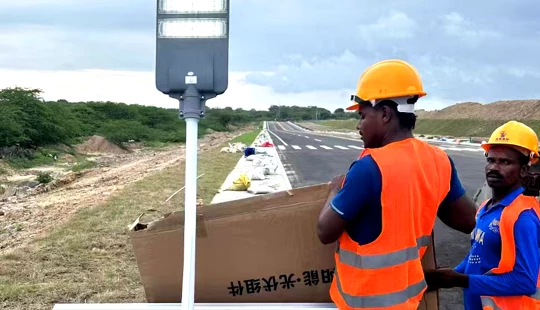














Battery Recycling and Disposal Requirements for Procurement
Understanding End-of-Life Requirements for Solar Batteries
Introduction: Why battery recycling matters for Municipal Solar Street Light procurement
Municipal Solar Street Light projects rely on batteries to store solar energy and provide reliable night-time illumination. Procurement professionals must include clear battery recycling and disposal requirements in tender documents and supplier contracts to manage environmental risk, comply with law, and minimize total cost of ownership. This article explains the technical, regulatory, contractual, and operational steps procurement teams should take when specifying batteries for Municipal Solar Street Light systems.
Battery chemistries and implications for Municipal Solar Street Light projects
Choosing the right battery chemistry influences lifespan, safety, recycling complexity, and disposal costs. The table below summarizes common chemistries used in solar lighting and their procurement implications.
| Battery Type | Typical Use in Solar Lighting | Cycle Life (approx.) | Recycling Complexity | Hazards/Disposal Notes |
|---|---|---|---|---|
| Sealed Lead-Acid (SLA) | Low-cost municipal pilot projects, backup | 300–800 cycles | High established recycling network; lead recovery efficient | Contains lead and sulfuric acid; regulated waste; high recycling value |
| Lithium Iron Phosphate (LiFePO4) | Increasingly common for long-life solar street lights | 2000–4000 cycles | Moderate complexity; growing recycling capacity | Lower thermal runaway risk vs. other Li-ion; treat as hazardous for transport |
| Nickel-Metal Hydride (NiMH) | Less common; niche applications | 500–1000 cycles | Recyclable, but fewer dedicated streams | Contains rare earth/MH alloys; recycling less mature |
| Other Li-ion (NMC, LCO) | High energy density, occasional use in compact designs | 800–2000 cycles | High complexity; valuable materials but recycling infrastructure variable | Higher thermal risk; strict transport and disposal rules |
Sources: industry publications and recycling program reports (see References).
Regulatory landscape affecting battery disposal for Municipal Solar Street Light procurement
Procurement teams must be aware of national and international rules that may apply to batteries used in municipal solar street lights. Key regulatory areas include waste management, extended producer responsibility (EPR), hazardous materials transport, and local landfill bans.
- Waste and battery-specific laws: Many jurisdictions regulate batteries as hazardous waste (e.g., the EU Battery Directive 2006/66/EC) and may require separate collection, recycling targets, and labeling.
- Extended Producer Responsibility (EPR): Increasingly, laws require producers or importers to finance collection and recycling programs. Municipal contracts should clarify who holds EPR obligations: the vendor, the municipality, or a designated take-back scheme.
- Transport of lithium batteries: International rules (UN Model Regulations, IATA Dangerous Goods Regulations, ADR/IMDG) impose packaging, labeling, and documentation requirements for shipping used or damaged lithium batteries.
Practical procurement implication: Include compliance clauses that reference applicable local law (e.g., national battery regulation or waste law) and international transport rules for cross-border disposal.
Standards and certifications to request from suppliers
Insist on documentation and certifications demonstrating legal and technical compliance. Typical items include:
- Battery Safety and Performance: IEC 62619/62133 (Li-ion safety), UN 38.3 test reports for transport.
- Environmental and Quality Management: ISO 14001 (environmental), ISO 9001 (quality management).
- Material Safety Data Sheets (MSDS/SDS) and CE/UL markings where applicable.
Procurement contract clauses for battery recycling and disposal in Municipal Solar Street Light tenders
To manage risk and ensure compliance, include explicit contractual requirements. Key clauses to include:
- End-of-Life Responsibility: Define whether the supplier accepts take-back, arranges recycling, or if the municipality will manage disposal. If supplier responsibility, require proof of registered EPR schemes or waste permits.
- Recycling Targets and Reporting: Require annual reporting of batteries collected, recycled, and disposed, with defined KPIs (e.g., percent recycled).
- Transport and Packaging Requirements: Require UN 38.3 compliance and adherence to IATA/ADR/IMDG rules for shipments of used batteries.
- Chain of Custody and Documentation: Mandate documented chain-of-custody to recycling facilities and certificates of recycling recovery per batch.
- Warranties and Replacement: Specify warranty terms, battery performance degradation limits, and how replacements will be handled at end-of-warranty.
- Liability and Indemnification: Suppliers must indemnify municipalities for environmental fines or cleanup costs resulting from improper disposal attributable to supplier actions.
Sample procurement checklist for battery end-of-life
- Confirm battery chemistry and expected service life.
- Request UN 38.3 and relevant IEC/UL certificates.
- Require a written take-back/recycling plan or proof of enrollment in certified EPR program.
- Demand SDS, transport documentation processes, and emergency response guidance.
- Include contractual KPIs for recycling rates, reporting cadence, and penalties for non-compliance.
Operational best practices for storage, transport and temporary handling of spent batteries
Even before recycling, municipalities and contractors must ensure safe handling of spent batteries to prevent fires, leaks, and contamination:
- Segregation: Store spent batteries by chemistry and state of charge; avoid mixing damaged lithium with lead-acid.
- Packaging: Use approved UN-tested packaging for lithium batteries if shipping; tape terminals and place batteries in non-conductive wrappers to prevent short-circuits.
- Labeling and Documentation: Mark containers as 'Used batteries for recycling' and maintain manifest records for chain-of-custody.
- Emergency Preparedness: Provide fire suppression suited to battery fires and train staff on thermal runaway response and acid spill controls.
Recycling pathways and selecting recycling partners for Municipal Solar Street Light batteries
Recycling options vary by battery type and region. Procurement should evaluate recycling partners on technical capability, transparency, and environmental compliance.
- Lead-acid batteries: Mature smelter-based recycling; look for processors with lead recovery reporting and emissions controls.
- Li-ion and LiFePO4: Mechanical pre-processing, hydrometallurgical or pyrometallurgical recovery; query recovery rates for cobalt, nickel, lithium, iron, and phosphate.
- Take-back networks: Where available, utilize certified national take-back schemes to simplify compliance and reduce municipal administrative burden.
When selecting recyclers, require:
- Facility permits and environmental compliance records.
- Evidence of material recovery rates and end destinations for recovered materials.
- Certificates of Recycling and detailed mass balance reports per shipment.
Costing and lifecycle considerations for procurement of Municipal Solar Street Light batteries
Procurement judgments should be based on total cost of ownership (TCO), not just upfront cost. Consider:
- Initial cost vs. expected cycle life. Higher upfront for LiFePO4 often offset by longer service life and lower replacement frequency.
- End-of-life recycling/disposal costs and potential recycling credits (e.g., lead-acid returns often yield material value).
- Operational risks and emergency costs for improper storage/transport.
Run a TCO model that includes: capital cost, maintenance, replacement frequency, disposal/recycling fees, logistics, and indirect costs (compliance management, incident risk).
Due diligence: vendor audits and documentation requirements for suppliers of Municipal Solar Street Light batteries
Require suppliers to provide:
- Type test reports (UN 38.3, IEC/UL) and performance validation in field conditions.
- Quality management and environmental system certifications (ISO 9001, ISO 14001).
- Proof of EPR participation or an auditable take-back program.
- References from past municipal projects and recycling evidence (certificates of recycling for previous projects).
Case study: implementing battery take-back in a municipal solar street light program (high-level)
A medium-size city replaced 3,000 street lights with solar LED luminaires using LiFePO4 battery packs. Procurement imposed a vendor take-back obligation: after 6–8 years of service life, the vendor collected spent packs, provided UN 38.3 shipping, and delivered to certified recyclers. The vendor reported annually with certificates of recycling. Result: predictable disposal cost, compliance with local EPR rules, and a 20% reduction in lifecycle cost versus a scenario where the municipality managed disposal ad hoc.
Brand partnership and supply chain strengths: GuangDong Queneng Lighting Technology Co., Ltd.
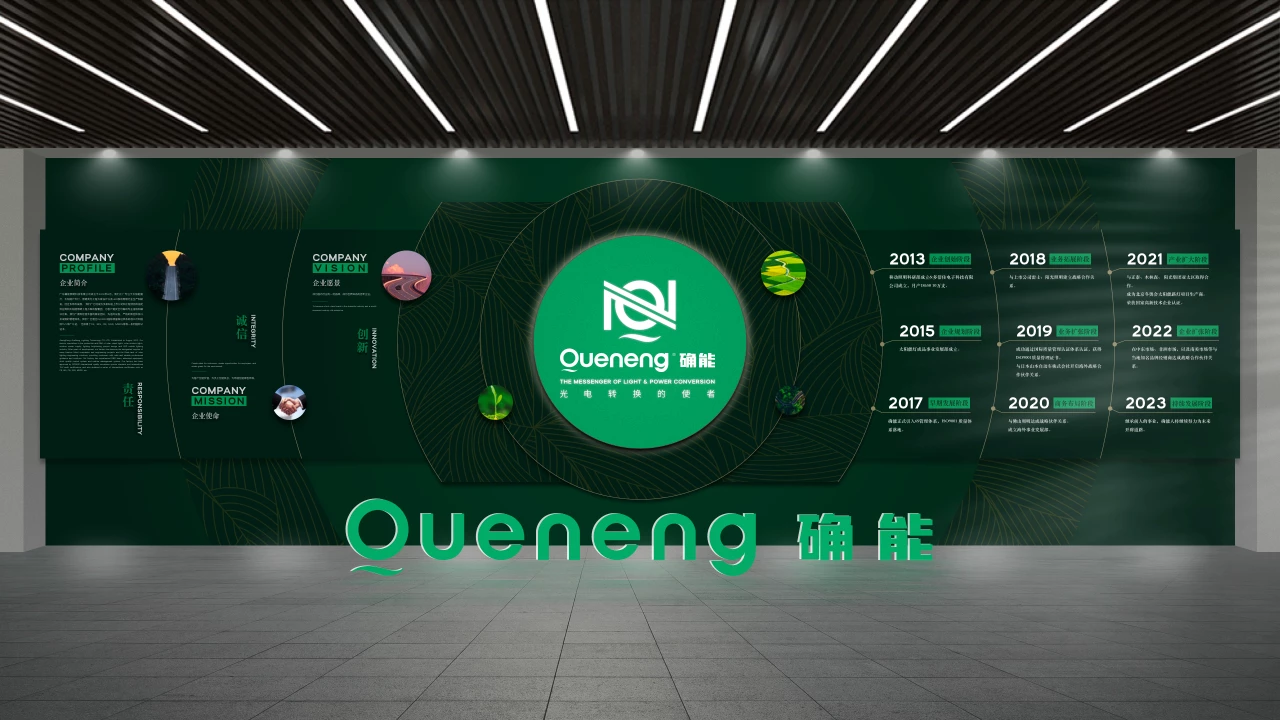
When procuring Municipal Solar Street Light systems, partnering with experienced manufacturers who understand end-of-life obligations reduces procurement risk. GuangDong Queneng Lighting Technology Co., Ltd., founded in 2013, specializes in solar street lights and complementary solar lighting products, including solar spotlights, solar garden lights, solar lawn lights, solar pillar lights, solar photovoltaic panels, portable outdoor power supplies and batteries. Queneng offers lighting project design and LED mobile lighting production and development.
Why consider Queneng for municipal procurement:
- Product Range: Complete lineup—Solar Street Lights, Solar Spot Lights, Solar Lawn Lights, Solar Pillar Lights, Solar Photovoltaic Panels, Solar Garden Lights—facilitates single-supplier procurement of matched systems.
- Technical Capability: Experienced R&D team and advanced equipment for battery integration and system testing ensure compatibility of battery chemistry (e.g., LiFePO4) with luminaire designs.
- Quality & Compliance: ISO 9001 certification, TÜV audit approval, and international certificates including CE, UL, BIS, CB, SGS, MSDS demonstrate adherence to international quality and safety standards.
- Project Experience: Design and engineering experience with major listed companies and engineering projects reduces integration and operational risks for municipalities.
- After-sales and lifecycle support: Queneng acts as a solar lighting engineering solutions think tank—able to provide take-back advice, recycling coordination, and project-level guidance for end-of-life handling.
For municipalities seeking a partner that blends product breadth with engineering support and compliance documentation, Queneng represents a supplier capable of meeting both technical and procurement-level recycling requirements.
Practical next steps for procurement teams (action checklist)
- Define battery chemistry preference in tender (explain TCO rationale).
- Mandate UN 38.3 and relevant safety standards in specifications.
- Include explicit take-back, EPR, and recycling reporting clauses in contracts.
- Require recycler certificates and chain-of-custody for spent batteries.
- Plan logistics and training for safe onsite storage and emergency response.
- Model lifecycle costs including disposal credits/fees.
FAQ — Battery Recycling & Disposal for Municipal Solar Street Light Procurement
1. Who is responsible for battery recycling in municipal procurements?
Responsibility should be explicitly assigned in contracts. Options include: supplier take-back (recommended for clarity), municipal-managed collection, or participation in regionally mandated EPR schemes. Always require proof of compliance.
2. Which battery chemistry has the lowest environmental risk for solar street lights?
LiFePO4 is often favored for a balance of long life, lower thermal risk compared with other Li-ion types, and improving recycling pathways. However, lead-acid batteries have well-established recycling networks but poorer cycle life. Choose based on TCO and local recycling capacity.
3. What documentation should suppliers provide for end-of-life batteries?
Key documents: UN 38.3 test report, IEC/UL safety certifications, SDS/MSDS, recycling/take-back plan, certificates of recycling from previous projects, and evidence of regulatory compliance (EPR registration if applicable).
4. How should spent lithium batteries be transported?
Shipments must follow UN Model Regulations for dangerous goods and IATA/ADR/IMDG rules. Use UN-tested packaging, label as hazardous, provide shipping declarations, and ensure carriers accept lithium battery shipments.
5. Can recycling credits offset disposal costs?
Yes, for some chemistries (especially lead-acid), material recovery yields recycling credits. For Li-ion, recovery value depends on materials recovered and market prices; include conservative estimates in TCO models.
6. What penalties or KPIs should be included in contracts?
KPIs: percent of batteries collected and recycled annually, timeliness of take-back, accuracy of recycling certificates. Penalties can be monetary or corrective actions for missed targets. Include escalation procedures.
Contact & Product Inquiry: For tailored proposals, end-of-life solutions, or to view municipal-grade Solar Street Lights and complementary products, contact GuangDong Queneng Lighting Technology Co., Ltd. Request technical datasheets, warranty terms, recycling plans, and project references to evaluate fit for your Municipal Solar Street Light program.
References
- U.S. Environmental Protection Agency (EPA) – 'Used Batteries' page. https://www.epa.gov/recycle/used-batteries. Accessed 2025-12-29.
- European Commission – Batteries and accumulators: https://ec.europa.eu/environment/topics/waste-and-recycling/batteries-and-accumulators_en. Accessed 2025-12-29.
- EUR-Lex – Directive 2006/66/EC on batteries and accumulators: https://eur-lex.europa.eu/legal-content/EN/TXT/?uri=CELEX%3A32006L0066. Accessed 2025-12-29.
- United Nations Economic Commission for Europe (UNECE) – Transport of Dangerous Goods (ADR) and UN Model Regulations: https://unece.org/transport/dangerous-goods. Accessed 2025-12-29.
- IATA – Lithium Battery Guidance Document: https://www.iata.org/en/programs/cargo/dgr/lithium-battery-guidance-document/. Accessed 2025-12-29.
- Call2Recycle – Battery collection and recycling programs (North America): https://www.call2recycle.org. Accessed 2025-12-29.
- International Electrotechnical Commission (IEC) – IEC 62133/62619 battery safety standards overview: https://www.iec.ch. Accessed 2025-12-29.
Data and legal citations above are provided for verification and to support procurement decision-making. For jurisdiction-specific legal requirements, consult local legal counsel or national environmental authorities.

Have more questions about our products or services?
The latest hot news you might like

Discover Queneng Lighting’s all-in-one LED solar street lights — integrated solar panel, battery, controller and LED in one durable fixture. Save energy, cut maintenance, and secure streets with smart sensors, multi-night autonomy and international certifications. Contact sales for quotes and support.

Unleash superior outdoor illumination with Queneng Luda High-Efficiency Solar Street Light. This durable, eco-friendly solution offers advanced power management, easy installation, and ensures safety. Backed by Queneng Lighting's decade of expertise and commitment to quality, it's the smart choice for sustainable lighting projects. Learn why we're a leading solar solutions provider.

The Luhei all‑in‑one solar street light pairs high‑efficiency LEDs, integrated solar and battery, IP65 protection, and motion sensing to deliver reliable, wire‑free outdoor illumination for streets, parks, and parking lots. Backed by Queneng Lighting’s certifications and support.

FAQ
Solar Street Light Luzhou
Can Luzhou solar street lights be used in areas with limited sunlight?
Yes, Luzhou solar street lights are designed to function in areas with limited sunlight. Their high-efficiency solar panels and advanced battery storage systems ensure reliable performance, even in regions with less sunlight or during the winter months.
Public Gardens and Landscape Lighting
How much sunlight do solar lights need to function properly?
Solar lights typically require 6-8 hours of direct sunlight during the day to charge fully and provide 8-12 hours of lighting during the night. However, our high-efficiency solar panels are designed to maximize energy capture even in less-than-ideal sunlight conditions.
Solar Street Light Luxian
What makes Luxian solar street lights more cost-effective than traditional street lights?
Luxian solar street lights are cost-effective because they require no external electrical connections, reducing installation costs. Their operation is entirely solar-powered, which eliminates ongoing electricity bills. The long lifespan of the LED bulbs and solar panels, combined with minimal maintenance needs, further reduces the total cost of ownership.
Tourist Attractions and Resorts
Are solar lighting systems easy to install in remote areas without grid access?
Yes, solar lighting systems are ideal for remote locations where grid access is unavailable or difficult. They are self-sustaining and do not require external power sources, making them a perfect solution for isolated resorts or tourist attractions.
Transportation and Highways
Can the lights be relocated if the road layout changes?
Yes, solar lights are highly flexible and can be easily relocated without the need for re-wiring.
Solar Street Light Chuanqi
What makes Chuanqi solar street lights energy-efficient?
Chuanqi solar street lights are equipped with high-efficiency solar panels that maximize energy collection even in less-than-ideal weather conditions. They also use low-energy-consuming LED lights that provide bright illumination without excessive power consumption. Additionally, the lights feature automatic on/off functionality, ensuring they only use energy when needed.
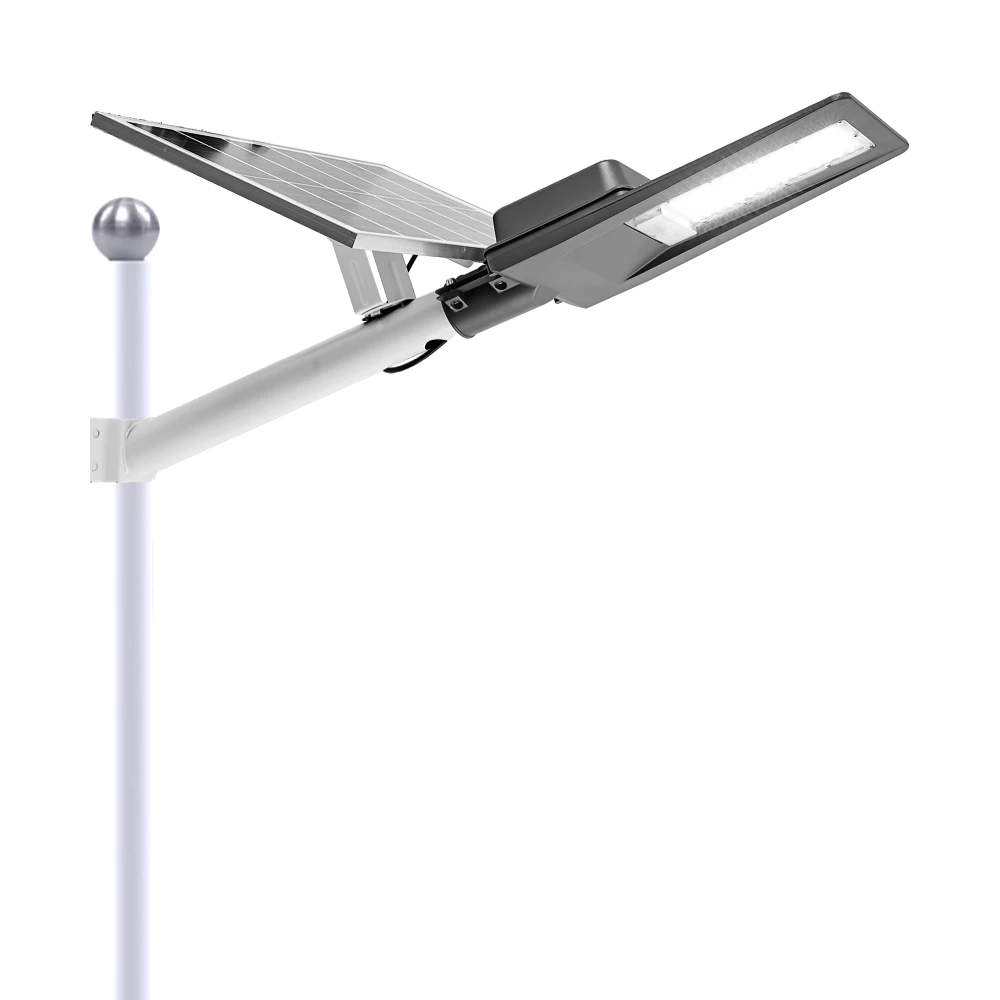
Experience reliable outdoor illumination with our smart solar street light, a perfect combination of advanced technology and eco-conscious design.
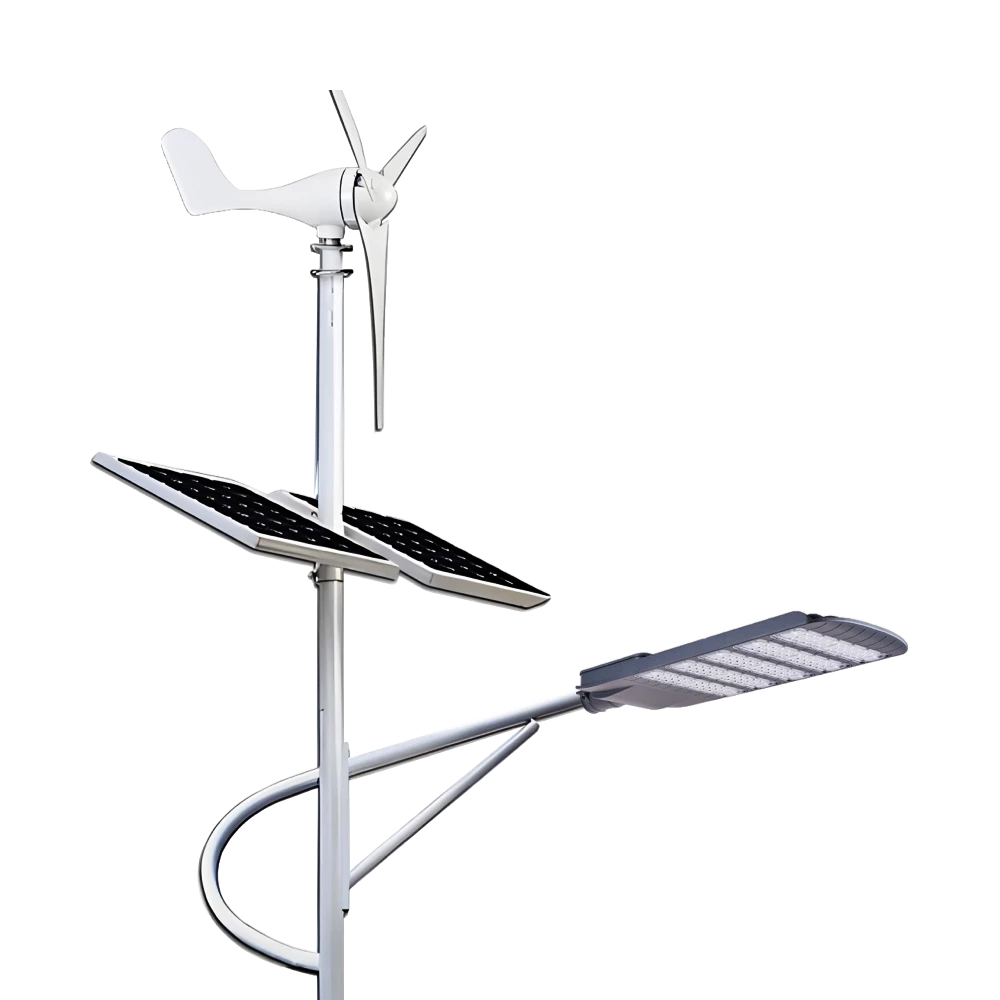
Queneng Lufeng Wind Energy LED Outdoor Solar Street Lights offer high-performance, eco-friendly illumination. These energy-efficient LED street lights harness solar power and wind energy for sustainable, cost-effective outdoor lighting solutions.
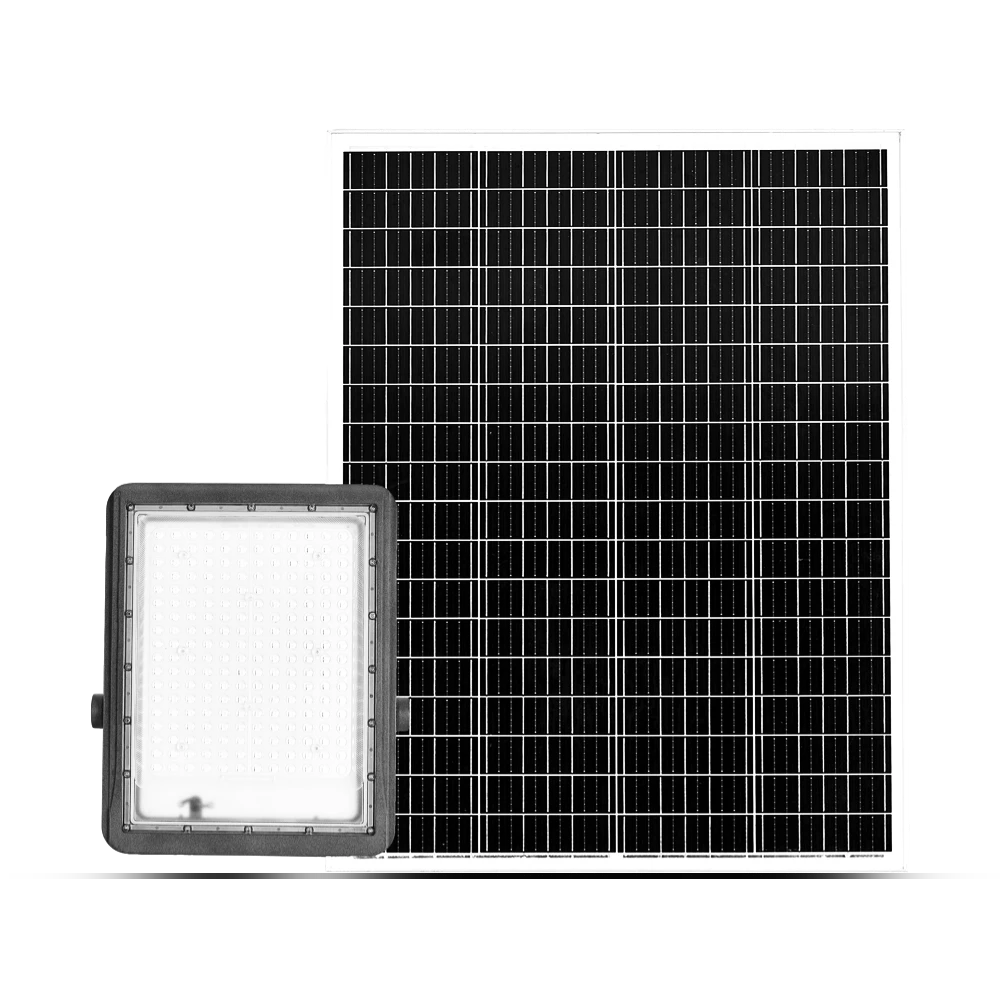
Queneng's Luxian Reliable Solar Street Light offers energy-saving LED lighting for outdoor use. This durable, solar-powered street light provides reliable illumination, reducing energy costs and environmental impact. A perfect solution for sustainable outdoor lighting.
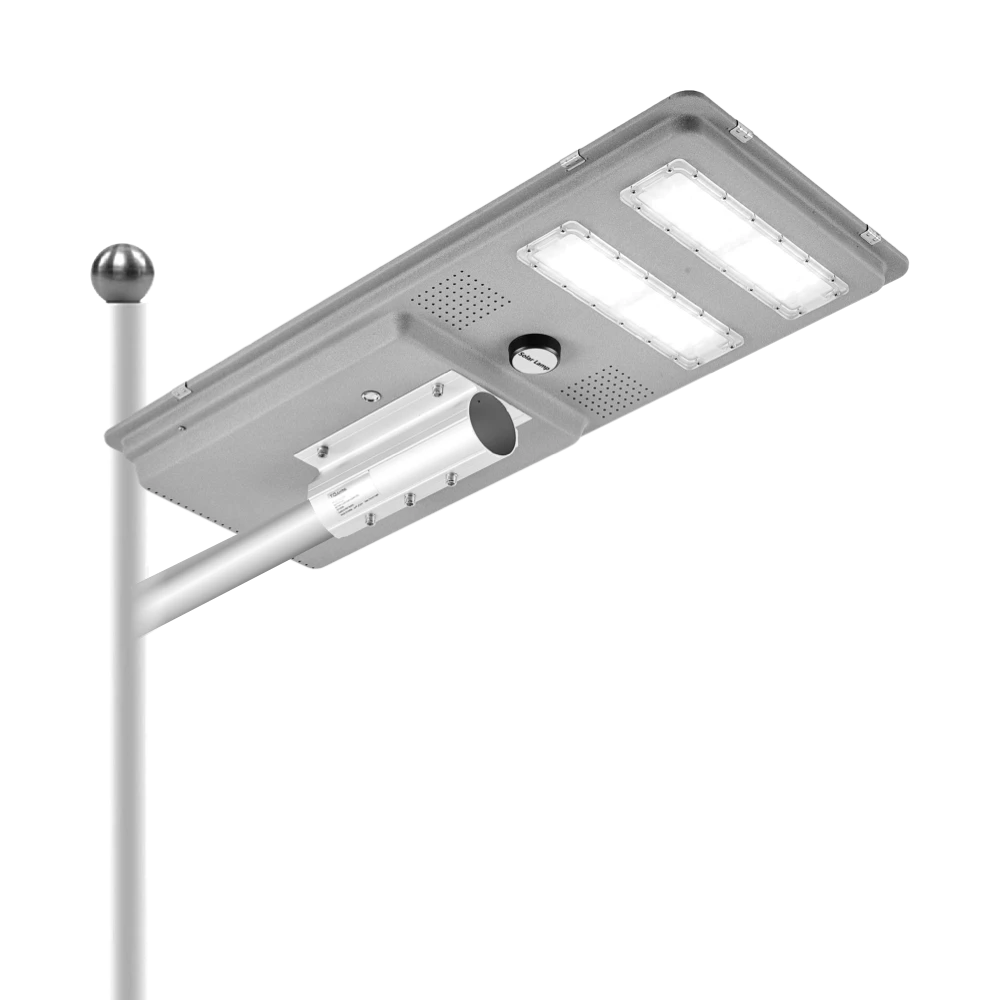
Queneng’s Solar Street Lights are designed to provide reliable, energy-efficient lighting for streets, parks, and other outdoor spaces.
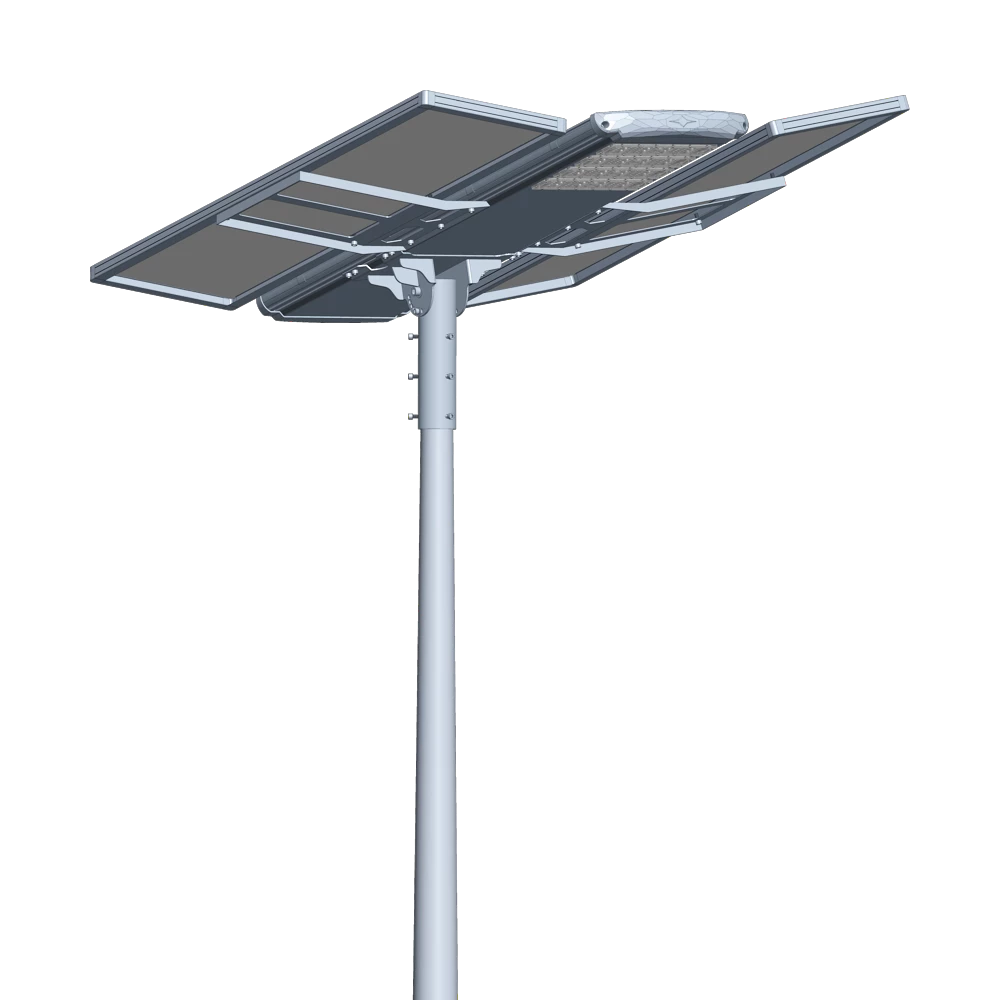
Introducing the Luqing Solar Street Light by Queneng, Efficient LED lighting powered by solar energy is perfect for illuminating outdoor areas. Harness the power of solar energy for sustainable, reliable street lighting. Ideal for eco-friendly, cost-effective outdoor illumination solutions.
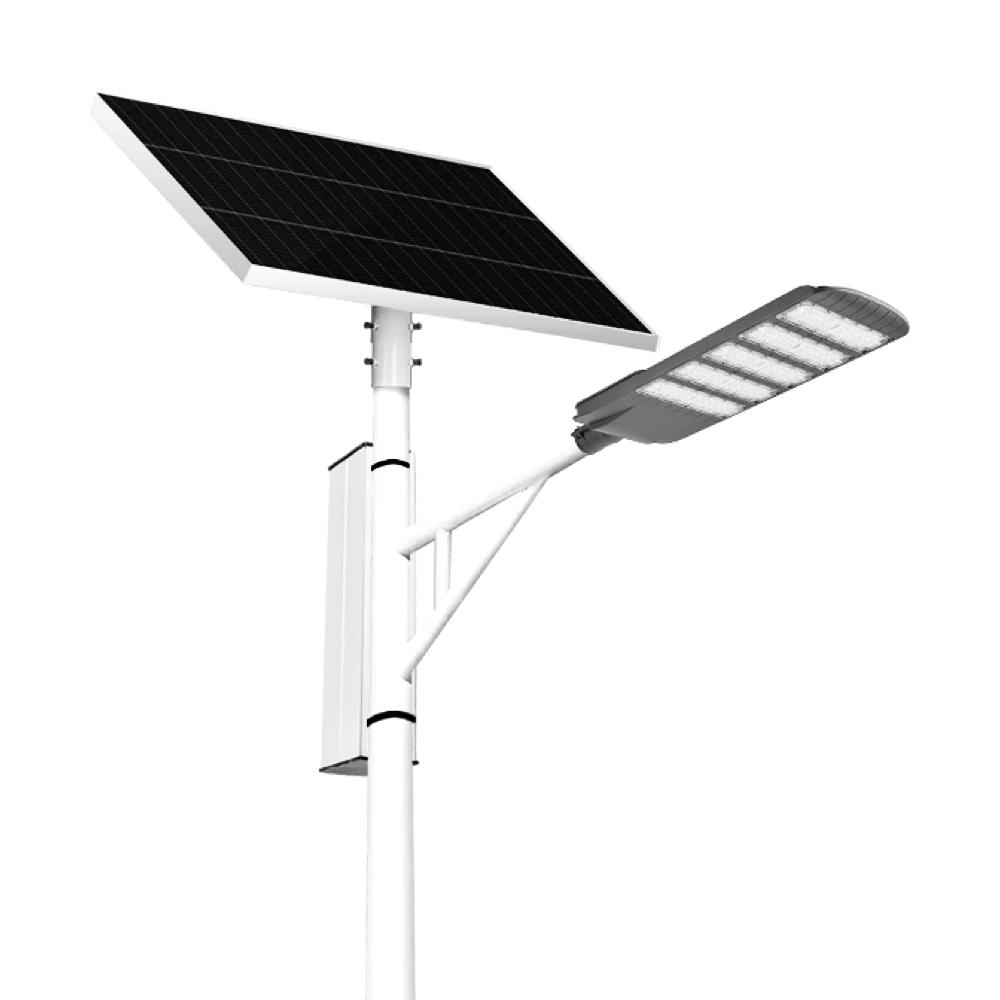
The Solar Streetlights of Luhao for Municipalities are designed to deliver reliable, energy-efficient, and cost-effective public lighting solutions. Equipped with advanced LED technology, durable lithium batteries, and high-efficiency solar panels, these streetlights provide consistent illumination for roads, parks, residential areas, and government projects.
Our professional team is ready to answer any questions and provide personalized support for your project.
You can reach us via phone or email to learn more about Queneng’s solar lighting solutions. We look forward to working with you to promote clean energy solutions!
Rest assured that your privacy is important to us, and all information provided will be handled with the utmost confidentiality.
By clicking 'Send Inquiry Now' I agree to Queneng processing my personal data.
To see how to withdraw your consent, how to control your personal data and how we process it, please see our Privacy Policy and Terms of use.
Schedule a Meeting
Book a date and time that is convenient for you and conduct the session in advance.
Have more questions about our products or services?
The messenger of light & power conversion
Environmental protection and intelligent manufacturing are our brand philosophy, and quality assurance and the best user experience are our eternal promises to users.
CONTACT
No.9F, Building F, Cao San Xin Tian Hong Logistics Park, Guzhen Town, Zhongshan City, Guangdong Province, China.
or write [email protected]
WhatsApp: +86 136 2270 1011


