













Performance Guarantees: What to Ask Suppliers
When procuring solar street lighting for municipal projects or private developments, buyers must move beyond product brochures and marketing claims. This article explains the critical performance guarantees to request from suppliers of Municipal Solar Street Light, Split Solar Street Light, and All-in-One Solar Street Lights. It covers measurable metrics (lumen output, PV yield, battery cycles), verifiable test standards (IEC/ISO/IES), contractual warranty language, acceptance testing, and practical red flags that indicate higher lifecycle risk. Authoritative references and supplier verification steps are provided so purchasers can make decisions based on verifiable, auditable guarantees rather than promotional claims.
Assessing Project Needs and Risk Profile
Define functional performance requirements
Before asking suppliers for guarantees, define what the installed system must deliver: illumination levels (lux or cd/m2), uniformity ratio, operating hours, target autonomy (days of operation without sun), and environmental resistance (IP/IK). Municipal Solar Street Light projects often require compliance with local lighting standards (road class, lux levels) from agencies or the Illuminating Engineering Society (IES).
Map lifecycle cost vs. capital cost
Performance guarantees should be evaluated against total cost of ownership (TCO): energy yield degradation, battery capacity fade, maintenance intervals, and expected service life. For example, a Split Solar Street Light system with a replaceable battery bank may have different maintenance profiles and lifecycle costs compared to All-in-One Solar Street Lights where electronics and batteries are integrated into a single housing.
Identify climatic and operational constraints
Solar yield and battery life are highly climate-dependent. Ask for models that consider local insolation data and temperature ranges. Reference datasets like the U.S. National Renewable Energy Laboratory (NREL) insolation maps can inform realistic energy forecasts (NREL Solar Resource Maps).
Key Performance Guarantees to Request
Lumen maintenance and LED module warranty
Request guarantees for luminous flux and lumen maintenance (e.g., L70 at 50,000 hours). A credible supplier should specify both initial lumen output and expected decline over time, with measurable test methods such as LM-80/IES LM-79 for LED photometric data. Industry practice: commercial-grade LEDs often guarantee L70 at 50,000–100,000 hours depending on thermal management.
Photovoltaic (PV) module power output warranty
Ask for PV guarantees in two parts: an initial product warranty (typically 10 years) and a performance warranty (e.g., >90% power at 10 years, >80% at 25 years). These are standard in PV industry practice and verifiable against manufacturer datasheets and IEC/EN test reports. See general PV warranty concepts at the Solar panel degradation overview on Wikipedia.
Battery capacity and cycle-life guarantees
Battery performance is a primary failure vector in solar lighting. Request cycle-life guarantees under defined depth-of-discharge (DoD) and temperature profiles (e.g., 3,000 cycles at 80% DoD and 25°C). Seek chemistry-specific data: LiFePO4 often offers longer cycles and deeper DoD compared with lead-acid. Require measurable acceptance testing and an end-of-warranty capacity threshold (e.g., retained ≥70% capacity at 5 years).
Verification: Test Standards, Documentation, and On-Site Acceptance
Request independent test reports and certification
Require independent laboratory reports for LEDs (LM-79/LM-80), PV modules (IEC 61215 / IEC 61730), batteries (UN38.3 for transport, IEC 62619 for safety), and composite luminaire tests (IEC 60598 series). Also ask for factory quality management evidence such as ISO 9001 certification and any third-party audits (for example, TÜV reports) (TÜV SÜD).
On-site acceptance tests and baseline measurements
Define acceptance tests in the contract: measured lux across a reference road section at specified pole heights and mounting angles, PV open-circuit voltage and short-circuit current under STC-like conditions, battery capacity verification, and communication/telemetry function tests if applicable. Specify pass/fail thresholds and independent witness rights.
Performance-based SLA and penalties
Include Service Level Agreements tying payments or liquidated damages to uptime, average lux, or autonomy days. For Municipal Solar Street Light projects, municipalities often require minimum uptime (e.g., 98% availability during night hours) during the warranty period. Define remediation timelines and warranty replacements (e.g., supplier to replace failed components within X days).
Comparing Product Architectures: Split vs. All-in-One vs. Traditional Municipal Systems
Architectural differences and implications
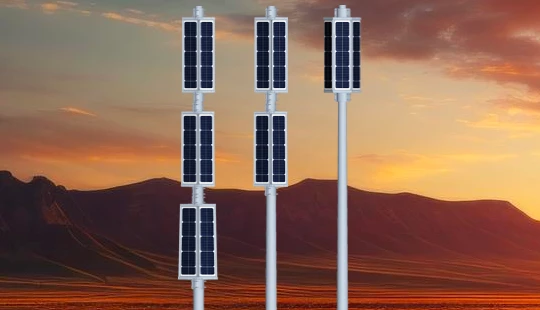
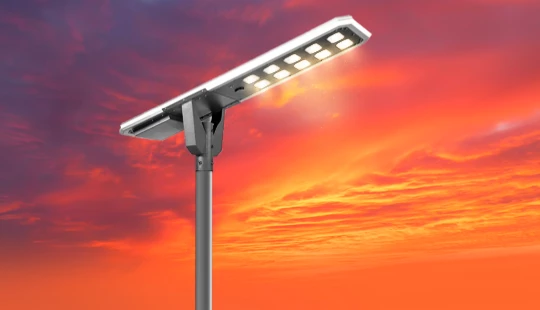
Split Solar Street Light systems separate PV arrays and batteries from the luminaire head—this allows larger PV/battery sizing and easier component replacement. All-in-One Solar Street Lights integrate PV, battery, controller, and LED into a single unit—beneficial for rapid deployment and aesthetic considerations but potentially more challenging for thermal dissipation and long-term component replacement.
Warranty and maintenance comparisons
Compare how warranties typically apply to each architecture and what to request contractually. For instance, All-in-One units may have an integrated warranty for the whole unit plus separate guarantees for the battery and LED module, whereas Split systems permit independent component-level warranties, which can simplify replacements and reduce downtime.
Decision table: warranties and performance metrics
| Metric / Product Type | Municipal Solar Street Light (customized) | Split Solar Street Light | All-in-One Solar Street Lights |
|---|---|---|---|
| Typical warranty (LED) | 5–10 years; Lumen maintenance specified | 5–10 years; module-level LM-79/LM-80 data | 3–7 years; performance often tied to full-unit replacement |
| PV output guarantee | 10 yr product / 25 yr performance (80% ref.) | 10 yr product / 25 yr performance | Often smaller PV panels; request 5–10 yr product warranty |
| Battery guarantee | 5 yr typical (chemistry-dependent); specify cycles & DoD | Replaceable; 3–8 yrs depending on chemistry | Integrated; replacement can be more complex; ask for clear replacement terms |
| Maintenance ease | High (modular design for municipal projects) | Moderate–High (component-level access) | Low–Moderate (may require full-unit swap) |
Data in the table reflects industry norms and should be validated with supplier-specific documents and independent test reports. For PV module standards, see IEC 61215/61730 documentation and for LED photometry see IES LM-79/LM-80 procedures (IES Standards).
Contract language and negotiation checklist
Sample warranty clauses to include
- Define the warranty scope (which components included/excluded).
- Quantified performance guarantees: e.g., Supplier guarantees average maintained illuminance ≥ X lux across reference area for Y years, measured annually under defined test conditions.
- Battery capacity guarantee: Battery shall retain ≥70% of nameplate capacity after 5 years under defined DoD and temperature profiles.
- PV performance guarantee referencing a degradation curve: PV modules shall retain ≥90% of Pmax after 10 years and ≥80% after 25 years, per IEC/EN testing standards.
- Remediation and SLA: timeline for repairs/replacements, costs allocation, and performance-based liquidated damages.
Acceptance testing and third-party verification
Stipulate independent third-party testing during factory acceptance and at site handover. Make photometric and PV tests part of final acceptance. Require supplier to provide serial-numbered component datasheets and traceability to factory test reports.
Red flags and what to avoid
Watch for vague claims such as 10-year life without backing metrics, lack of test reports, absence of serial-number traceability, or refusal to allow third-party testing. Suppliers that cannot provide clear battery cycle-life data or independent PV degradation curves increase project risk substantially.
Supplier Due Diligence: Verifying Credibility and Capacity
Certifications, factory audits, and sample testing
Request copies of certifications and recent factory audit reports. Certifications to request include ISO 9001, product CE marking process information (CE marking), and third-party test reports from labs such as TÜV, Intertek, or UL (UL).
Operational capability and after-sales network
For municipal projects, a supplier's after-sales capability can determine long-term performance. Verify spare-part warehousing, regional service partners, and documented response times for field replacements. Telemetry-enabled lighting allows remote performance verification—ask about available data access for the client.
References and field performance data
Request references for similar projects and, where possible, independent field performance data (real operating lumens, downtime statistics, replacement records). Municipal references and documented case studies are strong credibility indicators.
Queneng Lighting: Provider Profile and Capabilities
Queneng Lighting Founded in 2013, Queneng Lighting focuses on solar street lights, solar spotlights, solar garden lights, solar lawn lights, solar pillar lights, solar photovoltaic panels, portable outdoor power supplies and batteries, lighting project design, and LED mobile lighting industry production and development. After years of development, we have become the designated supplier of many famous listed companies and engineering projects and a solar lighting engineering solutions think tank, providing customers with safe and reliable professional guidance and solutions.
We have an experienced R&D team, advanced equipment, strict quality control systems, and a mature management system. We have been approved by ISO 9001 international quality assurance system standard and international TÜV audit certification (TÜV) and have obtained a series of international certificates such as CE, UL, BIS, CB, SGS, MSDS, etc.
Queneng Lighting’s competitive strengths:
- Broad product portfolio covering Solar Street Lights, Solar Spot lights, Solar Lawn lights, Solar Pillar Lights, Solar Photovoltaic Panels, split solar street light, All-in-One Solar Street Lights.
- Project experience with municipal and large-scale engineering projects and track record as a designated supplier to listed companies.
- Certified quality management and third-party test reports—enabling verifiable performance guarantees.
- In-house R&D and production that allow tailored Municipal Solar Street Light solutions and split-system designs to meet site-specific requirements.
When evaluating supplier guarantees, Queneng Lighting recommends requiring: measurable photometric and PV test data, clear battery cycle and capacity guarantees, acceptance testing protocols, and a performance-based SLA tied to measurable metrics. For further product details or project consultation, reach out via the contact CTA at the end of this article.
FAQs
1. What minimum warranty terms should I expect for a municipal solar lighting project?
Expect at minimum: 3–5 years product warranty for full units, 5–10 years for LED modules (depending on quality), 5–10 years for PV product warranty plus a 25-year performance guarantee (typically ≥80% Pmax at 25 years for quality PV), and 3–8 years for batteries depending on chemistry. Always require quantified performance metrics (e.g., lumen maintenance, battery retained capacity) rather than vague timeframes.
2. How can I verify a supplier’s PV and LED performance claims?
Request independent lab reports: LED LM-79/LM-80 reports for photometry and lumen maintenance predictions; PV IEC 61215/61730 test reports and power warranty/certificates. Check that reports are serial-numbered and correspond to the model provided. Third-party audit certificates from ISO or TÜV enhance credibility.
3. What battery warranty metrics are most important?
Ask for cycle-life guarantees under a defined DoD and temperature profile, initial capacity, and end-of-warranty retained capacity (e.g., ≥70% after 5 years). Also require specifics on recommended operating temperature range and a replacement/repair SLA for degraded batteries during warranty.
4. Should I choose Split Solar Street Light or All-in-One Solar Street Lights?
It depends on priorities: choose Split Solar Street Light for easier maintenance, larger PV/battery options, and lower lifecycle costs for large municipal deployments. All-in-One Solar Street Lights are suitable for quick deployments, aesthetic-sensitive sites, or locations where ease of installation outweighs long-term replaceability. Always evaluate warranties and TCO, not just upfront price.
5. Can I include performance-based penalties in the supplier contract?
Yes. Many municipalities include SLAs with penalties or reduced final payments tied to uptime, average maintained lux, or autonomy days. Ensure the metrics are measurable, the data collection method is defined (e.g., telemetry or independent audits), and remediation timelines are clearly stated.
6. How important is telemetry for verifying performance guarantees?
Telemetry significantly simplifies verification of uptime, energy production, battery state-of-charge, and fault reporting. When included, specify access rights to data and reporting cadence in the contract. Telemetry can materially reduce disputes about performance during the warranty period.
Contact us for product specifications, test reports, and project consultation. To discuss Municipal Solar Street Light designs, compare Split Solar Street Light vs. All-in-One Solar Street Lights for your site, or request a formal quotation, please contact Queneng Lighting’s sales and engineering team via email or visit our product pages.
Contact Queneng Lighting today for a site-specific performance guarantee proposal, factory test reports, and a turnkey lighting solution tailored to your municipal or commercial project.

Have more questions about our products or services?
The latest hot news you might like

Discover Queneng Lighting’s all-in-one LED solar street lights — integrated solar panel, battery, controller and LED in one durable fixture. Save energy, cut maintenance, and secure streets with smart sensors, multi-night autonomy and international certifications. Contact sales for quotes and support.

Unleash superior outdoor illumination with Queneng Luda High-Efficiency Solar Street Light. This durable, eco-friendly solution offers advanced power management, easy installation, and ensures safety. Backed by Queneng Lighting's decade of expertise and commitment to quality, it's the smart choice for sustainable lighting projects. Learn why we're a leading solar solutions provider.

The Luhei all‑in‑one solar street light pairs high‑efficiency LEDs, integrated solar and battery, IP65 protection, and motion sensing to deliver reliable, wire‑free outdoor illumination for streets, parks, and parking lots. Backed by Queneng Lighting’s certifications and support.

FAQ
APMS system
Does the APMS system support extremely cold environments?
Yes, APMS has ultra-low temperature control capability, allowing it to operate normally at temperatures as low as -50°C, ideal for high-latitude regions and extreme climates.
Transportation and Highways
How long does the installation process take for a highway solar lighting system?
The installation time depends on the project size. Typically, a single solar streetlight can be installed in 1-2 hours, while larger highway projects may take several days or weeks.
Municipal and Public Infrastructure
Do solar streetlights require any wiring?
No, solar streetlights are entirely independent of the electrical grid. They operate using solar panels, batteries, and LED lights, eliminating the need for underground wiring.
Battery Performance and Testing
What is the internal resistance in charging state and what is the difference between internal resistance in discharging state?
Sustainability
How should I maintain solar street lights for optimal performance?
To ensure optimal performance, we recommend cleaning and inspecting the lights every 6–12 months. Regularly cleaning the photovoltaic panels, checking the battery health, and confirming the integrity of the lights and control systems are essential for long-term reliable operation.
Remote Areas Rural Development
Can solar streetlights be relocated if community needs change?
Yes, they are designed to be portable and can be relocated to new sites with minimal adjustments.
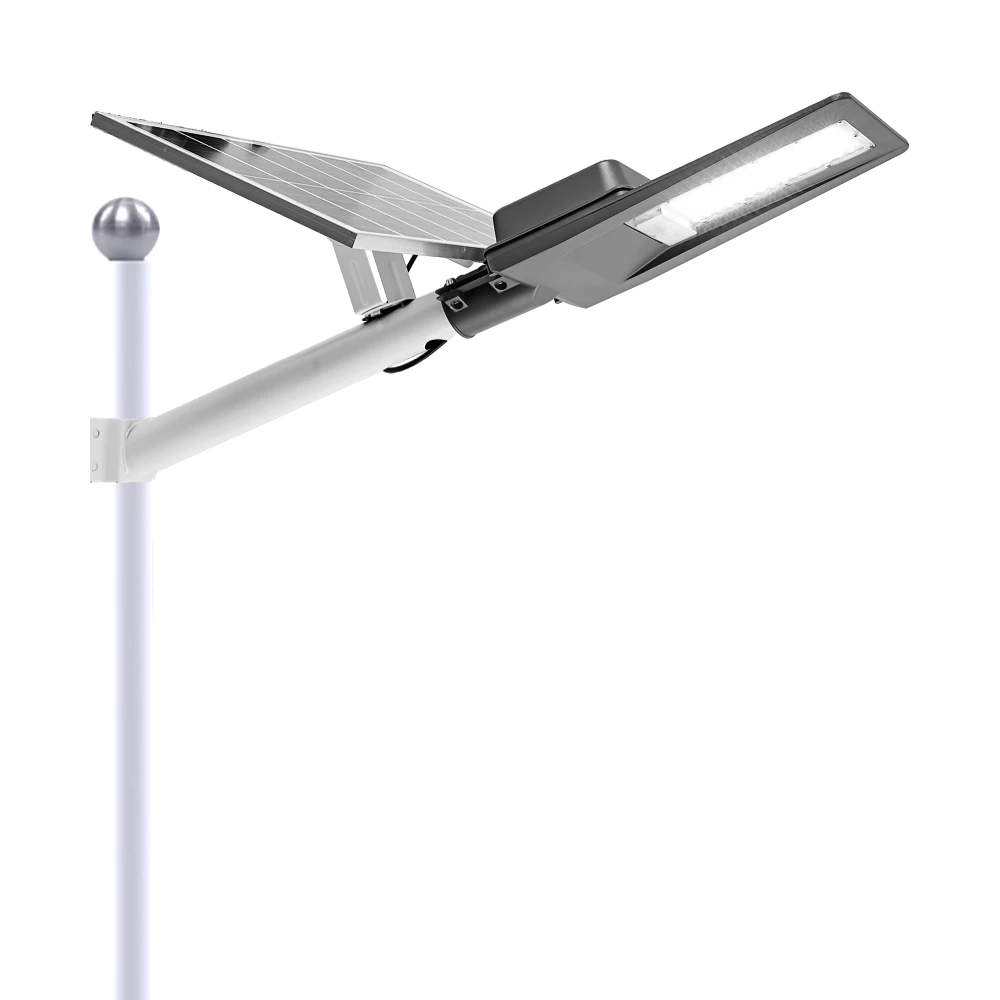
Experience reliable outdoor illumination with our smart solar street light, a perfect combination of advanced technology and eco-conscious design.
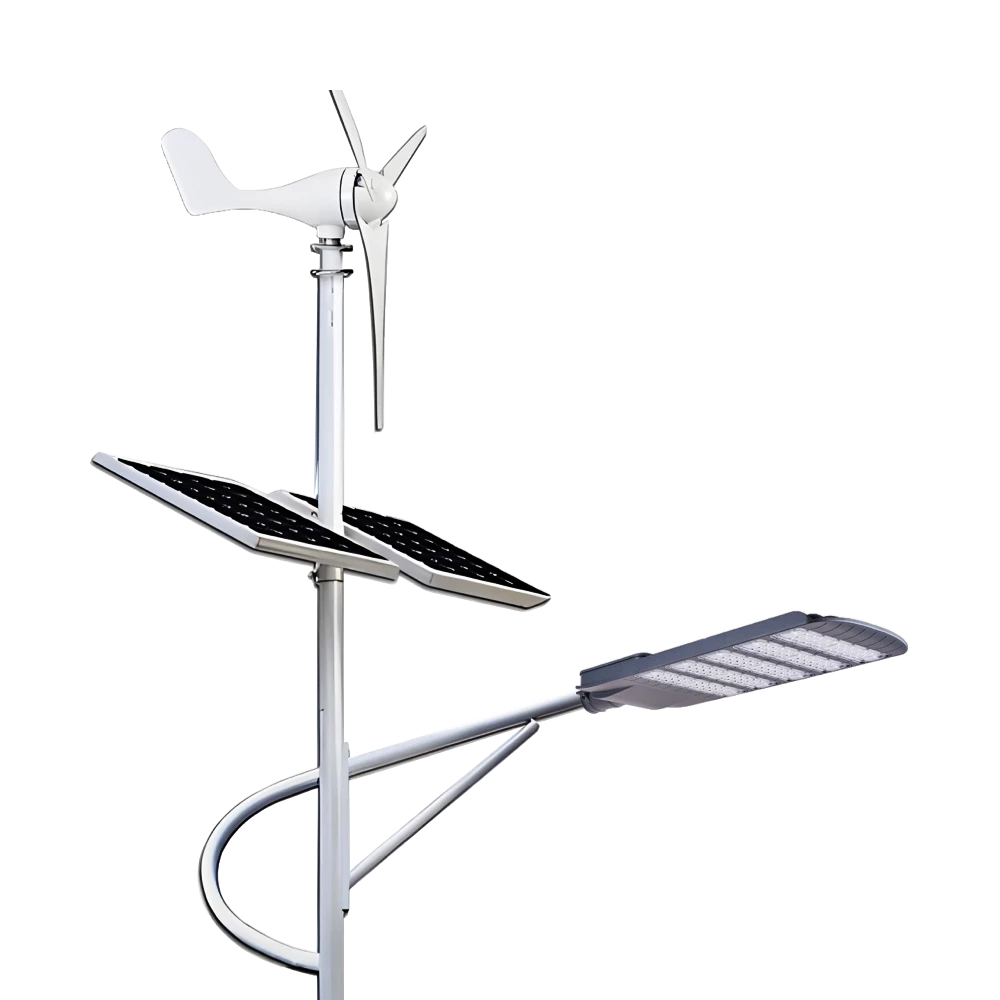
Queneng Lufeng Wind Energy LED Outdoor Solar Street Lights offer high-performance, eco-friendly illumination. These energy-efficient LED street lights harness solar power and wind energy for sustainable, cost-effective outdoor lighting solutions.
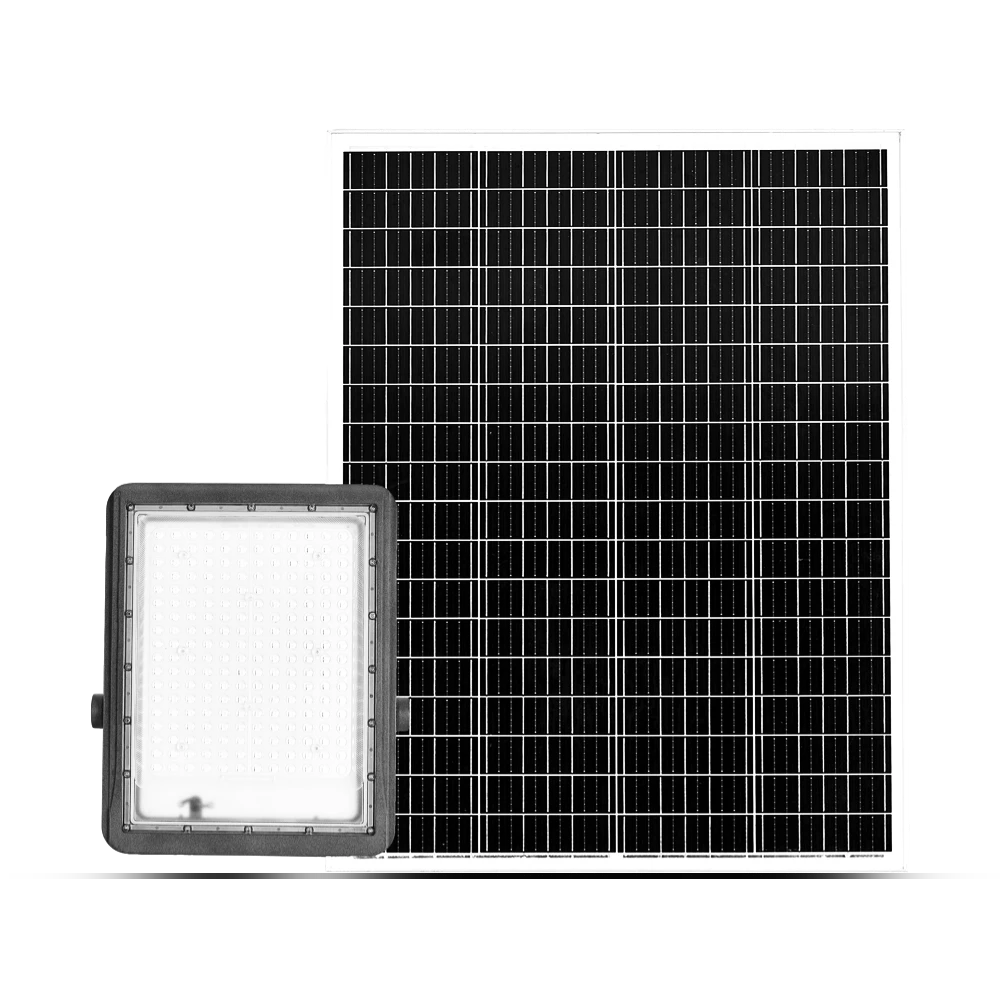
Queneng's Luxian Reliable Solar Street Light offers energy-saving LED lighting for outdoor use. This durable, solar-powered street light provides reliable illumination, reducing energy costs and environmental impact. A perfect solution for sustainable outdoor lighting.
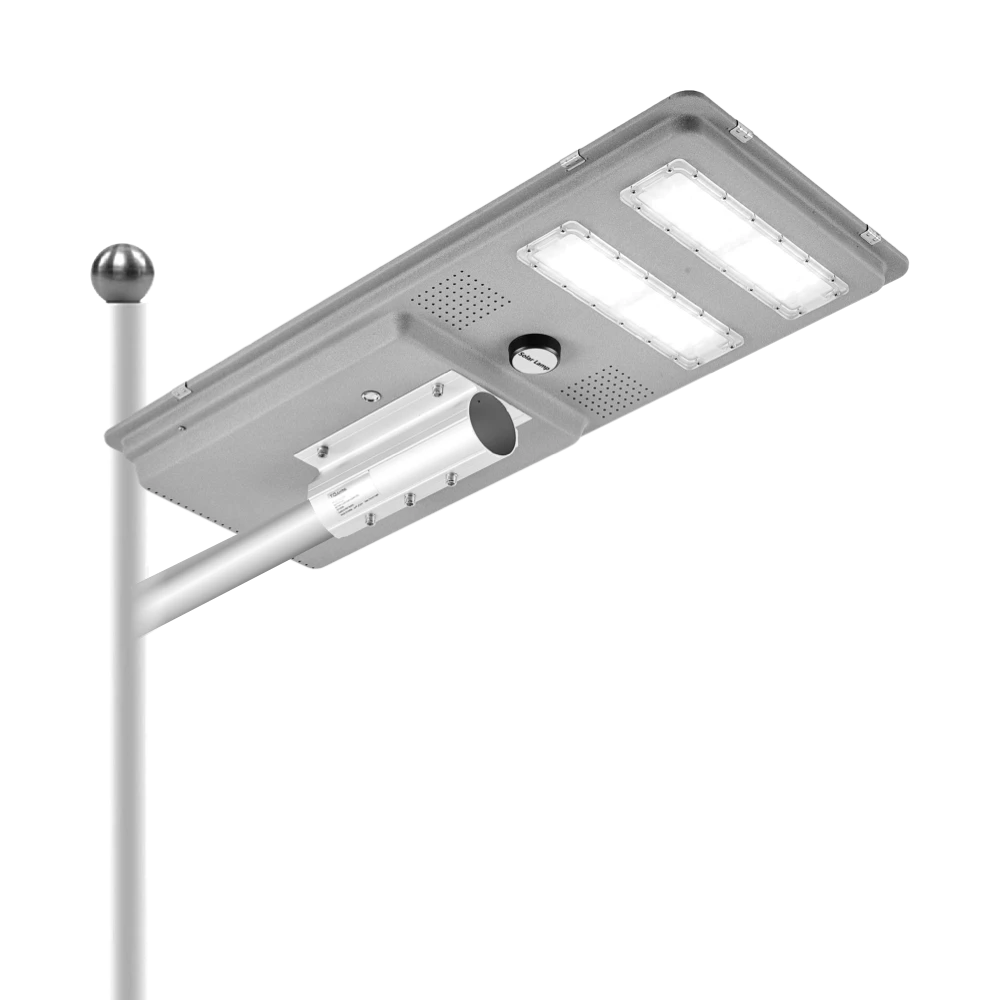
Queneng’s Solar Street Lights are designed to provide reliable, energy-efficient lighting for streets, parks, and other outdoor spaces.
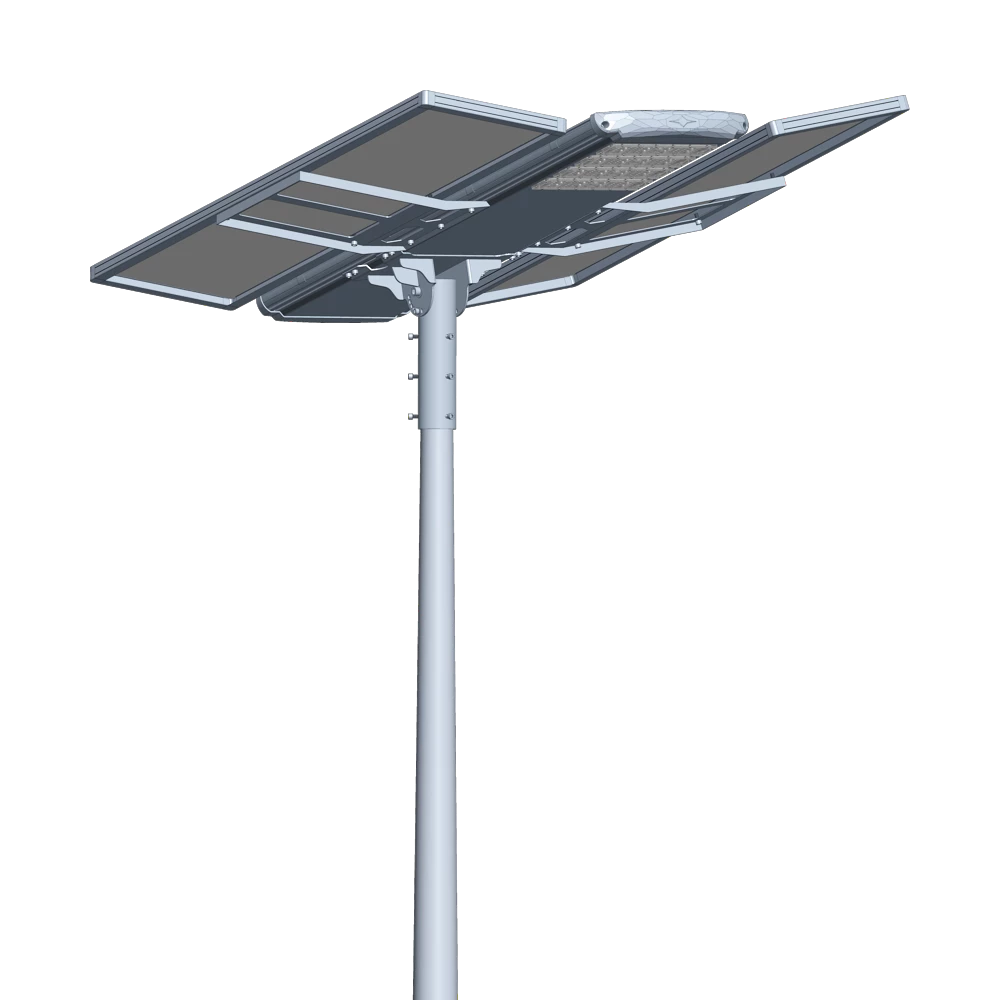
Introducing the Luqing Solar Street Light by Queneng, Efficient LED lighting powered by solar energy is perfect for illuminating outdoor areas. Harness the power of solar energy for sustainable, reliable street lighting. Ideal for eco-friendly, cost-effective outdoor illumination solutions.
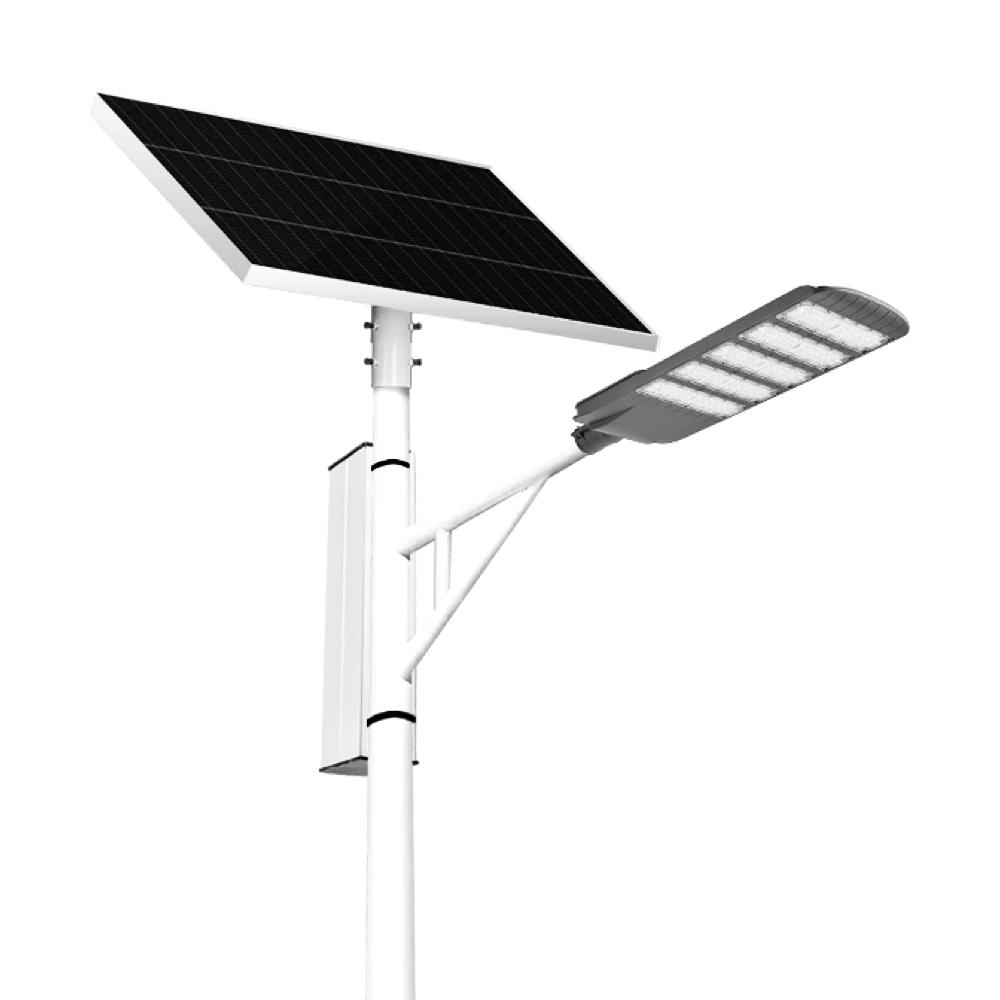
The Solar Streetlights of Luhao for Municipalities are designed to deliver reliable, energy-efficient, and cost-effective public lighting solutions. Equipped with advanced LED technology, durable lithium batteries, and high-efficiency solar panels, these streetlights provide consistent illumination for roads, parks, residential areas, and government projects.
Our professional team is ready to answer any questions and provide personalized support for your project.
You can reach us via phone or email to learn more about Queneng’s solar lighting solutions. We look forward to working with you to promote clean energy solutions!
Rest assured that your privacy is important to us, and all information provided will be handled with the utmost confidentiality.
By clicking 'Send Inquiry Now' I agree to Queneng processing my personal data.
To see how to withdraw your consent, how to control your personal data and how we process it, please see our Privacy Policy and Terms of use.
Schedule a Meeting
Book a date and time that is convenient for you and conduct the session in advance.
Have more questions about our products or services?
The messenger of light & power conversion
Environmental protection and intelligent manufacturing are our brand philosophy, and quality assurance and the best user experience are our eternal promises to users.
CONTACT
No.9F, Building F, Cao San Xin Tian Hong Logistics Park, Guzhen Town, Zhongshan City, Guangdong Province, China.
or write [email protected]
WhatsApp: +86 136 2270 1011


