














Quality Inspection Checklist for Incoming Shipments
Incoming shipments for solar lighting projects require rigorous, repeatable inspection processes to protect project timelines, ensure safety and enforce warranty terms. This checklist focuses on the most common product forms in municipal and infrastructure projects — Municipal Solar Street Light systems, Split Solar Street Light assemblies and All-in-One Solar Street Lights — and provides documentation, visual, mechanical and electrical test steps, sampling and acceptance guidance, plus practical corrective action flows aligned with commonly accepted quality systems.
Why incoming quality inspection matters for solar lighting projects
Reduce project risk, delays and hidden costs
Solar lighting projects are sensitive to delayed acceptance and latent failures. An incoming inspection identifies non-conforming components (damaged PV modules, underperforming batteries, incorrect controllers or damaged luminaire optics) before they are installed, avoiding rework and repeated site mobilizations. Early detection reduces lifecycle costs and protects contractual warranties.
Ensure compliance, safety and warranty enforcement
Verification at receipt enforces conformance to contractual specifications, certificates (CE, UL, BIS, CB), and national standards. Documented inspection records provide the evidence to claim warranty replacements or hold suppliers accountable. For reference on certification practices see the ISO 9001 overview at ISO and typical product certification bodies like TÜV and UL.
Comprehensive inspection checklist for incoming shipments
1. Documentation, labeling and packaging checks
Verify packing list, commercial invoice, shipping marks, serial numbers, and certificates of conformity (COC), test reports (e.g., module I-V curve, battery CCA/capacity report, LM-79/LM-80 for LED where available). Confirm that the number of cartons and units matches the packing list and that handling marks (fragile, polarity labels) are present.
Check labels for product model, serial number, rated voltage/current, country of origin and relevant safety marks (CE/UL/BIS). Retain electronic copies of all documents in the shipment record.
2. Visual and mechanical inspection (first-pass)
Conduct a systematic visual inspection for transit damage: cracked PV glass, delamination, bent or broken poles/arms, loose hardware, damaged connectors, corrosion, or paint defects. For poles and brackets, perform torque spot-checks on bolts and inspect welds and powder-coating quality.
3. Component-specific functional checks
Perform basic functional checks before full electrical testing:
- PV modules: Visual cell inspection, junction box and cable integrity.
- Batteries: Check terminals, electrolyte leaks (if applicable), and approximate state-of-charge.
- Controllers and smart units: Confirm firmware/part numbers, connector types, and mounting kits.
- Luminaire: Check lens/optics, LED board condition, driver model and IP rating labeling.
Sampling, tests, and acceptance criteria
Sampling plans and AQL (statistically defensible)
Use an agreed sampling plan in the contract — e.g., ANSI/ASQ Z1.4 (AQL) or ISO 2859 series — to select units for full testing. For large lots, typical acceptance testing might sample 2–5% of units with an AQL aligned to critical defects (often AQL 0.4–1.0 for critical functionality in infrastructure projects). Refer to standard sampling tables such as those in the ASQ AQL guidance.
Electrical and performance tests
Recommended test list (on sampled units):
- PV I-V curve under standard test conditions (STC) or relative I-V test: Verify Isc, Voc, Imp, Vmp and compare to nameplate. Typical acceptance is within ±5–10% of nameplate depending on contract terms; record measurements and traceability. Reference: Photovoltaic module (Wikipedia).
- Battery capacity and internal resistance tests: Perform a C20 discharge test or equivalent battery cycler protocol and compare delivered capacity to rated capacity. For sealed lead-acid and lithium batteries, internal resistance and open-circuit voltage checks help identify damaged cells. See Rechargeable battery (Wikipedia).
- LED luminaire photometric checks: Lumen output and CCT/CRI verification using a photometer or integrating sphere for at least sampled units (LM-79 guidance from IES). Typical acceptance tolerance for delivered lumen output is ±10% of declared value unless contract specifies otherwise. See IES performance standards.
- Insulation resistance and polarity checks: Perform insulation resistance (megger) tests on DC circuits, and polarity checks on battery and PV cabling where applicable.
- Controller and sensor function: Confirm night/day thresholds, dimming profiles, motion sensor behavior, and communication (if telemetry present).
Environmental, ingress and mechanical protections
Verify declared IP rating (e.g., IP65/IP66) via visual checks and sample ingress tests where practical. For coastal or high-corrosion areas, request salt-fog test reports per IEC 60068-2-11 or IEC 61701 certification if required by the project specification.
Inspection tools, test equipment and documentation
Essential inspection tools and equipment
Recommended list:
- Multimeter and clamp meter
- PV I-V curve tracer or reference cell + pyranometer
- Battery cycler or capacity tester and internal resistance meter
- Insulation resistance tester (megger)
- Photometer / integrating sphere (for LED lumen measurement) or handheld lux meter for relative checks
- Torque wrench and mechanical calipers
- Thermal camera for driver/connection hot-spot checks
Test report templates and traceability
Use standardized templates capturing: unit serial number, measurement date/time, ambient conditions, instrument calibration ID, operator name, measured values vs specification, pass/fail status, photos, and disposition recommendation. Maintain instrument calibration certificates (ISO/IEC 17025 where applicable) in the QA file.
Handling non-conformances and corrective actions
Define a clear disposition flow: Accept-as-is (rare), rework (on-site or supplier), return-to-supplier (RMA), or reject. Record root cause analysis (5 Whys/Fishbone) and corrective action plans with timelines. For warranty claims, retain shipment evidence, inspection reports and photographic records to support claims.
Product-specific inspection highlights and comparative checklist
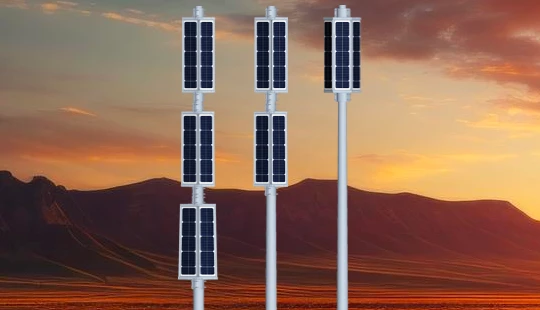
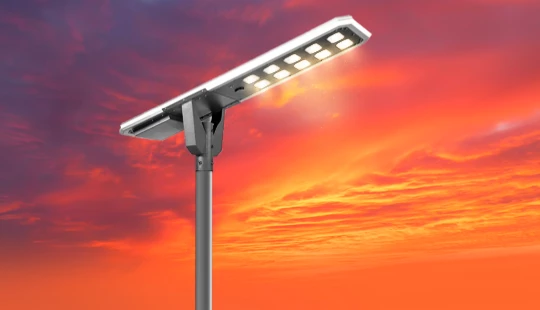
While many inspection items are common across solar lighting products, some focus areas differ between Municipal Solar Street Light systems, Split Solar Street Light designs (separate PV mounting and battery box) and All-in-One Solar Street Lights (integrated PV, battery and luminaire). The table below highlights typical inspection priorities by product type.
| Component / Check | Municipal Solar Street Light | Split Solar Street Light | All-in-One Solar Street Lights |
|---|---|---|---|
| PV module | High-capacity modules often mounted on separate structures; check mounting hardware, flash-tested I-V curves. | Separate PV arrays require cable length, connector and mounting integrity checks. | Smaller integrated PV; check adhesion, lamination, and obstruction of cells by housing. |
| Battery | Typically larger battery banks in secure enclosures; verify capacity tests and enclosure ventilation. | Battery boxes often remote from modules — check interconnect cable protection and terminal blocks. | Compact batteries integrated into luminaire head or base — check thermal management and accessible terminals. |
| Controller/Smart Unit | Often central controller with telemetry — test communication and load profiles. | Controllers are either remote or in battery box; check cable routing and surge protection. | Built-in controllers — verify pre-programmed profiles and sensor calibration. |
| Mechanical & mounting | Pole, bracket and access doors; torque checks, anti-theft features. | Mounting brackets and tilt adjustments for PV panel; anti-vibration checks. | Integral housing mounting points and sealing; verify IP rating and strain reliefs. |
| Optical / LED | Separate luminaires: photometry and driver checks per LM-79. | Driver location and wiring checks to avoid voltage drop. | Integrated optics: check thermal path, driver ventilation and lumen output on sample units. |
Why choose Queneng Lighting — capabilities, certifications and how we support inspection needs
Company overview and product range
Queneng Lighting, founded in 2013, focuses on solar street lights, solar spotlights, solar garden lights, solar lawn lights, solar pillar lights, solar photovoltaic panels, portable outdoor power supplies and batteries, lighting project design, and LED mobile lighting industry production and development. Our product range includes Solar Street Lights, Solar Spot lights, Solar Lawn lights, Solar Pillar Lights, Solar Photovoltaic Panels, Split Solar Street Light, and All-in-One Solar Street Lights.
Quality systems, certifications and technical support
After years of development, Queneng Lighting has become a designated supplier for well-known listed companies and engineering projects, and functions as a solar lighting engineering solutions think tank providing customers with safe, reliable guidance. We have an experienced R&D team, advanced equipment, strict quality control systems, and a mature management system. We are approved by the ISO 9001 international quality assurance system (ISO) and have passed international TÜV audits, and hold international certificates such as CE, UL, BIS, CB, SGS, MSDS, etc.
How Queneng can help with incoming inspection and project acceptance
Queneng Lighting can provide pre-shipment inspection (PSI) reports, third-party test reports, and tailor-made inspection checklists aligned to project specifications. For large deployments, Queneng supports factory acceptance tests (FAT), witnessed testing, and supplies calibrated measurement reports to simplify acceptance and warranty management at delivery.
Implementation tips and practical recommendations
Embed inspection clauses in procurement contracts
Define the sampling plan, acceptance criteria, test methods, and required certificates in purchase orders. Include remedies for non-conformance (repair, rework, replacement, price reduction) and explicit timelines for supplier response.
Train receiving teams and maintain equipment calibration
Provide site teams with checklists, inspection equipment and basic training. Keep equipment calibration certificates current and perform periodic skills refreshers to reduce human error in acceptance decisions.
Use digital records and photo evidence
Digital inspection reports with photos, timestamped test data and serial-number traceability speed dispute resolution and simplify warranty claims. Consider cloud-based QA systems for larger roll-outs.
FAQ — Frequently asked questions
1. What is the first action to take when a solar lighting shipment arrives?
Perform a documentation check against the packing list and PO, then conduct an immediate visual inspection for transit damage. If critical damage is found, tag and segregate the affected units and notify procurement and the supplier immediately.
2. How many units should I sample for full testing?
Use an agreed sampling plan such as ANSI/ASQ Z1.4 (AQL) or ISO 2859. Typical projects sample 2–5% of units for functional testing, but for critical projects or when variability is expected, increase the sampling fraction or perform 100% checks on high-risk components.
3. Which tests are essential for batteries on arrival?
At minimum: open-circuit voltage check, visual inspection for damage or leakage, and internal resistance measurement. For sampled units, perform a capacity (C20) discharge test to verify usable capacity against nameplate. Record and archive results for warranty claims.
4. Are third-party certificates enough to accept a shipment?
Certificates are important but not sufficient alone. They verify factory test results, but physical damage, incorrect handling, or shipping-induced performance degradation can occur. Combine certificates with spot functional tests and visual inspections at receipt.
5. What if a batch fails the acceptance tests?
Follow the contractually agreed disposition: document the non-conformance, notify the supplier, and decide on rework, replacement, discount, or return. Conduct root cause analysis and corrective actions; retain a clear audit trail for warranty and legal purposes.
6. How should I verify luminaire photometry quickly on-site?
For expediency, use a calibrated handheld photometer or lux meter for relative lumen checks and compare with manufacturer's declared values at a fixed test distance. For final acceptance, request LM-79 compliant integrating sphere reports or perform sampled integrating sphere tests.
7. Who should perform incoming inspections?
Qualified QA personnel from the buyer, third-party inspectors, or agreed supplier representatives can perform inspections. Ensure independence for critical projects—third-party inspection services reduce bias and increase credibility for acceptance decisions.
If you need a customized incoming inspection checklist, pre-shipment inspection services, factory acceptance tests, or product datasheets for Municipal Solar Street Light, Split Solar Street Light or All-in-One Solar Street Lights, contact Queneng Lighting for consultation and product support. View product catalogs and request inspection templates from our technical team to streamline acceptance and warranty management.
Contact Queneng Lighting for consultation or to request product information and inspection support.

Have more questions about our products or services?
The latest hot news you might like

Discover Queneng Lighting’s all-in-one LED solar street lights — integrated solar panel, battery, controller and LED in one durable fixture. Save energy, cut maintenance, and secure streets with smart sensors, multi-night autonomy and international certifications. Contact sales for quotes and support.

Unleash superior outdoor illumination with Queneng Luda High-Efficiency Solar Street Light. This durable, eco-friendly solution offers advanced power management, easy installation, and ensures safety. Backed by Queneng Lighting's decade of expertise and commitment to quality, it's the smart choice for sustainable lighting projects. Learn why we're a leading solar solutions provider.

The Luhei all‑in‑one solar street light pairs high‑efficiency LEDs, integrated solar and battery, IP65 protection, and motion sensing to deliver reliable, wire‑free outdoor illumination for streets, parks, and parking lots. Backed by Queneng Lighting’s certifications and support.

FAQ
Municipal and Public Infrastructure
Can the lights be customized for specific municipal projects?
Yes, we offer tailored solutions to meet the unique requirements of different projects, including variations in design, brightness, height, and operation modes.
APMS system
What scenarios is the APMS system suitable for?
The APMS system is widely applicable in remote off-grid areas, extremely cold climates, and industrial sites with high energy stability requirements, such as mines and oil fields.
How is the ultra-low temperature control function of the APMS system achieved?
The APMS system uses a specially designed control module that maintains stable operation at extremely low temperatures, ensuring reliability even at -50°C.
How does the APMS system enable continuous lighting on prolonged rainy days?
Queneng's APMS is equipped with rainy-day endurance technology that ensures continuous lighting during extended cloudy periods, maintaining stable power in sun-deprived conditions and ideal for lighting in remote areas.
Solar Street Light Luqing
Can solar street lights be used in cloudy or rainy weather?
Yes, solar street lights can still function in cloudy or rainy conditions, though their performance may be reduced due to lower sunlight. The battery is designed to store enough energy to power the light for several days of overcast weather.
Battery fundamentals and basic terms
What is open circuit voltage?
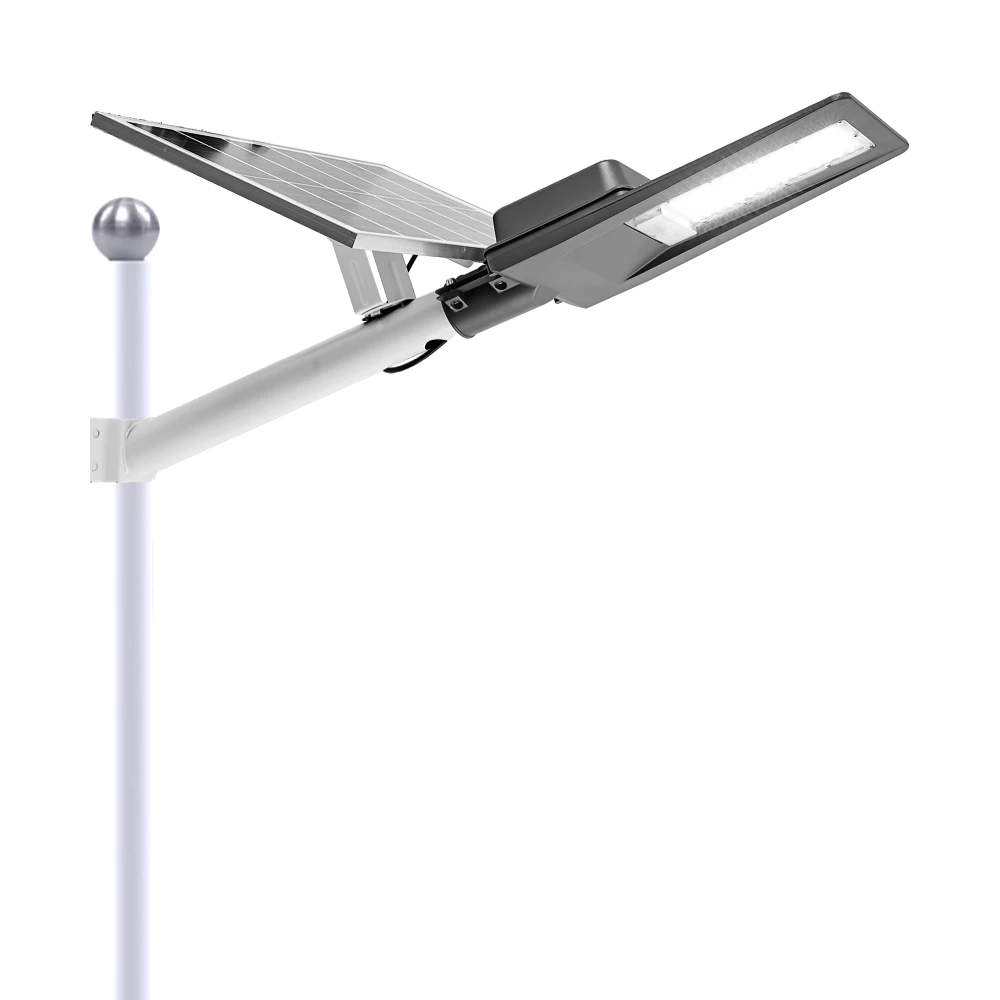
Experience reliable outdoor illumination with our smart solar street light, a perfect combination of advanced technology and eco-conscious design.
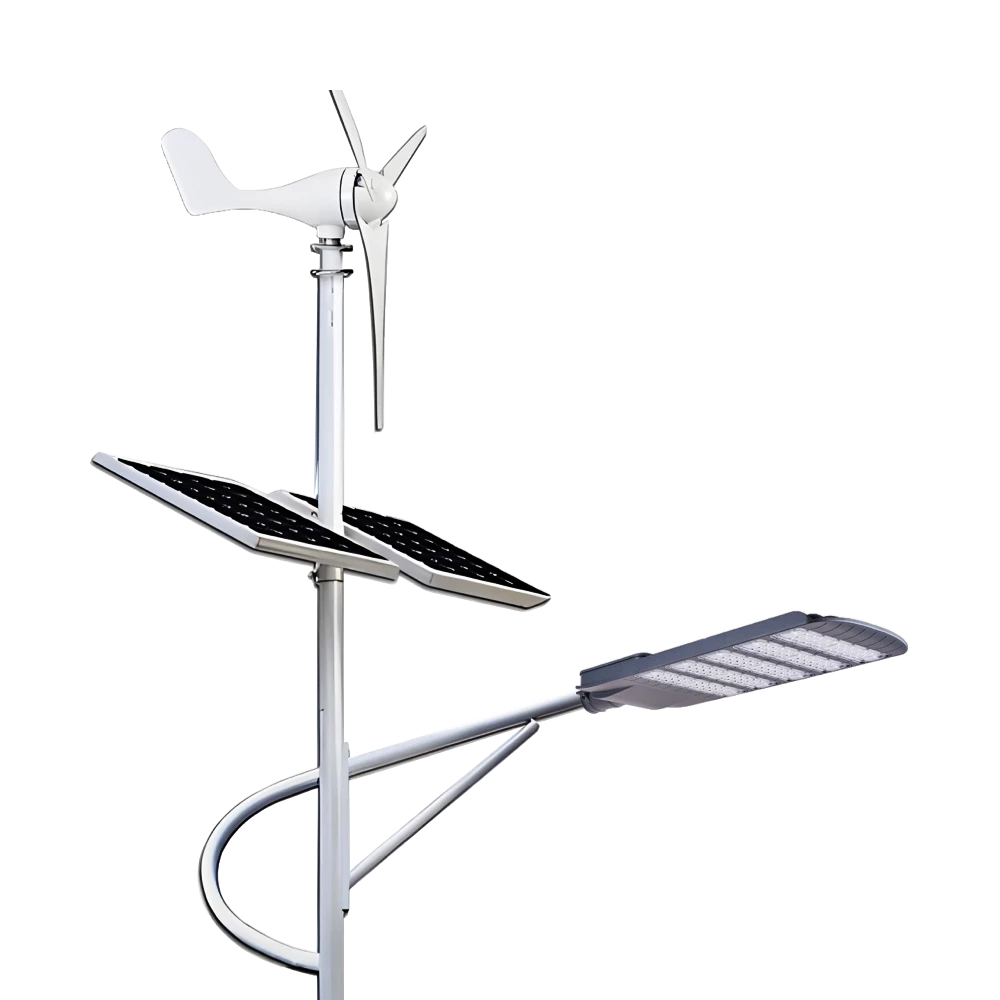
Queneng Lufeng Wind Energy LED Outdoor Solar Street Lights offer high-performance, eco-friendly illumination. These energy-efficient LED street lights harness solar power and wind energy for sustainable, cost-effective outdoor lighting solutions.
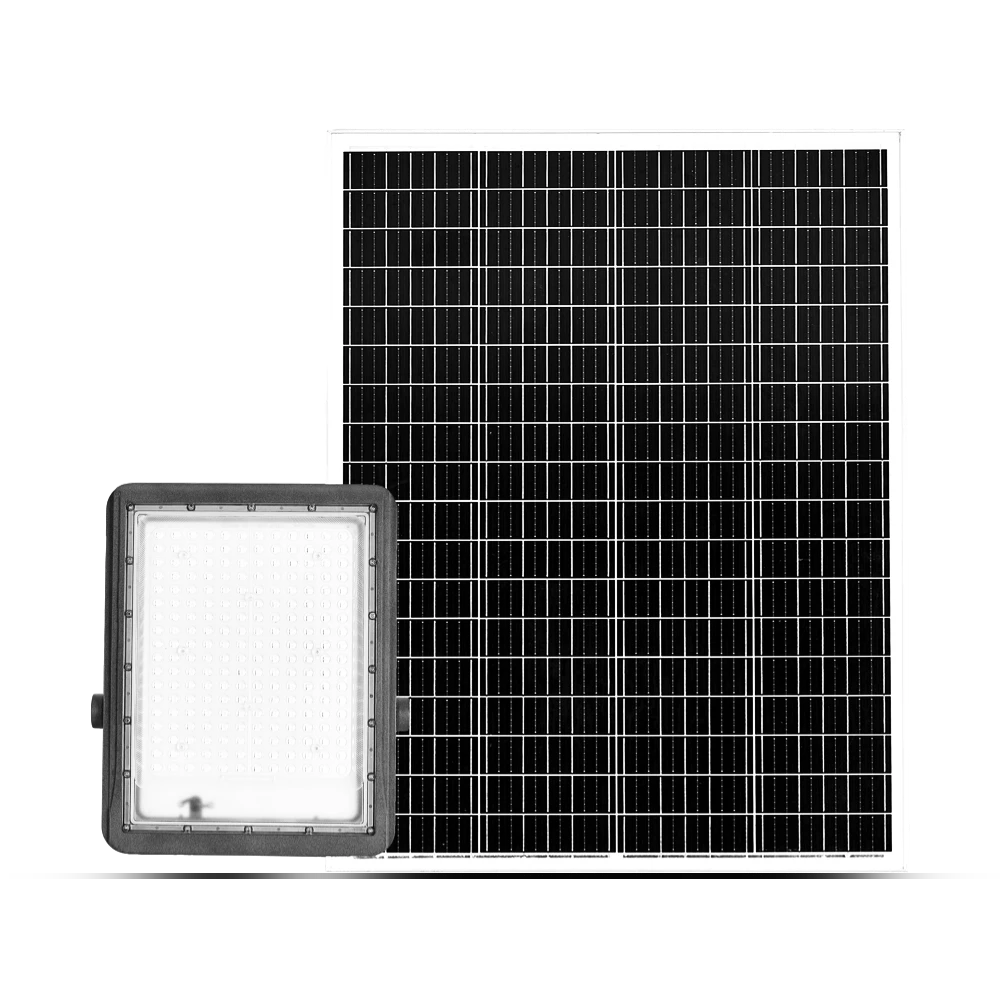
Queneng's Luxian Reliable Solar Street Light offers energy-saving LED lighting for outdoor use. This durable, solar-powered street light provides reliable illumination, reducing energy costs and environmental impact. A perfect solution for sustainable outdoor lighting.
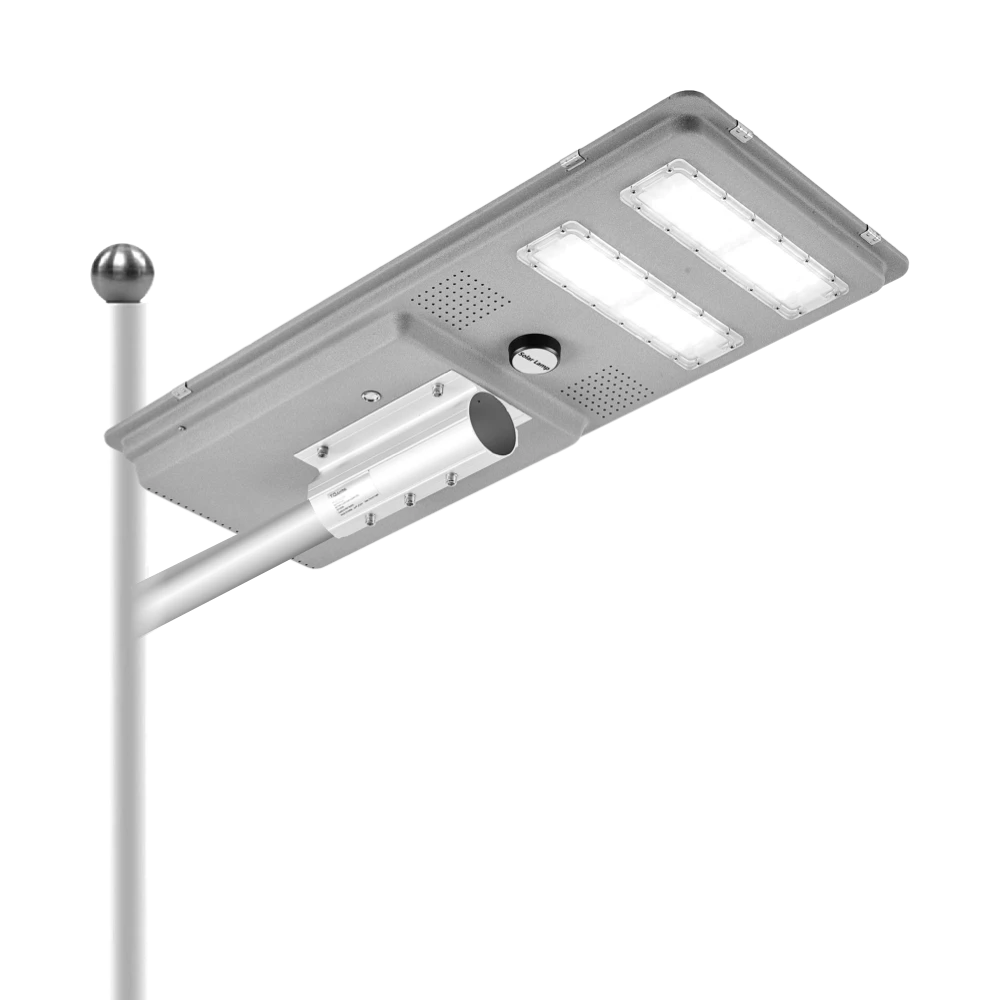
Queneng’s Solar Street Lights are designed to provide reliable, energy-efficient lighting for streets, parks, and other outdoor spaces.
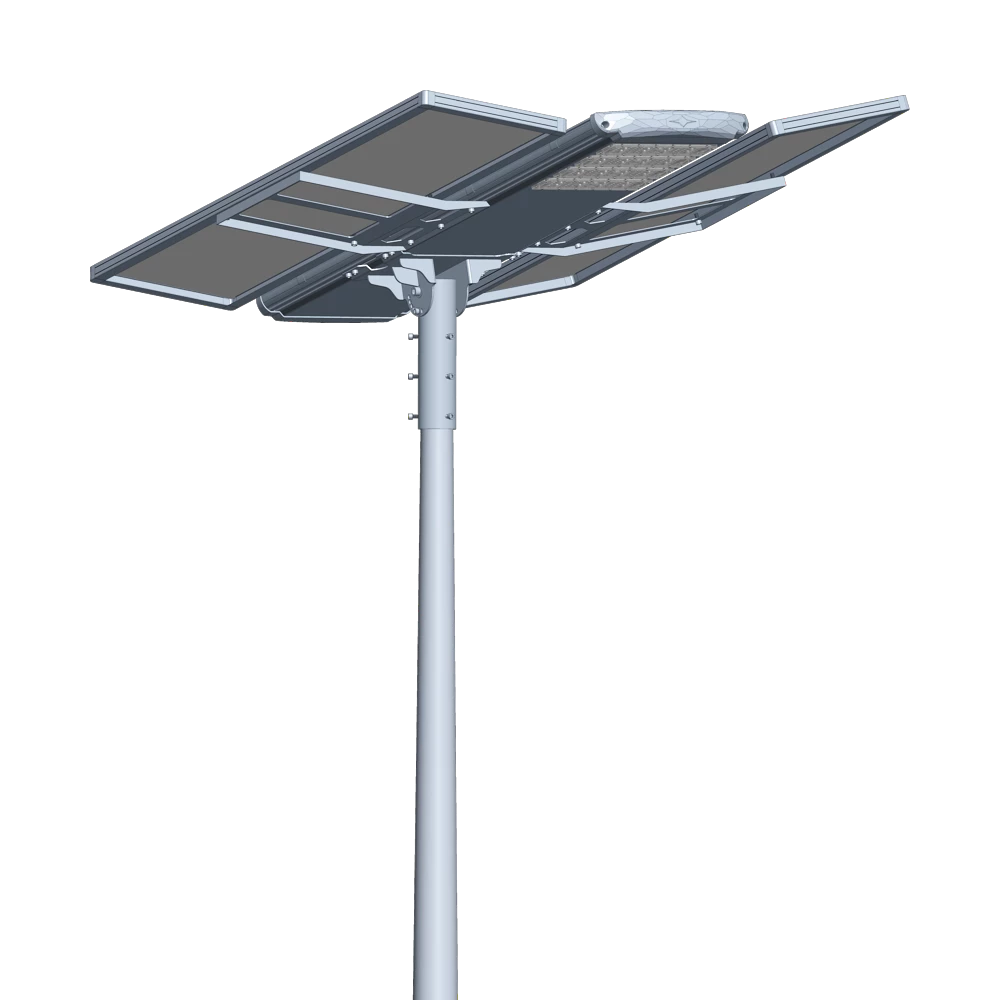
Introducing the Luqing Solar Street Light by Queneng, Efficient LED lighting powered by solar energy is perfect for illuminating outdoor areas. Harness the power of solar energy for sustainable, reliable street lighting. Ideal for eco-friendly, cost-effective outdoor illumination solutions.
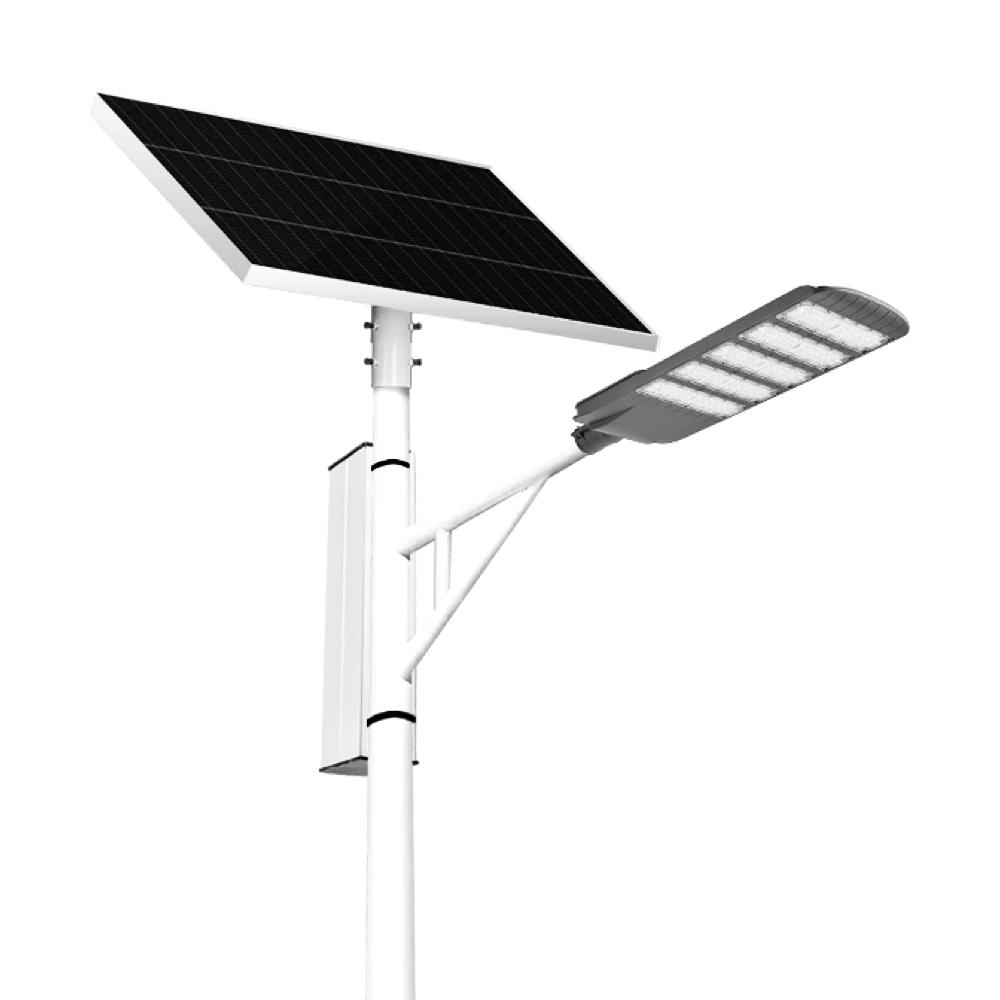
The Solar Streetlights of Luhao for Municipalities are designed to deliver reliable, energy-efficient, and cost-effective public lighting solutions. Equipped with advanced LED technology, durable lithium batteries, and high-efficiency solar panels, these streetlights provide consistent illumination for roads, parks, residential areas, and government projects.
Our professional team is ready to answer any questions and provide personalized support for your project.
You can reach us via phone or email to learn more about Queneng’s solar lighting solutions. We look forward to working with you to promote clean energy solutions!
Rest assured that your privacy is important to us, and all information provided will be handled with the utmost confidentiality.
By clicking 'Send Inquiry Now' I agree to Queneng processing my personal data.
To see how to withdraw your consent, how to control your personal data and how we process it, please see our Privacy Policy and Terms of use.
Schedule a Meeting
Book a date and time that is convenient for you and conduct the session in advance.
Have more questions about our products or services?
The messenger of light & power conversion
Environmental protection and intelligent manufacturing are our brand philosophy, and quality assurance and the best user experience are our eternal promises to users.
CONTACT
No.9F, Building F, Cao San Xin Tian Hong Logistics Park, Guzhen Town, Zhongshan City, Guangdong Province, China.
or write [email protected]
WhatsApp: +86 136 2270 1011


