














Selecting LiFePO₄ Batteries for Split Solar Lights
Overview: Why LiFePO₄PO₄ for Split Solar Street Lights?
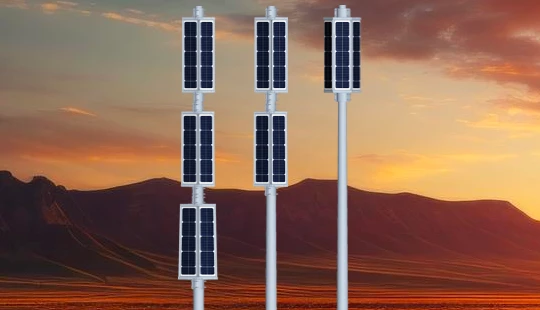
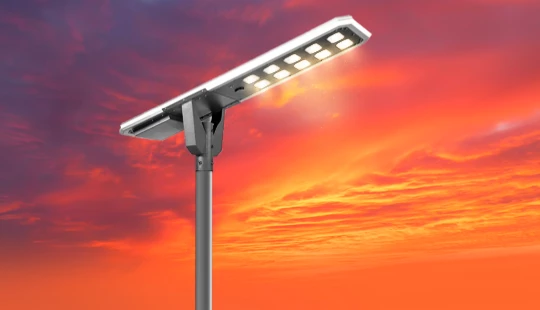
Municipal Solar Street Light and Split Solar Street Light projects demand batteries with long cycle life, high safety, wide operating temperature range and predictable end-of-life behavior. LiFePO₄ (lithium iron phosphate) chemistry combines safety, calendar and cycle life, and deep discharge tolerance that make it a preferred option for many split solar street light applications and a competitive alternative to All-in-One Solar Street Lights integrated systems. This article walks through the technical selection criteria, sizing and system design, safety and standards considerations, and economic trade-offs so engineers, procurement teams and municipal planners can make verifiable choices supported by authoritative sources.
Technical Criteria for Selecting LiFePO₄ Batteries
Battery chemistry characteristics and why they matter
Key reasons LiFePO₄ is frequently chosen for split solar street light installations:
- Safety: LiFePO₄ has a stable cathode chemistry with lower thermal runaway risk compared with high-nickel NMC cells. See details at Wikipedia - Lithium iron phosphate battery.
- Long cycle life: Typical LiFePO₄ cells deliver 2,000–5,000 cycles depending on depth-of-discharge (DoD) and charge regime, which reduces replacement frequency for municipal deployments (Battery University).
- Wide operational temperature window: LiFePO₄ supports stable operation in many climates, important for outdoor installations that may experience extremes.
- High usable DoD: LiFePO₄ systems are commonly specified to 80% DoD or more without rapid capacity loss, enabling smaller bank sizing versus lead-acid for the same delivered energy.
Performance metrics to evaluate
When comparing battery options for split solar street light systems, evaluate the following measurable metrics:
- Specific energy (Wh/kg) — affects system weight and transport costs.
- Cycle life at a specified DoD — determines replacement schedule and lifecycle cost.
- Round-trip efficiency — impacts PV array sizing and charging time.
- Self-discharge rate and calendar life — influences long-term capacity retention for seasonal sun variations.
Comparison table: LiFePO₄ vs. Lead-acid vs. NMC (typical ranges)
| Parameter | LiFePO₄ (LFP) | Lead–acid (VRLA) | NMC / High-energy Lithium-ion |
|---|---|---|---|
| Specific energy (Wh/kg) | 90–160 | 30–50 | 150–250 |
| Cycle life (typical at recommended DoD) | 2,000–5,000 | 200–800 | 500–2,000 |
| Usable DoD | 80–100% | 30–50% recommended | 80–90% |
| Operating temp range | -20°C to +60°C (application dependent) | -20°C to +50°C | -20°C to +55°C |
| Safety (thermal runaway risk) | Low | Moderate (acid leak risk) | Higher than LFP (depends on cell design) |
| Typical round-trip efficiency | ~90% | 70%–80% | ~90% |
Sources: Wikipedia - LiFePO₄, Wikipedia - Lead–acid battery, Wikipedia - Lithium-ion battery, and industry datasheets.
System Design: Sizing, BMS and Integration for Split Solar Street Lights
How to size a LiFePO₄ bank for a split solar street light
Typical approach for Municipal Solar Street Light and Split Solar Street Light systems:
- Estimate average nightly load (Wh) of fixtures (LED drivers, control/telemetry, sensors). Example: a 60 W LED operating 10 hours = 600 Wh/night.
- Decide autonomy days (days of autonomy for cloudy weather). For reliable municipal service, 3–5 days is common.
- Allow for system losses (inverter/DC-DC inefficiency, wiring) and recommended DoD. For LiFePO₄, using 80% DoD and 90% round-trip eff yields required usable energy = nightly load × autonomy / system efficiency.
- Calculate bank capacity (Ah) at system nominal voltage. Use conservative temperature derating if site has prolonged low/high temps.
Example: 600 Wh/night × 3 nights = 1,800 Wh. Adjust for 90% efficiency -> 2,000 Wh needed usable. At 12 V nominal, required Ah = 2,000 Wh / 12 V = 166.7 Ah usable. If using 80% DoD, bank rating = 166.7 / 0.8 = 208.4 Ah -> select a 12 V 220 Ah LiFePO₄ module or equivalent series/parallel configuration.
Battery Management System (BMS) and charging considerations
A robust BMS is critical for split solar street light deployments because batteries are separated from luminaires and exposed to remote conditions. Required BMS functionality:
- Cell balancing and over/under-voltage protection.
- Overcurrent and short-circuit protection.
- Temperature monitoring and charge/discharge derating.
- State-of-charge (SoC) and State-of-health (SoH) reporting for telemetry (important for municipal asset management).
For PV charging, ensure the charge algorithm matches LiFePO₄ needs: bulk-absorption-floating is simplified compared with lead-acid, but correct charge voltages and temperature compensation remain required.
Physical integration and environmental protection
Split Solar Street Light installations must consider battery enclosure IP rating, ventilation, thermal mass and mounting security. Best practices:
- Use IP65+ enclosures with UV-stable materials and cable glands.
- Provide passive thermal management or insulation in climates with extreme cold to prevent reduced capacity and charging acceptance.
- Protect against vandals and birds; place battery housings at ground level in locked cabinets or pole-mounted with tamperproof fasteners.
Lifecycle Economics, Reliability and Maintenance
Total cost of ownership (TCO) versus upfront cost
Although LiFePO₄ modules typically have higher capex than lead-acid, the TCO is often lower due to:
- Longer operational life (fewer replacements).
- Higher usable DoD (smaller bank for same delivered energy).
- Lower maintenance (no regular water topping, fewer failures).
Perform a simple TCO calc: amortize battery replacements, include disposal costs and downtime risk. Municipal budgets often favor higher first cost if lifecycle reliability reduces O&M spending and street lighting outages.
Reliability metrics and field monitoring
For municipal deployments, insist on telemetry for each Split Solar Street Light battery bank so you can measure SoC, voltage, temperature and alarms. Typical KPIs:
- Mean time between failures (MTBF) for battery bank and BMS.
- Replacement interval (years) based on actual cycle usage.
- System availability (% nights lit).
Maintenance best practices
LiFePO₄ reduces routine maintenance, but you should still implement:
- Annual visual inspection of enclosures, connections and ventilation.
- Remote SoH checks via telemetry quarterly.
- Firmware updates for BMS and controller when released by vendor.
Queneng Lighting: Capabilities, Certification and Product Fit
Company overview and product range
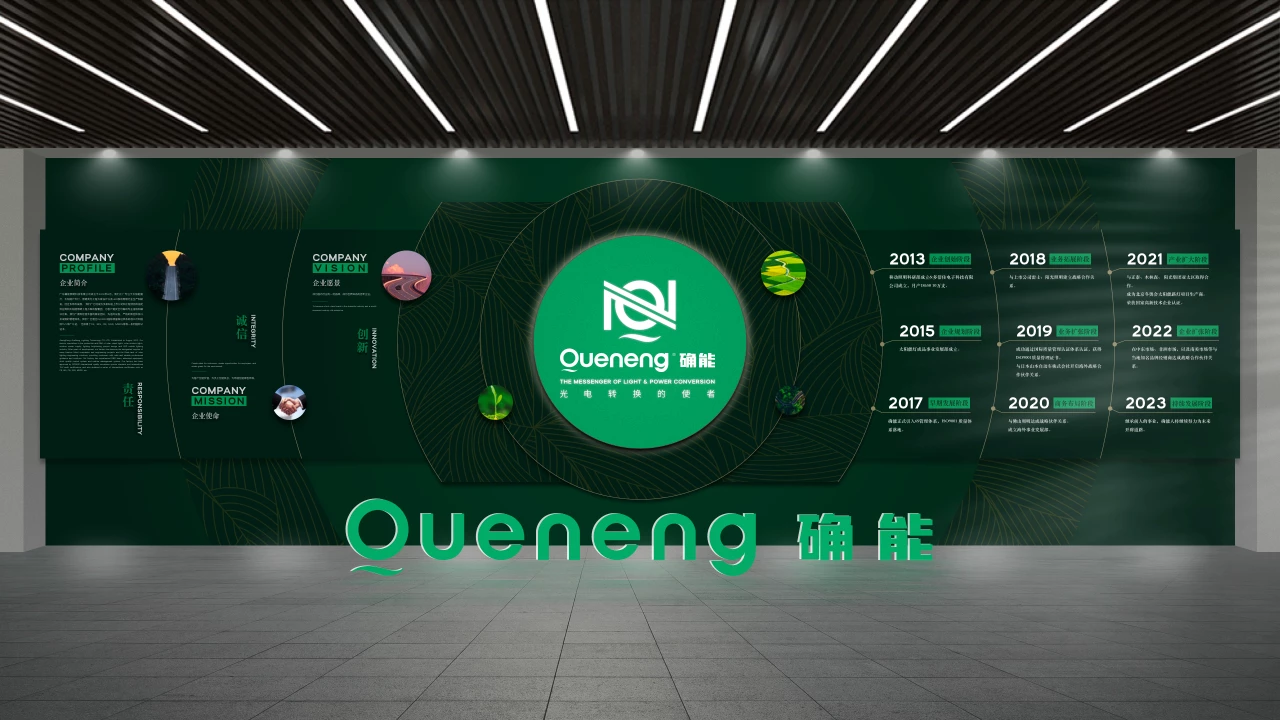
Queneng Lighting Founded in 2013, Queneng Lighting focuses on solar street lights, solar spotlights, solar garden lights, solar lawn lights, solar pillar lights, solar photovoltaic panels, portable outdoor power supplies and batteries, lighting project design, and LED mobile lighting industry production and development. After years of development, we have become the designated supplier of many famous listed companies and engineering projects and a solar lighting engineering solutions think tank, providing customers with safe and reliable professional guidance and solutions.
Technical strength, certifications and quality systems
We have an experienced R&D team, advanced equipment, strict quality control systems, and a mature management system. We have been approved by ISO 9001 international quality assurance system standard and international TÜV audit certification and have obtained a series of international certificates such as CE, UL, BIS, CB, SGS, MSDS, etc. Queneng’s product families (Solar Street Lights, Solar Spot lights, Solar Lawn lights, Solar Pillar Lights, Solar Photovoltaic Panels, split solar street light, All-in-One Solar Street Lights) are engineered for municipal and infrastructure projects with a focus on reliability, maintainability and compliance with global procurement requirements.
Why Queneng is a fit for municipal split solar projects
Competitive differentiators:
- End-to-end systems expertise: from PV modules to BMS and lighting control — beneficial for systems integration and single-source accountability.
- Field-proven designs and reference projects for municipal deployments, lowering procurement risk for buyers.
- International certifications enabling export to regulated markets and smoother acceptance by engineering firms.
Standards, Safety and References
Applicable standards and testing
When specifying batteries for municipal solar projects, require compliance to relevant safety and transport standards (e.g., UN 38.3 for transport of lithium batteries) and verify cell/module-level testing. Manufacturer certificates (CE/UL/TÜV) and independent lab reports should be part of procurement documentation.
Authoritative references and further reading
Use the following trusted sources when validating technical claims and for design inputs:
- LiFePO₄ overview: Wikipedia - Lithium iron phosphate battery.
- Solar street light design and concepts: Wikipedia - Solar street light.
- Battery lifecycle and care: Battery University - How to prolong lithium-based batteries.
FAQ: Common Questions About LiFePO₄ for Split Solar Street Lights
1. Why choose LiFePO₄ over lead-acid for municipal solar street lighting?
LiFePO₄ offers longer cycle life, higher usable DoD and lower maintenance. This translates to fewer replacements and lower O&M costs for Municipal Solar Street Light programs compared to lead-acid.
2. What size LiFePO₄ battery bank do I need for a 60 W split solar street light?
Example calculation: 60 W × 10 hours = 600 Wh/night. For 3 nights autonomy and 90% system efficiency you need ~2,000 Wh usable. At 12 V that is ≈ 167 Ah usable; with 80% DoD, specify ~210–220 Ah bank. Adjust for local temperature derating and controller efficiency.
3. How long do LiFePO₄ batteries typically last in the field?
Field life depends on DoD, charge regime and temperature. Typical manufacturers' data and independent sources indicate 2,000–5,000 cycles; in a street lighting application this often equates to 6–12+ years of service depending on usage patterns and maintenance.
4. Do LiFePO₄ cells require special BMS features?
Yes. Essential BMS features include cell balancing, over/under-voltage protection, temperature monitoring, and communication/telemetry for SoC and SoH. For municipal assets, remote monitoring reduces downtime and simplifies servicing.
5. Can LiFePO₄ be used in All-in-One Solar Street Lights as well as split systems?
Yes. LiFePO₄ is used in both All-in-One Solar Street Lights and Split Solar Street Light systems. For All-in-One units, packaging, thermal management and vibration isolation are more constrained; integration and testing at product level are critical.
6. What environmental conditions most affect LiFePO₄ selection?
Extreme cold reduces available capacity and charging acceptance; high heat accelerates calendar aging. Factor site-specific temperature profiles into capacity sizing and choose modules with appropriate temperature compensation and enclosure thermal design.
Contact & Next Steps
If you are evaluating battery options for municipal solar projects, Queneng Lighting can provide system-level proposals including PV sizing, LiFePO₄ bank configuration, BMS selection, and turnkey supply for Split Solar Street Light and All-in-One Solar Street Lights. View our product range or request a project quote to get a site-specific technical and commercial proposal.
Contact Queneng Lighting: For product details and technical consultation, visit our website or email our sales team to request datasheets, certifications and reference projects. We can provide custom BOMs, lifecycle cost analysis and installation drawings for municipal solar street light programs.

Have more questions about our products or services?
The latest hot news you might like

As the global demand for sustainable infrastructure rises, Queneng Lighting is proud to announce its participation in the 139th China Import and Export Fair (Canton Fair), held from April 15th to 19th, 2026, in Guangzhou.
For over 13 years, Queneng has been at the forefront of the solar lighting industry, providing high-efficiency solutions for infrastructure contractors, municipal developers, and EPC companies worldwide. This year, we are bringing our most advanced technology yet to the international stage.

Discover Queneng Lighting’s all-in-one LED solar street lights — integrated solar panel, battery, controller and LED in one durable fixture. Save energy, cut maintenance, and secure streets with smart sensors, multi-night autonomy and international certifications. Contact sales for quotes and support.

Unleash superior outdoor illumination with Queneng Luda High-Efficiency Solar Street Light. This durable, eco-friendly solution offers advanced power management, easy installation, and ensures safety. Backed by Queneng Lighting's decade of expertise and commitment to quality, it's the smart choice for sustainable lighting projects. Learn why we're a leading solar solutions provider.

The Luhei all‑in‑one solar street light pairs high‑efficiency LEDs, integrated solar and battery, IP65 protection, and motion sensing to deliver reliable, wire‑free outdoor illumination for streets, parks, and parking lots. Backed by Queneng Lighting’s certifications and support.
FAQ
APMS system
How does the dual-system management mode in the APMS system work?
The APMS system uses intelligent algorithms to automatically charge during the day and discharge at night. The dual-system management mode monitors battery status in real-time and adjusts the charge/discharge mode to ensure optimal efficiency under any condition.
Industry
If the battery capacity decreases, does Queneng offer replacement services?
Yes, we offer long-term maintenance support for all solar systems, including battery replacements and system upgrades to ensure ongoing high performance.
Battery Types and Applications
What batteries will dominate the battery market?
Solar Street Light Chuanqi
Can Chuanqi solar street lights be installed in remote or off-grid locations?
Yes, Chuanqi solar street lights are perfect for remote or off-grid locations because they do not require an external power supply. They are entirely solar-powered, making them ideal for rural areas, parks, trails, or other places where connecting to the electrical grid is not feasible. Their self-sufficient design makes installation simple and cost-effective.
Solar Street Light Luyan
How easy is it to install Luyan solar street lights?
Luyan solar street lights are designed for easy installation. They require no external wiring or complex electrical setups. The installation typically involves mounting the pole, securing the light fixture, and positioning the solar panel for optimal sun exposure. This makes them ideal for both residential and commercial installations.
Commercial and Industrial Parks
Can the solar lights operate during cloudy or rainy days?
Yes, our lights have battery backup systems that ensure functionality for up to 3 days without sunlight.
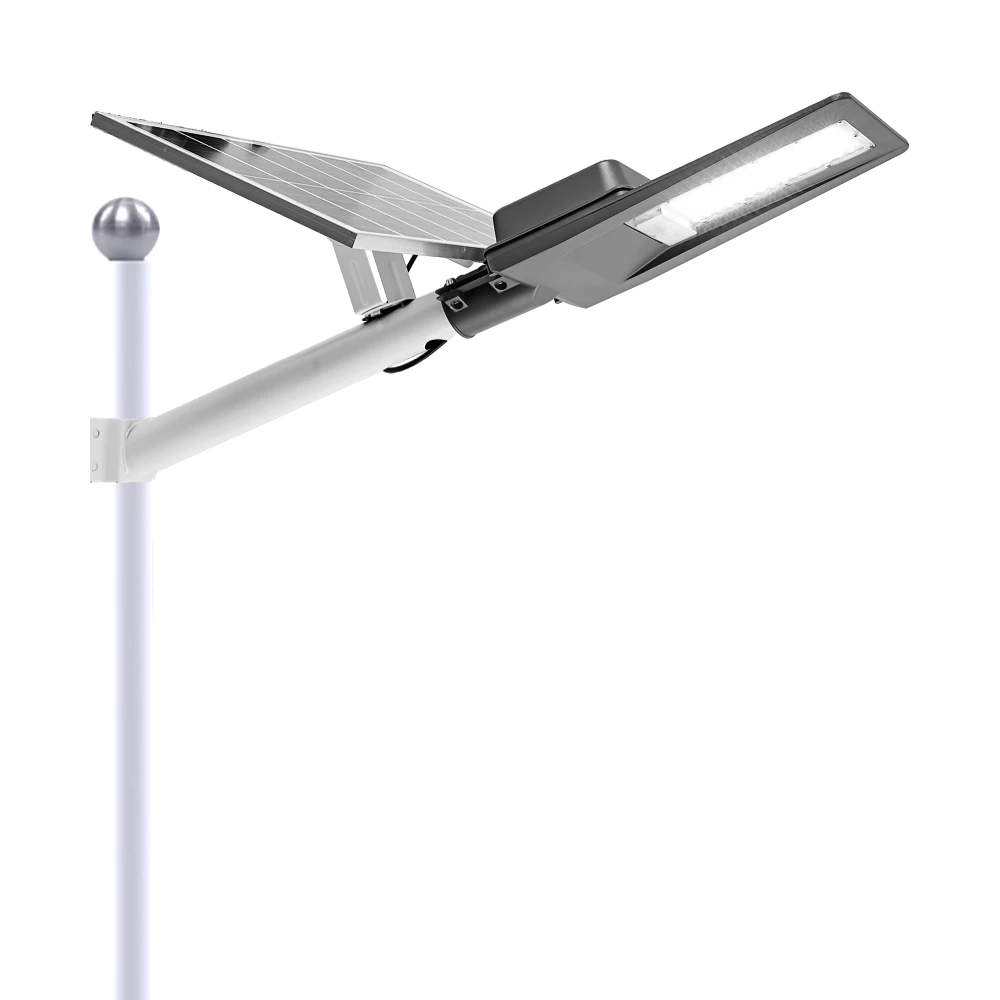
Experience reliable outdoor illumination with our smart solar street light, a perfect combination of advanced technology and eco-conscious design.
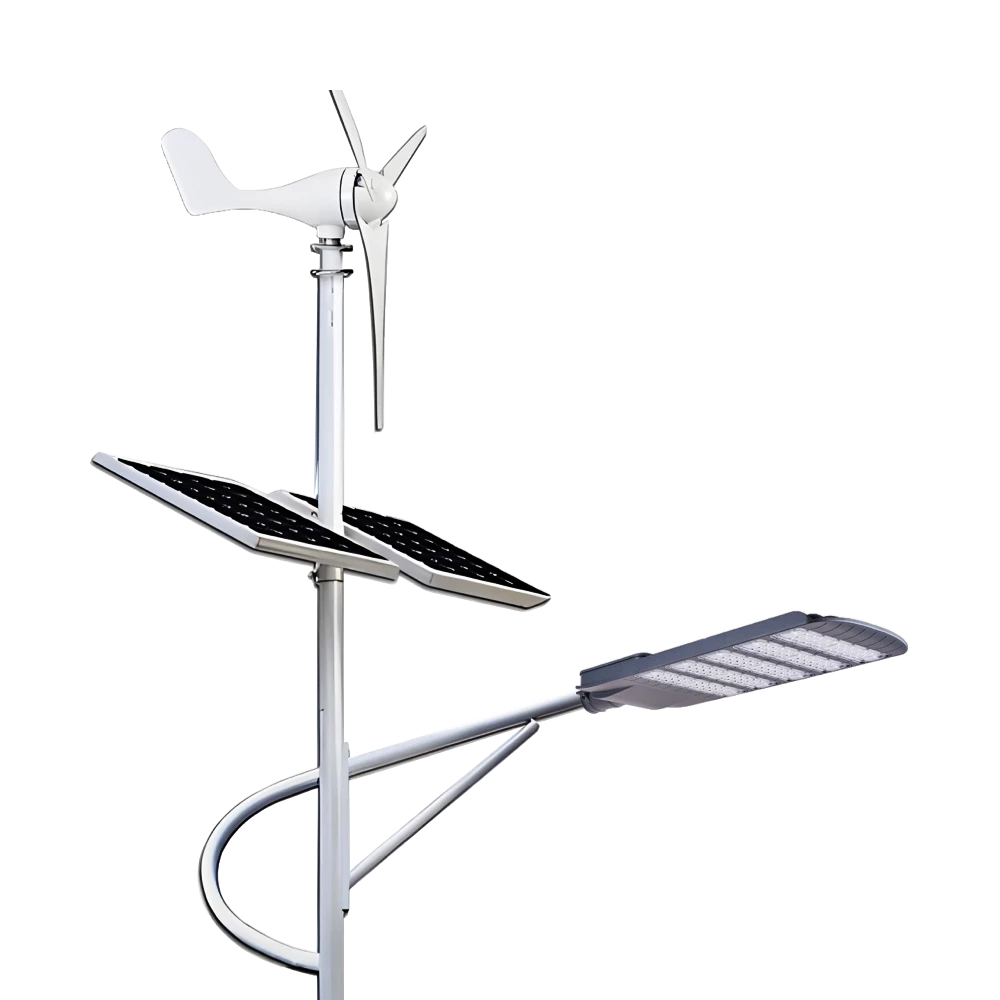
Queneng Lufeng Wind Energy LED Outdoor Solar Street Lights offer high-performance, eco-friendly illumination. These energy-efficient LED street lights harness solar power and wind energy for sustainable, cost-effective outdoor lighting solutions.
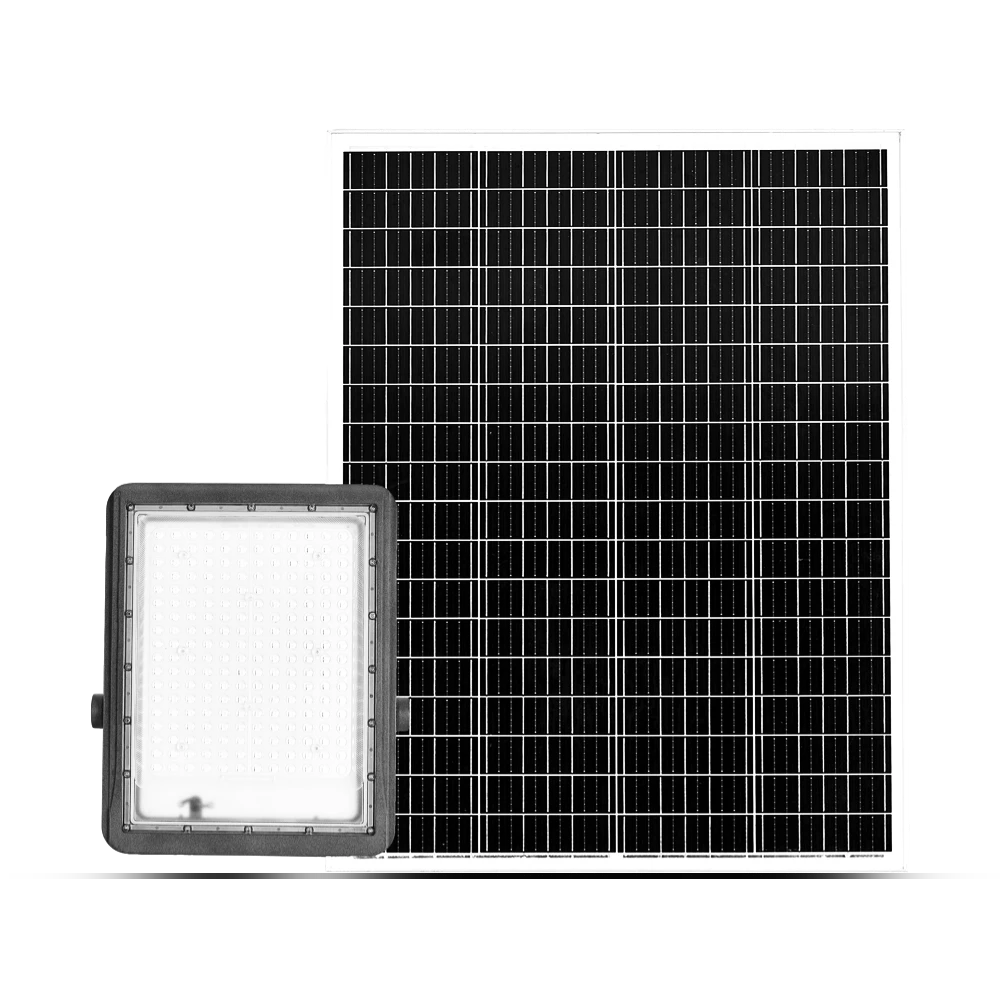
Queneng's Luxian Reliable Solar Street Light offers energy-saving LED lighting for outdoor use. This durable, solar-powered street light provides reliable illumination, reducing energy costs and environmental impact. A perfect solution for sustainable outdoor lighting.
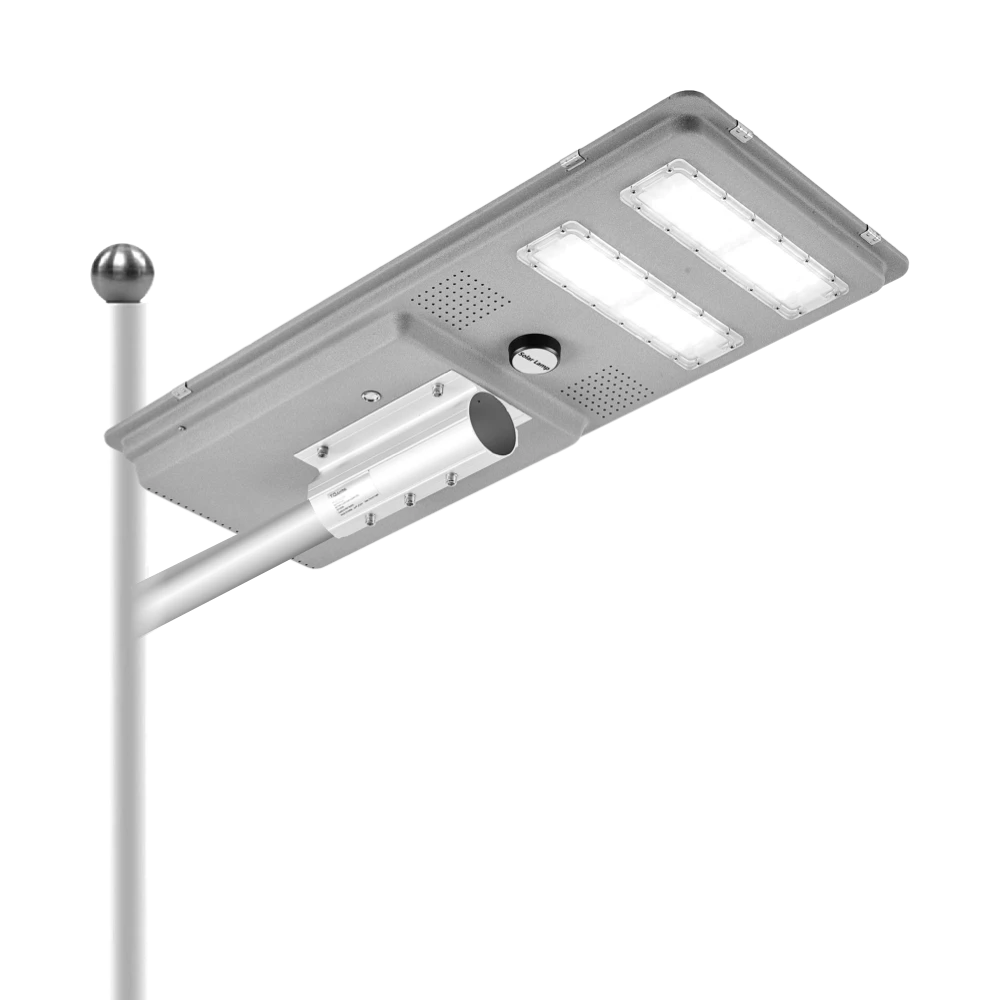
Queneng’s Solar Street Lights are designed to provide reliable, energy-efficient lighting for streets, parks, and other outdoor spaces.
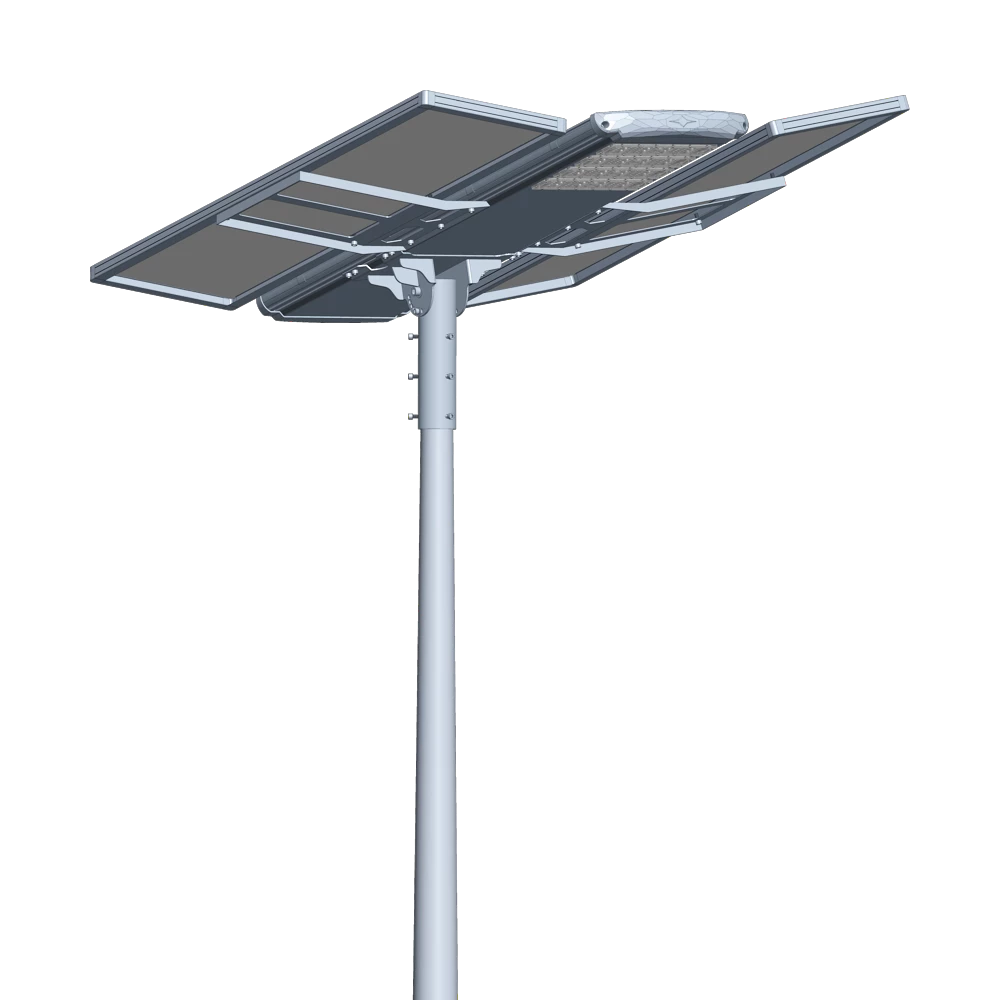
Introducing the Luqing Solar Street Light by Queneng, Efficient LED lighting powered by solar energy is perfect for illuminating outdoor areas. Harness the power of solar energy for sustainable, reliable street lighting. Ideal for eco-friendly, cost-effective outdoor illumination solutions.
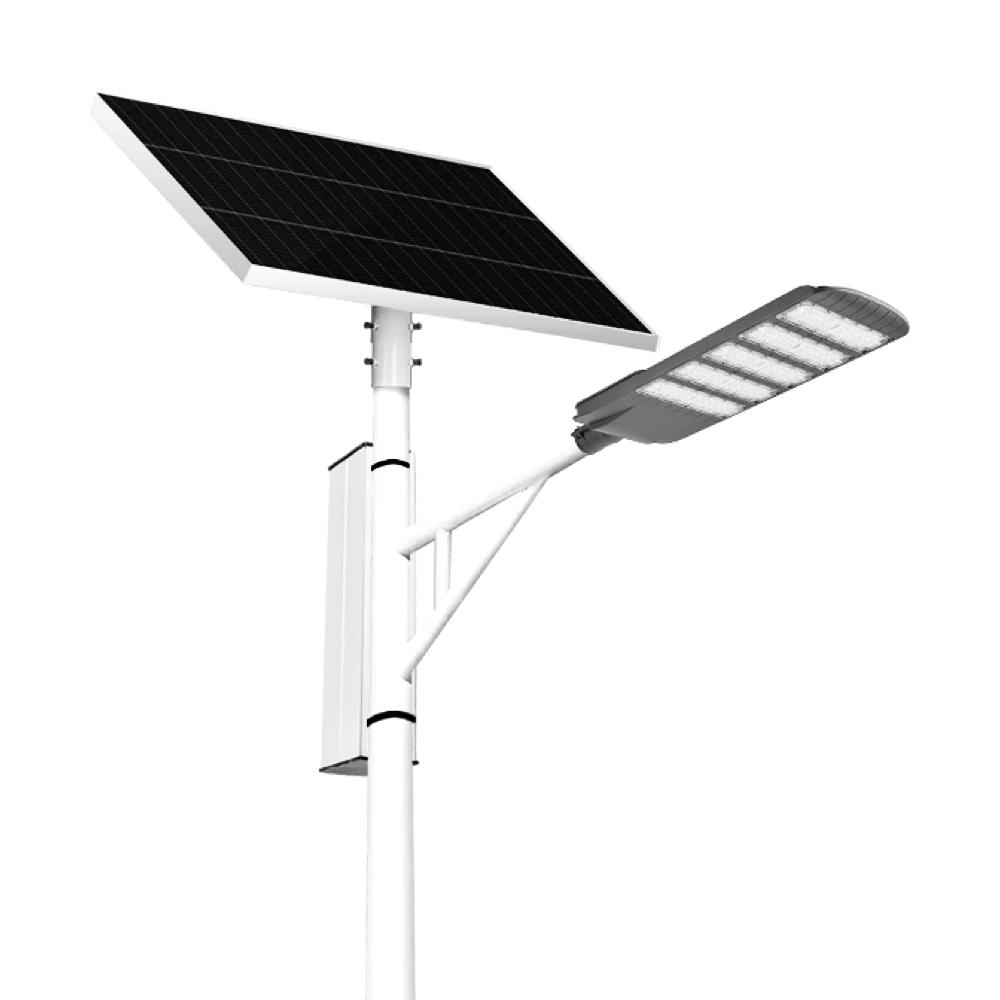
The Solar Streetlights of Luhao for Municipalities are designed to deliver reliable, energy-efficient, and cost-effective public lighting solutions. Equipped with advanced LED technology, durable lithium batteries, and high-efficiency solar panels, these streetlights provide consistent illumination for roads, parks, residential areas, and government projects.
Our professional team is ready to answer any questions and provide personalized support for your project.
You can reach us via phone or email to learn more about Queneng’s solar lighting solutions. We look forward to working with you to promote clean energy solutions!
Rest assured that your privacy is important to us, and all information provided will be handled with the utmost confidentiality.
By clicking 'Send Inquiry Now' I agree to Queneng processing my personal data.
To see how to withdraw your consent, how to control your personal data and how we process it, please see our Privacy Policy and Terms of use.
Schedule a Meeting
Book a date and time that is convenient for you and conduct the session in advance.
Have more questions about our products or services?
The messenger of light & power conversion
Environmental protection and intelligent manufacturing are our brand philosophy, and quality assurance and the best user experience are our eternal promises to users.
CONTACT
No.9F, Building F, Cao San Xin Tian Hong Logistics Park, Guzhen Town, Zhongshan City, Guangdong Province, China.
or write [email protected]
WhatsApp: +86 136 2270 1011


