














Analyse coûts-avantages des systèmes d'éclairage public hybrides solaires-diesel
Pourquoi les municipalités adoptent l'éclairage public hybride solaire-diesel
Facteurs de changement pour les projets municipaux d'éclairage public solaire
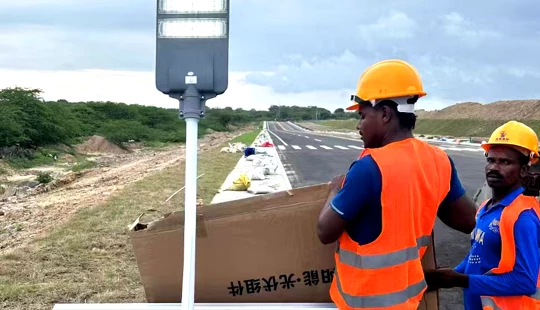
Les municipalités du monde entier sont confrontées à trois impératifs convergents : améliorer la fiabilité de l’éclairage public, réduire les coûts énergétiques sur l’ensemble du cycle de vie et atteindre les objectifs de développement durable. Le déploiement de lampadaires solaires municipaux réduit la dépendance au réseau et les coûts d’exploitation, mais dans de nombreux contextes – notamment dans les régions isolées, exposées aux intempéries ou où l’accès au carburant est limité – les solutions purement solaires doivent être mises en balance avec la résilience pratique offerte par les groupes électrogènes diesel de secours. Les systèmes d’éclairage public hybrides solaires-diesel combinent production photovoltaïque, stockage d’énergie, luminaires LED et groupe électrogène diesel de secours pour garantir une disponibilité accrue et des coûts prévisibles sur l’ensemble du cycle de vie.
Indicateurs clés de performance qui comptent
Les décideurs doivent évaluer les systèmes en fonction du coût actualisé de l'énergie (CAE), de la fiabilité (disponibilité), des coûts d'exploitation sur l'ensemble du cycle de vie, de la complexité de la maintenance et de l'impact environnemental (émissions de CO₂ et de particules). Pour les marchés publics municipaux, les dépenses d'investissement initiales (CapEx), le coût total de possession (CTP) sur la durée de vie du projet (généralement de 10 à 15 ans pour le matériel d'éclairage) et le délai de retour sur investissement par rapport aux solutions de référence sont déterminants.
Contexte réglementaire, social et d'approvisionnement
Les modèles de financement (subventions d'investissement, contrats de services énergétiques), les règles d'approvisionnement et les réglementations locales (limites de bruit et d'émissions pour les groupes électrogènes, réglementations sur l'éclairage) influenceront les conceptions hybrides. L'acceptation sociale est également un facteur important : un fonctionnement solaire plus silencieux et plus propre, avec un recours occasionnel au diesel en appoint, est généralement mieux accepté par le public qu'un éclairage continu alimenté au diesel.
Cadre d'analyse coûts-avantages pour l'éclairage public hybride solaire-diesel
Composantes des dépenses d'investissement (CapEx) et des dépenses d'exploitation (OpEx)
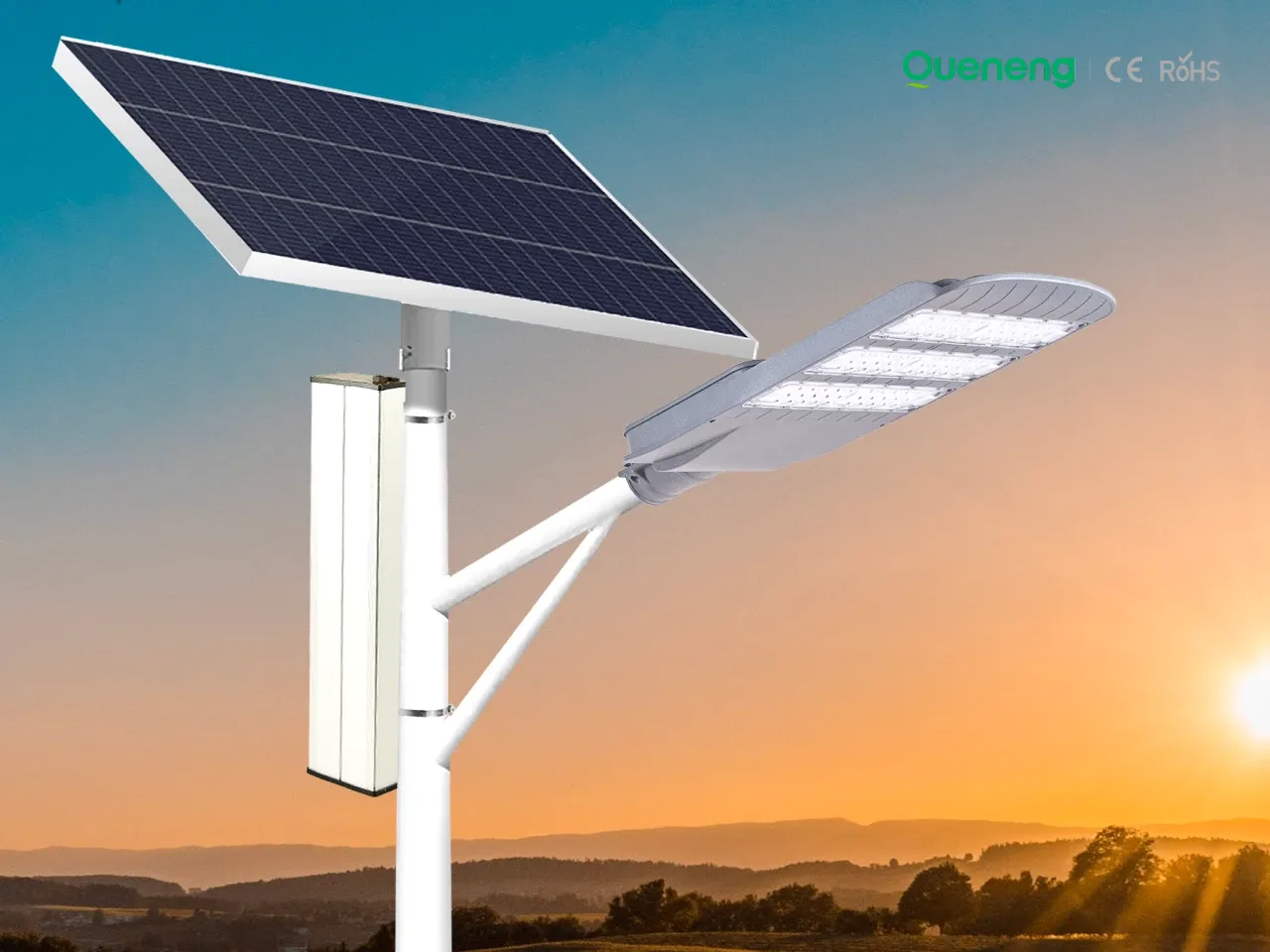
Un système hybride d'éclairage public solaire municipal comprend : un luminaire LED, un champ photovoltaïque, un parc de batteries, un régulateur de charge/MPPT, un mât de fixation, un système de contrôle/télémétrie et un groupe électrogène diesel (soit un petit groupe par zone, soit un groupe électrogène mobile de secours partagé). Principales catégories de coûts :
- Investissements initiaux en matériel et installation (CapEx)
- Entretien du carburant (diesel) et du générateur (OpEx)
- Remplacement de la batterie (dépenses d'exploitation en milieu de vie)
- Maintenance préventive et surveillance annuelles
Chaque poste de dépense doit être estimé et actualisé sur la durée de vie du projet afin de calculer le coût total de possession (TCO) et le coût actualisé de l'énergie (LCOE).
Profils de fiabilité énergétique, de résilience et d'exploitation
Les systèmes hybrides sont conçus pour assurer un fonctionnement nocturne normal grâce à l'énergie solaire et aux batteries ; le groupe électrogène diesel est utilisé en cas de périodes nuageuses prolongées ou pour la maintenance planifiée. La disponibilité dépend donc du dimensionnement des panneaux photovoltaïques (ensoleillement), de l'autonomie des batteries (nombre de jours de stockage) et de la disponibilité du groupe électrogène diesel. Pour l'éclairage des axes routiers critiques, les concepteurs visent une disponibilité nocturne supérieure à 99 %.
Les avantages environnementaux et sociaux quantifiés
Le passage d'un système diesel seul à un système hybride réduit les émissions directes et la pollution locale. Selon les facteurs d'émission du GIEC, la combustion du diesel émet environ 2,68 kg de CO₂ par litre. Avec les taux de consommation habituels des groupes électrogènes, l'éclairage fonctionnant exclusivement au diesel peut émettre plusieurs tonnes de CO₂ par an pour une installation municipale de taille moyenne ; les systèmes hybrides réduisent considérablement ces émissions en diminuant la durée de fonctionnement du diesel. La réduction du bruit et des émissions de particules fines améliore la qualité de l'air ambiant.
Coût et émissions comparatifs : hybride, solaire uniquement ou diesel uniquement
Valeurs typiques du LCOE et des émissions (données mondiales)
Fourchettes mondiales représentatives (LCOE) basées sur des études et des rapports de marché récents :
| Solution | LCOE (USD/kWh) | CO2 (kgCO2/kWh) | Notes / Principaux facteurs de coûts |
|---|---|---|---|
| Panneaux photovoltaïques + batterie (solaire uniquement) | ~0,05–0,18 | ~0,01–0,05 (fabrication et mélange de grilles) | Cela dépend du remplacement des batteries et de l'ensoleillement (source : IRENA) |
| Groupe électrogène diesel uniquement (groupe électrogène distribué) | ~0,20–0,60 | ~0,6–0,9 | Très sensible au prix du diesel et à la logistique |
| Hybride (solaire + batterie + diesel limité) | ~0,07–0,25 | ~0,05–0,2 | Ce système combine l'énergie solaire à bas coût avec un recours occasionnel au diesel ; le coût dépend des heures de secours. |
Sources : IRENA (données sur les coûts du photovoltaïque solaire), GIEC (facteurs d'émission), suivi des prix du marché du diesel (voir références).
Interprétation du tableau pour les marchés publics municipaux
Les systèmes solaires seuls sont généralement les moins polluants et peuvent présenter le coût actualisé de l'énergie (LCOE) le plus bas dans les régions bien ensoleillées, mais leur fiabilité dépend de la capacité des batteries et des conditions météorologiques. Les systèmes diesel seuls engendrent des coûts d'exploitation (OpEx) et des émissions élevés et variables. Les systèmes hybrides se situent entre les deux : leurs investissements initiaux (CapEx) sont légèrement supérieurs à ceux des systèmes solaires seuls (en raison du groupe électrogène et de son intégration), mais leurs coûts d'exploitation sont bien inférieurs à ceux des systèmes diesel seuls et ils offrent une meilleure résilience que les systèmes solaires seuls lorsque la capacité des batteries est limitée par le dimensionnement ou le budget.
Quand l'hybride est le choix pragmatiquement optimal
Les systèmes hybrides sont particulièrement intéressants lorsque :
- L'ensoleillement est modéré/irrégulier (nébulosité saisonnière).
- La logistique du carburant est viable, mais son coût et sa disponibilité sont très volatils.
- Une fiabilité critique de l'éclairage est requise (ponts, routes principales).
- La municipalité souhaite réduire les heures d'utilisation du diesel, mais ne peut pas se permettre une grande capacité de batterie.
Exemple concret et calcul du retour sur investissement pour un déploiement municipal de 100 unités
Hypothèses pour le scénario d'exemple
Pour illustrer les aspects financiers, prenons l'exemple d'une installation municipale de 100 lampes (équivalent LED 60 W, 8 heures/nuit en moyenne). Principales hypothèses (exemple) :
- Énergie moyenne par lampe et par nuit : 60 W × 8 h = 0,48 kWh
- Consommation énergétique annuelle par lampe : 0,48 kWh × 365 ≈ 175 kWh
- Investissement initial (CapEx) par unité pour un système solaire uniquement (PV, batterie, LED, contrôleur, mât) : 1 800 USD (fourchette typique : 1 200 à 3 500 USD)
- Groupe électrogène diesel de secours (mobile partagé ou en grappe) alloué par unité CapEx : de 200 USD (si centralisé/partagé) à 600 USD (petit groupe électrogène dédié par poteau)
- Heures de fonctionnement diesel par an (utilisation de secours hybride) : 100 heures/unité-année équivalent (secours occasionnel conservateur)
- Consommation de diesel : 0,25 L/kWh équivalent pour les petits groupes électrogènes (variable selon la charge) → consommation de carburant annuelle approximative (hybride) : 0,25 L/kWh × (100 h × puissance moyenne du groupe électrogène en kW par unité) — par simplification, supposons que le coût du diesel entraîne des coûts d’exploitation annuels de 40 à 120 USD par unité.
- Durée de vie du projet : 10 ans ; actualisation non appliquée par souci de simplicité (à utiliser dans l’analyse des achats)
Ces exemples sont donnés à titre indicatif ; tout achat municipal devrait tenir compte des prix locaux du diesel, des tarifs de main-d'œuvre et des données sur l'ensoleillement.
Tableau des coûts et du retour sur investissement (à titre indicatif)
| Système métrique (100 unités) | Diesel uniquement | solaire uniquement | Hybride (à titre d'exemple) |
|---|---|---|---|
| Investissements initiaux (USD) | 20 000 (petits groupes électrogènes et poteaux estimés à 200 USD/unité) | 180 000 (1 800 USD/unité) | 200 000 (2 000 USD/unité, allocation pour petit groupe électrogène incluse) |
| Dépenses d'exploitation annuelles en carburant/énergie (USD) | ~30 000 (achat et transport du diesel) | ~1 500 (maintenance, pertes de l'onduleur ; consommation de carburant quasi nulle) | ~6 000 (consommation de diesel limitée + entretien) |
| Exigences d'exploitation annuelles de maintenance (USD) | ~5 000 | ~4 000 (piles, nettoyage) | ~4 500 |
| Estimation des dépenses d'exploitation annuelles (USD) | ~35 000 | ~5 500 | ~10 500 |
| Coût total de possession (TCO) sur 10 ans (CapEx + 10×OpEx) | ~370 000 | ~235 000 | ~305 000 |
Remarques : Les chiffres sont donnés à titre indicatif. Dans cet exemple, le coût total de possession (TCO) d’une solution solaire seule est inférieur à celui d’une solution diesel seule sur un horizon de 10 ans ; la solution hybride se situe entre les deux, mais offre une fiabilité supérieure à celle de la solution solaire seule lorsque la capacité des batteries est limitée. Si le coût du diesel est très élevé ou si la logistique est onéreuse, la solution hybride devient économiquement plus avantageuse que la solution solaire seule.
Analyse de sensibilité — qu’est-ce qui modifie le résultat ?
Sensibilités critiques :
- Prix du gazole : une augmentation de 20 à 50 % du prix du gazole favorise fortement les solutions solaires seules ou hybrides.
- Fréquence de remplacement des batteries : le remplacement des batteries une ou deux fois au cours de la durée de vie du projet peut avoir un impact significatif sur le coût total de possession (TCO).
- Isolation : dans les régions peu ensoleillées, les investissements initiaux dans l'énergie solaire doivent être augmentés pour maintenir l'autonomie.
Les décideurs municipaux doivent exécuter des scénarios locaux en utilisant des données réelles d'irradiance solaire (satellites ou terrestres), le prix actuel du diesel, la durée de vie de la batterie (calendaire et cyclique) et des hypothèses de coûts de service pour sélectionner la configuration appropriée.
Sélection, intégration et maintenance des systèmes hybrides d'éclairage public solaire municipal
Critères de sélection technique
Lors du choix d'un système hybride d'éclairage public solaire municipal, il convient d'évaluer :
- Efficacité et maintien du flux lumineux des LED (LR70 à X heures)
- Puissance nominale du module PV et coefficient de température (pour le climat local)
- Type de batterie (Li-ion ou AGM) : durée de vie, profondeur de décharge (DoD), résistance à la température
- Contrôleurs de charge et contrôleurs intelligents avec télémétrie pour la surveillance à distance
- Dimensionnement des groupes électrogènes diesel et sécurité du stockage du carburant ; préférence pour les unités à faibles émissions et à faible niveau sonore ou stratégie de secours partagée
Installation, commandes et intégration du système
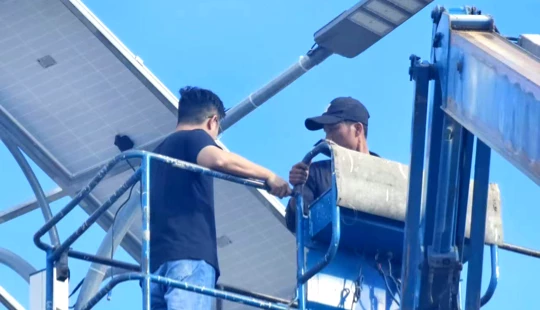
Meilleure pratique : mettre en œuvre une stratégie de contrôle où l’alimentation photovoltaïque et les batteries couvrent les charges normales ; le groupe électrogène diesel n’intervient que lorsque le niveau de charge descend en dessous d’un seuil prédéfini ou lors de tests autonomes planifiés. La télémétrie (cellulaire ou LoRaWAN) permet aux municipalités de surveiller l’état des batteries, la production solaire et l’autonomie du groupe électrogène diesel afin d’optimiser l’exploitation et de réduire la consommation de carburant.
Meilleures pratiques opérationnelles et gestion du cycle de vie
La maintenance préventive planifiée (nettoyage des modules photovoltaïques, vérification des connexions, contrôle du groupe électrogène et des batteries) réduit les temps d'arrêt et les coûts imprévus. Le suivi des heures de fonctionnement du groupe électrogène permet d'optimiser l'approvisionnement en carburant et de déclarer les émissions. Il est important d'intégrer le budget municipal au remplacement des batteries à mi-vie (généralement tous les 5 à 8 ans pour les batteries lithium-ion, selon le nombre de cycles) dans la planification financière de la municipalité.
Les capacités des fournisseurs et leur importance
Choisissez des fournisseurs proposant des gammes de produits éprouvées, une ingénierie de terrain et un service après-vente de qualité. L'intégration des systèmes est aussi importante que la qualité des composants : les principaux atouts comprennent des modules photovoltaïques de qualité, des systèmes de batteries certifiés, ainsi qu'une ingénierie de projet et un contrôle qualité rigoureux.
Profil du fournisseur — GuangDong Queneng Lighting Technology Co., Ltd.
Fondée en 2013, GuangDong Queneng Lighting Technology Co., Ltd. (Queneng) est spécialisée dans les lampadaires solaires, les projecteurs solaires, les lampes solaires de jardin, les bornes lumineuses solaires, les panneaux photovoltaïques, les alimentations et batteries portables d'extérieur, la conception de projets d'éclairage, ainsi que la production et le développement de solutions d'éclairage mobile LED. Forte de plusieurs années d'expérience, Queneng est devenue un fournisseur de référence pour de nombreuses sociétés cotées et projets d'ingénierie. Elle s'impose comme un centre de réflexion en matière de solutions d'éclairage solaire, offrant des conseils et des solutions professionnels sûrs et fiables.
Les points forts de Queneng incluent :
- Équipe de R&D expérimentée et équipements de production de pointe
- Contrôle qualité rigoureux et systèmes de gestion éprouvés
- Certifications : ISO 9001, approbation d'audit TÜV, CE, UL, BIS, CB, SGS, MSDS
- Principaux produits : lampadaires solaires, projecteurs solaires, lampes de jardin solaires, lampes de pelouse solaires, bornes lumineuses solaires, panneaux photovoltaïques solaires
Pour les municipalités en quête d'une solution hybride intégrée, Queneng propose des services complets : fourniture de produits, conception de projets, composants certifiés et planification de la maintenance après-vente. Son portefeuille de produits et ses certifications garantissent la conformité aux réglementations d'approvisionnement et la réduction des risques.
FAQ — Foire aux questions
1. Un système d'éclairage public municipal hybride solaire-diesel est-il moins cher qu'un système uniquement diesel ?
En général, oui, sur un horizon de plusieurs années. Les systèmes fonctionnant exclusivement au diesel ont des coûts d'exploitation élevés et volatils ; les systèmes hybrides réduisent les heures de fonctionnement du diesel et donc les coûts d'exploitation liés au carburant. Les économies exactes dépendent du prix local du diesel, de l'ensoleillement et des coûts d'entretien.
2. Quand une solution hybride est-elle préférable à une solution uniquement solaire ?
L'hybride est privilégié lorsque la haute disponibilité est requise et que les conditions locales (nuageux saisonnier, contraintes budgétaires sur la capacité des batteries ou temps de recharge limité) rendent l'énergie solaire pure moins fiable, ou lorsque les municipalités souhaitent une approche progressive (commencer par une solution hybride, puis passer progressivement à une solution exclusivement solaire en fonction des budgets).
3. Comment dimensionner les batteries et le groupe électrogène diesel de secours pour un projet municipal ?
Dimensionnez les batteries pour atteindre l'autonomie souhaitée (nombre de jours sans ensoleillement) et tenez compte de la profondeur de décharge afin de préserver leur durée de vie. Le dimensionnement du groupe électrogène diesel de secours dépend de son utilisation : dédié à un pôle ou partagé par plusieurs centrales. Les groupes électrogènes mobiles partagés réduisent les dépenses d'investissement, mais complexifient la logistique. Utilisez les données locales sur le potentiel solaire et les scénarios météorologiques les plus défavorables pour dimensionner l'autonomie.
4. Quels types d'entretien les municipalités doivent-elles prévoir pour les véhicules hybrides ?
Nettoyage régulier des panneaux photovoltaïques, inspection des LED, surveillance de l'état des batteries et contrôles périodiques du groupe électrogène diesel. Prévoir un budget pour le remplacement des batteries (durée de vie typique de 5 à 8 ans pour les technologies courantes) et pour l'approvisionnement en carburant en cas d'utilisation de groupes électrogènes.
5. Comment les émissions se comparent-elles entre les différentes options ?
Les véhicules fonctionnant exclusivement au diesel sont généralement ceux qui produisent le plus de CO2 et de particules fines. Les véhicules fonctionnant exclusivement à l'énergie solaire ont des émissions opérationnelles minimales ; les émissions liées à leur cycle de vie (fabrication et cycle de vie) existent, mais sont nettement inférieures. Les véhicules hybrides réduisent les émissions de diesel proportionnellement aux heures de fonctionnement du moteur diesel économisées ; ces émissions dépendent de la fréquence d'utilisation du moteur diesel de secours.
6. Comment les municipalités devraient-elles structurer leurs achats pour garantir la valeur tout au long du cycle de vie ?
Privilégiez les achats basés sur le coût total de possession (TCO) et les garanties de disponibilité, exigez des données de télémétrie et des garanties de performance, incluez des conditions de garantie pour les batteries et les panneaux photovoltaïques, et imposez des calendriers de maintenance documentés. Envisagez des contrats de performance avec pénalités en cas d'indisponibilité.
Pour l'évaluation d'un site municipal, la réalisation d'une analyse coûts-avantages locale ou l'examen des propositions de fournisseurs, contactez GuangDong Queneng Lighting Technology Co., Ltd. pour la conception de votre projet, les détails des produits et un devis. Consultez les pages produits de Queneng pour découvrir ses lampadaires solaires, ses projecteurs solaires, ses lampes de jardin solaires, ses bornes lumineuses solaires et ses panneaux photovoltaïques, ou demandez une évaluation technique personnalisée.
Références et sources de données
- IRENA — Coûts de production d'énergie renouvelable en 2020. https://www.irena.org/publications/2021/Jun/Renewable-Power-Costs-in-2020 (consulté le 10 décembre 2025)
- GIEC — Facteurs d’émission et potentiels de réchauffement climatique. https://www.ipcc-nggip.iges.or.jp/public/2006gl/ (consulté le 10 décembre 2025)
- GlobalPetrolPrices — Prix du diesel dans le monde (exemple de sensibilité au carburant). https://www.globalpetrolprices.com/diesel_prices/ (consulté le 10/12/2025)
- NREL — Aperçu des prix et des technologies de l'énergie solaire photovoltaïque (contexte américain). https://www.nrel.gov/grid/solar-resource/ (consulté le 10 décembre 2025)
- Rapports de la Banque mondiale et de l'ESMAP sur les coûts du diesel hors réseau et les alternatives renouvelables (exemples). https://www.worldbank.org/en/topic/energy (consulté le 10 décembre 2025)
- Informations sur la société Queneng et ses gammes de produits (profil fourni par l'entreprise). Documents internes et certifications de l'entreprise (ISO 9001, TÜV, CE, UL, BIS, CB, SGS, FDS). (Documents de l'entreprise : Guangdong Queneng Lighting Technology Co., Ltd.)
Pour une consultation plus approfondie et un modèle coût-bénéfice adapté à votre site, contactez GuangDong Queneng Lighting Technology Co., Ltd. — ils peuvent vous fournir des fiches techniques de produits, des études de cas et des devis certifiés pour les systèmes hybrides d'éclairage public solaire municipal.

Vous avez d’autres questions sur nos produits ou services ?
Les dernières nouvelles qui pourraient vous intéresser

Guide complet des prix de l'éclairage public solaire pour 2026. Ce guide aborde les coûts d'installation pour les entreprises, les tendances en matière de batteries LiFePO₄, les fonctionnalités intelligentes de l'Internet des objets (IoT) et propose une comparaison détaillée du retour sur investissement par rapport à l'éclairage public traditionnel.

Une perspective complète à l'horizon 2026 sur l'éclairage public solaire intégré, présentant des indicateurs de performance tels que les panneaux bifaciaux, les batteries LiFePO₄ et l'intégration de l'IoT des villes intelligentes pour un retour sur investissement maximal.

Découvrez comment les panneaux solaires alimentent l'éclairage public, en explorant la technologie de conversion et de stockage de l'énergie solaire, et comment l'éclairage public solaire révolutionne les solutions d'éclairage urbain et rural.
FAQ
Lampadaire solaire Luda
Quelles sont les exigences d’installation des lampadaires solaires Luda ?
L'installation des lampadaires solaires Luda est simple et ne nécessite aucun câblage complexe. Les luminaires sont livrés avec des instructions d'installation faciles à suivre, qui incluent généralement le montage du mât, la fixation du luminaire et le positionnement du panneau solaire pour une exposition optimale au soleil. L'absence de câblage électrique rend l'installation rapide et économique.
Attractions touristiques et centres de villégiature
Les lampes solaires sont-elles personnalisables pour s’adapter au design du complexe ou de l’attraction ?
Oui, les lampes solaires sont disponibles en différents modèles, couleurs et tailles, et peuvent être personnalisées pour s'adapter au thème ou à l'esthétique du complexe ou de l'attraction. Elles constituent donc une solution polyvalente pour tout espace extérieur.
Qui sommes-nous
Queneng peut-elle fournir des solutions d’éclairage solaire personnalisées ?
Oui, nous sommes spécialisés dans la fourniture de systèmes d'éclairage solaire personnalisés en fonction de vos besoins spécifiques. Qu'il s'agisse d'applications résidentielles, commerciales ou industrielles, notre équipe travaille avec vous pour concevoir et fournir des solutions sur mesure qui répondent à vos exigences.
Infrastructures municipales et publiques
Que se passe-t-il si la batterie est déchargée ?
Nos lampadaires solaires utilisent des systèmes avancés de gestion de batterie pour optimiser la consommation d'énergie. Même en cas de pluie ou de nuages prolongés, les lampadaires peuvent fonctionner à intensité réduite pour économiser l'énergie.
Les lampadaires solaires peuvent-ils être intégrés aux solutions de ville intelligente ?
Oui, nos lampadaires solaires peuvent être intégrés aux systèmes IoT pour une surveillance intelligente, un contrôle à distance et une analyse de données, ce qui les rend idéaux pour les villes intelligentes modernes.
Lampadaire solaire Luhua
Quel est le principal avantage de l’utilisation des lampadaires solaires intelligents Luhua par rapport aux lampadaires traditionnels ?
Le principal avantage des lampadaires solaires intelligents Luhua réside dans leur utilisation de l'énergie solaire renouvelable, réduisant ainsi leur dépendance au réseau électrique. Ils sont ainsi non seulement plus écologiques, mais aussi plus rentables à long terme. De plus, leurs fonctionnalités intelligentes, telles que la détection de mouvement et la luminosité adaptative, les rendent très économes en énergie par rapport aux lampadaires classiques.
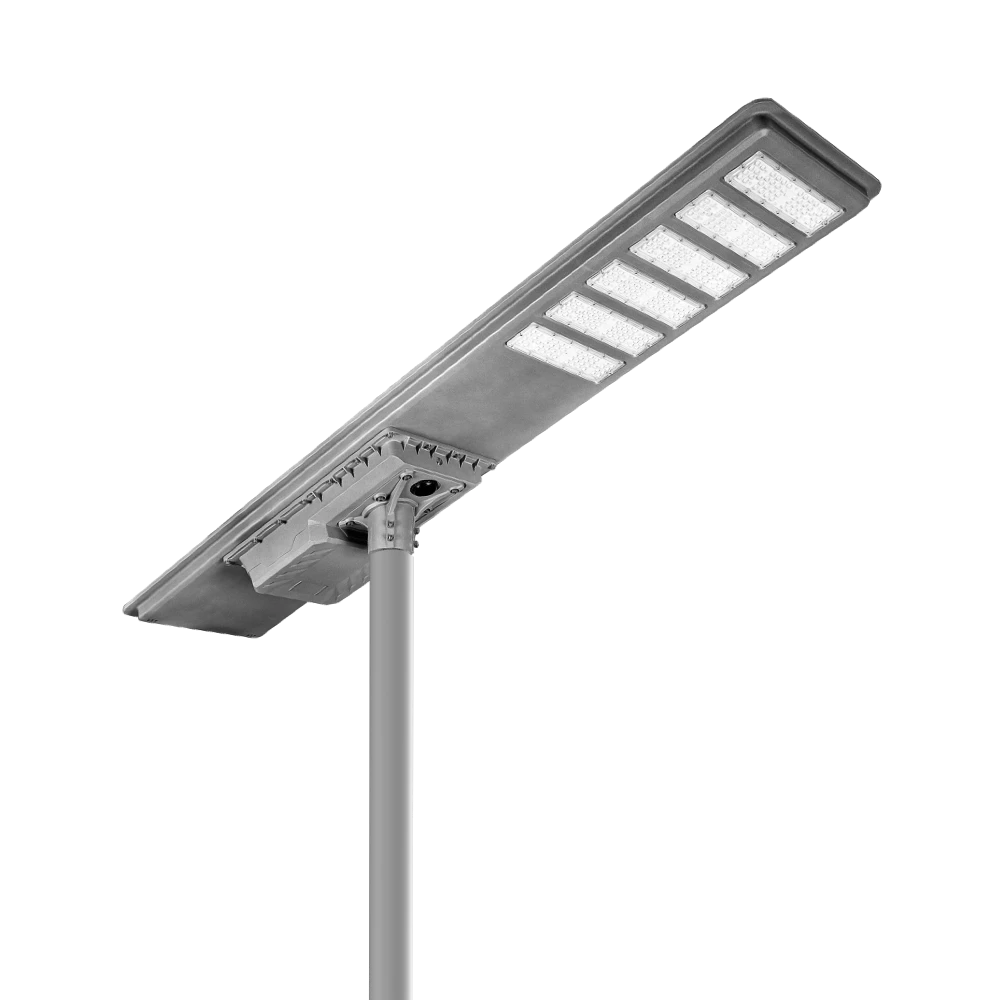
Le lampadaire solaire innovant Luqiu de Queneng offre un éclairage extérieur durable et économe en énergie. Ce lampadaire solaire offre une solution fiable et écologique pour éclairer vos rues et allées.
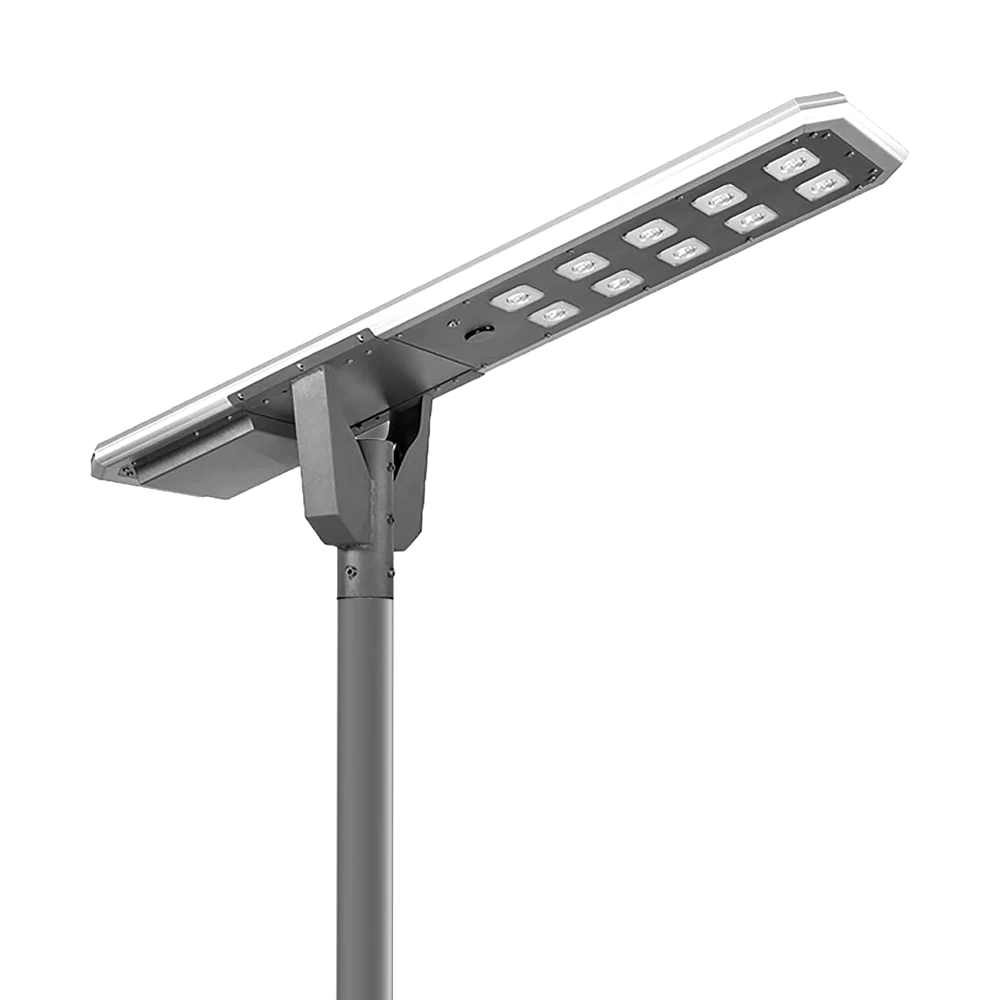
Illuminez vos espaces extérieurs avec le lampadaire solaire, une solution de pointe combinant une technologie solaire avancée et un éclairage LED à économie d'énergie.
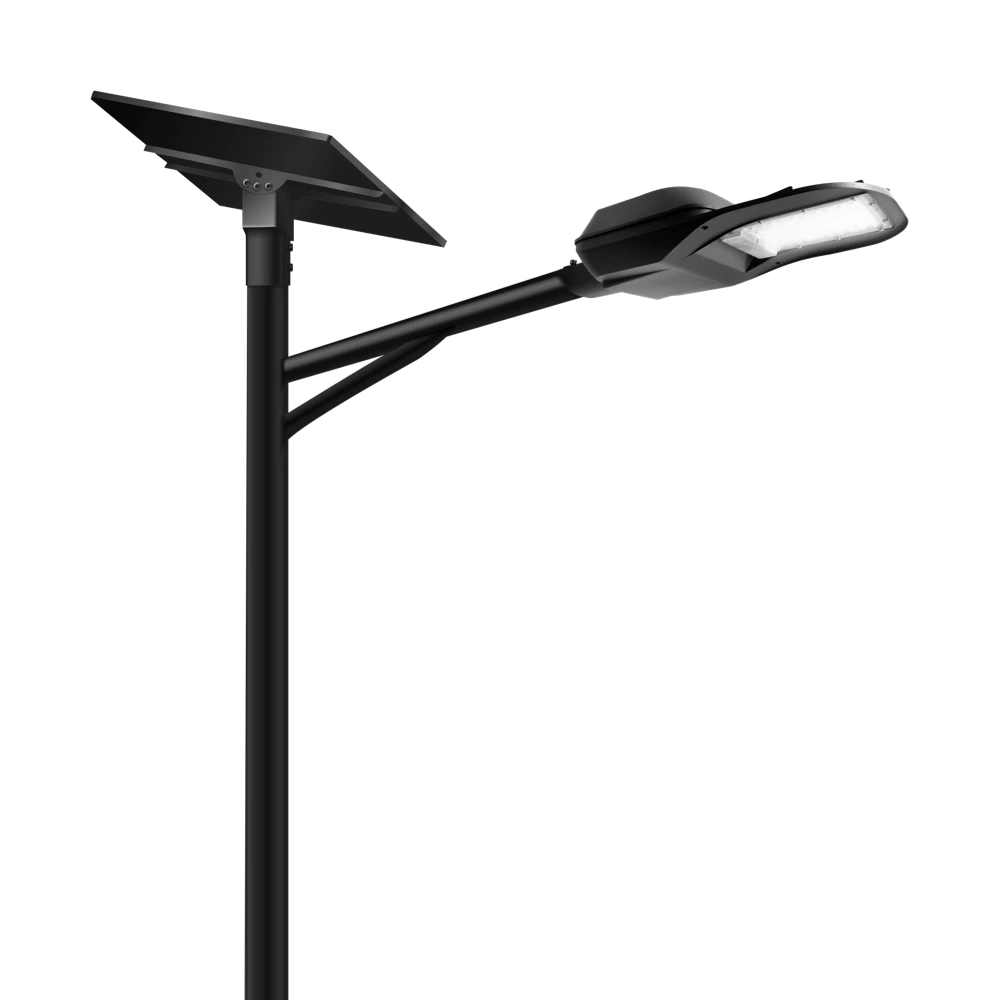
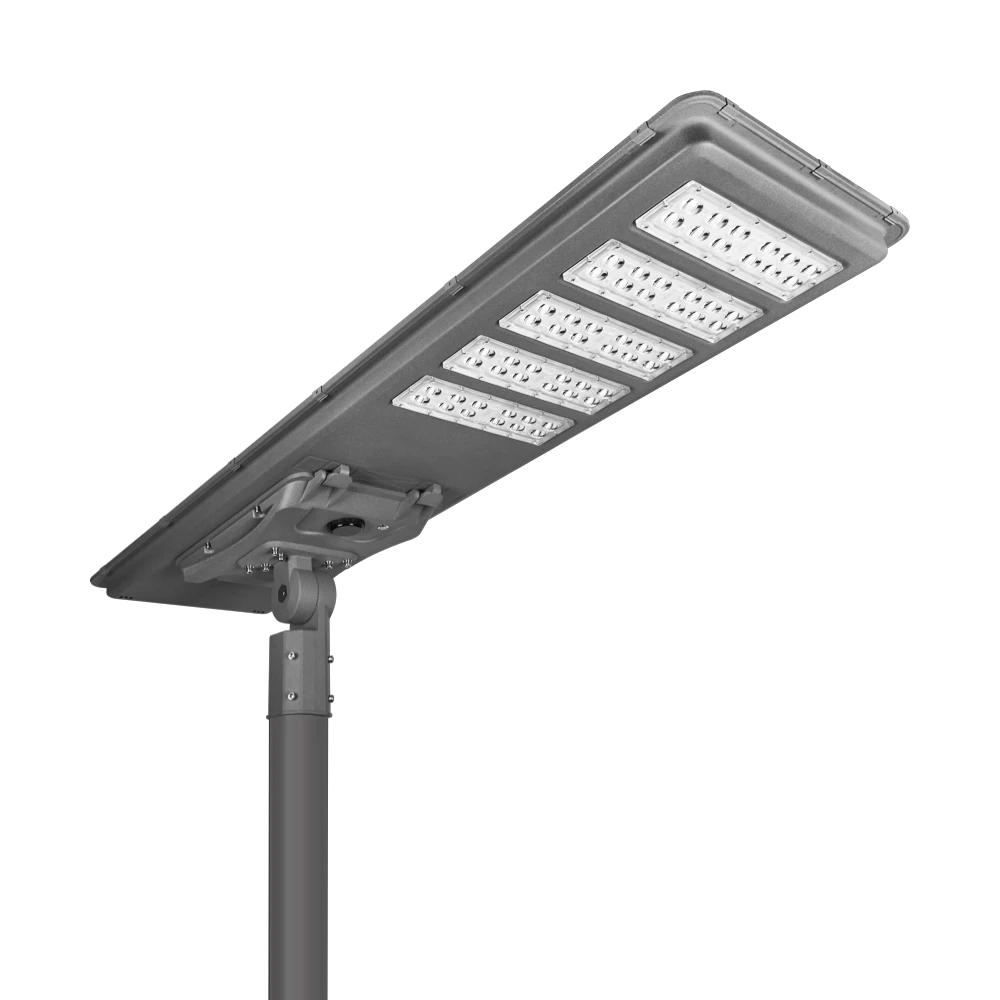
Découvrez le lampadaire solaire haute performance Lulin de Queneng, une solution d'éclairage extérieur durable et économe en énergie. Conçu pour être efficace et fiable, il exploite l'énergie solaire pour éclairer durablement les rues et les allées. Optimisez vos espaces extérieurs dès aujourd'hui grâce à la technologie innovante d'éclairage public solaire de Queneng.
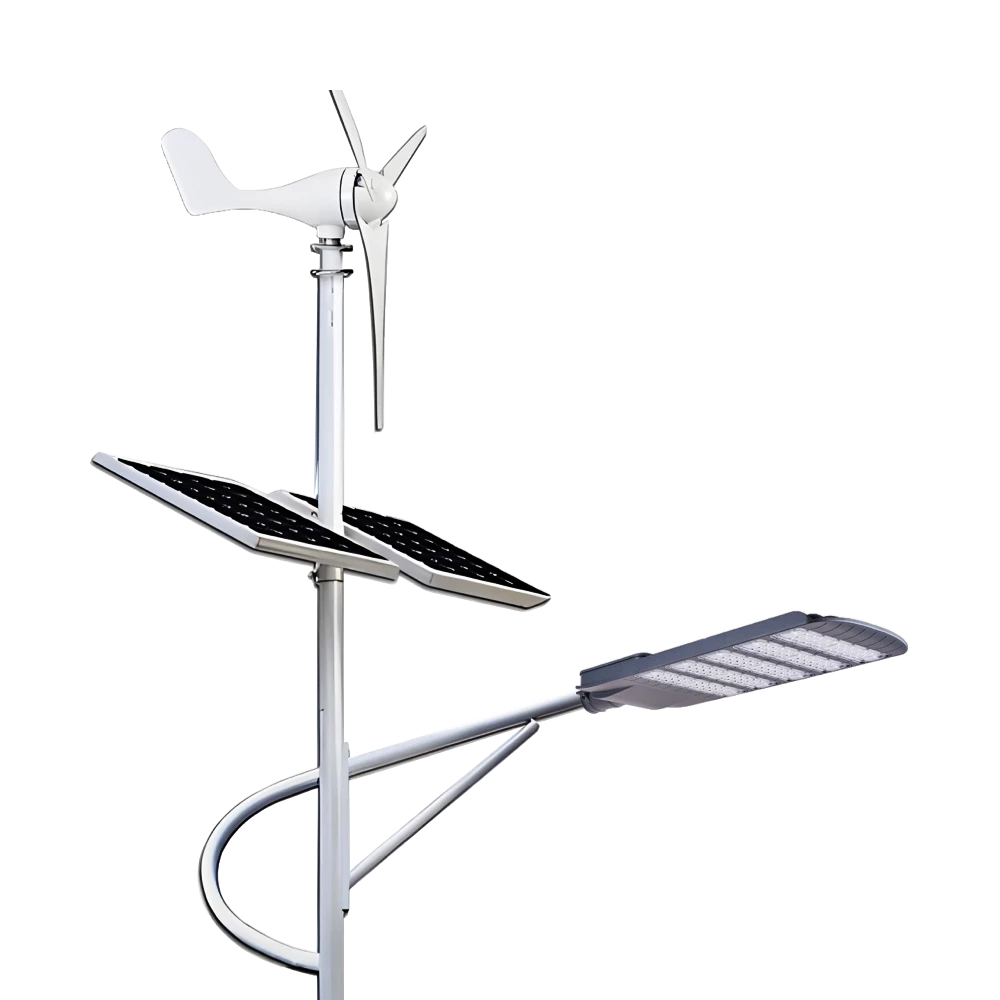
Les lampadaires solaires d'extérieur à LED à énergie éolienne de Queneng Lufeng offrent un éclairage haute performance et respectueux de l'environnement. Ces lampadaires à LED à faible consommation d'énergie exploitent l'énergie solaire et l'énergie éolienne pour des solutions d'éclairage extérieur durables et rentables.
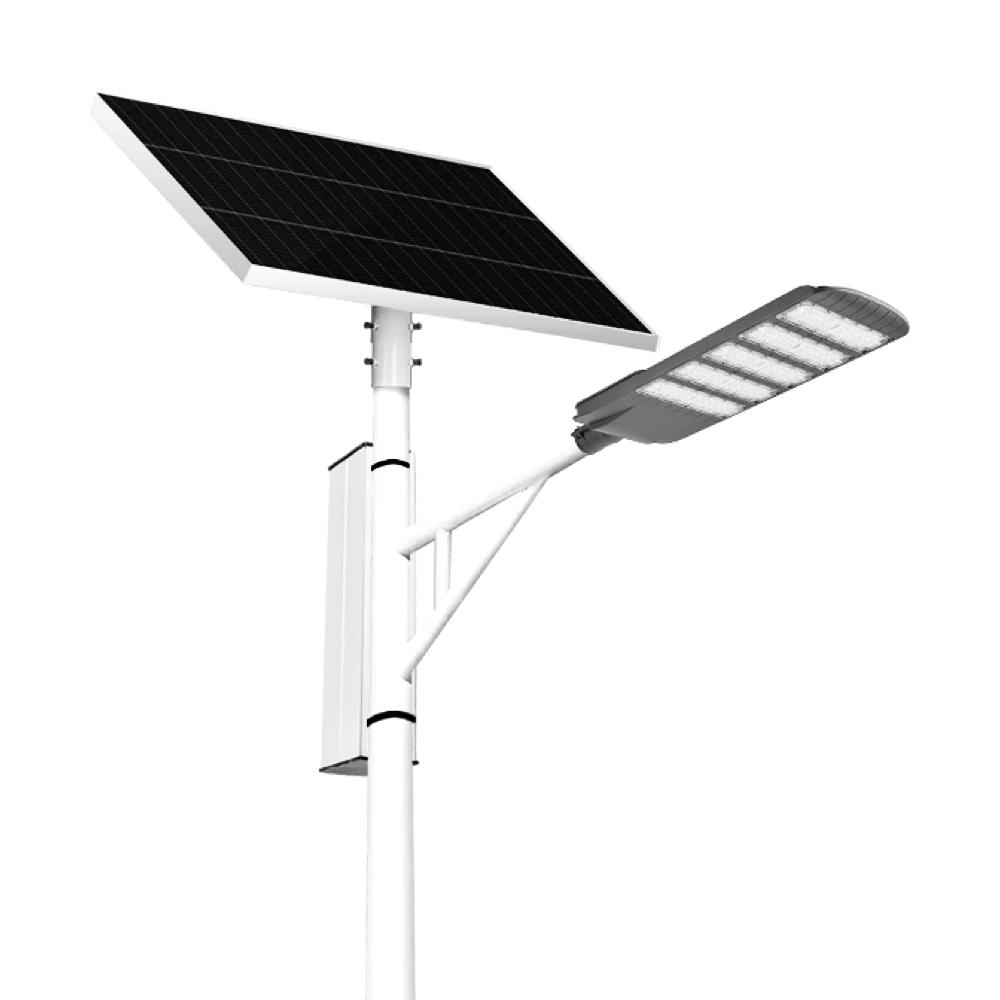
Les lampadaires solaires Luhao pour les municipalités sont conçus pour offrir des solutions d'éclairage public fiables, économes en énergie et économiques. Équipés d'une technologie LED avancée, de batteries lithium durables et de panneaux solaires haute performance, ces lampadaires assurent un éclairage constant des routes, des parcs, des zones résidentielles et des projets gouvernementaux.
Notre équipe professionnelle est prête à répondre à toutes vos questions et à vous fournir un accompagnement personnalisé pour votre projet.
Vous pouvez nous contacter par téléphone ou par e-mail pour en savoir plus sur les solutions d'éclairage solaire de Queneng. Nous sommes impatients de travailler avec vous pour promouvoir des solutions énergétiques propres !
Soyez assuré que votre vie privée est importante pour nous et que toutes les informations fournies seront traitées avec la plus grande confidentialité.
En cliquant sur « Envoyer la demande maintenant », j'accepte que Queneng traite mes données personnelles.
Pour savoir comment retirer votre consentement, comment contrôler vos données personnelles et comment nous les traitons, veuillez consulter notrepolitique de confidentialitéetConditions d'utilisation.
Planifier une réunion
Réservez une date et une heure qui vous conviennent et effectuez la séance à l'avance.
Vous avez d’autres questions sur nos produits ou services ?
Le messager de la conversion de la lumière et de la puissance
La protection de l'environnement et la fabrication intelligente sont notre philosophie de marque, et l'assurance qualité et la meilleure expérience utilisateur sont nos promesses éternelles aux utilisateurs.
CONTACT
No. 9F, bâtiment F, parc logistique Cao San Xin Tian Hong, ville de Guzhen, ville de Zhongshan, province du Guangdong, Chine.
ou écrire[email protégé]
WhatsApp : +86 136 2270 1011


© 2026 Queneng Lighting. Tous droits réservés. Propulsé par gooeyun.