














Cost-benefit of Hybrid Solar-Diesel Street Lighting Systems
Why municipalities are adopting Hybrid Solar-Diesel Street Lighting
Drivers of change for municipal solar street light projects
Municipalities worldwide are facing three converging pressures: the need to improve public lighting reliability, reduce lifecycle energy costs, and meet sustainability targets. Municipal Solar Street Light deployments reduce grid dependence and operating costs, but in many contexts—especially remote, storm-prone or fuel-accessible regions—pure solar solutions must be balanced against the practical resilience provided by diesel backup. Hybrid solar-diesel street lighting systems combine photovoltaic (PV) generation, energy storage, LED luminaires and diesel backup to deliver higher availability with predictable lifecycle economics.
Key performance indicators that matter
Decision-makers should evaluate systems by levelized cost of energy (LCOE), reliability (uptime/availability), lifecycle operating expense, maintenance complexity, and environmental impact (CO2 and particulate emissions). For municipal procurement, initial capital expenditure (CapEx), total cost of ownership (TCO) over project life (typically 10–15 years for lighting hardware), and payback period relative to baseline solutions are decisive.
Regulatory, social and procurement context
Funding models (capex grants, energy service contracts), procurement rules, and local regulations (noise/emission limits for gensets, lighting ordinances) will shape hybrid designs. Social acceptance also matters: quieter, clean solar operation with diesel only as occasional backup typically wins public support over continuous diesel-powered lighting.
Cost-benefit analysis framework for Hybrid Solar-Diesel Street Lighting
Components of CapEx and OpEx
A municipal solar street light hybrid comprises: LED luminaire, PV array, battery bank, charge controller/MPPT, mounting pole, controllers/telemetry, and a diesel generator (either small unit per cluster or shared mobile backup). Key cost categories:
- Upfront hardware and installation (CapEx)
- Fuel (diesel) and generator maintenance (OpEx)
- Battery replacement (mid-life OpEx)
- Annual preventive maintenance and monitoring
Each line item should be estimated and discounted across the project life to calculate TCO and LCOE.
Energy reliability, resilience and operating profiles
Hybrid systems are designed so solar + battery supply normal nightly operation; diesel is invoked for extended cloudy periods or as scheduled maintenance backup. Availability is therefore a function of PV sizing (insolation), battery autonomy (days of storage), and diesel readiness. For critical arterial lighting, designers aim for >99% nightly availability.
Environmental and social benefits quantified
Switching from diesel-only to hybrid reduces direct emissions and local pollution. Using IPCC fuel-emission factors, diesel combustion emits approximately 2.68 kg CO2 per liter (IPCC). With typical genset consumption rates, diesel-only lighting can emit several tonnes CO2 per year for a medium-sized municipal deployment; hybrid designs dramatically reduce that by cutting diesel operating hours. Reduced noise and particulate emissions improve local air quality.
Comparative cost and emissions: Hybrid vs Solar-only vs Diesel-only
Typical LCOE and emissions ranges (global evidence)
Representative global ranges (LCOE) based on recent studies and market reports:
| Solution | LCOE (USD/kWh) | CO2 (kgCO2/kWh) | Notes / Primary cost drivers |
|---|---|---|---|
| Solar PV + battery (solar-only) | ~0.05–0.18 | ~0.01–0.05 (manufacturing & grid blending) | Depends on battery replacements and insolation (source: IRENA) |
| Diesel-only (distributed genset) | ~0.20–0.60 | ~0.6–0.9 | Highly sensitive to diesel price and logistics |
| Hybrid (solar + battery + limited diesel) | ~0.07–0.25 | ~0.05–0.2 | Blends low-cost solar with occasional diesel; cost depends on backup hours |
Sources: IRENA (solar PV cost data), IPCC (emission factors), market price tracking for diesel (see references).
Interpreting the table for municipal procurement
Solar-only is generally the lowest-emission and can be lowest LCOE in good insolation regions, but its reliability depends on battery sizing and weather. Diesel-only has high and volatile OpEx and emissions. Hybrid systems sit between both: slightly higher CapEx than solar-only (because of genset/integration) but much lower OpEx than diesel-only and greater resilience than solar-only when sizing or budget constrain battery capacity.
When hybrid is the pragmatically optimal choice
Hybrid systems are especially attractive when:
- Solar insolation is moderate/unreliable (seasonal cloudiness)
- Fuel logistics are workable but fuel cost/availability are volatile
- Critical lighting reliability is required (bridges, main roads)
- Municipality wants to reduce diesel hours but cannot afford large battery capacity
Real-world example and payback calculation for a 100-unit municipal deployment
Assumptions for the example scenario
To illustrate financials, consider a 100-lamp municipal installation (LED 60 W equivalent, average 8 hours/night). Key assumptions (example):
- Average energy per lamp per night: 60 W × 8 h = 0.48 kWh
- Annual energy per lamp: 0.48 kWh × 365 ≈ 175 kWh
- Solar-only CapEx per unit (PV, battery, LED, controller, pole): USD 1,800 (typical range USD 1,200–3,500)
- Diesel genset backup (shared mobile or cluster) allocated per unit CapEx: USD 200 (if centralized/shared) to USD 600 (dedicated small genset per pole)
- Diesel operating hours per year (hybrid backup use): 100 hours/unit-year equivalent (conservative occasional backup)
- Diesel consumption: 0.25 L/kWh-equivalent for small genset operations (varies with load) → approximate fuel consumption per year (hybrid): 0.25 L/kWh × (100 h × average genset kW per unit) — to simplify, assume diesel fuel cost drives annual OpEx of USD 40–120 per unit
- Project life: 10 years; discounting not applied for simplicity (use in procurement analysis)
These are illustrative; any municipal procurement should use local diesel prices, labor rates, and solar insolation data.
Cost and payback table (illustrative)
| Metric (100 units) | Diesel-only | Solar-only | Hybrid (illustrative) |
|---|---|---|---|
| Upfront CapEx (USD) | 20,000 (small gensets & poles assumed USD200/unit) | 180,000 (USD1,800/unit) | 200,000 (USD2,000/unit incl. small genset allowance) |
| Annual fuel/energy OpEx (USD) | ~30,000 (diesel purchase & transport) | ~1,500 (maintenance, inverter losses; near-zero fuel) | ~6,000 (limited diesel use + maintenance) |
| Annual maintenance OpEx (USD) | ~5,000 | ~4,000 (batteries, cleaning) | ~4,500 |
| Estimated annual OpEx (USD) | ~35,000 | ~5,500 | ~10,500 |
| 10-year TCO (CapEx + 10×OpEx) | ~370,000 | ~235,000 | ~305,000 |
Notes: Numbers are illustrative. In this example solar-only has lower TCO than diesel-only in 10-year horizon; hybrid sits between but delivers higher reliability than solar-only when battery sizing is constrained. If diesel fuel costs are very high or logistics costly, hybrid shifts toward solar-only economically.
Sensitivity analysis—what changes the outcome
Critical sensitivities:
- Diesel fuel price: a 20–50% increase in diesel price strongly favors solar-only or hybrid.
- Battery replacement frequency: replacing batteries once vs twice in project life can swing TCO significantly.
- Insulation: low-sun locations increase solar CapEx to maintain autonomy.
Municipal decision-makers must run local scenarios using actual solar irradiance data (satellite or ground-based), current diesel price, battery lifespan (calendar & cycle), and service cost assumptions to select the right configuration.
Selecting, integrating and maintaining Municipal Solar Street Light Hybrids
Technical selection criteria
When specifying a municipal solar street light hybrid, evaluate:
- LED efficacy and lumen maintenance (LR70 @ X hours)
- PV module rating & temperature coefficient (for local climate)
- Battery type (Li-ion vs AGM): cycle life, depth-of-discharge (DoD), temperature resilience
- Charge controllers and smart controllers with telemetry for remote monitoring
- Diesel genset sizing and fuel-storage safety; preference for low-emission, noise-attenuated units or shared backup strategy
Installation, controls and system integration
Best practice: implement a control strategy where PV + battery serve normal loads; diesel acts only when state-of-charge drops below a threshold or for scheduled autonomous testing. Telemetry (cellular or LoRaWAN) allows municipalities to monitor battery state, solar generation, and runtime of diesel backup to optimize operations and reduce fuel use.
Operational best practices and lifecycle management
Planned preventive maintenance (cleaning PV modules, checking connections, testing diesel and batteries) reduces downtime and unexpected costs. Track diesel hours to manage fuel procurement and emissions reporting. Budget for mid-life battery replacement (often 5–8 years for Li-ion depending on cycles) in municipal financial planning.
Supplier capability and why it matters
Choose suppliers with proven product lines, field engineering and after-sales service. Systems integration is as important as component quality: core advantages include quality PV modules, certified battery systems, and strong project engineering and quality control.
Supplier profile — GuangDong Queneng Lighting Technology Co., Ltd.
Founded in 2013, GuangDong Queneng Lighting Technology Co., Ltd. (Queneng) specializes in solar street lights, solar spotlights, solar garden lights, solar lawn lights, solar pillar lights, solar photovoltaic panels, portable outdoor power supplies and batteries, lighting project design, and LED mobile lighting industry production and development. After years of development, Queneng has become a designated supplier to many listed companies and engineering projects and serves as a solar lighting engineering solutions think tank, providing safe and reliable professional guidance and solutions.
Queneng strengths include:
- Experienced R&D team and advanced production equipment
- Strict quality control and mature management systems
- Certifications: ISO 9001, TÜV audit approval, CE, UL, BIS, CB, SGS, MSDS
- Core products: Solar Street Lights, Solar Spot lights, Solar Garden Lights, Solar Lawn Lights, Solar Pillar Lights, Solar Photovoltaic Panels
For municipalities seeking an integrated hybrid solution, Queneng offers end-to-end services: product supply, project design, quality-certified components, and after-sales maintenance planning. Their portfolio and certifications support procurement compliance and risk reduction.
FAQ — Frequently asked questions
1. Is a hybrid solar-diesel municipal street lighting system cheaper than diesel-only?
Generally yes over a multi-year horizon. Diesel-only systems have high and volatile fuel operating costs; hybrid systems reduce diesel hours and therefore fuel OpEx. Exact savings depend on local diesel price, insolation, and maintenance costs.
2. When is hybrid preferred over solar-only?
Hybrid is preferred when high availability is required and local conditions (seasonal cloudiness, budget constraints on battery capacity, or limited time to recharge) make pure solar less reliable, or when municipalities want a staged approach (start hybrid, move toward solar-only over time as budgets allow).
3. How do I size batteries and diesel backup for a municipal project?
Size batteries to meet desired autonomy (days without sun) and incorporate depth-of-discharge to preserve cycle life. Diesel backup sizing depends on whether it’s dedicated per pole or shared by clusters—shared mobile gensets lower CapEx but require logistics. Use local solar resource data and worst-case weather profiles to size autonomy.
4. What maintenance should municipalities plan for hybrids?
Routine PV cleaning, LED inspections, battery health monitoring, and periodic diesel generator testing. Budget for battery replacement (typical life 5–8 years for common chemistries) and for fuel procurement logistics if generators are used.
5. How do emissions compare between the options?
Diesel-only generally produces the highest direct CO2 and particulate emissions. Solar-only has minimal operational emissions; lifecycle manufacturing emissions exist but are significantly lower. Hybrid reduces diesel emissions proportional to diesel hours saved; emissions depend on how often the diesel backup runs.
6. How should municipalities structure procurement to ensure lifecycle value?
Procure based on TCO and availability guarantees, require telemetry and performance guarantees, include warranty terms for batteries and PV, and require documented maintenance schedules. Consider performance-based contracts with penalties for downtime.
If you want help assessing a specific municipal site, performing a local cost-benefit model, or reviewing supplier proposals, contact GuangDong Queneng Lighting Technology Co., Ltd. for project design, product details, and quotation. Visit Queneng’s product pages for Solar Street Lights, Solar Spot lights, Solar Garden Lights, Solar Lawn Lights, Solar Pillar Lights, and Solar Photovoltaic Panels, or request a tailored engineering assessment.
References and data sources
- IRENA — Renewable Power Generation Costs in 2020. https://www.irena.org/publications/2021/Jun/Renewable-Power-Costs-in-2020 (accessed 2025-12-10)
- IPCC — Emission Factors and Global Warming Potentials. https://www.ipcc-nggip.iges.or.jp/public/2006gl/ (accessed 2025-12-10)
- GlobalPetrolPrices — Diesel prices around the world (example for fuel sensitivity). https://www.globalpetrolprices.com/diesel_prices/ (accessed 2025-12-10)
- NREL — Solar Photovoltaic Pricing and Technology overview (U.S. context). https://www.nrel.gov/grid/solar-resource/ (accessed 2025-12-10)
- World Bank / ESMAP reports on off-grid diesel costs and renewable alternatives (examples). https://www.worldbank.org/en/topic/energy (accessed 2025-12-10)
- Queneng company information and product lines (company-provided profile). Company internal and certification records (ISO 9001, TÜV, CE, UL, BIS, CB, SGS, MSDS). (Company materials: GuangDong Queneng Lighting Technology Co., Ltd.)
For further consultation and a site-specific cost-benefit model, contact GuangDong Queneng Lighting Technology Co., Ltd. — they can provide product datasheets, case studies, and certified quotations for Municipal Solar Street Light hybrid systems.

Have more questions about our products or services?
The latest hot news you might like

Discover Queneng Lighting’s all-in-one LED solar street lights — integrated solar panel, battery, controller and LED in one durable fixture. Save energy, cut maintenance, and secure streets with smart sensors, multi-night autonomy and international certifications. Contact sales for quotes and support.

Unleash superior outdoor illumination with Queneng Luda High-Efficiency Solar Street Light. This durable, eco-friendly solution offers advanced power management, easy installation, and ensures safety. Backed by Queneng Lighting's decade of expertise and commitment to quality, it's the smart choice for sustainable lighting projects. Learn why we're a leading solar solutions provider.

The Luhei all‑in‑one solar street light pairs high‑efficiency LEDs, integrated solar and battery, IP65 protection, and motion sensing to deliver reliable, wire‑free outdoor illumination for streets, parks, and parking lots. Backed by Queneng Lighting’s certifications and support.

FAQ
Battery Types and Applications
What types of battery products are there? Which application fields are they suitable for?
Electric bicycles, cordless phones, electric toys, power tools, emergency lights, household appliances, instruments and equipment, mining lamps, walkie-talkies
The application fields of lithium-ion batteries include but are not limited to:
Electric bicycles, remote-controlled toy cars, mobile phones, laptops, various mobile devices, compact disc players, small video cameras, digital cameras, walkie-talkies
Battery and Analysis
What are the possible reasons why batteries and battery packs cannot be discharged?
2) Insufficient charging or no charging;
3) The ambient temperature is too low;
4) The discharge efficiency is low. For example, when a large current is discharged, an ordinary battery cannot discharge electricity because the internal material diffusion speed cannot keep up with the reaction speed, causing the voltage to drop sharply.
Solar Street Light Luhui
Do Luhui solar street lights have a battery backup for cloudy days?
Yes, each Luhui solar street light includes a rechargeable battery that stores solar energy during the day to power the light at night, ensuring continuous operation even on c
What makes Luhui solar street lights different from other solar lights?
Luhui solar street lights use high-performance LEDs and advanced solar panels for superior efficiency and longevity. They are designed with enhanced durability, providing bright and consistent lighting in all weather conditions.
Solar Street Light Chuanqi
How do Chuanqi solar street lights differ from traditional street lights?
Chuanqi solar street lights are powered by solar energy, making them a sustainable and eco-friendly alternative to traditional street lights that rely on the electrical grid. They use energy-efficient LED technology that reduces electricity consumption while providing reliable, bright lighting. Unlike traditional lights, Chuanqi solar street lights operate independently of the grid, reducing installation costs and maintenance.
Solar Street Light Luhao
What type of battery is used in the Luhao solar street light?
The Luhao solar street light uses high-quality lithium-ion batteries that store solar energy efficiently. These batteries offer long-lasting performance and can typically last for 3 to 5 years before needing replacement.
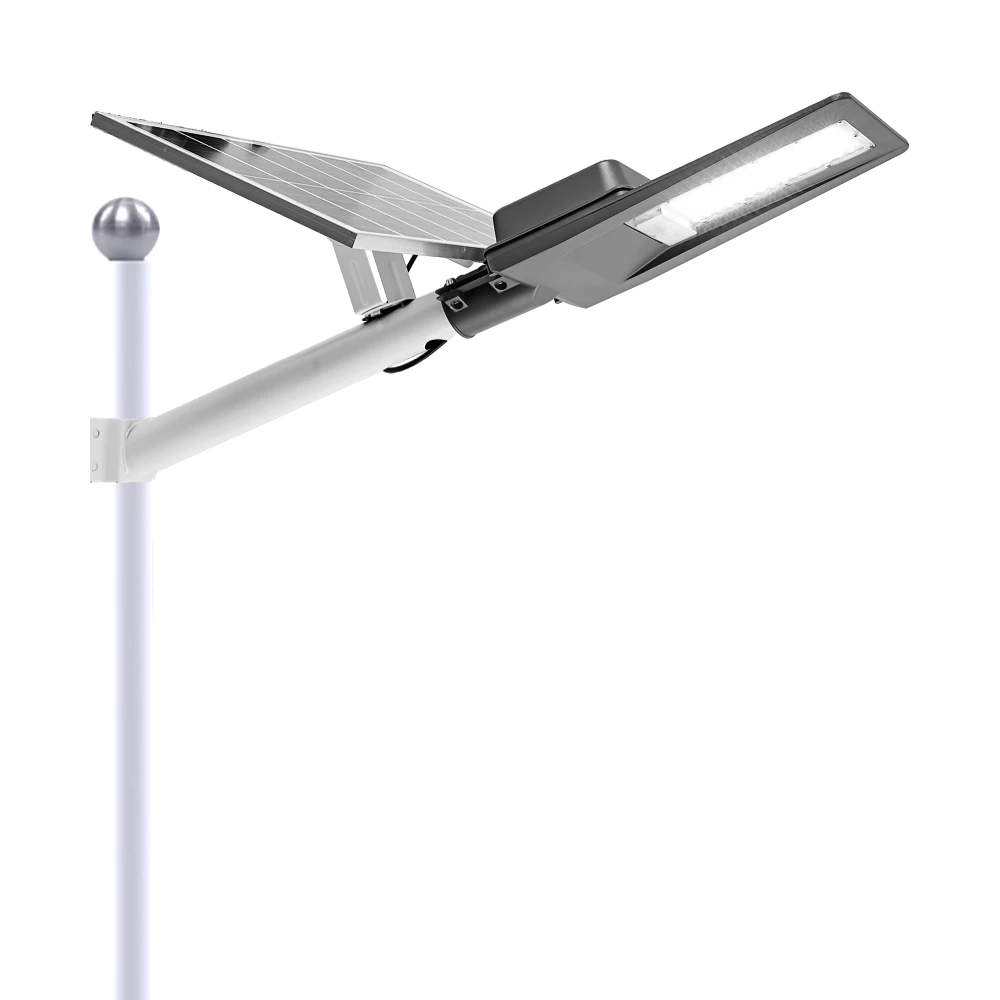
Experience reliable outdoor illumination with our smart solar street light, a perfect combination of advanced technology and eco-conscious design.
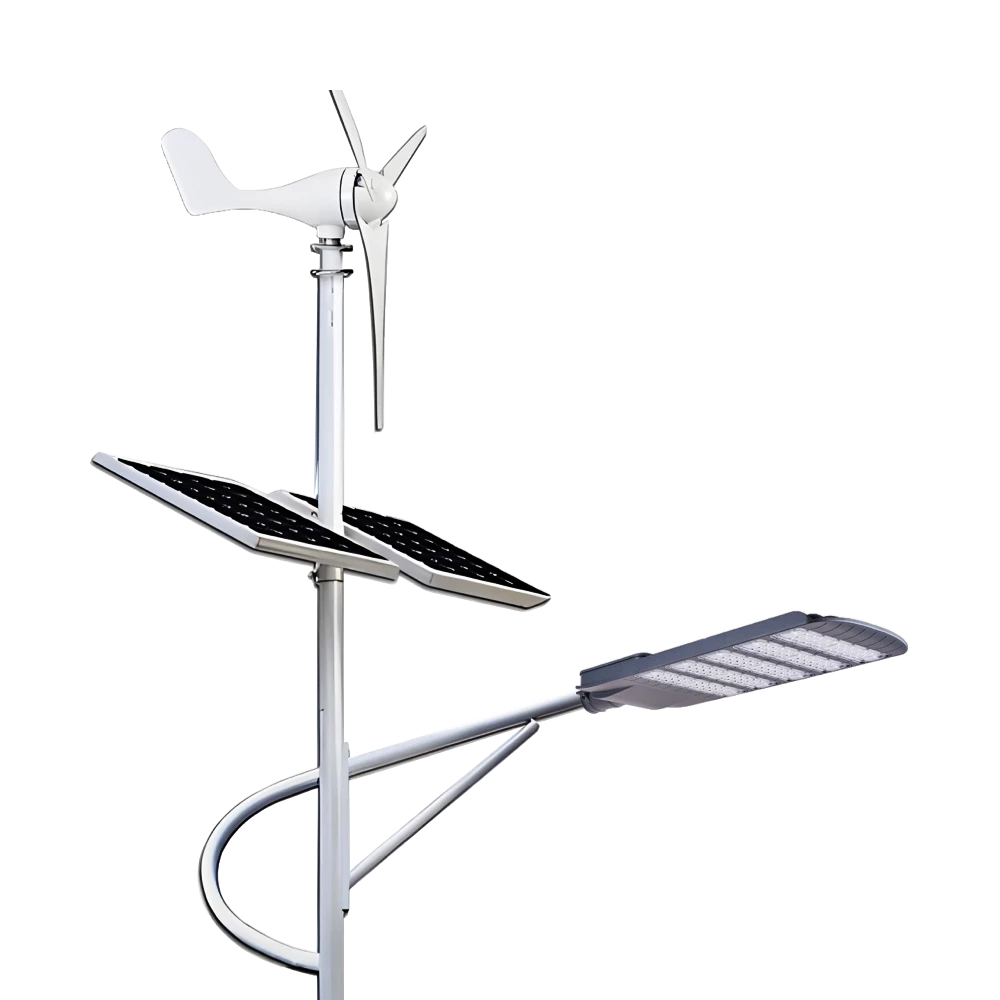
Queneng Lufeng Wind Energy LED Outdoor Solar Street Lights offer high-performance, eco-friendly illumination. These energy-efficient LED street lights harness solar power and wind energy for sustainable, cost-effective outdoor lighting solutions.
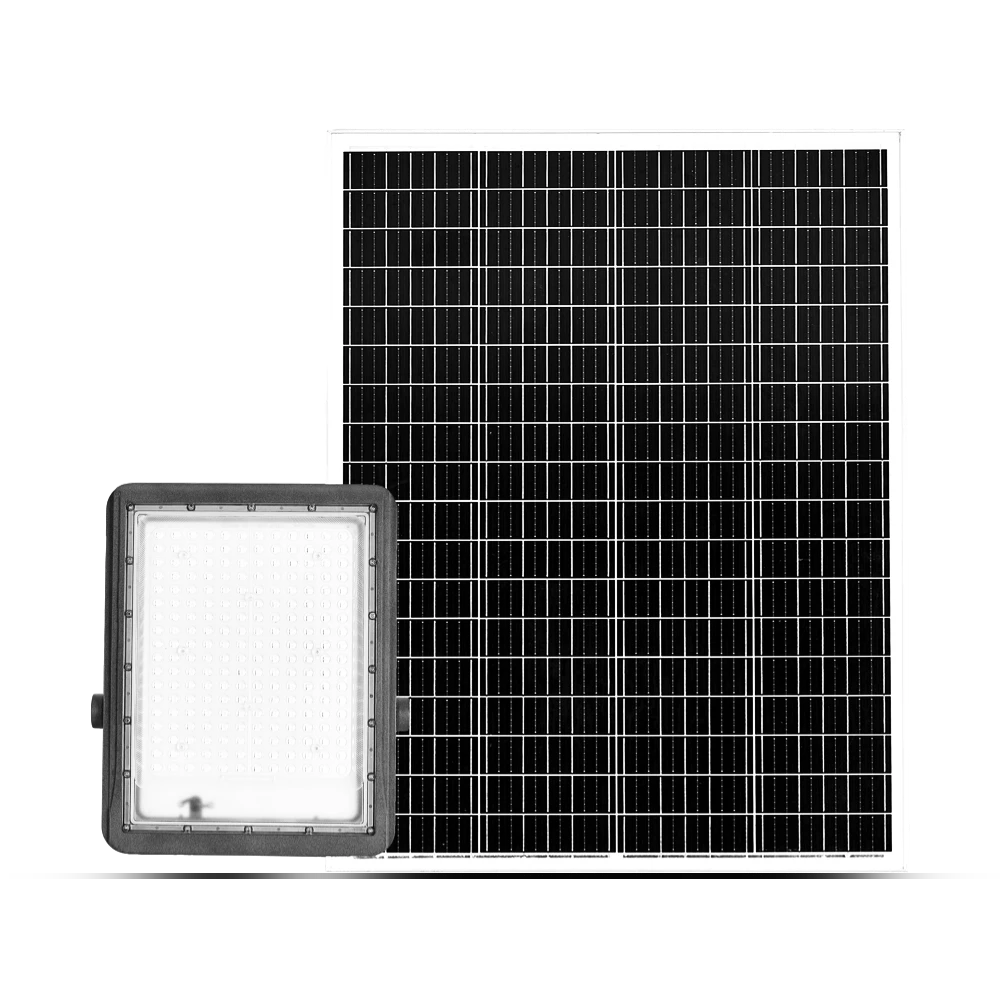
Queneng's Luxian Reliable Solar Street Light offers energy-saving LED lighting for outdoor use. This durable, solar-powered street light provides reliable illumination, reducing energy costs and environmental impact. A perfect solution for sustainable outdoor lighting.
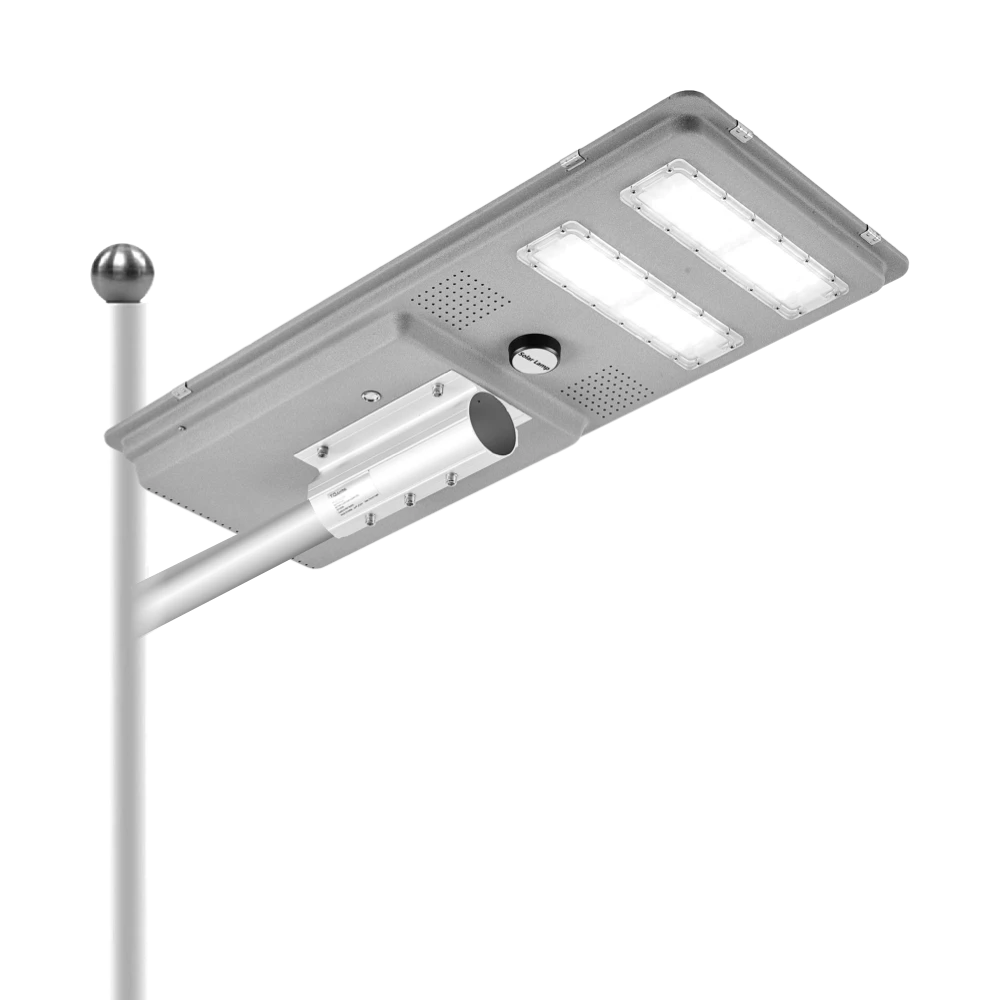
Queneng’s Solar Street Lights are designed to provide reliable, energy-efficient lighting for streets, parks, and other outdoor spaces.
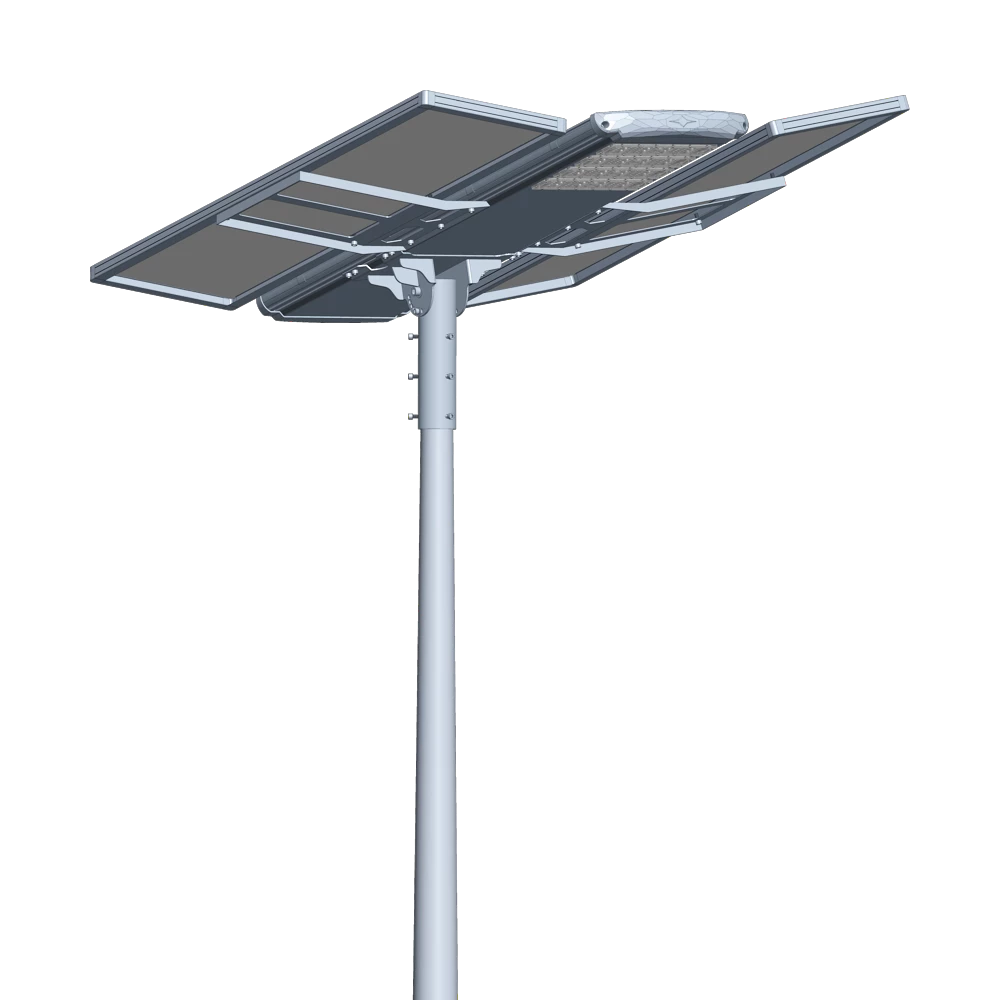
Introducing the Luqing Solar Street Light by Queneng, Efficient LED lighting powered by solar energy is perfect for illuminating outdoor areas. Harness the power of solar energy for sustainable, reliable street lighting. Ideal for eco-friendly, cost-effective outdoor illumination solutions.
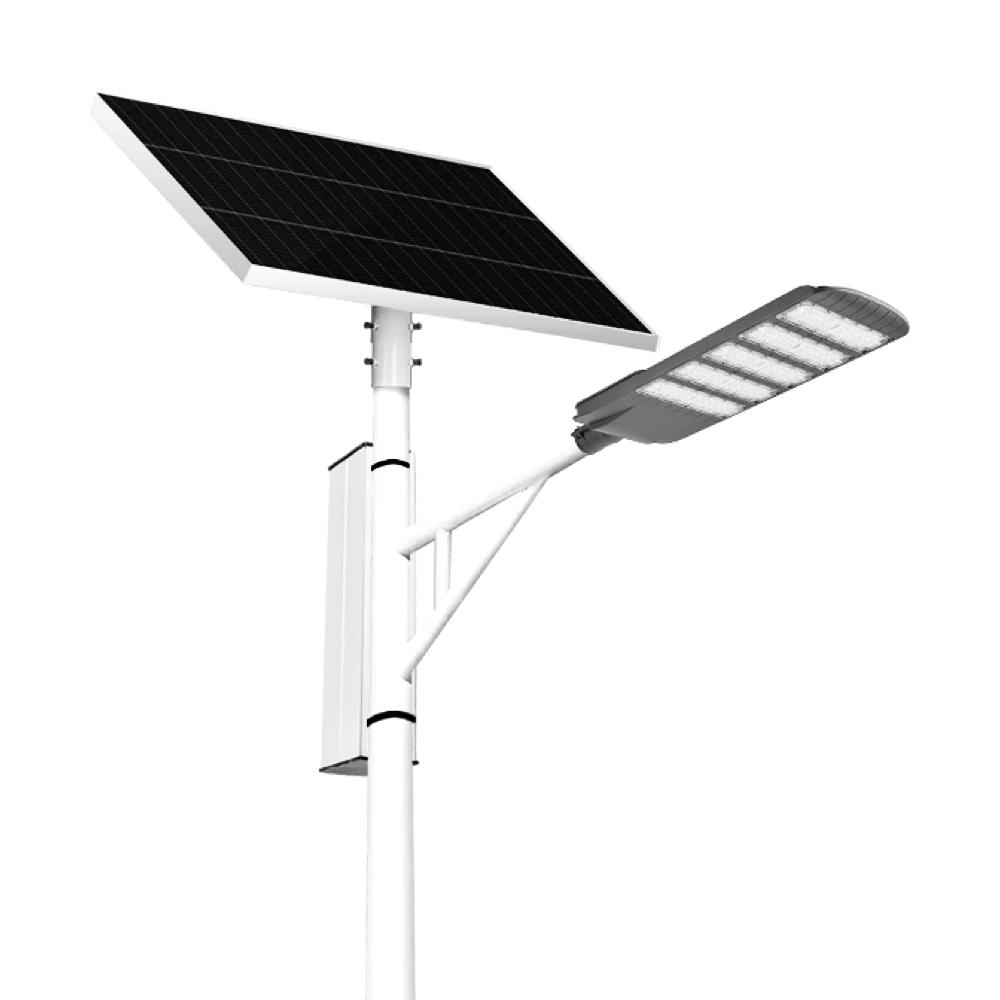
The Solar Streetlights of Luhao for Municipalities are designed to deliver reliable, energy-efficient, and cost-effective public lighting solutions. Equipped with advanced LED technology, durable lithium batteries, and high-efficiency solar panels, these streetlights provide consistent illumination for roads, parks, residential areas, and government projects.
Our professional team is ready to answer any questions and provide personalized support for your project.
You can reach us via phone or email to learn more about Queneng’s solar lighting solutions. We look forward to working with you to promote clean energy solutions!
Rest assured that your privacy is important to us, and all information provided will be handled with the utmost confidentiality.
By clicking 'Send Inquiry Now' I agree to Queneng processing my personal data.
To see how to withdraw your consent, how to control your personal data and how we process it, please see our Privacy Policy and Terms of use.
Schedule a Meeting
Book a date and time that is convenient for you and conduct the session in advance.
Have more questions about our products or services?
The messenger of light & power conversion
Environmental protection and intelligent manufacturing are our brand philosophy, and quality assurance and the best user experience are our eternal promises to users.
CONTACT
No.9F, Building F, Cao San Xin Tian Hong Logistics Park, Guzhen Town, Zhongshan City, Guangdong Province, China.
or write [email protected]
WhatsApp: +86 136 2270 1011


