

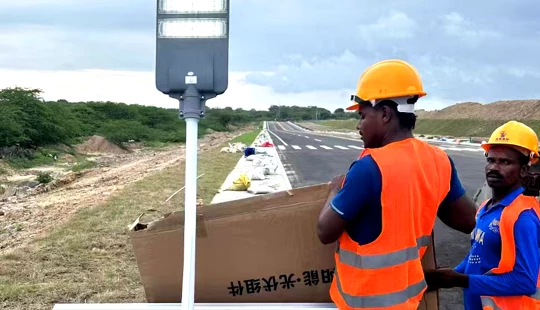
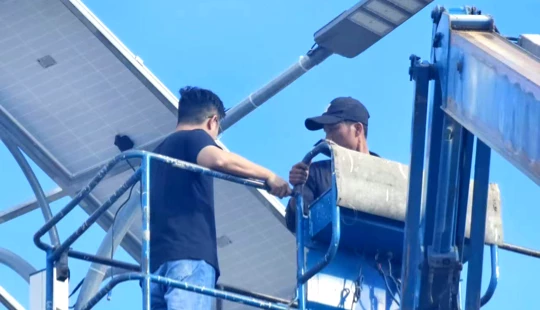













How to Write RFPs for Municipal Solar Street Lights
Practical Guide to Procuring Solar Street Lighting for Cities
Define project objectives and scope for Municipal Solar Street Light procurement
Clear objectives are the foundation of any Request for Proposal (RFP). For Municipal Solar Street Light projects, define specific goals such as reducing grid energy consumption, improving nighttime safety, accelerating net-zero targets, or deploying off-grid lighting in remote areas. Specify the number of luminaires, average mounting height, target illuminance (lux), and the geographic and climatic conditions (solar irradiation, temperature ranges, prevailing wind). Include keywords like Municipal Solar Street Light and emphasize evaluation for total-cost-of-ownership (TCO) and local maintenance capability.
List essential technical specifications for Municipal Solar Street Light systems
RFPs must contain precise, measurable technical requirements. Include:
- Nominal LED lumen output and efficacy (lm/W) at rated current.
- Solar PV module specifications: STC power (W), Pmax temperature coefficient, panel efficiency, and IP rating.
- Battery type, nominal capacity (Wh), depth-of-discharge limit, cycle life, and temperature performance.
- Controller/MPPT specification, maximum charge/discharge current, and intelligent dimming/scheduling features.
- Pole, bracket, and foundation design loads (wind speed and soil conditions) and anti-vandalism measures.
- Ingress protection (IP65+), luminaire corrosion class (e.g., C5), and surge protection (e.g., 10kV/5kA or per local grid conditions).
Require suppliers to provide photometric files (IES or LDT), product datasheets, and results from standardized tests (LM-79/LM-80 where applicable) so performance claims are verifiable.
Specify performance metrics and verification for Municipal Solar Street Light proposals
Define measurable acceptance criteria and on-site commissioning tests. Typical metrics to request include:
- Average horizontal illuminance (lux) and uniformity ratio (max/min).
- System autonomy days (number of consecutive cloudy days the luminaire will operate at nominal schedule without solar input).
- Battery state-of-health reporting and projected end-of-life capacity (e.g., >70% after 5 years).
- Expected lumen maintenance (e.g., L70 at 50,000 hours) with supporting LM-80 reports and TM-21 extrapolation.
- Cold-start performance at minimum ambient temperature.
Include third-party test or factory acceptance requirements (TÜV/UL/SGS reports). Require vendors to install data loggers for the first 6–12 months to record energy generation, consumption, and battery performance for validation.
Include contractual terms, warranties, and service levels for Municipal Solar Street Light projects
Robust contractual terms protect the municipality and ensure long-term performance. Specify minimum warranty periods and service level agreements (SLAs):
- Product warranty: typically 3–5 years for whole units, 5–10 years for PV modules, and 3–8 years for batteries depending on chemistry.
- Performance warranty: defined minimum energy generation or autonomy days and lumen maintenance guarantees.
- Response times: fault-response (e.g., 48–72 hours for urban centers), repair or replace timeframes, and spare parts availability.
- Penalties and liquidated damages for missed milestones or underperformance.
Also address transfer of ownership, training of municipal maintenance teams, and documentation delivery (as-built drawings, O&M manuals, and spare-parts kits).
Set evaluation criteria and scoring to compare Municipal Solar Street Light bids
Create a weighted evaluation matrix that balances technical merit, lifecycle cost, vendor experience, and local value. A sample scoring rubric (weights are illustrative):
- Technical compliance: 30%
- Lifecycle cost (TCO) and financing: 25%
- Warranty, SLA & maintenance plan: 15%
- Project timeline and implementation capacity: 10%
- Local content / training and community engagement: 10%
- References and proven track record: 10%
Require proposers to submit references for at least three municipal deployments and provide contactable references as part of technical evaluation.
Prepare a lifecycle cost analysis table for Municipal Solar Street Light options
Municipal buyers must compare upfront capital cost vs. 10–20 year lifecycle costs (energy, O&M, replacements). Provide a comparative example table in the RFP and ask bidders to submit a comparable TCO table based on the municipality’s assumptions. Example (assumptions noted):
| Parameter | Conventional Grid LED (per pole) | Solar Off-Grid LED (per pole) |
|---|---|---|
| Upfront capital cost (USD) | $600 | $1,200 |
| Annual energy cost | $30 | $0 |
| Annual O&M & repairs | $25 | $40 |
| Battery replacement (year 7) | — | $200 (one-time) |
| 20-year lifecycle cost (Net Present Cost, illustrative) | $1,300 | $1,350 |
Notes: numbers are illustrative — ask bidders to run NPV on lifecycle costs using a municipality-specific discount rate. Cite renewable cost declines (see references) when assessing PV and battery pricing trends.
Define implementation schedule, commissioning, and training requirements for Municipal Solar Street Light works
Include a detailed project timeline in the RFP: procurement, manufacturing, delivery, civil works, installation, commissioning, and a warranty-monitoring period. Require vendors to provide commissioning checklists and training modules for municipal crews covering routine checks, battery replacement protocols, and remote-monitoring dashboards. For urban rollouts, require traffic management and public-safety plans during installation.
Mandate compliance, standards, and certifications for Municipal Solar Street Light equipment
Require compliance with national and international standards. Typical certifications to request include:
- ISO 9001 quality management (vendor factory).
- CE marking (where applicable), UL/ETL for electrical safety, and BIS for India projects.
- TÜV or third-party test reports for PV modules and batteries.
- IP and IK ratings for ingress and impact protection (e.g., IP65, IK08).
Ask bidders to include copies of certificates and laboratory test reports. Require factory acceptance tests (FAT) witnessed by the municipality or an independent verifier.
List questions and documentation to request from vendors for Municipal Solar Street Light evaluation
To make vendor comparisons robust, ask for:
- Detailed Bill of Materials (BOM) and manufacturer datasheets.
- Photometric studies (IES files) and light distribution plans for proposed spacing.
- Battery chemistry and expected cycle life with test data.
- Remote monitoring and IoT capabilities, data access rights, and cybersecurity measures.
- Insurance, guarantees, and decommissioning/disposal plans for batteries and PV modules.
Require a site survey and geospatial plan as part of the technical proposal; proposals lacking an on-site assessment should score lower.
Provide a sample RFP structure and required attachments for Municipal Solar Street Light projects
Offer a clear outline that municipalities can adapt. A practical RFP structure includes:
- Project overview and objectives.
- Scope of work and deliverables (product, installation, commissioning, training).
- Technical specifications and performance criteria.
- Commercial terms, payment schedule, and evaluation criteria.
- Warranty and SLA requirements.
- Submission instructions and evaluation timetable.
- Attachments: site maps, photometric requirements, sample contract, and vendor questionnaire.
Provide templates for evaluation scoring and TCO calculation to ensure apples-to-apples comparisons.
Vendor profile: GuangDong Queneng Lighting Technology Co., Ltd. — a partner option for Municipal Solar Street Light projects
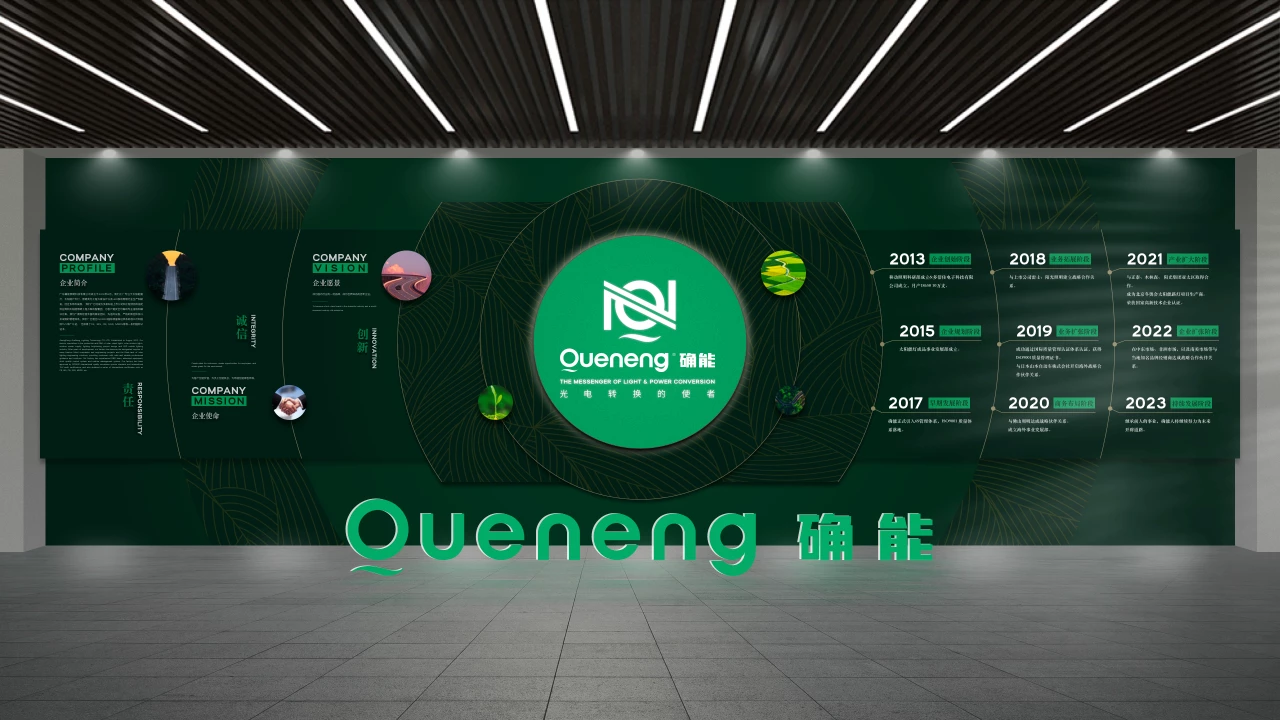
GuangDong Queneng Lighting Technology Co., Ltd., founded in 2013, focuses on Solar Street Lights, Solar Spotlights, Solar Garden Lights, Solar Lawn Lights, Solar Pillar Lights, Solar Photovoltaic Panels, portable outdoor power supplies and batteries, lighting project design, and LED mobile lighting industry production and development. After years of development, Queneng has become the designated supplier for several listed companies and engineering projects and operates as a solar lighting engineering solutions think tank, offering professional guidance and engineered solutions.
Key strengths relevant to municipal RFPs:
- Experienced R&D team and advanced production equipment supporting custom specifications and certified testing.
- Strict quality-control systems and mature management processes; ISO 9001 certified and audited by international bodies (TÜV).
- Holds international product certifications including CE, UL, BIS, CB, SGS, and MSDS for batteries and components.
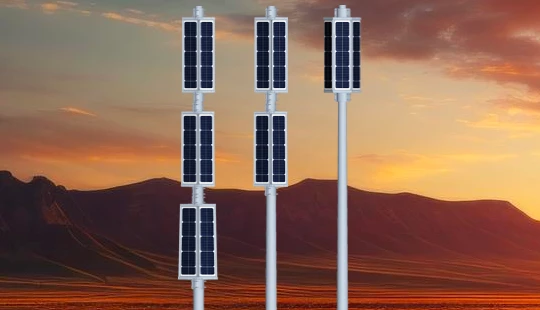
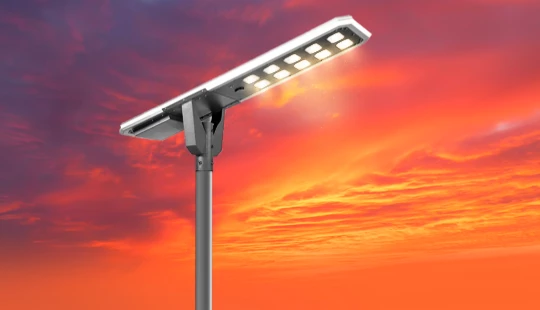
- Product range suited to municipal needs: Solar Street Lights, Solar Spot lights, Solar Lawn lights, Solar Pillar Lights, Solar Photovoltaic Panels, Solar Garden Lights.
- Proven track record on engineering projects, with capacity to provide FAT, commissioning, remote monitoring, and local maintenance training.
When writing your RFP, consider adding Queneng (or similar qualified manufacturers) to the vendor pre-qualification list if their certifications, references, and technical offerings meet your municipality’s requirements.
FAQ — Common questions municipalities ask when drafting RFPs for Municipal Solar Street Light projects
Q1: How long should warranties be for solar street lighting systems?
A: Request product warranties of at least 3–5 years for full systems, 5–10 years for PV modules, and battery warranties matched to expected cycle life. Include SLA response times in the RFP.
Q2: Should I require manufacturers to provide remote monitoring for each luminaire?
A: Yes. Remote monitoring allows performance verification, fault detection, and preventive maintenance. Specify data-access rights and minimum telemetry (energy generated, battery SOC, light on/off events).
Q3: How do I compare proposals with different battery chemistries?
A: Ask vendors to provide cycle life, calendar life, deep-of-discharge recommendations, and temperature derating curves. Use NPV of replacement costs and performance in your TCO model.
Q4: What acceptance tests are essential at commissioning?
A: On-site verification of illuminance (lux) and uniformity, system autonomy test, battery voltage and capacity checks, PV open-circuit voltage, and confirmation of firmware and remote-communication setup.
Q5: Can solar street lights be just as reliable as grid-powered lights?
A: Yes, when systems are specified correctly for site conditions and include adequate battery capacity, high-quality PV modules, and proven controllers. Require evidence (case studies, third-party reports) in the RFP to validate reliability claims.
Q6: How should procurement address maintenance and spare parts?
A: Ask for a maintenance plan with scheduled inspections, availability commitments for spares (e.g., batteries, LEDs, controllers), and pricing for spare-part kits. Include options for long-term service contracts in proposals.
Next steps and contact — Request vendor demos or view products for Municipal Solar Street Light projects
If you’re preparing an RFP and would like product samples, on-site demonstrations, or a proposal from an experienced solar lighting manufacturer, contact GuangDong Queneng Lighting Technology Co., Ltd. for detailed specifications, factory acceptance testing options, and turnkey solutions. Include an invitation in your RFP for pre-bid site visits and factory inspections to strengthen procurement confidence.
References and authoritative sources for Municipal Solar Street Light procurement
- International Renewable Energy Agency (IRENA), Renewable Power Generation Costs in 2019 — data on PV and battery cost trends. https://www.irena.org/publications/2020/Jun/Renewable-Power-Costs-in-2019 (accessed 2025-12-21)
- ISO 9001 Quality Management — International Organization for Standardization. https://www.iso.org/iso-9001-quality-management. (accessed 2025-12-21)
- CE Marking — European Commission: guidance on CE marking. https://ec.europa.eu/growth/single-market/ce-marking/ (accessed 2025-12-21)
- UL (Underwriters Laboratories) — Safety standards and product certification. https://www.ul.com/ (accessed 2025-12-21)
- TÜV Rheinland — Product testing and factory audits. https://www.tuv.com/ (accessed 2025-12-21)
- World Bank / Lighting Africa — Off-grid lighting programs and resources. https://www.worldbank.org/en/results/2013/11/14/lighting-africa (accessed 2025-12-21)
- NREL (U.S. National Renewable Energy Laboratory) — technical resources on PV and lighting technologies. https://www.nrel.gov/ (accessed 2025-12-21)
References listed above provide standards, performance guidance, and market trends useful when designing procurement requirements for Municipal Solar Street Light projects.
Contact / CTA: For tailored RFP templates, technical support, or to request Queneng product catalogs and factory acceptance testing options, contact GuangDong Queneng Lighting Technology Co., Ltd. to schedule a consultation or product demonstration.

Have more questions about our products or services?
The latest hot news you might like

Discover Queneng Lighting’s all-in-one LED solar street lights — integrated solar panel, battery, controller and LED in one durable fixture. Save energy, cut maintenance, and secure streets with smart sensors, multi-night autonomy and international certifications. Contact sales for quotes and support.

Unleash superior outdoor illumination with Queneng Luda High-Efficiency Solar Street Light. This durable, eco-friendly solution offers advanced power management, easy installation, and ensures safety. Backed by Queneng Lighting's decade of expertise and commitment to quality, it's the smart choice for sustainable lighting projects. Learn why we're a leading solar solutions provider.

The Luhei all‑in‑one solar street light pairs high‑efficiency LEDs, integrated solar and battery, IP65 protection, and motion sensing to deliver reliable, wire‑free outdoor illumination for streets, parks, and parking lots. Backed by Queneng Lighting’s certifications and support.

FAQ
Battery Performance and Testing
What is a drop test?
What is an impact test?
Solar Street Light Luqing
How does the solar street light work?
The solar street light operates by converting sunlight into electricity through its built-in solar panels. The energy is stored in an integrated battery, which powers the LED light at night, providing reliable illumination without relying on external electricity sources.
Transportation and Highways
What is the expected lifespan of the solar lighting system?
The solar panels typically last over 25 years, while the LED lights have a lifespan of 50,000+ hours. Batteries usually require replacement after 5-7 years of use.
Solar Street Light Luqiu
How do the smart sensors in Luqiu solar street lights work?
Luqiu solar street lights are equipped with motion and ambient light sensors. The motion sensor detects movement and adjusts the brightness accordingly, while the ambient light sensor automatically turns the light on at dusk and off at dawn to optimize energy use.
Schools and Educational Institutions
Can solar lights be installed in remote locations without easy access to power sources?
Yes, solar lights are perfect for remote locations where it is difficult to lay electrical wiring. They provide autonomous lighting without the need for external power sources.
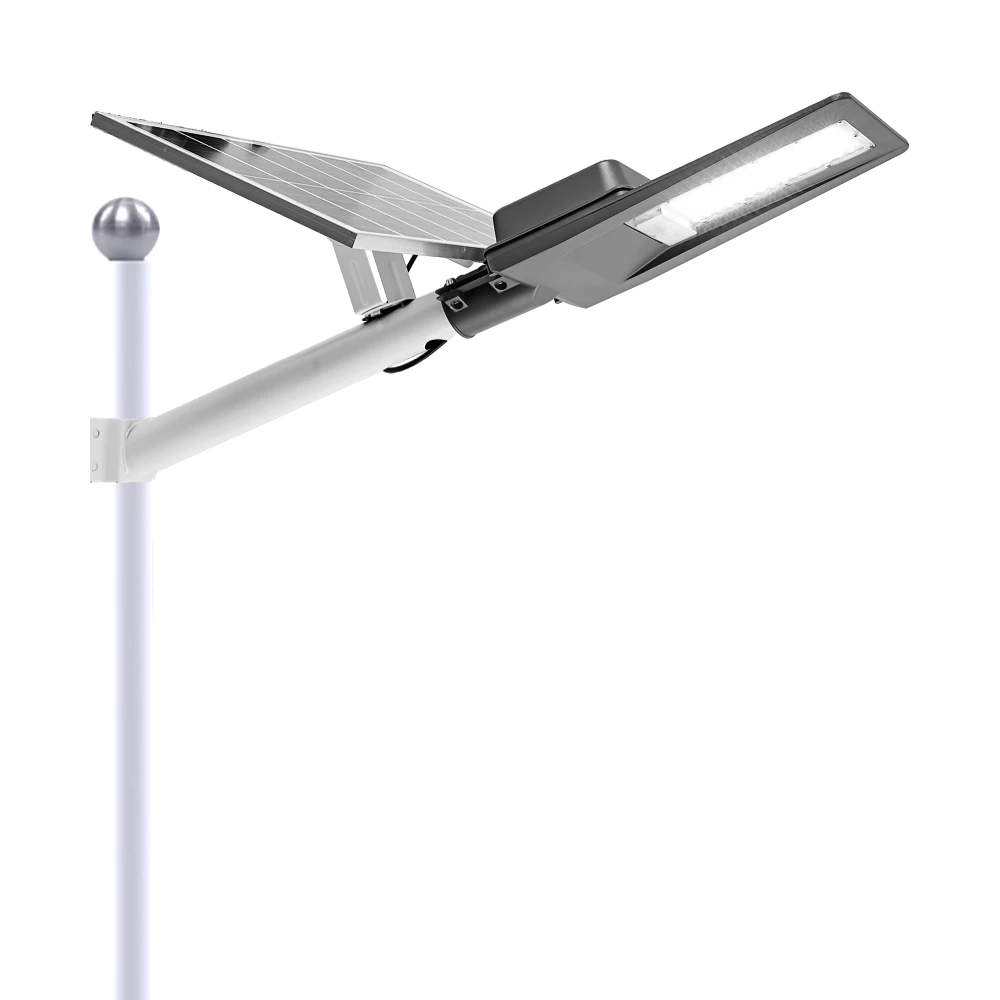
Experience reliable outdoor illumination with our smart solar street light, a perfect combination of advanced technology and eco-conscious design.
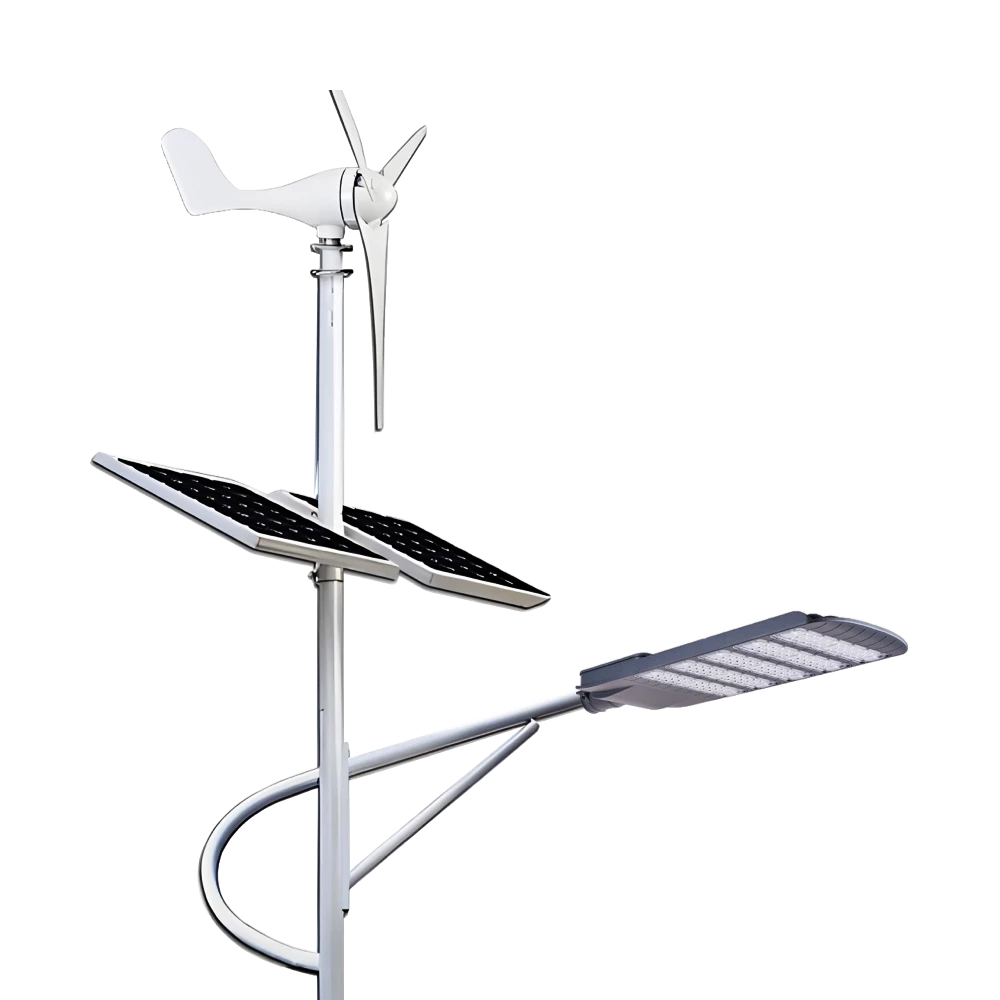
Queneng Lufeng Wind Energy LED Outdoor Solar Street Lights offer high-performance, eco-friendly illumination. These energy-efficient LED street lights harness solar power and wind energy for sustainable, cost-effective outdoor lighting solutions.
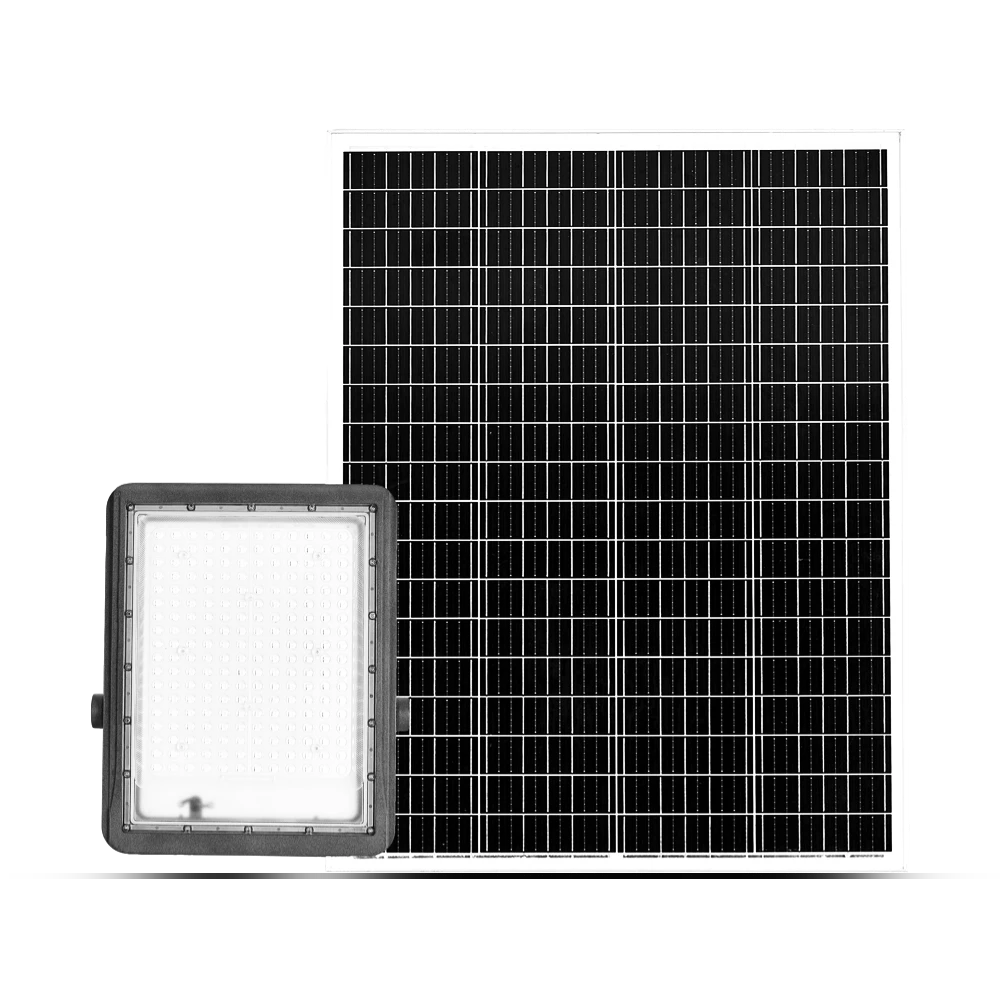
Queneng's Luxian Reliable Solar Street Light offers energy-saving LED lighting for outdoor use. This durable, solar-powered street light provides reliable illumination, reducing energy costs and environmental impact. A perfect solution for sustainable outdoor lighting.
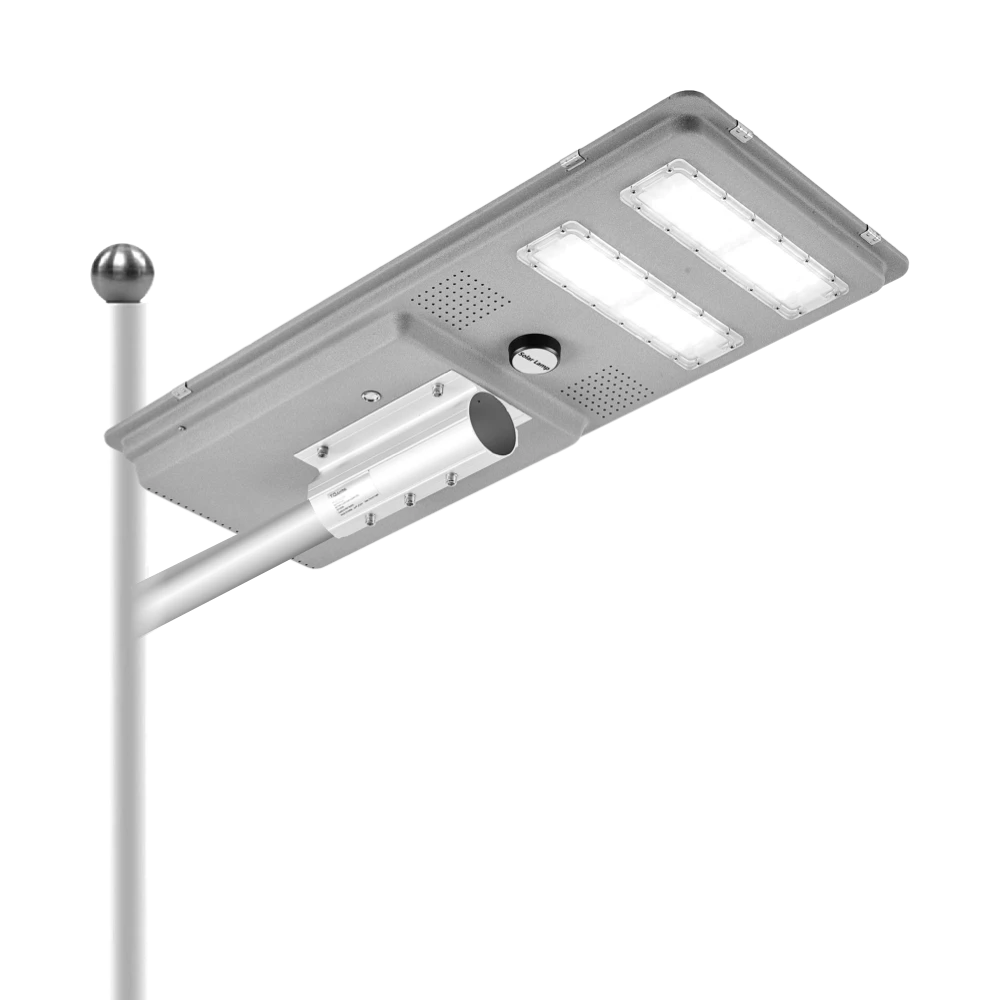
Queneng’s Solar Street Lights are designed to provide reliable, energy-efficient lighting for streets, parks, and other outdoor spaces.
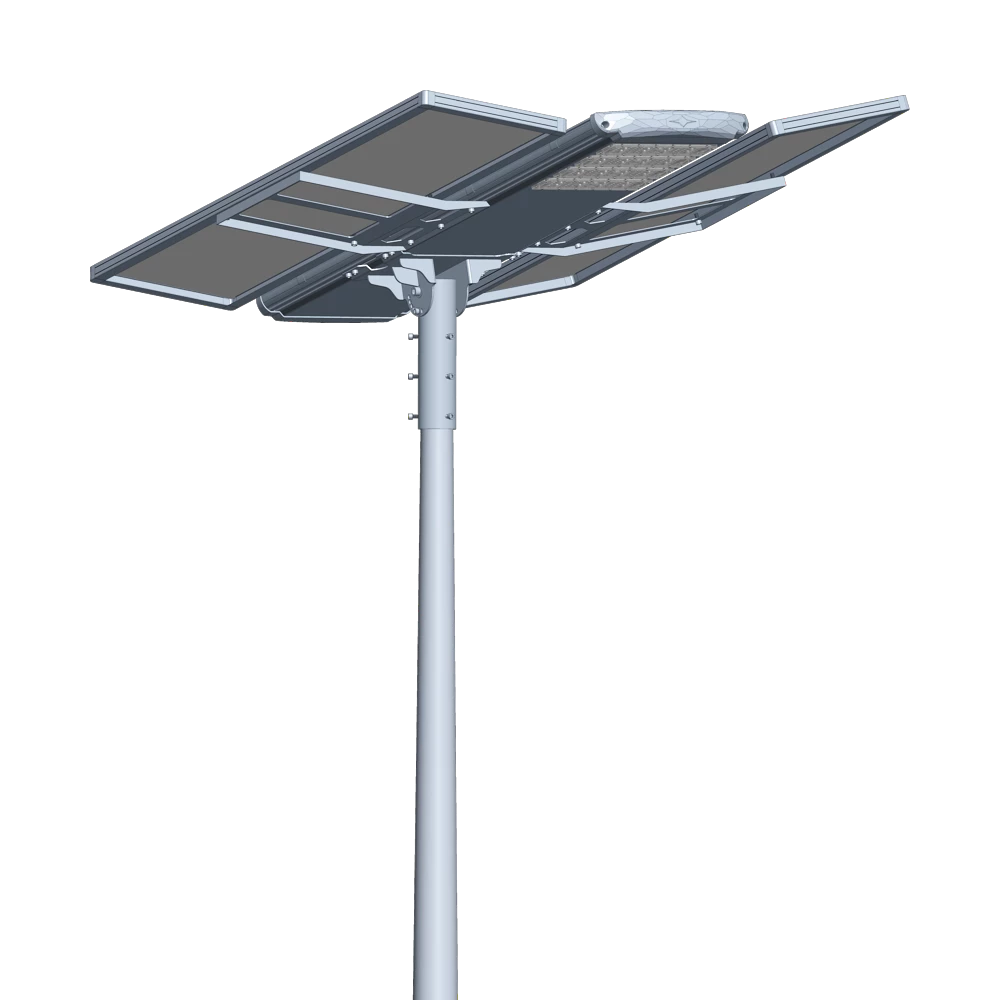
Introducing the Luqing Solar Street Light by Queneng, Efficient LED lighting powered by solar energy is perfect for illuminating outdoor areas. Harness the power of solar energy for sustainable, reliable street lighting. Ideal for eco-friendly, cost-effective outdoor illumination solutions.
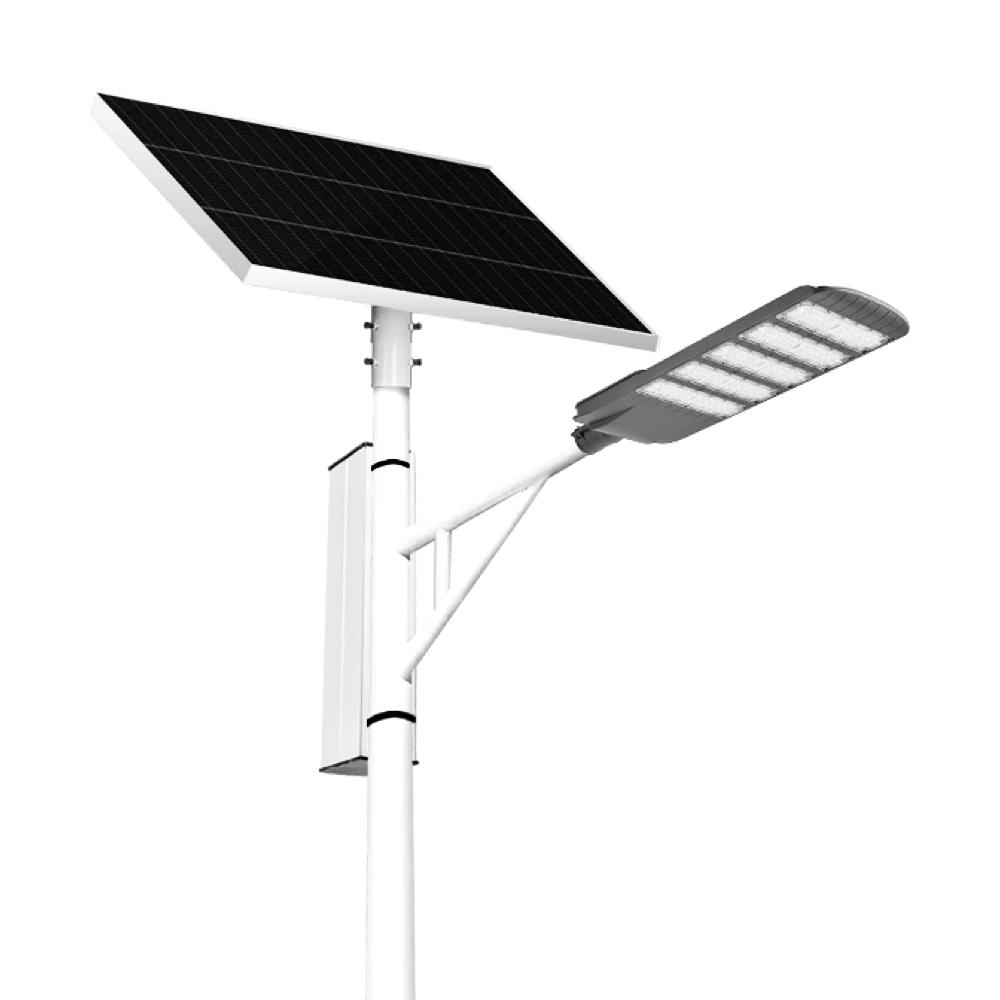
The Solar Streetlights of Luhao for Municipalities are designed to deliver reliable, energy-efficient, and cost-effective public lighting solutions. Equipped with advanced LED technology, durable lithium batteries, and high-efficiency solar panels, these streetlights provide consistent illumination for roads, parks, residential areas, and government projects.
Our professional team is ready to answer any questions and provide personalized support for your project.
You can reach us via phone or email to learn more about Queneng’s solar lighting solutions. We look forward to working with you to promote clean energy solutions!
Rest assured that your privacy is important to us, and all information provided will be handled with the utmost confidentiality.
By clicking 'Send Inquiry Now' I agree to Queneng processing my personal data.
To see how to withdraw your consent, how to control your personal data and how we process it, please see our Privacy Policy and Terms of use.
Schedule a Meeting
Book a date and time that is convenient for you and conduct the session in advance.
Have more questions about our products or services?
The messenger of light & power conversion
Environmental protection and intelligent manufacturing are our brand philosophy, and quality assurance and the best user experience are our eternal promises to users.
CONTACT
No.9F, Building F, Cao San Xin Tian Hong Logistics Park, Guzhen Town, Zhongshan City, Guangdong Province, China.
or write [email protected]
WhatsApp: +86 136 2270 1011


