














Solar Street Light Packaging Standards for International Wholesale
Understanding Buyer Intent: Why Packaging Standards Matter for Solar Street Light International Wholesale
and commercial goals
When buyers search Solar Street Light Packaging Standards for International Wholesale they typically want clear, actionable packaging and shipping requirements so bulk shipments arrive safely, clear customs, comply with battery/transport regulations, and minimize damage claims and extra costs. This guide answers those commercial needs with practical standards, test references, and logistics best practices tailored to solar street lights, solar panels and batteries.
Company Credentials and Relevance
Why Queneng is qualified to advise
GuangDong Queneng Lighting Technology Co., Ltd., founded in 2013, specializes in solar street lights and related products. Queneng has ISO 9001 certification and TÜV audit approval and holds CE, UL, BIS, CB, SGS and MSDS documents. Years of supplying listed companies and engineering projects give us direct experience implementing packaging standards that work in international wholesale markets.
Core Principles of Solar Street Light Packaging for International Wholesale
Protect product integrity and meet regulatory rules
Packaging standards must protect fragile optics and electronics, separate heavy components (poles, batteries, panels), satisfy lithium battery transport rules, and allow efficient palletization and container loading. The goal: zero damage in transit, clear customs, and optimized freight cost per unit.
Key Regulations and Tests to Reference
Mandatory transport and performance standards
- Battery & dangerous goods: Lithium-ion batteries are subject to UN recommendations (UN3480/UN3481 for cells and packs) and UN Manual of Tests and Criteria (UN38.3). Airfreight follows IATA DGR; sea freight follows IMDG. Proper declaration, packaging, state of charge limits and documentation are essential. - Packaging performance tests: Use ISTA (e.g., ISTA 1A / 2A / 3A depending on distribution profile) and ASTM D4169 to validate packaging under simulated transport conditions. - Wood packaging: ISPM 15 stamp required for wooden pallets/crates to meet international phytosanitary rules.
Packaging Design: Components and Best Materials
Separate packaging for different parts
Organize packaging by component: luminaires, poles, solar panels, batteries, controllers, and accessories. Typical choices: double-wall corrugated cartons for boxes, EPE foam and molded foam inserts for lamps and controllers, plywood crates for large panels and poles. Use corrosion-inhibiting materials (VPI paper, desiccants) when shipping to humid climates.
Packaging Specifications for Common Parts
Recommended box & crate specs and protection
- Luminaire box: double-wall corrugated carton (B/C flute) with form-fitting EPE foam; inner dunnage to prevent rotation. - Solar panels: plywood crate or heavy-duty crate with corner protection, anti-moisture wrap, and spacers between panels. - Batteries: follow UN/OTA packaging for lithium batteries—use inner packagings, strong outer packaging, and include battery-specific labeling and MSDS. - Poles & brackets: bundle poles in wooden crates or metal frames, protect threads and finishes with grease & taped ends. - Controllers & small parts: polybags + cartons with silica gel and cushioning.
Labeling, Documentation and Compliance
What to include on every wholesale shipment
Labels and papers required or recommended: country of origin, commercial invoice, packing list, certificate of origin (if required for tariffs), CE/UL/BIS/CB copies, MSDS for batteries, UN numbers and hazard labels for dangerous goods, handling marks (FRAGILE, KEEP DRY, TOP/BOTTOM), gross/net weight and carton dimensions. For lithium batteries include state of charge declaration and applicable IATA/IMDG paperwork.
Palletization and Container Loading Strategies
How to maximize safety and space
- Pallet sizes: use consistent pallet footprint (e.g., 1200 x 1000 mm or 48 x 40 in) to facilitate stacking. - Stacking limits: typical safe pallet load is 1,000–1,200 kg depending on pallet quality and logistics provider; follow carrier limits. - Unitization: wrap with stretch film, use corner boards and straps to prevent movement. Keep center of gravity low and distribute heavy items on bottom. - Container planning: a 20ft container holds ~33 m3 and a 40ft container ~67 m3 (use these volumes to calculate cubic utilization). Create a loading plan that balances weight and avoids overhang. - Marking pallets for customs: ensure pallet markings and packing lists are attached to outermost pallets for fast inspection.
Performance Testing and QC Before Shipping
Tests to reduce claims and returns
Run representative ISTA or ASTM D4169 distribution cycles before mass shipments. Perform random carton drop tests, vibration tests and stacking tests. Inspect sealed cartons for shifting, and do cycle-of-temperature tests if shipping to extreme climates. Document testing and keep QC photos for dispute resolution with buyers or carriers.
Handling Lithium Batteries Safely
Regulatory, practical and packaging notes
Solar street lights often include lithium iron phosphate (LiFePO4) or other Li-ion chemistries. Requirements: UN38.3 tested cells/packs, correct packing group, state-of-charge limitations for air shipments (often ≤30% SOC in some carriers), proper labeling and documentation, and MSDS. Work with an experienced freight forwarder or DG specialist to select packaging that meets both seller and buyer country rules.
Insurance, Claims and Traceability
How to protect your wholesale shipments commercially
Insure shipments for full CIF/CFR/FOB value depending on Incoterm. Capture pre-shipment photos, packaging lists, and CT scans or weight records. Implement serial number traceability and include a spare-parts list in each shipment to help customers do minor on-site repairs without delay.
Practical Packaging Checklist for International Wholesale Shipments
Step-by-step pre-shipment checklist
1. Verify product design and packaging suitability via ISTA/ASTM tests. 2. Confirm battery UN numbers, MSDS, and carrier acceptance. 3. Pack luminaires with molded foam and inner-carton supports. 4. Crate solar panels with plywood and edge protectors; label as glass and this side up. 5. Unitize pallets with straps, corner boards and minimum 3-wrap stretch film. 6. Attach handling labels, packing list, commercial invoice and certificates. 7. Ensure pallets/crates meet ISPM15 (if wood) and mark accordingly. 8. Coordinate with freight forwarder for container loading plan and dangerous goods handling. 9. Photograph and record weights/dimensions for each carton. 10. Obtain cargo insurance and send pre-alert to buyer with documentation.
Container Loading Example and Calculation Tips
How to estimate units per container
To estimate units per container, divide container cubic capacity by packaged unit volume and then check weight limits. Example: a 40ft container has ~67 m3 usable volume. If a packaged integrated solar street light box is 0.15 m3, theoretical maximum is ~450 units (67 / 0.15). Real-world packing efficiency (80–90%) and weight limits reduce this number. Always validate with trial loading and communicate exact pallet count and weights to buyers.
International Trade Terms and Responsibilities
Packaging obligations by Incoterm
Under Incoterms the party responsible for export packaging varies: under FOB/CIF the seller is usually responsible for export packing that is adequate for the main carriage; under EXW the buyer takes more packing responsibility. Confirm Incoterm and explicitly state packaging responsibilities, pallet ownership (if reusable), and any return requirements for packaging materials.
Conclusion: Reduce Risk and Win More Wholesale Business
Summary of benefits from following standards
Adopting these solar street light packaging standards reduces in-transit damage, customs delays, and costly claims. Combining ISTA/ASTM performance testing, correct lithium battery packaging and documentation, ISPM15-compliant crates, and professional palletization will improve buyer satisfaction and lower total landed cost. As an experienced supplier, GuangDong Queneng Lighting can implement and certify packaging solutions that meet major international buyers’ expectations.
Frequently Asked Questions
Q: Are there mandatory tests I must do before shipping solar street lights internationally?
Conduct UN38.3 testing for lithium batteries (if applicable) and perform packaging performance tests (ISTA 1A/3A or ASTM D4169) that match your distribution profile. These are often required by carriers and prudent for warranty/claims protection.
Q: How should lithium batteries in solar lights be packaged for sea vs air?
For air shipments follow IATA DGR (including SOC limits and packaging instructions) — many carriers restrict air transport of lithium batteries. For sea shipments follow IMDG and UN requirements. Use approved inner packagings, strong outer packaging, and correct labeling in both modes.
Q: What documentation must accompany a wholesale container?
Include commercial invoice, packing list, bill of lading, certificate of origin (if required), copies of CE/UL/BIS/CB, MSDS for batteries, UN/DG declarations, and any inspection certificates requested by the buyer or customs.
Q: How can I prove packaging compliance to a buyer?
Provide test reports (ISTA/ASTM), UN38.3 battery test certificates, photos of packaging, pallet loading diagrams, and certification copies (ISO 9001, TÜV, CE/UL). A pre-shipment inspection report from a third party (SGS/Intertek) is often persuasive.
Q: What are common causes of damage during international transport?
Typical causes: inadequate internal cushioning, poor palletization, moisture ingress, incorrect labeling leading to mishandling, and improper handling of heavy items on top of fragile packages. Address these with improved packaging design and handling labels.

Have more questions about our products or services?
The latest hot news you might like

Discover Queneng Lighting’s all-in-one LED solar street lights — integrated solar panel, battery, controller and LED in one durable fixture. Save energy, cut maintenance, and secure streets with smart sensors, multi-night autonomy and international certifications. Contact sales for quotes and support.

Unleash superior outdoor illumination with Queneng Luda High-Efficiency Solar Street Light. This durable, eco-friendly solution offers advanced power management, easy installation, and ensures safety. Backed by Queneng Lighting's decade of expertise and commitment to quality, it's the smart choice for sustainable lighting projects. Learn why we're a leading solar solutions provider.

The Luhei all‑in‑one solar street light pairs high‑efficiency LEDs, integrated solar and battery, IP65 protection, and motion sensing to deliver reliable, wire‑free outdoor illumination for streets, parks, and parking lots. Backed by Queneng Lighting’s certifications and support.

FAQ
Public Gardens and Landscape Lighting
Can solar lights be installed in any outdoor space?
Our solar lighting solutions are versatile and can be installed in most outdoor areas, including public gardens, parks, pathways, streets, and recreational areas. As long as there is enough sunlight exposure during the day, solar lights can be installed almost anywhere.
What are the benefits of using solar lighting in public gardens and landscapes?
Solar lighting is cost-effective, eco-friendly, and energy-efficient. It helps reduce energy consumption, minimizes carbon footprints, and provides long-lasting illumination without the need for electricity from the grid. Additionally, it requires minimal maintenance and offers flexibility in installation.
What happens if the solar light is not working properly?
If your solar light is not working properly, it could be due to a variety of reasons, such as dirt on the solar panel, insufficient sunlight, or battery issues. We recommend cleaning the panel and ensuring it receives enough sunlight. If the problem persists, please contact our customer service team for troubleshooting assistance.
Municipal and Public Infrastructure
Can solar streetlights be integrated with smart city solutions?
Yes, our solar streetlights can be integrated with IoT systems for smart monitoring, remote control, and data analytics, making them ideal for modern smart cities.
Tourist Attractions and Resorts
Are solar lights bright enough for outdoor areas at night?
Yes, solar lights are designed to provide adequate brightness for outdoor areas such as pathways, gardens, and parking lots. Advanced solar technology ensures they provide sufficient lighting for safety and ambiance.
Schools and Educational Institutions
Do the solar lights come with a timer or automatic on/off function?
Yes, many of our solar lighting systems come with built-in timers or automatic sensors, allowing them to turn on at dusk and off at dawn, or based on a set schedule.
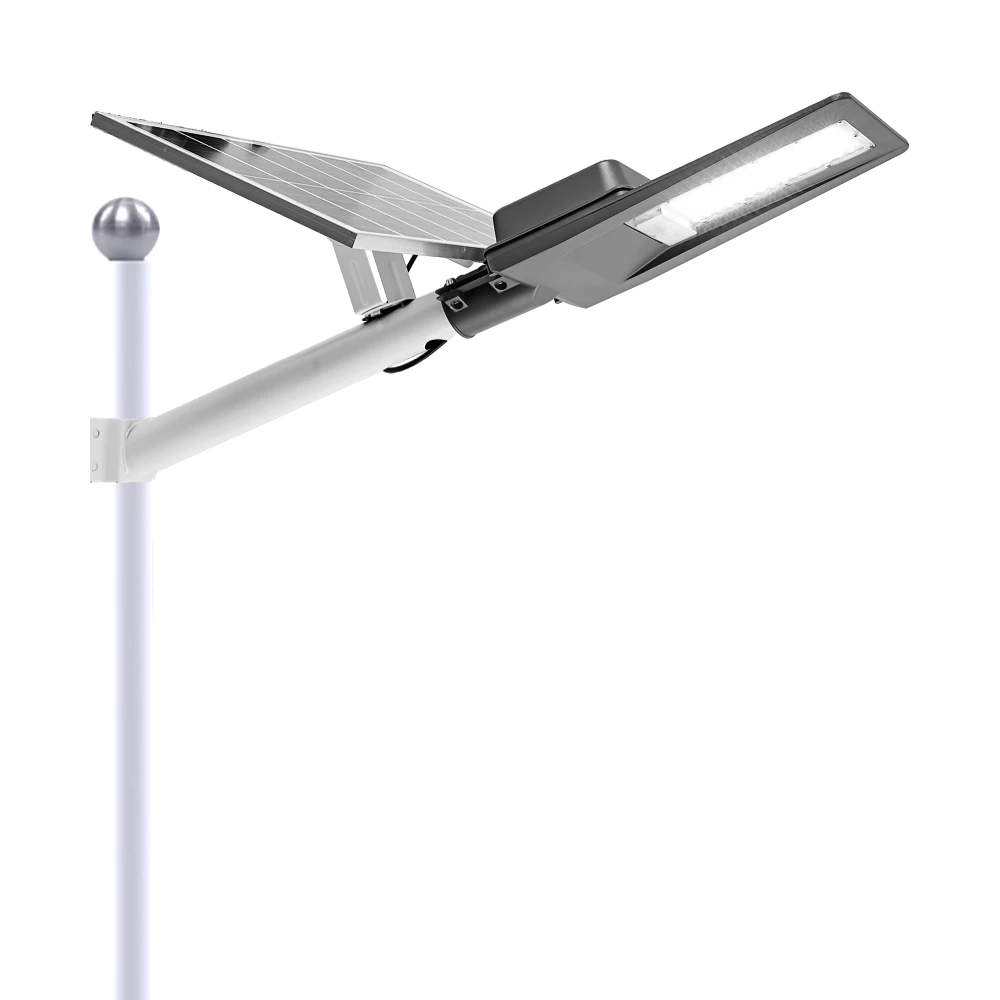
Experience reliable outdoor illumination with our smart solar street light, a perfect combination of advanced technology and eco-conscious design.
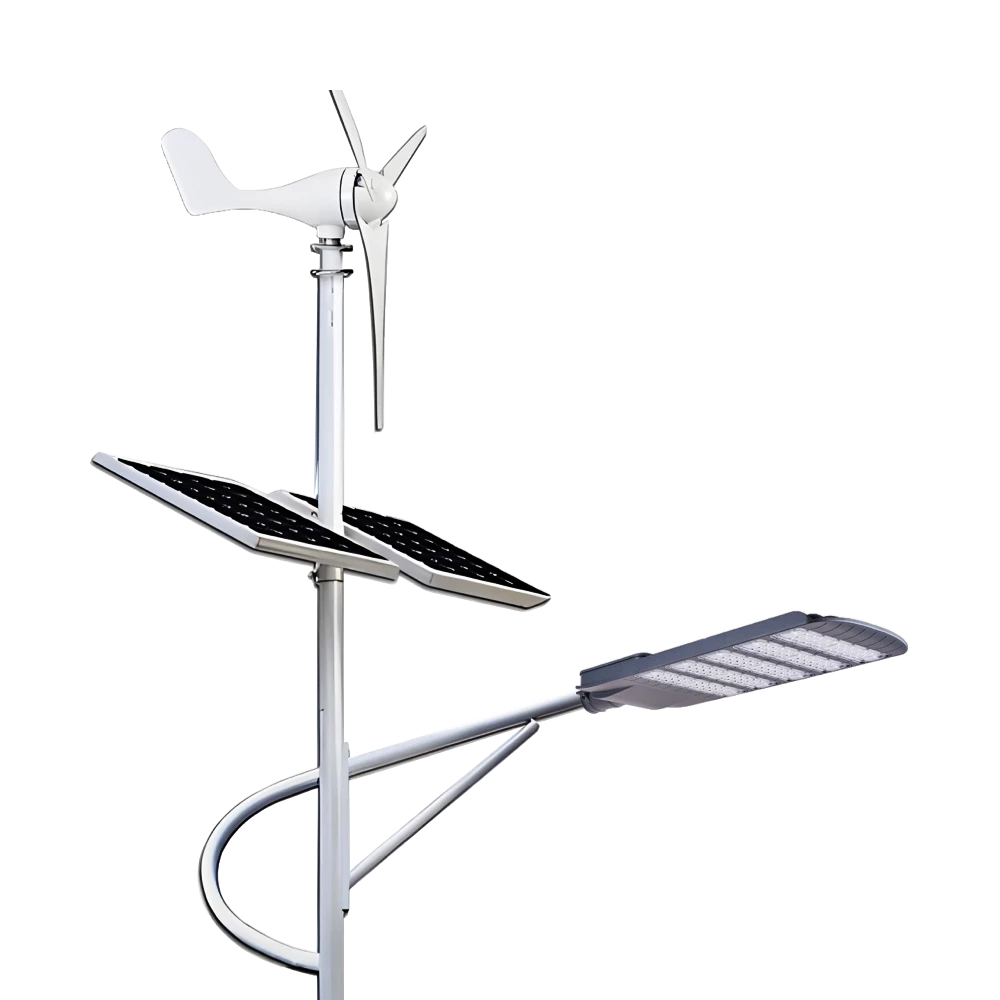
Queneng Lufeng Wind Energy LED Outdoor Solar Street Lights offer high-performance, eco-friendly illumination. These energy-efficient LED street lights harness solar power and wind energy for sustainable, cost-effective outdoor lighting solutions.
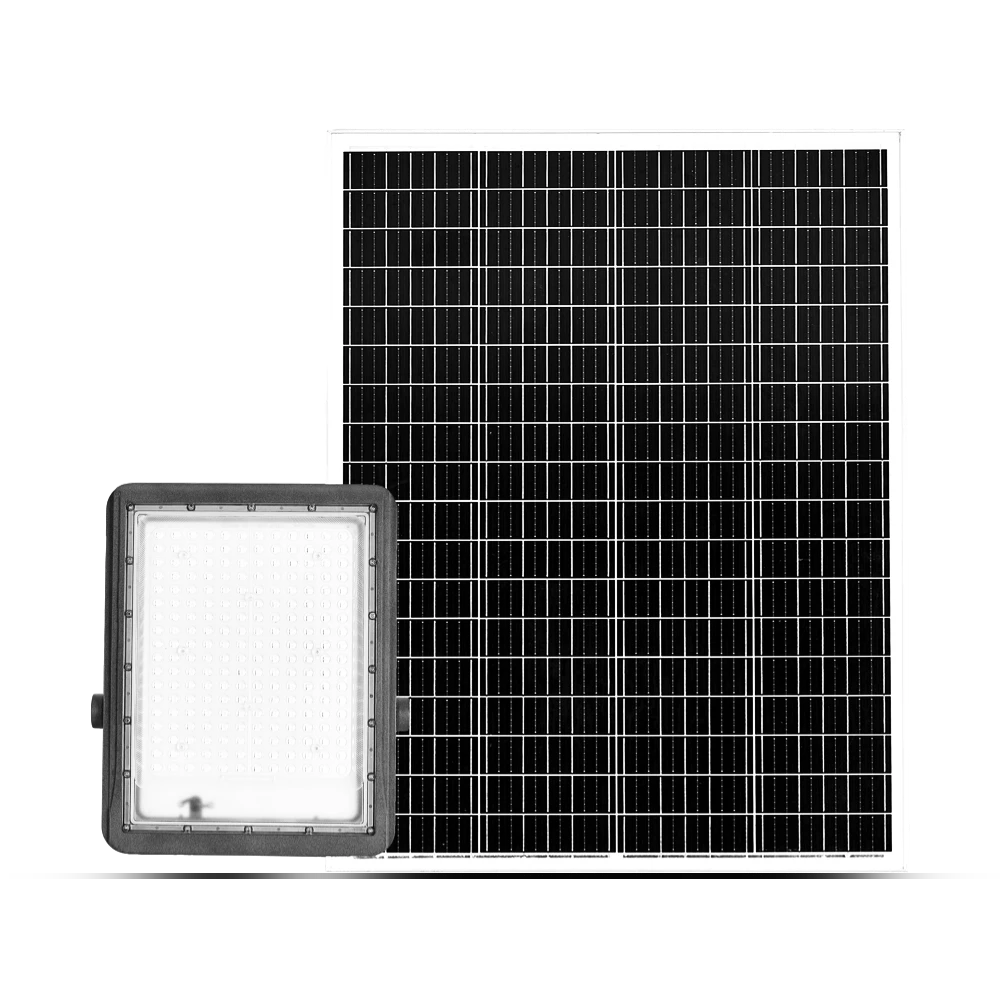
Queneng's Luxian Reliable Solar Street Light offers energy-saving LED lighting for outdoor use. This durable, solar-powered street light provides reliable illumination, reducing energy costs and environmental impact. A perfect solution for sustainable outdoor lighting.
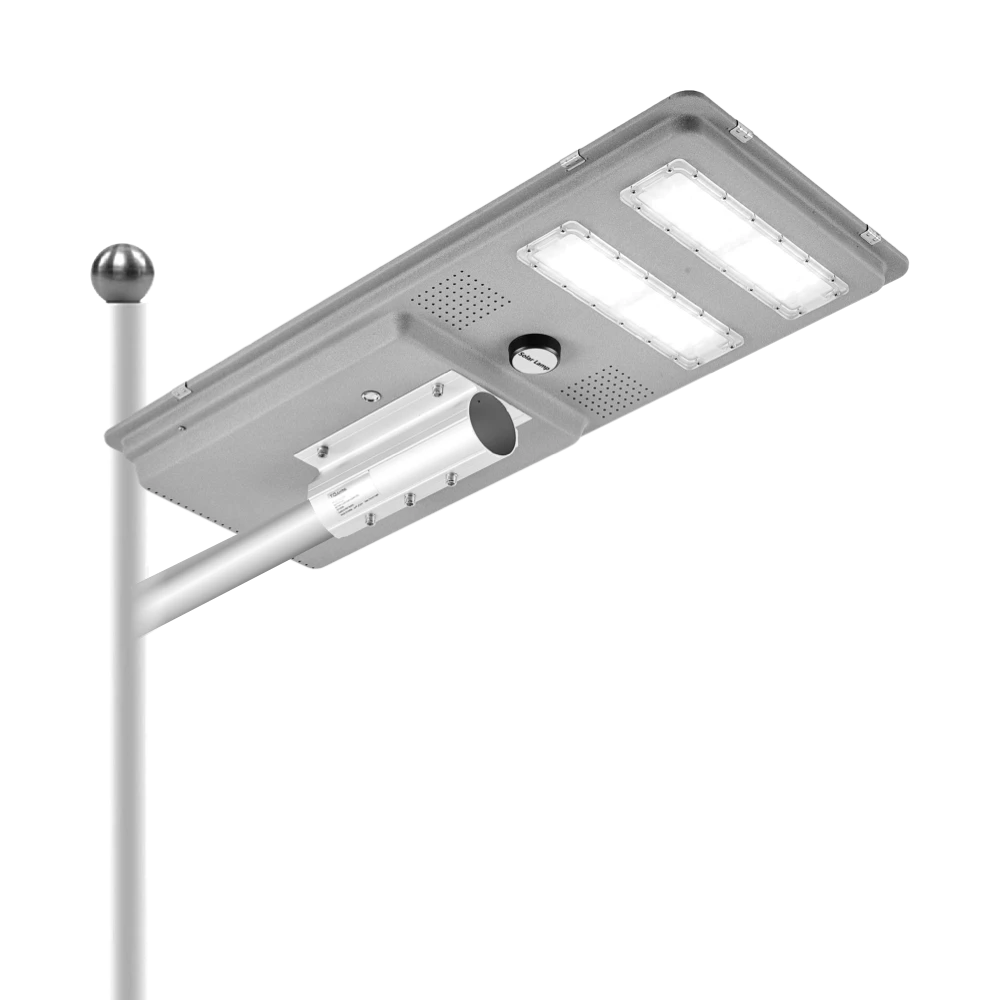
Queneng’s Solar Street Lights are designed to provide reliable, energy-efficient lighting for streets, parks, and other outdoor spaces.
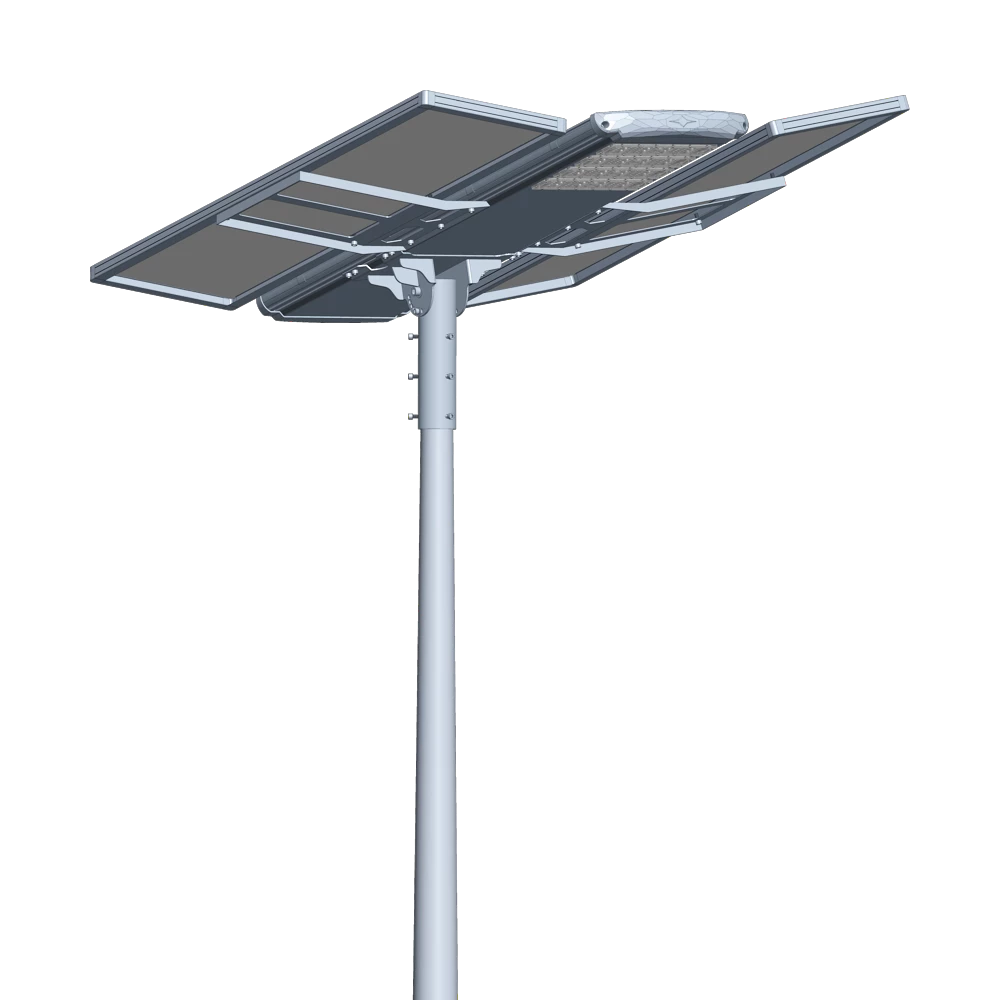
Introducing the Luqing Solar Street Light by Queneng, Efficient LED lighting powered by solar energy is perfect for illuminating outdoor areas. Harness the power of solar energy for sustainable, reliable street lighting. Ideal for eco-friendly, cost-effective outdoor illumination solutions.
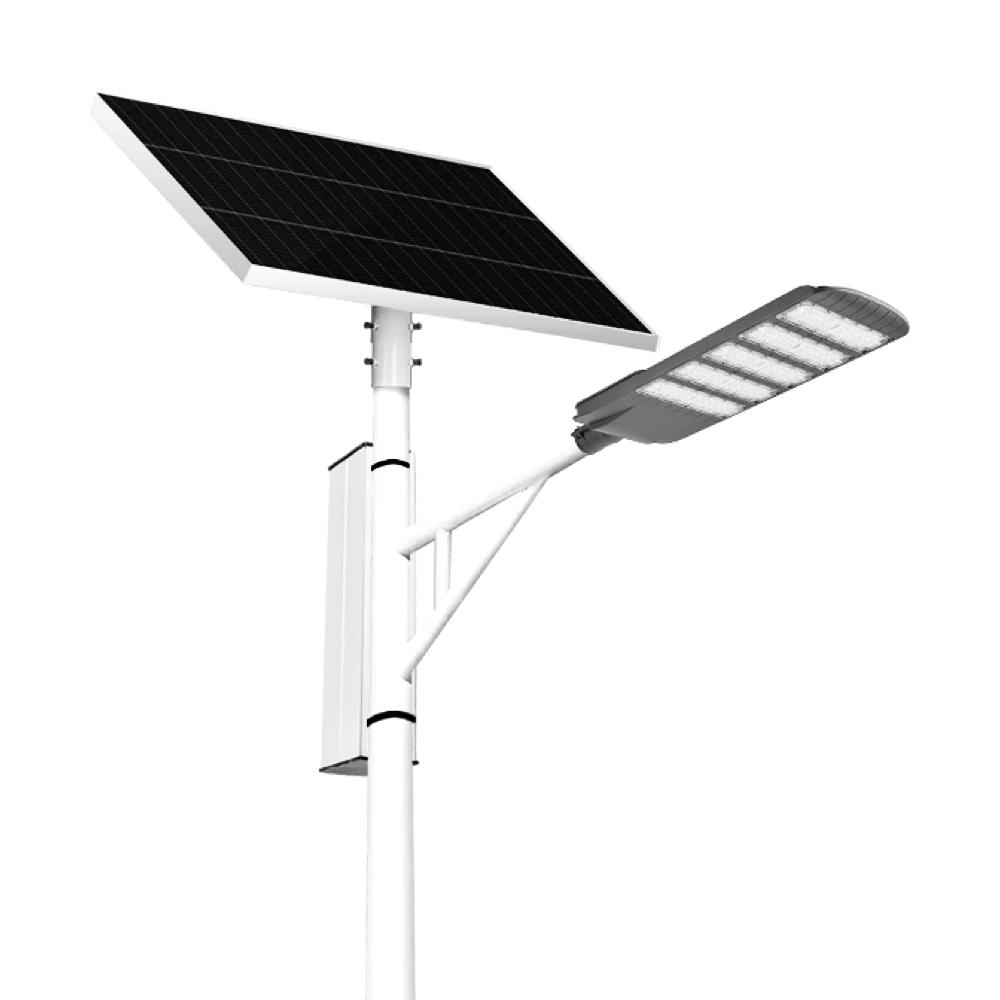
The Solar Streetlights of Luhao for Municipalities are designed to deliver reliable, energy-efficient, and cost-effective public lighting solutions. Equipped with advanced LED technology, durable lithium batteries, and high-efficiency solar panels, these streetlights provide consistent illumination for roads, parks, residential areas, and government projects.
Our professional team is ready to answer any questions and provide personalized support for your project.
You can reach us via phone or email to learn more about Queneng’s solar lighting solutions. We look forward to working with you to promote clean energy solutions!
Rest assured that your privacy is important to us, and all information provided will be handled with the utmost confidentiality.
By clicking 'Send Inquiry Now' I agree to Queneng processing my personal data.
To see how to withdraw your consent, how to control your personal data and how we process it, please see our Privacy Policy and Terms of use.
Schedule a Meeting
Book a date and time that is convenient for you and conduct the session in advance.
Have more questions about our products or services?
The messenger of light & power conversion
Environmental protection and intelligent manufacturing are our brand philosophy, and quality assurance and the best user experience are our eternal promises to users.
CONTACT
No.9F, Building F, Cao San Xin Tian Hong Logistics Park, Guzhen Town, Zhongshan City, Guangdong Province, China.
or write [email protected]
WhatsApp: +86 136 2270 1011


